
The Artistry of Indus Valley Jewelry: Craftsmanship Through the Ages

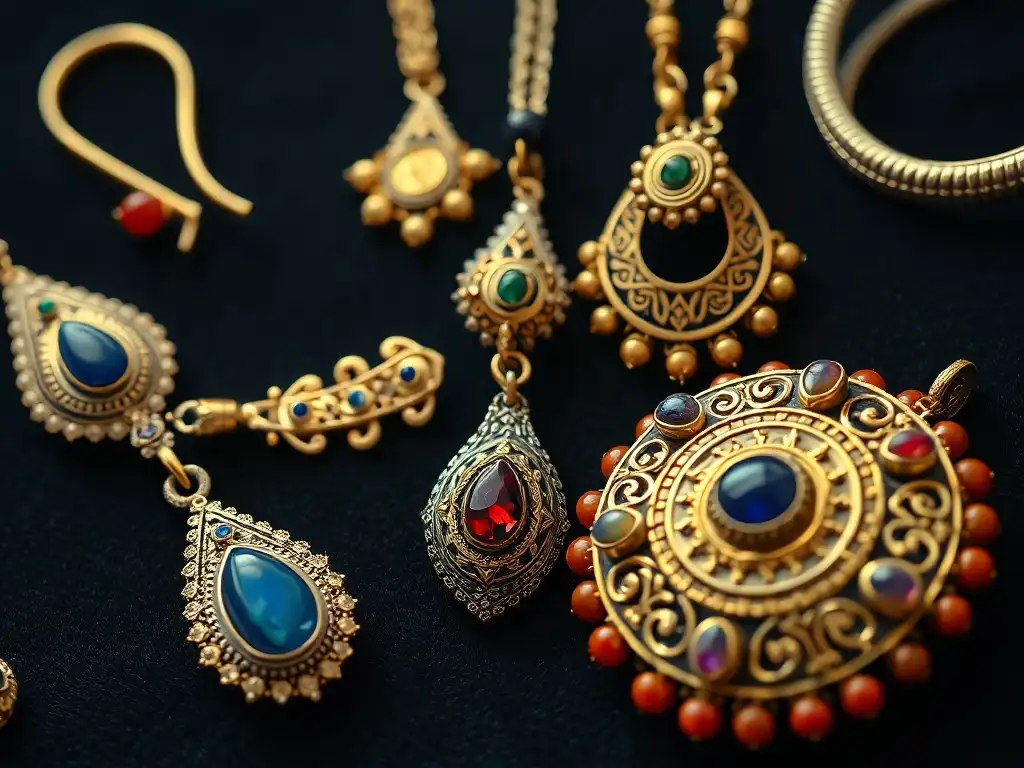
Welcome to Ancient India History, where we embark on a captivating journey through the rich tapestry of ancient Indian civilizations. Our exploration begins with a fascinating dive into the exquisite world of Indus Valley jewelry craftsmanship. Discover how the artisans of this remarkable era not only adorned themselves but also wove tales of culture, trade, and artistic ingenuity that resonate through the ages.
As you delve into our featured article, "The Artistry of Indus Valley Jewelry: Craftsmanship Through the Ages," prepare to uncover the secrets behind these timeless treasures and the legacy they left behind. Join us in unraveling the mysteries of a civilization that continues to inspire and intrigue!
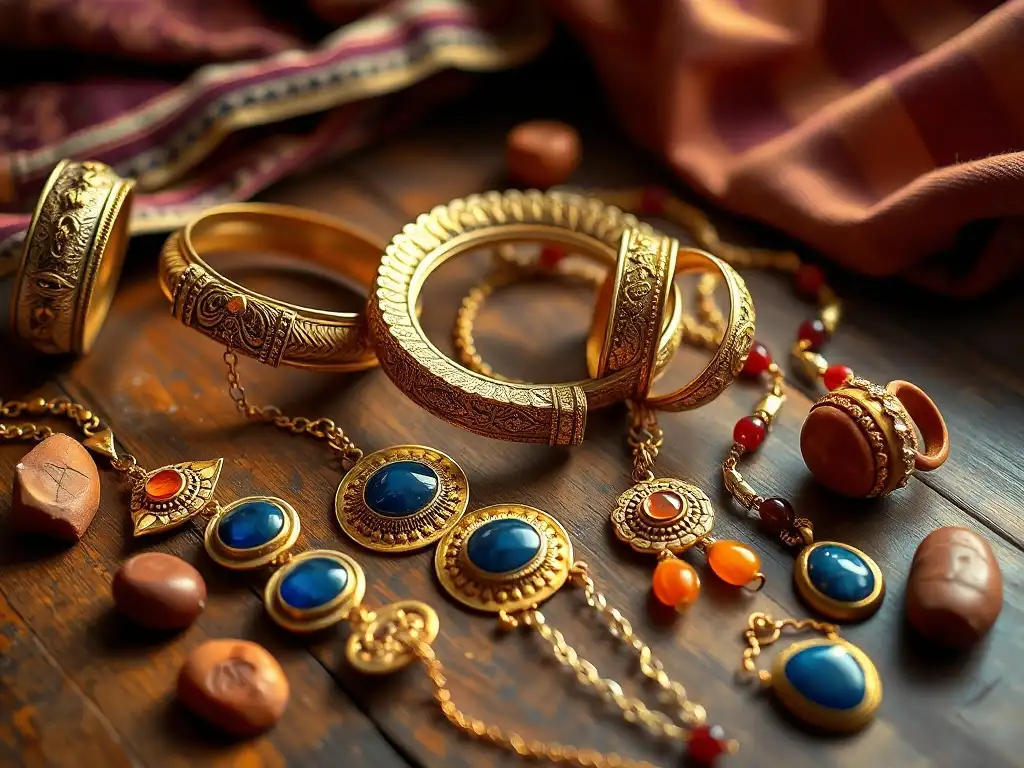
Introduction to Indus Valley Jewelry Craftsmanship
The Indus Valley Civilization, one of the world's earliest urban cultures, flourished around 2500 BCE in present-day Pakistan and northwest India. Renowned for its sophisticated city planning, advanced drainage systems, and vibrant trade, this civilization also made remarkable strides in artistry, particularly in jewelry craftsmanship. The jewelry of the Indus Valley is not merely ornamental but serves as a window into the social, economic, and cultural dynamics of the time.
Through intricate designs and diverse materials, these artifacts reflect the skill and creativity of ancient artisans, revealing insights into their beliefs, status, and daily life. In this article, we will delve into the artistry of Indus Valley jewelry, exploring its historical context, significance, and evolution through the ages.
Overview of Indus Valley Civilization and Its Artistic Legacy
The Indus Valley Civilization (IVC), also known as the Harappan Civilization, emerged around 3300 BCE and thrived until approximately 1300 BCE. Its cities, such as Harappa and Mohenjo-Daro, were characterized by their advanced urban planning and architecture.
- Artistic Skills: The artisans of the Indus Valley showcased exceptional craftsmanship in various forms, including pottery, textiles, and notably, jewelry.
- Materials Used: They employed a diverse range of materials, from precious metals like gold and silver to semi-precious stones such as lapis lazuli, carnelian, and agate.
- Symbolic Significance: Jewelry often carried symbolic meanings, reflecting social status, marital status, and religious beliefs.
The artistry of the Indus Valley not only highlights the technical skills of its craftsmen but also emphasizes the civilization's deep connection to spirituality and nature.
Importance of Jewelry in Ancient Indian Societies
Jewelry in ancient Indian societies served multiple purposes beyond mere adornment. It played a crucial role in:
- Cultural Identity: Jewelry styles varied significantly across regions and communities, often signifying cultural identity and heritage.
- Social Status: Wealth and status were frequently represented by the quantity and quality of jewelry worn, with elaborate pieces indicating higher social standing.
- Religious and Spiritual Significance: Many pieces were designed for religious ceremonies and were believed to possess protective qualities.
In the context of the Indus Valley, jewelry not only fulfilled aesthetic purposes but also functioned as an integral part of the social fabric, reflecting the values and beliefs of its people.
Historical Context of Indus Valley Jewelry
Origins of Jewelry Making in the Indus Valley
The origins of jewelry making in the Indus Valley can be traced back to the early phases of the civilization. Archaeological evidence reveals that:
- Early Techniques: Initial jewelry was crafted using simple techniques, featuring beads made of terracotta, shells, and stones.
- Trade Influence: The strategic location of the IVC facilitated trade with other ancient cultures, leading to the introduction of new materials and techniques.
- Craftsmanship Development: Over time, the skills of artisans advanced, incorporating metalworking and more intricate designs.
The evolution of jewelry making in the Indus Valley reflects a blend of indigenous creativity and external influences, setting the stage for the sophisticated craftsmanship that would follow.
Evolution of Jewelry Styles Through Different Periods
As the Indus Valley Civilization progressed, so too did its jewelry styles. This evolution can be categorized into several distinct phases:
- Early Harappan Period (3300-2600 BCE):
- Simple bead necklaces and bracelets made from local materials.
- Mature Harappan Period (2600-1900 BCE):
- Introduction of sophisticated designs, use of gold and silver, and intricate gemstone settings.
- Late Harappan Period (1900-1300 BCE):
- A decline in craftsmanship quality; however, the influence of earlier styles persisted, adapted by subsequent cultures.
The changes in jewelry styles throughout these periods reflect broader socio-economic shifts, trade connections, and the evolving aesthetic preferences of the Indus Valley's inhabitants.
The artistry of Indus Valley jewelry craftsmanship embodies the rich cultural heritage and technological advancements of one of the most remarkable ancient civilizations, providing a lasting legacy that continues to intrigue historians and artisans alike.
Materials Used in Indus Valley Jewelry Craftsmanship
The artistry of Indus Valley jewelry craftsmanship is deeply rooted in the materials that artisans selected and utilized. The Indus Valley Civilization, which flourished from approximately 3300 to 1300 BCE, is known for its sophisticated urban planning, trade networks, and, notably, its exquisite jewelry. The materials employed by these ancient artisans not only highlight their creativity but also reflect their access to resources, trade exchanges, and the cultural significance of adornments.
Commonly Used Materials in Indus Valley Jewelry
Indus Valley jewelers predominantly used a variety of materials, which included:
- Semi-precious stones: Carnelian, agate, lapis lazuli, and turquoise were commonly used. These stones were often polished to enhance their natural beauty and were crafted into beads and pendants.
- Metals: Gold and silver were favored for their luster and malleability. Bronze was also utilized, particularly for crafting intricate designs.
- Shells and ivory: Shells were often carved into decorative pieces, while ivory from elephants was used to create intricate and delicate items.
- Clay and terracotta: While not as durable as metals and stones, clay was utilized for making ornaments, especially in the form of beads and figurines.
These materials were not only visually appealing but also held significant social and cultural meanings, often reflecting the status and wealth of the wearer.
Techniques for Sourcing and Working with Precious Stones and Metals
The sourcing of materials in the Indus Valley was a complex process that involved trade routes extending across regions. Artisans would acquire precious stones through trade with distant lands, as well as from local deposits. The region was rich in resources, particularly for semi-precious stones.
Once sourced, artisans employed various methods to work with these materials:
- Cutting and Polishing: Techniques for cutting stones into specific shapes and polishing them to a high shine were crucial. This required skill and knowledge of the properties of each material.
- Metalworking: The process of smelting and molding metals like gold and silver involved advanced techniques. Artisans would often hammer metals into thin sheets or draw them into wires for intricate designs.
- Drilling and Stringing: Drilling holes in beads and pendants allowed for the creation of necklaces and bracelets. Stringing these items required precision to maintain their aesthetic appeal.
These techniques showcase the high level of expertise and craftsmanship developed by the jewelers of the Indus Valley.
Techniques and Methods of Jewelry Craftsmanship
The techniques and methods employed in the jewelry craftsmanship of the Indus Valley reveal a sophisticated understanding of aesthetics and functionality. The artisans combined artistry with technical skill, resulting in pieces that were not only beautiful but also practical.
Overview of Jewelry Making Techniques in the Indus Valley
In the Indus Valley, jewelry-making was an elaborate process that took advantage of the artisans' innovative techniques. Some key methods included:
- Bead-making: Beads were crafted from a variety of materials and often strung together to form intricate necklaces and bracelets. The design included different shapes and colors to create striking patterns.
- Casting and Molding: Metal jewelry was often created using casting techniques. Artisans would create molds from clay or stone, allowing them to replicate designs consistently.
- Engraving and Inlay: Engraving was a popular technique used to adorn metal surfaces, while inlay involved setting stones into metal frames, adding depth and texture to the jewelry.
These methods reveal how artisans prioritized both beauty and durability in their creations.
Innovations in Craftsmanship: Tools and Methods Used
The Indus Valley jewelers were pioneers in the development of tools and techniques that enhanced their craftsmanship. Innovations included:
- Advanced tools: The use of chisels, hammers, and drills allowed for precise work on metals and stones. This facilitated the creation of intricate designs that were previously unattainable.
- Kilns and furnaces: The development of kilns for firing clay and furnaces for melting metals significantly improved the quality of the materials used.
- Trade networks: The establishment of extensive trade networks not only provided access to a variety of materials but also introduced new techniques and styles from other cultures, enriching the local craftsmanship.
These innovations underscore the exceptional skill of Indus Valley artisans and their ability to adapt and evolve in their craft, ensuring that their jewelry remained both functional and symbolic throughout the ages.
Types of Jewelry in the Indus Valley Civilization
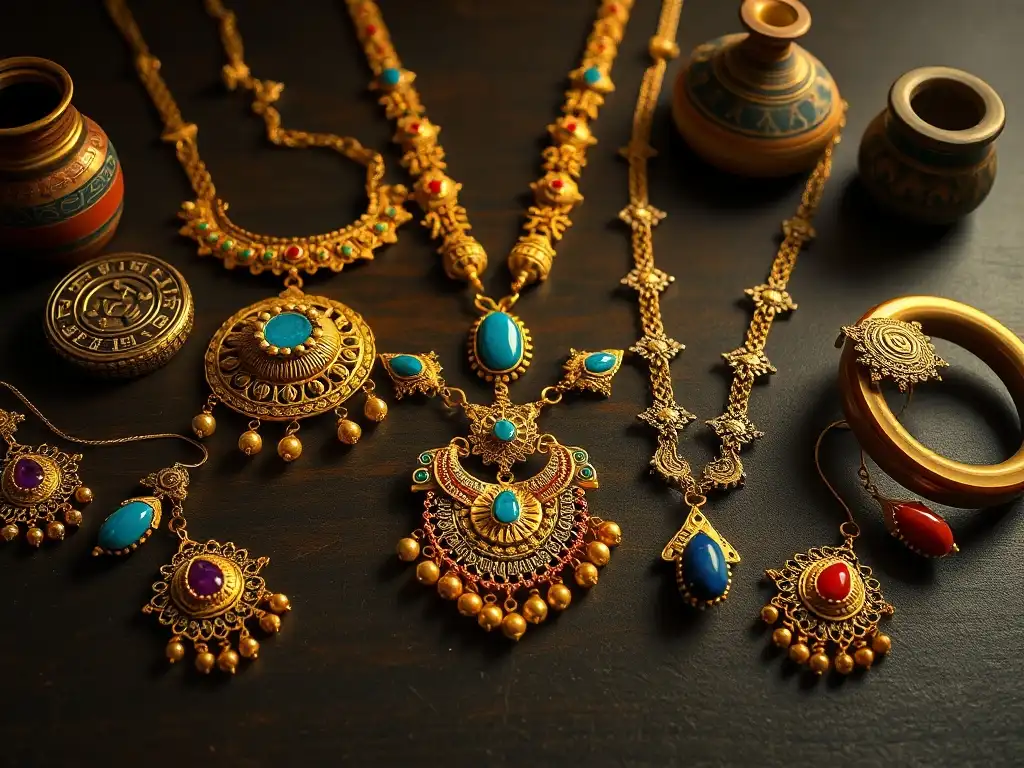
The Indus Valley Civilization, flourishing between 3300 and 1300 BCE, is renowned for its sophisticated craftsmanship, particularly in jewelry making. The artisans of this ancient civilization utilized a variety of materials to create stunning pieces that were not only decorative but also held significant social and cultural meanings. Jewelry was crafted from materials such as semi-precious stones, gold, silver, copper, and clay.
The types of jewelry produced during this period included:
- Necklaces
- Bracelets and Bangles
- Earrings and Other Adornments
Each category featured unique designs and symbolic meanings, showcasing the artisans' skills and the civilization's aesthetic values.
Necklaces: Symbolism and Design Variations
Necklaces in the Indus Valley Civilization were often elaborate and served multiple purposes. They were not just decorative items but also carried symbolic meanings related to status and identity. Crafted from a variety of materials, including beads made from carnelian, agate, and shell, necklaces showcased intricate designs that reflected the wearer's social standing.
Some necklaces featured large pendants or amulets, often inscribed with motifs that represented fertility, protection, or divinity. The use of color and material variations indicated different meanings; for instance, red stones were often associated with life and vitality. The craftsmanship involved meticulous beading techniques and the combination of various materials, which was a testament to the artisans' skill and creativity.
Bracelets and Bangles: Significance in Social Status
Bracelets and bangles were prevalent in the Indus Valley, serving as markers of social status and wealth. The variety in styles, materials, and sizes indicated the wearer's position within the community. Wealthier individuals often adorned themselves with gold and silver bangles, while those of lower status might wear simpler versions made from clay or less expensive metals.
The designs of these adornments ranged from simple and unadorned to highly intricate, featuring engravings and inlays of semi-precious stones. Additionally, bangles were often worn in groups, signifying not only fashion but also the importance of collective identity. The practice of wearing multiple bangles was common among women and is thought to have signified their marital status and fertility.
Earrings and Other Adornments: Artistic Expressions
Earrings and other small adornments from the Indus Valley Civilization reflect a high level of artistic expression and technical skill. The earrings varied from simple studs to elaborate dangling designs, often adorned with intricate patterns and symbolic motifs. Materials such as gold, silver, and various stones were used, showcasing the artisans' expertise in metalworking and stone setting.
Other adornments included nose rings and hairpieces, which further highlighted the importance of jewelry in daily life and ceremonial practices. These pieces not only served aesthetic functions but also played roles in rituals and social interactions, linking individuals to their cultural heritage.
Cultural Significance of Indus Valley Jewelry
Jewelry in the Indus Valley Civilization transcended mere decoration; it was deeply interwoven with the cultural fabric of society. The craftsmanship of jewelry was reflective of the civilization's values, beliefs, and social structures.
Jewelry as a Reflection of Social Hierarchy and Wealth
The diversity in jewelry types and materials served as a clear indicator of social hierarchy within the Indus Valley Civilization. Wealth was often displayed through the quantity and quality of jewelry worn, with the elite class adorning themselves in elaborate pieces made from precious metals and stones. Artisans created bespoke items for the wealthy, emphasizing their status and reinforcing social distinctions.
Conversely, simpler jewelry was more common among the lower classes, demonstrating how adornment practices were indicative of one's social position. This stratification is evident in archaeological findings, where burial sites reveal the types of jewelry buried with individuals, illustrating their status in life and the importance placed on material possessions in death.
The Role of Jewelry in Religious and Spiritual Practices
Jewelry in the Indus Valley also played a significant role in religious and spiritual practices. Many pieces were believed to possess protective qualities, with amulets and pendants serving as talismans against evil spirits or misfortune. The motifs and symbols engraved on these pieces often had religious connotations, reflecting beliefs in fertility, prosperity, and divine favor.
In rituals and ceremonies, jewelry was worn to invoke blessings and demonstrate devotion. The intricate craftsmanship of these items not only showcased the skills of the artisans but also illustrated the cultural significance of jewelry as a means of connecting the material world with the spiritual realm.
Case Studies of Notable Indus Valley Jewelry Pieces
The Indus Valley Civilization, flourishing around 2500 BCE, showcased exceptional craftsmanship in jewelry-making, which reflects the society's aesthetic values and cultural practices. Several iconic pieces have been unearthed from archaeological sites, revealing the intricate artistry and advanced techniques employed by artisans of the time. This section delves into notable examples of Indus Valley jewelry, illustrating the sophistication and creativity that characterized their craftsmanship.
Analysis of Iconic Jewelry Artifacts from Archaeological Sites
Among the most remarkable jewelry artifacts discovered are the bead necklaces and ornate bangles found in sites like Mohenjo-Daro and Harappa. These pieces often incorporated materials such as semi-precious stones, shell, and terracotta, showcasing not only the artisans' skills but also their trade connections.
- Bead Necklaces:
- Crafted from various materials, including carnelian, agate, and lapis lazuli, these necklaces were often layered and included intricate patterns. The uniformity in bead size and shape indicates a high level of craftsmanship and standardization.
- Ornate Bangles:
- Bangles made from terracotta, shell, and metal were common. The sophisticated designs often featured geometric shapes and motifs that suggest symbolic meanings, perhaps related to fertility or status.
- Pendants and Earrings:
- Many pendants, shaped like animals or symbolic figures, reflect a spiritual or cultural significance. Earrings varied from simple hoops to elaborate designs, often adorned with precious stones, indicating the wearer's wealth and social standing.
These artifacts provide a glimpse into the daily lives and spiritual beliefs of the Indus Valley people, revealing a civilization deeply connected to artistry and symbolism.
Insights Gained from Studying Indus Valley Jewelry Pieces
The study of Indus Valley jewelry has provided valuable insights into the social, economic, and cultural fabric of the civilization. Jewelry was not merely an adornment but served various purposes:
- Social Hierarchy: The diversity in jewelry types suggests a stratified society where wealth and status were visually represented through elaborate adornments.
- Trade Networks: The use of materials like lapis lazuli, sourced from Afghanistan, indicates extensive trade routes and interactions with distant cultures, highlighting the Indus Valley's role as a significant economic hub.
- Cultural Significance: Many artifacts display motifs and symbols that are thought to have religious or spiritual meanings, reflecting the beliefs and practices of the people.
By analyzing these pieces, researchers can reconstruct aspects of daily life, social structures, and cultural values of the Indus Valley Civilization, thereby enriching our understanding of ancient Indian history.
The Legacy of Indus Valley Jewelry Craftsmanship
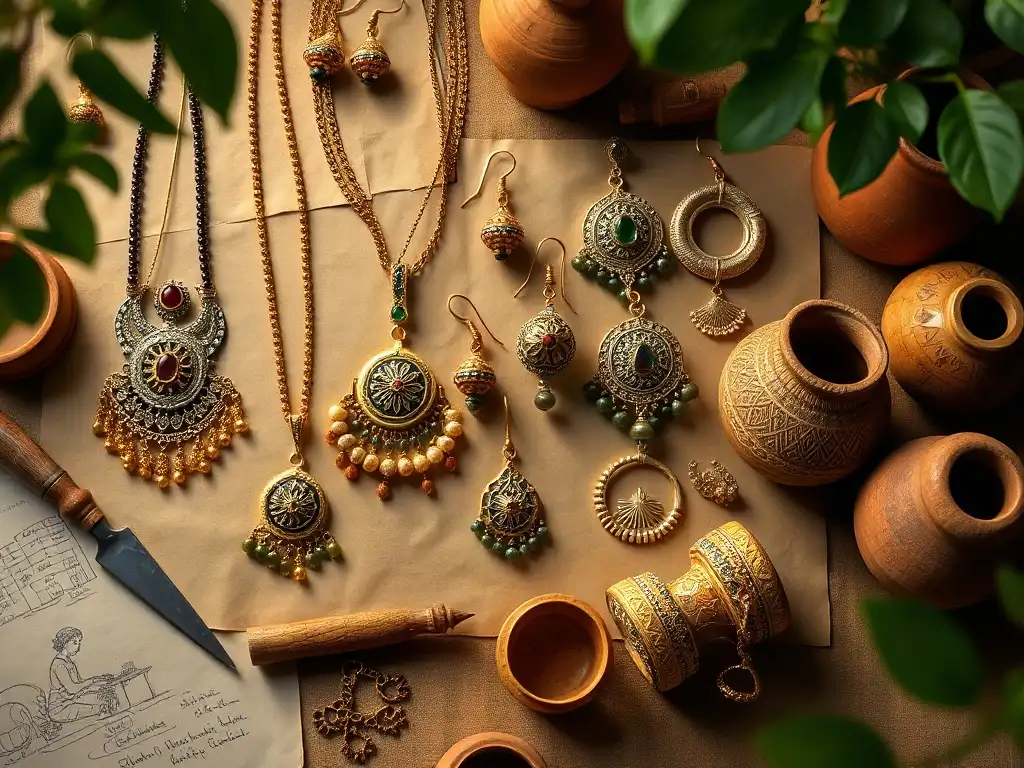
The artistry of Indus Valley jewelry has left a lasting legacy that transcends its time, influencing subsequent generations of artisans and jewelry makers across India. This legacy is evident in both traditional craftsmanship and modern adaptations.
Influence on Later Indian Jewelry Traditions
The techniques and designs developed during the Indus Valley period have significantly influenced later Indian jewelry traditions.
- Continued Use of Beading Techniques: The bead-making techniques established in the Indus Valley are still prevalent today, with artisans creating intricate necklaces and bracelets that echo ancient styles.
- Symbolism and Motifs: Many symbols found in Indus jewelry, such as animal motifs and geometric patterns, can be traced through centuries, appearing in various cultural artifacts across India.
- Material Choices: The preference for semi-precious stones and metals in Indus jewelry laid the groundwork for their widespread use in later Indian jewelry, maintaining a continuity of materials that persists to this day.
These influences illustrate how the craftsmanship of the Indus Valley has permeated the rich tapestry of Indian jewelry-making traditions.
Preservation and Revival of Ancient Techniques in Modern Jewelry
In recent years, there has been a concerted effort to preserve and revive the ancient techniques of Indus Valley jewelry craftsmanship. This revival is driven by a growing appreciation for heritage and artisanal skills.
- Workshops and Training Programs: Various initiatives have been established to train artisans in traditional techniques, ensuring that the skills passed down through generations are not lost.
- Incorporation into Contemporary Designs: Modern jewelers are increasingly incorporating ancient motifs and styles into their creations, thereby blending historical significance with contemporary fashion.
- Cultural Heritage Initiatives: Organizations focused on preserving cultural heritage are promoting the significance of Indus Valley craftsmanship, encouraging sustainable practices that respect the environment while celebrating ancient artistry.
Through these efforts, the legacy of Indus Valley jewelry craftsmanship continues to inspire and resonate, bridging the past with the present and securing a place for this ancient artistry in modern contexts.
Conclusion: The Enduring Allure of Indus Valley Jewelry Craftsmanship
The artistry of Indus Valley jewelry craftsmanship remains a testament to the sophisticated skills and aesthetic sensibilities of one of the world's earliest urban civilizations. From intricately carved beads to delicate metalwork, the jewelry of the Indus Valley not only served decorative purposes but also reflected the cultural, economic, and spiritual dimensions of its society.
The materials used, including semi-precious stones, gold, and shell, indicate a wealthy trading network and a deep understanding of natural resources. The exquisite designs and techniques employed by Indus artisans continue to inspire modern jewelers and historians alike, highlighting the timeless allure of ancient craftsmanship.
The enduring appeal of Indus Valley jewelry lies in its ability to connect us with our past. Each piece tells a story—of trade, artistry, and the daily lives of the people who inhabited this remarkable civilization. As we explore the legacy of Indus Valley jewelry craftsmanship, we are reminded of the importance of preserving ancient traditions that enrich our understanding of history and culture.
Summary of Key Points on Indus Valley Jewelry Artistry
- Diverse Materials: Artisans utilized a variety of materials such as terracotta, semi-precious stones, metals, and shells, showcasing their resourcefulness and artistic innovation.
- Intricate Designs: The intricate designs found in Indus Valley jewelry, including geometric patterns and symbolic motifs, demonstrate a high level of artistry and attention to detail.
- Cultural Significance: Jewelry played a vital role in the social and cultural practices of the Indus Valley civilization, often associated with status, identity, and ritualistic purposes.
- Trade Networks: The craftsmanship of Indus Valley jewelry was not only limited to local production but also involved extensive trade networks that spanned across regions, influencing and integrating various artistic styles.
- Preservation of Techniques: Many traditional techniques from the Indus Valley era have been preserved and adapted over time, continuing to impact contemporary jewelry making.
Reflection on the Importance of Preserving Ancient Crafts
Preserving ancient crafts such as Indus Valley jewelry craftsmanship is essential for several reasons. Firstly, it helps maintain cultural heritage, allowing future generations to appreciate and understand their historical roots. Secondly, ancient crafts provide valuable insights into the technological advancements and artistic expressions of past civilizations. By keeping these crafts alive, we not only honor the skills of our ancestors but also promote sustainable practices in modern craftsmanship. Moreover, the revival of such ancient techniques can inspire contemporary artists and artisans, fostering a renewed interest in traditional methods and designs.
In a rapidly changing world, the preservation of ancient crafts serves as a bridge between the past and the present, ensuring that the stories and skills of ancient cultures are not lost to time.
References and Further Reading on Indus Valley Jewelry Craftsmanship
For those interested in delving deeper into the fascinating world of Indus Valley jewelry craftsmanship, the following resources provide valuable information and insights:
Suggested Books and Articles for In-Depth Study
- "The Indus Valley Civilization: A Historical Overview" by Jane McIntosh: This book provides a comprehensive history of the Indus Valley civilization, including its art and craftsmanship.
- "Jewelry of the Indus Valley: Ancient Techniques and Modern Interpretations" by Rani M. Sinha: This work explores the traditional techniques used in creating Indus jewelry and their relevance today.
- "The Art and Archaeology of the Indus Valley Civilization" edited by Ravi K. Sharma: A collection of scholarly articles discussing various aspects of the Indus Valley’s art, including jewelry.
Online Resources for Learning About Ancient Indian Jewelry
- The British Museum: Offers detailed information on artifacts from the Indus Valley, including jewelry pieces, with photographs and descriptions.
- Archaeological Survey of India: Provides access to research papers and findings related to the Indus Valley civilization, including its craftsmanship.
- YouTube Channels: Various educational channels offer documentaries and lectures on the Indus Valley civilization, focusing on art and jewelry craftsmanship.
These resources not only enhance our understanding of Indus Valley jewelry craftsmanship but also contribute to the broader appreciation of ancient Indian civilizations and their artistic legacies.
- Introduction to Indus Valley Jewelry Craftsmanship
- Historical Context of Indus Valley Jewelry
- Materials Used in Indus Valley Jewelry Craftsmanship
- Techniques and Methods of Jewelry Craftsmanship
- Types of Jewelry in the Indus Valley Civilization
- Cultural Significance of Indus Valley Jewelry
- Case Studies of Notable Indus Valley Jewelry Pieces
- The Legacy of Indus Valley Jewelry Craftsmanship
- Conclusion: The Enduring Allure of Indus Valley Jewelry Craftsmanship
- References and Further Reading on Indus Valley Jewelry Craftsmanship
- What are the key features of Indus Valley jewelry craftsmanship?
- How did the Indus Valley civilization influence later jewelry making?
- What materials were commonly used in Indus Valley jewelry?
- How does the artistry of Indus Valley jewelry reflect its culture?
- Why is the study of Indus Valley jewelry important today?
Frequently Asked Questions
What are the key features of Indus Valley jewelry craftsmanship?
Indus Valley jewelry craftsmanship is characterized by its intricate designs, use of precious materials like gold, silver, and semi-precious stones, and advanced techniques such as granulation and bead-making.
How did the Indus Valley civilization influence later jewelry making?
The artistic techniques and design elements developed during the Indus Valley period laid the groundwork for subsequent Indian jewelry traditions, influencing styles and methods that persisted through the ages.
What materials were commonly used in Indus Valley jewelry?
Indus Valley artisans primarily utilized materials like carnelian, lapis lazuli, and shell, along with metals such as copper and bronze, showcasing their ability to source and work with diverse resources.
How does the artistry of Indus Valley jewelry reflect its culture?
The symbolic motifs and craftsmanship seen in Indus Valley jewelry reflect the civilization's spiritual beliefs, social status, and trade connections, illustrating a deep integration of art and culture.
Why is the study of Indus Valley jewelry important today?
Studying Indus Valley jewelry craftsmanship provides insights into the technological advancements, social structures, and cultural values of ancient civilizations, enriching our understanding of historical progress and artistic expression.
Final Reflection: The Timeless Legacy of Indus Valley Jewelry Craftsmanship
The artistry of Indus Valley jewelry craftsmanship remains profoundly relevant today, as it not only showcases the incredible skills of ancient artisans but also serves as a testament to the enduring human desire for beauty and expression. In a world increasingly driven by mass production and uniformity, the intricate designs and personal stories embedded in each piece of Indus Valley jewelry remind us of the importance of individuality and cultural heritage. This craftsmanship transcends time, inviting us to appreciate the artistry that has shaped our past and continues to inspire our present.
Cultural and social landscapes are deeply influenced by the artistry of jewelry, serving as a bridge between generations and a reflection of identity. The exquisite craftsmanship of the Indus Valley civilization is not merely a relic of history; it is a living tradition that resonates with contemporary artisans and collectors alike. As we explore these ancient designs, we find echoes of our own experiences and aspirations. Jewelry is like a biography; a story that tells about the person who wears it.
This sentiment captures the essence of how jewelry, particularly from the Indus Valley, carries narratives that connect us to our roots and to one another.
As we conclude our exploration of Indus Valley jewelry craftsmanship, I invite you to reflect on the significance of artistry in your own life. Consider how the stories behind the jewelry you wear or admire can deepen your connection to your heritage and inspire your creativity. Let the lessons of the past guide you in appreciating the beauty around you and encourage you to seek out craftsmanship that speaks to your soul. Embrace the artistry that surrounds you, and allow it to shape your identity and the legacy you wish to leave behind.
Unveil the Elegance of Indus Valley Jewelry!
Thank you for exploring the rich tapestry of Indus Valley jewelry craftsmanship with us! We hope you’ve gained a deeper appreciation for the artistry that has withstood the test of time. Now, let’s take those insights and turn them into enriching experiences!
Here’s how you can dive deeper into the fascinating world of ancient jewelry:
- Join a local workshop on historical jewelry making to reconnect with traditional techniques.
- Discuss with friends and family how ancient designs influence modern jewelry today.
- Explore more by visiting a museum exhibit showcasing Indus Valley artifacts—discover the captivating stories behind these remarkable pieces!
What unique aspect of Indus Valley jewelry do you find most inspiring, and how can you incorporate that beauty into your life?