
The Legacy of Bhasa: The Pioneer of Classical Sanskrit Drama and Poetry

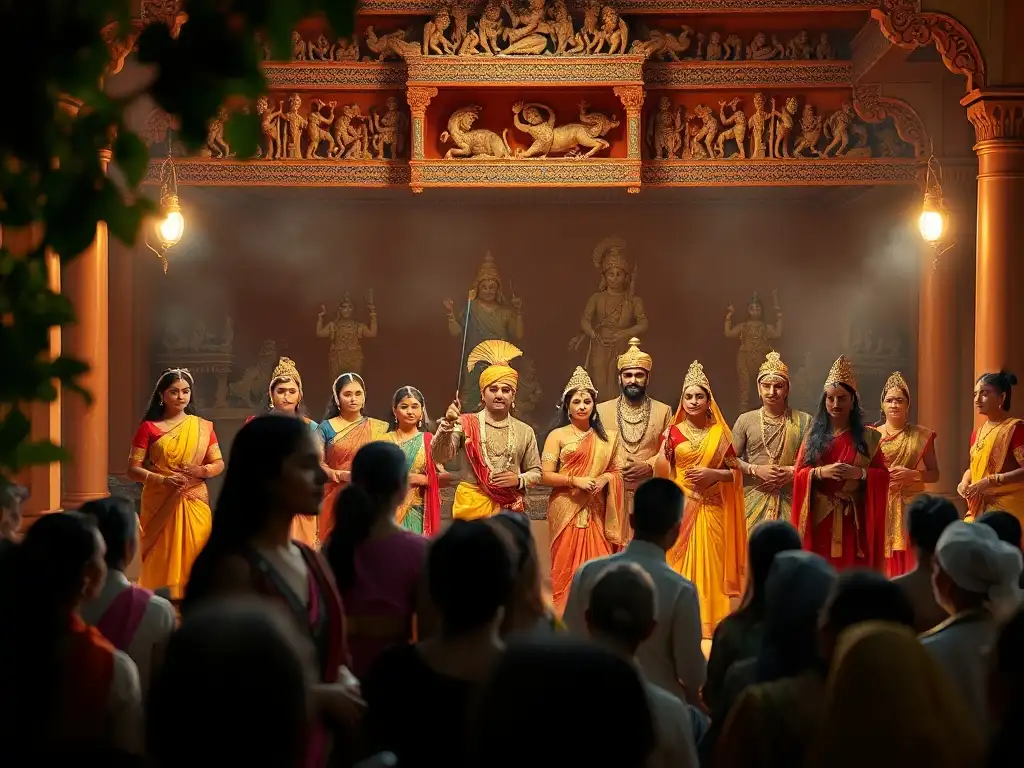
Welcome to Ancient India History, where we embark on a captivating journey through the annals of time to uncover the rich tapestry of ancient Indian civilizations. As we delve into the remarkable contributions of Bhasa, the pioneering force behind classical Sanskrit drama and poetry, prepare to be intrigued by how his works shaped the literary landscape beyond the epic narratives. Discover the nuances of a legacy that not only enriched our cultural heritage but also continues to inspire generations. Join us as we explore the profound impact of Bhasa and unearth the treasures of ancient literature that await you!
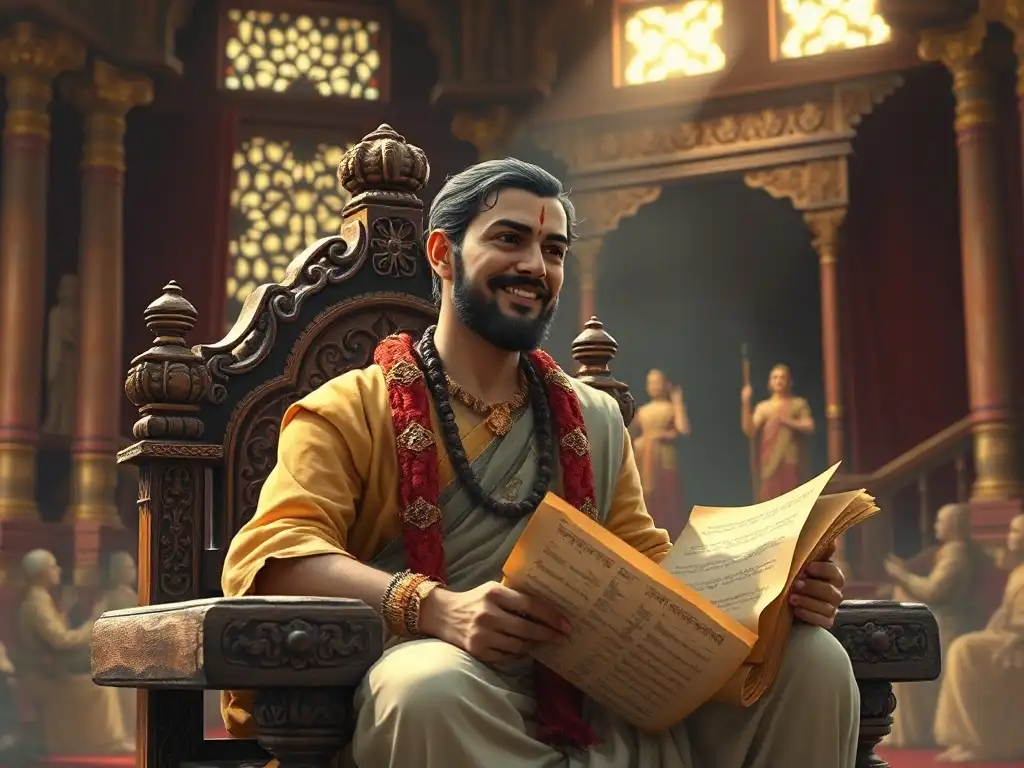
Introduction to Bhasa and His Impact on Classical Sanskrit Literature
The legacy of Bhasa, an eminent figure in the realm of classical Sanskrit literature, is profound and far-reaching. Revered as one of the earliest playwrights in ancient India, Bhasa's contributions not only shaped the landscape of classical drama but also laid the groundwork for the flourishing of Sanskrit poetry.
His works, characterized by their innovative narrative techniques and rich thematic content, continue to resonate in the literary world, establishing him as a pivotal influence on subsequent generations of writers and poets. This article delves into the life, works, and enduring significance of Bhasa, illuminating his role as a pioneer in classical Sanskrit drama and poetry.
Overview of Bhasa's Life and Era
Bhasa, believed to have lived during the early centuries of the Common Era, is often shrouded in mystery due to the scant historical records available. Though exact details about his life remain elusive, it is widely accepted that he was active during a time when Sanskrit literature was beginning to flourish, alongside the development of various forms of art and culture in ancient India. His era was marked by dynamic changes, including the rise of regional languages and the integration of diverse cultural influences, which would eventually enrich the tapestry of Indian literature.
Bhasa's works, comprising approximately thirteen known plays and numerous poems, reflect the socio-political and cultural contexts of his time. The themes explored in his dramas often revolve around love, conflict, morality, and the human experience, showcasing his deep understanding of human emotions and relationships.
Significance of Bhasa in the Context of Ancient Indian Literature
The significance of Bhasa in ancient Indian literature cannot be overstated. He is credited with pioneering the genre of classical Sanskrit drama by introducing engaging narratives and complex characterizations that captivated audiences. His plays, characterized by their intricate plots and emotional depth, serve as a vital bridge between the earlier traditions of Vedic literature and the later, more elaborate works of playwrights such as Kalidasa and Bhavabhuti.
Bhasa's ability to weave together various elements of drama—ranging from comedy to tragedy—demonstrates a remarkable versatility that has earned him a revered place in the annals of literary history. His influence extends beyond mere storytelling; he also contributed to the development of performance arts by establishing conventions that would shape theatrical practices in India for centuries to come.
Bhasa's Classical Sanskrit Contributions
Bhasa's contributions to classical Sanskrit literature are manifold, reflecting both his mastery of language and his innovative approach to storytelling. His works are not only pivotal in the context of drama but also serve as a rich source of poetic inspiration, offering insights into the cultural and philosophical milieu of ancient India.
Overview of Bhasa's Works and Their Themes
Bhasa's oeuvre includes an impressive array of plays, such as "Svapnavasavadatta," "Pratijnayaugandharayana," and "Dutavakya," each of which explores diverse themes and human emotions. His narratives often delve into the complexities of love, honor, and the moral dilemmas faced by individuals, revealing the intricate fabric of societal values in ancient India.
Key themes present in Bhasa's works include:
- Love and Relationships: The exploration of romantic entanglements and familial bonds, often highlighting the trials and tribulations faced by lovers.
- Heroism and Valor: Many of Bhasa's characters embody ideals of bravery and honor, reflecting the societal appreciation for heroic deeds.
- Conflict and Resolution: The interplay of conflict, whether personal or societal, serves as a catalyst for character development and plot progression.
Analysis of Bhasa's Unique Style and Techniques in Drama
Bhasa's dramatic technique is notable for its linguistic brilliance and innovative use of dialogue. He employed a range of stylistic devices, such as:
- Metaphors and Similes: Bhasa adeptly used figurative language to enhance emotional resonance, adding depth to character interactions.
- Dynamic Characterization: His characters are often multidimensional, exhibiting a range of emotions that render them relatable and realistic.
- Interplay of Humor and Pathos: Bhasa skillfully balanced comedic elements with serious themes, creating a rich tapestry of human experience that engages audiences on multiple levels.
The Role of Bhasa in the Development of Classical Sanskrit Poetry
Beyond drama, Bhasa's influence extends into the realm of classical Sanskrit poetry. His ability to infuse poetic elements into his plays has set a precedent for the integration of poetry within dramatic literature. The lyrical quality of his dialogues reflects a profound appreciation for the musicality of language, which would later inspire numerous poets and playwrights.
Bhasa's classical Sanskrit contributions are a testament to his unparalleled talent and visionary approach to literature. His works continue to be celebrated for their rich thematic content, innovative techniques, and lasting impact on the cultural heritage of India. As we explore the legacy of Bhasa, we gain valuable insights into the intricate world of ancient Indian literature and its enduring relevance today.
Bhasa's Influence on Later Sanskrit Drama
Bhasa is often regarded as one of the foremost pioneers of classical Sanskrit drama, setting a foundational precedent that would influence a multitude of playwrights in subsequent generations. His innovative techniques, character development, and thematic explorations laid the groundwork for the rich tapestry of Indian theatre. Notably, Bhasa's incorporation of complex emotions and human psychology introduced a level of depth that resonated with audiences and writers alike.
His unique approach to storytelling, characterized by the use of dialogues that reveal the inner thoughts of characters, inspired later dramatists such as Kalidasa and Sudraka. These playwrights expanded upon Bhasa's themes, crafting narratives that explored not only the human experience but also the divine. The structural elements Bhasa employed—such as the use of multiple subplots and intricate character relationships—became staples in later Sanskrit dramas, showcasing his lasting impact on the genre.
Moreover, the cultural motifs and societal issues Bhasa highlighted in his works have continued to echo throughout the centuries. His emphasis on morality, duty, and the complexities of love has been a focal point for later playwrights, allowing Bhasa's influence to permeate various forms of Indian theatre, including traditional folk performances and contemporary adaptations.
Comparison of Bhasa's Works with Other Classical Sanskrit Playwrights
When comparing Bhasa's works to those of other classical Sanskrit playwrights, it is essential to recognize both the similarities and distinctions that define his contributions. While playwrights like Kalidasa and Ashvaghosha are celebrated for their lyrical poetry and grand narratives, Bhasa's plays are marked by their brevity and focus on direct, impactful storytelling.
Bhasa's plays, such as "Svapnavasavadatta" and "Pratimanatakam," often prioritize dialogue over elaborate descriptions, creating a sense of immediacy that draws the audience into the emotional landscape of the characters. In contrast, Kalidasa's "Shakuntala" is renowned for its poetic richness and lush imagery, which adds layers of beauty to the narrative but can sometimes detract from the pacing of the plot.
Moreover, while Bhasa frequently explores themes of love and conflict through a lens of realism, other playwrights have a tendency to delve into the mythical and divine realms. For instance, Ashvaghosha's "Buddhacharita" focuses on the life of Buddha and incorporates philosophical discourse, diverging from Bhasa's more secular themes.
Ultimately, Bhasa's ability to balance human emotions with the complexities of societal norms distinguishes his works in the realm of classical Sanskrit drama, making him a pivotal figure whose influence can be traced through the ages.
The Enduring Legacy of Bhasa's Characters and Plots in Indian Theatre
The characters and plots crafted by Bhasa have left an indelible mark on Indian theatre, exemplifying timeless human experiences that resonate across cultures and eras. His characters, often portrayed with nuanced emotions and relatable conflicts, have become archetypes in Indian storytelling. For example, the romantic tensions and dilemmas faced by characters such as Vasavadatta in "Svapnavasavadatta" have been mirrored in countless adaptations and performances, showcasing their universal appeal.
Bhasa's plots frequently intertwine elements of love, betrayal, and moral quandaries, making them relevant to both ancient and modern audiences. The themes of duty and familial obligation, explored in plays like "Dutavakya," continue to spark discussions about social values in contemporary India. The adaptability of these narratives ensures that Bhasa's works remain a staple in theatre productions, inspiring directors and actors to reinterpret and rejuvenate his stories for new generations.
Furthermore, Bhasa's emphasis on dialogue and character interaction has influenced the structure of modern Indian theatre, encouraging playwrights to focus on the dynamics between characters rather than solely on the plot. This legacy is evident in various performance styles, from traditional kathakali to modern experimental theatre, where Bhasa's influence can be seen in the way stories are conveyed and emotions are expressed.
Bhasa's Contribution to Classical Sanskrit Poetry
While primarily known for his plays, Bhasa's contributions to classical Sanskrit poetry are equally significant. His poetic works exhibit a remarkable command of language, employing a diverse range of forms and structures that reflect the richness of Sanskrit literature. Bhasa's poetry often weaves together themes of love, nature, and morality, creating a multifaceted body of work that resonates with the essence of human experience.
In his poems, Bhasa demonstrates a deep understanding of meter and rhythm, utilizing various poetic forms such as shlokas and gathas to enhance the musicality of his verse. This mastery of poetic form not only showcases his technical prowess but also elevates the emotional impact of his themes, allowing readers to engage more profoundly with the content.
Examination of Poetic Forms and Structures Used by Bhasa
Bhasa's poetry is characterized by a variety of forms and structures that highlight his versatility as a poet. He adeptly employs traditional Sanskrit meters, such as Anushtubh and Trishtubh, which add a rhythmic quality to his verses, making them memorable and impactful. His use of these forms serves to enhance the thematic elements of his poetry, allowing for a dynamic interplay between sound and meaning.
Additionally, Bhasa often incorporates dialogue and monologues within his poetic works, a technique that not only reflects his theatrical background but also invites readers into the minds of his characters. This stylistic choice creates a sense of immediacy and intimacy, encouraging readers to empathize with the emotional struggles and desires of the figures he portrays.
Bhasa's ability to blend various poetic forms with rich imagery and evocative language establishes him as a significant figure in classical Sanskrit poetry. His works continue to be studied and appreciated for their artistic merit and their contribution to the broader landscape of Indian literature.
Themes of Love, Nature, and Morality in Bhasa's Poetry
The themes of love, nature, and morality are central to Bhasa's poetic oeuvre, reflecting the complexities of human relationships and the moral dilemmas faced by individuals. In his exploration of love, Bhasa often portrays the intensity of emotions, capturing the joy and sorrow that accompany romantic relationships. His ability to articulate the nuances of love makes his poetry relatable and timeless, resonating with readers across generations.
Nature also plays a significant role in Bhasa's poetry, serving as both a backdrop and a metaphor for human experiences. His vivid descriptions of natural landscapes not only enhance the aesthetic quality of his verses but also symbolize the connection between humanity and the natural world. Through this interplay, Bhasa emphasizes the importance of harmony with nature, a theme that remains relevant in contemporary discourse on environmentalism.
Moreover, Bhasa's poetry frequently grapples with moral questions, inviting readers to reflect on concepts of duty, righteousness, and ethical choices. His exploration of moral dilemmas adds depth to his work, encouraging readers to engage with the philosophical implications of his themes. This multifaceted approach to love, nature, and morality solidifies Bhasa's position as a pivotal figure in classical Sanskrit poetry, whose contributions continue to inspire and challenge audiences today.
The Cultural Context of Bhasa's Works

Bhasa's contributions to classical Sanskrit literature emerged during a time of rich cultural and intellectual activity in ancient India. The period in which he flourished, approximately between the 3rd century BCE and the 3rd century CE, saw the rise of various regional languages and the establishment of diverse art forms. This era was characterized by a blend of religious influences, particularly the integration of Hindu, Buddhist, and Jain philosophies, which profoundly shaped the thematic elements of Bhasa's plays and poetry.
The social fabric of ancient India was also integral to understanding Bhasa's works. The caste system, evolving societal norms, and the patronage of the arts by royal courts provided a backdrop for the performance of his dramas. His plays often reflected contemporary societal issues, including love, moral dilemmas, and the dynamics of power, making them relatable to the audience of his time. The theatrical traditions of the time, enriched by music and dance, created an immersive experience that was both entertaining and thought-provoking, allowing Bhasa to captivate the hearts and minds of his viewers.
The Historical Background of Classical Sanskrit Literature
Classical Sanskrit literature represents a significant phase in the evolution of Indian literature, characterized by its rich poetic forms and dramatic narratives. Emerging from the Vedic texts, classical Sanskrit reached its zenith during the reign of the Gupta Empire, often referred to as the Golden Age of India. This period saw increased patronage of the arts, leading to the flourishing of various literary genres, especially drama and poetry.
Bhasa is recognized as one of the earliest playwrights in this literary tradition. His works predate those of Kalidasa, another giant of classical Sanskrit literature, and set the stage for the development of future theatrical forms. The influence of Bhasa's unique storytelling techniques, character development, and thematic exploration laid the groundwork for subsequent playwrights, allowing Sanskrit drama to evolve further. His emphasis on emotional depth and moral complexity in characters contributed to the richness of classical literature, marking a shift from mere entertainment to a medium that encouraged introspection and philosophical inquiry.
The Influence of Bhasa’s Works on Indian Culture and Society
Bhasa's impact on Indian culture and society cannot be overstated. His plays, such as "Swapnavasavadatta" and "Pratima," not only entertained audiences but also provided a reflection of societal norms and human emotions. By addressing themes of love, duty, and morality, Bhasa's works resonated with the values of ancient Indian society, reinforcing cultural ideals and social mores.
Moreover, Bhasa's narratives often featured strong, complex characters, including women who possessed agency and depth. This portrayal helped to elevate the status of women in literature, allowing for a broader exploration of gender roles within the societal context. His influence extended beyond the stage, impacting philosophy, ethics, and the overall moral landscape of Indian culture. Bhasa's dramas inspired countless adaptations and reinterpretations, ensuring that his voice continued to echo throughout the ages.
Conclusion: The Lasting Legacy of Bhasa in Classical Sanskrit Literature
Bhasa's legacy in classical Sanskrit literature is profound and enduring. His innovative approach to drama, characterized by nuanced characters and intricate plots, set a benchmark for literary excellence. The thematic richness of his works continues to inspire scholars, playwrights, and poets, illustrating the timeless nature of his contributions.
Reflection on Bhasa's Role as a Pioneer
As a pioneer of classical Sanskrit drama, Bhasa's role extends beyond merely being a playwright. He is often credited with establishing a framework for storytelling that combines emotional depth with philosophical inquiry. His ability to weave intricate narratives that reflect the human experience positioned him as a foundational figure in Indian literature. The exploration of universal themes through the lens of Indian culture has cemented his status as a timeless storyteller whose works remain relevant even today.
The Relevance of Bhasa's Contributions to Contemporary Understanding of Indian Literature
Bhasa's contributions serve as a critical reference point for understanding the evolution of Indian literature. His works highlight the significance of cultural and historical contexts in shaping literary narratives. In contemporary discourse, Bhasa's plays are studied not only for their artistic merit but also for their insights into ancient Indian society.
As modern audiences engage with his dramas, they discover the timelessness of human emotions and the intricate complexities of life that continue to resonate across cultures and eras. Thus, Bhasa's legacy remains a vital part of the discourse on classical Sanskrit contributions, enriching our understanding of India's literary heritage.
- Introduction to Bhasa and His Impact on Classical Sanskrit Literature
- Bhasa's Classical Sanskrit Contributions
- Bhasa's Influence on Later Sanskrit Drama
- Bhasa's Contribution to Classical Sanskrit Poetry
- The Cultural Context of Bhasa's Works
- The Historical Background of Classical Sanskrit Literature
- The Influence of Bhasa’s Works on Indian Culture and Society
- Conclusion: The Lasting Legacy of Bhasa in Classical Sanskrit Literature
Frequently Asked Questions
What is the significance of Bhasa in classical Sanskrit literature?
Bhasa is considered a pioneer of classical Sanskrit drama and poetry, contributing significantly to the evolution of theatrical traditions in ancient India.
How did Bhasa influence later Sanskrit playwrights?
Bhasa's innovative use of language and themes set a precedent for later playwrights, influencing the structure and style of classical Sanskrit dramas that followed.
What are some notable works attributed to Bhasa?
Bhasa is credited with several important plays, including "Svapnavasavadatta" and "Pratima Nataka," which showcase his mastery of dialogue and character development.
How does Bhasa's work reflect ancient Indian culture?
His works often incorporate elements of mythology, morality, and social issues, providing insight into the values and beliefs prevalent in ancient Indian society.
Why is Bhasa's contribution to classical Sanskrit drama notable today?
Bhasa's innovative storytelling and poetic expressions continue to inspire modern adaptations and studies, highlighting his lasting impact on literary traditions in India and beyond.
Final Reflection: Bhasa's Enduring Legacy in Classical Sanskrit
The contributions of Bhasa to classical Sanskrit drama and poetry resonate profoundly in today's cultural landscape, reminding us of the timeless nature of storytelling and artistic expression. As we navigate an increasingly complex world, the themes and narratives crafted by Bhasa continue to inspire modern playwrights, poets, and audiences alike. His ability to weave intricate emotions and societal reflections into his works serves as a powerful reminder of the enduring relevance of classical literature in shaping our understanding of human experiences.
Bhasa's influence extends beyond the pages of history, permeating the fabric of contemporary art and literature. His works have sparked a renaissance in the appreciation of classical Sanskrit, encouraging new generations to explore and revive these ancient narratives. The richness of his characters and the depth of his themes invite us to reflect on our own lives and the world around us. Art is the most beautiful of all lies.
This quote encapsulates the essence of Bhasa's legacy, as his dramas and poems continue to challenge and inspire us to seek beauty and truth in our own stories.
As we conclude our exploration of Bhasa's remarkable contributions, I invite you to reflect on the power of storytelling in your own life. Consider how the themes of love, conflict, and redemption found in Bhasa's works can illuminate your personal journey. Let his legacy inspire you to embrace the art of storytelling, whether through writing, performance, or simply sharing your experiences with others. In doing so, we honor not only Bhasa's memory but also the universal human experience that connects us all.
Unveil the Timeless Legacy of Bhasa!
Thank you for exploring the captivating world of Bhasa, the visionary who profoundly influenced classical Sanskrit drama and poetry. We hope you’ve gained valuable insights into his remarkable contributions. Now, it’s time to take the next step in honoring this literary giant!
Here’s how you can keep the inspiration alive:
- Read a play by Bhasa: Immerse yourself in the beauty of his language by selecting one of his works. Let the words transport you to ancient India!
- Join a discussion group: Engage with fellow literature enthusiasts in online forums or local book clubs. Share your thoughts on Bhasa’s impact on contemporary drama and poetry.
- Create your own piece of art: Draw inspiration from Bhasa’s themes to write a poem, a short story, or even a dramatic scene. Experiment with his styles and add your unique voice to the literary landscape!
Which aspects of Bhasa’s work resonate with you the most, and how can you weave them into your own creative endeavors?