
How Ashoka's Conversion to Buddhism Changed the Course of Indian History

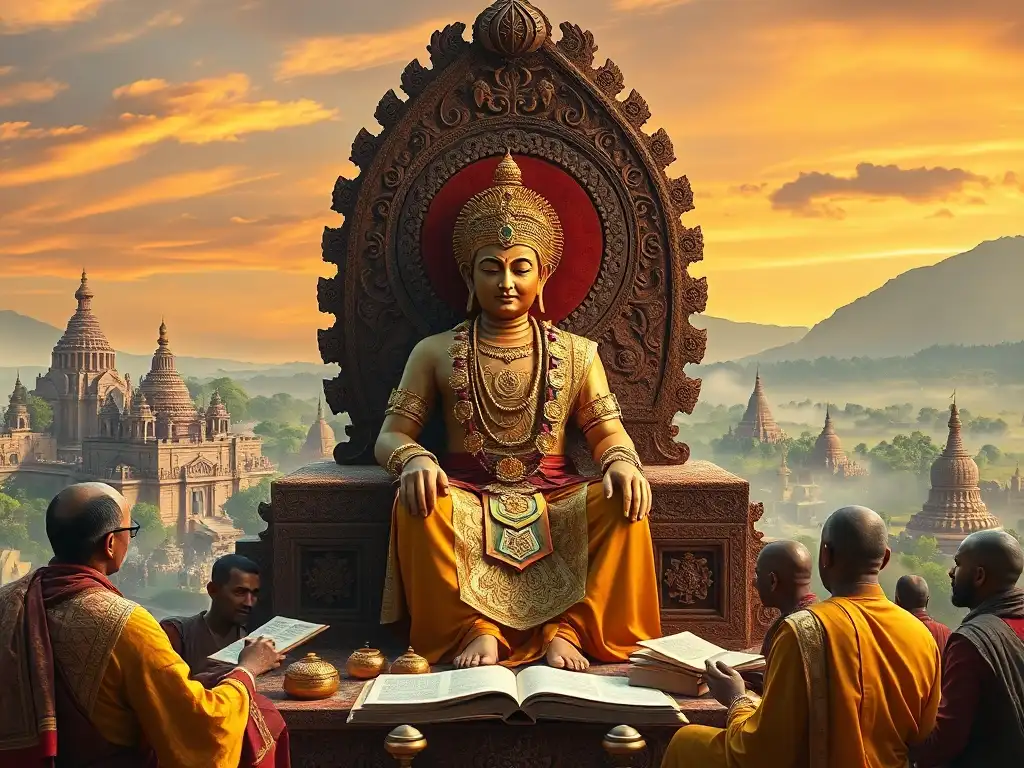
Welcome to Ancient India History, where we embark on a fascinating journey through the rich tapestry of ancient Indian civilizations. Here, we delve deep into the profound impact of remarkable figures, such as Emperor Ashoka, whose conversion to Buddhism not only transformed his reign but also reshaped the spiritual and cultural landscape of India. What drove this powerful ruler to embrace a path of peace and compassion?
Join us as we explore Ashoka's legacy and uncover the myriad ways in which his choices reverberated through time, inspiring generations to come. Dive in and discover the stories that have defined a civilization!
- Introduction to Ashoka's Conversion to Buddhism
- The Maurya Empire Before Ashoka
- The Turning Point: Ashoka's Embrace of Buddhism
- Ashoka's Reforms and Policies Post-Conversion
- The Impact of Ashoka's Buddhism on Indian Society
- Ashoka's Impact on Indian History: Long-term Effects
- Conclusion
- Frequently Asked Questions
- Final Reflection: The Enduring Legacy of Ashoka's Transformation
- Unveil the Impact of Ashoka's Transformation in Today’s World!
Introduction to Ashoka's Conversion to Buddhism
Ashoka, the third emperor of the Maurya Dynasty, is often regarded as one of the most influential figures in Indian history. His reign from 268 to 232 BCE marked a significant turning point, not only for the Maurya Empire but also for the cultural and spiritual landscape of India. Ashoka's conversion to Buddhism after the bloody Kalinga War transformed him from a fierce conqueror into a compassionate ruler dedicated to the principles of Dharma.
This pivotal change in his life not only shaped his policies and governance but also left an indelible mark on Indian society and its spiritual evolution. In this article, we will explore the profound impact of Ashoka's conversion on Indian history, examining the nuances of his early life, the significance of his transformation, and the lasting effects of his reign on the subcontinent.
Overview of Ashoka's Early Life
Ashoka was born into the Maurya royal family around 304 BCE, in a time when the subcontinent was characterized by a multitude of kingdoms and cultures. His early life was marked by the following key aspects:
- Royal Upbringing: As the grandson of Chandragupta Maurya, the founder of the Maurya Empire, Ashoka was raised in a milieu of power and governance.
- Education: He received a comprehensive education in the arts of warfare, administration, and philosophy, which prepared him for the complexities of leadership.
- Early Ambitions: Initially, Ashoka was known for his martial prowess and was appointed as the governor of Ujjain, where he showcased his capabilities as a military leader.
Despite his royal lineage and early successes, Ashoka's character was significantly shaped by the events of his later life, particularly the Kalinga War, which would catalyze his transformation.
Significance of His Conversion
The Kalinga War (circa 261 BCE) was a watershed moment for Ashoka, leading to his conversion to Buddhism. This transformation is significant for several reasons:
- Moral Awakening: Witnessing the devastation caused by war, Ashoka experienced a profound moral awakening that compelled him to seek a path of non-violence and compassion.
- Adoption of Buddhism: Embracing the teachings of Buddha, he championed the principles of Dharma, which emphasized ethical conduct, social justice, and respect for all living beings.
- Policy Reforms: Ashoka's conversion led to significant reforms in governance, including the promotion of social welfare programs, the establishment of hospitals, and the construction of stupas and viharas to spread Buddhist teachings.
This conversion not only altered Ashoka's personal trajectory but also had far-reaching implications for the society he governed and the future of Buddhism in India and beyond.
Introduction to Ashoka's Impact on Indian History
Ashoka's influence on Indian history is profound and multifaceted. His reign represents a golden period for the Maurya Empire, characterized by:
- Cultural Flourishing: Under Ashoka, the Maurya Empire witnessed a cultural renaissance, with advancements in art, architecture, and literature.
- Spread of Buddhism: Ashoka's patronage of Buddhism facilitated its spread beyond India, influencing cultures in Central and East Asia.
- Legacy of Non-violence: His commitment to non-violence and humanitarian principles inspired future leaders and movements, embedding the values of peace and tolerance in Indian culture.
Ashoka's conversion to Buddhism not only reshaped his own life but also altered the course of Indian history, creating a legacy that continues to resonate through the ages. The exploration of his life and the transformation he underwent offers invaluable insights into the evolution of Indian civilization and the enduring impact of his reign.
The Maurya Empire Before Ashoka
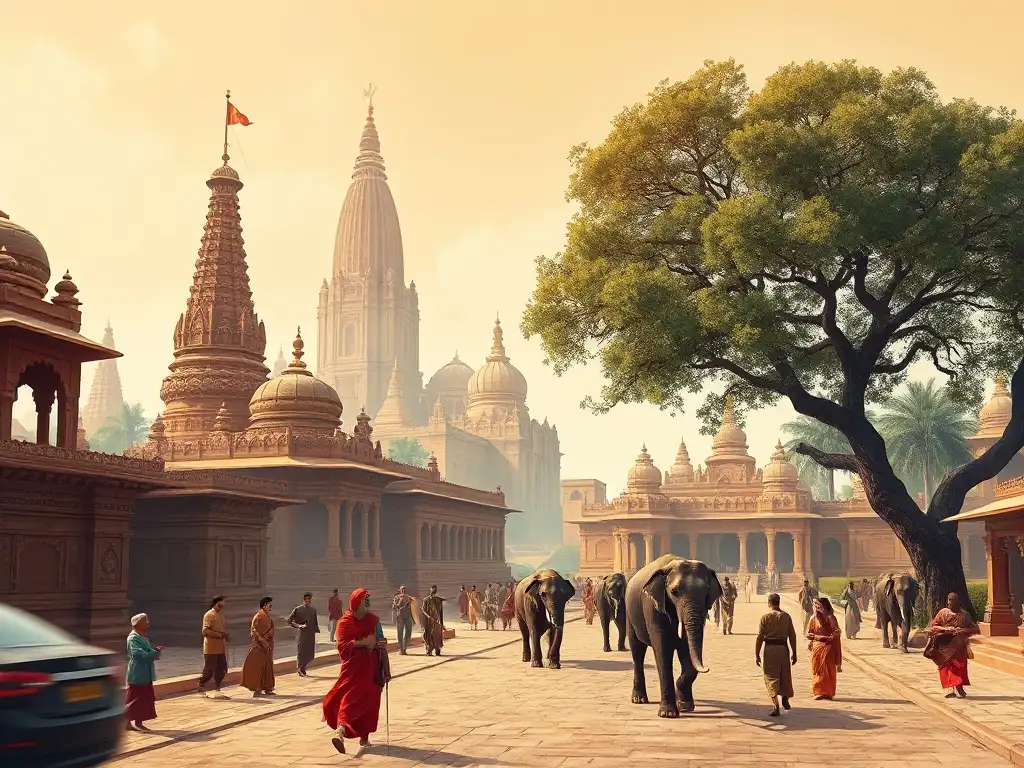
The Political Landscape of the Mauryan Empire
The Maurya Empire, established by Chandragupta Maurya in the 4th century BCE, was a formidable political structure that dominated most of the Indian subcontinent. By the time Ashoka ascended to the throne, the empire had already expanded significantly, covering modern-day India, Pakistan, and parts of Afghanistan.
- Centralized Authority: The Mauryan Empire was characterized by a centralized political system. The emperor held supreme power, supported by a vast bureaucracy that managed various administrative duties. This system allowed for efficient governance and the implementation of policies across the territories.
- Military Strength: A key component of the Mauryan political landscape was its formidable military. Ashoka’s predecessors, especially Chandragupta and his son Bindusara, expanded the empire through strategic warfare. This military prowess not only secured territories but also instilled a sense of unity among the diverse populations within the empire.
- Diplomatic Relations: The Mauryan Empire was adept at establishing diplomatic relations with neighboring kingdoms. Ashoka himself continued this tradition, employing diplomacy alongside military strength to maintain the empire's dominance.
Cultural and Religious Diversity in Ancient India
Ancient India was a melting pot of cultures, languages, and religions, even before Ashoka's reign. This diversity was a defining characteristic of the Maurya Empire, influencing its social fabric and governance.
- Religious Pluralism: The Mauryan Empire was home to various religions, including Hinduism, Jainism, and Buddhism. Each of these faiths contributed to a rich tapestry of beliefs and practices. Hinduism remained dominant, but Jainism and Buddhism had significant followings, particularly in urban centers.
- Art and Architecture: The period saw remarkable advancements in art and architecture, with the construction of stupas, pillars, and monasteries. These structures often reflected a blend of various cultural influences, showcasing the empire's commitment to artistic expression and religious devotion.
- Linguistic Diversity: The empire's vast expanse meant that multiple languages were spoken across different regions. Sanskrit emerged as a prominent literary language, while local dialects remained widely used, allowing for a rich exchange of ideas and culture.
Challenges Faced by the Empire
Despite its grandeur, the Maurya Empire faced several challenges that threatened its stability and cohesion, especially during Ashoka's earlier years.
- Regional Insurrections: The vastness of the empire often led to regional discontent. Local rulers and clans sometimes resisted centralized authority, leading to insurrections that required military intervention. Ashoka’s early reign was marked by efforts to quell these disturbances.
- Economic Strains: The empire's expansion necessitated significant resources for administration and military upkeep. This sometimes resulted in economic strains, particularly in regions that were less productive. Ashoka had to navigate these economic challenges carefully to maintain the support of his subjects.
- Cultural Conflicts: The diverse cultural and religious landscape, while a source of richness, also posed challenges. Tensions sometimes arose between different communities, necessitating a careful approach to governance. Ashoka's eventual conversion to Buddhism was, in part, a response to these cultural tensions, aiming to promote harmony throughout the empire.
The Turning Point: Ashoka's Embrace of Buddhism
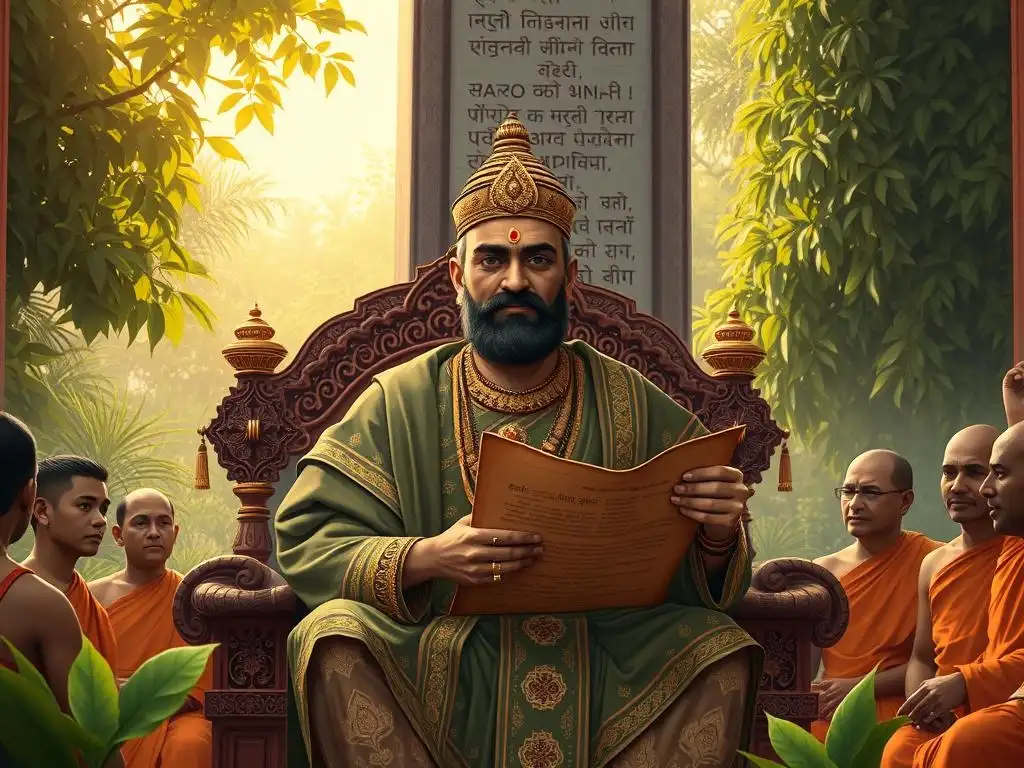
Ashoka the Great stands as a pivotal figure in Indian history, particularly due to his profound transformation after embracing Buddhism. This conversion marked a significant turning point not only for Ashoka himself but also for the entire Maurya Empire and the trajectory of Indian civilization. His commitment to Buddhist principles fundamentally altered governance, societal norms, and the spread of Buddhism across Asia.
Events Leading to Ashoka's Conversion
Ashoka's journey towards Buddhism was not instantaneous; it was shaped by a series of critical events and influences throughout his early life. Initially, Ashoka was raised in a royal environment that emphasized conquest and power. However, several key factors contributed to his eventual shift towards Buddhism:
- Early Life and Education: Ashoka was educated in various fields, including statecraft, military strategies, and philosophy. This diverse education laid the groundwork for his later philosophical inquiries.
- Personal Loss: The death of Ashoka's beloved wife, Devi, had a profound emotional impact on him. This personal tragedy prompted him to contemplate the nature of suffering and the meaning of life.
- Exposure to Different Philosophies: Before his conversion, Ashoka was already exposed to various philosophies and religions, including Jainism and Brahmanism. This exposure ignited his curiosity about the spiritual teachings of the world.
Key Influences on Ashoka's Spiritual Journey
Several influential figures and teachings played a crucial role in guiding Ashoka towards Buddhism:
- Buddhist Monks and Teachers: Ashoka's interactions with Buddhist monks provided him with insights into the teachings of the Buddha. Their emphasis on compassion, non-violence, and the pursuit of enlightenment deeply resonated with him.
- The Philosophy of Ahimsa: The principle of ahimsa, or non-violence, was a central tenet of Buddhism that appealed to Ashoka. His realization of the importance of compassion for all living beings profoundly influenced his governance.
- Spiritual Texts: Ashoka began to study key texts of Buddhism, which further solidified his understanding and commitment to the path of righteousness and moral governance.
The Role of the Kalinga War in His Transformation
One of the most significant events leading to Ashoka's conversion was the Kalinga War, fought around 261 BCE. This conflict left a lasting impact on Ashoka and his views on warfare and governance:
- Scale of Destruction: The Kalinga War was marked by massive bloodshed and loss of life, with estimates suggesting that over 100,000 soldiers and civilians perished. Witnessing the devastation firsthand deeply troubled Ashoka.
- Moment of Reflection: The aftermath of the war prompted Ashoka to reflect on the futility of violence. He reportedly stated, "What have I done? I have won a kingdom but lost the respect of my people." This reflection catalyzed his transformation.
- Embrace of Buddhist Principles: Following the war, Ashoka adopted Buddhist principles as the guiding philosophy of his reign. He prioritized peace, non-violence, and the welfare of his subjects, which he articulated in his edicts inscribed on pillars throughout his empire.
Ashoka's conversion to Buddhism was not just a personal transformation; it had far-reaching implications for Indian history. His reign exemplified a shift towards a more humane and ethical form of governance, influencing the cultural and spiritual landscape of India and beyond. The impact of Ashoka's embrace of Buddhism continues to resonate in contemporary discussions on governance, ethics, and social responsibility.
Ashoka's Reforms and Policies Post-Conversion
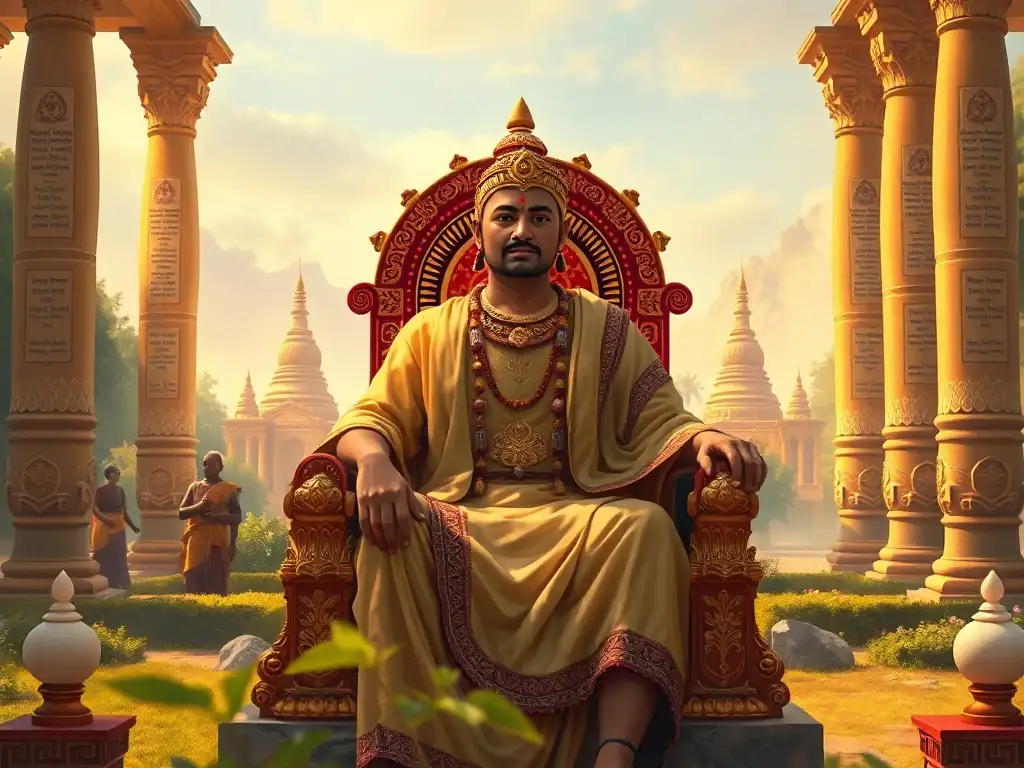
Ashoka's conversion to Buddhism marked a pivotal turning point in Indian history, shaping not only his reign but also the cultural and political landscape of the Maurya Empire. His commitment to the principles of Buddhism resulted in a series of profound reforms and policies that emphasized morality, non-violence, and compassion. These changes fundamentally altered the way governance was perceived and practiced in ancient India, influencing future generations and establishing a legacy that resonates to this day.
Promotion of Buddhism and Its Teachings
One of Ashoka's most significant contributions was the promotion of Buddhism as a state-supported religion. Following his conversion, he embarked on an ambitious campaign to disseminate the teachings of Buddha. This included:
- Construction of Stupas and Monasteries: Ashoka initiated the building of stupas across his empire, the most famous being the Sanchi Stupa. These structures served as pilgrimage sites and centers for learning.
- Dispatch of Missionaries: Ashoka sent missionaries, including his own son Mahinda, to various regions, such as Sri Lanka, to spread Buddhism. This not only expanded the reach of Buddhism but also fostered cultural exchanges.
- Edicts of Ashoka: His edicts, inscribed on pillars and rocks, articulated his vision of a moral society based on Buddhist values, stressing compassion and ethical living. For instance, one inscription states, "All religions should reside everywhere, for they lead to the same goal."
The promotion of Buddhism under Ashoka significantly impacted Indian society, leading to increased religious tolerance and the establishment of Buddhism as a major world religion.
Implementation of Dhamma in Governance
Ashoka's conversion influenced his governance philosophy, leading to the concept of Dhamma, which can be understood as righteousness or moral law. The implementation of Dhamma included:
- Moral and Ethical Governance: Ashoka emphasized the importance of ruling with compassion and justice. He believed that a ruler's primary duty was to ensure the welfare of his subjects, regardless of their faith or social status.
- Legal Reforms: Ashoka introduced laws that promoted ethical behavior, such as prohibitions against animal slaughter and the establishment of welfare measures for both humans and animals. His edicts often reflect this moral approach, advocating for kindness and moderation.
- Public Welfare Initiatives: Ashoka invested in infrastructure that benefited the populace, including roads, hospitals, and rest houses. These initiatives were rooted in the Buddhist ideal of caring for all beings and promoting public well-being.
The integration of Dhamma into governance fundamentally transformed the administrative practices of the Maurya Empire, emphasizing the ruler's responsibility toward society.
Changes in Domestic and Foreign Policies
Ashoka's conversion to Buddhism also brought about significant shifts in both domestic and foreign policies:
- Focus on Non-Violence: Following the Kalinga War, which resulted in immense suffering, Ashoka renounced military conquests and adopted a policy of non-violence. He stated, "Victory through Dhamma is the only victory," prioritizing ethical means over violent expansion.
- Diplomatic Relations: Ashoka established diplomatic ties with other kingdoms, promoting peace and cooperation rather than conflict. His approach was characterized by the exchange of emissaries and the establishment of trade routes that facilitated cultural interaction.
- Internal Harmony: Domestically, Ashoka worked to unify the diverse populations within his empire. His policies encouraged religious tolerance and cooperation among different communities, paving the way for a more harmonious society.
These changes not only solidified Ashoka's legacy but also set a precedent for future rulers, highlighting the potential for governance rooted in ethical principles and compassion.
Ashoka's impact on Indian history is profound and multifaceted, with his reforms and policies continuing to influence the moral and cultural fabric of India long after his reign.
The Impact of Ashoka's Buddhism on Indian Society
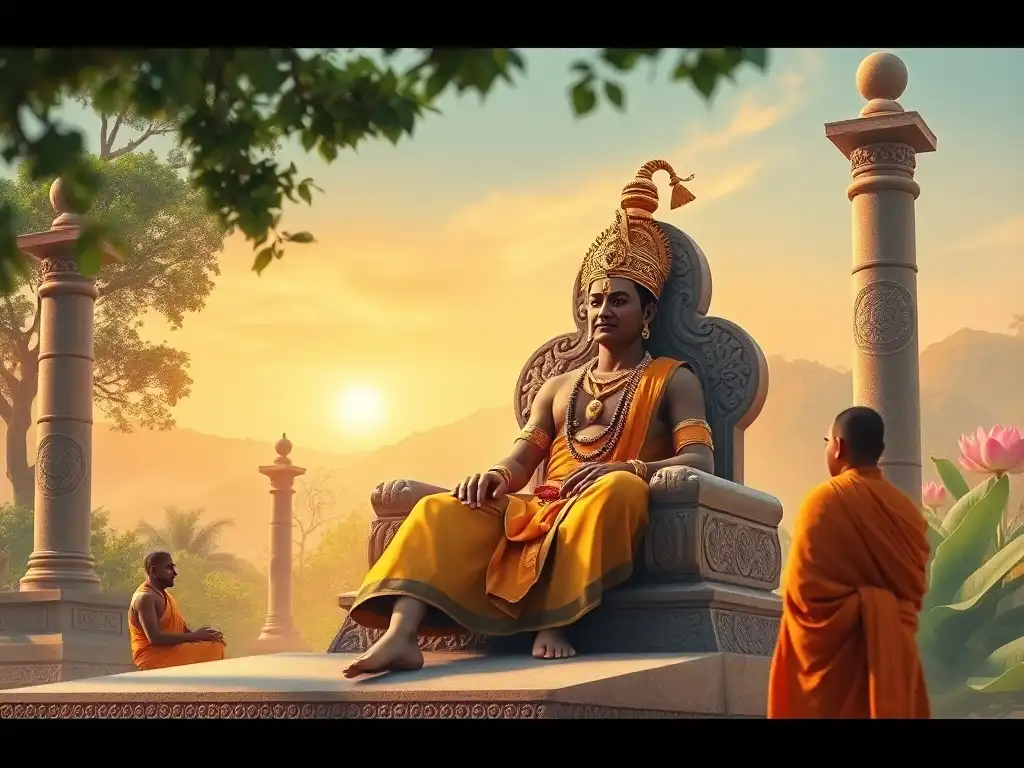
Ashoka the Great, the third emperor of the Maurya Dynasty, is best known for his profound transformation after embracing Buddhism. This pivotal change not only influenced his reign but also left an indelible mark on Indian society and culture. His advocacy for Buddhist principles led to significant social reforms, the propagation of Buddhism beyond Indian borders, and a lasting legacy of tolerance and peace.
Ashoka's conversion to Buddhism catalyzed a series of social reforms aimed at improving the welfare of his subjects. One of the most notable initiatives was the establishment of Dhamma, a moral code based on Buddhist teachings. This system emphasized ethical conduct, compassion, and non-violence. Key reforms included:
- Promotion of Non-Violence: Ashoka's commitment to Ahimsa (non-violence) reshaped societal attitudes toward animal rights and dietary practices. He abolished the practice of animal sacrifice and encouraged vegetarianism, which significantly influenced cultural norms regarding food.
- Healthcare and Welfare: The emperor established medical facilities for both humans and animals, emphasizing the importance of health and well-being in society. He constructed hospitals and planted shade trees along roadsides to ensure travelers had respite.
- Public Engagement: Ashoka organized public assemblies and encouraged dialogue among different sects and communities, fostering a sense of unity and cooperation. His edicts were inscribed on rocks and pillars across his empire, making information accessible to the populace.
These reforms not only enhanced the quality of life for many but also integrated Buddhist values into the fabric of Indian culture, promoting a society rooted in compassion and mutual respect.
The Spread of Buddhism Across India and Beyond
Ashoka played a crucial role in the dissemination of Buddhism, transforming it into a major religious force in India and beyond. His methods for spreading Buddhism included:
- Missionary Activities: Ashoka sent missionaries to various regions, including modern-day Sri Lanka, Nepal, and even parts of Central Asia. One of his notable emissaries, Mahinda, played a vital role in establishing Buddhism in Sri Lanka, which remains a stronghold of the religion today.
- Construction of Stupas and Monasteries: Under Ashoka's patronage, numerous stupas and monasteries were built, serving as centers for meditation and learning. The most famous of these is the Sanchi Stupa, which remains a UNESCO World Heritage Site.
- Integration with Local Cultures: Ashoka's approach often involved adapting Buddhist teachings to local customs and beliefs, facilitating a smoother acceptance of the religion. This syncretism helped Buddhism flourish in diverse cultural contexts.
The resultant expansion of Buddhism not only broadened its reach but also facilitated cultural exchanges that enriched both Indian society and neighboring regions.
Ashoka's Legacy in Promoting Tolerance and Peace
Ashoka's embrace of Buddhism brought with it a profound commitment to peace and tolerance, principles that resonated deeply within Indian society. His legacy can be summarized through several key aspects:
- Edicts of Ashoka: His edicts, inscribed in various languages and scripts, articulated his vision for a harmonious society. They emphasized the importance of tolerance among different religious communities and the pursuit of peace.
- Cultural Pluralism: Ashoka actively promoted the idea that multiple faiths can coexist peacefully. This led to an environment in which various religions flourished, including Hinduism, Jainism, and later, Islam.
- Influence on Future Leaders: The principles of governance established by Ashoka served as an inspiration for subsequent rulers in India and beyond. His model of rule based on moral governance rather than sheer power has been referenced in various political philosophies throughout history.
Ashoka's impact on Indian history was transformative, as his conversion to Buddhism not only redefined his reign but also shaped the cultural and social landscape of ancient India. His legacy of compassion, tolerance, and peace continues to resonate in contemporary society, making him a pivotal figure in the narrative of Indian civilization.
Ashoka's Impact on Indian History: Long-term Effects
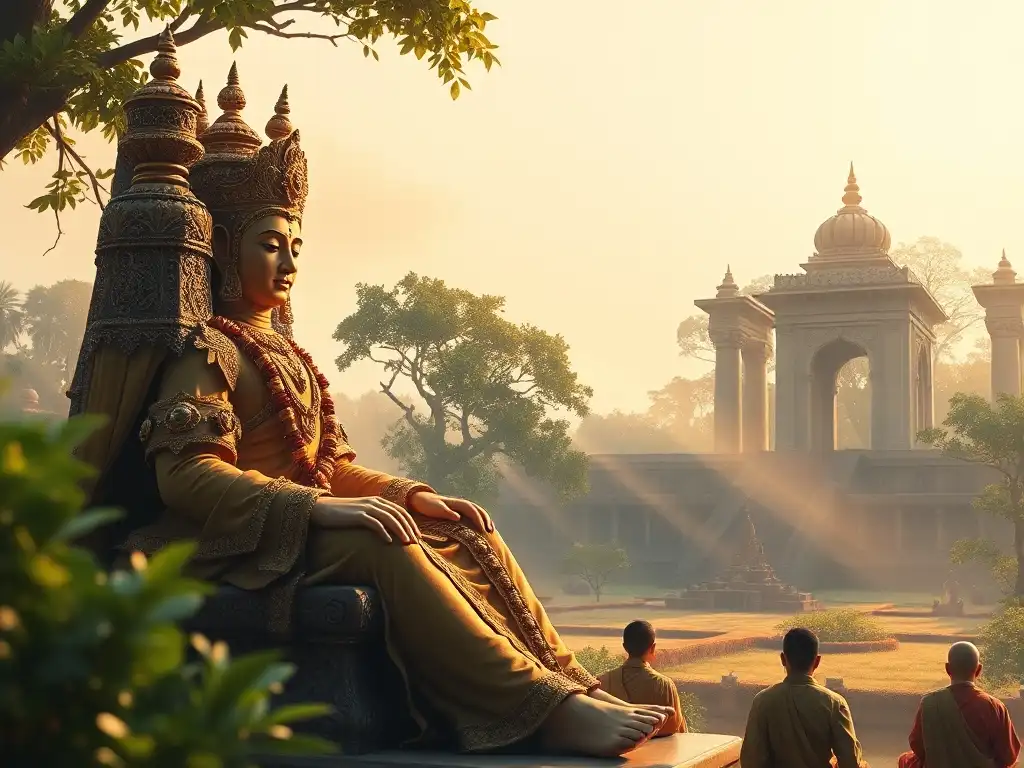
Ashoka the Great, the third emperor of the Maurya Dynasty, is often credited with having a transformative impact on the trajectory of Indian history, especially following his conversion to Buddhism. His reign marked a significant shift not only in governance but also in the cultural and spiritual landscape of India. This section explores the long-term effects of Ashoka's policies and philosophies on Indian identity, future empires, and his legacy in a global context.
The Role of Ashoka in Shaping Indian Identity
Ashoka's embrace of Buddhism and his promotion of its teachings played a crucial role in shaping a cohesive Indian identity. His efforts were characterized by several key initiatives:
- Promotion of Dhamma: Ashoka introduced the concept of Dhamma, which emphasized moral and ethical conduct, compassion, and non-violence. This philosophy became a cornerstone of Indian identity, fostering a sense of unity among diverse communities.
- Edicts of Ashoka: The edicts inscribed on rocks and pillars across the empire served as a means of communication, spreading messages of tolerance, respect for all faiths, and social welfare. These edicts not only unified the empire under a common ethical framework but also influenced the cultural narratives that define Indian society.
- Cultural Syncretism: Ashoka's reign facilitated the blending of various cultural elements, including local traditions and Buddhist teachings. This syncretism enriched the Indian cultural mosaic and helped in establishing a unique identity that resonated across different regions.
The impact of Ashoka's policies can be seen in the enduring values of ahimsa (non-violence) and tolerance within Indian society, which continue to resonate to this day.
Influence on Future Indian Empires and Rulers
Ashoka's model of governance and his promotion of Buddhism left an indelible mark on subsequent Indian empires and rulers:
- Gupta Empire: The Gupta rulers, who came centuries after Ashoka, were influenced by his policies of patronage for Buddhism and the arts. They adopted similar ethical frameworks in their governance, which contributed to a golden age of culture and learning.
- Regional Kingdoms: Many regional rulers in India emulated Ashoka’s methods, incorporating elements of Dhamma in their governance. They recognized the importance of ethical leadership, leading to the establishment of more humane and just administrations.
- Spread of Buddhism: Ashoka's missionary efforts led to the spread of Buddhism beyond India, influencing various cultures in Asia, including Sri Lanka, Southeast Asia, and Central Asia. This not only expanded India's cultural influence but also established a legacy of dialogue and exchange that would shape future empires.
The reverberations of Ashoka's reign can thus be traced through the policies and practices of subsequent Indian rulers, highlighting his pivotal role in shaping the political landscape of India.
Ashoka's Legacy in Global Context
Ashoka's impact transcends the boundaries of India, positioning him as a significant figure in global history:
- Buddhism's Worldwide Reach: As a prominent patron of Buddhism, Ashoka played a crucial role in establishing the religion as a major world faith. His efforts in sending missionaries and establishing monasteries contributed to Buddhism's spread into regions such as China, Japan, and Tibet.
- Influence on Global Peace Movements: Ashoka's principles of non-violence and compassion have inspired numerous global movements advocating for peace, including Mahatma Gandhi's philosophy of non-violent resistance. This shows how Ashoka's teachings have permeated beyond the Indian context to influence global thought.
- Cultural Exchange: Ashoka's reign marked a period of significant cultural exchange, as his policies encouraged dialogue between different religious and cultural communities. This exchange laid the groundwork for a more interconnected world, fostering mutual respect and understanding.
Ashoka's impact on Indian history is profound and multifaceted, shaping not only the identity of India itself but also influencing future empires and leaving a lasting legacy that resonates on a global scale. His commitment to ethical governance and the propagation of Buddhism have cemented his status as a key figure in the annals of history, whose lessons remain relevant today.
Conclusion
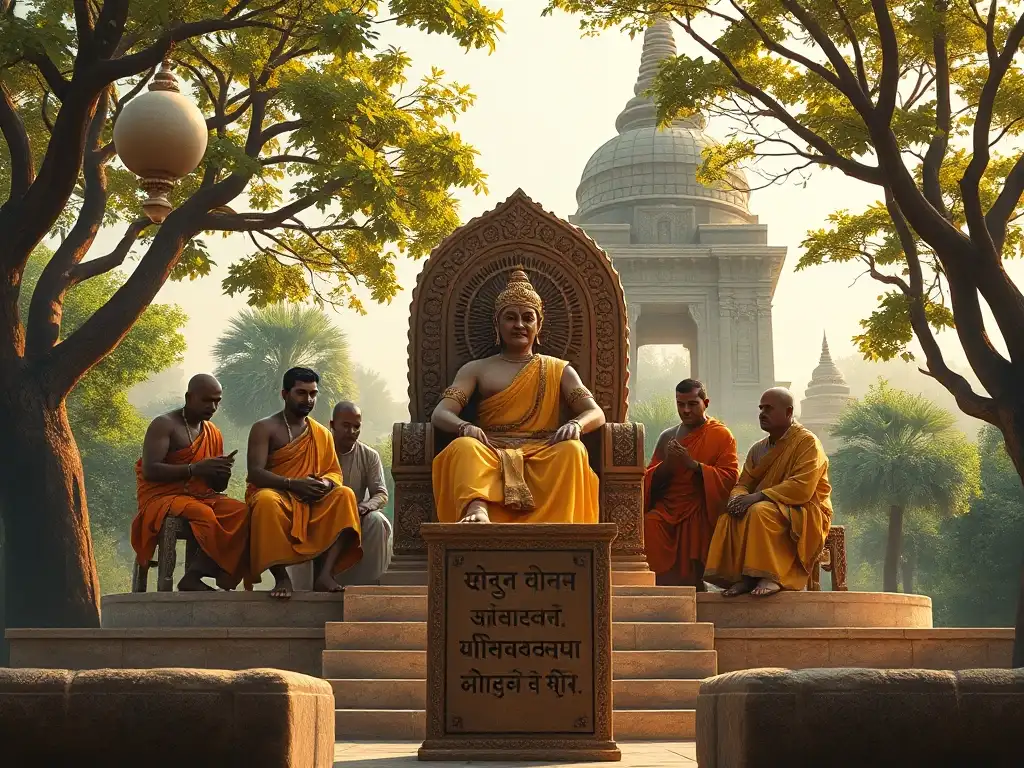
Summary of Ashoka's Impact on Indian History
Ashoka the Great, the third emperor of the Maurya Dynasty, has had a profound impact on Indian history, particularly through his conversion to Buddhism. His reign, which lasted from approximately 268 to 232 BCE, marked a significant shift in governance, culture, and religious practices in ancient India. One of the most notable aspects of Ashoka's influence is his promotion of Dhamma, a moral code derived from Buddhist teachings that emphasized non-violence, compassion, and tolerance.
- Promotion of Buddhism: After the Kalinga War, Ashoka's remorse led him to adopt Buddhism as a guiding principle, resulting in the widespread establishment of Buddhist monasteries and stupas across his empire.
- Edicts of Ashoka: His inscriptions, known as the Edicts of Ashoka, were disseminated throughout the empire, advocating for ethical governance and social welfare, which helped unify the diverse cultures within his realm.
- International Influence: Ashoka's commitment to Buddhism facilitated the spread of the religion beyond India's borders, influencing countries such as Sri Lanka, Nepal, and parts of Southeast Asia. This not only transformed religious landscapes but also promoted cultural exchanges.
Reflection on the Importance of His Conversion
Ashoka's conversion to Buddhism was pivotal, not just for his personal faith, but for the trajectory of Indian civilization. The Kalinga War, a turning point in his life, instilled a sense of pacifism that resonated throughout his rule. This transition from a warrior king to a proponent of peace highlights several key aspects:
- Ethical Governance: Ashoka's reign is often seen as a prototype for ethical governance, where rulers were expected to prioritize the welfare of their subjects over mere territorial expansion.
- Cultural Renaissance: His support for Buddhist arts and architecture led to a cultural renaissance, fostering advancements in sculpture, literature, and philosophy that would influence future generations.
- Legacy of Non-Violence: The principles of non-violence and compassion that Ashoka championed have had a lasting legacy, shaping Indian society’s views on conflict resolution and social justice.
Final Thoughts on Ashoka's Enduring Influence
In evaluating Ashoka's impact on Indian history, it becomes clear that his legacy extends far beyond his lifetime. The principles he instilled continue to resonate in contemporary society, reflecting the enduring nature of his influence.
- Modern Interpretations: Ashoka’s ideals can be seen in various modern movements advocating for peace, non-violence, and social justice, demonstrating the relevance of his teachings even today.
- Symbol of Unity: He remains a symbol of unity in diversity, illustrating how a ruler can foster harmony among different cultures and religions.
- Historical Significance: As a key figure in the Maurya Empire, Ashoka not only changed the course of Indian history but also contributed to the global narrative of Buddhism, making him an essential study in both historical and religious contexts.
Ashoka's remarkable journey from a conqueror to a peaceful ruler reshaped not only his empire but also left an indelible mark on the course of Indian history, echoing through centuries as a beacon of hope and wisdom.
Frequently Asked Questions
What was Ashoka's primary contribution to Indian history?
Ashoka's conversion to Buddhism significantly influenced his reign, promoting non-violence, tolerance, and moral governance throughout his empire.
How did Ashoka promote Buddhism in his empire?
Ashoka spread Buddhist teachings by erecting edicts and stupas, and by sending missionaries to various regions, enhancing the religion's reach and influence.
What was the impact of Ashoka's policies on the Indian society?
Ashoka's policies fostered social harmony and aimed at the welfare of his subjects, encouraging public works like hospitals and roads, thereby improving quality of life.
How did Ashoka's reign affect later Indian rulers?
Ashoka's emphasis on ethical leadership and Buddhist values served as a model for future rulers, promoting peaceful governance and cultural unity across India.
What legacy did Ashoka leave for future generations?
Ashoka's legacy includes the spread of Buddhism beyond India and the establishment of principles of justice and compassion, which continue to influence Indian culture today.
Final Reflection: The Enduring Legacy of Ashoka's Transformation
Ashoka's conversion to Buddhism not only reshaped his own reign but also laid the foundation for a moral and ethical framework that continues to resonate in contemporary society. The principles of non-violence, compassion, and tolerance that Ashoka championed are more relevant today than ever, as we navigate a world often marred by conflict and division. His legacy serves as a powerful reminder that leadership rooted in empathy can transform societies and foster peace.
The influence of Ashoka's reign extends far beyond the historical context of ancient India; it has permeated cultural and social narratives across generations. His commitment to spreading the teachings of Buddhism and promoting welfare for all people has inspired countless movements for justice and equality.
As Mahatma Gandhi once said, "> The greatness of a nation and its moral progress can be judged by the way its animals are treated." This sentiment echoes Ashoka's own edicts, which emphasized the importance of compassion towards all living beings, illustrating how his impact on Indian history continues to shape our values and actions today.
As you reflect on Ashoka's remarkable journey and its implications for our modern world, consider how you can embody his principles in your own life. What steps can you take to promote kindness and understanding in your community? By embracing the lessons from Ashoka's legacy, you have the power to contribute to a more compassionate and harmonious society. Let us honor his transformative impact on Indian history by committing ourselves to the ideals of peace and empathy in our daily lives.
Unveil the Impact of Ashoka's Transformation in Today’s World!
Thank you for diving into the remarkable story of Ashoka's conversion to Buddhism! By exploring his profound journey, you've gained insights into how one man's change of heart can reshape an entire nation and its ideals. Now, let’s take that inspiration forward!
Here’s how you can engage further with this powerful legacy:
- Reflect on your own journey: Consider how your beliefs and values can influence those around you. What small changes can you make in your life today?
- Share your perspective: Connect with friends or family about Ashoka’s impact. Discuss what modern leaders can learn from his example!
- Explore more: Visit our website to discover articles on influential figures in history and broaden your understanding of how personal transformation can drive societal change.
How do you think a personal transformation, like Ashoka’s, can lead to greater societal shifts in your community today?