
Understanding the Agricultural Calendar of Ancient India: Key to Farming Success

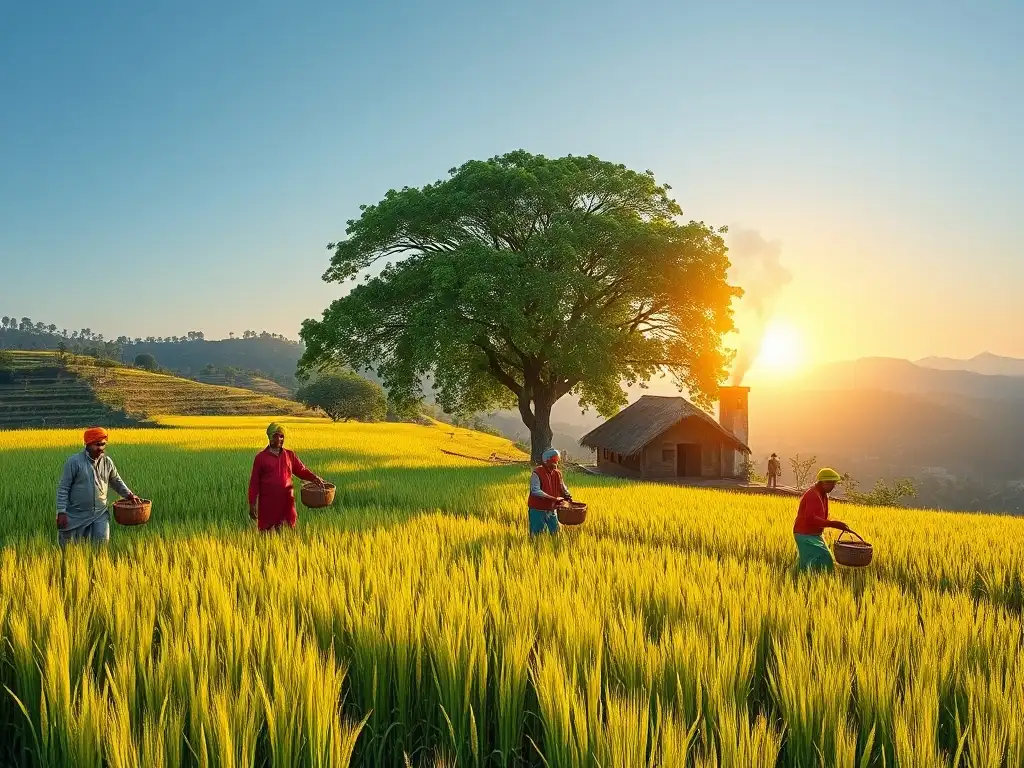
Welcome to Ancient India History, where we invite you to journey through the vibrant tapestry of one of the world's oldest civilizations. Here, we delve into the intricate agricultural calendar of ancient India, revealing how these time-honored practices shaped not only the economy but also the very fabric of society. Curious about how the rhythms of nature influenced farming success and community life? Join us as we uncover the secrets of ancient Indian agricultural practices and their lasting impact on culture and sustainability. Let's explore the past together and see how it continues to resonate today!
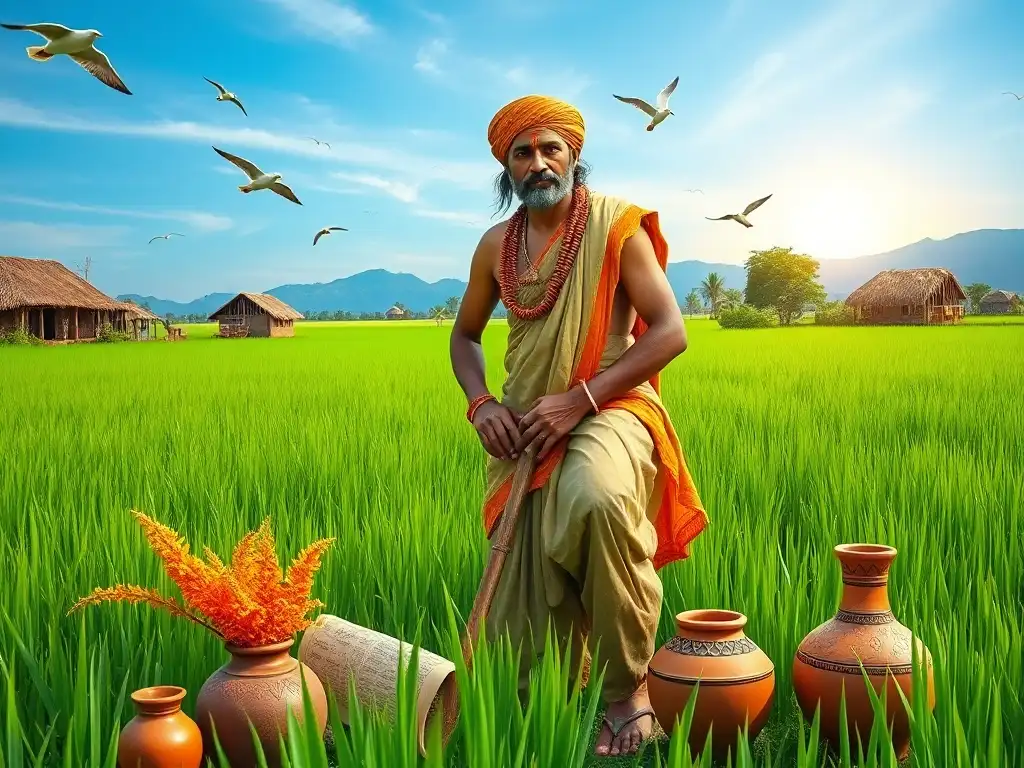
Introduction to Ancient Indian Agricultural Practices
Agriculture has played a pivotal role in the development and sustenance of ancient Indian civilizations. From the fertile plains of the Indus Valley to the expansive fields of the Gupta Empire, ancient Indian agricultural practices were deeply intertwined with the socio-economic fabric of society. Understanding these practices, particularly the agricultural calendar, is essential for grasping how ancient civilizations thrived in a diverse and often challenging environment.
The agricultural calendar not only guided the farming activities but also dictated the rhythm of life, influencing festivals, rituals, and community gatherings. In this article, we will explore the agricultural calendar of ancient India and its significance in ensuring successful farming practices.
Overview of Agricultural Practices in Ancient India
Ancient Indian agricultural practices were characterized by a sophisticated understanding of the environment, innovative techniques, and a variety of crops tailored to different regional climates. Key aspects included:
- Crop Rotation: Farmers practiced systematic crop rotation to maintain soil fertility and optimize yields.
- Irrigation Techniques: The use of canals, wells, and tanks was common for effective water management, especially in arid regions.
- Diverse Cropping: A mix of cereals, pulses, vegetables, and fruits was cultivated, showcasing the biodiversity of Indian agriculture.
- Organic Fertilizers: The use of animal manure and compost was prevalent, reflecting an early understanding of sustainable farming.
These practices laid the groundwork for a robust agrarian economy, allowing ancient India to flourish and support its growing population.
Importance of the Agricultural Calendar in Farming Success
The agricultural calendar was crucial for the success of farming in ancient India. It provided a structured timeline for planting, harvesting, and managing crops, ensuring that farmers could maximize their yields. Key benefits included:
- Timing of Cultivation: The calendar helped in determining the best times for sowing and harvesting based on seasonal changes.
- Weather Predictions: Farmers relied on traditional knowledge of weather patterns, which were documented in the agricultural calendar, to anticipate rainfall and temperature shifts.
- Cultural Integration: The calendar aligned agricultural activities with festivals and religious observances, reinforcing community bonds and cultural practices.
In essence, the agricultural calendar served as a vital tool that not only guided farming practices but also shaped the cultural and social landscape of ancient India.
The Structure of the Agricultural Calendar in Ancient India
The agricultural calendar of ancient India was typically structured around the monsoon seasons, which were critical for crop growth. This structure can be divided into distinct phases that corresponded to the climatic conditions and agricultural activities throughout the year.
Seasonal Divisions in Ancient Indian Agriculture
Ancient Indian agriculture was primarily divided into three seasons:
- Kharif (Monsoon Season):
- Duration: June to September
- Crops: Rice, maize, and pulses were commonly sown during this period, relying heavily on the monsoon rains.
- Rabi (Winter Season):
- Duration: October to March
- Crops: Wheat, barley, and mustard were cultivated, benefitting from the cooler temperatures and less rainfall.
- Zaid (Summer Season):
- Duration: April to June
- Crops: This short season included crops like cucumbers, melons, and pulses, which thrived in the warmer months.
These seasonal divisions were integral to planning agricultural activities and optimizing crop production based on climatic conditions.
Major Festivals and Their Agricultural Significance
Festivals in ancient India were often closely linked to the agricultural calendar, celebrating the changing seasons and harvests. Some major festivals included:
- Pongal/Makar Sankranti: Celebrated in January, marking the end of the harvest season, it involved rituals of gratitude towards the sun god for a bountiful harvest.
- Baisakhi: This spring harvest festival in April symbolized the beginning of the new agricultural year and was crucial for farmers in the Punjab region.
- Onam: Celebrated in Kerala during the monsoon season, it signifies the harvest of rice and the prosperity it brings.
These festivals not only celebrated agricultural success but also reinforced cultural identity and communal harmony, demonstrating the deep connections between agriculture and societal practices in ancient India.
Key Crops in Ancient Indian Agriculture
Ancient Indian agriculture was characterized by a rich diversity of crops, cultivated according to the climatic conditions and regional soil fertility. The major crops were classified into cereals, pulses, oilseeds, and spices, reflecting the agricultural practices that evolved over millennia.
Overview of Staple Crops in Ancient India
The staple crops of ancient India included rice, wheat, barley, and millet, which formed the foundation of the diet for many communities.
- Rice: Predominantly cultivated in regions with abundant rainfall, such as the Gangetic plains, rice was a staple in southern and eastern India. The crop thrived in the wet monsoon climate, leading to its wide adoption.
- Wheat: Particularly dominant in the northern regions, wheat cultivation was facilitated by the fertile soils of the Indus Valley. This crop was prominent in the diet, often consumed in various forms.
- Barley: Known for its resilience to drought, barley was cultivated in arid regions and served as a staple, especially in the northwestern parts of India.
- Millets: Varieties like finger millet (ragi) and pearl millet (bajra) were crucial for their drought resistance and nutritional value, making them essential in dryland farming.
Seasonal Crop Rotation Practices
Ancient Indian farmers employed seasonal crop rotation practices to maintain soil fertility and enhance yields. This practice involved alternating different crops in the same field across seasons, which helped in preventing soil depletion and controlling pests.
- Kharif Crops: These crops, such as rice, pulses, and cotton, were sown during the southwest monsoon from June to September and harvested in October and November.
- Rabi Crops: Sown in the cooler months from October to December, rabi crops like wheat, barley, and mustard were harvested in March and April.
- Zaid Crops: A smaller season, the zaid period allowed for the cultivation of crops like cucumbers and melons, making efficient use of the interstitial periods between the main seasons.
Techniques and Innovations in Ancient Indian Farming
The agricultural practices in ancient India were not static; they evolved through various techniques and innovations that significantly improved farming efficiency and productivity.
Traditional Farming Techniques Used in Ancient India
Ancient Indian farmers utilized a range of traditional farming techniques that were deeply rooted in their understanding of local ecosystems.
- Plowing: The use of wooden plows drawn by oxen was prevalent, allowing for effective soil tilling. Farmers combined this with manual methods for planting seeds.
- Mixed Farming: Integrating crop cultivation with livestock rearing was common. This synergy not only provided manure for fertilizing crops but also diversified the farmers’ sources of income.
- Organic Fertilization: Farmers used natural fertilizers like cow dung and compost, which enriched the soil without the adverse effects associated with chemical fertilizers.
Innovations in Irrigation and Water Management
Water management played a crucial role in ancient Indian agriculture, particularly in regions prone to erratic rainfall.
- Canals and Wells: The construction of canals and wells facilitated irrigation, allowing farmers to support crops during dry spells. The sophisticated systems established by ancient civilizations, such as those in the Indus Valley, highlighted the advanced understanding of hydrology.
- Rainwater Harvesting: Techniques for capturing and storing rainwater were developed to maximize water availability for crops, especially in arid zones.
- Terracing: In hilly regions, terracing prevented soil erosion and allowed for efficient water management, making it possible to cultivate crops on steep slopes.
These practices and innovations not only ensured agricultural success but also contributed significantly to the socio-economic structure of ancient Indian societies, demonstrating the intricate relationship between agriculture and civilization's advancement.
The Role of Climate in Ancient Indian Agricultural Practices
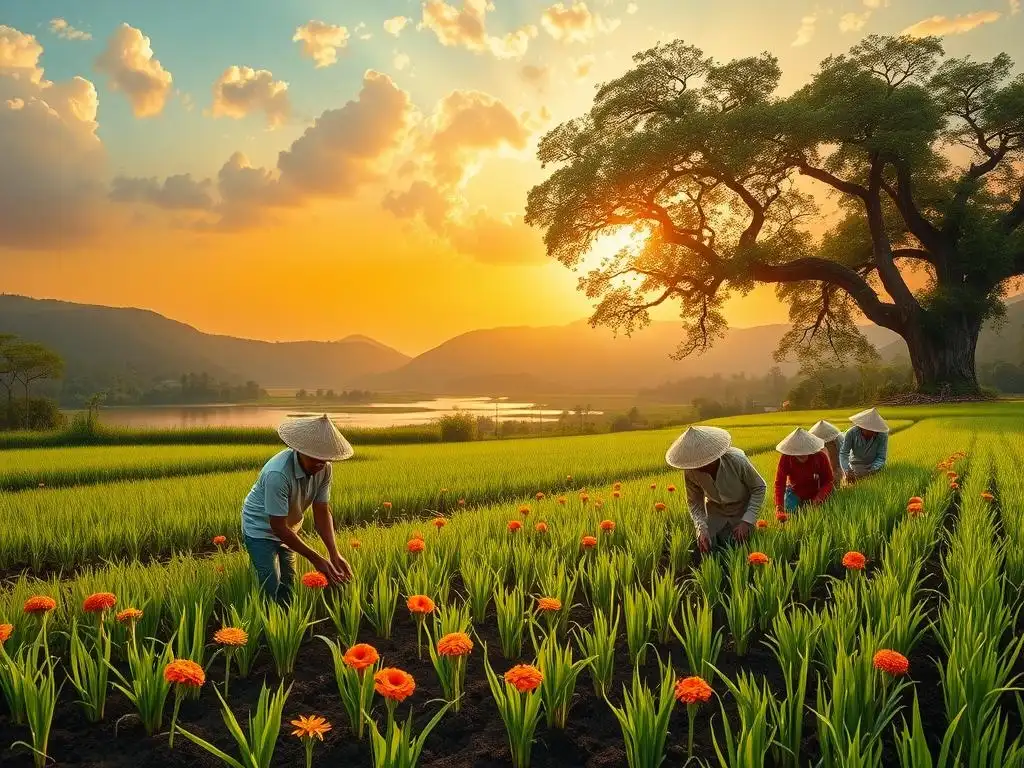
Climate played a pivotal role in shaping the agricultural practices of ancient India. The diverse climatic zones of the Indian subcontinent, ranging from the arid regions of Rajasthan to the fertile plains of the Ganges, influenced the types of crops that could be cultivated, the timing of planting and harvesting, and the overall agricultural strategies employed by civilizations. Ancient Indian farmers developed a keen understanding of their environment, allowing them to maximize agricultural output while minimizing risks associated with climatic variability.
The monsoon season, characterized by heavy rainfall from June to September, was a crucial factor in determining the agricultural calendar. Farmers relied on the arrival of the monsoons to irrigate their fields, especially in areas where rainfall was insufficient. This reliance on seasonal weather patterns necessitated the development of sophisticated farming techniques and tools that could accommodate the challenges posed by varying rainfall and temperature.
How Climate Influenced Crop Cycles
Crop cycles in ancient India were intricately tied to climatic conditions. The primary crops—such as rice, wheat, barley, and pulses—were planted according to the seasonal patterns dictated by climate. In regions with heavy monsoon rains, such as the fertile Gangetic plains, farmers typically planted rice during the kharif season (monsoon season), while wheat was sown during the rabi season (winter). This cyclical understanding of planting and harvesting ensured that farmers could optimize their yield based on the available moisture and temperature.
Additionally, the characteristics of local soil, such as fertility and drainage capabilities, also influenced crop choices and timing. Farmers often engaged in rotation and intercropping to maintain soil health and prevent pest infestations, demonstrating their adaptability to environmental conditions. This deep-rooted knowledge of crop cycles not only sustained local communities but also played a crucial role in the economic stability of ancient Indian civilizations.
Adapting Agricultural Practices to Regional Climates
Ancient Indian farmers were remarkable in their ability to adapt agricultural practices to the specific regional climates they inhabited. For instance, in the arid regions of Rajasthan and Gujarat, where water scarcity was a significant challenge, farmers employed techniques such as rainwater harvesting and the construction of step-wells to maximize water availability. They cultivated drought-resistant crops like millet and barley, which thrived in less fertile soils.
In contrast, the coastal regions of Kerala and Tamil Nadu utilized the abundant rainfall and rich soil to grow a variety of crops, including rice and spices. The implementation of paddy field systems allowed for effective water management, ensuring optimal growing conditions. This adaptability not only showcased the ingenuity of ancient farmers but also highlighted their profound understanding of regional climate dynamics.
Case Studies of Successful Agricultural Practices
Examining Agricultural Success Stories from Different Regions
Several ancient Indian civilizations exemplified successful agricultural practices tailored to their unique environments. The Indus Valley Civilization, for example, showcased advanced urban planning and irrigation techniques. Archaeological evidence suggests that they developed extensive drainage systems and water management practices, which facilitated the cultivation of wheat and barley in the arid landscape.
In contrast, the agrarian societies of the Ganges Valley thrived due to the fertile alluvial soil deposited by the river. The agricultural success of this region is evident in the cultivation of rice, which was a staple food source. The ability to harness the river's flooding patterns for irrigation allowed for multiple cropping cycles throughout the year, significantly contributing to population growth and urbanization.
Lessons Learned from Ancient Indian Agricultural Innovations
The agricultural innovations of ancient India offer valuable lessons for contemporary farming practices. The integration of traditional knowledge with modern agricultural techniques can lead to more sustainable farming systems. For instance, the practices of crop rotation and polyculture, which were prevalent in ancient times, are being revisited today as methods to enhance soil fertility and biodiversity.
Moreover, the adaptive strategies employed by ancient farmers to cope with climatic challenges underscore the importance of resilience in agriculture. By learning from the past, modern agricultural practices can become more robust against the uncertainties of climate change, ensuring food security for future generations. The legacy of ancient Indian agricultural practices continues to inspire innovations that honor both tradition and sustainability, emphasizing their relevance in today's agricultural discourse.
The Impact of the Agricultural Calendar on Society and Economy
The agricultural calendar of ancient India played a crucial role in shaping the societal structure and economic stability of various civilizations. This calendar was intricately tied to the monsoon seasons, which determined the timing of sowing and harvesting crops. As a result, it governed not only agricultural activities but also social customs, festivals, and economic transactions. The synchronization of farming activities with the agricultural calendar fostered community collaboration and interdependence, as farmers relied on one another for labor during peak seasons.
Moreover, the agricultural calendar influenced trade and commerce, as the surplus produced during harvest seasons led to local and regional markets flourishing. It also dictated the rhythm of life in agrarian societies, with calendars marking important festivals that celebrated the harvest and honored deities associated with agriculture. This holistic integration of agricultural practices with societal norms highlights the calendar's pivotal role in ancient Indian life.
Relationship Between Agricultural Cycles and Society
The relationship between agricultural cycles and society in ancient India was profound and multifaceted. The agricultural calendar dictated various aspects of daily life, including religious practices, social gatherings, and even the structure of family units. For instance, many festivals were celebrated at the time of harvest, such as Makar Sankranti, which marked the transition of the sun into the zodiac sign Capricorn. These festivals not only celebrated the bounty of the land but also reinforced social bonds within communities.
In rural areas, the agricultural calendar served as a timekeeping mechanism, organizing the year into a series of agricultural events. This organization facilitated communal labor, where villages would come together during planting and harvesting seasons, fostering a sense of unity and shared purpose. Additionally, the reliance on seasonal cycles influenced the social hierarchy; families with larger landholdings often played leadership roles in their communities, guiding agricultural practices and decision-making processes.
Economic Implications of Farming Success in Ancient India
The success of farming as dictated by the agricultural calendar had significant economic implications for ancient Indian civilizations. When timely rains coincided with the sowing periods, it often resulted in bountiful harvests, which were critical for sustaining population growth and urban development. Surpluses allowed for trade, contributing to the rise of marketplaces and the establishment of trade routes.
Furthermore, successful agricultural practices underpinned the economy, as they provided not just food security but also raw materials for textiles, construction, and crafts. This economic stability allowed for diversification; as agriculture thrived, other sectors such as crafts, metallurgy, and trade flourished, leading to the emergence of complex economies. Taxation systems often developed around agricultural output, providing revenue for governance and public works, which further enhanced the societal infrastructure.
Conclusion: Legacy of Ancient Indian Agricultural Practices
The legacy of ancient Indian agricultural practices continues to resonate today, as many modern farming techniques have roots grounded in the wisdom of agricultural calendars. The meticulous observation of seasonal changes and crop cycles established by ancient farmers remains relevant, informing contemporary agricultural practices. The integration of spirituality with farming, evident in the rituals and festivals tied to the agricultural calendar, persists in many rural communities today, reflecting a deep respect for the earth and its cycles.
Lasting Influence on Modern Agriculture
Ancient Indian agricultural practices have left a lasting influence on modern agriculture, especially in the techniques of crop rotation, intercropping, and organic farming. The traditional knowledge of using local seeds and natural fertilizers can be seen in various sustainable farming movements today. Moreover, the emphasis on seasonal planting and harvesting has been adopted in modern permaculture practices, highlighting the importance of maintaining ecological balance.
Farmers today continue to learn from ancient practices, recognizing the value of biodiversity and traditional ecological knowledge. Many agricultural communities are revitalizing these practices to enhance food security and sustainability in the face of modern challenges such as climate change and urbanization.
Preserving Ancient Agricultural Wisdom for Future Generations
Preserving ancient agricultural wisdom is vital for ensuring sustainable agricultural practices for future generations. Efforts are underway in various regions of India to document traditional farming techniques and integrate them into educational systems. Organizations are promoting initiatives that encourage younger generations to learn from elder farmers, ensuring that this invaluable knowledge is not lost.
Community-led programs focused on organic farming, seed banks, and agroecology are reviving interest in ancient methods, showcasing their effectiveness in modern contexts. By fostering a connection between the past and present, societies can uphold the richness of ancient agricultural practices while adapting to contemporary challenges, ensuring food security and ecological health for future generations.
- Introduction to Ancient Indian Agricultural Practices
- The Structure of the Agricultural Calendar in Ancient India
- Key Crops in Ancient Indian Agriculture
- Techniques and Innovations in Ancient Indian Farming
- The Role of Climate in Ancient Indian Agricultural Practices
- Case Studies of Successful Agricultural Practices
- The Impact of the Agricultural Calendar on Society and Economy
- Conclusion: Legacy of Ancient Indian Agricultural Practices
- What were the main agricultural practices in ancient India?
- How did the agricultural calendar influence farming in ancient India?
- What crops were primarily cultivated in ancient India?
- How did ancient Indian agriculture contribute to society?
- What role did technology play in ancient Indian agriculture?
Frequently Asked Questions
What were the main agricultural practices in ancient India?
Ancient Indian agricultural practices involved crop rotation, irrigation techniques, and the use of natural fertilizers like cow dung, which significantly improved soil fertility.
How did the agricultural calendar influence farming in ancient India?
The agricultural calendar dictated the timing of sowing and harvesting, ensuring that farmers aligned their activities with seasonal changes and monsoon patterns for optimal crop yields.
What crops were primarily cultivated in ancient India?
Farmers in ancient India primarily grew rice, wheat, barley, and millet, with some regions also cultivating spices and cotton, which played a significant role in trade.
How did ancient Indian agriculture contribute to society?
The success of agriculture led to surplus food production, which supported the growth of urban centers, social stratification, and the development of trade networks across ancient India.
What role did technology play in ancient Indian agriculture?
Technological advancements such as the plow, irrigation systems, and water management techniques improved efficiency and productivity, allowing ancient civilizations to thrive and sustain larger populations.
Final Reflection: The Timeless Wisdom of Ancient Indian Agricultural Practices
Understanding the agricultural calendar of ancient India is not just a glimpse into the past; it is a vital key to sustainable farming practices today. As we face the challenges of climate change and food security, the wisdom embedded in these ancient practices offers invaluable insights that can guide modern agriculture. The cyclical nature of the agricultural calendar, with its deep connection to seasonal changes and local ecosystems, reminds us that farming is not merely a business but a harmonious relationship with nature.
The influence of ancient Indian agricultural practices extends far beyond their historical context; they resonate within the cultural and social fabric of contemporary society. These practices have shaped not only the agricultural landscape but also the community dynamics, rituals, and festivals that celebrate the harvest. As we reflect on this legacy, we can appreciate the words of Mahatma Gandhi: To forget how to dig the earth and to tend the soil is to forget ourselves.
This quote encapsulates the essence of our connection to the land and the importance of preserving these time-honored practices for future generations.
As we move forward, I invite you to reflect on how the lessons from ancient Indian agriculture can be applied in your own life. Consider how you can cultivate a deeper relationship with the land, whether through sustainable gardening practices, supporting local farmers, or simply being mindful of the food you consume. Let us honor the wisdom of our ancestors and strive to integrate their insights into our modern lives, ensuring that the legacy of ancient agricultural practices continues to thrive in a world that desperately needs it.
Unlock the Secrets of Ancient Agriculture!
Thank you for taking the time to delve into the fascinating world of the agricultural calendar of ancient India! By understanding how these early farming practices shaped success, you’ve equipped yourself with knowledge that can transform your approach to modern agriculture.
Now, it’s time to put this newfound wisdom into action:
- Dive Deeper: Research an ancient agricultural technique and experiment with it in your own garden or community project.
- Share Your Insights: Discuss what you've learned with friends or fellow farmers—start a conversation on social media or in local gardening groups.
- Connect with Others: Join an online forum focused on ancient agricultural practices to exchange ideas and innovations with like-minded individuals.
What ancient farming methods are you curious to try, and how might they influence your current practices?