
The Transition from Nomadic to Settled Agriculture in Ancient India

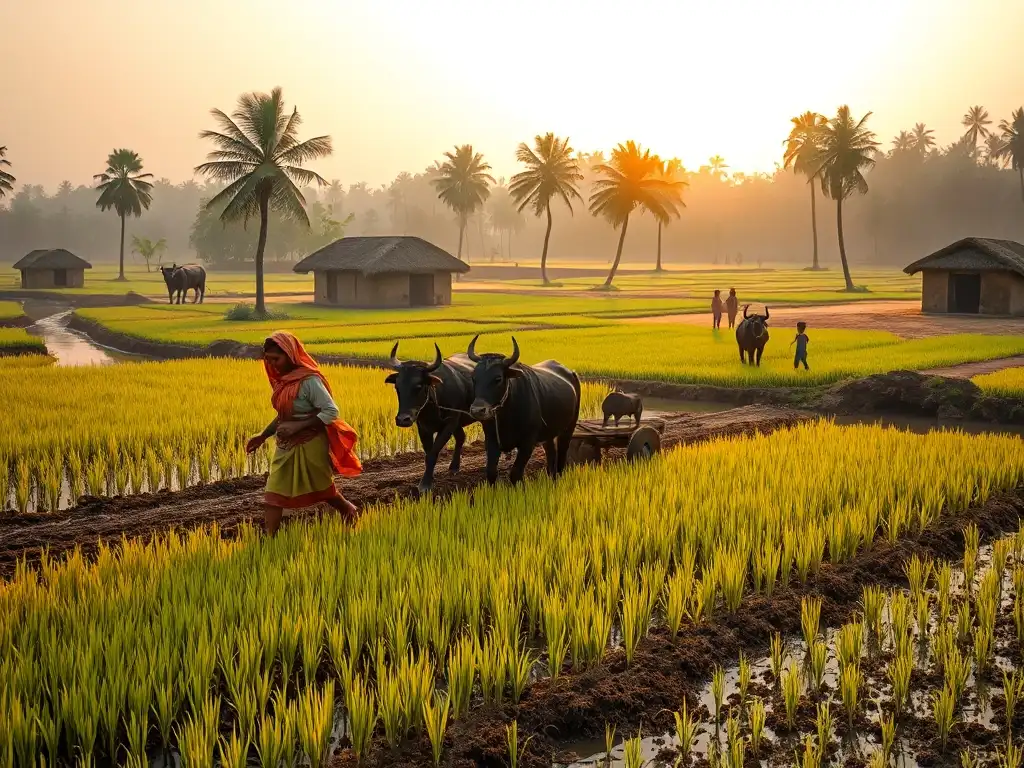
Welcome to Ancient India History, where we embark on a journey through the captivating narrative of one of the world's oldest civilizations. In our featured article, we delve into the fascinating evolution of settled agriculture in ancient India, exploring how this transformative practice marked the transition from nomadic lifestyles to thriving agricultural communities. Discover the innovations and cultural shifts that shaped the very foundation of Indian society. Join us as we unlock the secrets of the past and unveil the remarkable contributions of ancient Indian civilizations. Ready to dig deeper? Let’s cultivate your curiosity!
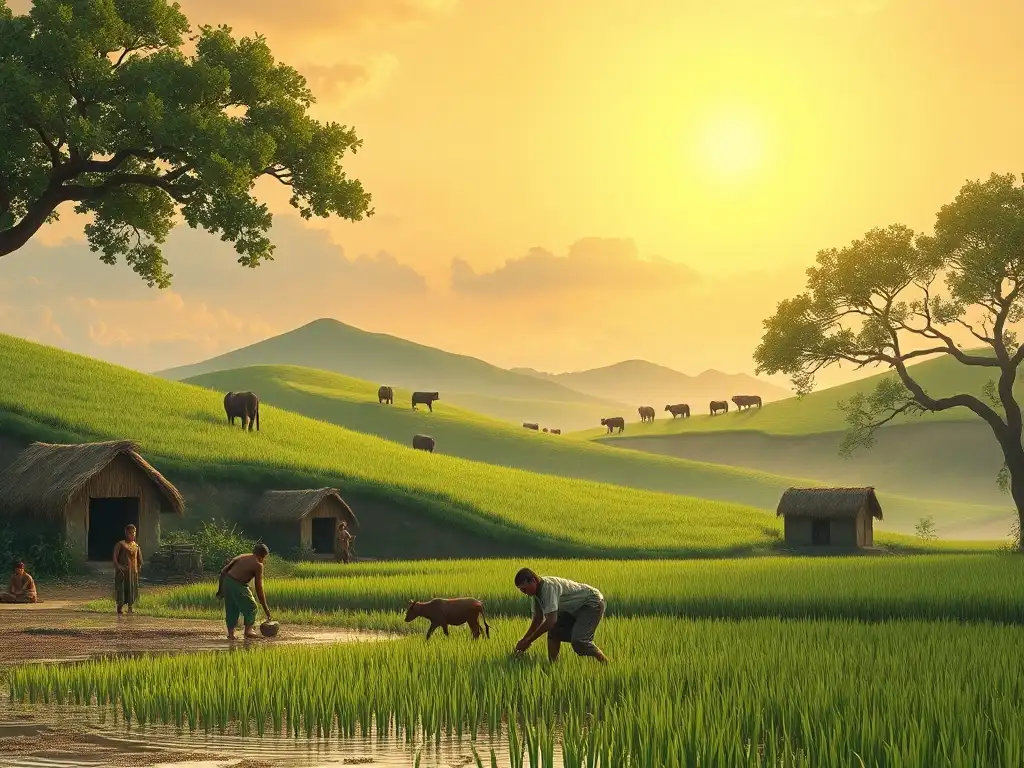
Introduction to Settled Agriculture in Ancient India
The transition from nomadic lifestyles to settled agriculture marked a significant turning point in the history of ancient India, shaping not only the economy but also the social and cultural frameworks of the time. This evolution laid the foundation for the emergence of complex societies and vibrant civilizations, enabling communities to cultivate the land, establish permanent settlements, and develop advanced agricultural techniques. The term settled agriculture in ancient India encompasses various practices and innovations that arose as communities shifted from a transient existence to a more stable and organized way of life.
Understanding this transition is crucial for appreciating the profound impact agriculture had on ancient Indian society, influencing everything from social structures to trade networks and cultural practices. The following sections will explore the definition of settled agriculture, its significance in ancient India, and the historical context of nomadic lifestyles that preceded this transformation.
Definition of Settled Agriculture
Settled agriculture can be defined as the practice of farming that involves the cultivation of crops in a permanent location, where communities establish farms and settlements rather than moving from place to place. This agricultural practice allowed for the domestication of plants and animals, leading to increased food production and supporting larger populations. Key features of settled agriculture include:
- Permanent settlements: Villages and towns develop around agricultural lands.
- Crop cultivation: The intentional planting and harvesting of specific crops such as wheat, barley, and rice.
- Animal husbandry: The domestication and breeding of livestock for food, labor, and other resources.
The emergence of settled agriculture was a complex process influenced by various environmental, social, and technological factors that transformed the livelihoods of ancient Indian communities.
Importance of Agriculture in Ancient Indian Society
Agriculture played a pivotal role in shaping ancient Indian society, serving as the backbone of the economy and facilitating the growth of civilizations. The importance of agriculture can be highlighted through several key aspects:
- Economic Stability: Increased food production from settled agriculture led to surplus, which fostered trade and economic interactions between communities.
- Population Growth: As food became more reliable and abundant, populations increased, leading to the formation of larger and more complex social structures.
- Cultural Development: The stability provided by settled agriculture allowed for the flourishing of arts, sciences, and philosophy, contributing to the rich cultural heritage of ancient India.
Historical Context of Nomadic Lifestyles
Overview of Nomadic Communities in Ancient India
Before the advent of settled agriculture, many communities in ancient India lived as nomadic tribes, relying on hunting, gathering, and herding for sustenance. These nomadic groups were characterized by:
- Mobility: Regular movement in search of food, water, and grazing lands for their livestock.
- Social Structures: Smaller, kin-based groups that often engaged in communal living and cooperation for survival.
The nomadic lifestyle was closely tied to the natural environment, with communities adapting to the seasonal availability of resources. This adaptability laid the groundwork for later innovations in agricultural practices.
Cultural Practices of Nomadic Societies
Nomadic societies in ancient India were rich in cultural traditions and practices, which contributed to their resilience and social cohesion. Some significant cultural aspects include:
- Spiritual Beliefs: Many nomadic tribes had deep spiritual connections to their environment and practiced rituals related to nature and fertility.
- Art and Craftsmanship: Nomadic communities often showcased their artistic talents through textiles, music, and oral storytelling, preserving their history and traditions.
- Trade Networks: Nomadic groups engaged in trade with settled communities, exchanging goods and ideas, which facilitated cultural interactions and exchanges.
The transition from these dynamic nomadic lifestyles to settled agriculture marked a new chapter in ancient Indian history, leading to the establishment of agrarian societies that would profoundly influence the region's development.
Factors Leading to the Shift to Settled Agriculture
The transition from a nomadic lifestyle to settled agriculture in ancient India was influenced by a combination of environmental, technological, and socio-economic factors. This shift marked a significant change in how societies functioned, leading to the rise of complex civilizations. Understanding these factors provides insight into the roots of agriculture in ancient India and its long-lasting impact on the region.
Climate Change and Environmental Influences
One of the primary drivers of the transition to settled agriculture was climate change. The end of the last Ice Age, around 10,000 BCE, led to a warming trend that transformed the landscape of the Indian subcontinent. This period saw the following changes:
- Increased Rainfall: The shift towards a more temperate climate resulted in enhanced monsoon patterns, providing reliable water sources for agriculture.
- Fertile River Valleys: Rivers such as the Indus, Ganges, and Brahmaputra created fertile alluvial plains that were ideal for farming. The regular flooding of these rivers deposited nutrient-rich silt, which supported crop cultivation.
- End of Nomadic Resources: As the environment became more stable, the availability of wild plants and game diminished in some areas, prompting communities to seek alternative food sources through agriculture.
These climatic and environmental changes encouraged groups to settle in productive areas, establishing the foundations for agricultural communities.
Technological Innovations that Facilitated Agriculture
Technological advancements played a crucial role in the shift to settled agriculture. Several innovations enhanced the ability of communities to cultivate the land:
- Agricultural Tools: The development of tools such as sickles, hoes, and plows made it easier to prepare the soil and harvest crops. These tools improved efficiency and productivity.
- Irrigation Techniques: Ancient Indians began to construct irrigation systems, including canals and wells, to divert water from rivers to their fields. This allowed for the cultivation of crops in drier seasons and increased agricultural yields.
- Selective Breeding: Early agriculturalists practiced selective breeding of plants and animals, leading to the development of more resilient and productive crop varieties and livestock.
These innovations not only improved agricultural output but also laid the groundwork for more complex societal structures.
Population Growth and Its Impact on Lifestyle
As agriculture became more established, population growth accelerated, significantly impacting lifestyle changes:
- Food Surplus: Settled agriculture led to the production of surplus food, which supported larger populations. This surplus allowed communities to sustain non-agricultural specialists, leading to diversification of labor.
- Social Stratification: With increased population density, social structures became more complex. Hierarchies emerged based on wealth, land ownership, and specialization, fostering the development of governance systems.
- Urbanization: The availability of food resources led to the growth of settlements and, eventually, urban centers. This urbanization was a critical factor in the development of trade, culture, and governance in ancient Indian civilizations.
The interplay between population growth and agricultural practices was foundational in shaping the trajectory of ancient Indian society.
Characteristics of Settled Agriculture in Ancient India
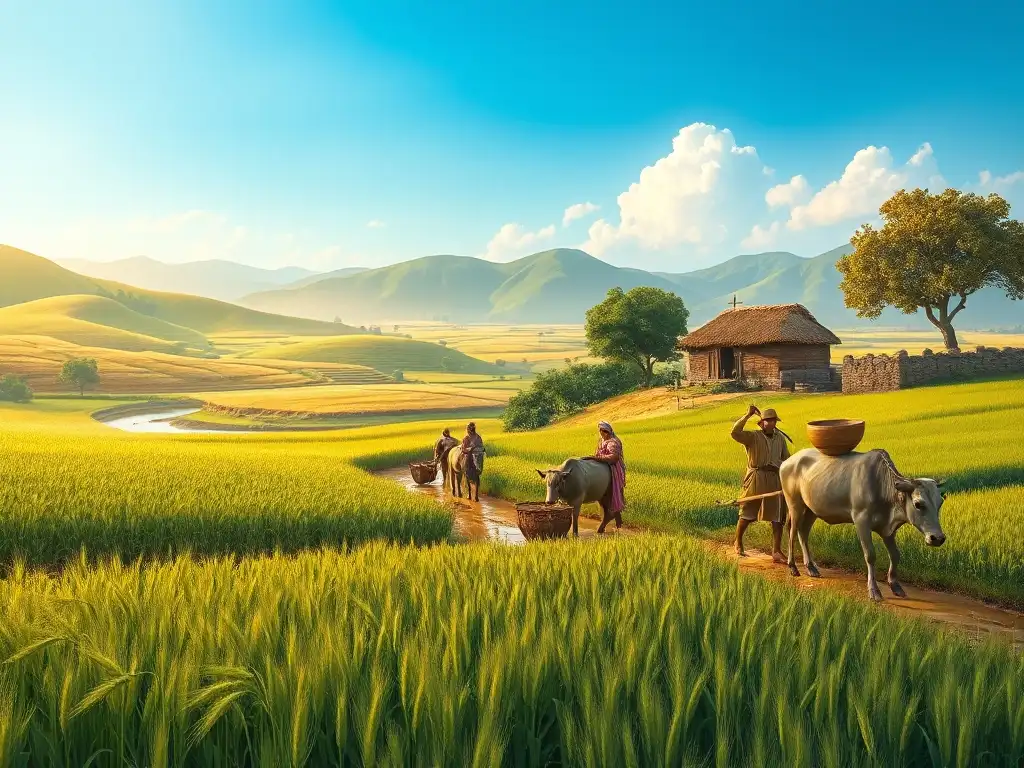
Settled agriculture in ancient India was marked by various characteristics that defined its practice and organization. These characteristics contributed to the emergence of advanced civilizations and laid the groundwork for future agricultural developments.
Types of Crops Cultivated in Settled Agriculture
The agricultural landscape of ancient India was diverse, with communities cultivating a range of crops suited to their local environments:
- Cereals: Major staples included wheat and barley in the north, while rice was predominant in the more humid regions of the south and along river valleys.
- Pulses: Lentils, chickpeas, and peas were common, providing essential protein sources for the diet of ancient Indians.
- Oilseeds and Spices: Crops such as sesame and mustard were cultivated for oil, while spices like black pepper and turmeric became important both for culinary and trade purposes.
This diversity in crop cultivation not only supported local diets but also facilitated trade between different regions.
Agricultural Techniques and Tools Used
Farmers in ancient India employed various techniques and tools that were integral to their agricultural practices:
- Crop Rotation: Ancient agriculturalists practiced crop rotation to maintain soil fertility and reduce pest infestations, leading to more sustainable farming practices.
- Terracing: In hilly regions, terracing was used to create flat land for farming, preventing soil erosion and maximizing arable land.
- Hand Tools: Farmers predominantly relied on manually operated tools, like wooden plows and sickles, which were effective for the scale of farming during this period.
These techniques reflect a deep understanding of the land and its resources, enhancing agricultural productivity.
Community Organization and Land Use Patterns
Settled agriculture led to new forms of community organization and land use:
- Village Settlements: Agricultural communities often formed villages, which became centers of social and economic life. These settlements were typically organized around shared resources and communal activities.
- Land Ownership: The concept of land ownership began to develop, leading to disputes and the need for governance structures. Land was often divided among families or clans, fostering a sense of community responsibility.
- Trade Networks: Agricultural surplus facilitated trade, connecting different regions and promoting cultural exchanges. Markets emerged, supporting both local and long-distance trade.
The organization of communities around agricultural practices was pivotal in shaping the social fabric of ancient Indian civilizations, laying the groundwork for future developments in governance, trade, and culture.
Major Regions of Settled Agriculture Development
The transition from nomadic lifestyles to settled agriculture in ancient India marked a significant turning point in human history, leading to the establishment of complex societies. This transformation occurred in various regions, each contributing uniquely to the agricultural landscape of ancient India. The major regions where settled agriculture flourished include the Indus Valley, the Gangetic Plains, and Southern India.
The Indus Valley Civilization: A Model of Early Agriculture
The Indus Valley Civilization, flourishing around 2500 BCE in present-day Pakistan and northwest India, is often heralded as one of the earliest examples of settled agriculture in ancient India. The inhabitants of this region developed advanced agricultural techniques, including the cultivation of wheat, barley, and pulses. The fertile alluvial soil, combined with the innovative irrigation methods, enabled them to produce surplus crops.
This civilization also demonstrated remarkable urban planning, with cities like Harappa and Mohenjo-Daro featuring well-organized layouts and storage facilities for grain. The presence of granaries indicates that agricultural surplus was not only common but also essential for trade and sustenance. Furthermore, the Indus Valley people practiced a form of crop rotation and utilized tools made of copper and bronze to enhance their farming efficiency.
The Gangetic Plains: Fertile Grounds for Agricultural Expansion
The Gangetic Plains are renowned for their rich alluvial soil and favorable climate, making them one of the most productive agricultural regions in ancient India. This area, stretching from Punjab in the west to Bengal in the east, became a cradle for agricultural innovation. The rise of settled agriculture here can be traced back to around 1000 BCE, coinciding with the advent of iron tools which revolutionized farming practices.
Farmers in the Gangetic Plains primarily cultivated rice, which became a staple food source. The abundance of water from the Ganges River facilitated irrigation, leading to higher yields and multiple cropping cycles throughout the year. The agricultural prosperity of this region allowed for the growth of settlements and ultimately gave rise to powerful kingdoms, such as the Magadha Empire, which played a crucial role in the political history of ancient India.
Southern India: Diverse Agricultural Practices
Southern India, characterized by its varied topography and climatic conditions, showcased diverse agricultural practices that evolved over centuries. Regions like the Deccan Plateau and the coastal areas became known for cultivating a variety of crops, including millet, rice, sugarcane, and spices. The monsoonal rains provided ample water supply, enabling farmers to adopt settled agriculture effectively.
The introduction of new crops, such as cotton and indigo, was significant in this region. Moreover, the development of irrigation systems, including tanks and canals, enhanced agricultural productivity. This led to the establishment of trade networks, connecting Southern India with other parts of the subcontinent and beyond, contributing to the economic and cultural richness of ancient Indian society.
Impact of Settled Agriculture on Ancient Indian Society
The shift from nomadic lifestyles to settled agriculture had profound effects on ancient Indian society, catalyzing economic, social, and cultural transformations.
Economic Changes and Trade Development
Settled agriculture played a crucial role in the economic evolution of ancient India. With the ability to produce surplus crops, communities could engage in trade beyond their immediate needs. This surplus not only facilitated local trade but also established long-distance trading routes with neighboring regions. Agricultural products such as grains, textiles, and spices became valuable commodities.
The development of market centers and the emergence of specialized crafts supported the economy, leading to increased prosperity. As trade flourished, societal wealth diversified, paving the way for the rise of merchant classes and contributing to the overall economic complexity of ancient Indian civilizations.
Social Structure and Community Life in Agricultural Societies
The advent of settled agriculture led to significant changes in the social structure of ancient Indian societies. As communities settled, they began to form more complex social hierarchies, with distinctions based on land ownership, labor specialization, and wealth accumulation. Agricultural societies fostered a sense of community, as people collaborated in farming activities and shared resources.
The stability provided by settled agriculture encouraged population growth and the formation of larger settlements, eventually giving rise to urban centers. This shift also impacted family structures, with increased emphasis on agrarian labor and the inheritance of land, further solidifying social ties within communities.
Cultural Innovations and Agricultural Festivals
Settled agriculture significantly influenced the cultural landscape of ancient India. The agrarian lifestyle led to the development of various cultural practices, rituals, and festivals centered around agricultural cycles. Festivals celebrating sowing and harvest, such as Makar Sankranti and Pongal, became integral to community life, fostering social cohesion and shared cultural identity.
Moreover, the reliance on agricultural cycles influenced art, literature, and religious practices. Many ancient texts and inscriptions document agricultural themes, reflecting the importance of farming in daily life. This cultural richness, rooted in agriculture, laid the foundation for the diverse traditions that continue to thrive in India today.
Challenges Faced in Transitioning to Settled Agriculture
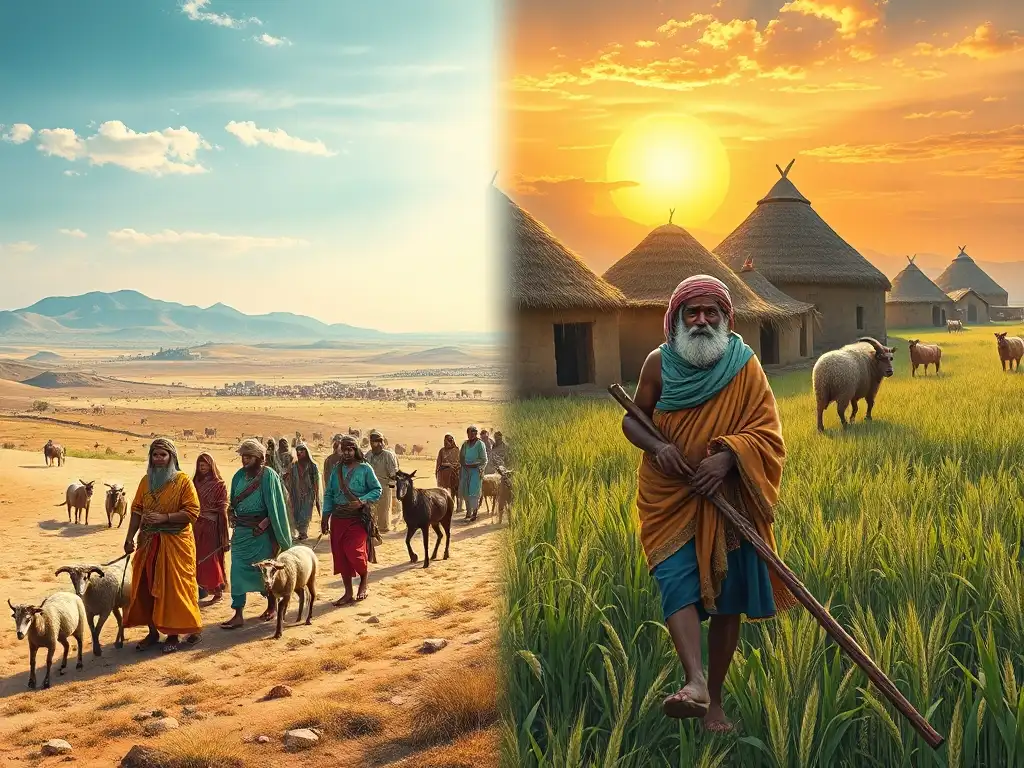
The transition from nomadic lifestyles to settled agriculture in ancient India was a significant milestone that introduced numerous challenges. These obstacles stemmed from environmental factors, social dynamics, and the complexities of establishing new agricultural systems. Understanding these challenges provides insight into the resilience and adaptability of ancient Indian civilizations.
Environmental Challenges and Crop Failures
The shift to settled agriculture required a deep understanding of local ecosystems, which varied greatly across different regions of ancient India. Farmers faced several environmental challenges, including:
- Soil Fertility: Early agricultural communities often struggled with maintaining soil fertility. The overuse of land without proper crop rotation led to nutrient depletion, hindering crop yields.
- Water Management: Access to water was crucial for agriculture. Many early settlements were established near rivers, but seasonal flooding or droughts posed significant risks. The inability to manage irrigation effectively often resulted in crop failures.
- Pest Infestations and Diseases: As populations began to concentrate in settled areas, so did pests and diseases. Crop failures due to insect infestations or plant diseases could devastate harvests, leading to food insecurity.
These environmental challenges necessitated innovations in agricultural practices and the development of sustainable methods for managing crops and resources.
Social Conflicts and Land Ownership Issues
The establishment of settled agriculture also brought about social complexities, particularly concerning land ownership and resource distribution. Some of the key issues included:
- Land Ownership Disputes: As communities transitioned to farming, the concept of land ownership emerged, leading to disputes among families and clans. This conflict was often exacerbated by the unequal distribution of fertile land.
- Social Hierarchies: The rise of agriculture contributed to the development of social stratification. Wealthy landowners often exploited laborers, creating tensions within communities and leading to social unrest.
- Resource Management: Managing communal resources, such as water sources and grazing lands, became contentious. The competition for these resources sometimes led to conflicts between different groups, hindering cooperation necessary for agricultural success.
These social conflicts highlighted the need for governance structures and community organization to support agricultural development.
Conclusion: The Legacy of Settled Agriculture in Ancient India
The transition to settled agriculture in ancient India laid the groundwork for the development of complex societies. This transformation had profound implications for the economy, social structure, and culture of Indian civilization.
Long-term Effects on Indian Civilization
The legacy of settled agriculture can be seen in several long-term effects on Indian civilization, including:
- Urbanization: The establishment of agricultural surplus allowed for the growth of cities, fostering trade, culture, and innovation. Major urban centers like Mohenjo-Daro and Harappa emerged as bustling hubs of activity.
- Cultural Developments: With the stability provided by agriculture, there was a flourishing of arts, crafts, and religious practices. Settled life allowed communities to invest time in cultural pursuits, leading to advancements in literature, architecture, and philosophy.
- Economic Systems: The agricultural economy contributed to the development of trade networks, both locally and across regions. This interconnectedness facilitated the exchange of goods and ideas, influencing the broader Indian subcontinent.
These transformations were pivotal in shaping the trajectory of Indian history, creating a foundation for future empires and cultural achievements.
Reflections on Agricultural Practices in Modern India
The challenges and innovations of ancient settled agriculture continue to resonate in modern India. While contemporary agricultural practices have evolved, some reflections include:
- Sustainable Practices: Modern agriculture increasingly draws from ancient methods of sustainability, emphasizing organic farming and crop rotation to combat soil degradation and improve yields.
- Land Ownership Issues: The historical context of land ownership disputes remains relevant, as agrarian reform continues to be a critical issue in contemporary Indian society. Efforts to ensure equitable access to land and resources are ongoing.
- Cultural Heritage: The rich agricultural traditions of ancient India inform current practices and culinary arts, underscoring the enduring connection between agriculture and cultural identity.
The transition to settled agriculture in ancient India not only transformed the economic landscape but also laid the foundation for a rich cultural legacy that continues to influence modern practices.
References for Further Reading on Settled Agriculture in Ancient India
Exploring settled agriculture in ancient India can be greatly enriched by delving into a variety of books, articles, and online resources. Below is a curated list that covers significant aspects of this transformative period in Indian history.
Suggested Books and Articles
- "The Archaeology of Early Historic South Asia: The Emergence of Cities and States" by Robin Coningham and Ruth Young
- This book provides an in-depth analysis of the archaeological findings related to early historic civilizations in South Asia, including the transition to settled agriculture and its impact on urban development.
- "Agricultural History in India: A Review" by D. N. Jha
- An insightful article that reviews the agricultural practices in ancient India, including the shift from nomadic lifestyles to settled farming, detailing the socio-economic implications.
- "The Indus Valley Civilization: A Historical Perspective" by Gregory Possehl
- This work focuses on the Indus Valley Civilization, highlighting how its agricultural practices laid the groundwork for later developments in settled agriculture across the Indian subcontinent.
- "From Nomadism to Settled Agriculture: The Role of Environment in the Transition" by R. S. Sharma
- This study looks at the environmental factors that influenced the shift from nomadic lifestyles to settled agricultural practices, exploring the interplay between climate and society.
- "Early Agricultural Societies in South Asia" by K. V. Ramesh
- A comprehensive examination of the early agrarian societies in South Asia, discussing the various innovations and techniques that emerged during the transition to settled agriculture.
Online Resources and Academic Journals
- JSTOR
- A digital library providing access to thousands of academic journal articles, books, and primary sources. Search for keywords such as "settled agriculture in ancient India" for relevant studies and papers.
- Academia.edu
- A platform for academics to share research papers. You can find papers focusing on the agricultural practices of ancient India, written by scholars in the field.
- The Indian Journal of History of Science
- This journal offers articles that delve into the scientific and technological advancements in ancient India, including developments in agricultural practices.
- ResearchGate
- A social networking site for scientists and researchers to share papers. Look for research related to settled agriculture in ancient India for academic discussions and publications.
- National Geographic Articles
- Explore articles related to ancient civilizations and their agricultural practices. National Geographic often features archaeological discoveries relevant to the history of agriculture in India.
By utilizing these resources, readers can gain a deeper understanding of the transition from nomadic to settled agriculture in ancient India, shedding light on this pivotal transformation in the region's history.
- Introduction to Settled Agriculture in Ancient India
- Historical Context of Nomadic Lifestyles
- Factors Leading to the Shift to Settled Agriculture
- Characteristics of Settled Agriculture in Ancient India
- Major Regions of Settled Agriculture Development
- Impact of Settled Agriculture on Ancient Indian Society
- Challenges Faced in Transitioning to Settled Agriculture
- Conclusion: The Legacy of Settled Agriculture in Ancient India
- References for Further Reading on Settled Agriculture in Ancient India
- What was the significance of settled agriculture in ancient India?
- Which ancient civilization is most associated with the beginnings of settled agriculture?
- How did settled agriculture impact social structures in ancient India?
- What crops were primarily cultivated during the age of settled agriculture in ancient India?
- How did the transition to settled agriculture influence trade in ancient India?
Frequently Asked Questions
What was the significance of settled agriculture in ancient India?
Settled agriculture marked a transition from nomadic lifestyles to more stable communities, enabling permanent settlements and the development of complex societies.
Which ancient civilization is most associated with the beginnings of settled agriculture?
The Indus Valley Civilization is renowned for its early advancements in settled agriculture, showcasing sophisticated farming techniques and urban planning.
The rise of settled agriculture led to the establishment of hierarchical societies, where roles became specialized, and social classes emerged based on land ownership and agricultural production.
What crops were primarily cultivated during the age of settled agriculture in ancient India?
Farmers primarily grew wheat, barley, rice, and pulses, which were essential for sustaining large populations and supporting trade networks.
How did the transition to settled agriculture influence trade in ancient India?
With settled agriculture, surplus production allowed for trade expansion, fostering connections with other regions and contributing to the economic growth of civilizations like the Gupta Empire.
Final Reflection: Embracing Change in Settled Agriculture in Ancient India
The transition from nomadic to settled agriculture in ancient India is not just a historical milestone; it is a profound testament to human adaptability and innovation. Today, as we face rapid changes in our environment and society, understanding this pivotal shift can inspire us to embrace transformation in our own lives. The lessons learned from ancient practices of agriculture remind us that growth often comes from the willingness to settle, cultivate, and nurture our surroundings.
Culture and society have been deeply influenced by the advent of settled agriculture, shaping everything from social structures to economic systems. The ability to cultivate land allowed communities to flourish, leading to advancements in technology, art, and governance. As we reflect on this evolution, we can appreciate how these early agricultural practices laid the groundwork for the diverse cultures we see today. Agriculture is our wisest pursuit, because it will in the end contribute most to real wealth, good morals, and happiness.
– Thomas Jefferson. This quote resonates with the essence of settled agriculture in ancient India, highlighting its lasting impact on civilization.
As we move forward, let us take a moment to reflect on our own relationship with the land and the resources we utilize. Consider how the principles of settled agriculture—patience, stewardship, and community—can be applied to our modern lives. Whether it’s in our personal endeavors or our collective efforts towards sustainability, we have the power to cultivate a future that honors the lessons of the past. Embrace change, nurture your environment, and contribute to a legacy that will inspire generations to come.
Embrace Your Journey into Ancient Agriculture!
Thank you for exploring the fascinating transformation from nomadic lifestyles to settled agriculture in ancient India. Your interest in this crucial period not only enriches your understanding of history but also connects you to the roots of human development and cultural evolution. Now, let's take actionable steps to deepen your exploration!
- Dive deeper into ancient farming techniques by researching traditional agricultural practices that have been preserved in various cultures around the world.
- Share your insights with friends or on social media—spark discussions about how these ancient practices continue to influence modern agriculture.
- Join an online forum or group focused on ancient history and agricultural developments to learn from and engage with fellow enthusiasts.
What aspect of this transition do you find most intriguing, and how do you think it shapes our understanding of community and culture today?