
The Influence of Vedic Texts on Indian Classical Music and Dance

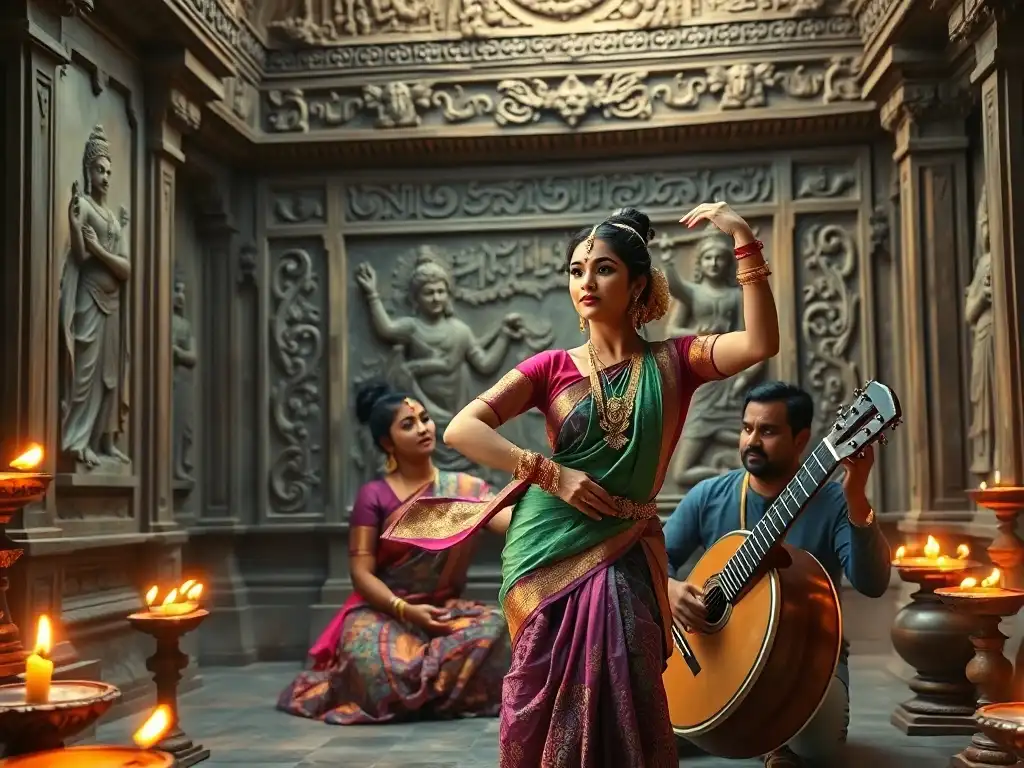
Welcome to Ancient India History, where we embark on a fascinating journey through the rich tapestry of ancient Indian civilizations. In this exploration, we delve into the profound influence of Vedic texts on Indian classical music and dance, uncovering how these sacred writings have shaped the cultural and artistic expressions of a vibrant era.
Prepare to be captivated as we reveal the connections between spirituality and melody, rhythm and devotion, inviting you to discover the harmonious legacy that continues to resonate today. Join us as we explore the intricate relationship between ancient traditions and contemporary art forms, and let your curiosity guide you deeper into this enchanting world.
Introduction to Vedic Texts and Their Significance
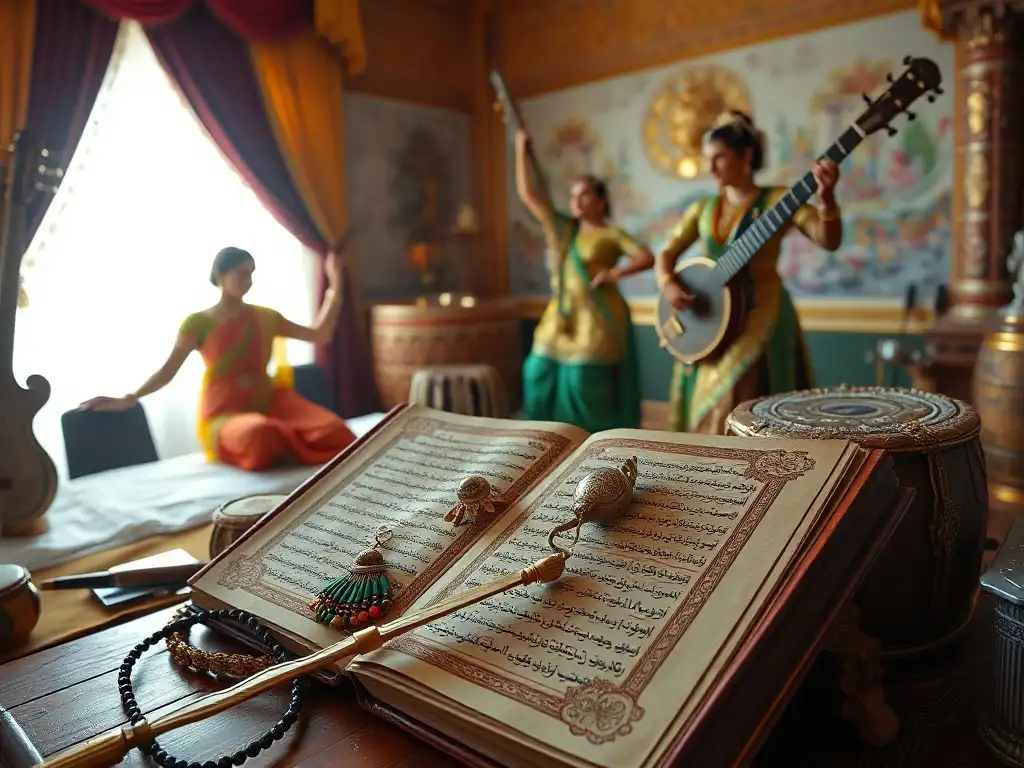
The Vedic texts represent one of the oldest and most profound literary traditions of ancient India, encapsulating the spiritual, philosophical, and cultural ethos of the time. Composed between 1500 and 500 BCE, these texts form the foundation of Hinduism and encompass a wide range of knowledge, from rituals to metaphysical concepts.
Their significance extends far beyond religious practices, influencing various art forms, including music and dance, that continue to resonate in contemporary Indian culture. This article explores the intricate relationship between Vedic texts and Indian music, examining how these ancient scriptures have shaped classical music and dance forms, enriching the cultural tapestry of India.
Overview of Vedic Texts in Indian Culture
The Vedic literature is primarily composed of four main texts: the Rigveda, Samaveda, Yajurveda, and Atharvaveda. Each of these texts serves a unique purpose:
- Rigveda: Contains hymns and praises dedicated to various deities, laying the groundwork for Vedic theology.
- Samaveda: Often regarded as the "Veda of melodies," it focuses on the musical aspects of the hymns, forming the basis for many classical ragas.
- Yajurveda: Provides prose mantras used in rituals, facilitating a deeper understanding of sacrificial practices.
- Atharvaveda: A collection of spells and incantations that reflect the everyday life and beliefs of ancient Indians.
These texts not only play a crucial role in understanding ancient Indian spirituality but also serve as a vital source of inspiration for Indian classical music and dance, which often reference Vedic themes, concepts, and melodies.
The Role of Vedas in Shaping Ancient Indian Art Forms
The Vedas have significantly shaped the landscape of Indian art forms, particularly through their emphasis on music and performance as a means of worship and expression. The chanting of Vedic hymns is believed to create a sacred soundscape that connects the physical and spiritual realms. This practice has influenced various elements of Indian classical music, notably in the following ways:
- Raga Development: The Samaveda's melodic structures have laid the groundwork for the development of ragas, which are essential in Indian classical music.
- Rhythmic Patterns: Vedic chants introduced complex rhythmic patterns that are evident in both music and dance, showcasing the integration of sound and movement.
- Themes and Narratives: Many classical performances draw upon narratives found in the Vedas, allowing artists to explore spiritual themes through their art.
Understanding how Vedic texts informed these art forms provides valuable insights into the holistic nature of Indian culture, where spirituality and artistry are intertwined.
Understanding Indian Classical Music
Indian classical music is a rich and diverse tradition that encompasses various styles and forms, each with its unique characteristics and historical contexts. It is broadly categorized into two main schools: Hindustani (North Indian) and Carnatic (South Indian) music. Both traditions, while distinct, share a common foundation rooted in the Vedic heritage.
Definition and Characteristics of Indian Classical Music
Indian classical music is characterized by its intricate melodic structures (ragas) and rhythmic patterns (talas). Key features include:
- Improvisation: Musicians often improvise within the framework of ragas, allowing for personal expression while adhering to traditional guidelines.
- Emphasis on Melody and Rhythm: The interplay between melody and rhythm is central, with ragas evoking specific emotions and talas providing a rhythmic backbone.
- Spiritual Context: Music is often viewed as a means of connecting with the divine, with many compositions derived from spiritual themes found in the Vedas.
These characteristics not only highlight the artistry of Indian classical music but also its profound connection to the spiritual and philosophical concepts articulated in Vedic texts.
Historical Roots of Indian Classical Music in Vedic Traditions
The historical roots of Indian classical music can be traced back to the Vedic period, where music was an integral part of rituals and ceremonies. The Samaveda, in particular, is pivotal in this context, as it codified melodies that were to be sung during sacrificial rites. The following aspects illustrate this connection:
- Vedic Chants as Predecessors: The melodic chants of the Samaveda paved the way for the development of ragas, embedding a musical framework that persists in classical music.
- Ritualistic Importance: Music during Vedic rituals was believed to enhance the efficacy of prayers, highlighting the spiritual significance of sound in ancient Indian culture.
- Cultural Transmission: As Indian society evolved, the Vedic traditions were preserved and adapted, influencing subsequent generations of musicians and dancers.
Thus, the influence of Vedic texts on Indian classical music is not merely historical; it remains a living tradition that continues to be celebrated and practiced, enriching the cultural heritage of India.
Vedic Texts and Their Direct Influence on Music
The Vedic texts, particularly the Samaveda, have played a pivotal role in shaping the foundations of Indian classical music. These ancient scriptures not only encapsulate the spiritual and philosophical ethos of the time but also provide a structured approach to music, emphasizing the interconnection between sound, rhythm, and spirituality.
The Samaveda, known as the "Veda of melodies," is particularly significant as it contains verses set to musical notation, suggesting that music was integral to Vedic rituals and ceremonies. This direct influence laid the groundwork for the development of various musical forms that evolved over centuries, ultimately leading to the rich tapestry of Indian classical music we see today.
Musical Concepts in the Samaveda
The Samaveda is composed primarily of hymns that are meant to be sung during rituals and sacrifices. Its verses, known as Samans, are distinct from the prose of the Rigveda, as they are specifically structured for musical performance. The Samaveda introduces essential musical concepts such as melody, pitch, and intonation.
The hymns are designed to be chanted in specific tunes, reflecting the belief that sound has a profound impact on the spiritual atmosphere generated during Vedic rituals. The musical notation found in the Samaveda outlines various scales and melodic patterns, providing the basis for ragas, which are central to Indian classical music.
The Role of Ragas and Their Connection to Vedic Chanting
Ragas, the melodic frameworks used in Indian classical music, find their roots in the Vedic tradition. The concept of raga is intricately linked to the Vedic chanting practices, as each raga is associated with specific emotions, times of the day, and seasons. This connection is evident in how Vedic chants are structured to invoke particular sentiments and spiritual experiences.
In essence, the raga serves as a bridge between the earthly and divine realms, allowing musicians and dancers to express spiritual narratives through their art. The fluidity and adaptability of ragas ensure that they remain relevant, continuously evolving while still retaining their Vedic essence.
The Importance of Rhythm (Tala) in Vedic Practices
Rhythm, or tala, is another crucial element derived from Vedic texts, significantly influencing both music and dance in ancient India. The principles of rhythm established in the Vedic period laid the groundwork for the complex rhythmic structures found in classical music today. The Samaveda's hymns often included intricate rhythmic patterns that were essential for the performance of rituals. These rhythmic cycles not only enhanced the musical experience but also served to maintain focus and discipline among performers. The synchronization of rhythm with melody creates a holistic experience, reinforcing the spiritual connection that is central to Vedic practices.
Vedic Influence on Indian Dance Forms
The influence of Vedic texts on Indian dance forms is profound and multifaceted. Classical dance in India is not merely an artistic expression; it is a vehicle for storytelling and spiritual communication, deeply rooted in the Vedic tradition. The movements, gestures, and expressions found in various dance forms reflect the themes and narratives derived from the Vedas, creating a seamless integration of music, dance, and spirituality.
Overview of Classical Dance in India
Classical dance in India encompasses a wide range of styles, each with its unique characteristics and cultural significance. Forms such as Bharatanatyam, Kathak, Odissi, and Kathakali all draw from ancient scriptures, including the Vedas, to convey tales of mythology, spirituality, and human emotions.
These dance forms are characterized by a combination of intricate footwork, expressive hand gestures (mudras), and facial expressions (abhinaya), all of which are designed to engage both the performer and the audience in a shared spiritual experience. The emphasis on storytelling in these dances often aligns with the narratives found in Vedic texts, highlighting their enduring influence.
Connection Between Vedic Texts and Dance Movements
The dance movements in classical Indian dance forms are often inspired by the themes and philosophies articulated in the Vedic texts. Each posture and gesture is imbued with symbolic meaning, echoing the spiritual teachings found in the Vedas. For instance, the concept of Samsara (the cycle of life and rebirth) and Moksha (liberation) can be represented through specific movements and expressions, allowing dancers to embody these profound ideas. Additionally, the rhythmic patterns of dance often mirror the tala used in music, creating a cohesive artistic expression that transcends mere performance, resonating with the spiritual intent of the Vedic scriptures.
The Role of Natya Shastra in Integrating Vedic Principles
The Natya Shastra, attributed to the sage Bharata Muni, serves as a critical text that bridges the gap between Vedic philosophy and the performing arts. This ancient treatise on drama, dance, and music synthesizes the various elements of performance, drawing heavily from the principles outlined in the Vedas. It categorizes and details the various styles of dance, the use of ragas, and the importance of rhythm, making it a foundational text for classical Indian performing arts.
The Natya Shastra not only codifies the techniques and forms of dance but also emphasizes the spiritual aspects of performance, encouraging practitioners to connect with the divine through their art. This integration of Vedic principles continues to shape the evolution of Indian classical music and dance, ensuring that the rich traditions endure through generations.
Comparative Analysis of Vedic Influence on Music and Dance
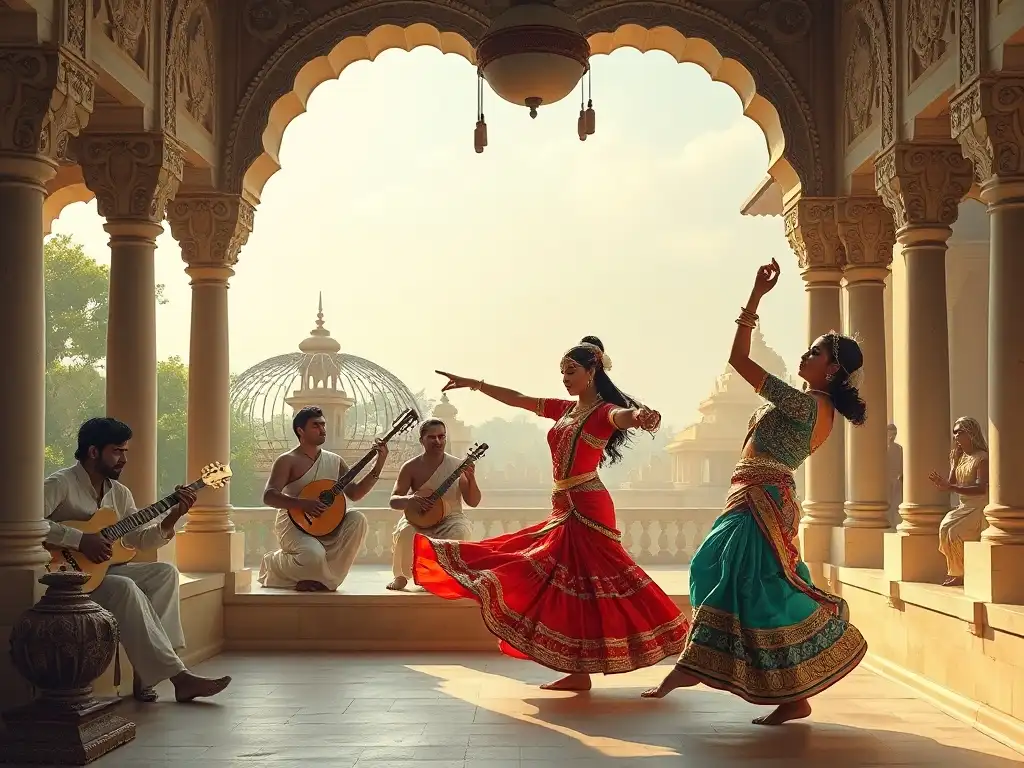
The influence of Vedic texts on Indian classical music and dance is profound and multifaceted, reflecting a rich tapestry of cultural traditions that have evolved over thousands of years. Vedic texts, particularly the Samaveda, contain directives and hymns that form the foundation of musical practices in ancient India. These texts not only delineate the theoretical aspects of music but also emphasize the importance of sound, rhythm, and chant in spiritual and ritualistic contexts. When analyzing the impact on dance, it becomes evident that Vedic principles extend beyond mere performance; they encapsulate the philosophy and ethos of the time.
Musical compositions inspired by Vedic texts often share rhythmic structures that resonate with the choreography found in classical dance forms such as Bharatanatyam and Kathak. Both art forms utilize intricate patterns and movements that reflect the melodic and rhythmic nuances described in the Vedic scriptures. This comparative analysis reveals a harmonious relationship where music and dance converge, guided by the same underlying principles rooted in Vedic philosophy.
Similarities Between Vedic Music and Dance Elements
One of the most striking similarities between Vedic music and dance elements lies in their shared use of svara (notes) and tala (rhythm). In Vedic music, the specific arrangement of notes is designed to evoke particular emotions and states of consciousness, a concept also prevalent in dance. Both art forms utilize raga (melodic frameworks) and nritta (pure dance) to create a holistic experience that transcends mere performance, aiming instead to connect with the divine.
Additionally, the ritualistic aspect of Vedic chants finds a parallel in the performance of classical dance, where every movement is imbued with symbolic meaning. Both practices often incorporate the mudras (hand gestures) and abhinaya (expressive techniques) that serve to narrate stories and express emotions, drawing heavily from the narratives found in the Vedic texts. This interplay of sound and movement enhances the spiritual experience, fostering a sense of unity between the performer and the audience.
Differences in Interpretation and Expression Across Art Forms
While Vedic music and dance share foundational elements, they diverge significantly in interpretation and expression. Vedic music often emphasizes the auditory experience, focusing on the sonorous quality of chants and the harmonic interplay of voices and instruments. This auditory focus is deeply rooted in the spiritual practices of the time, where music serves as a medium to connect with the divine.
Conversely, dance incorporates a visual dimension that allows for a broader range of expressiveness. The interpretation of Vedic themes through dance involves a physical embodiment of the stories and emotions conveyed in the music. Each dance form has its unique style of storytelling, influenced by regional and cultural contexts, which can lead to varying interpretations of similar Vedic themes. This difference highlights the versatility of artistic expression, where music seeks to resonate through sound, while dance aims to communicate through movement and gesture.
The Legacy of Vedic Texts in Contemporary Indian Music and Dance
The legacy of Vedic texts continues to resonate powerfully in contemporary Indian music and dance, serving as a wellspring of inspiration for artists and practitioners. The principles laid out in these ancient scriptures have not only survived the test of time but have also evolved, adapting to new cultural contexts while retaining their original essence. The rhythmic and melodic frameworks established by the Vedic texts are still utilized in modern compositions and performances, bridging the gap between ancient traditions and contemporary expressions.
Preservation of Vedic Traditions in Modern Practices
The preservation of Vedic traditions is evident in the ongoing practices of classical music and dance, where many performers actively draw from Vedic texts for their repertoire. Institutions dedicated to the teaching of Indian classical arts often incorporate studies of the Vedas, emphasizing their relevance in understanding the roots of musical and dance traditions. Festivals, workshops, and performances regularly feature compositions that are inspired by or directly derived from Vedic hymns, ensuring that these ancient texts remain an integral part of cultural expression.
Moreover, the revival of interest in traditional practices among younger generations has led to a renewed appreciation for the Vedic origins of music and dance. This cultural renaissance has fostered collaborations between scholars, musicians, and dancers, promoting a deeper exploration of the connections between Vedic texts and contemporary art forms.
The Role of Vedic Texts in Music Education and Dance Training
In music education and dance training, Vedic texts serve not only as historical references but also as practical guides. Many music and dance schools emphasize the study of Vedic scriptures to provide students with a comprehensive understanding of the art forms. Techniques derived from Vedic philosophy, such as the importance of breath control and body posture, are integral components of training, enhancing the quality of performance.
Furthermore, the incorporation of Vedic concepts into modern curricula fosters a holistic approach to learning, where students are encouraged to explore the spiritual and philosophical dimensions of their art. This educational framework not only enriches the technical proficiency of performers but also deepens their connection to the cultural heritage that these Vedic texts represent. As a result, the teachings of the Vedas continue to shape the landscape of Indian classical music and dance, ensuring their relevance for generations to come.
Conclusion: The Enduring Influence of Vedic Texts on Indian Cultural Heritage
The Vedic texts, comprising the Rigveda, Samaveda, Yajurveda, and Atharvaveda, serve as the foundational pillars of Indian culture, greatly influencing various art forms, including music and dance. These ancient scriptures not only encapsulate spiritual teachings but also elaborate on the principles of sound, rhythm, and performance that are central to Indian classical music and dance. The intricate relationship between Vedic philosophy and artistic expression highlights how these texts encapsulate a holistic view of life, where art serves as a vehicle for spiritual exploration and cultural identity.
The profound concepts of Nada (sound) and Raga (melodic framework) in Indian music can be traced back to the Vedas, which link musical principles to cosmological ideas and human emotion. Moreover, the use of specific chant forms, such as Samagana from the Samaveda, exemplifies the meticulous approach to sound that is still evident in contemporary performances. As we explore the enduring influence of Vedic texts on Indian classical music and dance, it becomes clear that these ancient teachings continue to resonate through generations, ensuring a rich cultural heritage remains vibrant and relevant.
Summary of Key Points on Vedic Texts and Indian Music
- Philosophical Foundations: The Vedic texts introduce core concepts of sound and its relation to the universe, emphasizing the spiritual and emotional dimensions of music.
- Raga and Nada: The principles of Raga and Nada are rooted in Vedic philosophy, linking musical frameworks to broader cosmic and emotional experiences.
- Chanting and Performance: The practice of chanting Vedic hymns, particularly through Samagana, has shaped the rhythmic and melodic structures of Indian classical music.
- Influence on Dance Forms: Vedic texts have also influenced classical dance forms, which often embody the same principles of rhythm and devotion found in music, creating a cohesive cultural expression.
- Cultural Continuity: The teachings from Vedic texts are not static; they evolve and adapt, ensuring their relevance in various artistic expressions across time.
The Continuing Relevance of Vedic Influence in Today's Artistic Expressions
In the modern context, the influence of Vedic texts on Indian classical music and dance remains profound. Contemporary artists frequently draw upon these ancient teachings, integrating traditional motifs and philosophies into their work. The resurgence of interest in classical art forms has led to a renewed appreciation for the spiritual and philosophical underpinnings that the Vedic texts provide.
- Fusion and Innovation: Many artists are now blending traditional Vedic elements with contemporary styles, creating innovative compositions that resonate with new audiences while honoring the past.
- Cultural Festivals and Revivals: Various cultural festivals showcase performances that are rooted in Vedic traditions, highlighting the ongoing dialogue between ancient texts and modern interpretations.
- Education and Scholarship: Institutions dedicated to the study of Indian classical arts emphasize the importance of Vedic literature, fostering a deeper understanding of its relevance in artistic expression today.
- Global Influence: The principles derived from Vedic texts have transcended borders, influencing global music and dance forms, as artists around the world explore the spiritual dimensions of sound and movement inspired by ancient Indian traditions.
The Vedic texts not only shaped the foundations of Indian classical music and dance but continue to play a vital role in the evolution of these art forms, ensuring their enduring legacy in the cultural landscape of India and beyond.
- Introduction to Vedic Texts and Their Significance
- Understanding Indian Classical Music
- Vedic Texts and Their Direct Influence on Music
- Vedic Influence on Indian Dance Forms
- Comparative Analysis of Vedic Influence on Music and Dance
- The Legacy of Vedic Texts in Contemporary Indian Music and Dance
- Conclusion: The Enduring Influence of Vedic Texts on Indian Cultural Heritage
Frequently Asked Questions
What are Vedic texts?
Vedic texts are ancient scriptures of Hinduism, composed in Sanskrit. They encompass hymns, philosophy, and rituals, forming the foundation of Indian spiritual and cultural traditions.
How do Vedic texts influence Indian classical music?
The Vedic texts contain fundamental ideas about sound, rhythm, and melody, which have significantly shaped the principles of Indian classical music, emphasizing the spiritual dimension of musical expression.
What is the relationship between Vedic texts and dance?
Vedic texts provide insights into the aesthetics and philosophy of dance, advocating for the integration of movement, music, and spirituality in performances, which is essential in Indian classical dance forms.
Can you explain the significance of "Nada Brahma" in this context?
Nada Brahma translates to "sound is God," reflecting the spiritual essence of music in Vedic philosophy. This concept underlines the importance of music as a means to connect with the divine in Indian culture.
How do modern interpretations of Vedic texts affect Indian music today?
Modern musicians and scholars are reinterpreting Vedic texts, seeking to revitalize traditional practices while blending them with contemporary styles, thereby ensuring the evolution and relevance of Indian music in today's world.
Final Reflection: The Enduring Legacy of Vedic Texts in Indian Music and Dance
The profound connection between Vedic texts and Indian classical music and dance remains a vibrant thread in the cultural fabric of India today. As we explore the intricate relationships between these ancient scriptures and the artistic expressions they inspire, we realize that this legacy is not merely historical; it is a living tradition that continues to shape contemporary performances and spiritual practices. The echoes of the Vedic chants and philosophies resonate through the melodies and rhythms of Indian music, reminding us that art is a powerful vehicle for cultural continuity and transformation.
Cultural expressions rooted in Vedic wisdom have not only enriched the artistic landscape but have also fostered a deeper understanding of identity and spirituality. The teachings embedded in these texts encourage artists and audiences alike to engage with the deeper meanings of life and existence. As the renowned musician Ravi Shankar once said, Music is the universal language of mankind.
This sentiment underscores the idea that through the lens of Vedic texts, Indian music and dance transcend mere entertainment; they become a means of exploring and expressing the human experience, fostering connections across generations and cultures.
As we reflect on the insights gleaned from the intersection of Vedic texts and Indian classical arts, I invite you to consider how these teachings can inspire your own journey. How can you incorporate the wisdom of these ancient texts into your life, whether through music, dance, or personal reflection? Embrace the opportunity to explore the depths of your own creativity and spirituality, allowing the timeless influence of Vedic philosophy to guide you. In doing so, you not only honor this rich heritage but also contribute to its ongoing evolution in the modern world.
Unleash the Melody of Vedic Influence!
Thank you for diving deep into the enchanting world of Vedic texts and their profound impact on Indian classical music and dance. We hope you’ve uncovered valuable insights that inspire you to appreciate these timeless art forms even more. Now, let’s take the next step together!
Here’s how you can connect with this fascinating journey:
- Immerse yourself in the experience: Attend a local classical music or dance performance to witness the Vedic influences live. Feel the rhythms and melodies that have transcended generations!
- Start your own exploration: Select a Vedic text or a prominent musician and research their contributions. Share your findings with friends or within a local music group!
- Engage with our community: Join our discussion forum on ancient Indian art forms, where you can share your thoughts and connect with others who share your passion.
What unique Vedic influence has resonated with you the most in music or dance? Let's discuss!