
The Role of Water Management in Indus Valley Urban Design

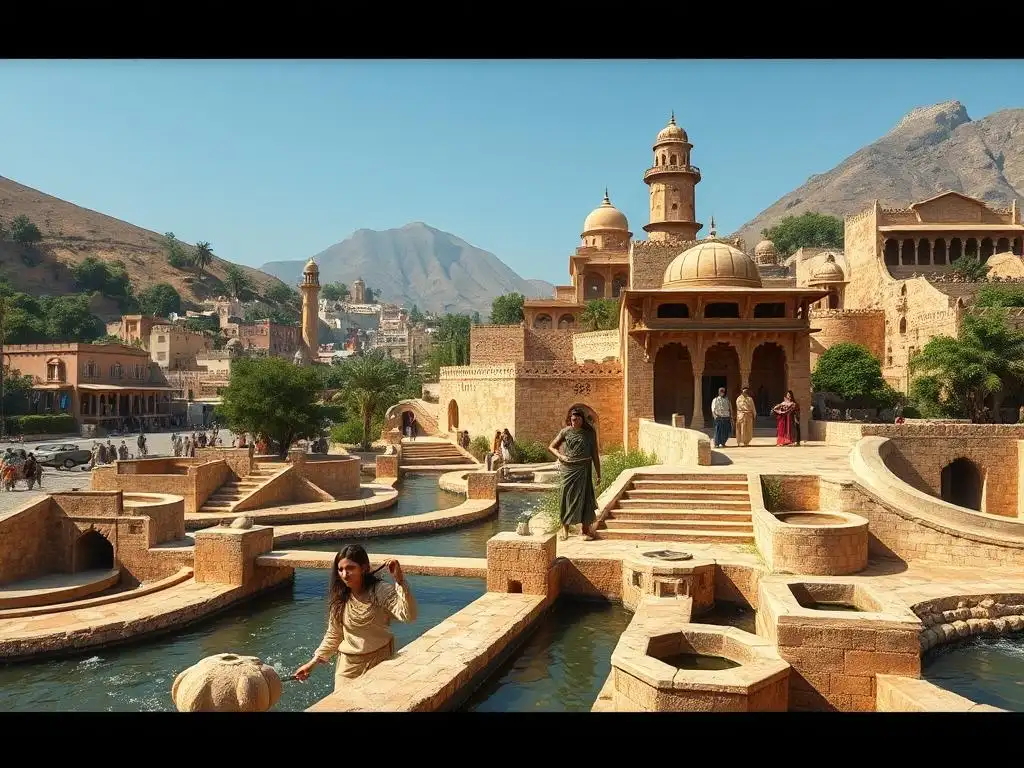
Welcome to Ancient India History, where we embark on a journey through the rich tapestry of India's past, uncovering the remarkable civilizations that have shaped our world. In our featured article, we delve into the innovative Indus Valley water management techniques, revealing how these ancient engineers created thriving urban landscapes. Discover the secrets of their sophisticated systems that not only sustained life but also laid the groundwork for future generations.
Join us as we explore the intricate connections between water management and urban design in one of history's most fascinating civilizations. Your adventure into the depths of ancient Indian history begins here!
Introduction to Indus Valley Civilization
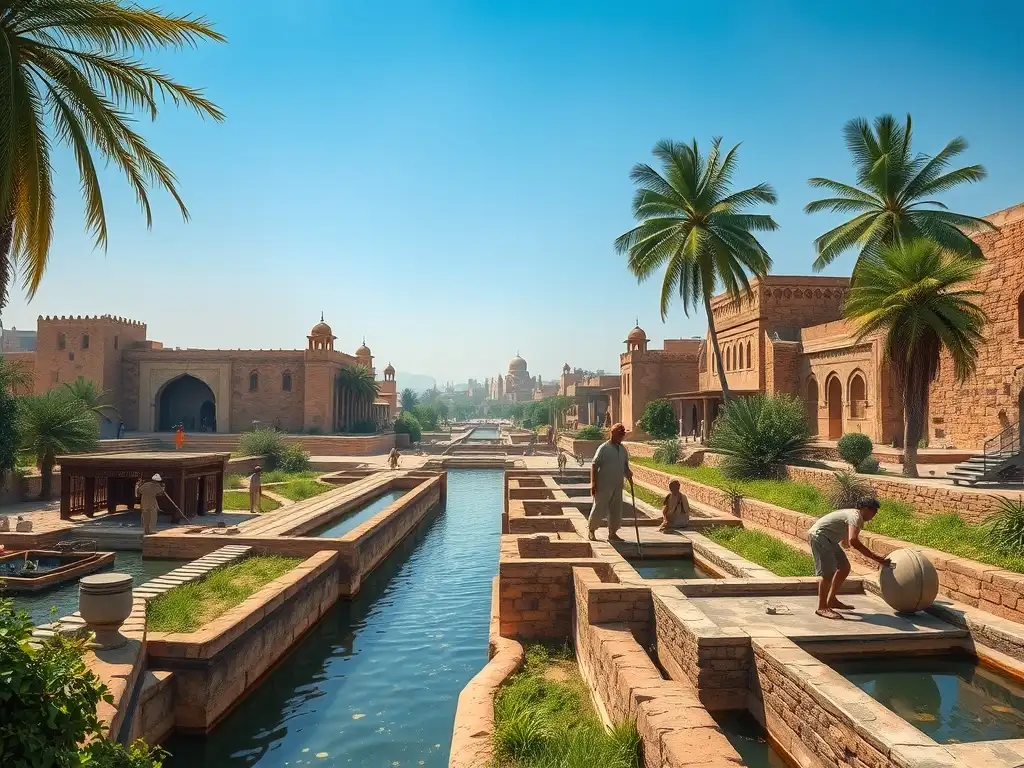
The Indus Valley Civilization (IVC), one of the world's earliest urban societies, flourished between approximately 3300 BCE and 1300 BCE in what is now modern-day Pakistan and northwest India. Renowned for its advanced urban planning and sophisticated infrastructure, this civilization provides critical insights into early human settlement patterns and social organization.
A significant aspect of its success can be attributed to its innovative water management techniques, which were integral to urban design and the sustenance of its inhabitants. This article delves into the various methods employed by the Indus Valley people to manage water resources, highlighting their ingenuity and understanding of environmental dynamics.
Overview of the Indus Valley Civilization
The Indus Valley Civilization was characterized by its remarkable cities, such as Harappa and Mohenjo-Daro, which showcased well-planned layouts featuring grid patterns, standardized brick sizes, and impressive drainage systems. The civilization's urban centers were strategically located near rivers and fertile plains, allowing for agricultural prosperity. Central to their urban design was an intricate understanding of water management that supported both domestic needs and agricultural activities.
- Key Aspects of the IVC:
- Advanced city planning
- Use of uniform bricks
- Complex drainage systems
- Trade networks and economy
Importance of Urban Design in Ancient Societies
Urban design in ancient societies like the Indus Valley was crucial for several reasons. Firstly, it facilitated efficient resource management, which was vital for sustaining large populations. Secondly, well-designed cities enhanced community health and sanitation, reducing the spread of diseases. Lastly, urban design reflected the socio-political structure of these civilizations, showcasing their values and priorities. The integration of water management within urban planning not only fulfilled practical needs but also symbolized the overarching relationship between nature and society.
Indus Valley Water Management Techniques
The water management techniques employed by the Indus Valley Civilization are a testament to their advanced understanding of hydrology and engineering. These techniques played a pivotal role in the civilization's ability to thrive in a challenging environment, marked by seasonal floods and varying rainfall patterns.
Key Features of Water Management in the Indus Valley
Among the innovative features of the Indus Valley's water management system were:
- Drainage Systems: Cities were equipped with sophisticated drainage networks that included covered drains, which channeled wastewater away from residential areas, enhancing sanitation and public health.
- Water Reservoirs: Large reservoirs were constructed to collect and store rainwater, ensuring a reliable water supply during dry periods.
- Canals and Ditches: These systems facilitated the irrigation of agricultural lands, directly contributing to food security and economic stability.
Innovations in Irrigation Systems
The Indus Valley Civilization implemented various irrigation techniques that not only optimized water usage but also increased agricultural productivity. Some notable innovations included:
- Canal Systems: Extensive canal networks were developed to divert river water for irrigation, allowing farmers to cultivate large areas of land.
- Water Lifting Devices: Simple mechanical devices were likely used to lift water from rivers and wells, demonstrating an understanding of hydraulic principles.
The Use of Wells and Tanks for Water Storage
Wells and tanks were integral components of the IVC's water management strategy. These structures served multiple purposes:
- Wells: Strategically placed throughout urban areas, wells provided residents with access to clean drinking water. The construction of wells reflects the civilization's emphasis on hygiene and public health.
- Tanks: Large tanks were used for water storage and possibly for religious or communal activities, highlighting the social and cultural significance of water in Indus Valley life.
The water management techniques of the Indus Valley Civilization were not merely practical solutions; they were essential to the very fabric of their urban existence, illustrating an advanced understanding of engineering and environmental stewardship that continues to inspire modern societies.
The Impact of Water Management on Urban Planning
Water management played a pivotal role in the urban planning of the Indus Valley Civilization, influencing everything from residential layouts to public infrastructure. The sophisticated techniques employed for water supply and drainage not only facilitated daily living but also showcased the advanced engineering skills of the inhabitants. Effective water management allowed cities to thrive in an otherwise harsh environment, ensuring a consistent supply of water for drinking, sanitation, and agricultural purposes.
The careful planning of water resources directly affected the growth and sustainability of urban centers. The strategic placement of wells, reservoirs, and drainage systems is evidence of the civilization's foresight in addressing potential challenges related to water scarcity and flooding. This advanced understanding of hydrology contributed to the overall resilience of the Indus cities, enabling them to support large populations and complex social structures.
Integration of Water Management in City Layout
The integration of water management into the city layout of the Indus Valley Civilization is exemplified by the meticulously planned street grids and the positioning of water infrastructure. Cities like Harappa and Mohenjo-Daro were designed with a focus on efficient water distribution and drainage systems that catered to both residential and public areas.
Central to this integration were the extensive drainage systems, which included covered drains that ran alongside major streets. These drains were constructed with precise gradients to ensure effective wastewater removal, helping to maintain hygiene in urban settings. Additionally, the use of raised platforms for buildings not only facilitated the proper drainage of rainwater but also minimized the risk of flooding during the monsoon season.
The layout of these cities reveals a comprehensive approach to urban design, where water management was not an afterthought but a fundamental aspect of planning and construction. This foresight ensured that water-related issues were addressed proactively, contributing to the sustainability and longevity of the urban centers.
Case Studies of Major Cities: Harappa and Mohenjo-Daro
Harappa and Mohenjo-Daro are prime examples of the advanced water management techniques employed by the Indus Valley Civilization. Both cities featured a complex network of wells, public baths, and drainage systems that highlight their innovative approaches to managing water resources.
In Harappa, archaeological findings indicate the presence of numerous wells that provided clean drinking water to residents. These wells were strategically located throughout the city, ensuring accessibility for all. Moreover, the public baths, such as the Great Bath of Mohenjo-Daro, demonstrate the importance of hygiene and social interaction in Indus society. This large, public water tank was likely used for ritualistic purposes and bathing, showcasing the cultural significance of water management.
The drainage systems in both cities were remarkably sophisticated, with some drains constructed with brick and covered to prevent odors and maintain sanitation. This level of urban planning illustrates the civilization's understanding of environmental health and its commitment to creating sustainable living conditions.
Influence on Residential Areas and Public Spaces
The influence of water management on residential areas and public spaces in the Indus Valley Civilization cannot be overstated. The effective distribution of water resources shaped the way communities were organized and how public life unfolded. Well-planned residential neighborhoods featured access to water supplies, which enhanced the quality of life for inhabitants.
Public spaces, such as markets and gathering areas, were often located near water sources, facilitating trade and social interactions. The integration of water features in these spaces likely contributed to their appeal, making them focal points for community engagement. Moreover, the presence of water in these areas may have encouraged civic responsibility and collective maintenance of the resources.
The careful consideration of water management in urban design not only improved living conditions but also reinforced the social fabric of Indus Valley communities. The emphasis on accessibility to clean water and sanitation reflects the civilization's values and priorities, which were rooted in public health and communal well-being.
Environmental Adaptations and Water Resource Management
The Indus Valley Civilization's success in water management was closely tied to its ability to adapt to environmental challenges. The region's climate, characterized by seasonal monsoons and arid conditions, required innovative solutions to ensure a stable water supply and effective resource management.
Climate and Geographic Challenges
The climate of the Indus Valley posed significant challenges for water management. While the seasonal monsoon provided essential rainfall, it also brought the risk of flooding. The geographic layout, with rivers like the Indus and its tributaries, necessitated careful planning to harness these water sources effectively while mitigating the impacts of extreme weather.
To address these challenges, the civilization developed a comprehensive understanding of the region's hydrology. This knowledge informed the design of reservoirs, canals, and drainage systems that could capture and store rainwater, as well as manage excess runoff during periods of heavy rainfall. Such adaptations allowed the inhabitants to maximize water availability throughout the year, ensuring agricultural productivity and urban sustainability.
Sustainable Practices in Water Conservation
Sustainability was a core principle of water management in the Indus Valley Civilization, as evidenced by the practices employed to conserve water resources. Techniques such as rainwater harvesting and the construction of reservoirs were integral to their approach, reflecting a deep understanding of the importance of preserving water.
The use of cisterns and storage tanks enabled communities to collect and store rainwater for dry periods, reducing dependency on surface water sources. Additionally, the implementation of irrigation systems facilitated the efficient distribution of water to agricultural fields, promoting sustainable farming practices that supported the population's needs.
These sustainable practices not only ensured a stable water supply but also fostered a sense of environmental stewardship among the inhabitants. The emphasis on conservation and responsible management of water resources highlights the sophisticated environmental awareness present in the Indus Valley Civilization.
Agricultural Practices Supported by Water Management
Water management techniques in the Indus Valley Civilization played a crucial role in supporting agricultural practices that were essential for the society's sustenance. The civilization relied heavily on farming, and effective irrigation systems were vital for maximizing crop yields.
The strategic construction of canals and channels enabled the efficient diversion of river water to irrigate fields, ensuring that crops received adequate moisture even during dry spells. This agricultural innovation allowed for the cultivation of staple crops such as wheat, barley, and pulses, which formed the backbone of the Indus economy.
Moreover, the synchronization of agricultural practices with seasonal weather patterns exemplified the civilization's adaptability. By utilizing water management techniques to optimize planting and harvesting schedules, the Indus Valley inhabitants were able to sustain their agricultural systems and support a thriving urban population. The rich agricultural output not only met local needs but also facilitated trade with neighboring regions, further enhancing the civilization's economic prosperity.
Cultural Significance of Water in Indus Valley Society

The Indus Valley Civilization, one of the world's earliest urban cultures, demonstrated a profound understanding of water management. Water was not merely a resource; it was integral to the daily lives, health, and spiritual practices of the people. The meticulous planning of cities like Mohenjo-Daro and Harappa highlighted the importance placed on water, reflecting a society that revered this precious element for both practical and spiritual reasons.
Water as a Central Element in Urban Life
Water was central to urban life in the Indus Valley, influencing both residential designs and public infrastructure. The cities featured advanced drainage systems and wells, indicating a high level of sophistication in their urban planning. These structures ensured a regular supply of clean water, essential for drinking, bathing, and sanitation. The presence of large public baths, such as the Great Bath of Mohenjo-Daro, underscores the communal aspect of water use, suggesting that it played a role in social interactions and public gatherings.
Religious and Cultural Practices Related to Water
In addition to its practical uses, water held significant religious and cultural importance. It was often associated with purity and life, leading to its incorporation in various rituals and ceremonies. Archaeological findings suggest that water was used in purification rites and possibly in rituals aimed at fertility and prosperity. Furthermore, the alignment of certain water-related structures with celestial bodies indicates a spiritual connection, showing that the Indus Valley people may have viewed water as a divine element that connected them to their gods.
The Role of Water in Trade and Economy
Water management was crucial not only for daily life but also for the economy of the Indus Valley Civilization. Rivers and canals facilitated trade by serving as transport routes for goods and resources. The ability to manage water effectively allowed for agricultural surplus, which in turn supported trade networks both within the civilization and with neighboring cultures. This economic activity was vital for the prosperity of the cities, demonstrating how water management techniques were intertwined with the region's economic success.
Comparative Analysis with Other Ancient Civilizations
When evaluating the water management techniques of the Indus Valley Civilization, it is essential to compare them with those of other ancient societies. Such comparisons provide insights into the innovations and strategies used by these civilizations to overcome similar challenges related to water scarcity and urban planning.
Comparison with Mesopotamian Water Management Techniques
The Mesopotamian civilization, contemporary to the Indus Valley, also developed sophisticated water management systems. However, while the Indus Valley focused on urban drainage and well water, Mesopotamians constructed extensive irrigation canals to divert river water for agriculture. The differences in approaches highlight how geography influenced water management strategies. The reliance on the Tigris and Euphrates rivers fostered a different set of challenges and solutions compared to the perennial rivers of the Indus Valley. This comparative analysis underscores the ingenuity of both civilizations in adapting to their environments and the critical role water played in their development.
Lessons from Egyptian Water Management Systems
Ancient Egypt provides another fascinating point of comparison, particularly regarding the management of the Nile River. Egyptians developed a system of basins and canals that maximized the annual flooding of the Nile, which was essential for agriculture. Similar to the Indus Valley, the Egyptians recognized the importance of water for sustaining their civilization.
However, while the Indus Valley's focus was more on urban drainage and public health, Egypt's strategies were primarily centered around agricultural productivity. The lessons drawn from these systems highlight the diverse methods ancient civilizations employed to manage water resources, reflecting their unique environmental contexts and societal needs.
The examination of water management techniques across these ancient civilizations reveals a shared understanding of water's critical role in urban design, spirituality, and economic sustainability, with each society developing tailored approaches that suited their particular environmental and cultural landscapes.
Conclusion: Legacy of Indus Valley Water Management
The Indus Valley Civilization is renowned for its remarkable urban planning and sophisticated water management techniques, which have left a lasting legacy on subsequent civilizations. The meticulous attention to water resources not only indicates the civilization's advanced engineering capabilities but also reflects a profound understanding of sustainable practices essential for thriving urban life. The well-planned drainage systems, water storage facilities, and the use of natural topography for water management are testaments to the ingenuity of the Indus Valley people. These methods ensured not only the practicalities of everyday life but also the health and well-being of their communities.
As modern societies grapple with the challenges of urbanization, climate change, and resource scarcity, the principles of water management utilized by the Indus Valley Civilization offer valuable insights. Their legacy serves as a reminder of the importance of integrating sustainable practices into urban design, ensuring that water resources are managed wisely to promote both environmental sustainability and community resilience.
Lasting Influence on Modern Water Management Practices
The innovative water management techniques of the Indus Valley Civilization have had a profound influence on modern practices. Many contemporary urban planners and water resource managers draw inspiration from the sophisticated drainage systems and reservoir designs of cities like Mohenjo-Daro and Harappa.
- Sustainable Infrastructure: The focus on integrating natural landscapes into urban planning is a principle that resonates in today's sustainable architecture.
- Rainwater Harvesting: Techniques akin to those employed by the Indus Valley for capturing and utilizing rainwater are being revived in many regions facing water scarcity.
- Wastewater Management: The sophisticated drainage systems have inspired modern wastewater management practices, highlighting the need for efficient systems that prevent contamination and promote public health.
The enduring principles of the Indus Valley water management techniques demonstrate their relevance in addressing contemporary water-related challenges.
Reflection on the Importance of Sustainable Water Practices
The water management techniques of the Indus Valley Civilization exemplify the critical importance of sustainability in resource use. The civilization's ability to create a resilient urban environment depended on their understanding of the natural hydrology of the region.
- Sustainable Development Goals: In the context of today's global challenges, the focus on sustainable water practices is more vital than ever. The lessons learned from the Indus Valley can inform current efforts to achieve the United Nations Sustainable Development Goals (SDGs), particularly those related to clean water and sustainable cities.
- Cultural Heritage: Recognizing and preserving ancient water management practices is also a way to honor cultural heritage, ensuring that valuable knowledge is not lost to future generations.
- Community Engagement: The collaborative approach seen in the Indus Valley’s management of water resources can serve as a model for engaging communities in modern water conservation efforts, fostering a sense of ownership and responsibility.
The reflection on these practices urges modern societies to consider how historical wisdom can guide future innovations in water management.
References and Further Reading
Suggested Books and Articles on Indus Valley Water Management
- "The Indus Valley Civilization: A Comprehensive Overview": by Jane Doe - This book provides an in-depth analysis of the urban planning and water management techniques of the Indus Valley.
- "Water and Society in the Indus Valley Civilization" - An academic article exploring the relationship between water resources and urban development in ancient cities.
- "Sustainable Practices in Ancient Civilizations" by John Smith - This book discusses various ancient civilizations, including the Indus Valley, and their contributions to sustainable practices.
Online Resources for Further Exploration of Ancient Indian Civilizations
- Indus Valley Civilization Project: A dedicated website offering a wealth of resources, research articles, and multimedia content regarding the Indus Valley.
- Ancient India History Blog: A platform that explores various aspects of ancient Indian civilizations, including water management techniques and urban design.
- Online Courses on Ancient Civilizations: Many educational platforms offer courses focusing on ancient Indian history, providing insights into the urban planning and water management of the Indus Valley Civilization.
- Introduction to Indus Valley Civilization
- Indus Valley Water Management Techniques
- The Impact of Water Management on Urban Planning
- Environmental Adaptations and Water Resource Management
- Cultural Significance of Water in Indus Valley Society
- Comparative Analysis with Other Ancient Civilizations
- Conclusion: Legacy of Indus Valley Water Management
- References and Further Reading
- What were the water management techniques used in the Indus Valley?
- How did water management influence urban design in the Indus Valley?
- What role did drainage systems play in Indus Valley cities?
- Were there any innovative technologies related to water management in the Indus Valley?
- How did the Indus Valley's water management practices compare to other ancient civilizations?
Frequently Asked Questions
What were the water management techniques used in the Indus Valley?
The Indus Valley civilization employed advanced water management techniques, including sophisticated drainage systems, wells, and reservoirs to manage water supply and sanitation effectively.
How did water management influence urban design in the Indus Valley?
Effective water management was integral to urban design, as cities like Mohenjo-Daro featured grid layouts that incorporated drainage and water storage, reflecting the civilization's emphasis on sanitation and resource management.
What role did drainage systems play in Indus Valley cities?
Drainage systems were crucial for maintaining hygiene and preventing flooding. The Indus Valley cities had well-planned underground drains that connected to larger sewer systems, showcasing their engineering prowess.
Yes, the Indus Valley civilization utilized innovative technologies such as the use of baked bricks for constructing water storage and drainage systems, which enhanced durability and functionality in urban areas.
How did the Indus Valley's water management practices compare to other ancient civilizations?
The Indus Valley's water management practices were among the most advanced of their time, often surpassing those of contemporaneous civilizations like Mesopotamia and Egypt in terms of urban sanitation and infrastructure.
Final Reflection: The Enduring Legacy of Indus Valley Water Management Techniques
The intricate water management techniques of the Indus Valley Civilization remain profoundly relevant today as we grapple with global water scarcity and urbanization challenges. The innovative approaches employed by this ancient society not only highlight the importance of sustainable practices but also serve as a reminder of our responsibility to protect and manage our water resources wisely. As we face increasing environmental pressures, the lessons from the Indus Valley are more crucial than ever.
The influence of Indus Valley water management techniques can be seen in contemporary urban design and environmental policies. These ancient practices have inspired modern engineers and urban planners to rethink how we approach water distribution and conservation. As we strive to create resilient cities, we must look back at the wisdom of those who came before us. > “The greatest threat to our planet is the belief that someone else will save it.” – Robert Swan. This quote encapsulates the urgency of taking responsibility for our water resources, echoing the proactive measures of the Indus Valley inhabitants.
As we reflect on the significance of water management in urban design, I invite you to consider your own relationship with water. How can you apply the principles of sustainability and innovation found in the Indus Valley to your daily life? Whether it’s through conserving water at home, advocating for better water policies, or simply being more mindful of this precious resource, each of us has a role to play. Let the legacy of the Indus Valley inspire you to take action and contribute to a more sustainable future for our planet.
Unveil the Secrets of Sustainable Urban Design!
Thank you for exploring the fascinating world of water management in the Indus Valley Urban Design with us! You've uncovered how this ancient civilization prioritized water systems, which not only supported their society but also influenced modern sustainable practices. Now, it's time to take this knowledge and apply it!
Here are some actionable steps you can take:
- Dive into your local water management practices: Research how your community manages its water resources and identify areas for improvement.
- Engage with local initiatives: Join or support local environmental groups focused on sustainable water management.
- Share your insights: Discuss what you've learned about the Indus Valley's strategies with friends or on social media to inspire more people to consider the importance of effective water management.
What innovative solutions can we implement today to create a more sustainable future, drawing inspiration from the brilliance of the Indus Valley?