
The Indus Valley Civilization: An Examination of Leisure Activities and Hobbies

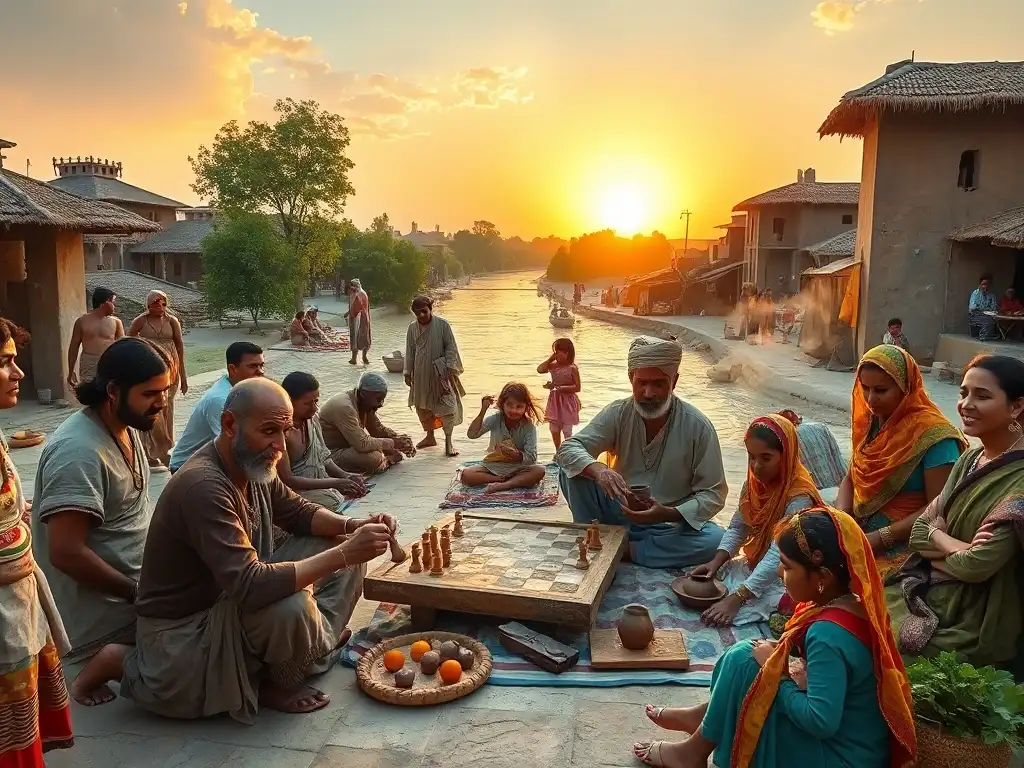
Welcome to Ancient India History! Immerse yourself in the rich tapestry of India's glorious past, where every civilization tells a story of innovation, culture, and human spirit. In our featured article, "The Indus Valley Civilization: An Examination of Leisure Activities and Hobbies," we delve into the fascinating world of Indus Valley leisure activities, uncovering how these ancient people celebrated life beyond their monumental achievements. What did they do for fun? How did their hobbies reflect their society? Join us as we explore these intriguing aspects and more, sparking your curiosity about the vibrant history that shaped modern India.
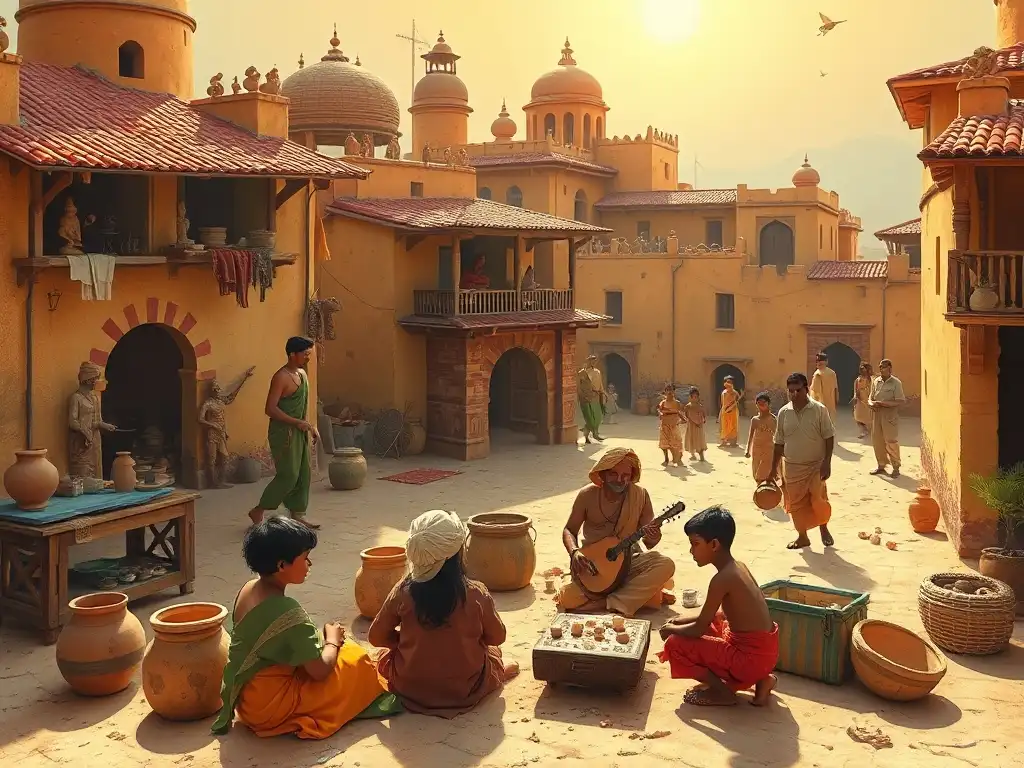
Introduction to the Indus Valley Civilization
The Indus Valley Civilization, one of the world's earliest urban cultures, thrived between approximately 3300 and 1300 BCE in the northwestern regions of South Asia. Known for its advanced urban planning, sophisticated drainage systems, and remarkable craftsmanship, this civilization laid the foundations for various aspects of Indian culture that persist to this day.
However, beyond these monumental achievements, the Indus Valley people also engaged in a range of leisure activities that reflected their societal values and contributed to their community dynamics. Understanding these leisure activities provides valuable insight into the daily lives and social practices of one of history's most enigmatic civilizations.
Overview of the Indus Valley Civilization
The Indus Valley Civilization, often referred to as the Harappan Civilization due to the archaeological site of Harappa, was characterized by its well-planned cities such as Mohenjo-Daro and Dholavira. These cities featured grid layouts, advanced drainage systems, and standardized fired-brick constructions that underscore the sophistication of urban life. The civilization was marked by a high degree of trade, agriculture, and craftsmanship, with evidence suggesting that its people were engaged in a variety of economic activities.
Despite the lack of extensive written records, archaeological findings have revealed a wealth of artifacts, including toys, pottery, and jewelry, which hint at the leisure activities enjoyed by its inhabitants. The exploration of these hobbies not only sheds light on their pastimes but also illustrates the values and social structures of the Indus Valley society.
Importance of Leisure Activities in Ancient Societies
Leisure activities have always played a significant role in human societies, serving as a means of relaxation, socialization, and cultural expression. In ancient civilizations, including the Indus Valley, leisure activities were crucial for fostering community bonds and allowing individuals to express creativity and skill outside their daily labor.
The significance of leisure can be seen through various lenses:
- Social Cohesion: Leisure activities often brought people together, reinforcing social ties and community identity.
- Cultural Expression: Hobbies and pastimes provided a platform for cultural expression, allowing individuals to showcase their skills and creativity.
- Mental Well-being: Engaging in leisure pursuits contributed to mental health, providing a necessary respite from the rigors of daily life.
The Role of Leisure Activities in Daily Life
Understanding Daily Life in the Indus Valley
Daily life in the Indus Valley was intricately connected to agriculture, trade, and craftsmanship. The inhabitants relied on the fertile plains of the Indus River for agriculture, cultivating crops such as wheat, barley, and cotton. This agricultural abundance allowed for a degree of leisure time, as not all individuals were engaged in labor-intensive activities throughout the year.
Archaeological evidence indicates that various leisure activities were prevalent in the Indus Valley, such as:
- Games: Evidence of board games, likely similar to modern chess or dice games, suggests that both adults and children engaged in playful competition.
- Craftsmanship: The creation of intricate jewelry and pottery not only served practical purposes but also acted as a creative outlet for artisans.
- Music and Dance: While direct evidence is sparse, various artifacts imply that music and dance may have been integral to cultural and religious festivities.
Significance of Leisure in Social Structures
The leisure activities of the Indus Valley Civilization were not merely pastimes; they played a crucial role in the social fabric of the community. Engaging in shared activities fostered social cohesion and strengthened communal bonds. For instance, communal games and festivities likely provided opportunities for individuals to connect across different social strata, breaking down barriers and encouraging collaboration.
The examination of Indus Valley leisure activities reveals not just the pastimes of its people but also offers a deeper understanding of their values, social structures, and daily life. As we delve further into the specifics of these activities, we can appreciate the richness of the Indus Valley Civilization and its contributions to the tapestry of ancient Indian history.
Types of Indus Valley Leisure Activities
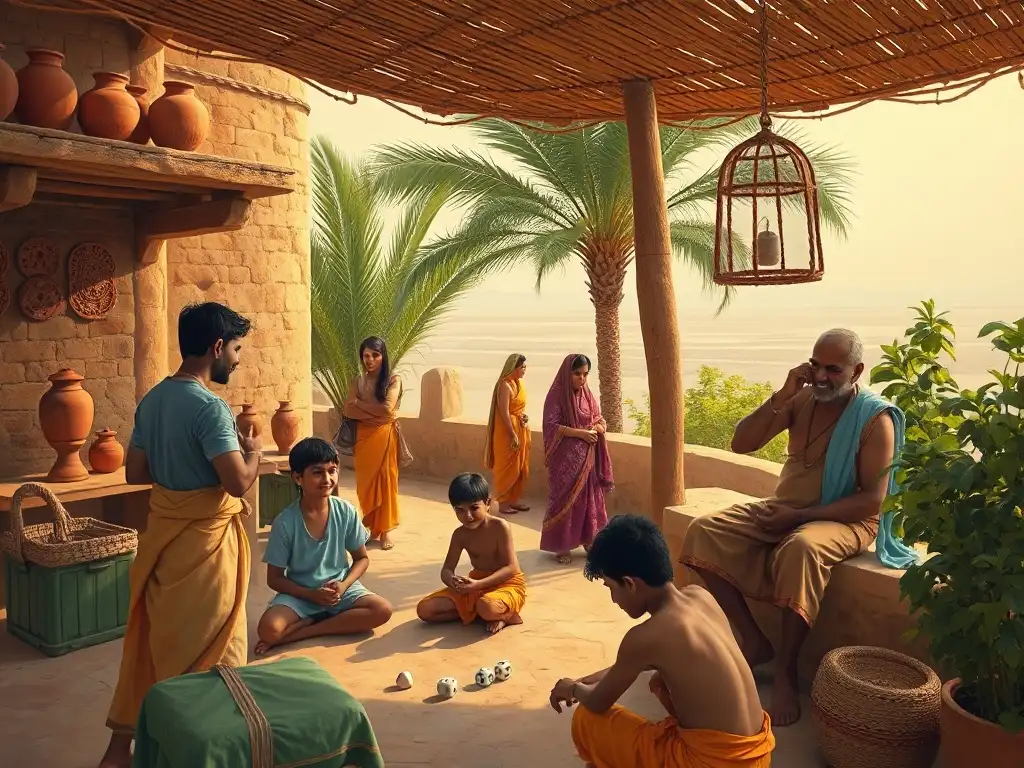
The Indus Valley Civilization, known for its advanced urban planning and sophisticated society, also had a rich array of leisure activities that reflect the cultural values and daily lives of its people. These activities were essential for social bonding and community engagement. The leisure pursuits varied among different strata of society, but they generally included sports, artistic expressions, music, dance, and communal gatherings. Understanding these leisure activities provides insight into the social fabric and values of the Indus Valley people.
Sports and Physical Games in the Indus Valley
Physical games and sports were integral to the leisure activities of the Indus Valley Civilization. Archaeological findings suggest that various forms of athletic competition existed, including:
- Board Games: Evidence of game pieces and boards indicates that games similar to modern-day chess or backgammon were played. These games not only provided entertainment but also fostered strategic thinking.
- Ball Games: Some artifacts hint at the existence of ball games, possibly using rudimentary balls made from materials like leather or grass. These games were likely played in open spaces, highlighting the importance of physical activity in daily life.
- Wrestling and Martial Arts: Depictions in seals and pottery suggest that wrestling was a popular sport. This activity promoted physical strength and agility, as well as community participation during local competitions.
These sports played a crucial role in promoting teamwork, discipline, and physical fitness among the inhabitants.
Artistic Hobbies: Craftsmanship and Creativity
Artistry flourished in the Indus Valley, where craftsmanship was not merely a profession but also a form of leisure. The people engaged in various artistic hobbies that showcased their creativity and skills:
- Pottery: The production of intricately designed pottery served both practical and artistic purposes. Potters often experimented with shapes and colors, creating beautiful vessels that were used in daily life and for ceremonial purposes.
- Sculpture: The crafting of small figurines, often depicting animals or deities, reflects the artistic talent prevalent in the society. These sculptures were likely used for both decorative and religious purposes.
- Textile Production: Weaving was another significant hobby, with artisans creating elaborate textiles from cotton and other fibers. The vibrant patterns and colors displayed in these textiles indicate a rich cultural aesthetic.
Through these artistic hobbies, the people of the Indus Valley not only expressed their creativity but also contributed to the vibrant cultural identity of their civilization.
Music and Dance as Forms of Entertainment
Music and dance played a vital role in the leisure activities of the Indus Valley Civilization. These art forms were essential for communal gatherings and celebrations:
- Musical Instruments: Archaeological evidence shows that various musical instruments, such as flutes and drums, were used. Music was likely an integral part of rituals and festivities, providing entertainment and enhancing social cohesion.
- Dance: Although direct evidence of dance is sparse, it can be inferred from figurines and seals depicting dancers. Dance likely accompanied music during celebrations and religious ceremonies, allowing for communal participation and expression of joy.
Together, music and dance were instrumental in fostering a sense of community and cultural identity among the people of the Indus Valley.
Recreational Gatherings and Festivals
Festivals and communal gatherings were essential for social interaction in the Indus Valley Civilization. These events provided opportunities for leisure, entertainment, and the strengthening of community ties:
- Seasonal Festivals: The calendar likely included various festivals aligned with agricultural cycles, celebrating harvests and seasonal changes. These events would have involved feasting, music, and games, drawing communities together in celebration.
- Religious Ceremonies: Religious festivals were significant, often featuring processions, rituals, and communal prayers. Such gatherings reinforced social bonds and shared cultural beliefs, acting as a unifying force in society.
These recreational gatherings not only served as a break from daily labor but also played a crucial role in maintaining the social fabric of the Indus Valley communities.
The Influence of Geography on Leisure Activities
The geography of the Indus Valley, with its fertile plains and river systems, significantly influenced the leisure activities of its inhabitants. The natural environment provided both resources and spaces that shaped how leisure was experienced.
Natural Resources and Their Impact on Hobbies
The rich natural resources of the Indus Valley, including rivers, forests, and fertile land, directly impacted the leisure activities undertaken by its people:
- Access to Water: The proximity to rivers facilitated various recreational activities like swimming and fishing, providing a refreshing escape from daily life.
- Abundant Flora and Fauna: The natural landscape offered resources for crafting and artistic hobbies, such as raw materials for pottery and textiles. This abundance allowed for creativity and innovation in leisure pursuits.
These resources not only enriched the quality of life but also provided a foundation for the artistic and recreational activities of the Indus Valley civilization.
Urban Planning and Public Spaces for Leisure
The remarkable urban planning of the Indus Valley cities, such as Harappa and Mohenjo-Daro, included designated public spaces that encouraged leisure activities:
- Public Baths: The presence of large public baths indicates that communal bathing was a popular leisure activity. These baths served as social hubs, allowing people to gather, relax, and engage in social interactions.
- Open Plazas: Urban design included open squares and plazas, which likely hosted festivals, markets, and communal gatherings. These spaces were vital for fostering interaction and strengthening community bonds.
The thoughtful layout of cities in the Indus Valley allowed for the integration of leisure activities into daily life, emphasizing the importance of community and social cohesion in this ancient civilization.
Archaeological Evidence of Leisure Activities
The archaeological evidence of leisure activities in the Indus Valley Civilization provides a fascinating glimpse into the daily lives of its inhabitants. Excavations at key sites such as Mohenjo-Daro and Harappa have unearthed various artifacts that suggest structured forms of recreation and social interaction. These findings indicate that leisure was an integral part of life in the Indus Valley, reflecting the civilization's values and social structures.
Among the most compelling pieces of evidence are the numerous toys, games, and artistic creations discovered in these ancient urban centers. The presence of these items not only illustrates the recreational pursuits of the people but also hints at a society that valued creativity and play. Additionally, the layout of the cities, with their public baths and open spaces, further supports the notion that leisure activities were a communal affair, fostering social bonds among the residents.
Artifacts and Findings Related to Indus Valley Leisure
The artifacts associated with leisure activities in the Indus Valley Civilization include a variety of toys, games, and artistic items. Notable findings consist of:
- Terracotta Figurines: Small figures representing animals and humans, which may have served as toys for children, indicating a culture that encouraged imaginative play.
- Dice and Game Boards: Evidence of board games, such as dice made from bone or clay, suggests that games of chance and strategy were popular among adults and children alike.
- Ornamental Objects: Jewelry and decorative items, often intricately designed, point towards a society that appreciated art and aesthetics, which might have been used in leisure contexts or social gatherings.
These artifacts reveal not only the types of leisure activities enjoyed but also the social customs and values that accompanied them.
Interpretation of Leisure Activities from Excavations
The interpretation of leisure activities from archaeological excavations often involves analyzing the context and uses of discovered artifacts. Researchers have proposed that leisure activities in the Indus Valley were multifaceted, encompassing both solitary and social experiences.
For instance, the presence of game-related artifacts suggests that competition and strategy were valued traits, hinting at a society that engaged in both individual and group recreational activities. The communal spaces, such as the Great Bath at Mohenjo-Daro, may have served as venues for social gatherings, reinforcing community ties through shared leisure experiences.
Furthermore, the artistic expressions found in seals and pottery indicate that leisure was not merely a pastime but also a means of cultural expression, reflecting the civilization's beliefs, aesthetics, and social hierarchies.
Comparing Indus Valley Leisure Activities with Other Ancient Civilizations
The leisure activities of the Indus Valley Civilization can be compared to those of other ancient civilizations, such as Egypt and Mesopotamia. This comparative analysis reveals both shared themes and unique characteristics that define each culture's approach to leisure.
Leisure in Ancient Egypt: Similarities and Differences
In ancient Egypt, leisure activities were closely tied to social status and religious practices. Similar to the Indus Valley, Egyptians enjoyed games, music, and dance, reflecting a rich tapestry of cultural expression. However, while both civilizations valued leisure, the context in which these activities took place differed significantly.
For instance, the Egyptians often integrated leisure into religious celebrations, with activities like feasting and gaming occurring during festivals. In contrast, evidence from the Indus Valley points to a more communal approach to leisure, with public spaces facilitating social interaction among a broader population. The emphasis on art and craft in the Indus Valley also distinguishes it from Egypt, where monumental architecture and grand tombs were more prevalent.
Leisure Activities in Mesopotamia: A Comparative Analysis
When comparing leisure activities in the Indus Valley with those in Mesopotamia, one can observe both similarities and distinctions. Mesopotamians engaged in various leisure pursuits, such as board games and athletic contests, much like their Indus Valley counterparts.
However, the role of leisure in Mesopotamia often intersected with political life; for instance, rulers were known to host grand feasts and competitions as a means of displaying power and wealth. In contrast, the archaeological record from the Indus Valley suggests a more egalitarian approach to leisure activities, where such pursuits were accessible to a wider segment of society.
Moreover, while both civilizations produced artistic representations of leisure, the Indus Valley's terracotta toys and figurines provide a unique insight into the everyday lives of ordinary citizens, highlighting a culture that celebrated playfulness and community interactions, distinct from the more hierarchical leisure practices observed in Mesopotamia.
Conclusion
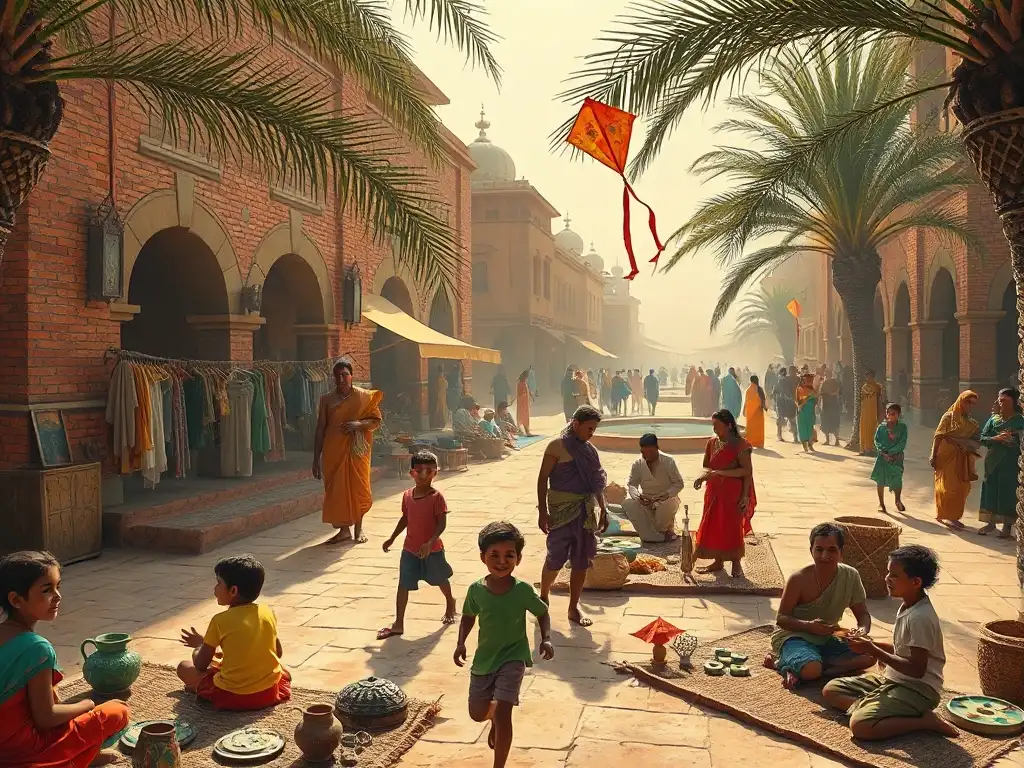
The Indus Valley Civilization, with its sophisticated urban planning and rich cultural tapestry, provides us with fascinating insights into the leisure activities and hobbies of its people. From intricate beadwork and pottery to games and recreational sports, these activities were not only forms of entertainment but also reflections of social status, community bonding, and the creative spirit of the civilization. Understanding these leisure pursuits enhances our appreciation of the daily lives of the Indus Valley inhabitants and their contributions to the broader narrative of human civilization.
The Legacy of Indus Valley Leisure Activities
The leisure activities of the Indus Valley Civilization have left a lasting legacy that continues to influence contemporary culture. Artifacts such as terracotta figures, gaming pieces, and musical instruments signify a society that valued creativity and communal interaction. The tradition of crafting and engaging in artistic expressions has persisted through generations, serving as a testament to the Indus Valley's cultural richness. Additionally, the games played, such as early forms of dice games, can be traced to modern recreational activities, illustrating the enduring nature of play across time.
Reflections on the Importance of Hobbies in Ancient Cultures
Hobbies and leisure activities have always played a crucial role in human societies, acting as a means of relaxation, socialization, and cultural expression. In the context of ancient cultures, these activities provided a necessary balance to the demands of daily life, allowing individuals to explore their creativity and connect with others. The Indus Valley Civilization exemplifies this, as its leisure pursuits not only fostered community ties but also contributed to the continuity of cultural practices. By examining the hobbies of the Indus Valley people, we gain insights into their values, beliefs, and the social dynamics that defined their civilization.
References
Scholarly Sources on Indus Valley Civilization Leisure Activities
-
M. Jansen, The Indus Valley Civilization: A Comprehensive Overview, 2016.
This work delves into various aspects of the Indus Valley, including leisure practices and their implications for social structures.
-
R. S. Sharma, Daily Life in Ancient India, 2018.
This scholarly text offers a detailed account of everyday life in ancient India, with specific chapters dedicated to leisure and recreational activities.
Suggested Readings for Further Exploration
-
A. K. Gupta, Exploring the Indus Valley: Culture and Society, 2020.
A rich exploration of the cultural dynamics of the Indus Valley, with a section focused on hobbies and leisure.
-
L. Chatterjee, The Games of the Ancients: Sports and Leisure in Early Civilizations, 2021.
This book provides a broader context of sports and games throughout ancient civilizations, including the Indus Valley, and discusses their societal roles.
By engaging with these resources, readers can deepen their understanding of how leisure activities shaped the lives of the people in the Indus Valley Civilization and their lasting impact on subsequent cultures.
- Introduction to the Indus Valley Civilization
- Overview of the Indus Valley Civilization
- Importance of Leisure Activities in Ancient Societies
- The Role of Leisure Activities in Daily Life
- Types of Indus Valley Leisure Activities
- The Influence of Geography on Leisure Activities
- Archaeological Evidence of Leisure Activities
- Comparing Indus Valley Leisure Activities with Other Ancient Civilizations
- Conclusion
- The Legacy of Indus Valley Leisure Activities
- Reflections on the Importance of Hobbies in Ancient Cultures
- References
- What were some common leisure activities in the Indus Valley Civilization?
- How did leisure activities influence social life in the Indus Valley?
- Did the Indus Valley Civilization have any sports?
- What role did art and crafts play in Indus Valley leisure?
- How can studying leisure activities in the Indus Valley inform our understanding of their society?
Frequently Asked Questions
What were some common leisure activities in the Indus Valley Civilization?
Leisure activities included games, sports, and artistic pursuits such as pottery and jewelry making, reflecting the civilization's appreciation for creativity and social interaction.
Leisure activities played a crucial role in community bonding and social cohesion, allowing individuals to engage with each other and strengthen cultural ties through shared interests.
Did the Indus Valley Civilization have any sports?
Yes, the Indus Valley people participated in various sports such as wrestling and possibly ball games, indicating a value placed on physical fitness and competition.
What role did art and crafts play in Indus Valley leisure?
Art and crafts were not only forms of leisure but also served as a means of cultural expression and economic activity, showcasing the skills and creativity of the people.
How can studying leisure activities in the Indus Valley inform our understanding of their society?
Analyzing leisure activities provides insights into the values, social structures, and daily life of the Indus Valley civilization, revealing how they balanced work and relaxation.
Final Reflection: The Enduring Legacy of Indus Valley Leisure Activities
The exploration of leisure activities in the Indus Valley Civilization reveals not only the cultural richness of this ancient society but also their profound understanding of the importance of recreation in human life. In today's fast-paced world, where stress and burnout are prevalent, the significance of leisure activities remains as relevant as ever. The Indus Valley people engaged in various pastimes that fostered community, creativity, and well-being, reminding us that leisure is not merely a luxury but a vital component of a balanced life.
Cultural and social landscapes are continually shaped by the past, and the leisure activities of the Indus Valley Civilization serve as a testament to this enduring influence. From intricate pottery to board games, these activities reflect a society that valued creativity and social interaction. As we navigate our modern lives, we can draw inspiration from their practices.
> “Leisure is the mother of philosophy,” said Thomas Aquinas, highlighting how our downtime can lead to profound insights and connections. The legacy of the Indus Valley reminds us that our hobbies and leisure pursuits can enrich our lives and foster community bonds.
As you reflect on the lessons from the Indus Valley Civilization, consider how you can incorporate more leisure activities into your own life. Embrace the idea that leisure is not just a break from work but an essential part of personal growth and community connection. Whether it’s picking up a new hobby, engaging in community events, or simply taking time to relax, let the spirit of the Indus Valley inspire you to cultivate joy and creativity in your daily routine. The past holds valuable lessons for the present; it’s time to honor them by prioritizing leisure in our lives.
Discover and Embrace the Joys of Ancient Leisure!
Thank you for taking the time to explore the fascinating world of the Indus Valley Civilization and their leisure activities! By delving into their hobbies and pastimes, you've uncovered insights into a vibrant culture that thrived on creativity and community. Now, it's time to bring that inspiration into your own life.
Here are some simple steps you can take to celebrate these ancient joys:
- Engage in a Hobby: Choose a hobby that resonates with the leisure activities of the Indus Valley, such as pottery, painting, or dance. Start today and unleash your creativity!
- Explore Local Arts: Visit local galleries or workshops that feature crafts similar to those from the Indus era. Learn a new skill while connecting with your community!
- Join a Discussion Group: Share your thoughts or initiate a conversation about ancient cultures with friends or online communities. You never know what insights will unfold!
Which hobby from the past do you find most intriguing, and how can it inspire your leisure time today? Let's dive into a conversation!