
The Influence of Ancient Indian Trade on Global Economic Systems


Welcome to Ancient India History, where we embark on a captivating journey through the rich tapestry of ancient Indian civilizations. As we delve into the impact of ancient Indian trade, you'll uncover how the bustling markets and trade routes not only shaped the local economy but also left an indelible mark on global economic systems. Prepare to be intrigued as we reveal the intricate connections between ancient trade practices and modern commerce. Join us in exploring this fascinating chapter of history that continues to resonate today!

Introduction to Ancient Indian Trade Impact
The history of ancient Indian trade is a captivating narrative that highlights the intricate connections between India and the wider world. Spanning thousands of years, trade in ancient India was not merely an economic activity; it was a catalyst for cultural exchange, technological innovation, and the dissemination of ideas.
The impact of ancient Indian trade on global economic systems is profound, as it laid the foundations for many contemporary trade practices and networks. By exploring the various elements of this trade, we can better understand how ancient Indian civilizations shaped not only their own economic landscape but also influenced far-reaching regions beyond their borders.
Overview of Ancient Indian Trade
Trade in ancient India dates back to the Indus Valley Civilization, which flourished around 2500 BCE. The civilization was known for its advanced urban planning and sophisticated economic systems, which included a variety of trade practices. Merchants traded goods such as textiles, spices, metals, and precious stones.
Key features of ancient Indian trade include:
- Diverse Commodities: India was rich in resources, producing high-quality textiles, spices, and jewelry that were highly sought after in international markets.
- Trade Networks: Extensive maritime and overland trade networks connected India with regions across Asia, Africa, and the Mediterranean.
- Cultural Exchange: Trade facilitated the exchange of not only goods but also culture, religion, and knowledge, enriching the societies involved.
Significance of Trade in Ancient Indian Civilization
Trade was integral to the economic prosperity and cultural development of ancient Indian civilizations. It played a crucial role in:
- Economic Growth: Trade generated wealth and stimulated economic activities, leading to the growth of cities and urban centers.
- Cultural Flourishing: The influx of foreign goods and ideas contributed to the vibrant cultural tapestry of India, influencing art, literature, and philosophy.
- Political Alliances: Trade often led to political and diplomatic relations between different kingdoms, fostering alliances that could enhance security and stability.
Historical Context of Ancient Indian Trade
The Indus Valley Civilization and Early Trade
The Indus Valley Civilization is often regarded as one of the earliest examples of organized trade. Archaeological findings reveal that the inhabitants engaged in trade with contemporary cultures, including Mesopotamia and Egypt. Evidence of standardized weights and measures suggests that trade was well-regulated. Key aspects of early trade include:
- Urban Centers: Cities like Harappa and Mohenjo-Daro served as major trade hubs.
- Goods Exchange: Artifacts indicate the exchange of goods such as cotton textiles, pottery, and semi-precious stones.
Trade Routes of Ancient India
Ancient India was crisscrossed by numerous trade routes, both overland and maritime. These routes were vital for the transportation of goods and facilitated cultural interactions. Key trade routes included:
- Silk Road: Connecting India to Central Asia and beyond, this route facilitated the exchange of silk, spices, and other luxury goods.
- Maritime Routes: The Indian Ocean trade routes linked India with Southeast Asia, the Arabian Peninsula, and East Africa, allowing for the export of spices and textiles.
Key Commodities in Ancient Indian Trade
The success of ancient Indian trade can be attributed to several key commodities that were highly valued in international markets. Prominent among these were:
- Spices: India was renowned for its spices, which were in high demand across the globe for their culinary and preservative properties.
- Textiles: Indian cotton and silk fabrics were sought after for their quality and craftsmanship.
- Precious Stones: The trade in diamonds, sapphires, and other gems flourished, with India being a primary source of these valuable commodities.
The richness and diversity of ancient Indian trade not only bolstered the economy of the subcontinent but also significantly influenced global economic systems, fostering connections that resonate to this day.
The Mechanisms of Ancient Indian Trade
Ancient Indian trade was characterized by a complex network of routes and practices that facilitated the exchange of goods, ideas, and culture across vast distances. The trade mechanisms were not only pivotal for the economy of ancient India but also significantly influenced global economic systems. Key aspects of these mechanisms included maritime and overland routes, the use of standardized weights and measures, and the establishment of trade relations with neighboring regions and distant lands.
Trade Practices and Techniques
Trade in ancient India was conducted through various practices and techniques that evolved over centuries. Merchants engaged in both local and long-distance trade, often using established trade routes that connected them to other civilizations, such as the Roman Empire, Persia, and Southeast Asia. Techniques included barter systems, where goods were exchanged directly, and the use of intermediaries in larger transactions. The establishment of trade fairs and markets facilitated the growth of commerce, allowing for the easy exchange of goods like spices, textiles, and precious stones.
Role of Merchants and Trade Guilds
Merchants played a crucial role in the economic landscape of ancient India. They were not merely traders but also acted as cultural ambassadors, spreading ideas and customs alongside goods. Trade guilds emerged as organized entities that regulated trade practices, set standards, and protected the interests of merchants. These guilds often provided financial support and facilitated networking, ensuring that commerce thrived within and beyond Indian borders. Their influence extended into the social and political realms, as they often had significant sway over local governance and economic policies.
Currency and Trade Exchanges in Ancient India
The evolution of currency was vital for the facilitation of trade in ancient India. Initially, barter systems were predominant, but as trade expanded, the need for a standardized medium of exchange became apparent. The use of metals such as gold, silver, and copper to mint coins began around the 6th century BCE, leading to the establishment of various currencies that were widely accepted in trade transactions. This not only simplified exchanges but also enhanced trade relationships with foreign entities, allowing for a more efficient marketplace.
Cultural Exchange Through Trade
Trade in ancient India was not limited to the exchange of goods; it was also a critical channel for cultural exchange. As merchants traveled and established connections, they brought with them diverse influences that enriched Indian society. This cultural diffusion had lasting effects, shaping various aspects of life in ancient India.
Influence of Trade on Ancient Indian Culture
The interaction between traders and local populations led to significant cultural influences, including the adoption of new customs, languages, and artistic styles. For instance, the influx of goods from other regions introduced new agricultural practices and food items that were integrated into local diets. Additionally, the sharing of artistic techniques and motifs helped in the evolution of Indian art forms, reflecting a blend of diverse cultural elements.
Spread of Ideas and Innovations via Trade
Trade routes served as conduits for the dissemination of ideas and innovations. Scientific knowledge, particularly in mathematics and astronomy, traveled along these paths, fostering advancements in various fields. The exchange of philosophies and religious beliefs, such as Buddhism and Jainism, was also facilitated through trade, leading to a profound impact on societal values and practices in both India and other regions.
The Role of Religion in Trade Relationships
Religion played a significant role in shaping trade relationships in ancient India. Many merchants were guided by religious principles that emphasized honesty and fairness in trade practices. Additionally, religious pilgrimages often intersected with trade routes, leading to increased interactions between communities. Temples and religious institutions sometimes acted as safe havens for traders, offering protection and facilitating commerce. The intertwining of trade and religion fostered a sense of community and trust among diverse populations engaged in economic activities.
Ancient Indian Trade and Global Economic Systems
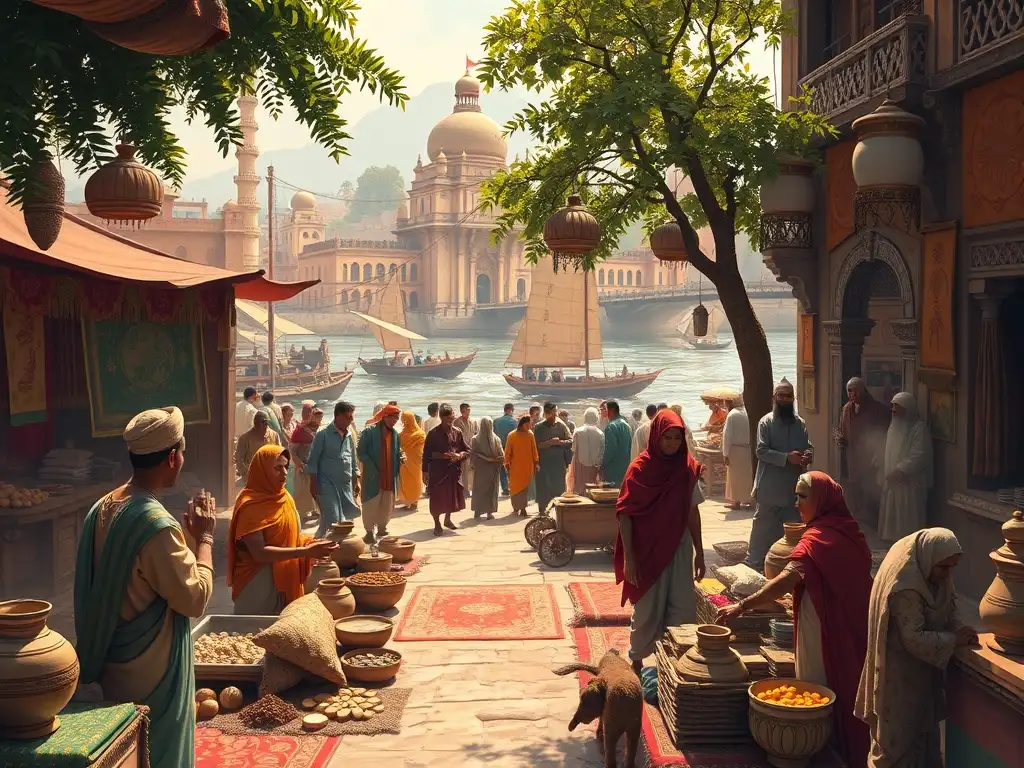
Ancient Indian trade played a pivotal role in shaping global economic systems, acting as a conduit for cultural exchange and economic interdependence. The extensive trade networks established by Indian merchants facilitated the flow of not just goods, but also ideas, technologies, and cultural practices across continents. From the bustling markets of the Indus Valley Civilization to the vibrant bazaars of the Gupta Empire, trade was not merely an economic activity but a vital aspect of social and cultural life that influenced the economies of distant lands.
The strategic geographical location of India made it a crucial link between the East and West. Major trade routes, including land and maritime paths, connected India with regions such as the Middle East, Africa, and Southeast Asia. This connectivity allowed for the exchange of a wide variety of products, including textiles, precious stones, and agricultural goods, which were highly sought after in foreign markets. The economic practices established during these times laid the groundwork for the interconnected global economy we see today.
Impact of Indian Spices on Global Markets
One of the most significant impacts of ancient Indian trade was the introduction of spices to global markets. Indian spices, such as pepper, cardamom, and cinnamon, were in high demand throughout the ancient world due to their culinary and medicinal properties. The spice trade not only contributed to the wealth of Indian merchants but also attracted traders from far-flung regions, including the Roman Empire and the Arab world.
The lucrative spice trade led to the establishment of various trade routes, most notably maritime routes that connected India with the Mediterranean and beyond. This demand for spices transformed economic systems as merchants established large-scale plantations and trade networks to supply the growing appetite for these commodities. The competition for access to these spices ultimately drove European exploration in the late Middle Ages, altering global trade patterns and leading to the Age of Discovery.
The Silk Road and Its Connection to Ancient Indian Trade
The Silk Road was another vital trade network that linked India to various civilizations across Asia and Europe. This ancient trade route facilitated the exchange of silk, textiles, and other luxury goods, including Indian-produced items that found their way to far-reaching markets. Indian merchants played a crucial role in the Silk Road trade, contributing to the cultural and economic exchange that defined this period.
Through the Silk Road, not only goods but also ideas, philosophies, and religious beliefs spread between cultures. The influence of Indian trade on the Silk Road can be seen in the dissemination of Buddhism, which traveled along these routes, gaining followers in Central Asia and beyond. The interconnectedness fostered by these trading activities laid the foundation for future global interactions and exchanges.
Trade Relations with Rome, China, and Southeast Asia
India's trade relations with Rome, China, and Southeast Asia were influential in shaping economic dynamics across these regions. With Rome, Indian merchants exchanged silk, spices, and precious stones for gold and silver, leading to mutual economic enrichment. The Roman demand for Indian goods was so intense that it resulted in a trade deficit, prompting the Romans to seek ways to balance their trade.
In China, the relationship revolved around the exchange of silk and other commodities. Indian traders introduced products like textiles and spices, which were highly valued in Chinese markets. The trade routes established between India and China fostered not only economic ties but also cultural exchanges that enriched both civilizations.
Southeast Asia became a significant hub for Indian trade as well. Indian traders established ports and trading posts in modern-day Indonesia, Malaysia, and Thailand, leading to the spread of Indian culture, religion, and economic practices in the region. This exchange laid the groundwork for the establishment of powerful kingdoms in Southeast Asia, which were heavily influenced by Indian culture.
Economic Contributions of Ancient Indian Trade
The contributions of ancient Indian trade to economic systems were profound and far-reaching. Trade practices from this era introduced concepts such as market economies, credit systems, and standardized weights and measures, which became essential for managing trade efficiently. These innovations were instrumental in enhancing the economic landscape not only in India but also in other regions with which India traded.
Economic Systems Influenced by Ancient Indian Trade
Ancient Indian trade significantly influenced various economic systems, leading to the development of sophisticated trading practices. The establishment of trade guilds, which regulated trade activities and protected merchants, is one such example. These guilds played a crucial role in promoting fair trade practices and ensuring quality control, which contributed to the sustainability of trade networks.
Moreover, the introduction of currency as a medium of exchange facilitated trade transactions, enhancing economic efficiency. The use of coins made it easier for traders to conduct business across vast distances, thus expanding the scale of trade and economic interaction among different cultures.
The Rise of Urban Centers due to Trade Activity
The flourishing trade activities led to the rise of urban centers throughout ancient India. Cities such as Taxila, Pataliputra, and Ujjain became major trading hubs, attracting merchants and artisans from various regions. These urban centers became melting pots of culture, where diverse communities coexisted and exchanged ideas, technologies, and goods.
The growth of these cities was directly tied to trade; as commerce expanded, so did the need for infrastructure, including roads, ports, and marketplaces. The urbanization process fostered economic development, leading to increased productivity and innovation in various sectors, including agriculture and craftsmanship.
Long-term Effects on Modern Economic Practices
The legacy of ancient Indian trade continues to influence modern economic practices. Many principles established during this period, such as the importance of trade networks, market economies, and international relations, remain relevant today. The historical trade routes paved the way for contemporary globalization, with nations continuing to engage in trade partnerships that echo ancient practices.
Furthermore, the cultural exchanges that occurred as a result of trade have shaped modern societies, emphasizing the significance of cultural diversity in economic interactions. The impact of ancient Indian trade on global economic systems is a testament to the interconnectedness of human societies and the enduring nature of trade as a catalyst for economic development.
Conclusion: Legacy of Ancient Indian Trade on Today’s Economy
The legacy of ancient Indian trade is profound and far-reaching, influencing not only the economic practices of civilizations within the Indian subcontinent but also shaping global trade networks that exist to this day. The intricate trade routes established during ancient times laid the groundwork for intercontinental exchanges, facilitating the movement of goods, ideas, and cultures. This historical trade activity contributed to the globalization of commerce long before the modern era, demonstrating the significance of ancient Indian trade impact on contemporary economic systems.
The extensive commerce in textiles, spices, and precious stones, combined with the innovative practices of trade, such as the use of standardized weights and measures, have left a lasting imprint on modern economic practices. The networks of merchants and traders cultivated relationships that transcended geographical boundaries, fostering a spirit of cooperation and mutual benefit that continues to resonate in today's global economy.
Summary of Key Points on Ancient Indian Trade Impact
- Extensive Trade Networks: Ancient India established vast trading routes connecting it with regions such as Southeast Asia, the Middle East, and Africa, fostering economic interdependence.
- Cultural Exchange: Trade was not solely about goods; it also facilitated cultural exchanges, leading to the spread of ideas, religions, and technologies across continents.
- Economic Innovations: The practices developed by ancient Indian traders, including the use of coins and barter systems, laid foundational concepts for modern economics.
- Global Influence: The impact of ancient Indian trade is evident in the global spice trade, textile industry, and the introduction of various commodities into different markets.
Final Thoughts on the Importance of Ancient Trade in Global Context
Understanding the influence of ancient Indian trade is crucial for comprehending the evolution of global economic systems. The interconnectedness fostered by trade not only advanced local economies but also contributed to the emergence of a more integrated world. As we reflect on the historical significance of these trade practices, it becomes clear that they were instrumental in shaping economic relationships that endure in various forms even today. Recognizing this legacy allows us to appreciate the role of ancient civilizations in the ongoing narrative of global trade.
References and Further Reading on Ancient Indian Trade Impact
Suggested Books and Articles
- "The Silk Roads: A New History of the World" by Peter Frankopan: This book explores the historical trade routes and their influence on global culture, including the pivotal role of Indian trade.
- "Indian Ocean Trade: A Historical Perspective" by Ashwini Tambe: A detailed examination of trade dynamics in the Indian Ocean, highlighting the contributions of ancient Indian traders.
- "The Economic History of India: 1857 to 1947" by Tirthankar Roy: While focused on a later period, this book provides insights into the economic foundations laid by earlier trade practices.
Online Resources for In-Depth Exploration
- Digital South Asia Library: Offers a plethora of resources related to ancient Indian trade, including maps, texts, and historical documents.
- The British Museum's Online Collections: An extensive resource for artifacts related to ancient Indian trade and its global connections.
- Khan Academy: Features educational articles and videos that delve into the economic practices of ancient India and their global implications.
By exploring these resources, readers can gain a deeper understanding of the intricate tapestry of ancient Indian trade and its enduring impact on today's economic landscape.
- Introduction to Ancient Indian Trade Impact
- Historical Context of Ancient Indian Trade
- The Mechanisms of Ancient Indian Trade
- Cultural Exchange Through Trade
- Ancient Indian Trade and Global Economic Systems
- Economic Contributions of Ancient Indian Trade
- Conclusion: Legacy of Ancient Indian Trade on Today’s Economy
- References and Further Reading on Ancient Indian Trade Impact
Frequently Asked Questions
What were the main trade routes of ancient India?
Ancient India was connected by several key trade routes, including the Silk Road and the Maritime Spice Route, facilitating trade with regions like China, Rome, and Southeast Asia.
How did ancient Indian trade impact other civilizations?
The impact of ancient Indian trade was profound, as it introduced spices, textiles, and metallurgy to other cultures, contributing to their economic and cultural development.
What goods were commonly traded by ancient Indians?
Ancient Indian traders exchanged a variety of goods, including spices, jewelry, cotton, and precious stones, which were highly sought after in global markets.
How did trade influence the economy of ancient India?
Trade significantly boosted the economy of ancient India by fostering urbanization, creating wealth, and enhancing the influence of merchant classes in society.
What role did maritime trade play in ancient Indian civilization?
Maritime trade was crucial for ancient India, enabling the exchange of goods and ideas across the Indian Ocean, leading to cultural exchange and the establishment of trading colonies.
Final Reflection: The Enduring Legacy of Ancient Indian Trade
The influence of ancient Indian trade on global economic systems remains profoundly relevant today. As we navigate an increasingly interconnected world, the historical pathways forged by ancient traders serve as a reminder of the power of commerce to transcend borders and cultures. The intricate networks established by these early merchants not only facilitated the exchange of goods but also ideas, fostering a spirit of collaboration that resonates in our global economy today.
The impact of ancient Indian trade is not just a relic of the past; it continues to shape our cultural and social landscapes. The rich tapestry of trade routes, from the Silk Road to maritime paths, has left an indelible mark on societies, influencing everything from culinary traditions to technological advancements. As Mahatma Gandhi once said, "Commerce should not be a game of profit but a means of service." This perspective underscores the ongoing importance of trade as a vehicle for mutual benefit and understanding among diverse cultures.
As we reflect on the lessons of ancient Indian trade, let us embrace the opportunity to foster connections in our own lives. Consider how you can contribute to a more interconnected world, whether through supporting local artisans, engaging in fair trade practices, or simply being open to learning from different cultures. The legacy of ancient Indian trade invites us to recognize the value of collaboration and empathy in our economic interactions, reminding us that every transaction carries the potential for greater understanding and harmony.
Unveil the Secrets of Ancient Trade: Begin Your Journey!
Thank you for exploring the remarkable influence of ancient Indian trade on our global economic systems! You’ve uncovered valuable insights into how trade routes not only shaped economies but also fostered cultural exchanges. Now, it’s time to take action and deepen your understanding of this fascinating topic.
- Dive deeper: Research a specific ancient trade route, such as the Silk Road or the Spice Route, and discover its impact on today’s trade practices.
- Share your findings: Engage with friends or on social media about what you learned and start a conversation about the importance of ancient trade in modern contexts.
- Join the community: Connect with like-minded history enthusiasts in our online forum to discuss and share resources related to ancient Indian trade.
What aspect of ancient trade do you think has significantly influenced our modern economy? We invite you to share your thoughts in the comments!