
The Cultural Significance of Gemstone Markets in Ancient Indian Society

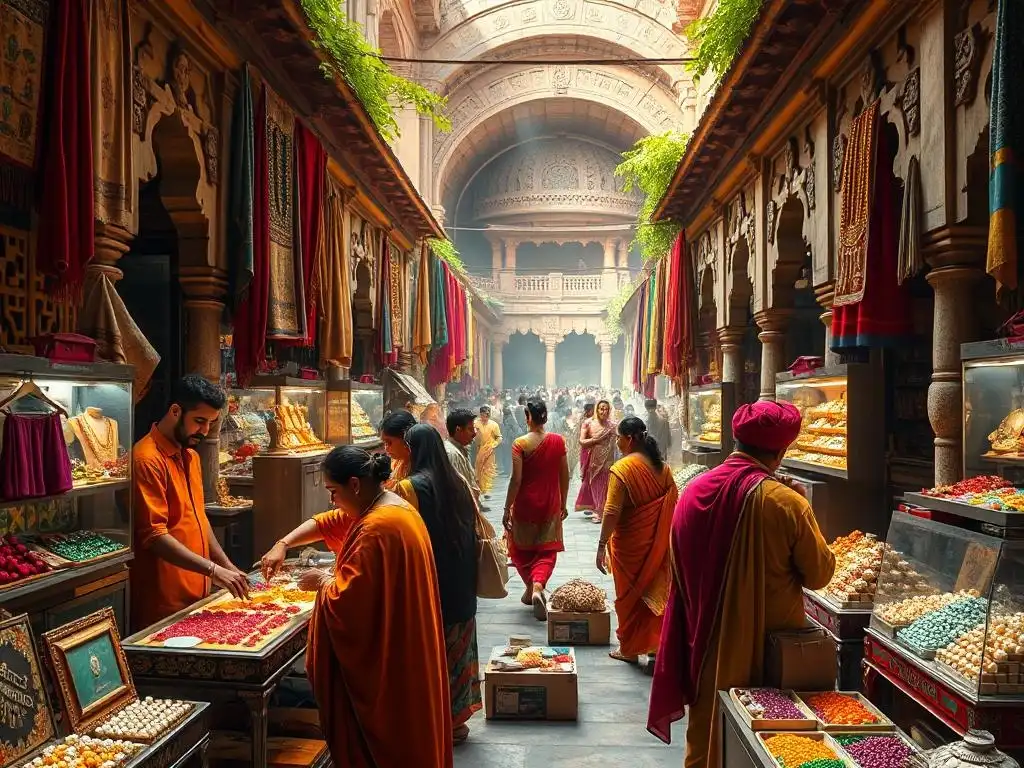
Welcome to Ancient India History, where we delve into the rich tapestry of history, culture, and contributions of ancient Indian civilizations. In our featured article, we explore the cultural significance of gemstones in India, shining a light on the vibrant gemstone markets that played a pivotal role in society from the Indus Valley to the Gupta Empire. Discover how these precious stones were not just adornments but symbols of status, spirituality, and trade. Join us on this journey through time and uncover the fascinating connections between gemstones and ancient Indian life that will leave you eager to learn more!
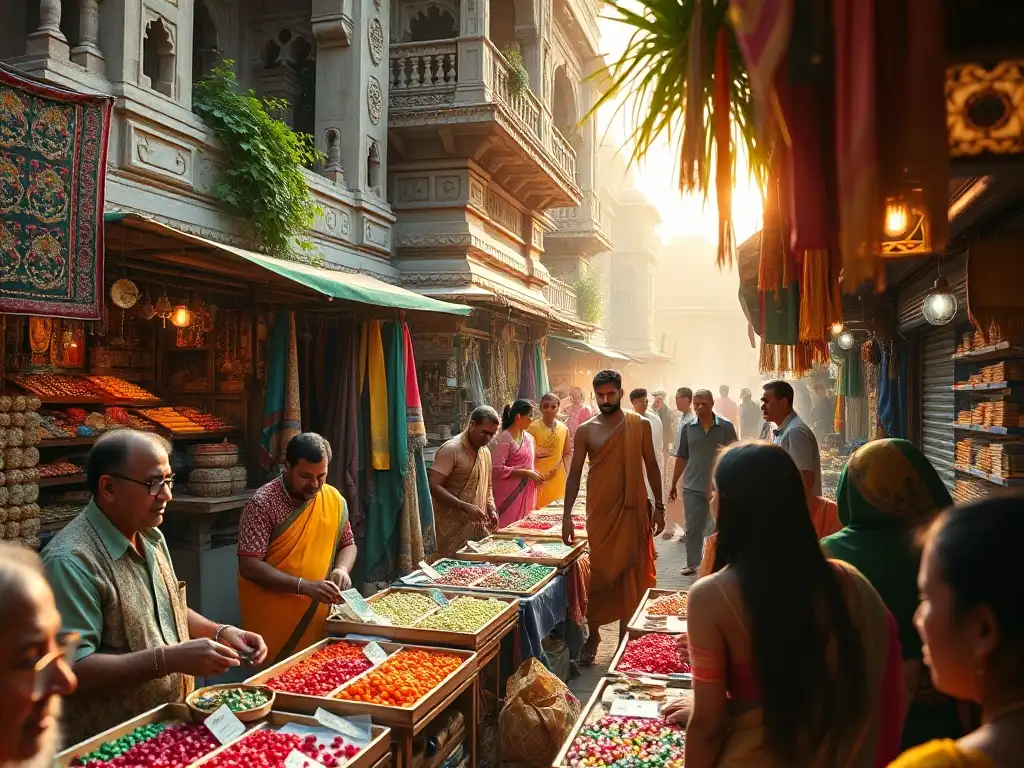
Introduction to Gemstones in Ancient India
The allure of gemstones has captivated civilizations for centuries, and ancient India was no exception. From the shimmering brilliance of diamonds to the vibrant hues of rubies and emeralds, gemstones held a profound significance in the cultural, spiritual, and economic fabric of Indian society. They were not merely adornments but symbols of status, wealth, and divine connection. This article delves into the cultural significance of gemstones in India, exploring how these precious stones influenced various aspects of life, trade, and artistry in ancient times.
In ancient India, gemstones were believed to possess unique properties that could influence the wearer’s fortune, health, and even spirituality. The meticulous craftsmanship involved in gemstone cutting and setting reflects the high levels of artistry and skill that artisans developed over centuries. Furthermore, gemstone markets served as vital hubs of trade, connecting local artisans with merchants from distant lands, thereby facilitating cultural exchange and economic growth.
Historical Context of Gemstone Markets in India
Understanding the historical context of gemstone markets in ancient India requires a look at the major civilizations that thrived in the region. The Indus Valley Civilization (circa 3300–1300 BCE) is one of the earliest known societies to have engaged in gemstone trade. Archaeological evidence shows that they crafted intricate jewelry from semi-precious stones like carnelian, lapis lazuli, and agate. The discovery of bead-making workshops in sites like Mohenjo-Daro highlights the advanced skills of artisans in this civilization.
As time progressed, the Maurya Empire (circa 322–185 BCE) and later the Gupta Empire (circa 240–550 CE) saw a significant flourishing of gemstone markets. These empires not only expanded trade routes but also fostered a culture of luxury and opulence, where gemstones became integral to royal patronage and decor. The famous Silk Route facilitated the exchange of Indian gemstones with traders from Persia, Rome, and beyond, further elevating their status.
Key Features of Gemstone Markets:
- Economic Hubs: Gemstone markets were pivotal for local economies, providing income for artisans and traders.
- Cultural Exchange: These markets acted as melting pots of diverse cultures, where different artistic styles and techniques were shared.
- Religious Significance: Many gemstones were believed to possess astrological significance, often used in religious rituals and amulets.
The significance of gemstone markets in ancient India transcends mere commerce; they were places where culture, spirituality, and artistry converged, leaving a lasting legacy that continues to influence Indian society today. Through this exploration, we will uncover the intricate tapestry of history, trade, and cultural value that gemstones have woven into the fabric of ancient Indian civilization.
Symbolism and Beliefs Surrounding Gemstones
Gemstones have played a pivotal role in ancient Indian culture, deeply entwined with symbolism and spiritual beliefs. Each gemstone was associated with specific attributes, powers, and deities, which influenced how they were valued and used in society. For instance, the ruby was often seen as a symbol of love and passion, believed to bring prosperity to its owner. Similarly, pearls were associated with purity and spiritual enlightenment, making them a favored choice among the elite.
In the context of astrology, gemstones were not merely decorative but were thought to possess astrological significance. Different stones were linked to the nine planets (Navagraha) in Hindu astrology, and wearing the appropriate gemstone was believed to enhance an individual’s fortune and mitigate negative planetary influences. This astrological belief system heightened the demand for gemstones, leading to their integration into daily life and cultural rituals.
Additionally, gemstones were often used in religious contexts. They adorned idols and temples, symbolizing divine connection and protection. The presence of gemstones in religious artifacts was believed to bestow blessings upon devotees, further cementing their cultural importance. This multifaceted significance of gemstones reflects a profound understanding of nature and spirituality in ancient Indian society, illustrating how these precious stones transcended mere adornment to become integral to cultural identity and beliefs.
Major Gemstone Markets in Ancient India
Ancient India was home to several prominent gemstone markets, each with its unique characteristics and historical importance. These markets not only facilitated trade but also served as cultural hubs where artisans, traders, and consumers interacted, sharing knowledge and fostering traditions. The significance of these markets goes beyond commerce; they were centers of art, craftsmanship, and cultural exchange.
The Jaipur Gemstone Market
Jaipur, often referred to as the "Pink City," is renowned for its vibrant gemstone market, which has roots dating back to the 16th century. The city became a significant trading hub for gemstones, particularly for its renowned pink sapphires, emeralds, and diamonds. The craftsmanship in Jaipur is unparalleled, with artisans employing ancient techniques to cut and polish stones to perfection.
The Jaipur gem market was not just about trade; it was a melting pot of cultures and influences. Traders from various parts of India and even abroad would converge here, leading to a rich exchange of artistic and cultural ideas. The market also played a vital role in royal patronage, with many Maharajas commissioning exquisite jewelry pieces that showcased the gemstones' beauty and the artisans' skills.
The Varanasi Gemstone Market
Varanasi, one of the oldest cities in the world, has a gemstone market that reflects its spiritual essence and cultural heritage. The city is famous for its semi-precious stones, particularly garnets and agates, which are used in traditional jewelry and spiritual artifacts. The market in Varanasi is characterized by its deep-rooted connections to religious practices, where gemstones are often incorporated into rituals and offerings.
The artisans of Varanasi have honed their skills over generations, creating intricate designs that resonate with the city’s spirituality. The market serves not only as a commercial center but also as a place where traditions are preserved and passed down through generations. The cultural significance of gemstones in Varanasi is intertwined with the city's identity, making it a vital center for both trade and spirituality.
The Surat Diamond Market
Surat is known as the diamond capital of India, and its gemstone market has been pivotal in the diamond trade since the 15th century. The city is famous for its diamond cutting and polishing industry, with skilled artisans working meticulously to bring out the brilliance of each stone. Surat’s diamond market attracted traders from across the globe, establishing India as a leading player in the global diamond industry.
The market’s significance extends beyond commerce; it has been a crucial site for innovation in cutting techniques and trade practices. Surat’s diamond traders developed a unique system of grading and valuing diamonds, which has influenced international standards. The cultural impact of the Surat diamond market is profound, as it has shaped not only the local economy but also the global perception of Indian craftsmanship in the gemstone sector.
The Economic Impact of Gemstone Trading
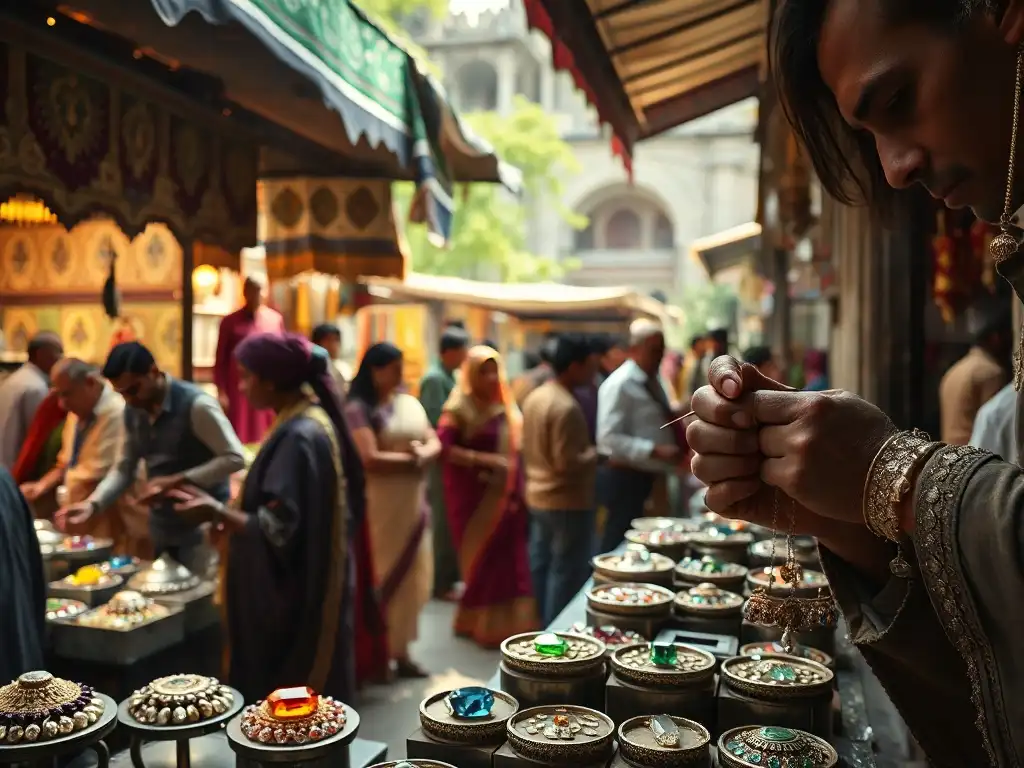
The gemstone trade in ancient India was a significant driver of the economy, contributing to both local and regional wealth. Trade routes crisscrossed the subcontinent, facilitating the exchange of gemstones not only within India but also with neighboring countries and cultures. The major centers of gemstone trading, such as Jaipur, Surat, and Varanasi, emerged as bustling hubs of commerce where artisans, traders, and merchants congregated, leading to economic prosperity.
- Job Creation: The gemstone industry provided numerous jobs, from miners extracting stones to artisans skilled in cutting and polishing. Each stage of the trade supported a wide range of livelihoods, contributing to the socioeconomic fabric of communities.
- Tax Revenue: Gemstone trading contributed significantly to the treasury of various kingdoms. Taxes levied on the sale and export of gemstones helped fund infrastructure projects, temples, and palaces, further enhancing the cultural landscape of ancient India.
- Foreign Trade: Ancient Indian gemstones were highly sought after in international markets, particularly in regions like the Middle East, Europe, and Southeast Asia. This demand not only enriched local traders but also established India as a key player in the global economy of the time. The trade of precious stones helped in fostering diplomatic relations and cultural exchanges with other civilizations.
- Cultural Exchanges: The economic impact of gemstone trading extended beyond mere commerce. As traders interacted with foreign merchants, they exchanged not just goods but also ideas, leading to a rich tapestry of cultural influences that shaped local practices and beliefs.
Gemstones in Art and Architecture
Gemstones played a pivotal role in the artistic expressions and architectural endeavors of ancient India. From intricate jewelry to grand temple embellishments, gems were integral to the aesthetic and spiritual dimensions of Indian culture.
- Jewelry Design: The art of jewelry making flourished in ancient India, with gemstones being used extensively in adornments worn by royalty and the affluent. Designs often featured complex motifs that reflected the natural beauty and spiritual symbolism attributed to various stones. For instance, emeralds were associated with love and rebirth, while rubies symbolized power and vitality.
- Temples and Monuments: Many historical temples and palaces showcased gemstones in their intricate carvings and decorations. The famous Sun Temple in Konark and the Taj Mahal are examples of how gemstones were incorporated into architectural masterpieces, enhancing their grandeur and spiritual significance.
- Cultural Symbolism: Each gemstone carried its own cultural meaning and was often associated with specific deities or astrological beliefs. This deep-rooted symbolism influenced not only artistic representations but also the rituals and practices surrounding gemstones in daily life.
- Literature and Folklore: Gemstones frequently appeared in ancient Indian texts and folklore, symbolizing wealth, virtue, and divine favor. Epic tales often depicted heroes adorned with precious gems, reinforcing their importance in the cultural narrative of ancient India.
Conclusion: The Legacy of Gemstone Markets in Indian Culture
The gemstone markets of ancient India have left an indelible mark on the cultural landscape of the subcontinent. Their influence is observable in various aspects of society, from economic prosperity to artistic innovation. The intertwining of gemstones with the spiritual and cultural life of the people underscores their significance beyond mere trade.
- Enduring Traditions: The legacy of gemstone trading continues to resonate today, with traditional practices still evident in contemporary jewelry making and cultural ceremonies. The skills and techniques developed over centuries have been passed down through generations, ensuring that the art form remains vibrant.
- Cultural Heritage: Many of the historical gem markets, such as Jaipur’s Johari Bazaar, continue to thrive, showcasing a blend of ancient artistry and modern commerce. These markets serve as reminders of India’s rich history and cultural heritage, attracting tourists and scholars interested in the narratives behind these precious stones.
- Symbol of Identity: In many ways, gemstones have become a symbol of Indian identity, representing not only wealth but also the artistic and spiritual values that define the culture. Their presence in festivals, weddings, and religious ceremonies highlights their continued relevance in the lives of people today.
The cultural significance of gemstones in India transcends their economic value, fostering a deep connection to the nation's artistic, spiritual, and historical narratives.
References to Explore Further
To gain a deeper understanding of the cultural significance of gemstones in ancient Indian society, the following references provide invaluable insights and detailed explorations:
-
"The Gemstone Trade in Ancient India"
This book delves into the historical context of gemstone trading, examining how it influenced societal structures, economic exchanges, and cultural practices in ancient India. It provides a comprehensive overview of the trade routes and the various gemstones that were prevalent during different periods.
-
"Jewels of India: A Historical Overview"
This scholarly article outlines the evolution of jewelry in India, with a focus on gemstones. It discusses how gemstones were not only adornments but also held spiritual and astrological significance, shaping social norms and cultural rituals.
-
"The Indus Valley Civilization: A Study of Trade and Commerce"
This research paper explores the economic systems of the Indus Valley Civilization, highlighting the role of precious stones in trade. It sheds light on archaeological findings that reveal the importance of gemstones in their societal context.
-
"Cultural Heritage of India: The Role of Gemstones"
This publication examines the broader cultural heritage of India, emphasizing the role of gemstones in art, literature, and religious practices. It discusses how various gemstones were believed to possess unique powers and meanings, influencing daily life and spirituality.
-
"Ancient Indian Astrology and Gemstones"
This reference focuses on the astrological significance of gemstones in ancient Indian society. It elucidates how gemstones were associated with planetary influences and were used to enhance well-being and fortune, reflecting their cultural importance in personal and communal practices.
-
"The Gupta Empire: Art and Commerce"
This comprehensive study covers the Gupta Empire, detailing how gemstones were integrated into the art and commerce of the period. It explores the socio-economic impact of gemstone markets during this golden age of Indian history.
-
Online Resources and Digital Archives
Websites such as the Archaeological Survey of India and various digital archives host a wealth of resources, including articles, historical documents, and images that elaborate on the significance of gemstones throughout Indian history.
These references serve as a foundation for further exploration into the intricate relationship between gemstones and the cultural landscape of ancient India, illuminating their enduring legacy in the subcontinent’s history.
- Introduction to Gemstones in Ancient India
- Historical Context of Gemstone Markets in India
- Symbolism and Beliefs Surrounding Gemstones
- Major Gemstone Markets in Ancient India
- The Economic Impact of Gemstone Trading
- Gemstones in Art and Architecture
- Conclusion: The Legacy of Gemstone Markets in Indian Culture
- References to Explore Further
- What role did gemstones play in ancient Indian society?
- How were gemstones sourced and traded in ancient India?
- What are some notable gemstones mentioned in ancient Indian texts?
- How did gemstones influence ancient Indian art and architecture?
- What is the modern relevance of ancient Indian gemstone markets?
Frequently Asked Questions
What role did gemstones play in ancient Indian society?
Gemstones held immense cultural significance in ancient India, symbolizing wealth, status, and spiritual beliefs. They were often used in jewelry, religious artifacts, and royal insignia.
How were gemstones sourced and traded in ancient India?
Gemstones were sourced from various regions across India and were traded in vibrant markets. The trade routes facilitated the exchange of gemstones, enhancing their accessibility and cultural impact.
What are some notable gemstones mentioned in ancient Indian texts?
Ancient texts often reference gemstones like diamonds, rubies, and sapphires, each carrying unique symbolic meanings related to power, protection, and prosperity.
How did gemstones influence ancient Indian art and architecture?
Gemstones influenced art and architecture by being used in intricate designs and decorative elements. They enhanced the aesthetic appeal of temples and palaces, showcasing the craftsmanship of the era.
What is the modern relevance of ancient Indian gemstone markets?
Today, the cultural significance of gemstones remains strong, with modern markets still reflecting ancient traditions. They continue to symbolize wealth and status, while also being linked to spiritual practices.
Final Reflection: The Enduring Legacy of Gemstones in Indian Culture
The cultural significance of gemstones in India transcends mere adornment; it embodies a rich tapestry of history, spirituality, and social identity that continues to resonate today. As we explore the intricate connections between gemstones and ancient Indian society, we uncover a narrative that speaks to the heart of human experience—our quest for beauty, meaning, and connection. The vibrant gemstone markets of the past not only served as centers of trade but also as cultural crossroads where art, tradition, and commerce intertwined, shaping the very fabric of Indian civilization.
The influence of gemstones extends far beyond their physical beauty; they have played a pivotal role in shaping social hierarchies, religious practices, and artistic expressions throughout history. In reflecting on this topic, one cannot help but recognize the profound impact gemstones have had on our cultural identity. The allure of these precious stones continues to inspire artisans and collectors alike, fostering a sense of pride and continuity in Indian heritage. As Mahatma Gandhi once said, “A nation’s greatness is measured by how it treats its weakest members,” reminding us that the stories behind these gemstones are as significant as the gems themselves. The true beauty of a gemstone lies not only in its brilliance but in the stories it carries.
As we conclude this exploration of the cultural significance of gemstones in India, I invite you to reflect on your own relationship with beauty and meaning in your life. Consider how the lessons of history can inform your understanding of identity, tradition, and the interconnectedness of cultures.
Let the legacy of gemstones inspire you to seek out the stories that enrich your own life and community, encouraging a deeper appreciation for the artistry and heritage that surrounds us. Embrace the opportunity to honor the past while forging a path toward a future where the cultural significance of gemstones—and the values they represent—continues to shine brightly.
Unearth the Treasures of History!
Thank you for exploring the fascinating world of gemstone markets in ancient Indian society. Your journey into the cultural significance of these vibrant markets not only enriches your understanding of history but also connects you to the timeless traditions that shaped a remarkable civilization. Now, it’s time to take action and dive even deeper!
- Visit a local museum to experience the beauty of ancient gemstones in person and learn more about their historical context.
- Join an online discussion group focused on ancient Indian history to share your insights and discover new perspectives.
- Share this article with friends or on social media to ignite conversations about the influence of gemstones in modern culture.
Which gemstone do you believe holds the most significance in reflecting ancient Indian society, and why? Your thoughts could spark a deeper discussion!