
The Contribution of the Six Systems of Indian Philosophy: A Comparative Analysis


Welcome to Ancient India History! Here, we embark on a fascinating journey through the rich tapestry of ancient Indian civilizations, exploring their profound contributions to culture, science, and philosophy. In our featured article, "The Contribution of the Six Systems of Indian Philosophy: A Comparative Analysis," we delve into the intriguing world of Indian philosophy systems, uncovering the unique perspectives and theories that have shaped thoughtful discourse for centuries.
Prepare to ignite your curiosity and discover how these philosophical frameworks not only defined an era but continue to influence our understanding of the world today. Dive in and unravel the depths of wisdom that await you!
Introduction to Indian Philosophy Systems
Indian philosophy is a profound and intricate field that encompasses a vast array of thoughts, systems, and schools of inquiry, each contributing significantly to the intellectual heritage of the nation. Spanning over millennia, these philosophical traditions have sought to explore fundamental questions about existence, knowledge, ethics, and the nature of reality.
Among these traditions, the six orthodox systems, known as the Shad-Darshanas, stand out for their systematic approaches and unique contributions to both philosophy and spirituality. By examining the Indian philosophy systems comparison, we can appreciate the nuances that define each system, their interconnections, and their collective impact on Indian thought and beyond.
Overview of the Six Systems of Indian Philosophy
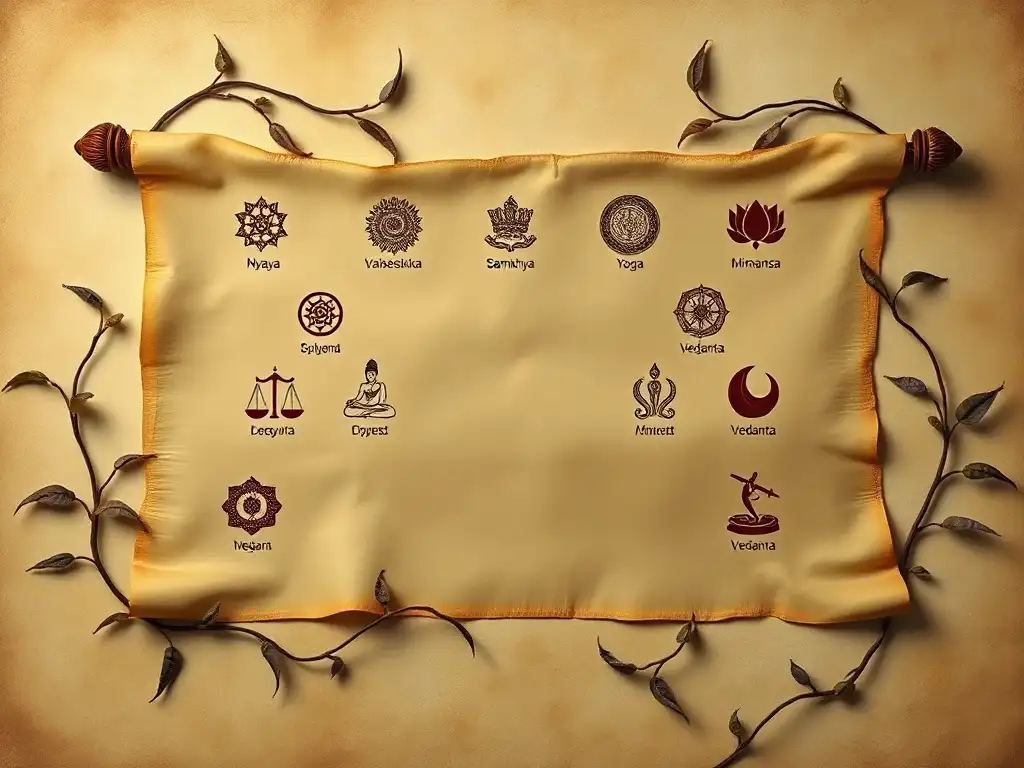
The six systems of Indian philosophy are:
- Nyaya: Focuses on logic and epistemology.
- Vaisheshika: Centers on metaphysics and the nature of reality, particularly through atomism.
- Samkhya: An enumeration system that categorizes various aspects of existence.
- Yoga: A practical system that emphasizes spiritual practices and union with the divine.
- Mimamsa: Prioritizes rituals and the correct interpretation of sacred texts.
- Vedanta: Explores the philosophical implications of the Upanishads and the nature of ultimate reality.
Each of these systems presents a distinct perspective, yet they collectively contribute to the rich tapestry of Indian philosophy, influencing not only religious practices but also ethical and metaphysical discourses.
Importance of Comparative Analysis in Indian Philosophy
Conducting a comparative analysis of these philosophical systems is essential for several reasons. Firstly, it allows scholars and enthusiasts alike to discern the unique features and methodologies employed by each system. Secondly, such analysis sheds light on the dialogues and debates that have shaped Indian philosophical discourse over centuries. By understanding how these systems interact, one can appreciate the evolution of thought and the synthesis of ideas that characterize Indian philosophy. This comparative approach not only enriches our understanding but also fosters a greater appreciation for the diversity and depth of philosophical inquiry in ancient India.
Purpose and Scope of the Article
This article aims to provide a comprehensive exploration of the six systems of Indian philosophy through a comparative lens. It seeks to:
- Analyze the foundational principles of each system, highlighting their contributions to philosophy.
- Compare and contrast their methodologies, epistemologies, and ethical frameworks.
- Engage readers with a deeper understanding of how these systems relate to one another and their relevance in contemporary philosophical discussions.
By delving into these aspects, we hope to illuminate the profound legacy of Indian philosophy and its enduring influence on global thought.
The Six Systems of Indian Philosophy: An Overview
1. Nyaya: The Logic System
Nyaya, which translates to "logic," is one of the most influential systems within Indian philosophy. It primarily focuses on the principles of reasoning and epistemology. The Nyaya philosophers argue that knowledge arises through a systematic process of perception, inference, and comparison. The main texts, known as the Nyaya Sutras, were authored by Gautama and serve as a foundational framework for understanding logical reasoning in philosophical discourse.
- Key Contributions:
- Development of formal logic.
- Classification of types of knowledge: perceptual, inferential, and authoritative.
2. Vaisheshika: The Atomistic System
Vaisheshika complements Nyaya by providing a metaphysical framework that centers on the nature of reality. Founded by Kanada, this system introduces the concept of anu (atoms) as the fundamental building blocks of the universe. Vaisheshika explores categories of existence and posits that understanding these atoms can lead to knowledge of the universe.
- Key Contributions:
- Introduction of the atomic theory.
- Distinction between categories of substance, quality, action, and relation.
3. Samkhya: The Enumeration System
Samkhya, attributed to Kapila, is a dualistic philosophy that enumerates the principles of reality, categorizing them into Purusha (consciousness) and Prakriti (matter). This system emphasizes the importance of understanding the interplay between these two fundamental realities to achieve liberation.
- Key Contributions:
- Classification of the elements of existence.
- Emphasis on the path to self-realization through knowledge of the self and the material world.
4. Yoga: The Path of Union
Yoga, closely associated with the Yoga Sutras of Patanjali, presents a practical approach to philosophy. It delineates a path of spiritual discipline aimed at achieving union with the divine through practices such as meditation, ethical conduct, and physical postures. Yoga emphasizes the transformative power of personal experience and self-discipline.
- Key Contributions:
- Systematic practices for mental and physical well-being.
- Integration of philosophy and spirituality.
5. Mimamsa: The Ritualistic System
Mimamsa, founded by Jaimini, focuses on the correct performance of rituals and the interpretation of sacred texts. This system underscores the importance of dharma (duty) and the efficacy of rituals in achieving desired outcomes. It serves as a foundational philosophy for Vedic practices.
- Key Contributions:
- Detailed analysis of Vedic texts and rituals.
- Framework for ethical and moral conduct based on duties.
6. Vedanta: The End of the Vedas
Vedanta, which means "the end of the Vedas," revolves around the teachings of the Upanishads. This system explores profound questions about the nature of reality, the self, and the ultimate goal of life. Key figures, such as Advaitha Vedanta philosopher Adi Shankaracharya, have shaped its discourse.
- Key Contributions:
- Exploration of non-dualism and the nature of Brahman.
- Emphasis on liberation (moksha) as the ultimate goal of life.
Through this comparative analysis, we will delve deeper into each of these systems, examining their unique perspectives and contributions to the rich tapestry of Indian philosophy.
Comparative Analysis of Indian Philosophy Systems
The six systems of Indian philosophy, known as the "Shad Darshanas," comprise Nyaya, Vaisheshika, Samkhya, Yoga, Mimamsa, and Vedanta. Each system offers unique perspectives on various philosophical topics, including metaphysics, epistemology, ethics, and the nature of reality. A comparative analysis of these systems reveals both their distinct characteristics and interconnections, fostering a deeper understanding of how they collectively contribute to the broader landscape of Indian thought.
This analysis not only highlights the differences among these systems but also emphasizes the common threads that bind them together. By examining their foundational principles, methodologies, and implications, we can appreciate the rich tapestry of philosophical inquiry that has emerged from ancient Indian civilization. The interactions between these systems have led to a dynamic philosophical discourse, influencing not only Indian thought but also the global philosophical landscape.
Methodology for Comparison
The methodology employed in this comparative analysis involves a multi-dimensional approach, focusing on several key criteria:
- Foundational Texts: Each philosophical system is grounded in its canonical texts. For instance, Nyaya is based on the "Nyaya Sutras," while Vedanta draws from the "Upanishads" and "Brahma Sutras." Analyzing these texts provides insight into the core tenets and arguments of each system.
- Key Concepts: Identifying and comparing fundamental concepts such as perception, inference, and ethical principles across the systems helps in understanding their unique contributions.
- Philosophical Categories: The analysis categorizes each system's contributions to various branches of philosophy, including epistemology, ethics, and metaphysics, allowing for a structured comparison.
- Inter-system Dialogue: Exploring how these systems engage with and critique one another reveals the dynamic nature of Indian philosophical discourse.
- Historical Context: Understanding the historical and cultural contexts in which these philosophies developed provides a backdrop for appreciating their evolution and relevance.
By employing this comprehensive methodology, we can draw meaningful comparisons that illuminate the strengths and weaknesses of each system.
Comparative Insights on Epistemology
Epistemology, or the study of knowledge, is a central theme across the six systems of Indian philosophy. Each system presents a distinct approach to understanding the nature, sources, and limits of knowledge:
- Nyaya: Focuses on logical reasoning as a means to acquire valid knowledge (prama). It emphasizes the importance of perception and inference, establishing a rigorous framework for epistemic evaluation.
- Vaisheshika: While primarily metaphysical, it contributes to epistemology by discussing the categories of existence and the nature of atoms, influencing how knowledge is conceptualized.
- Samkhya: Distinguishes between prakriti (nature) and purusha (consciousness), positing that knowledge arises from the interaction between these two realities, thereby providing a dualistic perspective on epistemology.
- Yoga: Emphasizes experiential knowledge obtained through meditation and introspection, highlighting the subjective aspect of knowledge acquisition.
- Mimamsa: Centers on the authority of the Vedas and ritual actions, arguing that knowledge comes from scriptural interpretation and practical application.
- Vedanta: Proposes that ultimate knowledge (Brahman) is realized through self-inquiry and the understanding of the non-dual nature of reality, transcending conventional epistemic boundaries.
This comparative insight reveals a rich epistemological landscape where each system contributes unique perspectives, enhancing our understanding of knowledge in the Indian philosophical tradition.
Ethical Considerations Across the Systems
The ethical frameworks established by the six systems reflect diverse approaches to morality, duty, and the nature of good and evil:
- Nyaya: Emphasizes justice and the importance of moral reasoning, focusing on the consequences of actions and the role of intention.
- Vaisheshika: Although primarily concerned with metaphysics, it acknowledges ethical principles related to the nature of atoms and their interactions, implying a moral order in the universe.
- Samkhya: Advocates for ethical living by recognizing the distinction between purusha and prakriti, urging individuals to pursue liberation (moksha) through right action.
- Yoga: Places a strong emphasis on personal ethics, including the Yamas and Niyamas, which guide behavior and foster spiritual growth.
- Mimamsa: Focuses on dharma (duty) as a central ethical principle, arguing that performing one's duties according to Vedic injunctions leads to spiritual and societal harmony.
- Vedanta: Advocates for selfless action (karma yoga) and compassion, promoting a universal ethical perspective that transcends individual interests.
The ethical considerations across these systems showcase a rich dialogue about morality, duty, and the path to spiritual enlightenment, reflecting the complexities of human experience.
Metaphysical Perspectives: A Comparative Study
Metaphysics, the study of reality and existence, is a crucial area of exploration in Indian philosophy. Each system presents distinct metaphysical perspectives:
- Nyaya: Proposes a realist metaphysics, asserting the existence of a tangible world governed by logical principles.
- Vaisheshika: Introduces an atomistic view of reality, positing that all entities consist of indivisible particles, which interact to form the macroscopic world.
- Samkhya: Offers a dualistic metaphysics, distinguishing between the conscious self (purusha) and the material world (prakriti), providing a framework for understanding the relationship between mind and matter.
- Yoga: Shares the dualistic view of Samkhya but emphasizes the practical aspects of metaphysics through meditative practices that aim to transcend the material realm.
- Mimamsa: Primarily focuses on ritual action and its metaphysical implications, asserting that the performance of Vedic rituals creates a moral order in the universe.
- Vedanta: Advocates for non-dualism (Advaita), proposing that all existence is ultimately one, with individual selves being manifestations of a singular reality (Brahman).
This comparative study highlights the diversity of metaphysical thought within Indian philosophy, revealing how each system addresses fundamental questions about the nature of existence.
The Impact of the Six Systems on Indian Thought
The influence of the six systems of Indian philosophy extends far beyond their original contexts, shaping various aspects of Indian thought and culture.
Historical Context and Evolution of Indian Philosophy
The evolution of Indian philosophy can be traced through its historical context, marked by significant events and cultural shifts. The early philosophical texts date back to the Vedic period (circa 1500-500 BCE), where foundational ideas emerged. Over centuries, these ideas were refined and challenged, leading to the development of the six systems as coherent frameworks.
The rise of Buddhism and Jainism in the 6th century BCE further stimulated philosophical inquiry, prompting responses from the orthodox schools of thought. The interaction between these systems and external influences, such as Greek philosophy, during the Hellenistic period also contributed to their evolution. Thus, the historical context reveals a landscape of dynamic intellectual exchange that shaped the discourse of Indian philosophy.
Influence on Contemporary Philosophy and Global Thought
The six systems of Indian philosophy have significantly influenced contemporary philosophical thought both in India and globally. Their exploration of metaphysical questions, ethics, and epistemology resonates with many modern philosophical movements. For example, the emphasis on experiential knowledge in Yoga has parallels with existentialism, while Vedanta's non-dualism finds echoes in various spiritual and philosophical traditions worldwide.
Furthermore, the ethical frameworks established by these systems continue to inform contemporary discussions on morality, duty, and social justice. Philosophers and scholars are increasingly recognizing the value of integrating insights from Indian philosophy into contemporary debates, enriching the global philosophical landscape.
Contributions to Modern Indian Culture and Spirituality
The contributions of the six systems to modern Indian culture and spirituality are profound. Their teachings continue to underpin various spiritual practices, from yoga and meditation to ritualistic traditions. The philosophical insights derived from these systems have inspired numerous spiritual leaders and movements, emphasizing the pursuit of self-realization and ethical living.
Moreover, the resurgence of interest in Indian philosophy has led to its incorporation into educational curricula and cultural programs, fostering a renewed appreciation for its rich heritage. The ongoing dialogue between ancient philosophical traditions and modernity exemplifies the enduring relevance of these systems in shaping contemporary Indian identity and thought.
Conclusion: The Significance of Indian Philosophy Systems Comparison
The comparison of the six systems of Indian philosophy—Nyaya, Vaisheshika, Samkhya, Yoga, Mimamsa, and Vedanta—provides profound insights into the development of philosophical thought in ancient India. Each system presents unique methodologies and epistemologies that collectively contribute to a comprehensive understanding of reality, consciousness, and ethics. By engaging in a comparative analysis of these philosophical frameworks, we not only appreciate their individual merits but also recognize their interconnections and shared intellectual heritage. This comparative approach emphasizes the richness of Indian philosophical traditions, showcasing how they address fundamental questions about existence and the nature of knowledge.
Summary of Key Findings in the Comparative Analysis
The comparative analysis reveals several key findings:
- Epistemological Diversity: Each system offers distinct epistemological perspectives. For instance, Nyaya emphasizes logic and inference, while Samkhya relies on enumeration and categorization of the elements of existence.
- Metaphysical Frameworks: The systems present varying metaphysical views. Vaisheshika advocates for atomism, proposing that all substances are made up of indivisible particles, whereas Vedanta focuses on the ultimate reality (Brahman) and its relationship with the individual soul (Atman).
- Ethical Implications: The systems also diverge in their ethical implications. Mimamsa highlights the significance of ritual and duty, while Yoga emphasizes personal discipline and the pursuit of liberation through meditative practices.
- Interdisciplinary Connections: The interplay between these systems illustrates how they influenced various fields such as science, psychology, and spiritual practices, enriching the broader cultural landscape of ancient India.
These findings underscore not only the philosophical depth of each system but also their collective contributions to the holistic nature of Indian philosophy.
The Legacy of the Six Systems in Contemporary Philosophy
The legacy of the six systems of Indian philosophy continues to resonate in contemporary thought. Modern philosophers and scholars draw upon these ancient frameworks to engage in discussions about ethics, metaphysics, and epistemology. For example, the principles of yoga have transcended religious boundaries and have been integrated into modern wellness practices, emphasizing mental and physical well-being.
Moreover, the logical rigor of Nyaya has influenced contemporary analytic philosophy, while the metaphysical inquiries of Vedanta are reflected in discussions about consciousness and existence in modern science and philosophy. The emphasis on dialogue and pluralism within these systems fosters a spirit of inquiry that encourages interdisciplinary collaboration, making them relevant in current philosophical discourse.
Final Thoughts on the Relevance of Indian Philosophy Today
The relevance of Indian philosophy today cannot be overstated. As the world grapples with complex issues such as ethical dilemmas, environmental concerns, and the quest for meaning, the insights provided by the six systems offer valuable perspectives.
Indian philosophy invites individuals to explore the interconnectedness of life, emphasizing holistic approaches that consider the welfare of all beings. The teachings on mindfulness, ethics, and the nature of reality resonate with contemporary movements toward sustainability, mental health, and social justice.
The comparative analysis of the Indian philosophy systems not only enriches our understanding of ancient thought but also highlights its enduring significance in addressing the challenges of the modern world. By engaging with these philosophical traditions, we can cultivate a deeper appreciation for the diverse intellectual heritage of humanity and its potential to guide us toward a more harmonious future.
- Introduction to Indian Philosophy Systems
- The Six Systems of Indian Philosophy: An Overview
- Comparative Analysis of Indian Philosophy Systems
- The Impact of the Six Systems on Indian Thought
- Conclusion: The Significance of Indian Philosophy Systems Comparison
Frequently Asked Questions
What are the Six Systems of Indian Philosophy?
The Six Systems of Indian philosophy, also known as Darshanas, include Nyaya, Vaisheshika, Sankhya, Yoga, Mimamsa, and Vedanta. Each system offers unique perspectives on metaphysics, epistemology, and ethics.
How do these systems compare with each other?
The comparison of these systems reveals their distinct methodologies and approaches to understanding reality and knowledge. For instance, Nyaya focuses on logic and reasoning, while Sankhya emphasizes enumeration and categorization.
What is the significance of Indian philosophy?
Indian philosophy plays a crucial role in shaping cultural and spiritual thought in India. It influences a wide range of fields, including science, art, and politics, reflecting the diversity of thought in ancient civilizations.
How did the Gupta Empire contribute to Indian philosophy?
The Gupta Empire was a golden age for Indian philosophy, facilitating significant intellectual advancements. It fostered a climate where various schools of thought could flourish, leading to a rich tapestry of philosophical discourse.
Can these philosophies be applied to modern issues?
Absolutely! The principles derived from the Six Systems can be applied to contemporary issues such as ethics, psychology, and socio-political discussions, offering timeless insights into human behavior and societal structures.
Final Reflection: The Enduring Legacy of Indian Philosophy Systems
The exploration of the six systems of Indian philosophy serves as a profound reminder of the rich intellectual heritage that continues to shape contemporary thought. In an era where diverse perspectives are more crucial than ever, understanding these philosophical frameworks offers invaluable insights into the complexities of human existence and the nature of reality. The comparative analysis of these systems not only highlights their unique contributions but also underscores the interconnectedness of ideas that transcends cultural boundaries.
Culture and society are inextricably linked to the philosophical foundations upon which they stand. The teachings of Nyaya, Vaisheshika, Samkhya, Yoga, Mimamsa, and Vedanta resonate through time, influencing everything from ethical considerations to metaphysical inquiries. As we navigate the challenges of modern life, the wisdom embedded in these philosophies encourages us to engage in deeper self-reflection and critical thinking. Philosophy is the highest music.
– Plato. This quote encapsulates the harmony that emerges when we embrace diverse philosophical perspectives, allowing us to create a more nuanced understanding of our world.
As we conclude this exploration, I invite you to reflect on how the principles of these Indian philosophy systems can be integrated into your own life. Consider the ways in which these teachings can inspire personal growth, foster empathy, and encourage a more profound connection with others. Let us carry forward the lessons learned from this rich philosophical tradition, applying them to our daily lives and contributing to a more harmonious and enlightened society. Embrace the journey of understanding, and allow the wisdom of Indian philosophy to guide you toward a more meaningful existence.
Embrace the Wisdom of Indian Philosophy Today!
Thank you for diving into the intricate landscape of the six systems of Indian philosophy! Your curiosity not only enriches your understanding but also brings the timeless wisdom of our ancestors to light. Now, let’s take your exploration a step further with these impactful actions:
- Explore a System: Choose one of the six philosophical systems—be it Vedanta, Samkhya, Yoga, Nyaya, Vaisheshika, or Mimamsa—and read a primary text. Transform your perspective through these foundational teachings.
- Join a Discussion Group: Seek out or create a local or online group where you can share insights and engage in conversations about Indian philosophies. Connect with fellow thinkers and expand your horizons!
- Write Your Reflections: Pen down your thoughts on how any of these philosophies resonate with your life today. Share your journey with others through a blog or social media!
What aspect of Indian philosophy resonates with you the most, and how do you see it influencing your everyday life?