
The Evolution of Prakrit and Pali: Unlocking the Languages of Ancient India


Welcome to Ancient India History, where we embark on a fascinating journey through the rich tapestry of ancient Indian civilizations. In our featured article, “The Evolution of Prakrit and Pali: Unlocking the Languages of Ancient India,” we delve into the intricate world of languages that shaped cultural and philosophical thought from the Indus Valley to the Gupta Empire. Discover how these ancient tongues not only reflect the diversity of their time but also open a window into the beliefs and practices of the people who spoke them.
Are you ready to unlock the secrets of ancient linguistics? Join us as we explore this captivating chapter of history!
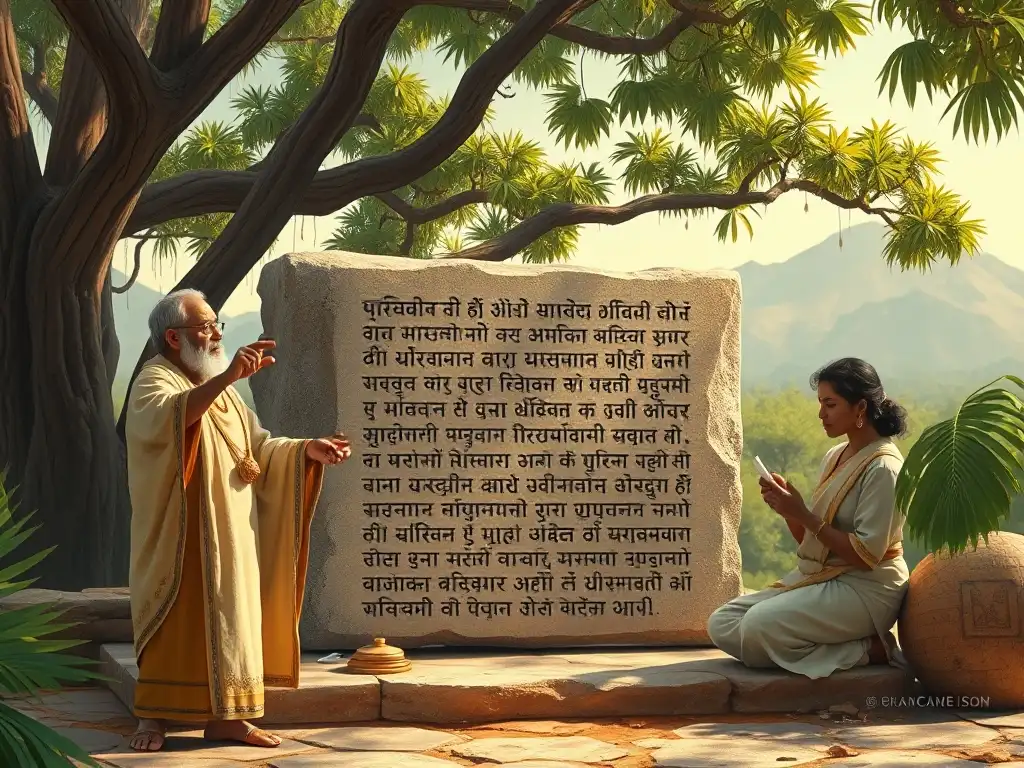
The languages of ancient India, particularly Prakrit and Pali, serve as vital keys to understanding the rich tapestry of cultural and historical narratives from this remarkable civilization. These languages not only reflect the linguistic diversity of the Indian subcontinent but also embody the philosophical, religious, and literary traditions that flourished over centuries.
As we delve into the evolution of Prakrit and Pali, we uncover their origins, development, and significance within the broader context of ancient Indian society. This exploration reveals how these languages shaped communication, education, and the dissemination of ideas, making them essential for anyone interested in the languages of ancient India.
Introduction to the Languages of Ancient India
Overview of Prakrit and Pali
Prakrit encompasses a group of Middle Indo-Aryan languages that emerged around the 6th century BCE. Unlike Sanskrit, which was primarily a scholarly and liturgical language, Prakrit was used in everyday conversation and literature, making it more accessible to the general populace. This linguistic evolution allowed for a rich array of dialects to flourish across different regions, reflecting local cultures and practices.
Pali, on the other hand, is often recognized as a standardized form of Prakrit. It gained prominence as the language of the Buddhist scriptures, particularly the Tripitaka, which encapsulates the teachings of the Buddha and serves as a cornerstone for Theravada Buddhism. The significance of Pali lies not only in its religious context but also in its role as a vehicle for philosophical discourse and moral teachings.
Importance of Studying Ancient Indian Languages
Studying Prakrit and Pali is crucial for several reasons:
- Cultural Heritage: These languages provide insight into the social structures, beliefs, and practices of ancient Indian civilizations.
- Literary Contributions: They host a wealth of literature, including poetry, drama, and philosophical treatises, which are vital for understanding early Indian thought.
- Linguistic Evolution: Analyzing these languages helps linguists trace the evolution of Indo-Aryan languages and their influences on modern languages spoken in India today.
Historical Context of Prakrit and Pali
Origins of Prakrit Languages in Ancient India
The origins of Prakrit can be traced back to the decline of Vedic Sanskrit around the 6th century BCE, reflecting a shift towards more vernacular forms of communication. This transition was likely influenced by the social and economic changes occurring at the time, as new urban centers emerged and diverse communities interacted. Prakrit languages, therefore, represent a linguistic adaptation to the evolving cultural landscape of ancient India.
The Role of Pali in Buddhist Scriptures
Pali's ascent to prominence is closely tied to the spread of Buddhism during the 5th century BCE. As Buddhist missionaries traveled across Asia, they utilized Pali to convey the teachings of the Buddha, ensuring the preservation and accessibility of these texts. The significance of Pali as a liturgical language cannot be overstated; it served as a bridge for spiritual and philosophical ideas, influencing various schools of thought across the region.
Influences of Other Languages on Prakrit and Pali
Both Prakrit and Pali were not developed in isolation; they absorbed and adapted elements from neighboring languages and cultures. The Dravidian languages, alongside Greek and Persian influences due to trade and conquest, contributed to the evolution of vocabulary and phonetics in these languages. This interplay highlights the dynamic nature of ancient Indian linguistic landscapes, showcasing the complexity of cultural exchanges that shaped the region's history.
In this article, we will further explore these themes, delving deeper into the intricate relationships between Prakrit, Pali, and the broader context of ancient Indian languages and cultures.
Linguistic Features of Prakrit and Pali
Prakrit and Pali are two of the most significant languages in the context of ancient Indian linguistics, both serving as vital links to understanding the cultural and philosophical developments of their time. These languages arise from the same Indo-Aryan family and share several linguistic features, but they also exhibit distinct characteristics that reflect their unique historical contexts.
Phonology and Grammar of Prakrit
Prakrit languages are characterized by their relatively simple phonological systems compared to Sanskrit, which is more complex. The phonetic inventory of Prakrit includes a range of vowels and consonants, often with a more relaxed articulation. For instance, Prakrit features the elision of certain sounds, making it more accessible for everyday communication.
In terms of grammar, Prakrit is marked by its use of a less rigid grammatical structure compared to Sanskrit. It typically employs a subject-object-verb (SOV) order, but this can vary more flexibly than in the classical languages. The declension system is also simpler, with fewer cases, making it easier for speakers to learn and use. Prakrit languages exhibit a rich array of verb forms, which are often influenced by the vernacular speech patterns of the time, allowing for a dynamic expression of ideas.
Syntax and Vocabulary of Pali
Pali, on the other hand, is recognized for its role as the liturgical language of Theravada Buddhism. Its syntax largely adheres to a more standardized structure, often reflecting the formalized style appropriate for religious texts. Pali employs the SOV word order predominantly, with a strong emphasis on the agreement between subjects and verbs in terms of gender and number.
The vocabulary of Pali is deeply influenced by the religious and philosophical context in which it developed. It contains numerous terms related to Buddhist doctrine, ethics, and cosmology, which are essential for the transmission of Buddhist teachings. Additionally, Pali has absorbed elements from Prakrit, particularly in its vernacular expressions, making it a bridge between the spoken languages of the time and the written traditions that followed.
Comparison of Linguistic Structures Between Prakrit and Pali
When comparing Prakrit and Pali, one notices both similarities and differences in their linguistic structures. While both languages share a common ancestry, Prakrit is often viewed as a more colloquial and fluid language, making it suitable for poetry and drama. Its variations across regions reflect the diversity of ancient Indian society.
Conversely, Pali's structure is more uniform, largely due to its use in religious texts. This consistency has contributed to Pali's preservation over centuries, allowing it to remain a vital part of Buddhist studies. Notably, while Prakrit exhibits a multitude of dialects, Pali maintains a standardized form, which helps in the accurate transmission of Buddhist teachings.
Cultural Significance of Prakrit and Pali
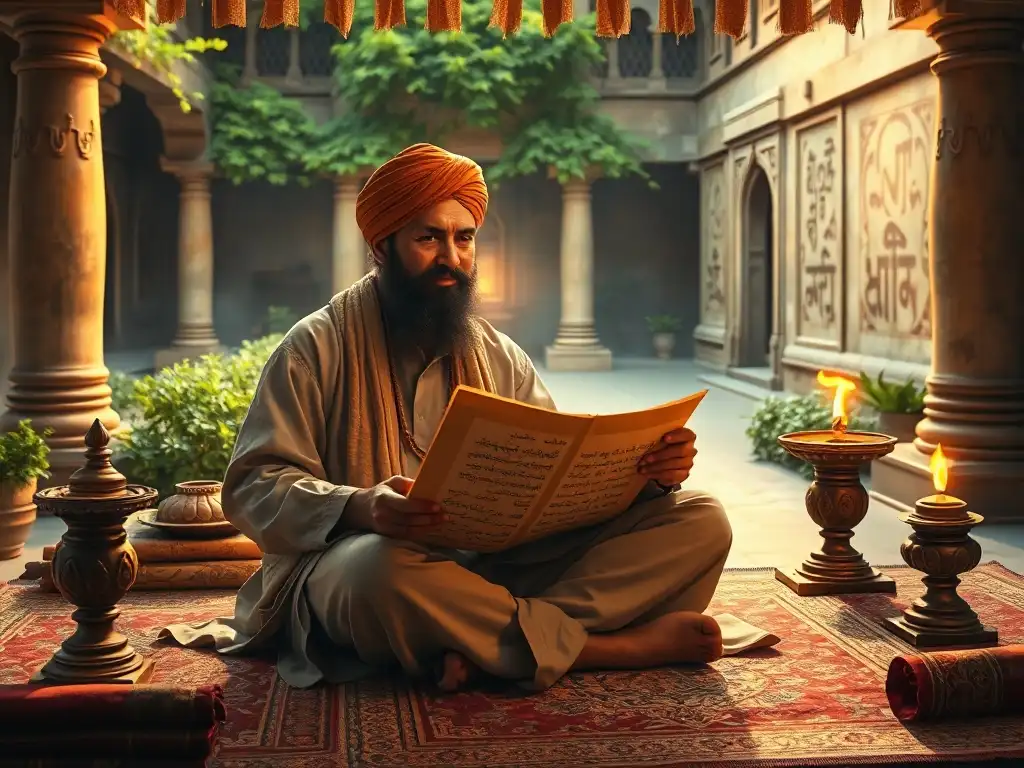
The cultural significance of Prakrit and Pali extends far beyond their linguistic attributes; they represent the intellectual and spiritual currents of ancient India. Each language serves as a testament to the region's rich heritage, influencing not only literature and religion but also the very fabric of Indian society.
Prakrit in Literature and Poetry
Prakrit has a notable presence in ancient Indian literature, particularly in the context of drama and poetry. Renowned playwrights like Kalidasa and Bhasa utilized Prakrit in their works to convey emotions and ideals effectively. The use of Prakrit in characters’ dialogues often highlighted their social status or regional identity, providing a linguistic depth to the narratives.
Moreover, Prakrit poetry often employs a variety of meters and forms, reflecting the artistic sensibilities of the time. The language's capacity for lyrical expression has led to the preservation of numerous poetic texts that illuminate the cultural nuances of ancient Indian life. This literary tradition continues to influence modern Indian poetry, showcasing the enduring legacy of Prakrit.
Pali as the Language of Early Buddhist Texts
Pali holds a unique position as the language of the earliest Buddhist scriptures, known as the Pali Canon or Tipitaka. These texts, which include the Vinaya Pitaka (rules for monastic discipline), the Sutta Pitaka (discourses of the Buddha), and the Abhidhamma Pitaka (philosophical analysis), are foundational to Theravada Buddhism.
The significance of Pali is immense, as it provides insights into the teachings of the Buddha and the early Buddhist community. The preservation of these texts in Pali has allowed for the continuity of Buddhist philosophy and practice across centuries. Additionally, the language has played a crucial role in the dissemination of Buddhist thought beyond India, influencing cultures in Southeast Asia and beyond.
The Influence of Prakrit and Pali on Modern Indian Languages
The impact of Prakrit and Pali extends into contemporary Indian languages, where their features and vocabulary can still be traced. Many modern Indian languages, including Hindi, Bengali, and Marathi, have absorbed elements of Prakrit through centuries of cultural exchange and literary development.
Pali, while less influential in everyday language, has enriched the vocabulary of religious and philosophical discourse within Buddhist communities. Terms rooted in Pali are frequently used in spiritual contexts, demonstrating the language's lasting relevance.
The legacy of Prakrit and Pali is evident not only in historical texts but also in the living languages of modern India, illustrating their profound influence on the linguistic landscape of the region.
The Decline and Revival of Prakrit and Pali
The decline and revival of Prakrit and Pali reflect the dynamic nature of languages and their relationship with culture, religion, and society in ancient India. Originally flourishing during the early centuries of the Common Era, both languages saw their prominence wane with the rise of Sanskrit and later vernacular languages. However, their legacy endures, as recent scholarship has renewed interest in these ancient tongues, exploring their significance in the context of Indian history and culture.
Factors Contributing to the Decline of Prakrit
Several factors contributed to the decline of Prakrit languages during the medieval period:
- Sanskrit Supremacy: As the language of the elite and scholarly texts, Sanskrit overshadowed Prakrit. Its association with religious and philosophical literature made it the preferred medium for education and administration.
- Political Changes: The rise of regional kingdoms and the establishment of vernacular languages shifted the linguistic landscape. As local dialects gained prominence, Prakrit's relevance diminished, particularly in literary and official domains.
- Religious Shifts: The decline of Buddhism, which had utilized Pali extensively in its scriptures, and the resurgence of Hinduism contributed to a reduced focus on these languages. As Hindu texts became more central to religious life, Pali and Prakrit fell out of common use.
- Cultural Assimilation: The integration of various ethnic groups into the Indian social fabric led to the emergence of new languages and dialects, further diluting the prominence of Prakrit.
The Resurgence of Interest in Pali Studies
In recent decades, there has been a notable resurgence of interest in Pali studies, driven by various factors:
- Buddhist Revival: The global revival of Buddhism has led to renewed studies of Pali texts, which are crucial to understanding Buddhist philosophy and practices. Scholars and practitioners alike seek to engage with these ancient scriptures.
- Scholarly Research: Increased academic focus on ancient Indian languages has resulted in more comprehensive studies of Pali and its literature. Universities worldwide now offer courses and programs dedicated to these languages, further promoting their study.
- Cultural Heritage: As countries recognize the importance of preserving their cultural heritage, Pali is being explored not only as a religious language but also as a vital part of historical identity, fostering greater appreciation for its contributions.
- Digital Humanities: The advent of digital technologies has made ancient texts more accessible. Online databases and digitized manuscripts have enabled scholars and enthusiasts to explore Prakrit and Pali literature easily.
Contemporary Relevance of Ancient Indian Languages
The languages of ancient India, particularly Prakrit and Pali, remain relevant in contemporary society for several reasons:
- Cultural Identity: For many communities, these languages are a source of pride and identity. The preservation and study of Prakrit and Pali connect contemporary speakers to their historical roots.
- Literary Heritage: Ancient texts in Prakrit and Pali continue to be studied for their literary value. They offer insights into the social, political, and cultural contexts of their time, enriching our understanding of the past.
- Interdisciplinary Studies: The study of these languages intersects with various fields, including linguistics, anthropology, and religious studies, fostering a holistic approach to understanding ancient Indian civilizations.
- Education and Awareness: Educational institutions are increasingly incorporating these languages into their curricula, raising awareness about their historical significance among new generations.
Conclusion: The Legacy of Prakrit and Pali in Ancient Indian History
The legacy of Prakrit and Pali in ancient Indian history is profound, influencing various aspects of culture, literature, and religion. Their evolution from vibrant, spoken languages to texts of scholarly interest highlights the complexities of linguistic change over time.
Enduring Influence on Indian Culture and Literature
The influence of Prakrit and Pali is evident in various facets of Indian culture:
- Literature: Many classical works in Sanskrit and regional languages drew inspiration from Prakrit literature. The themes, styles, and narratives established in Prakrit texts resonate in later literary traditions.
- Performing Arts: Traditional theatre and dance forms often incorporate elements from Prakrit literature, showcasing the language's lasting impact on cultural expressions.
- Philosophical Discourses: Pali texts, particularly those pertaining to Buddhism, continue to shape philosophical discussions and spiritual practices within and beyond India.
Future Directions for Research on the Languages of Ancient India
The future of research on the languages of ancient India, including Prakrit and Pali, looks promising:
- Interdisciplinary Collaboration: Scholars from diverse fields, including linguistics, archaeology, and cultural studies, are likely to collaborate, offering multifaceted insights into the historical significance of these languages.
- Global Perspectives: With the globalization of education, there is potential for increased international research on Prakrit and Pali, enriching our understanding of their impact on global cultures.
- Preservation Efforts: Ongoing efforts to digitize and preserve manuscripts will enhance accessibility, allowing for more extensive study and appreciation of these ancient languages.
- Community Engagement: Initiatives aimed at reviving interest in Prakrit and Pali among local communities can foster a deeper connection with cultural heritage, ensuring that these languages and their histories continue to thrive.
- Introduction to the Languages of Ancient India
- Historical Context of Prakrit and Pali
- Linguistic Features of Prakrit and Pali
- Cultural Significance of Prakrit and Pali
- The Decline and Revival of Prakrit and Pali
- Conclusion: The Legacy of Prakrit and Pali in Ancient Indian History
Frequently Asked Questions
What are Prakrit and Pali?
Prakrit and Pali are ancient languages of India that evolved from Sanskrit. They played a significant role in literature, philosophy, and religious texts.
How did Prakrit differ from Sanskrit?
Prakrit is a simplified and vernacular form of Sanskrit, making it more accessible to the general populace. It was often used in everyday conversation and regional literature.
What was the significance of Pali in ancient India?
Pali is particularly important as the liturgical language of Theravada Buddhism. Many of the Buddhist scriptures were written in Pali, making it a critical language for understanding Buddhist teachings.
Which ancient Indian civilizations used these languages?
Both Prakrit and Pali were used across various ancient Indian civilizations, including the Maurya and Gupta Empires. They contributed to the cultural and literary richness of the time.
How did the evolution of these languages influence modern Indian languages?
The evolution of Prakrit and Pali significantly influenced many modern Indian languages, especially in terms of vocabulary and syntax. They laid the groundwork for linguistic diversity in the region.
Final Reflection: The Enduring Legacy of Ancient Indian Languages
The exploration of Prakrit and Pali reveals not only the rich tapestry of linguistic evolution in ancient India but also their profound relevance in today’s multicultural world. As we navigate through an era marked by globalization and cultural exchange, understanding these ancient languages offers us invaluable insights into the roots of human expression and communication. The languages of ancient India serve as a bridge connecting us to our past, reminding us that language is not merely a tool for communication but a vessel of culture, philosophy, and identity.
The influence of Prakrit and Pali extends far beyond their historical context; they continue to shape the cultural and spiritual landscape of modern society. These languages embody the philosophical teachings and literary traditions that have transcended time, fostering a sense of belonging and continuity among diverse communities. Language is the road map of a culture. It tells you where its people come from and where they are going.
This quote encapsulates the essence of how ancient languages like Prakrit and Pali guide us in understanding the evolution of thought and belief systems that still resonate today.
As we reflect on the significance of the languages of ancient India, I invite you to consider how these lessons can be applied in your own life. Embrace the diversity of languages and cultures around you, and seek to understand the stories they tell. By doing so, you not only honor the legacy of Prakrit and Pali but also contribute to a more inclusive and empathetic world. Let us carry forward the wisdom of our ancestors and recognize that every language holds the power to connect us, inspire us, and illuminate our shared humanity.
Unlock the Wisdom of Ancient Languages!
Thank you for taking the time to explore the fascinating evolution of Prakrit and Pali with us! We hope you’ve gained valuable insights into these ancient languages and their profound impact on culture and history. Now, it’s your turn to dive deeper and keep this knowledge alive!
Here’s how you can take action:
- Join a local language group or online forum to practice Prakrit or Pali and exchange ideas with fellow enthusiasts.
- Explore historical texts: Visit your library or search online to find translations of key literature in Prakrit and Pali—immerse yourself in their rich narratives.
- Share what you’ve learned with friends and family: Discuss the significance of these languages in shaping ancient Indian civilization.
What aspect of Prakrit or Pali interests you the most, and how do you think exploring these languages could enrich your understanding of ancient cultures?