
How Pali Literature Provides Insight into Ancient Indian Society

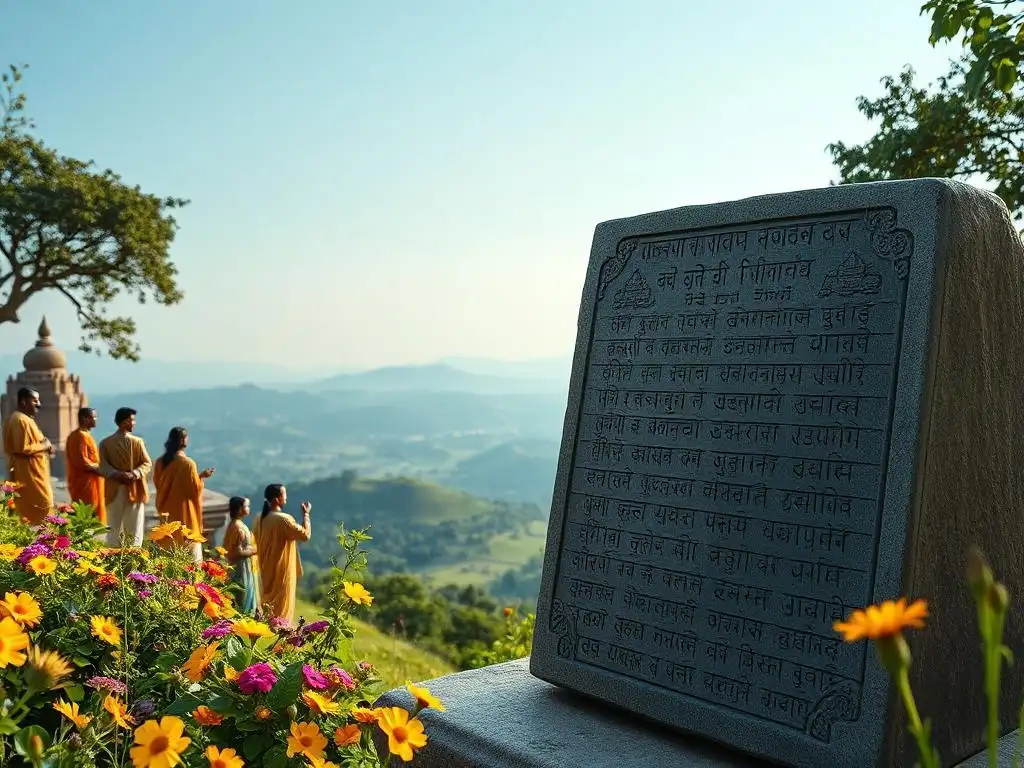
Welcome to Ancient India History, where we embark on a journey through the captivating tapestry of ancient Indian civilizations. Here, we delve into the profound Pali literature, a treasure trove of insights that unveils the complexities of ancient Indian society. As you explore our latest article, "How Pali Literature Provides Insight into Ancient Indian Society," prepare to uncover the intricate connections between language, culture, and history that have shaped this remarkable civilization.
Join us in unraveling the stories held within ancient texts and discover how they illuminate the beliefs, practices, and everyday lives of our ancestors. Your adventure into the past starts here!
- Introduction to Pali Literature and Ancient Indian Society
- The Origins of Pali Literature
- Themes in Pali Literature Reflecting Ancient Indian Society
- The Role of Pali Literature in Shaping Ancient Indian Thought
- Pali Literature's Contribution to Understanding Ancient Indian Society
- Comparative Analysis of Pali Literature and Other Ancient Indian Texts
- Conclusion: The Lasting Impact of Pali Literature on Our Understanding of Ancient Indian Society
-
Frequently Asked Questions
- What is Pali literature and its significance in ancient Indian society?
- How does Pali literature reflect the culture of ancient India?
- What are some key texts included in Pali literature?
- In what ways does Pali literature influence modern understanding of ancient Indian history?
- How does the study of Pali literature contribute to the understanding of ancient Indian civilization?
- Final Reflection: Pali Literature as a Window into Ancient Indian Society
- Dive Deeper into Pali Literature!
Introduction to Pali Literature and Ancient Indian Society
Pali literature serves as a vital key to understanding the intricacies of ancient Indian society, illuminating not only the linguistic developments of the time but also the cultural, philosophical, and religious practices that shaped the subcontinent. As a language closely associated with the teachings of Buddhism, Pali offers invaluable insights into the socio-political dynamics, ethical values, and everyday life of the people during the ancient era.
The exploration of Pali texts reveals a rich tapestry of narratives, doctrines, and historical accounts that reflect the diverse experiences and ideologies prevalent in ancient India. This article delves into the significance of Pali literature and its profound impact on our understanding of ancient Indian society, highlighting its relevance in the broader context of language and cultural heritage.
Understanding Pali Literature in the Context of Ancient India
Pali literature encompasses a diverse array of texts, primarily rooted in Theravada Buddhism, which flourished in ancient India and later spread to various parts of Southeast Asia. The core texts, known as the Pali Canon or Tipitaka, consist of three "baskets" (pitaka) that include:
- Vinaya Pitaka: Regulating the monastic community and outlining ethical conduct.
- Sutta Pitaka: Comprising discourses attributed to the Buddha, which cover moral teachings, philosophical discussions, and parables.
- Abhidhamma Pitaka: A detailed analysis of Buddhist philosophy and psychology.
These texts were not only instrumental in preserving Buddhist teachings but also served as a mirror reflecting the social structures, gender roles, and community dynamics of ancient Indian life. The narratives within these texts provide a glimpse into the daily lives of ordinary people, their struggles, aspirations, and the moral frameworks that guided their actions.
Moreover, the use of Pali as a literary medium allowed for the dissemination of Buddhist ideas across different regions, contributing to a shared cultural and spiritual heritage. The dialogues and debates encapsulated in Pali literature highlight the intellectual exchanges that characterized ancient Indian society, making it an essential area of study for historians and linguists alike.
Importance of Pali as a Language in Historical Texts
Pali holds a unique position in the study of ancient Indian languages and scripts. As a Prakrit language, it emerged as a vernacular counterpart to the classical Sanskrit, making Buddhist teachings accessible to a broader audience. This democratization of knowledge through the use of Pali is significant, as it reflects an early attempt to engage with the common populace, transcending the elite circles often associated with Sanskrit literature.
The historical significance of Pali is further underscored by its role in the preservation of not only Buddhist texts but also various cultural, ethical, and philosophical ideas that influenced the Indian subcontinent. By studying Pali literature, scholars can trace the evolution of language, ideas, and historical narratives, thereby gaining a deeper understanding of the socio-cultural fabric of ancient India.
Pali literature is not merely a collection of religious texts; it is a vital resource that provides profound insights into the complexities of ancient Indian society. As we unravel the layers of Pali texts, we uncover the rich heritage of a civilization that continues to influence contemporary thought and culture.
The Origins of Pali Literature

Pali literature represents a vital segment of ancient Indian literary history, providing profound insights into the religious, social, and cultural fabric of early Indian society. The term 'Pali' refers to the Middle Indo-Aryan language that emerged around the 3rd century BCE and is predominantly associated with the Theravada Buddhist tradition. Its origins can be traced back to the linguistic developments stemming from the earlier Vedic and Sanskrit languages, paralleling the evolution of various regional dialects across the Indian subcontinent.
Historical Background of Pali Literature
Pali literature primarily flourished during the period following the life of Gautama Buddha (circa 563-483 BCE). The Buddha's teachings were initially transmitted orally, which was a common practice for many ancient traditions. As Buddhism spread throughout India and beyond, the need for a written form became apparent, leading to the compilation of texts in Pali.
The Tipitaka, also known as the Pali Canon, is the most significant collection of early Buddhist scriptures composed in Pali. It is divided into three "baskets" or "pitaka":
- Vinaya Pitaka: Rules and regulations for monastic discipline.
- Sutta Pitaka: Discourses attributed to the Buddha and his close disciples.
- Abhidhamma Pitaka: Philosophical and doctrinal analysis of the teachings.
The compilation of the Tipitaka began around the 1st century BCE and continued to evolve over subsequent centuries. This literature not only serves as a religious scripture but also reflects the socio-political context of ancient Indian society during this transformative period. The preservation of Pali texts was significantly aided by the efforts of the Buddhist councils, particularly the Third Buddhist Council convened during the reign of Emperor Ashoka (circa 268-232 BCE), which played a crucial role in standardizing and disseminating Pali literature.
Key Texts and Manuscripts in Pali Literature
Pali literature encompasses a wide array of texts that provide insights into various aspects of ancient Indian society, including ethics, governance, and community life. Some of the key texts and manuscripts include:
- Dhammapada: A revered anthology of verses attributed to the Buddha, focusing on ethical conduct and mental training.
- Jataka Tales: Narratives detailing the previous lives of the Buddha, illustrating moral lessons and the concept of karma.
- Milindapañha: A dialogue between King Milinda and the Buddhist monk Nagasena, exploring complex philosophical questions and Buddhist doctrines.
Notable manuscripts of Pali literature have been discovered across different regions, including:
| Manuscript Name | Location Found | Significance |
|---|---|---|
| Burmese Pali Canon | Myanmar (Burma) | One of the most complete collections of Pali texts. |
| Sri Lankan Manuscripts | Sri Lanka | Essential for understanding Theravada Buddhism's evolution. |
| Pali Manuscripts from Thailand | Thailand | Important for studying regional interpretations of Buddhism. |
The ongoing preservation and study of these texts, often found in monasteries and universities, ensure that Pali literature remains a crucial resource for understanding ancient Indian society and the enduring legacy of Buddhism.
Pali literature not only serves as a repository of religious teachings but also as a reflection of the values, beliefs, and social structures of ancient India. By examining these texts, scholars gain deeper insights into the dynamics of ancient Indian society, making it an invaluable area of study within the broader context of Indian history.
Themes in Pali Literature Reflecting Ancient Indian Society

Pali literature offers a profound glimpse into the intricate social structures and hierarchies that characterized ancient Indian society. The texts, primarily composed in the Pali language, reflect a stratified society with clear distinctions between various groups. Buddhist texts, such as the Tipitaka, delineate the roles and responsibilities of different social classes, including the Brahmins, Kshatriyas, Vaishyas, and Shudras.
These stratifications are evident in numerous stories and teachings. For instance, the Jataka tales, which narrate the previous lives of the Buddha, often highlight the virtues and vices associated with different social roles. The emphasis on moral conduct and compassion underscores the importance of character over social standing.
Moreover, the concept of Dharma in Pali literature reinforces the social order by prescribing duties suited to each class. The texts advocate for adherence to one’s Dharma as a means to achieve personal and societal harmony. This portrayal suggests that while the society was hierarchical, it also valued moral integrity and the fulfillment of social obligations.
Religious Practices and Beliefs Portrayed in Pali Literature
Pali literature serves as a crucial resource for understanding the religious practices and beliefs prevalent in ancient Indian society. Central to these texts is the Buddhist doctrine, which emphasizes the Four Noble Truths and the Eightfold Path. These principles not only guide individual conduct but also reflect broader societal values.
Rituals and ceremonies are frequently described in the Vinaya Pitaka, which provides rules for monastic life. These texts reveal the significance of community practices, such as almsgiving, meditation, and ritual chanting, which foster a sense of belonging among practitioners. The communal aspect of these practices indicates a society where religious observance was integral to daily life.
Additionally, the role of monks and nuns as spiritual guides and community leaders highlights the interconnectedness of religious and social structures. The reverence for the Sangha (the monastic community) illustrates how religious authority influenced social dynamics, promoting ethical behaviors and communal harmony.
Daily Life and Cultural Practices in Ancient Indian Society
Through its vivid narratives and teachings, Pali literature provides rich insights into the daily life and cultural practices of ancient Indian society. The texts often depict the interactions between individuals, families, and communities, showcasing the societal norms and customs of the time.
Agriculture, trade, and craftsmanship are commonly mentioned, reflecting the economic activities that underpinned daily life. The descriptions of festivals and communal gatherings illustrate how cultural practices were celebrated collectively, fostering community spirit and shared identity.
Moreover, Pali literature sheds light on the gender roles and familial structures within society. The portrayal of women in various stories indicates their roles as caretakers, educators, and sometimes spiritual leaders, suggesting a nuanced understanding of gender dynamics.
The themes of social structure, religious practices, and daily life depicted in Pali literature are pivotal in reconstructing an understanding of ancient Indian society, revealing a complex tapestry of interactions, beliefs, and cultural norms that continue to resonate today.
The Role of Pali Literature in Shaping Ancient Indian Thought

Pali literature plays a crucial role in understanding the philosophical landscape of ancient Indian society. As a primary language of early Buddhist texts, Pali encapsulates a wealth of ideas, ethical teachings, and cultural norms that reflect the thoughts and beliefs of the time. The writings in Pali, particularly the Tripitaka, not only document the teachings of the Buddha but also provide a window into the societal values and philosophical inquiries that characterized ancient Indian life.
Philosophical Insights from Pali Texts
Pali texts offer profound philosophical insights that reveal the intricacies of ancient Indian thought. One significant aspect is the concept of Dukkha, or suffering, which is a central tenet in Buddhist philosophy. The Four Noble Truths, articulated in Pali, outline the nature of suffering, its origin, cessation, and the path leading to its cessation. This framework not only addresses personal suffering but also reflects a broader understanding of the human condition in ancient India.
Additionally, the doctrine of Anatta (non-self) challenges the prevailing notions of identity and existence. It encourages individuals to transcend the ego and realize a deeper connection to the collective existence of all beings. This idea was revolutionary at the time and influenced various schools of thought, prompting debates about the self, consciousness, and the nature of reality.
Moreover, Pali literature emphasizes ethical conduct through the Five Precepts and the Noble Eightfold Path, which serve as guidelines for moral living. These teachings underscore the significance of ethics in personal development and social harmony, reflecting a society that valued moral integrity and communal responsibility.
Influence of Pali Literature on Buddhism and Hinduism
The impact of Pali literature extends beyond Buddhism, as it also shaped Hindu thought and practices. The dialogues and narratives found in Pali texts often engage with themes prevalent in Hindu philosophy, leading to a rich intertextual relationship between the two traditions. For instance, the concept of Karma, while rooted in Hindu philosophy, is elaborated upon in Buddhist texts, highlighting the moral consequences of actions.
Furthermore, the Buddhist texts in Pali often reinterpret and critique aspects of Vedic literature, fostering a dialectical relationship between Buddhism and Hinduism. This exchange enriched both traditions, leading to the evolution of ideas concerning the divine, rituals, and the ultimate purpose of life.
Pali literature also contributed to the spread of Buddhist practices and teachings across Asia. The Sutta Pitaka, a collection of discourses attributed to the Buddha, became foundational in various Buddhist schools, influencing their doctrines and practices. As Buddhism spread, Pali texts served as a unifying force, preserving a shared cultural and philosophical heritage.
Pali literature is a vital key to unlocking the complexities of ancient Indian society. Through its philosophical insights and influence on both Buddhism and Hinduism, it not only reflects the spiritual and ethical concerns of the time but also helps trace the evolution of ideas that continue to resonate in contemporary discourse. The study of Pali literature thus remains essential for anyone seeking a deeper understanding of ancient Indian society and its enduring legacy.
Pali Literature's Contribution to Understanding Ancient Indian Society

Pali literature serves as a crucial lens through which we can examine the complexities of ancient Indian society. By encapsulating the beliefs, practices, and social structures of the time, Pali texts offer invaluable insights that enrich our understanding of various aspects of life in ancient India. The significance of Pali literature extends beyond its religious connotations; it acts as a reflective mirror of the social dynamics, cultural practices, and ethical frameworks prevalent during its time of origin.
Preserving Historical Narratives through Pali Literature
Pali literature, particularly the texts associated with Buddhism, plays a pivotal role in preserving historical narratives. The Tipitaka, or Pali Canon, stands out as one of the earliest comprehensive collections of Buddhist scriptures, encompassing a wealth of teachings attributed to the Buddha and his disciples. These texts not only present religious doctrines but also contextualize them within the socio-political milieu of ancient India.
- Historical Context: Pali texts document significant historical events and figures, providing context to the socio-political landscape of the time. For instance, the accounts of the Mauryan Empire and its interactions with early Buddhist communities reveal much about governance, diplomacy, and societal norms.
- Cultural Practices: They also preserve narratives around cultural practices, including religious rituals, festivals, and community gatherings. This information is invaluable for understanding the everyday life of ancient Indians and the cultural significance of various practices.
- Language and Communication: The use of Pali as a liturgical language in these texts indicates a shift in communication methods, reflecting the vernacular's role in making religious teachings accessible to the masses. This transition from Sanskrit highlights the linguistic diversity and the democratization of knowledge during that era.
Pali literature not only serves as a religious scripture but also as a repository of historical and cultural narratives that define ancient Indian society.
Pali Literature as a Source for Sociological Studies
The sociological implications of Pali literature are profound, offering scholars a rich resource for understanding the fabric of ancient Indian society. Through its narratives, Pali texts elucidate various social dynamics, such as class structures, gender roles, and community relationships.
- Class Structures: Pali literature provides detailed accounts of different social classes, including the Brahmins, Kshatriyas, Vaishyas, and Shudras. These texts often critique social hierarchies, illustrating the evolving nature of caste dynamics and the challenges posed by emerging Buddhist ideologies that emphasized equality and community over rigid social stratification.
- Gender Roles: The portrayal of women in Pali literature is particularly noteworthy. While traditional texts often reinforce patriarchal norms, Pali narratives also include stories of powerful female figures, such as Queen Mallika, showcasing the potential for agency within the constraints of their society. This duality invites analysis of gender dynamics and the roles women played in religious and societal contexts.
- Community and Ethics: Pali literature emphasizes the importance of community and ethical behavior, as seen in the Sangha (monastic community). The texts detail the principles of communal living, mutual support, and ethical conduct that governed interactions among members, reflecting the societal values of cooperation and harmony.
Pali literature not only serves as a religious and philosophical guide but also acts as a significant sociological artifact. It illuminates the various dimensions of ancient Indian society, providing insights into its complexities and contradictions that continue to resonate with contemporary discussions on culture, identity, and social structure.
Comparative Analysis of Pali Literature and Other Ancient Indian Texts

Pali Literature vs. Sanskrit Literature: A Comparative Study
Pali literature serves as a critical lens through which we can examine ancient Indian society. While Sanskrit literature has garnered considerable attention for its philosophical and literary depth, Pali literature presents a distinct perspective on the everyday lives and practices of the people during the time of its composition.
Key Differences:
- Language and Accessibility: Pali, a Middle Indo-Aryan language, was more accessible to the common people compared to the more elite Sanskrit. This accessibility made Pali literature a crucial medium for the dissemination of Buddhist teachings among the masses.
- Content Focus: Sanskrit literature often delves into grand epics and philosophical treatises, such as the Mahabharata and Upanishads, which showcase the complexities of dharma, spirituality, and cosmology. In contrast, Pali literature, primarily represented by the Tipitaka, includes a wealth of texts focused on morality, monastic discipline, and practical guidelines for living a righteous life. This difference highlights the pragmatic approach of Pali literature in addressing societal norms and ethical behavior.
Influence on Society:
- Social Structure: Pali texts reflect the social stratification of ancient Indian society, with references to the roles of monks, laypeople, and the broader community. The Vinaya Pitaka, for instance, outlines the rules for monastic life, illustrating the communal values that guided Buddhist communities.
- Cultural Practices: The narratives found in Pali literature often reveal cultural practices and societal values, such as compassion, non-violence, and the pursuit of enlightenment. These themes resonate throughout Jataka tales, which recount the previous lives of the Buddha and serve as moral lessons for lay followers.
The Unique Features of Pali Literature in Reflecting Societal Norms
Pali literature is distinguished by its ability to encapsulate the nuances of ancient Indian society through various unique features, setting it apart from other literary traditions.
1. Narrative Style:
- Oral Tradition: Much of Pali literature was transmitted orally before being committed to writing, which influenced its narrative style. This oral tradition allowed for a more engaging and relatable form of storytelling, making the lessons accessible to a broader audience.
2. Themes of Morality and Ethics:
- Moral Instruction: Pali texts, particularly the Dhammapada, emphasize ethical conduct and moral instruction. This focus on morality reflects the societal importance placed on virtuous living and the cultivation of good character within ancient Indian communities.
3. Community and Monastic Life:
- Monastic Code: The Vinaya Pitaka not only outlines the rules for monks but also highlights the interdependence between monastic and lay communities. This relationship is crucial for understanding how Pali literature reinforces societal norms and the collective responsibility of individuals within their cultural context.
4. Reflection of Societal Changes:
- Historical Context: Pali literature documents the evolution of societal norms over time, particularly in response to changing historical circumstances. For example, the emergence of Buddhism as a significant religious movement during the 5th century BCE is reflected in the texts, showcasing shifts in social practices and values.
The exploration of Pali literature provides profound insights into ancient Indian society, revealing the interplay between language, culture, and ethical frameworks. Through its unique features, Pali literature not only preserves historical narratives but also serves as a guide for moral conduct and social cohesion, making it an invaluable resource for understanding the complexities of ancient Indian civilization.
Conclusion: The Lasting Impact of Pali Literature on Our Understanding of Ancient Indian Society
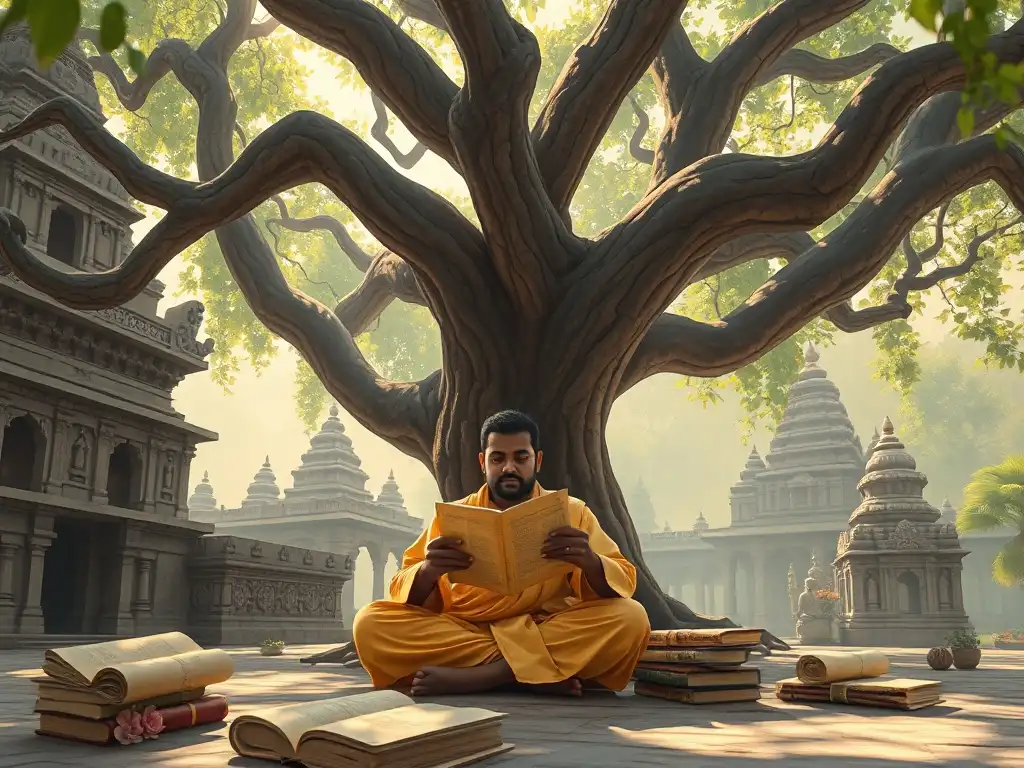
Pali literature holds a significant place in the study of ancient Indian society, providing a window into the cultural, religious, and philosophical landscapes of its time. The texts, primarily associated with Theravada Buddhism, encompass a wide array of subjects, including ethics, governance, and social norms. Their relevance extends beyond mere historical accounts; they serve as vital resources for understanding the values and beliefs that shaped ancient Indian civilization.
The influence of Pali literature can be seen through its intricate portrayal of the socio-political structures, economic practices, and spiritual beliefs prevalent during its composition. The Tipitaka, or Pali Canon, is particularly noteworthy, as it offers a comprehensive framework of monastic rules and teachings that reflect the societal norms and challenges of the period. By examining these texts, scholars gain insights into the lives of ordinary people, the role of women, and the interactions between different social classes.
Moreover, the preservation and transmission of Pali literature throughout centuries demonstrate its enduring significance in shaping the narrative of ancient India. Its teachings have influenced not only the religious landscape but also the philosophical discourse that continues to resonate in contemporary discussions on ethics and morality.
The Relevance of Pali Literature in Contemporary Studies of Ancient India
In modern academia, Pali literature is increasingly recognized for its pivotal role in reconstructing ancient Indian history and culture. Researchers have begun to utilize these texts as primary sources to explore various dimensions of society, including:
- Cultural Practices: Pali texts provide a rich tapestry of cultural norms, rituals, and social customs that were prevalent in ancient India. By analyzing these literary works, scholars can better understand the everyday lives of people and how cultural practices evolved over time.
- Philosophical Thought: The philosophical discourses found within Pali literature contribute to the broader understanding of Indian philosophy. Concepts such as dharma (duty/righteousness) and karma (action) are deeply embedded in these texts and offer insights into the moral frameworks that guided ancient Indian life.
- Religious Influence: As a foundational text for Theravada Buddhism, Pali literature elucidates the spiritual and religious dimensions of society. It provides a lens through which to examine the spread of Buddhism and its interactions with other religious traditions, such as Hinduism and Jainism.
By integrating Pali literature into the study of ancient Indian society, contemporary scholars can obtain a more nuanced understanding of the complexities and interconnections that characterized this vibrant civilization.
Future Research Directions on Pali Literature and Ancient Indian Society
The exploration of Pali literature in the context of ancient Indian society presents numerous avenues for future research. Scholars are encouraged to consider the following areas of study:
- Comparative Literature: Investigating the parallels between Pali texts and other regional literatures, such as Sanskrit and Prakrit, could uncover shared themes and influences, enriching our understanding of cross-cultural interactions.
- Gender Studies: Analyzing the representation of women in Pali literature could reveal insights into gender roles and societal expectations, shedding light on the status of women in ancient Indian society.
- Interdisciplinary Approaches: Combining insights from archaeology, anthropology, and sociology with Pali literature can provide a holistic view of ancient Indian life. This interdisciplinary approach could enhance the understanding of how literary texts relate to material culture and social structures.
- Translation and Accessibility: As interest in Pali literature grows, efforts to translate these texts into modern languages are crucial. This would not only make these works accessible to a broader audience but also facilitate new interpretations and discussions within academic circles.
Pali literature is not just a reflection of ancient Indian society but a vital key that unlocks the complexities of its past. Continued research in this field promises to yield rich insights that will further illuminate the intricate tapestry of ancient India.
Frequently Asked Questions
What is Pali literature and its significance in ancient Indian society?
Pali literature refers to texts written in the Pali language, which is closely associated with Theravada Buddhism. It provides valuable insights into the philosophy, ethics, and social structures of ancient India.
How does Pali literature reflect the culture of ancient India?
Pali literature showcases the cultural values, religious practices, and social norms of ancient Indian society, particularly through its Buddhist texts which emphasize compassion, morality, and community.
What are some key texts included in Pali literature?
Key texts in Pali literature include the Tipitaka (Pali Canon), which contains the Vinaya Pitaka, Sutta Pitaka, and Abhidhamma Pitaka, each offering insights into Buddhist teachings and monastic rules.
In what ways does Pali literature influence modern understanding of ancient Indian history?
Pali literature serves as a crucial historical source, shedding light on the social structures, governance, and religious beliefs of ancient Indian society, thus enhancing our understanding of its historical context.
How does the study of Pali literature contribute to the understanding of ancient Indian civilization?
Studying Pali literature helps historians and scholars grasp the interactions between religion, philosophy, and society, revealing the complexities of ancient Indian civilization and its lasting impact on subsequent cultures.
Final Reflection: Pali Literature as a Window into Ancient Indian Society
The exploration of Pali literature and its insights into ancient Indian society reveals not only the historical significance of these texts but also their enduring relevance in today's world. As we navigate a rapidly changing cultural landscape, the lessons embedded in Pali literature remind us of the foundational principles that have shaped human thought and community for centuries. The narratives and teachings found within these ancient texts continue to resonate, offering wisdom that transcends time and space.
Pali literature has profoundly influenced our understanding of social structures, ethics, and spirituality in ancient India. This body of work serves as a mirror reflecting the complexities of human relationships and societal norms of the time. As we engage with these texts, we uncover the values and beliefs that guided individuals and communities. The past is never dead. It's not even past.
— William Faulkner. This quote encapsulates the idea that the insights gleaned from Pali literature are not relics of a bygone era but rather vital threads in the fabric of our contemporary existence.
As you reflect on the themes presented in this article, consider how the teachings of Pali literature can inspire your own journey. Embrace the opportunity to learn from the past, allowing its wisdom to inform your actions and decisions today. By doing so, you not only honor the rich legacy of ancient Indian society but also contribute to a more thoughtful and compassionate world. Let the insights of Pali literature guide you as you navigate the complexities of modern life, fostering a deeper understanding of yourself and the society around you.
Dive Deeper into Pali Literature!
Thank you for exploring our insights into how Pali literature sheds light on ancient Indian society! We hope you found value in understanding its impact and significance. Now, let’s take your newfound knowledge further with some exciting actions.
- Read a Pali Text: Begin with a translated version of the Dhammapada to experience firsthand the wisdom of ancient Indian thought.
- Join a Discussion Group: Connect with others who share your interest in Pali literature and ancient societies by finding a local or online reading group.
- Share Your Insights: Post a thought-provoking quote from Pali literature on social media and invite your friends to discuss its relevance today.
Which aspect of Pali literature do you find most intriguing, and how do you believe it reflects the values of ancient society?