
The Use of Prakrit and Pali in Ancient Indian Theater and Performance

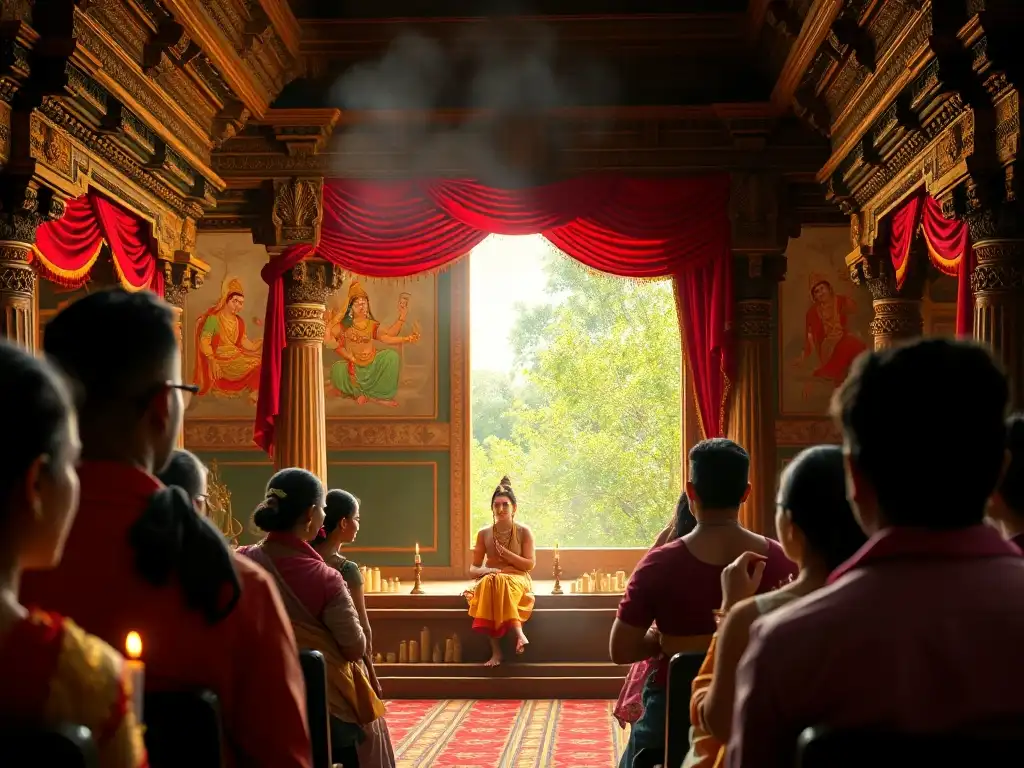
Welcome to Ancient India History, where we embark on a fascinating journey through time, unearthing the treasures of ancient Indian civilizations. Dive into our latest exploration of Prakrit and Pali, two pivotal languages that shaped the realm of ancient Indian theater and performance. Discover how these languages not only enriched storytelling but also reflected the vibrant culture of the era. Are you curious about the intricate connections between language and the performing arts in ancient India? Join us as we peel back the layers of history and reveal the captivating tales that await!
- Introduction to Prakrit and Pali in Ancient Indian Theater
- Historical Context of Theater in Ancient India
- The Role of Prakrit in Ancient Indian Theater
- The Role of Pali in Ancient Indian Theater
- Comparison of Prakrit and Pali in Theater
- Key Figures and Contributions in Ancient Indian Theater
- The Legacy of Prakrit and Pali in Modern Indian Theater
- Conclusion
-
Frequently Asked Questions
- What is the significance of Prakrit and Pali in ancient Indian theater?
- How did the use of Prakrit influence the accessibility of theater?
- What are some notable plays or performances that used Pali?
- How did the Gupta Empire contribute to the evolution of theater and performance?
- Can you name any prominent playwrights from ancient India who used these languages?
- Final Reflection: The Enduring Legacy of Prakrit and Pali in Ancient Indian Theater
- Unleash the Power of Ancient Languages in Your Creativity!
Introduction to Prakrit and Pali in Ancient Indian Theater
The languages of Prakrit and Pali hold a significant place in the tapestry of ancient Indian theater and performance. These languages not only served as mediums of communication but also embodied the cultural ethos and artistic expressions of the time.
As we delve into the rich history of ancient Indian theater, it becomes evident that Prakrit and Pali were instrumental in shaping the narratives and dialogues that captivated audiences, providing a glimpse into the social and philosophical thoughts of the era. This article aims to explore the profound impact of these languages on ancient theatrical forms, highlighting their roles in storytelling, character development, and cultural representation, all while shedding light on the broader significance of theater in ancient Indian society.
Overview of Prakrit and Pali Languages
Prakrit and Pali are two ancient languages that emerged in India around the same time, both playing crucial roles in the literary and cultural spheres of the subcontinent.
- Prakrit:
- A group of Middle Indo-Aryan languages, Prakrit was used predominantly in various forms of literature, including poetry and drama.
- It was characterized by its regional dialects, which made it accessible to the common people, thus fostering a connection between the audience and the performance.
- Pali:
- Primarily associated with the teachings of Buddhism, Pali is a standardized form of Prakrit.
- It was the language of the Tipitaka, the Buddhist scriptures, and became an important medium for conveying philosophical concepts and moral lessons through performance.
Both languages reflect the transition from the more formalized Sanskrit to a more colloquial mode of expression, allowing for a diverse range of theatrical expressions that resonated with a wider audience. Their use in plays and performances not only enhanced the artistic quality but also enriched the cultural discourse of ancient India.
Importance of Theater in Ancient Indian Culture
Theater in ancient India was not merely a form of entertainment; it served as a vital means of cultural expression, moral instruction, and social commentary.
- Cultural Significance:
- Theater provided a platform for exploring complex themes such as love, duty, and morality, often drawing from epics and historical narratives.
- It played an essential role in preserving and transmitting cultural values and traditions from generation to generation.
- Social Functions:
- Performances were often community events that fostered social cohesion and collective identity.
- They offered a space for critical reflection on societal norms, allowing audiences to engage with prevailing issues in a safe and entertaining environment.
- Spiritual Dimensions:
- Many theatrical performances were intertwined with religious rituals, showcasing the deep connection between spirituality and art in ancient Indian culture.
- This fusion of theater and spirituality served to elevate the performance beyond mere entertainment, inviting audiences into a shared experience of the divine.
Through the interplay of language, culture, and performance, Prakrit and Pali significantly contributed to the rich legacy of ancient Indian theater, providing insights into the values, beliefs, and artistic expressions of a civilization that continues to influence contemporary society.
Historical Context of Theater in Ancient India
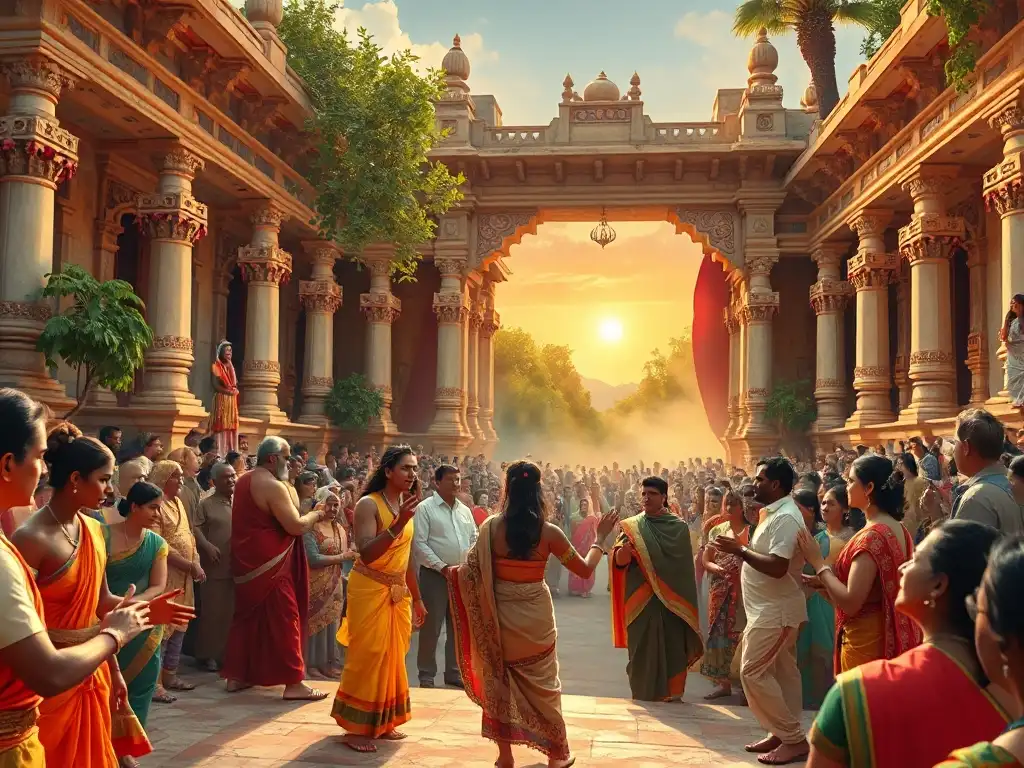
The Evolution of Performing Arts in Ancient India
The evolution of performing arts in ancient India can be traced back to the Vedic period, where rituals and hymns played a crucial role in cultural expressions. By the time of the Mauryan Empire (circa 322–185 BCE), these practices had begun to formalize into structured theatrical performances. The ancient texts such as Natyashastra, attributed to Bharata Muni, provide comprehensive guidelines on drama, dance, and music, highlighting a rich tradition that thrived on the interplay of narrative and performance.
Key Phases in the Development of Theater
- Vedic Period (1500–500 BCE):
- Ritualistic performances were central, including Soma sacrifices and Yajnas.
- Initial forms of storytelling, often accompanied by music and dance.
- Mauryan Period (322–185 BCE):
- Emergence of more organized theatrical forms.
- The influence of royal patronage led to the establishment of Natya Shalas (theater schools).
- Gupta Period (circa 240–550 CE):
- Flourishing of classical Sanskrit dramas, with playwrights like Kalidasa bringing sophisticated narratives to the stage.
- The integration of local languages, including Prakrit and Pali, into performances, reflecting the linguistic diversity of the region.
Throughout these phases, the use of Prakrit and Pali became increasingly prominent, especially in folk theater and regional performances, where these vernacular languages made the narratives more relatable to the common people.
Influence of Religion and Philosophy on Theater
Theater in ancient India was deeply intertwined with religious and philosophical beliefs, serving not only as entertainment but also as a means of spiritual expression. The interplay of Hindu, Buddhist, and Jain traditions significantly shaped the themes and styles of performances.
Religious Themes in Theater
- Hinduism:
- Many plays drew from epic stories like the Mahabharata and Ramayana, depicting moral and ethical dilemmas faced by the characters.
- Theatrical performances often took place during religious festivals, reinforcing the connection between spirituality and art.
- Buddhism:
- The use of Pali in theatrical performances became a tool for conveying Buddhist teachings and stories, making them accessible to a wider audience.
- Jataka tales, which narrate the previous lives of the Buddha, were commonly performed in folk theater, illustrating moral lessons.
- Jainism:
- Jain plays often emphasized non-violence and truth, aligning with their core philosophical tenets.
- The use of Prakrit in these performances allowed for a broader reach among the Jain community and beyond.
Philosophical Underpinnings
The philosophical discourse of the time also influenced theater. Concepts such as Rasa (aesthetic flavor) and Bhava (emotional states) were integral to performances, guiding actors in conveying deeper meanings. This philosophical backdrop enriched the narrative layers of plays, allowing audiences to engage with them on multiple levels.
The incorporation of Prakrit and Pali in ancient Indian theater not only reflected the linguistic diversity of the time but also served as a medium to explore complex religious and philosophical themes, making performances both culturally significant and profoundly impactful.
The Role of Prakrit in Ancient Indian Theater
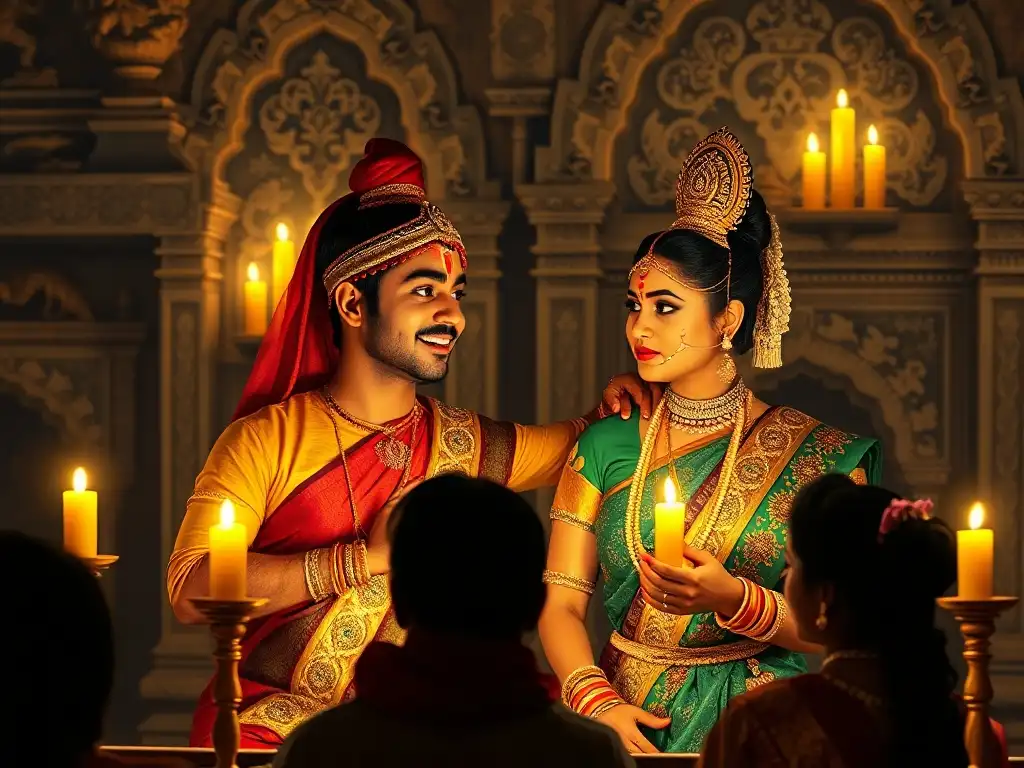
Prakrit played a crucial role in ancient Indian theater, serving as a language that bridged the gap between the elite Sanskrit tradition and the vernacular speech of the common people. Its usage in performance arts allowed for a richer expression of regional dialects and emotional nuances, making the narratives more relatable to ordinary audiences. The emergence of Prakrit in theater is often associated with the need for inclusivity and accessibility in storytelling, enabling a diverse array of characters, from noble figures to common folk, to be portrayed authentically.
Characteristics of Prakrit Language
Prakrit is characterized by its simpler grammatical structure compared to Sanskrit, making it more accessible for everyday communication. Key features of the Prakrit language include:
- Variability: Prakrit exists in several forms, such as Apabhramsha and Maharashtri, each reflecting regional dialects.
- Phonetic Simplicity: The pronunciation of Prakrit is generally more straightforward, allowing performers to convey emotions effectively without complex linguistic barriers.
- Rich Vocabulary: The language boasts a rich lexicon drawn from various sources, including local dialects, making it versatile for different theatrical contexts.
These characteristics contributed to the appeal of Prakrit in theater, as it resonated with audiences across various strata of society.
Notable Works Written in Prakrit
Several notable works from ancient Indian theater utilized Prakrit, enriching the cultural tapestry of the period. Some significant examples include:
- Shakuntala by Kalidasa: While primarily written in Sanskrit, this classic features Prakrit dialogues that highlight the interactions between characters of different social standings.
- Mrichchhakatika (The Clay Cart) by Shudraka: This play is a hallmark of ancient Indian theater, predominantly in Prakrit, and showcases the lives of urban characters, exploring themes of love and social justice.
- Bhasa’s Plays: Bhasa, one of the earliest playwrights, incorporated Prakrit in many of his works, such as Svapnavasavadatta and Punarvasu, effectively reflecting the socio-political milieu of his time.
These works not only exemplify the artistic merit of Prakrit but also its significance in conveying complex human emotions and societal issues.
Prakrit's Influence on Performance Styles
The use of Prakrit in theater significantly influenced performance styles in ancient India. Some notable aspects include:
- Character Portrayal: Prakrit allowed for nuanced characterizations, enabling actors to embody various social roles authentically, from kings to commoners.
- Dialogue Delivery: The phonetic nature of Prakrit encouraged expressive dialogue delivery, enhancing emotional engagement and audience connection.
- Cultural Representation: The incorporation of local dialects and expressions enriched the cultural authenticity of performances, reflecting the diversity of ancient Indian society.
As a result, Prakrit not only shaped the language of theater but also influenced the very essence of performance art in ancient India, fostering a unique blend of tradition and innovation that continues to inspire contemporary interpretations.
The Role of Pali in Ancient Indian Theater
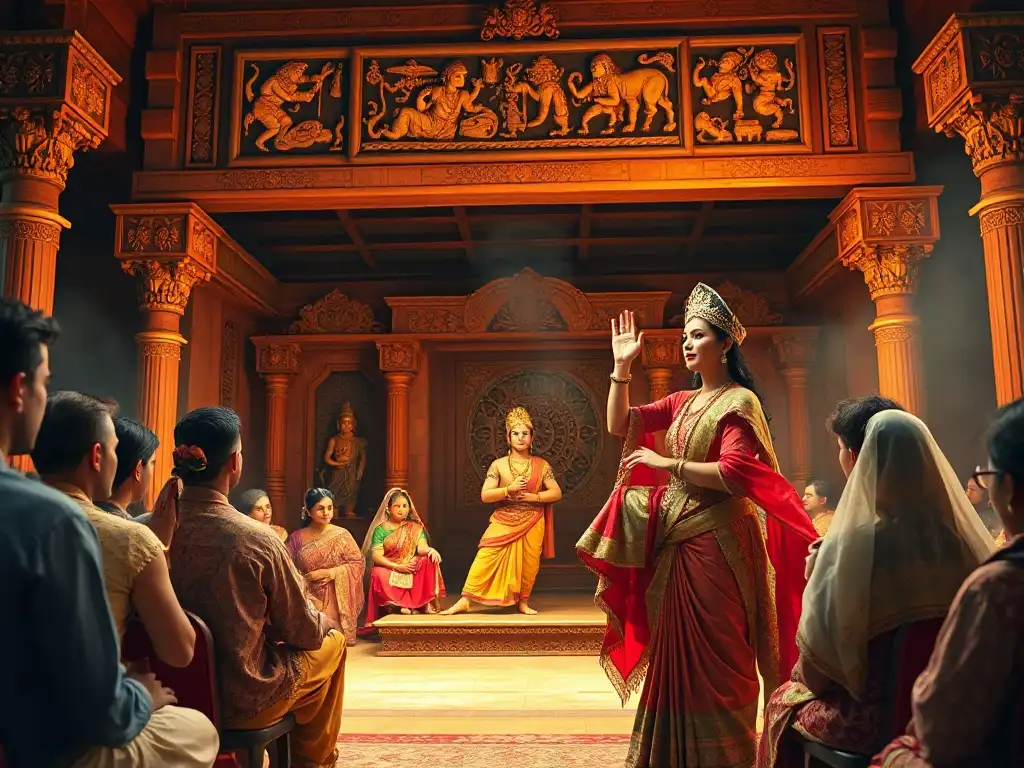
Pali, an ancient language of the Indian subcontinent, plays a significant role in the realm of ancient Indian theater and performance. This language, primarily associated with the Theravada Buddhist tradition, became a vital medium for expression in various dramatic works. Its use in theater reflects the cultural and religious milieu of ancient India, showcasing the interplay between language, performance, and spirituality.
Characteristics of Pali Language
Pali is known for its simplicity and clarity, making it an effective medium for storytelling and dramatic expression. Key characteristics include:
- Phonetic Nature: Pali is a phonetic language, meaning that it is pronounced as it is written. This quality makes it accessible for performers and audiences alike.
- Syllabic Structure: The language has a rhythmic quality that lends itself well to the performance arts, enhancing the auditory experience.
- Lexical Richness: With a vocabulary that incorporates both Sanskrit and local dialects, Pali is rich in terms of expressions and emotions, allowing for nuanced portrayals of characters.
- Cultural Significance: As the language of the Pali Canon, it carries inherent cultural and religious significance, often invoking themes of morality, philosophy, and spirituality in performances.
The characteristics of Pali not only facilitate effective communication but also enhance the overall dramatic experience, allowing for a deep connection between the audience and the performers.
Notable Works and Texts in Pali
Several significant works in Pali have influenced the landscape of ancient Indian theater. Some notable examples include:
- Jataka Tales: A collection of stories concerning the previous lives of the Buddha, these tales often feature moral lessons and are rich with dramatic potential. They were frequently adapted for performance, allowing for engaging storytelling.
- Dhammapada: While primarily a spiritual text, its verses have been utilized in performances to convey moral teachings and philosophical ideas, blending drama with ethical instruction.
- Milinda Panha: This text presents dialogues between King Milinda and the monk Nagasena, embodying dramatic exchanges that can be adapted into theatrical formats, illustrating philosophical concepts through lively interaction.
These works not only showcase the literary richness of Pali but also highlight how the language served as a foundation for theatrical narratives that resonate with audiences.
Pali's Contribution to Dramatic Expression
Pali's influence on dramatic expression in ancient Indian theater can be observed through various elements:
- Dialogue and Monologue: The use of Pali in dialogues allows for powerful exchanges between characters, facilitating emotional depth and complexity. Monologues can convey inner thoughts and reflections, enhancing the character's development.
- Chorus and Recitation: Pali was often employed in choral recitations, creating a communal atmosphere during performances. This collective recitation can amplify the thematic essence of the narrative, drawing the audience into the experience.
- Religious and Cultural Themes: The incorporation of Pali in theater allowed for the exploration of Buddhist teachings and cultural narratives, reflecting the societal values and beliefs of the time. Performances often served as a medium for moral education and communal reflection.
Pali's unique characteristics and its notable works have made it a vital component of ancient Indian theater. By blending language with performance, Pali has facilitated a rich dramatic expression that continues to influence the understanding of cultural and spiritual narratives in ancient Indian civilization.
Comparison of Prakrit and Pali in Theater
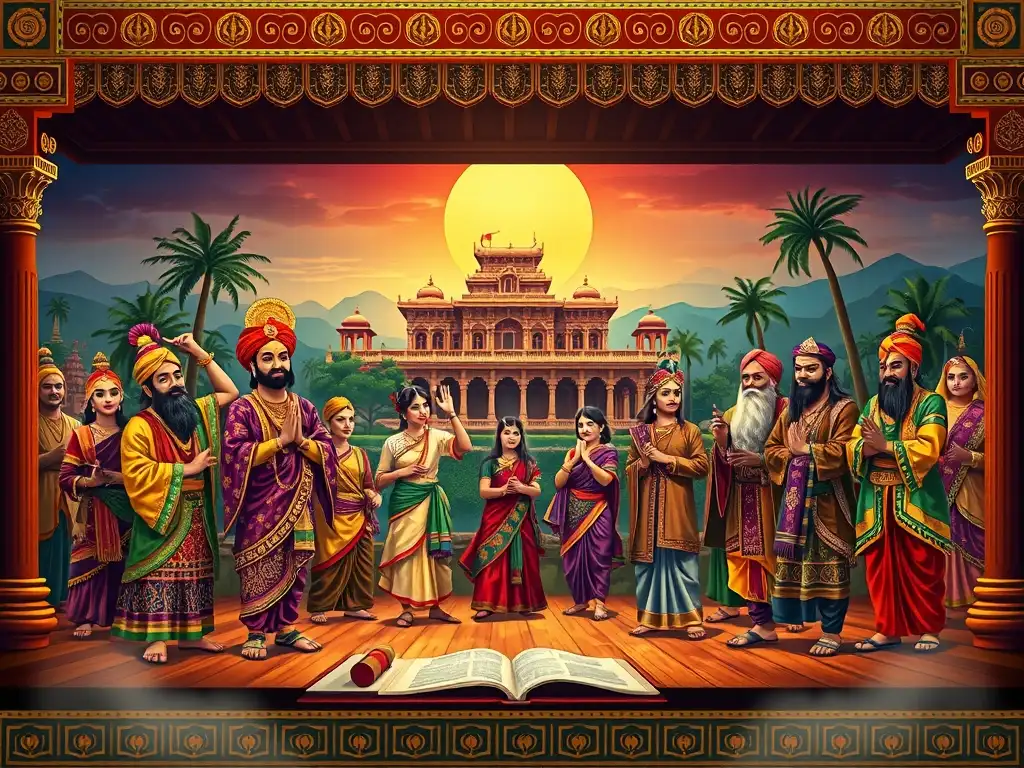
The languages of Prakrit and Pali played pivotal roles in shaping ancient Indian theater and performance. Both languages, while distinct in their origins and applications, contributed significantly to the richness of cultural expressions during their respective periods. Understanding the similarities and differences between Prakrit and Pali is essential to grasp their impact on ancient Indian theater.
Similarities Between Prakrit and Pali in Performance
Both Prakrit and Pali share a common linguistic ancestry, emerging from the Indo-Aryan language family. This commonality fosters several similarities in their usage within ancient Indian theater:
- Accessibility: Both languages were more accessible to the common people compared to Sanskrit, which was predominantly used by the elite and scholars. This accessibility allowed playwrights to reach a broader audience.
- Expressive Nature: Prakrit and Pali are known for their expressive and emotive qualities, making them suitable for dramatic performances. The use of these languages helped in conveying complex emotions and narratives effectively.
- Cultural Integration: Both languages reflect the cultural and regional diversity of ancient India. They incorporated local dialects and idioms, enriching the theatrical scripts and dialogues.
- Literary Tradition: The theatrical traditions in both languages are deeply rooted in ancient Indian literature, with texts like the Mahābhārata and Rāmāyaṇa influencing performances in both Prakrit and Pali.
Differences in Usage and Context
While Prakrit and Pali share similarities, they also have distinct differences that influenced their usage in the context of theater:
- Regional Variations: Prakrit languages are often associated with specific regions and communities, such as the Apabhraṃśa dialects in northern India. In contrast, Pali is primarily linked to the Theravada Buddhist tradition and was used predominantly in the context of Buddhist texts and teachings.
- Literary Form: Prakrit is characterized by a rich variety of poetic forms, making it suitable for diverse theatrical expressions, including folk theater. Pali, however, is more formal and was primarily employed in religious and philosophical texts, limiting its theatrical use.
- Audience: The audience for Prakrit plays often consisted of the general populace, while Pali was mainly understood by those involved in Buddhist monastic traditions. This distinction affected the themes and styles of performances in each language.
Impact on Audience Engagement and Understanding
The choice of language in ancient Indian theater significantly impacted audience engagement and understanding, shaping the overall theatrical experience:
- Emotional Resonance: The emotive nature of both Prakrit and Pali allowed for a deeper emotional connection with the audience. Performances in these languages could resonate with viewers on a personal level, enhancing their overall experience.
- Cultural Relevance: By employing local dialects and expressions, Prakrit made performances relatable to the common people, fostering a sense of belonging and community. Pali, while more formal, provided a spiritual and philosophical depth that appealed to the educated elite and monks.
- Theatrical Dynamics: The use of Prakrit in folk performances often involved interactive elements, encouraging audience participation. Pali performances, in contrast, were more structured and focused on imparting moral and philosophical teachings, leading to a different kind of engagement.
Both Prakrit and Pali significantly influenced ancient Indian theater, each bringing unique qualities that enriched the cultural landscape. Their respective similarities and differences shaped not only the performances but also the audience's understanding and engagement, making them vital components of ancient Indian artistic expression.
Key Figures and Contributions in Ancient Indian Theater
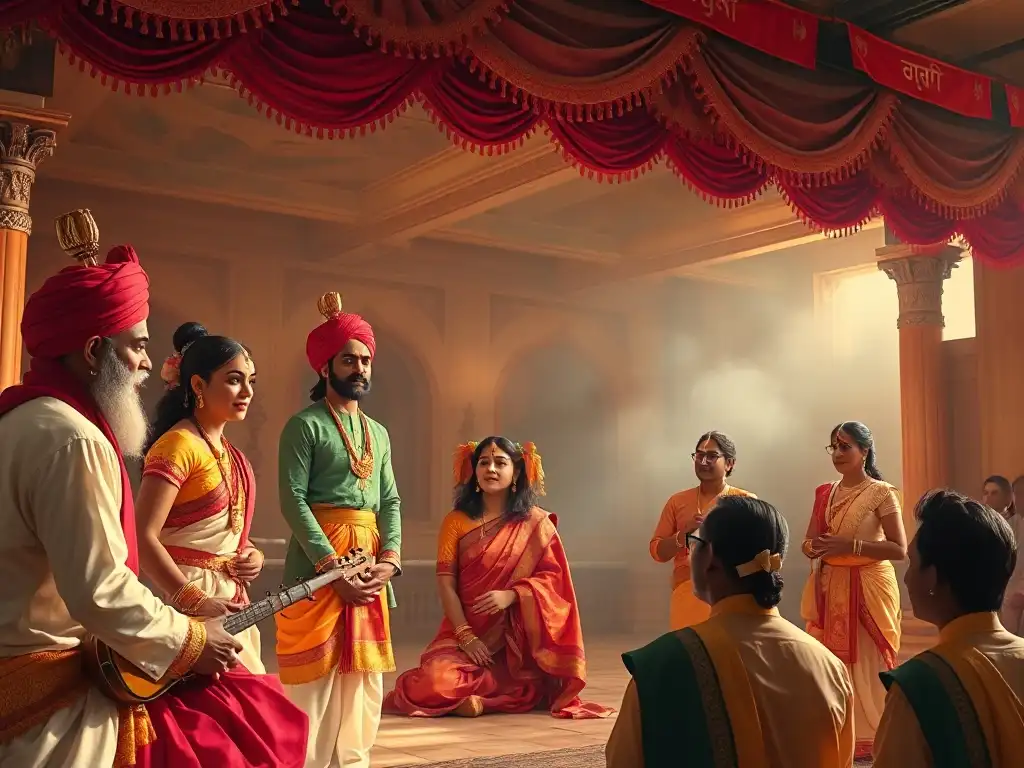
Playwrights and Poets Utilizing Prakrit and Pali
In the vast landscape of ancient Indian theater, several playwrights and poets stood out for their innovative use of Prakrit and Pali languages. These languages were not merely tools of expression but served as cultural conduits that connected the audience with the themes and emotions of the performances.
- Kalidasa: Often hailed as one of the greatest Sanskrit poets and playwrights, Kalidasa's works, such as Shakuntala, incorporated elements of Prakrit dialogue, especially in the interactions between characters of different social standings. The use of Prakrit in his plays added authenticity to the dialogues and made the characters more relatable to the audience.
- Bhavabhuti: Another significant playwright, Bhavabhuti, is known for his dramatic compositions, including Malati-Madhava. His works often contained sections in Prakrit, enhancing the emotional depth and the cultural richness of the narratives. The combination of Sanskrit and Prakrit in his writing exemplified the linguistic diversity of ancient Indian theater.
- Bhasa: A contemporary of Kalidasa, Bhasa's plays such as Svapnavasavadattam showcased the effective use of Prakrit to depict characters from lower socio-economic backgrounds. The dialogues were crafted to reflect the dialects spoken by various communities, making his plays accessible and engaging for the masses.
- Jayadeva: Known for his lyrical poetry, particularly the Gita Govinda, Jayadeva's work also featured Prakrit. His poetic style influenced theatrical performances by incorporating rhythms and meters that resonated well with audiences, thereby enhancing the overall theatrical experience.
- Ashvaghosha: Renowned for his Buddhist works, Ashvaghosha's contributions to theater include the use of Pali, especially in moral and philosophical themes. His plays often addressed the deeper aspects of human existence, making them profound reflections of the societal values of the time.
The contributions of these playwrights created a foundation for the use of Prakrit and Pali in ancient Indian theater, allowing for a rich tapestry of narratives that explored human emotions, societal norms, and philosophical inquiries.
Significant Theatrical Productions and Performances
The use of Prakrit and Pali in ancient Indian theater was not limited to individual playwrights; it was also evident in significant theatrical productions and performances that shaped the cultural landscape of the time. Here are some notable examples:
- The Natyashastra: Compiled by Bharata Muni, this ancient treatise on performing arts outlines various aspects of theater, including language. It emphasizes the role of Prakrit in enhancing character portrayal and situational context. The Natyashastra served as a vital reference for subsequent theatrical productions, establishing a standard for the incorporation of regional languages in performances.
- Kuttanadan Natakam: This traditional theatrical form from Kerala showcased the use of both Prakrit and Malayalam, reflecting the linguistic diversity of the region. The performances often depicted mythological stories and local folklore, making them relatable to the audience while preserving the essence of ancient Indian theatrical traditions.
- Ramalila: A form of folk theater that dramatizes the life of Lord Rama, Ramalila incorporates dialogues in both Hindi and Prakrit. The performances involve elaborate costumes, music, and dance, creating a vibrant and immersive experience. The use of Prakrit in dialogues adds a layer of authenticity and cultural depth to the portrayal of characters.
- Natya Shastra-inspired Plays: Many plays inspired by the Natyashastra utilized Prakrit for character dialogue, particularly for lower-class characters or comic relief. This approach not only engaged the audience but also highlighted the social hierarchies present in ancient Indian society.
- Buddhist Plays: The performance of Buddhist plays, which often used Pali, played a crucial role in spreading Buddhist teachings. These performances were not just artistic expressions; they served as educational tools, conveying moral lessons to the audience through engaging narratives.
The significant theatrical productions and performances that employed Prakrit and Pali contributed to the evolution of ancient Indian theater, highlighting the richness of linguistic diversity and cultural expression within this vibrant art form.
The Legacy of Prakrit and Pali in Modern Indian Theater
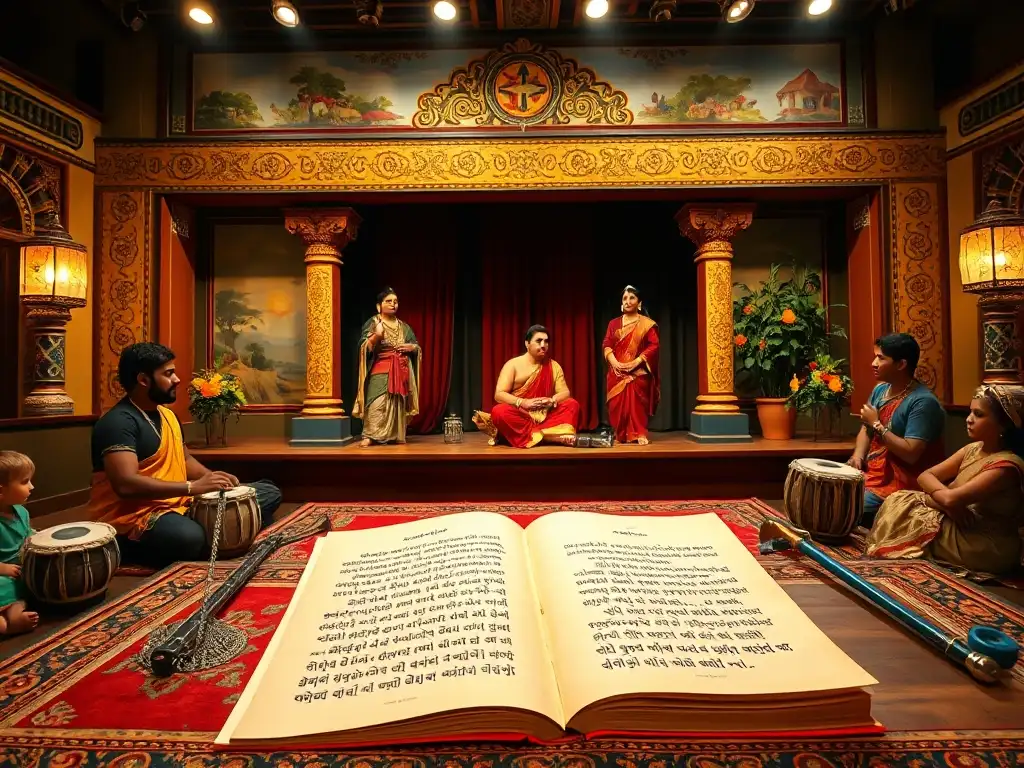
The linguistic heritage of Prakrit and Pali has left an indelible mark on the fabric of Indian theater. These languages, once the vehicles of expression for rich narratives, philosophical discourses, and poetic forms in ancient times, continue to resonate within the modern landscape of performance arts in India. Their legacy is evident not just in the thematic elements of contemporary plays but also in the linguistic choices and stylistic influences that shape performances today.
Contemporary Interpretations of Ancient Plays
Modern Indian theater often revisits and reinterprets ancient texts that were originally composed in Prakrit and Pali. For instance, many contemporary playwrights draw inspiration from classical works such as the Mrichchhakatika (The Little Clay Cart) attributed to Shudraka, which employs Prakrit dialogues to convey the socio-political dynamics of its time.
- Adaptations of Ancient Texts: Various theater companies across India have staged adaptations of ancient texts, translating their essence into current social contexts. This not only preserves the original narratives but also makes them relatable to modern audiences.
- Dialogue and Language: The use of Prakrit and Pali in dialogues enriches the authenticity of performances. The melodious quality of these languages enhances the emotional depth of the characters, allowing actors to explore intricate layers of human experience.
- Cultural Festivals: Events like the National School of Drama's Bharat Rang Mahotsav often feature plays that showcase ancient scripts, providing a platform for both seasoned and emerging artists to perform in languages that echo India's rich theatrical heritage.
Influence on Modern Performance Arts in India
The impact of Prakrit and Pali extends beyond the stage, influencing various forms of modern performance arts in India:
- Theatrical Techniques: Ancient dramaturgy, characterized by its intricate use of language and rhythm, informs the techniques used in contemporary theater. Modern directors often incorporate elements of natya (acting) and sangeet (music) derived from ancient traditions.
- Folklore and Storytelling: The narratives rooted in Prakrit and Pali have also permeated folk theater forms like Tamasha and Nautanki, blending classical themes with regional storytelling techniques.
- Interdisciplinary Approaches: Collaborations between theater, dance, and music have emerged, where artists utilize Prakrit and Pali to create interdisciplinary performances. This fusion reflects the holistic nature of ancient Indian arts, where different forms of expression coalesce to convey profound messages.
The legacy of Prakrit and Pali in modern Indian theater is marked by a rich tapestry of interpretations and influences that celebrate the depth of ancient narratives while ensuring their relevance in today's cultural landscape. As theater continues to evolve, the essence of these languages will undoubtedly shape the future of performance arts in India, fostering a deeper appreciation for the country's historical and linguistic diversity.
Conclusion
Summary of Prakrit and Pali's Importance in Ancient Indian Theater
The languages of Prakrit and Pali played a pivotal role in shaping ancient Indian theater, serving as vessels for storytelling, cultural expression, and the transmission of moral and philosophical ideas. These vernacular languages were more accessible to the common people compared to the more formal Sanskrit, allowing for a wider audience to engage with theatrical performances. The use of Prakrit and Pali in dramas, such as those attributed to playwrights like Bhasa and Kalidasa, facilitated the portrayal of regional dialects and everyday life, making the narratives relatable and vibrant.
Prakrit was often utilized in comedic roles and dialogues, providing a lively contrast to the more solemn Sanskrit used in heroic and tragic contexts. Pali, on the other hand, was significant in the context of Buddhist plays, where it was used to convey teachings and stories of the Buddha, thus intertwining religious narratives with artistic expression. The integration of these languages not only enriched the theatrical performances but also preserved the cultural nuances and regional identities of ancient Indian society.
Reflection on Their Lasting Impact on Indian Culture and Performances
The legacy of Prakrit and Pali in ancient Indian theater extends far beyond their initial use, influencing various aspects of Indian culture and the performing arts that persist to this day. The theatrical traditions established during this period laid the groundwork for future forms of drama, dance, and storytelling across the subcontinent, highlighting the importance of vernacular languages in cultural expression.
The continued relevance of Prakrit and Pali can be seen in modern Indian theater, where playwrights and performers often draw inspiration from ancient texts and themes. This revival not only honors the linguistic heritage but also brings attention to the socio-cultural narratives embedded within these languages. Furthermore, the philosophical teachings conveyed through Pali continue to resonate in contemporary spiritual practices and literature.
The use of Prakrit and Pali in ancient Indian theater significantly contributed to the richness of its cultural tapestry, leaving an indelible mark on the performing arts that continues to be celebrated and explored in modern contexts. As we reflect on their impact, it is evident that these languages were not merely tools of communication but powerful instruments of cultural identity and artistic expression.
Frequently Asked Questions
What is the significance of Prakrit and Pali in ancient Indian theater?
Prakrit and Pali played a crucial role in shaping ancient Indian theater by providing the linguistic foundation for dramas and performances, allowing for a richer expression of local culture and themes.
How did the use of Prakrit influence the accessibility of theater?
The use of Prakrit made theater more accessible to the common people, as it was a language spoken by the masses, contrasting with the more elite Sanskrit used in formal literature.
What are some notable plays or performances that used Pali?
Several ancient Buddhist plays utilized Pali, which helped convey moral lessons and Buddhist teachings to audiences, thereby integrating spiritual themes into performance art.
How did the Gupta Empire contribute to the evolution of theater and performance?
The Gupta Empire is often considered a golden age for theater in India, promoting the arts and facilitating the use of Prakrit and Pali, leading to the creation of iconic works that influenced later traditions.
Can you name any prominent playwrights from ancient India who used these languages?
Kalidasa and Bhasa are among the prominent playwrights who utilized Prakrit in their works, showcasing the richness of ancient Indian theater and its linguistic diversity.
Final Reflection: The Enduring Legacy of Prakrit and Pali in Ancient Indian Theater
The exploration of Prakrit and Pali in ancient Indian theater reveals not only the linguistic richness of these languages but also their profound impact on cultural expression. Today, as we navigate a world increasingly defined by globalization, the significance of these ancient languages serves as a reminder of the power of local narratives and the importance of preserving cultural heritage. The stories told through Prakrit and Pali are not merely relics of the past; they resonate with contemporary audiences, urging us to reconnect with our roots and appreciate the diversity of human expression.
The influence of Prakrit and Pali extends beyond the confines of historical texts; it shapes our understanding of identity and community in the modern world. The themes and performances rooted in these languages continue to inspire artists and scholars alike, fostering a dialogue between tradition and innovation. As poet and playwright Kalidasa once said, The earth is but one country, and mankind its citizens.
This sentiment echoes the idea that the cultural narratives of ancient India, conveyed through Prakrit and Pali, contribute to a shared human experience that transcends borders and time.
As we reflect on the lessons from ancient Indian theater, let us embrace the call to celebrate and preserve our cultural narratives. I invite you to explore the stories that shape your own identity, to engage with the art forms that resonate with your spirit, and to recognize the importance of language in connecting us to our past and each other. By doing so, we honor the legacy of Prakrit and Pali, ensuring that their voices continue to inspire future generations in the vibrant tapestry of human creativity.
Unleash the Power of Ancient Languages in Your Creativity!
Thank you for diving into the fascinating world of Prakrit and Pali in ancient Indian theater and performance! You've gained insights into how these languages shaped storytelling and dramatic expression throughout history. Now, it's your turn to harness this inspiration and take action in your own creative journey.
Here are some engaging steps to get you started:
- Explore a Local Theater: Attend a live performance or workshop that features plays in regional languages. Witness the magic of storytelling in action!
- Join a Community Group: Connect with like-minded individuals or local drama clubs focused on performing arts. Share ideas and collaborate on performances that honor ancient traditions!
- Experiment with Writing: Try crafting your own short play or poem inspired by the themes and styles of Prakrit or Pali. Embrace the challenge of blending history with contemporary themes!
What story from your life or culture can you retell in the style of ancient performance? Share your thoughts below!