
The Critical Role of Education in the Preservation of Sanskrit

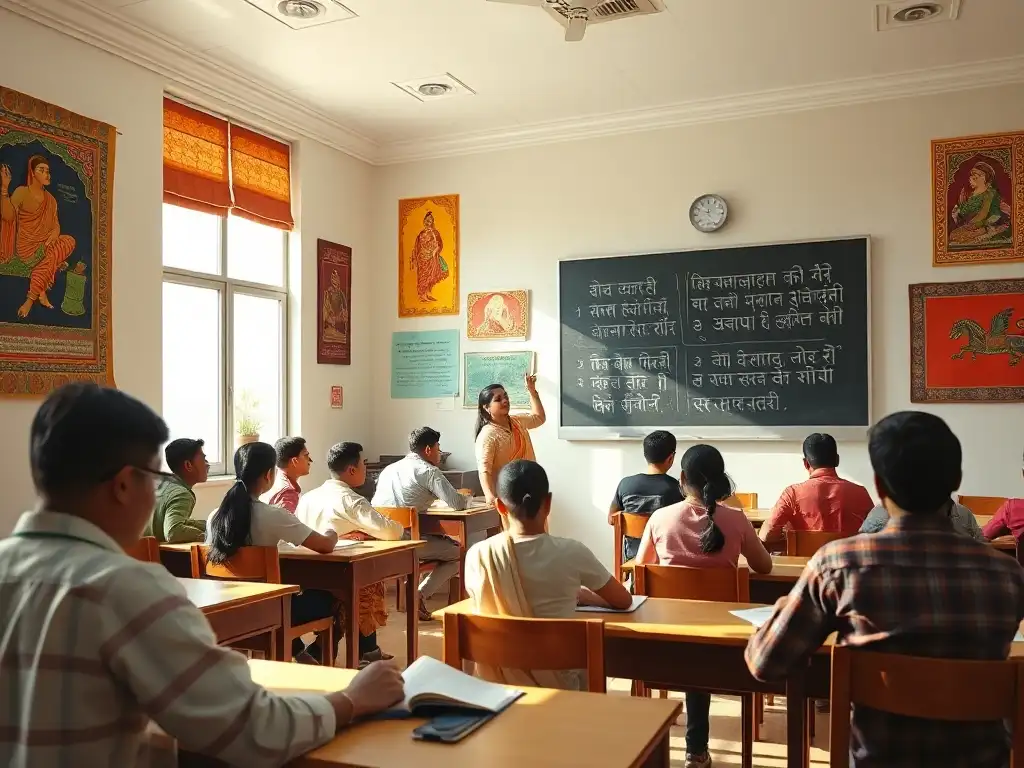
Welcome to Ancient India History, where we delve into the profound depths of India's illustrious past. Join us on a journey through time as we uncover the rich tapestry of ancient civilizations that thrived from the Indus Valley to the Gupta Empire. In this exploration, we spotlight the Importance of Sanskrit education, a cornerstone in preserving the wisdom and culture of these remarkable societies.
Curious about how the teachings of this ancient language shaped not just literature but the very essence of Indian identity? Dive in and discover the critical role that education played in safeguarding the legacy of Sanskrit, and see how its echoes resonate in today's world!

Introduction to Sanskrit Education
Sanskrit, often hailed as the mother of many Indo-European languages, holds a pivotal place in the tapestry of ancient Indian civilization. Its significance transcends linguistic boundaries, deeply intertwined with the cultural, philosophical, and spiritual heritage of India. The importance of Sanskrit education cannot be overstated, as it plays a critical role in preserving not only the language itself but also the vast body of knowledge it encapsulates. This article explores the multifaceted aspects of Sanskrit education, its historical context, and its enduring relevance in contemporary society.
Overview of Sanskrit Language and Its Historical Significance
Sanskrit is one of the oldest languages in the world, with roots tracing back to the Vedic texts composed over 3,500 years ago. As the liturgical language of Hinduism, Buddhism, and Jainism, it has significantly influenced various fields, including:
- Philosophy: The foundational texts of Indian philosophy, such as the Upanishads and the Bhagavad Gita, are written in Sanskrit.
- Literature: Classical works like Kalidasa's plays and the epics of Mahabharata and Ramayana showcase the richness of Sanskrit literature.
- Science and Mathematics: Ancient Indian scholars documented astronomical and mathematical theories in Sanskrit, laying groundwork for future advancements.
The preservation of Sanskrit is thus intertwined with the preservation of these rich intellectual traditions, making Sanskrit education essential for understanding and appreciating ancient Indian contributions to global knowledge.
The Relevance of Sanskrit in Modern Scholarship
In contemporary academia, Sanskrit is experiencing a resurgence among scholars and enthusiasts alike. Universities worldwide now offer programs dedicated to the study of Sanskrit, acknowledging its value in various disciplines:
- Linguistics: Sanskrit serves as a key to understanding the evolution of languages, particularly in comparative linguistics.
- Religious Studies: Researchers delve into Sanskrit texts to explore the philosophical and theological foundations of major religions.
- Cultural Studies: The study of Sanskrit provides insights into ancient Indian customs, societal norms, and artistic expressions.
This scholarly interest underscores the importance of Sanskrit education in bridging ancient wisdom with modern inquiry, fostering a deeper understanding of both.
The Importance of Sanskrit Education
Defining the Importance of Sanskrit Education
Sanskrit education is not merely about learning a language; it embodies the transmission of a rich cultural legacy. By engaging with Sanskrit, learners gain access to:
- Ancient Texts: Direct engagement with classic texts enhances comprehension and appreciation of India's philosophical and cultural heritage.
- Language Skills: Mastery of Sanskrit improves cognitive abilities, analytical thinking, and linguistic skills applicable to other languages.
- Cultural Identity: Learning Sanskrit fosters a sense of belonging and identity among those who trace their roots to ancient Indian civilization.
In essence, Sanskrit education serves as a vital link connecting individuals to their historical and cultural lineage.
Cultural Significance of Learning Sanskrit
The cultural significance of learning Sanskrit extends beyond the individual. It plays a crucial role in community building and the revival of traditional practices. Through educational initiatives, communities can:
- Promote Heritage: Sanskrit education helps in promoting cultural heritage and reviving traditional arts, rituals, and practices.
- Encourage Intergenerational Knowledge Transfer: Engaging the younger generation in Sanskrit fosters a sense of responsibility toward preserving their cultural roots.
- Support Linguistic Diversity: As a classical language, Sanskrit enriches the linguistic diversity of the global community, fostering respect for various languages and cultures.
This cultural revival is essential for maintaining the diversity that characterizes human civilization.
Historical Contributions of Sanskrit to World Heritage
Sanskrit's contributions to world heritage are profound and far-reaching. As a key language in the dissemination of knowledge, it has influenced:
- Literature: Many literary forms across Asia and beyond have roots in Sanskrit storytelling techniques and narrative structures.
- Science and Medicine: Ancient texts such as the "Sushruta Samhita" and "Charaka Samhita" have laid the foundation for modern medical practices and surgical techniques.
- Philosophy and Ethics: The philosophical discourses found in Sanskrit texts continue to inspire contemporary thought in ethics, governance, and spirituality.
Thus, the preservation of Sanskrit through education is not just about safeguarding a language; it is about honoring and perpetuating a legacy that has shaped human thought and culture across millennia.
Challenges in Sanskrit Education
The preservation of Sanskrit, one of the oldest languages in the world, faces numerous challenges in the contemporary educational landscape. These challenges stem from a combination of social, cultural, and institutional factors that hinder the growth and sustainability of Sanskrit education.
One significant challenge is the declining interest among students, which can be attributed to the perception of Sanskrit as a "dead" language with limited practical applications. This perception discourages potential learners who may prefer languages that are more widely spoken and economically advantageous. Furthermore, the lack of qualified teachers who are proficient in Sanskrit and its teaching methodologies exacerbates the problem, leading to inadequate instruction and diminished learning experiences.
Additionally, competition from modern languages, which dominate educational curricula and job markets, poses a substantial threat to Sanskrit's relevance. As educational institutions prioritize languages that offer immediate professional benefits, the resources allocated for Sanskrit education decline, resulting in fewer programs and courses available for interested learners.
Decline of Sanskrit Learning in Contemporary Times
The decline of Sanskrit learning can be traced back to various historical and socio-political changes that have influenced educational policies. During colonial rule, Sanskrit was often sidelined in favor of English and other languages deemed necessary for administration and trade. This shift created a long-term impact on language education, leading to a significant reduction in the number of institutions dedicated to teaching Sanskrit.
In contemporary times, this decline is reflected in the diminishing number of students enrolling in Sanskrit courses at universities and schools. Many educational systems view Sanskrit primarily as a subject of cultural heritage rather than a living language that can be actively used in contemporary discourse. As a result, the once-thriving tradition of Sanskrit scholarship is at risk of fading away, with fewer academic resources and research opportunities being allocated to the language.
Factors Affecting the Importance of Sanskrit Education Today
Several factors contribute to the fluctuating importance of Sanskrit education in today’s society. One of the primary factors is the educational policy framework that often prioritizes languages with immediate economic relevance, leading to a neglect of classical languages. This policy direction tends to overlook the cultural and philosophical significance of Sanskrit, which plays a crucial role in understanding ancient texts, literature, and cultural heritage.
Additionally, societal attitudes toward Sanskrit have evolved, with many perceiving it as a symbol of a bygone era rather than a living tradition. This perception can discourage new generations from engaging with the language, undermining efforts to promote its study. The lack of integration of Sanskrit in modern contexts, such as literature, arts, and even technology, further diminishes its perceived relevance.
Moreover, the availability and accessibility of resources for learning Sanskrit are often inadequate. Limited access to quality teaching materials, online courses, and interactive learning platforms can hinder learners' motivation and progress. These factors collectively contribute to the challenges faced in enhancing the importance of Sanskrit education today.
Educational Approaches to Preserve Sanskrit
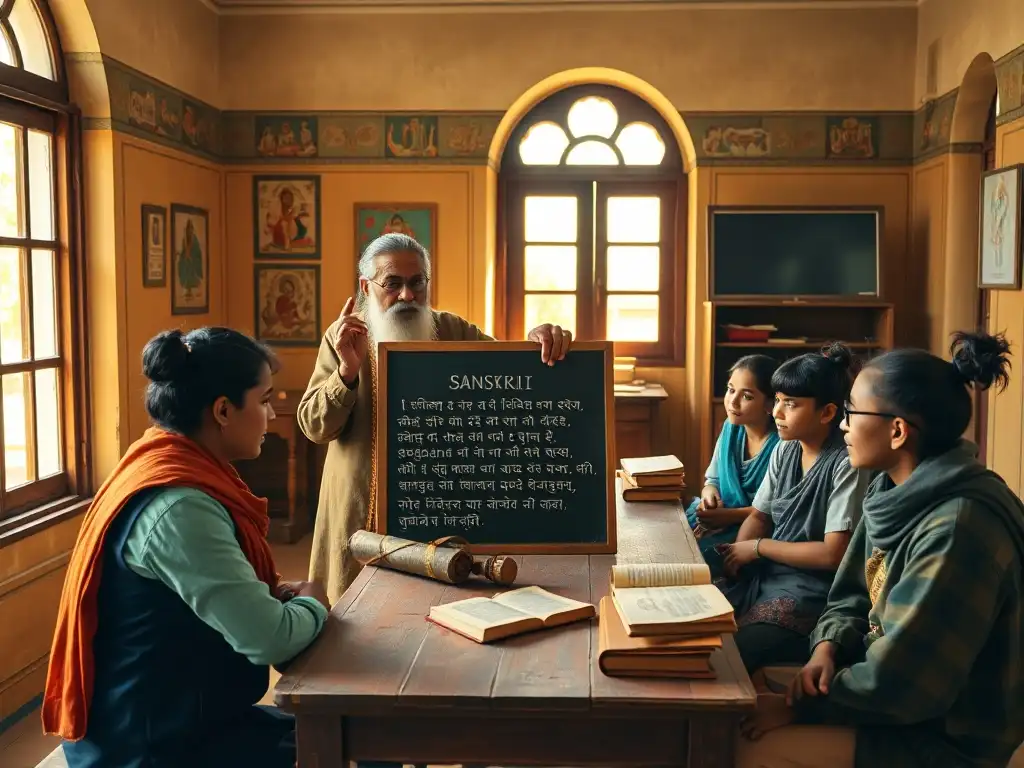
To counteract the challenges facing Sanskrit education, it is essential to adopt diverse educational approaches that can engage learners and ensure the preservation of the language. This involves a blend of traditional and innovative strategies that cater to the modern educational environment while honoring the rich heritage of Sanskrit.
Traditional Methods of Teaching Sanskrit
Traditional methods of teaching Sanskrit have stood the test of time and continue to play a vital role in its preservation. These methods often involve direct interaction with classical texts, focusing on grammar, pronunciation, and recitation. The use of oral traditions, such as chanting and memorization, is central to traditional Sanskrit education, fostering a deep connection between the learner and the language's historical context.
Guru-shishya (teacher-student) relationships are a hallmark of traditional Sanskrit learning, emphasizing personalized instruction and mentorship. This approach helps instill a sense of respect for the language and its literary heritage. By integrating these traditional methods into modern curricula, educators can create a more holistic learning environment that bridges the gap between ancient practices and contemporary educational needs.
Innovative Strategies for Sanskrit Education in Modern Curriculum
Innovative strategies are essential for revitalizing Sanskrit education within modern curricula. One effective approach is the integration of Sanskrit into interdisciplinary studies, where it can be linked with subjects such as philosophy, history, and literature. This not only enhances the relevance of Sanskrit but also encourages students to explore its multifaceted contributions to various fields.
Project-based learning can also play a significant role in making Sanskrit more engaging for students. By involving learners in activities such as translating texts, creating presentations, or participating in cultural events, educators can foster a deeper appreciation for the language. Furthermore, collaborative learning environments that encourage peer interaction and discussion can enhance motivation and understanding.
Role of Technology in Sanskrit Learning
Technology has emerged as a powerful tool in the preservation and promotion of Sanskrit education. Online platforms, mobile applications, and digital resources provide learners with access to a wealth of materials that facilitate independent study. These technological advancements can help overcome geographical barriers, making Sanskrit education more accessible to a broader audience.
Interactive online courses, virtual classrooms, and multimedia content can enhance the learning experience by incorporating audio-visual elements that engage students. Additionally, technology enables the creation of communities and forums where learners can connect, share resources, and collaborate on projects related to Sanskrit. By leveraging technology, educators can not only preserve the language but also adapt it to contemporary contexts, ensuring its relevance for future generations.
The Impact of Education on the Preservation of Sanskrit
Education has always played a pivotal role in the preservation and transmission of languages, and Sanskrit is no exception. With its roots deeply embedded in ancient Indian civilization, the importance of Sanskrit education extends beyond mere linguistic preservation; it is a gateway to understanding a rich cultural and philosophical heritage. As a classical language, Sanskrit holds the key to vast literary, religious, and scientific texts that have shaped Indian culture over millennia. Hence, educational initiatives that focus on teaching Sanskrit not only sustain the language but also keep alive the traditions and philosophies embedded within it.
Moreover, the intersection of contemporary educational frameworks with traditional Sanskrit teaching methods can invigorate interest among younger generations. By integrating modern pedagogical approaches, educators can make learning Sanskrit engaging and relevant, thereby attracting a diverse group of learners. This revitalization is crucial for ensuring that Sanskrit does not become a relic of the past but remains a living language capable of adapting to future contexts.
How Education Influences Language Maintenance
The education system is a critical vehicle for language maintenance, particularly for languages like Sanskrit that are at risk of fading from everyday use. Educational settings provide the structure and resources necessary for language acquisition, including trained teachers, textbooks, and curricula that emphasize not only linguistic skills but also cultural context. Through formal education, students gain exposure to the grammar, vocabulary, and syntax of Sanskrit, which helps them appreciate its nuances and complexities.
Furthermore, education fosters a sense of identity and belonging among learners, especially when they engage with a language that is integral to their cultural heritage. As students learn Sanskrit, they immerse themselves in ancient texts, scriptures, and philosophies, which instills pride and a sense of continuity with their ancestors. This emotional connection is vital for sustaining interest in the language and encourages learners to use it in various contexts, from religious rituals to academic discussions.
Case Studies: Successful Sanskrit Educational Programs
Several educational programs worldwide have demonstrated the effectiveness of Sanskrit education in preserving the language. One notable example is the Samskrita Bharati initiative in India, which aims to promote spoken Sanskrit through workshops, courses, and community engagement. By focusing on conversational fluency, the program has successfully attracted participants of all ages, emphasizing that Sanskrit is not merely an academic subject but a living means of communication.
Another successful case is the Sanskrit College and University in Kolkata, which has been pivotal in providing rigorous academic training in Sanskrit literature and linguistics. This institution not only trains scholars but also engages in research aimed at reviving ancient texts and practices. Its contribution to Sanskrit education has inspired similar institutions across India, creating a network of resources dedicated to the language's preservation.
Internationally, the Harvard University’s Sanskrit Program has attracted global attention. By offering comprehensive courses on Sanskrit language and literature, it has fostered a diverse community of learners who contribute to research and scholarship, further enriching the global discourse on Sanskrit.
Community Initiatives to Promote Sanskrit Education
Community-driven initiatives have also been instrumental in promoting Sanskrit education. Local organizations often conduct workshops, cultural festivals, and language immersion programs that engage community members in learning Sanskrit. These initiatives not only revitalize interest in the language but also create opportunities for intergenerational learning, where elders pass down their knowledge to younger generations.
For instance, various temples and cultural institutions across India have begun offering Sanskrit classes as part of their educational outreach. These programs often incorporate traditional practices, such as chanting and recitation, into the curriculum, helping participants experience the language in its cultural context. Additionally, online platforms and social media groups dedicated to Sanskrit learning have emerged, making the language accessible to a global audience and fostering a sense of community among learners.
Conclusion
Summary of the Importance of Sanskrit Education in Preservation Efforts
The importance of Sanskrit education cannot be overstated when it comes to the preservation of the language and its associated cultural heritage. Through formal education, community initiatives, and innovative programs, learners gain access to a world of knowledge that connects them to their past. The efforts to promote Sanskrit education are essential not only for the linguistic survival of the language but also for the continuation of the rich philosophical and literary traditions that Sanskrit embodies.
Call to Action: Encouraging Sanskrit Learning in Modern Society
As we navigate the complexities of modern society, it is crucial to encourage the learning of Sanskrit among diverse audiences. Educational institutions, community organizations, and individuals can play a significant role in this effort. By promoting resources for learning Sanskrit, organizing workshops, and integrating the language into cultural events, we can create a vibrant ecosystem that nurtures the growth of Sanskrit education. Let us embrace the challenge of keeping this ancient language alive, ensuring that it continues to inspire future generations. 🌱
- Introduction to Sanskrit Education
- The Importance of Sanskrit Education
- Challenges in Sanskrit Education
- Educational Approaches to Preserve Sanskrit
- The Impact of Education on the Preservation of Sanskrit
- Conclusion
Frequently Asked Questions
What is the significance of Sanskrit education in ancient India?
Sanskrit education played a crucial role in preserving ancient texts, philosophies, and knowledge systems. It was the medium through which many cultural and scientific advancements were documented.
How did Sanskrit contribute to Indian literature?
Sanskrit served as the foundation for a vast body of literature, including epics like the Mahabharata and Ramayana, which shaped Indian culture and moral values.
What were the methods of Sanskrit education in ancient times?
Education in Sanskrit was often conducted in gurukuls (traditional schools) where students learned through oral transmission, memorization, and discussion, emphasizing a deep understanding of the language.
Why is the preservation of Sanskrit important today?
Preserving Sanskrit is essential for maintaining connections to ancient Indian history, philosophy, and culture, as it holds the keys to understanding historical texts and cultural heritage.
How can modern education benefit from Sanskrit studies?
Engaging with Sanskrit studies can enhance linguistic skills, improve analytical thinking, and provide insights into ancient Indian philosophies, enriching the overall educational experience.
Final Reflection: The Vital Importance of Sanskrit Education
The preservation of Sanskrit is not merely an academic endeavor; it is a crucial element of our cultural heritage that resonates profoundly in today's globalized world. As we navigate through the complexities of modern life, the significance of Sanskrit education emerges as a beacon of identity, wisdom, and continuity. The revival and promotion of this ancient language are essential not only for safeguarding our historical narratives but also for enriching contemporary discourse with timeless philosophies and values.
Sanskrit has long been a vessel of knowledge, shaping the cultural and intellectual landscape of civilizations. Its influence can be seen in various fields, from literature to philosophy, and its teachings continue to inspire countless individuals today. As we witness a resurgence of interest in ancient wisdom, it becomes increasingly clear that the importance of Sanskrit education extends beyond linguistic proficiency; it fosters a deeper understanding of our shared human experience. Language is the road map of a culture. It tells you where its people come from and where they are going.
– Rita Mae Brown.
As we reflect on the critical role of education in preserving Sanskrit, I invite you to consider your own relationship with language and culture. How can you contribute to the revival of Sanskrit and its teachings in your community?
Whether through supporting educational initiatives, engaging with Sanskrit literature, or simply sharing the beauty of this ancient language with others, each of us has the power to play a part in this vital preservation effort. Let us embrace the importance of Sanskrit education, not just as a subject to be studied, but as a living tradition that enriches our lives and connects us to our roots.
Revitalize Your Connection to Sanskrit!
Thank you for exploring the vital role of education in preserving the rich heritage of Sanskrit. Your engagement is key to keeping this ancient language alive! Now, let’s take actionable steps to deepen our connection and contribute to its preservation:
- Enroll in a Sanskrit course – Whether online or at a local university, learning Sanskrit will empower you to appreciate its beauty and significance firsthand.
- Share this article – Spread the word on social media to inspire others about the importance of education in safeguarding our linguistic heritage.
- Join a community – Connect with like-minded individuals or groups dedicated to the study and promotion of Sanskrit to expand your knowledge and network.
What unique ways do you think education can help in reviving interest in Sanskrit today? **We would love to hear your insights in the comments below! **