
The Evolution of Women’s Rights in Ancient Indian Civilizations

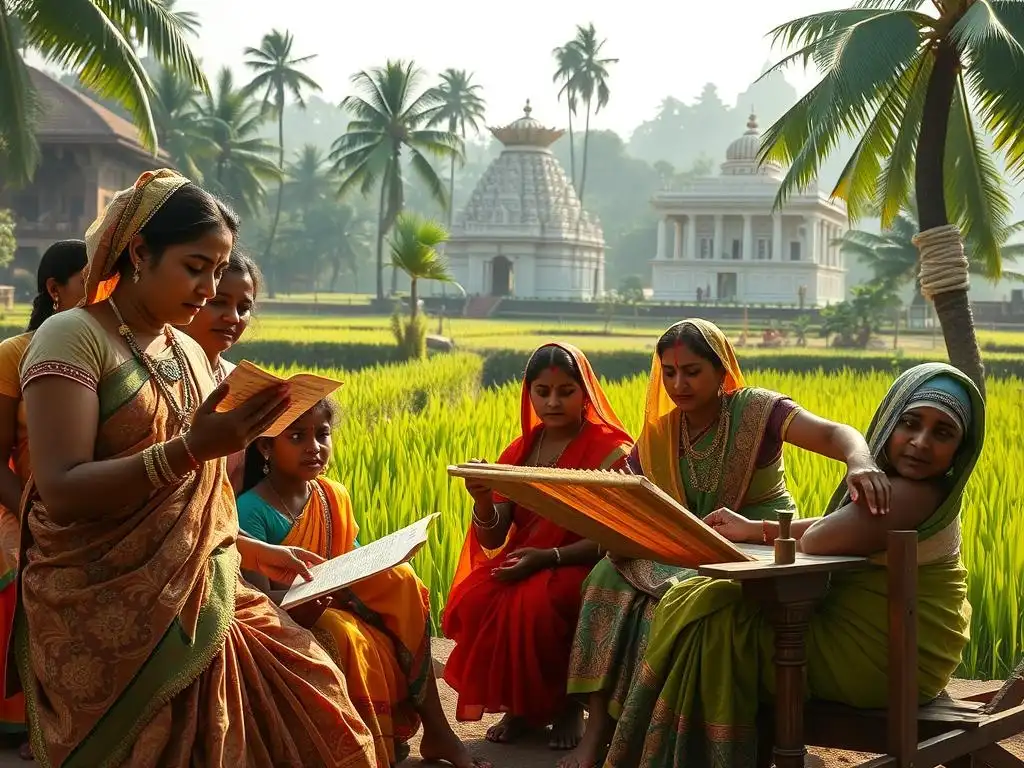
Welcome to Ancient India History, where we embark on a fascinating journey through the rich tapestry of ancient Indian civilizations. In this exploration, we will uncover the evolution of women's rights in ancient India, revealing the pivotal roles women played in shaping society, culture, and governance. From the groundbreaking contributions of the Indus Valley to the progressive strides during the Gupta Empire, the stories of these remarkable women will challenge your perceptions and ignite your curiosity. Join us as we delve deeper into this captivating narrative, and discover how their legacies continue to resonate today!
Introduction to Women’s Rights in Ancient India
The evolution of women’s rights in ancient India is a multifaceted narrative that reflects the complexities of gender roles throughout various periods. From the flourishing cities of the Indus Valley to the intellectual achievements of the Gupta Empire, women played pivotal roles in shaping societal norms and cultural frameworks.
Understanding the perspective on women's rights in ancient India is crucial, as it not only highlights the challenges faced by women but also showcases their contributions to society, religion, and governance. This article delves into the historical context of women's rights in ancient Indian civilizations, unveiling the layers of societal structures and cultural practices that defined their status.
Overview of Women's Roles in Ancient Indian Society
Women's roles in ancient Indian society were diverse and dynamic. They were involved in various aspects of life, including agriculture, trade, and family management. The Vedic texts, which are among the earliest records of Indian civilization, indicate that women could inherit property, receive education, and participate in religious rituals.
- Key Roles:
- Household Management: Women were primarily responsible for managing household affairs and raising children.
- Economic Contributions: They participated in agricultural practices and crafts, contributing significantly to the economy.
- Religious Participation: Women had roles in religious ceremonies and could even serve as priestesses in certain contexts.
Despite these contributions, societal norms often limited their rights and freedoms, creating a complex interplay between empowerment and restriction.
Importance of Studying Women’s Rights in Historical Context
Examining women's rights in ancient India is essential for several reasons:
- Cultural Heritage: Understanding the status of women provides insight into the cultural heritage and values of ancient Indian civilizations.
- Evolution of Rights: It allows us to trace the evolution of women's rights over centuries, highlighting progress and setbacks.
- Influence on Modern Society: The historical context can inform contemporary discussions about gender equality and women's rights in India today.
By looking back at the past, we can better understand the present and work towards a more equitable future.
The Indus Valley Civilization: Early Evidence of Women’s Rights
The Indus Valley Civilization, flourishing around 2500 BCE, offers some of the earliest evidence of women's rights in ancient India. This civilization is renowned for its advanced urban planning and societal organization, which included notable roles for women.
Social Structure and Gender Roles
The social structure of the Indus Valley was relatively egalitarian compared to later periods. Evidence suggests that women held significant positions within their communities, engaging in various trades and crafts.
- Gender Roles:
- Women likely participated in economic activities alongside men.
- Their involvement in trade indicates a level of autonomy and respect in society.
Archaeological Findings Related to Women
Archaeological discoveries from the Indus Valley provide valuable insights into the lives of women during this period.
- Artifacts:
- Figurines of women have been found, often depicting them in positions of power or as symbols of fertility.
- Tools and items associated with domesticity suggest that women had vital roles in family and economic life.
Such findings challenge the notion that women's rights were nonexistent in ancient civilizations.
The Status of Women in Daily Life
In daily life, women in the Indus Valley Civilization enjoyed a degree of respect and autonomy. They participated in various aspects of life, from household management to religious practices, indicating a society that valued their contributions.
- Cultural Practices:
- Rituals and festivals often included women, highlighting their integral role in spiritual and community life.
- The presence of women in art and literature of the time suggests they were not only visible but celebrated figures in society.
The Indus Valley Civilization serves as a testament to the early acknowledgment of women's rights, setting a precedent for future developments in ancient Indian society.
The Vedic Period, spanning from approximately 1500 BCE to 500 BCE, marks a significant era in the evolution of women's rights in ancient India. During this time, women experienced various shifts in their social standing and rights, influenced by the changing dynamics of society, religion, and culture.
Role of Women in Vedic Society
In Vedic society, women held a relatively respected position compared to later periods. They were integral to family life and played crucial roles in rituals and religious practices. Vedic texts reveal that women were educated in the Vedas and other scriptures, which was a privilege that many men also enjoyed. Notably, women could participate in sacrificial rituals and perform religious duties, showcasing their influence within both the domestic and spiritual spheres.
However, as society evolved, women’s roles began to shift. The patriarchal framework started to gain prominence, leading to restrictions on women's autonomy and mobility. The emphasis on marriage and motherhood became more pronounced, often relegating women to domestic roles. Despite these changes, some Vedic texts highlight the importance of women as thinkers and contributors to philosophical discourse.
Religious Texts and Women’s Rights
The religious texts of the Vedic Period, including the Rigveda, contain numerous hymns and verses that refer to women. These texts often emphasize the value of women as mothers and housewives, reflecting a duality in their roles. For instance, the concept of Savitri, the devoted wife who saves her husband from death, epitomizes the reverence for women's loyalty and virtue.
Moreover, some texts advocate for women's rights to inheritance and property ownership, which indicates a recognition of their agency. The Arthashastra, an ancient Indian treatise on statecraft, also discusses women's rights concerning property, suggesting that women were not entirely powerless and had legal status.
Key Figures: Influential Women in Vedic Literature
Several women from the Vedic Period stand out as influential figures, shaping the intellectual and spiritual landscape of their time. One notable example is Gargi Vachaknavi, a philosopher and scholar known for her debates with male sages in the Brahmanas. Her contributions to philosophical discussions challenge the notion of women being sidelined in intellectual pursuits.
Another prominent figure is Maitreyi, who engaged in profound discussions on the nature of the self and immortality. These women exemplify the potential of women in Vedic society to contribute to philosophical and spiritual discourse, reflecting a more egalitarian aspect of women's rights during this period.
The Mauryan Empire: Women’s Rights and Political Influence
The Mauryan Empire, which flourished from 322 BCE to 185 BCE, witnessed further developments in women's rights and their political influence. This period was marked by significant advancements in governance, trade, and culture, which also impacted the status of women.
Women in Mauryan Society
In Mauryan society, women experienced a complex interplay of rights and restrictions. While the patriarchal structure was firmly established, women still played essential roles in various aspects of life. They were involved in economic activities, such as weaving and trade, and enjoyed certain legal rights, particularly concerning inheritance and property ownership.
However, the social expectations surrounding marriage intensified, with women often viewed primarily through the lens of their roles as wives and mothers. Despite these constraints, women could exert influence in familial and social spheres, particularly among the elite classes.
Notable Women: Examples of Leadership and Influence
The Mauryan Empire is notable for several powerful women who defied conventional roles. One of the most prominent figures was Dharma, the mother of Emperor Ashoka, whose influence on his policies is well documented. Ashoka's edicts, which promoted non-violence and social welfare, reflect the values instilled in him by his mother.
Additionally, Vijayabhatta, a queen known for her diplomatic skills, played a key role in maintaining alliances through marriage and negotiations. These examples illustrate that women in the Mauryan Empire could attain significant political influence, shaping the course of history through their actions and decisions.
Legal Texts and Women’s Rights during the Mauryan Era
Legal texts from the Mauryan period, such as the Arthashastra by Kautilya, provide insights into women's rights and legal standings. These texts outline various laws regarding marriage, property, and inheritance, indicating that women had defined rights within the legal framework. For instance, women were allowed to inherit property and engage in trade, emphasizing their economic agency.
Moreover, the legal recognition of women's rights during this era suggests a nuanced understanding of gender roles. While societal norms often confined women to domestic spaces, the existence of legal protections indicates that women's rights were acknowledged and could be invoked, reflecting a complex landscape of gender dynamics during the Mauryan Empire.
The Gupta Empire: Cultural Flourishing and Women's Rights
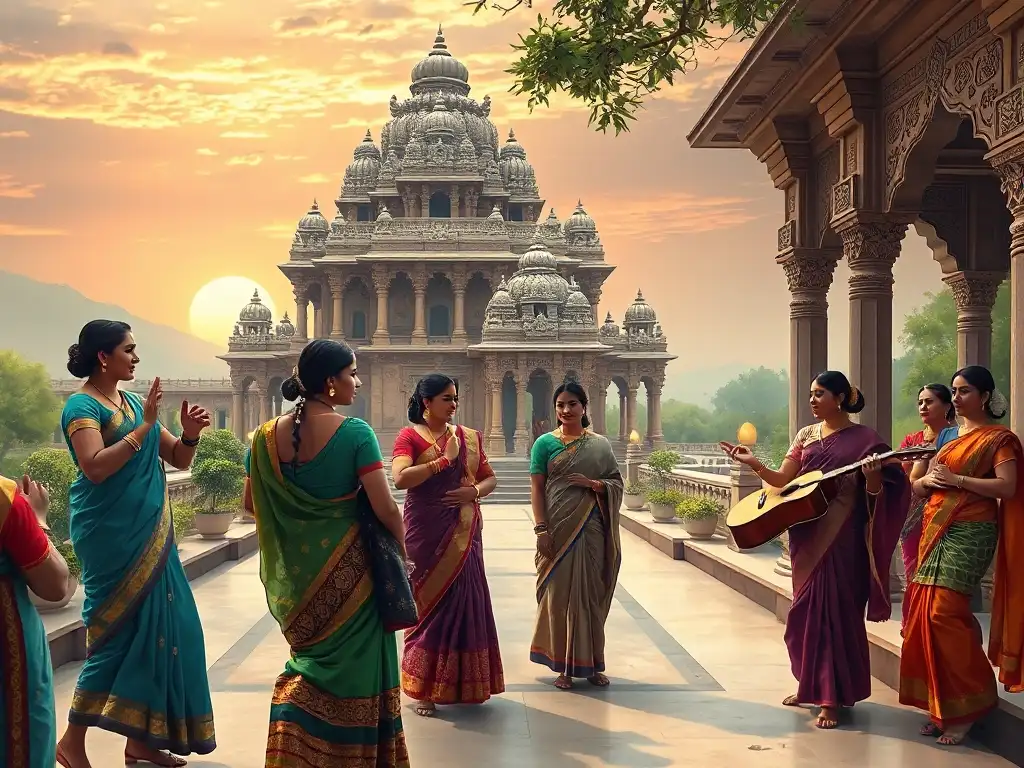
The Gupta Empire, often referred to as the "Golden Age of India," was marked by significant advancements in art, science, and culture from approximately 320 to 550 CE. During this period, the status of women saw both progress and challenges, reflecting the complexities of societal values and norms. Women's rights in ancient India during the Gupta Empire experienced a cultural flourishing that spurred greater recognition of women's contributions in various domains, including education, literature, and religion.
Culturally, the Gupta period heralded an era where women began to gain more visibility in society. They participated in religious practices and were often depicted in art and literature, signaling a shift in societal attitudes toward women's roles. However, this was a double-edged sword, as the same period also saw the emergence of patriarchal structures that redefined women's rights and their position in society.
Women's Education and Literary Contributions
Education for women during the Gupta Empire was pivotal in shaping their roles in society. While access to education was primarily reserved for the upper castes, there were notable exceptions that allowed women to engage intellectually. Texts from this era, such as the Mahabharata and Ramayana, highlight the importance of women as scholars and authors. Women like Gargi and Maitreyi, known for their philosophical inquiries, are often cited as early examples of women who contributed to ancient Indian thought.
In addition to philosophy, women participated in the arts, particularly in poetry and music. The emergence of literary figures such as the poetess Vikatanjali, who thrived during this period, showcased women's literary talents and their ability to influence cultural discourse. This intellectual engagement not only enriched the cultural tapestry of the Gupta Empire but also set a precedent for women's participation in scholarly pursuits.
The Influence of Religion on Women’s Rights
Religion played a significant role in shaping the status of women in ancient India, particularly during the Gupta period. Hindu texts and religious practices often dictated women's rights and responsibilities, emphasizing their roles as wives and mothers. The Manusmriti, a key legal text, outlined specific duties for women, which included devotion to their husbands and family. However, the period also saw the rise of more progressive interpretations of these texts, promoting the idea of women's spiritual autonomy and their participation in rituals.
The influence of Buddhism and Jainism also contributed to broader perspectives on women's rights. These religions often advocated for more egalitarian principles, allowing women to take on religious roles as nuns and scholars. This religious plurality created a complex environment where women's rights could be simultaneously restricted and expanded, depending on the prevailing cultural and religious narratives.
Case Studies of Prominent Women in Gupta Society
Throughout the Gupta Empire, several women stood out for their achievements and contributions, serving as case studies for understanding women's rights during this period. One prominent figure is Dattaka, known for her scholarly pursuits in philosophy and literature, who was often hailed as a symbol of women's intellectual capabilities. Her writings challenged existing norms and provided new insights into women's roles in society.
Another noteworthy example is Prabhavati Gupta, the daughter of the Gupta emperor Chandragupta II, who played a significant role in politics and governance. Her marriage to a local ruler strengthened political alliances, and she was instrumental in promoting educational and cultural initiatives in her region. These case studies illustrate that while women's rights were still limited, there were notable exceptions that highlighted the potential for women's agency and influence in ancient Indian society.
Challenges to Women’s Rights in Ancient India
While the Gupta Empire saw advancements in women's rights, significant challenges persisted, often rooted in external and internal factors that shaped societal norms. The evolution of women's rights in ancient India was fraught with contradictions, where cultural progress was frequently undermined by systemic issues that confined women to traditional roles.
External Factors Affecting Women’s Rights
External factors, such as invasions and foreign rule, played a critical role in shaping women's rights in ancient India. The arrival of new dynasties often led to the imposition of different cultural and social norms that affected the status of women. For instance, the invasions of the Huns during the late Gupta period brought about significant upheaval, leading to a regression in women's rights as societies prioritized military defense and stability over cultural advancement.
Moreover, trade and interactions with foreign cultures introduced new ideas regarding gender roles. While some of these influences were progressive, others reinforced patriarchal norms, often promoting the idea of women as subordinate to men. This oscillation between progressive and regressive influences underscores the complexity of women's rights in ancient India.
Internal Societal Changes and Their Impact on Women
Internal societal changes also influenced the status of women during the Gupta Empire. The consolidation of power among the elite led to a more rigid caste system, which often restricted women's freedoms and rights based on their social standing. As society became more stratified, women's roles were increasingly defined by their relationships to men, often relegating them to the domestic sphere.
Additionally, the rise of the ideal of Sati (the practice of a widow self-immolating on her husband's pyre) later in Indian history can be traced back to earlier societal norms that began to emerge during this period. Such practices illustrated the growing pressures on women to conform to expectations of loyalty and devotion, often at the expense of their agency and autonomy.
The Role of Warfare and Conquests
Warfare and conquests during the Gupta Empire significantly impacted women's rights and societal roles. As conflicts arose, women often found themselves in precarious situations, with their status tied to the outcomes of these wars. In times of war, women were sometimes seen as symbols of honor, leading to practices that emphasized their purity and submissiveness.
Moreover, the militarization of society often detracted from the cultural advancements achieved during peacetime, leading to a reassertion of traditional roles that confined women to domestic duties. The focus on military prowess and loyalty to the state overshadowed the progress made in women's education and rights, reflecting the cyclical nature of women's empowerment and disempowerment in ancient Indian history.
Conclusion: The Legacy of Women’s Rights in Ancient Indian Civilizations
The evolution of women's rights in ancient Indian civilizations reflects a complex interplay of social, cultural, and legal transformations. From the Indus Valley civilization, where women held significant roles in both domestic and public spheres, to the more restrictive norms of later periods, the status of women has undergone considerable changes.
Despite fluctuations, ancient texts and archaeological findings reveal that women in India were not merely passive recipients of societal norms; rather, they actively participated in various fields including education, arts, and governance. The legacy of these rights has laid a foundation for contemporary discussions surrounding gender equality in India, underscoring the need to revisit and reclaim the historical narratives that championed women’s agency.
Summary of Key Developments in Women’s Rights
The historical trajectory of women's rights in ancient India can be categorized into several key developments:
- Vedic Period (1500-500 BCE): This era saw women enjoying considerable freedom, including education and participation in religious rituals. Figures such as Gargi and Maitreyi were notable scholars and philosophers of the time.
- Buddhist Era (6th century BCE): Buddhism introduced the concept of female monasticism, allowing women to become nuns and engage in spiritual practices, which was revolutionary for their status in society.
- Gupta Period (320-550 CE): Although this period is often marked by a decline in women's rights, it also saw the emergence of strong female figures, such as the poetess and intellectual, Vikramashila's Malavika, who challenged societal norms.
- Legal Texts: Shastras and Dharmashastras, such as Manusmriti, reflected changing attitudes towards women's rights, often reinforcing patriarchal structures but also providing legal frameworks that recognized women's rights to inheritance and property in certain contexts.
These developments illustrate that while women's rights in ancient India were not linear, they were dynamic, adapting to the socio-political contexts of different eras.
Lasting Impact on Modern Perspectives of Women's Rights in India
The historical narrative of women’s rights in ancient India continues to resonate in modern India, influencing contemporary feminist movements and legal reforms. The recognition of women as contributors to society, as evidenced by historical texts, has inspired modern advocates for gender equality to reclaim this legacy and challenge existing stereotypes. The teachings and practices from ancient times, such as the emphasis on education for women, are echoed in today’s push for equal access to education and professional opportunities.
Furthermore, the discussions surrounding women's rights as enshrined in ancient texts have prompted critical evaluations of modern laws, leading to significant reforms aimed at improving women's status in society. This ongoing dialogue between past and present highlights the importance of understanding historical contexts to address current challenges related to gender equality.
References and Further Reading on Women’s Rights in Ancient India
Suggested Books and Articles
- "Women in Ancient India" by Kumkum Roy: This book provides a comprehensive overview of women's roles and status throughout ancient Indian history, highlighting key figures and societal changes.
- "Gender Studies in India: A Reader" by Kavita S. Khanna: This compilation includes essays that discuss the evolution of women's rights and gender roles from ancient to modern India, providing a nuanced understanding of the topic.
- "The History of Women's Rights in India" by Nandita Sharma: This article discusses the historical context and evolution of women's rights, focusing on significant periods and legislative changes.
Online Resources for Further Exploration
- Digital South Asia Library: A valuable repository of historical texts and documents related to ancient Indian civilizations, including resources on women's roles in society.
- Internet Archive: Access to a plethora of digitized books and articles on women's rights and gender studies in ancient India, offering a wealth of information for further research.
- Women’s Studies Database: An online resource that provides access to journals, articles, and papers focusing on women's studies, including studies specifically related to women's rights in ancient India.
These resources are instrumental for anyone looking to delve deeper into the subject of women's rights in ancient Indian civilizations, offering a mix of scholarly texts and online materials for comprehensive understanding.
- Introduction to Women’s Rights in Ancient India
- The Indus Valley Civilization: Early Evidence of Women’s Rights
- Vedic Period: Shifts in Women's Rights and Social Standing
- The Mauryan Empire: Women’s Rights and Political Influence
- The Gupta Empire: Cultural Flourishing and Women's Rights
- Challenges to Women’s Rights in Ancient India
- Conclusion: The Legacy of Women’s Rights in Ancient Indian Civilizations
- References and Further Reading on Women’s Rights in Ancient India
- What were the roles of women in ancient Indian civilizations?
- How did social structure affect women's rights in ancient India?
- What legal rights did women possess in ancient India?
- How did the status of women change during the Gupta Empire?
- What are some key texts that discuss women's rights in ancient India?
Frequently Asked Questions
What were the roles of women in ancient Indian civilizations?
Women in ancient India held various important roles in society, including being scholars, rulers, and contributors to family life. Their contributions varied significantly across different regions and time periods.
The social structure, particularly the caste system, influenced women's rights, often restricting their freedoms and opportunities. However, some texts indicate that women from higher castes had more access to education and property rights.
What legal rights did women possess in ancient India?
Women had certain legal rights, such as inheritance and property ownership, especially during the Vedic period. However, these rights fluctuated over time, often diminishing under later legal codes.
How did the status of women change during the Gupta Empire?
During the Gupta Empire, women's status varied, with some sources indicating a decline in their rights compared to earlier periods. Nonetheless, women still participated in cultural and religious activities, maintaining a degree of influence.
What are some key texts that discuss women's rights in ancient India?
Several ancient texts, such as the Manusmriti and the Rigveda, provide insights into women's rights. These texts reflect the evolving perceptions and roles of women throughout different eras of ancient Indian history.
Final Reflection: The Enduring Legacy of Women's Rights in Ancient India
The exploration of women's rights in ancient India reveals a profound connection between historical practices and contemporary struggles for gender equality. Today, as we navigate the complexities of women's rights, understanding the past is crucial in recognizing the progress we have made and the challenges that still lie ahead. The evolution of women's roles in ancient Indian civilizations serves as a testament to the resilience and strength of women, reminding us that the fight for equality is not a new endeavor but a continuous journey.
Culture and society are shaped by the narratives we choose to remember, and the story of women's rights in ancient India is one that resonates deeply in our modern context. The lessons learned from the past continue to influence contemporary discussions on gender equality, highlighting the importance of women's voices in shaping societal norms.
As Mahatma Gandhi once said, "> A nation's greatness is measured by how it treats its weakest members." This sentiment underscores the ongoing relevance of our historical exploration, as it compels us to reflect on how far we have come and how much further we need to go.
As we conclude this exploration, I invite you to reflect on the lessons gleaned from the past and consider how they can inform your actions today. Each of us has a role to play in advocating for women's rights, whether through education, activism, or simply by fostering conversations that challenge outdated norms. Let us honor the legacy of those who fought for equality in ancient India by committing ourselves to the ongoing struggle for women's rights, ensuring that future generations inherit a world where gender equality is not just an aspiration but a reality.
Empower Your Knowledge—Embrace Change!
Thank you for taking the time to explore the rich evolution of women’s rights in ancient Indian civilizations. Your curiosity is the first step toward understanding and appreciating the struggles and triumphs of those who came before us. Now, let's channel that newfound knowledge into action!
Here’s how you can continue your journey of empowerment:
- Join the conversation: Share your insights about women’s rights in ancient India on social media. Use #AncientWomenPower to connect with others interested in this vital topic.
- Dive deeper: Explore related articles on our site to uncover more stories of resilience. Start with pieces about influential figures and their contributions.
- Connect with your community: Attend a local lecture or debate on the history of women's rights, and invite friends to join you in this enlightening experience!
What aspect of ancient women’s rights resonates with you the most, and how do you think we can learn from their struggles today?