
The Role of Storytelling in Daily Life: Oral Traditions of the Indus Valley

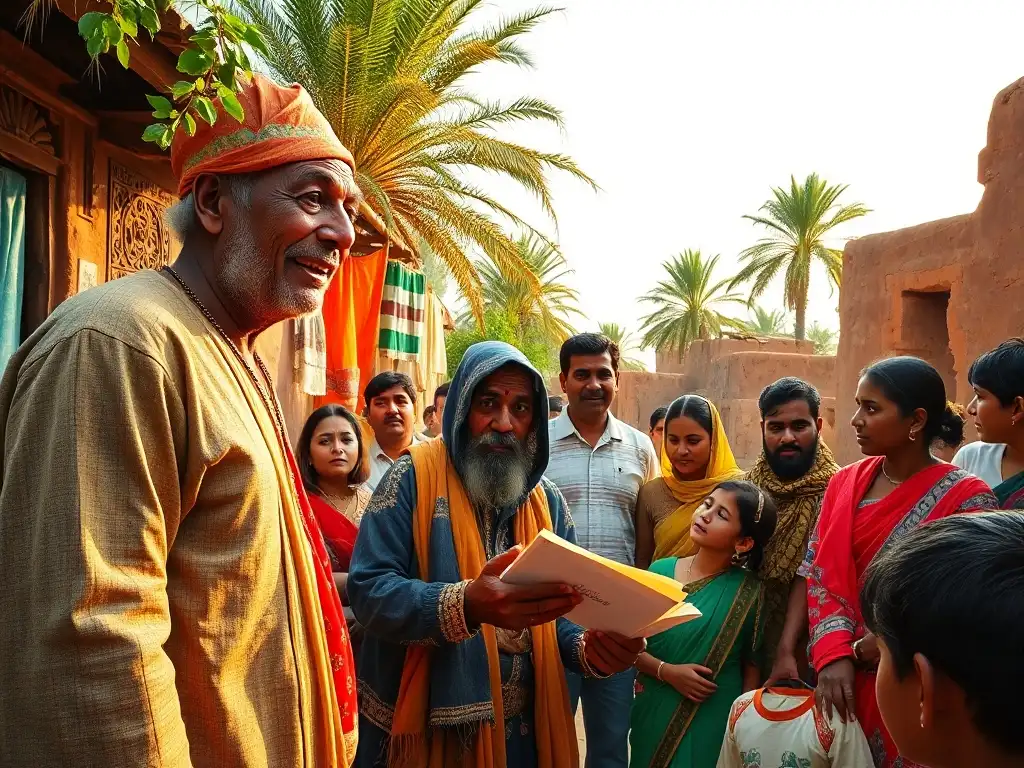
Welcome to Ancient India History, where we embark on a journey through the captivating tapestry of India’s past. Today, we delve into the fascinating world of oral traditions of the Indus Valley, uncovering the storytelling practices that shaped daily life and cultural identity in one of the world's earliest civilizations. What secrets do these ancient narratives hold, and how did they influence societal values and communal bonds? Join us as we explore the power of storytelling and its vital role in preserving the legacy of the Indus Valley. Your adventure into the depths of ancient Indian civilization begins here!
Introduction to Oral Traditions of the Indus Valley
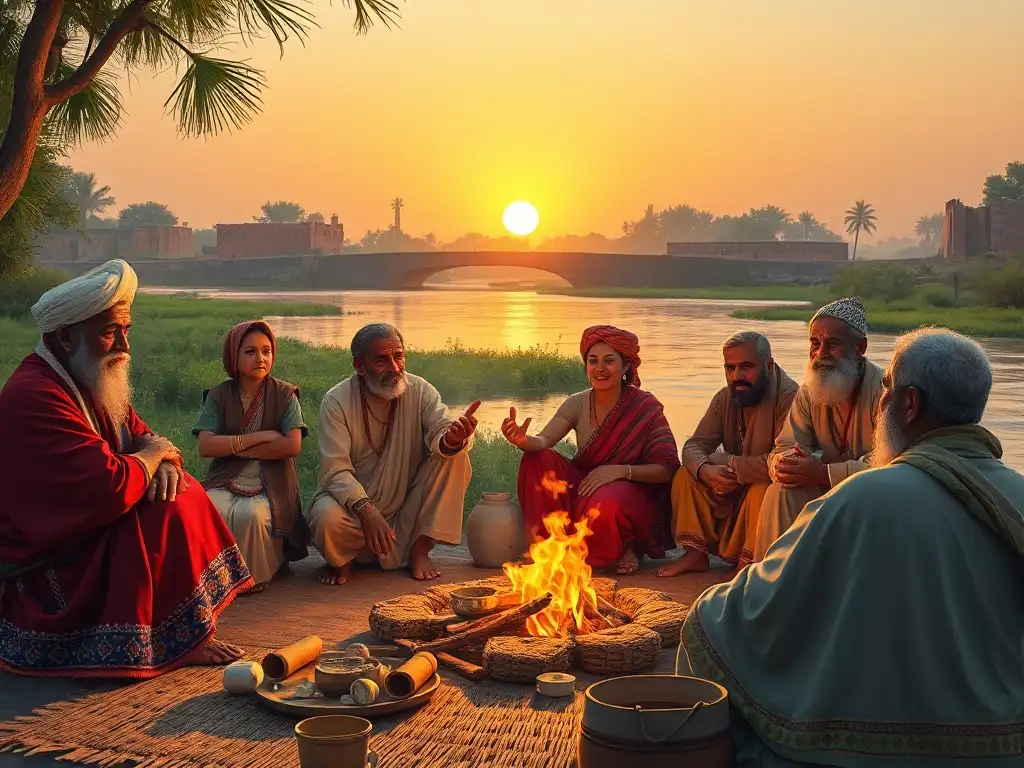
The oral traditions of the Indus Valley represent a fascinating tapestry of narratives that encapsulate the beliefs, values, and societal norms of one of the world's earliest urban civilizations. As a cornerstone of communication and cultural transmission, storytelling served not only as entertainment but also as a profound means of preserving knowledge across generations. This article delves into the intricate role that storytelling played in the daily lives of the inhabitants of the Indus Valley, illustrating how these oral traditions influenced their social fabric and contributed to the continuity of their rich cultural heritage.
Oral traditions in the Indus Valley were pivotal in shaping community identity and cohesiveness. Through tales of gods, heroes, and daily life, people could convey important moral lessons and share communal values. The effectiveness of storytelling in this ancient society helped establish a sense of belonging and continuity, as narratives were passed down through generations, adapting over time while maintaining core elements of cultural significance.
Understanding these oral traditions not only sheds light on the daily life of the Indus Valley Civilization but also highlights the broader implications of storytelling as a fundamental human activity that transcends time and geography.
Historical Context of the Indus Valley Civilization
The Indus Valley Civilization (IVC), flourishing from approximately 3300 BCE to 1300 BCE, was a remarkable early urban culture that developed in the northwestern regions of the Indian subcontinent, primarily in present-day Pakistan and northwest India. Renowned for its advanced city planning, sophisticated drainage systems, and impressive architecture, the IVC was home to major urban centers such as Harappa and Mohenjo-Daro.
In this context, storytelling emerged as a vital component of daily life, deeply intertwined with the society's religious, social, and economic practices. The people of the Indus Valley engaged in storytelling during communal gatherings, festivals, and rituals, where narratives served to reinforce social bonds and communal identity. The oral traditions encapsulated various themes, including:
- Mythology and Religion: Narratives about deities and cosmology that shaped the spiritual lives of the people.
- Life Lessons: Tales imparting moral lessons and ethical conduct, guiding behavior and social interactions within the community.
- History and Lineage: Accounts of ancestry and significant events that fostered a sense of pride and belonging among individuals.
As we explore the rich oral traditions of the Indus Valley, it becomes evident that storytelling was not merely a form of entertainment but a crucial mechanism for preserving and propagating the civilization's values, beliefs, and knowledge across generations. The depth and diversity of these narratives reflect the complexity of the society itself, revealing insights into their daily life, customs, and the enduring legacy of the Indus Valley Civilization.
The Function of Storytelling in Daily Life
Storytelling played a crucial role in the daily lives of the people in the Indus Valley Civilization. It was not merely a source of entertainment but a vital medium for transmitting knowledge, cultural values, and social norms. Through storytelling, communities could reinforce their shared identity and heritage, fostering a sense of belonging among the inhabitants. Additionally, these narratives helped individuals navigate the complexities of their environment, providing insights into human behavior, moral dilemmas, and the natural world.
Moreover, storytelling was integral in maintaining social cohesion and unity. It served as a collective memory bank, preserving the history of the community and ensuring that generations could connect with their ancestors. As a result, oral traditions became a cornerstone of cultural continuity, allowing for the adaptation and evolution of shared narratives while retaining essential elements of the civilization's identity.
Oral Traditions as a Means of Communication
In the Indus Valley, oral traditions acted as a fundamental means of communication across various strata of society. These narratives were often shared in communal settings, where families, friends, and neighbors gathered to listen and participate. The interactive nature of storytelling enabled dynamic exchanges between the storyteller and the audience, fostering engagement and deeper understanding of the tales being told.
Additionally, oral traditions transcended literacy barriers, making them accessible to all members of society, regardless of their educational background. They facilitated the exchange of essential information, such as agricultural practices, seasonal changes, and local customs. This oral communication was particularly important in an era when writing systems were not fully developed or widely used, ensuring that knowledge remained fluid and adaptable.
Storytelling as a Tool for Education
Storytelling in the Indus Valley also served as an educational tool, imparting essential life skills and moral lessons to younger generations. Through engaging narratives, children learned about societal norms, ethical behavior, and the consequences of their actions. These stories often featured moral quandaries or dilemmas, encouraging critical thinking and reflection.
Furthermore, storytelling helped preserve important agricultural and survival techniques, which were essential for the sustenance of the community. Elders would often recount tales that illustrated the significance of certain rituals, seasonal festivals, and agricultural cycles, thus imparting valuable knowledge that was crucial for the community's survival and prosperity.
Key Themes in Indus Valley Oral Traditions
The oral traditions of the Indus Valley were rich with diverse themes that reflected the values, beliefs, and daily experiences of its people. These themes encompassed a wide range of subjects, from the natural world and human relationships to spiritual beliefs and communal life. Understanding these themes provides insight into the civilization's worldview and cultural practices.
Myths and Legends of the Indus Valley
Myths and legends were central to the oral traditions of the Indus Valley, often featuring deities, heroes, and mythical creatures. These stories served to explain the origins of the world, natural phenomena, and the mysteries of life and death. They reflected the community's spiritual beliefs and their relationship with the divine.
For instance, tales about gods and goddesses may have been used to symbolize natural forces or to convey moral teachings. The stories often included elements of adventure, struggle, and triumph, reinforcing communal values such as bravery, loyalty, and perseverance. This narrative framework not only entertained but also provided a sense of purpose and understanding within the cultural context.
Folklore and Everyday Life
Folklore constituted another significant aspect of the oral traditions in the Indus Valley, encapsulating the everyday experiences of its people. These stories often depicted the lives of common individuals, their challenges, and their triumphs. They provided insight into daily routines, social interactions, and community dynamics.
Through folklore, people could share humorous anecdotes, cautionary tales, and wisdom that reflected their social environment. Such narratives often featured common characters, such as clever tricksters or wise elders, who navigated life's challenges in relatable ways. This connection to everyday life allowed the community to bond over shared experiences, reinforcing social ties and cultural identity while imparting practical knowledge and life lessons.
Storytelling Techniques in the Indus Valley
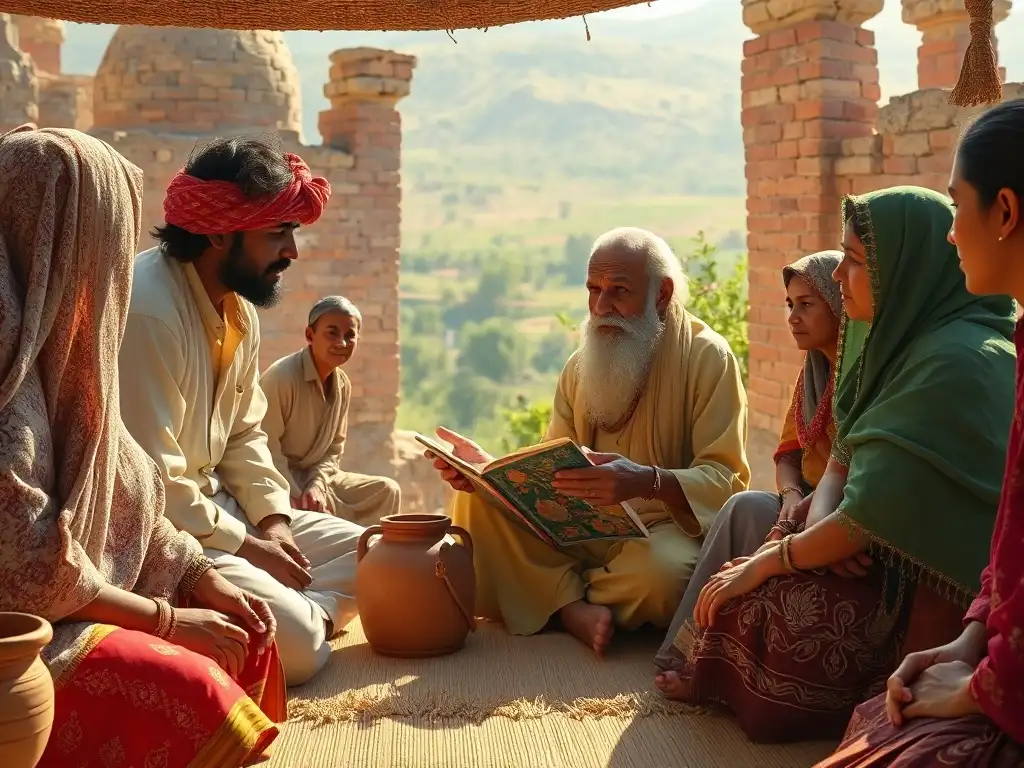
Storytelling in the Indus Valley Civilization was an integral aspect of daily life, serving as a means to convey values, history, and cultural identity. The techniques employed in storytelling varied, reflecting the complexity of the society and the diversity of its people. Oral narratives were often woven into the fabric of everyday activities, whether during communal gatherings, festivals, or even mundane tasks.
One of the prominent storytelling techniques involved the use of vivid imagery and symbolism, allowing storytellers to create engaging narratives that captivated audiences. The use of metaphors and allegories enabled the sharing of profound truths and moral lessons, making them memorable for listeners. Additionally, the incorporation of local folklore and mythological elements enriched the storytelling experience, fostering a sense of community and shared heritage.
Use of Poetic Forms and Rhyme
Poetic forms and rhyme played a significant role in the oral traditions of the Indus Valley. Storytellers often employed rhythmic patterns and structured verses to enhance the musicality of their narratives. This not only made the stories more enjoyable but also facilitated memorization and transmission across generations.
The use of alliteration and assonance added a lyrical quality to the storytelling, creating a captivating atmosphere that drew listeners in. Furthermore, these poetic elements served to emphasize key themes and characters within the stories, reinforcing their cultural significance. The intertwining of poetry and storytelling exemplified the artistic expression prevalent in the Indus Valley, showcasing the civilization's appreciation for both literature and performance.
Role of Performative Storytelling
Performative storytelling was a vital aspect of the oral traditions in the Indus Valley, where the storyteller often assumed a dynamic role, engaging the audience through expressive gestures, facial expressions, and vocal variations. This interactive form of storytelling transformed narratives into communal experiences, fostering a sense of connection among participants.
Storytellers would often use props and costumes to enhance their performances, adding a visual dimension that captivated audiences. Such performances were typically conducted during festivals, religious ceremonies, and social gatherings, reinforcing communal bonds and shared cultural narratives. The performative aspect allowed for improvisation, enabling storytellers to adapt their tales based on audience reactions and contemporary events, thus keeping the oral tradition alive and relevant.
The Legacy of Oral Traditions in the Indus Valley
The oral traditions of the Indus Valley have left an indelible mark on the cultural landscape of India, shaping the storytelling practices of subsequent civilizations. These traditions provided a foundation for the development of literature, theater, and other forms of artistic expression, influencing various aspects of Indian culture that continue to thrive today.
Impact on Subsequent Indian Civilizations
The storytelling techniques and themes established during the Indus Valley Civilization served as a precursor to the rich literary and cultural traditions of later Indian societies. As the civilization transitioned into new historical periods, the oral narratives evolved but retained their core values and lessons.
Epic tales, folklore, and mythological narratives that emerged in subsequent civilizations, such as the Vedic period and the Maurya Empire, can trace their roots back to the storytelling practices of the Indus Valley. The emphasis on moral teachings, communal identity, and cultural heritage persisted, illustrating the enduring influence of these early oral traditions on the broader historical narrative of India.
Preservation of Oral Traditions Today
Even in contemporary times, the oral traditions of the Indus Valley continue to be celebrated and preserved through various means. Storytelling festivals, cultural events, and community gatherings play a crucial role in keeping these narratives alive. Ethnographers and cultural historians work diligently to document and study the remnants of these oral traditions, ensuring that they are not lost to time.
Moreover, modern technology has facilitated the preservation and dissemination of these stories, with platforms for storytelling emerging across digital media. By embracing both traditional and contemporary methods, the oral traditions of the Indus Valley maintain their relevance, allowing future generations to connect with their rich cultural heritage. The legacy of storytelling remains a vibrant part of India's cultural fabric, echoing the voices of the past while inspiring new narratives for the future.
Conclusion
The oral traditions of the Indus Valley Civilization played a crucial role in shaping the cultural and social fabric of this ancient society. Through storytelling, the people of the Indus Valley preserved their history, shared knowledge, and fostered a sense of community. These narratives not only conveyed moral lessons and cultural values but also served as a means of entertainment and education for both adults and children.
The significance of oral traditions extends beyond mere stories; they were instrumental in maintaining a collective identity among the diverse groups within the civilization. As these tales were passed down through generations, they created a shared sense of belonging and continuity, allowing the Indus Valley people to connect with their ancestors and heritage.
While much of the specific content of these oral traditions remains elusive due to the lack of written records, archaeological findings and comparative studies with other ancient civilizations suggest that storytelling was a vital aspect of daily life. The themes explored in these narratives—such as nature, human relationships, and the cosmos—reflect the values and beliefs held by the Indus Valley people.
The oral traditions of the Indus Valley are a testament to the rich cultural heritage of ancient India. They remind us of the power of storytelling as a means to communicate, educate, and preserve the essence of a civilization. Understanding these traditions not only enriches our appreciation of the Indus Valley Civilization but also highlights the enduring impact of oral history in shaping human experience across cultures and time.
- Introduction to Oral Traditions of the Indus Valley
- Historical Context of the Indus Valley Civilization
- The Function of Storytelling in Daily Life
- Key Themes in Indus Valley Oral Traditions
- Storytelling Techniques in the Indus Valley
- The Legacy of Oral Traditions in the Indus Valley
- Conclusion
Frequently Asked Questions
What are the oral traditions of the Indus Valley?
The oral traditions of the Indus Valley encompass stories, myths, and legends passed down through generations, reflecting the cultural values and social norms of ancient civilizations.
How did storytelling influence daily life in the Indus Valley?
Storytelling served as a vital tool for education, entertainment, and the preservation of history, helping to strengthen communal bonds and transmit important knowledge across generations.
What are some key themes in Indus Valley oral traditions?
Common themes include creation myths, heroic tales, and moral lessons, which often highlight the relationship between humans and nature, as well as the importance of community and family.
How do modern scholars study these oral traditions?
Modern scholars utilize a combination of archaeological findings, linguistic analysis, and comparative mythology to piece together the rich tapestry of oral traditions from the Indus Valley.
Why are oral traditions significant in understanding ancient cultures?
Oral traditions provide valuable insights into the belief systems, social structures, and daily practices of ancient cultures, serving as a living record of their history and identity.
Final Reflection: The Enduring Power of Oral Traditions
The exploration of the oral traditions of the Indus Valley reveals their profound relevance in our contemporary lives. In an age dominated by digital communication, the essence of storytelling remains a vital thread that connects us to our past, our culture, and each other. The narratives passed down through generations serve not only as a means of preserving history but also as a powerful tool for fostering community and understanding in our increasingly fragmented world.
The oral traditions of the Indus Valley have shaped not only the cultural landscape of South Asia but also the broader human experience. These stories, rich with wisdom and life lessons, continue to resonate with us today, reminding us of the importance of shared narratives in building identity and community. As the renowned author Chimamanda Ngozi Adichie once said, “Stories can break the dignity of a people, but stories can also repair that broken dignity.” This highlights the transformative power of storytelling, emphasizing its role in both preserving and revitalizing cultural heritage.
As you reflect on the significance of storytelling in your own life, consider how you can embrace and share the oral traditions that resonate with you. Let the stories of your ancestors inspire you to create your own narrative, fostering connections with those around you. In doing so, you not only honor the rich tapestry of the past but also contribute to the ongoing dialogue of humanity, ensuring that the art of storytelling remains a vibrant and essential part of our daily lives.
Unleash the Power of Storytelling Today!
Thank you for diving into the fascinating world of storytelling and its significance in the oral traditions of the Indus Valley! Your curiosity fuels the appreciation of our rich heritage and the valuable lessons we can draw from it. Now, let's turn that inspiration into action!
- Embrace the art of storytelling: Start sharing your own stories with family and friends. Whether it's a cherished memory or a valuable lesson, let your voice be heard!
- Join a local storytelling group or workshop to connect with others who share your passion for narratives. There’s so much to learn from one another!
- Record a short video or podcast sharing an important story from your life or cultural background, and share it on social media to inspire others.
What story from your own life do you believe holds the most power to connect with others?