
Artistic Expression in Daily Life: Pottery, Sculpture, and Mural Paintings

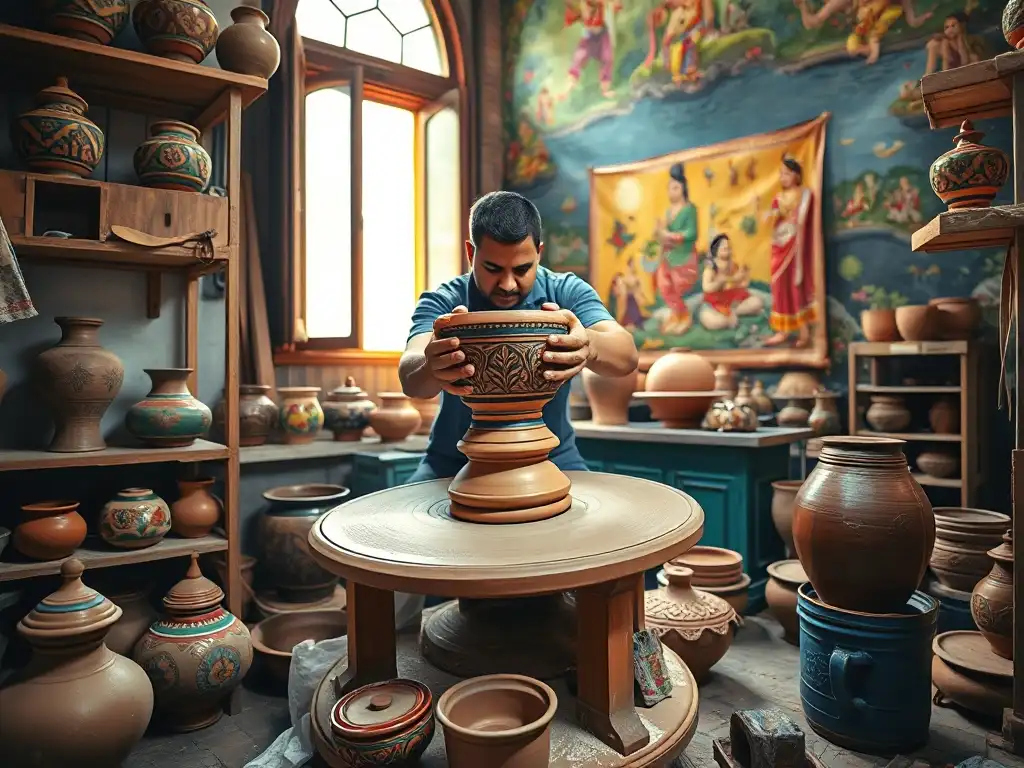
Welcome to Ancient India History, where we embark on a captivating journey through the rich tapestry of India's past. Here, we delve into the intriguing artistic traditions that flourished in ancient Indian civilizations, illuminating how creativity intertwined with daily life. In our featured article, "Artistic Expression in Daily Life: Pottery, Sculpture, and Mural Paintings," discover the profound impact of these art forms on society and culture.
Prepare to be inspired as you explore the vibrant legacy left behind by the Indus Valley to the Gupta Empire. Join us in uncovering the beauty and significance of ancient Indian artistic traditions—there's so much more waiting for you!
Introduction to Ancient Indian Artistic Traditions
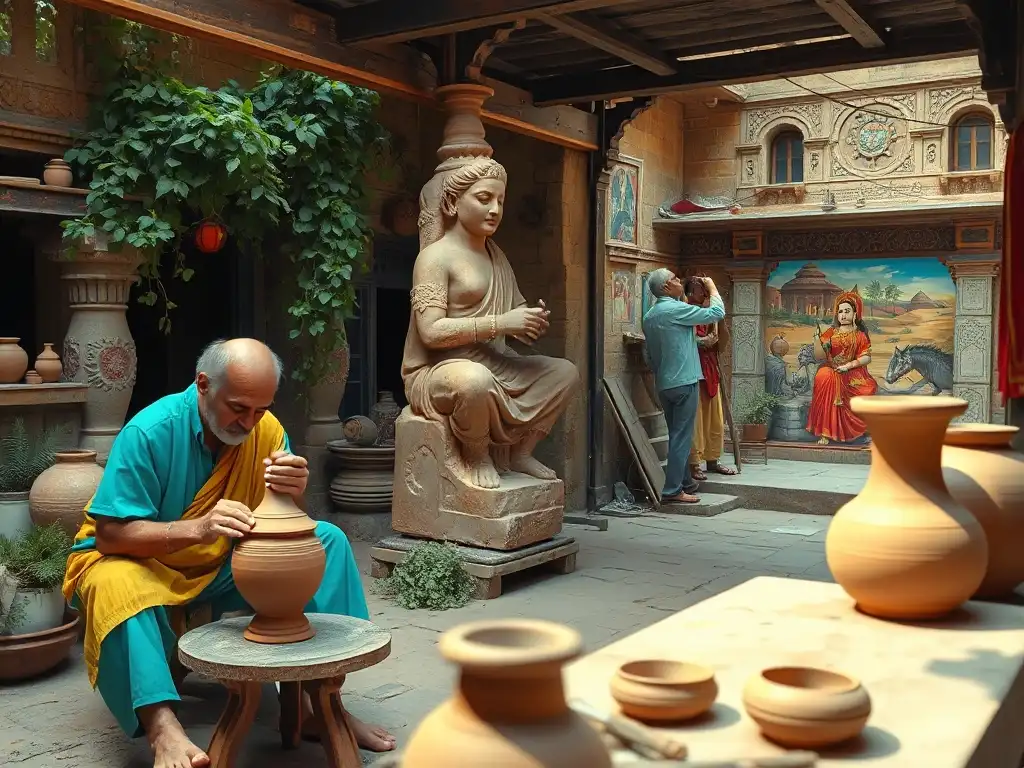
The artistic traditions of ancient India are a profound testament to the creativity and cultural richness that flourished across various civilizations, particularly during the Indus Valley period. These traditions encompass a wide array of forms, including pottery, sculpture, and mural paintings, each reflecting the values, beliefs, and daily practices of the time.
From intricate pottery designs that served both functional and aesthetic purposes to grand sculptures that depicted deities and significant figures, these art forms played a crucial role in shaping the social and cultural landscape of ancient Indian society. As we delve into these artistic expressions, we will explore how they intertwined with daily life, serving not only as a means of decoration but also as a medium for communication, spirituality, and community identity.
Overview of Ancient Indian Artistic Traditions
Ancient Indian artistic traditions are characterized by their diversity and regional variations, which evolved over millennia. The Indus Valley Civilization (circa 3300–1300 BCE) is particularly noted for its sophisticated artistic techniques, including the creation of terracotta figurines, seals, and pottery. The subsequent periods, such as the Maurya and Gupta Empires, further enriched these traditions with elaborate sculptures and intricate mural paintings.
- Key Characteristics:
- Use of natural materials (clay, stone, metal)
- Symbolism in design and motifs
- Integration of art into religious and social rituals
These artistic expressions were not only forms of aesthetic appeal but also served to document and narrate the history and beliefs of the people, making them invaluable to our understanding of ancient Indian civilization.
Importance of Artistic Expression in Daily Life of Ancient India
Artistic expression in ancient India was deeply woven into the fabric of everyday life. It was not confined to palaces or temples but permeated homes and public spaces, reflecting the values and social dynamics of the community.
- Functions of Art in Daily Life:
- Cultural Identity: Art forms helped define and preserve cultural heritage.
- Religious Significance: Many artworks were created for worship and rituals, reinforcing spiritual beliefs.
- Social Commentary: Art served as a medium to convey social norms and values.
By examining these artistic expressions, we gain insight into the daily lives of ancient Indians, revealing their priorities, beliefs, and the intricate relationship between art and society.
Pottery in Ancient Indian Civilization
Pottery is one of the most prominent artistic traditions that emerged in ancient Indian civilization, particularly notable in the Indus Valley. It serves as a vital archaeological indicator, providing insights into the technological advancements and societal structures of the time.
Significance of Pottery in Daily Life
In ancient India, pottery was not merely a craft but a crucial element of daily existence. It played various roles in both domestic and communal settings, from cooking and storage to ceremonial functions.
- Practical Uses:
- Cooking vessels
- Storage jars for grains and liquids
- Ritualistic items used in ceremonies
The widespread production and use of pottery reflect the community's resourcefulness and adaptability, showcasing their ability to blend functionality with artistic expression.
Types of Pottery Found in the Indus Valley
The Indus Valley Civilization is renowned for its diverse pottery styles, which can be categorized into several types based on their shape, decoration, and function.
- Common Types:
- Red Ware: Characterized by its fine quality and often decorated with geometric designs.
- Painted Pottery: Featuring intricate motifs, often depicting flora and fauna.
- Terracotta Figurines: Used in rituals and as toys, showcasing the creativity of the artisans.
These various pottery forms highlight not only the aesthetic preferences of the time but also the technological advancements achieved by the craftsmen.
Techniques and Methods of Pottery Making
The techniques employed in ancient Indian pottery making were sophisticated and varied. Artisans utilized a range of methods to create durable and aesthetically pleasing pieces.
- Pottery Techniques:
- Wheel-Throwing: Allowed for the production of uniform shapes and sizes.
- Handbuilding: Techniques such as coiling and pinching were used for more intricate designs.
- Firing Processes: Different firing techniques influenced the durability and appearance of the pottery.
By understanding these methods, we appreciate the skill and artistry involved in ancient Indian pottery, which continues to influence ceramic practices today.
Sculpture as a Form of Artistic Expression
Sculpture in ancient India served as both a functional and an aesthetic form of artistic expression. It played a significant role in religious, cultural, and social contexts, reflecting the beliefs, values, and daily life of the people. The sculptures from ancient Indian civilizations, particularly those from the Indus Valley, showcase not only high levels of craftsmanship but also a profound understanding of form, proportion, and aesthetics.
The artistry found in sculpture was not limited to monumental works but also included smaller figurines and decorative items. These sculptures often depicted deities, animals, and human figures, providing insights into the spiritual and social fabric of the time. The intricate details and stylistic choices in these works indicate the importance placed on artistic expression as a means of communicating thoughts, emotions, and narratives.
Role of Sculpture in Ancient Indian Society
Sculpture had multifaceted roles in ancient Indian society ranging from religious worship to social commentary. In temples and public spaces, sculptures of deities were integral to worship practices, serving as focal points for devotion and ritual. The presence of these figures was believed to bring divine blessings to the community.
Moreover, sculptures also acted as historical records, preserving the cultural and social dynamics of the era. For instance, they frequently depicted scenes from everyday life, showcasing the attire, tools, and activities of various societal classes. This visual storytelling functioned not only as a means of artistic expression but also as a form of education, helping to transmit traditions and values across generations.
Materials Used in Ancient Indian Sculptures
Ancient Indian sculptors employed a variety of materials, each contributing to the character and longevity of the works. Common materials included:
- Stone: Limestone, sandstone, and granite were popular choices due to their durability and availability. These materials allowed for intricate details and larger sculptures.
- Terracotta: Frequently used for smaller figurines and decorative items, terracotta provided a more accessible medium for everyday artistic expression.
- Metal: Bronze and copper were utilized, especially for smaller sculptures and ritual objects. The lost-wax casting technique enabled the creation of intricate and detailed figures.
- Wood: Though less common due to its perishable nature, wooden sculptures were also crafted, particularly in regional traditions.
These diverse materials reflect the technological advancements and artistic ambitions of ancient Indian sculptors, allowing them to create works that have endured through time.
Famous Sculptural Works from the Indus Valley Civilization
The Indus Valley Civilization, known for its sophisticated urban planning, also produced remarkable sculptures that illustrate its artistic achievements. Noteworthy examples include:
- The Dancing Girl: A bronze figurine discovered in Mohenjo-Daro, this small sculpture exemplifies the skill of Indus artisans. The figure's posture and detailed facial features convey a sense of movement and life.
- Priest-King Statue: This iconic sculpture, also from Mohenjo-Daro, depicts a figure in a seated position, characterized by its dignified expression and elaborate clothing. It reflects the societal structure and possible governance of the time.
- Terracotta Figurines: A variety of terracotta figures representing women, animals, and deities have been unearthed, often showcasing intricate designs and craftsmanship. These items highlight the everyday life and cultural practices of the Indus Valley people.
These works not only display technical prowess but also provide a glimpse into the spiritual and sociopolitical aspects of ancient Indus Valley life.
Mural Paintings in Ancient India
Mural paintings were another vital form of artistic expression in ancient India, often adorning the walls of temples, palaces, and public spaces. These vibrant artworks conveyed narratives, beliefs, and cultural values, serving both decorative and communicative purposes. The evolution of mural painting styles reflects the historical and cultural transitions throughout ancient Indian history.
Historical Context of Mural Paintings
The tradition of mural painting in India can be traced back to the prehistoric era, with evidence found in the rock shelters of Bhimbetka and other sites. However, it flourished significantly during the Maurya and post-Maurya periods, particularly in the context of Buddhist and Hindu art. Temples and monasteries became canvases for artists, allowing for the depiction of religious themes and stories.
The emergence of styles such as the fresco technique, which involves applying water-based pigments on freshly laid wet plaster, marked a significant advancement in mural art. This technique allowed for vibrant colors and intricate details that captured the viewer's attention and imagination. Throughout various dynasties, including the Gupta and Chola, mural painting continued to evolve, becoming more elaborate and thematic.
Techniques and Styles of Mural Art
Mural painting techniques varied greatly across regions and periods, showcasing a wide range of styles and methods. Some prominent techniques include:
- Fresco: As mentioned, this method involves applying pigments on wet plaster, allowing the colors to bond with the wall as it dries, resulting in durable and vivid images.
- Tempera: Used in regions like Rajasthan, this technique involves mixing pigments with a binding medium like egg yolk, providing a rich texture and depth to the artwork.
- Oil Painting: While less common in ancient India, oil-based techniques began to appear in later periods, allowing for greater detail and subtlety in color.
The styles of mural paintings also differed depending on the cultural context, with themes ranging from religious iconography to royal portraits and scenes of daily life, each reflecting the values and beliefs of the society.
Themes and Subjects of Mural Paintings
Mural paintings in ancient India often depicted a variety of themes that resonated with the cultural and spiritual life of the people. Common subjects included:
- Religious Narratives: Many murals illustrated stories from Hindu epics like the Ramayana and Mahabharata, as well as Buddhist Jataka tales, serving both devotional and educational purposes.
- Daily Life: Scenes showcasing agricultural activities, festivals, and social gatherings provided insights into the customs and practices of the time, celebrating the richness of community life.
- Nature and Animals: Natural imagery, including flora and fauna, often symbolized abundance and fertility, reflecting the deep connection between the people and their environment.
These themes highlight the integral role of mural paintings in conveying the multifaceted aspects of ancient Indian life, enriching our understanding of their artistic traditions.
The Interconnection of Pottery, Sculpture, and Mural Paintings
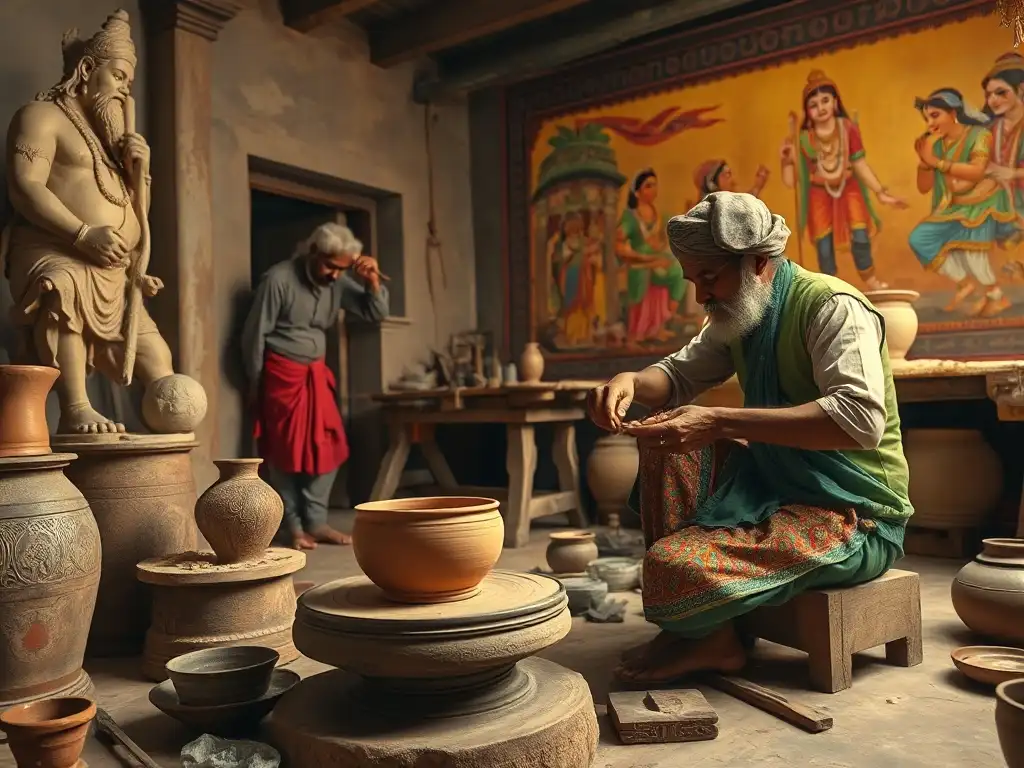
The artistic traditions of ancient India are intricately woven together, creating a rich tapestry of cultural expression that spans various mediums. Pottery, sculpture, and mural paintings are not standalone art forms; instead, they complement and enhance each other, reflecting the values, beliefs, and daily life of ancient Indian civilizations. This interconnection is particularly evident in the way these art forms were utilized in domestic, religious, and public spaces, often serving functional purposes while simultaneously conveying aesthetic pleasure.
For instance, pottery in the Indus Valley Civilization was not only practical for storage and cooking but also showcased intricate designs that mirrored the motifs found in contemporary mural paintings. Similarly, sculptures often adorned spaces that featured murals, creating a holistic artistic environment that engaged the viewer on multiple levels. This synergy among different art forms underscores the communal aspect of artistic expression in ancient India, where art was a part of everyday life and societal rituals.
How Different Art Forms Complement Each Other
The interplay between pottery, sculpture, and mural paintings can be observed in various ways. Each medium brings its unique characteristics to the forefront while enhancing the overall aesthetic experience.
- Pottery: Often decorated with geometric patterns and natural motifs, pottery served both functional and decorative purposes. The designs on pots frequently echoed themes depicted in mural paintings, creating a cohesive visual language across different artistic expressions.
- Sculpture: Sculptural works, such as terracotta figurines and stone carvings, often depicted religious figures or daily life scenes. These sculptures were not only standalone pieces but also served as focal points in spaces where murals narrated broader stories, effectively linking the two art forms.
- Mural Paintings: Murals adorned the walls of homes and public buildings, illustrating narratives from mythology and daily life. The vibrant imagery found in murals could evoke emotions and set the tone for the environment, complementing the three-dimensional aspect of sculptures and the tactile quality of pottery.
This collaboration among various art forms ensured that ancient Indian artistic traditions were rich and multifaceted, allowing for a deeper cultural expression that resonated with the people of that era.
The Role of Artistic Traditions in Cultural Identity
Artistic traditions play a vital role in shaping and expressing the cultural identity of a civilization. In ancient India, the integration of pottery, sculpture, and mural paintings contributed to a collective sense of identity that transcended individual art forms. Through these artistic expressions, communities communicated their values, beliefs, and social norms, reinforcing a shared cultural heritage.
The motifs and themes depicted in these art forms often reflected the region's geographical and cultural context, allowing for a diverse representation of identity across different ancient Indian civilizations. For example, the use of certain symbols in pottery or specific styles in mural paintings could signify particular cultural practices or religious beliefs unique to a community. This interplay of artistic forms thus not only served aesthetic purposes but also acted as a vehicle for cultural continuity and expression.
Conclusion: The Legacy of Ancient Indian Artistic Traditions
The artistic traditions of ancient India have left an indelible mark on the cultural landscape, influencing not only subsequent generations but also contemporary art forms. The legacy of pottery, sculpture, and mural paintings is evident in the continued appreciation and revival of these ancient techniques in modern Indian art.
Lasting Impact on Modern Indian Art
Modern Indian artists often draw inspiration from ancient artistic traditions, incorporating elements of pottery designs, sculptural forms, and mural techniques into their works. This revival is not merely a nostalgic return to the past but a dynamic reinterpretation that respects the original while innovating for contemporary audiences.
For instance, contemporary potters may adopt traditional motifs in their ceramics, while modern sculptures may reflect ancient techniques in their forms and materials. This synthesis enriches the current art scene and promotes a deeper understanding of India's artistic heritage.
Preserving the Heritage of Ancient Artistic Practices
Efforts to preserve the heritage of ancient artistic practices are crucial for maintaining cultural continuity. Various organizations and artisans are committed to revitalizing traditional pottery, sculpture, and mural painting techniques, ensuring that these ancient skills are passed down through generations.
Workshops, exhibitions, and cultural festivals celebrate these art forms, providing a platform for artisans to showcase their craftsmanship and for the public to engage with their cultural heritage. By fostering a renewed appreciation for ancient Indian artistic traditions, society can ensure that the legacy of these rich art forms continues to thrive in modern times.
The intricate connection between pottery, sculpture, and mural paintings illustrates the depth of ancient Indian artistic traditions, revealing their significance in both historical context and modern artistic expression.
References and Further Reading on Ancient Indian Artistic Traditions
To gain a deeper understanding of ancient Indian artistic traditions, particularly in the context of daily life, a variety of resources are available. These not only highlight the artistic expressions prevalent during the Indus Valley Civilization but also explore the broader spectrum of artistic endeavors throughout ancient India. Below is a curated list of recommended books, articles, and online resources that can enhance your knowledge and appreciation of this rich cultural heritage.
Recommended Books and Articles
- "The Art and Architecture of Ancient India" by Benjamin Rowland
- This comprehensive text delves into the artistic developments over centuries in India, providing insights into various forms of art, including pottery and sculpture.
- "The Indus Civilization: A Contemporary Perspective" by Gregory L. Possehl
- This book focuses on the Indus Valley Civilization's social and artistic aspects, with critical discussions on pottery and its significance in daily life.
- "Sculpture of India" by Pramod Chandra
- An excellent resource that explores the evolution of sculpture in India, addressing styles, techniques, and the cultural contexts in which they were created.
- "Mural Painting in India: A Historical Overview" by Sheetal Gupta
- This article provides an in-depth look at the history of mural painting in India, capturing its significance in various cultural settings.
- "Ancient Indian Pottery: A Study of Its Evolution" by S.K. Gupta
- This academic paper examines the evolution of pottery styles within ancient Indian civilizations, discussing materials, techniques, and cultural implications.
Online Resources for Deepening Understanding
- Digital South Asia Library (DSAL)
- An extensive digital archive that includes a wealth of resources related to South Asian history, culture, and arts. It contains digitized versions of books, articles, and maps relevant to ancient Indian artistic traditions.
- Archaeological Survey of India (ASI)
- The ASI's official website offers articles, reports, and findings related to archaeological excavations, including significant discoveries pertaining to art and artifacts from ancient India.
- Google Arts & Culture
- This platform features virtual exhibits and collections showcasing ancient Indian art, including pottery, sculptures, and murals from various regions and periods.
- YouTube: The British Museum Channel
- Offers a variety of documentaries and lectures discussing ancient Indian art and artifacts, providing visual context to the artistic traditions explored in texts.
- Academia.edu
- A platform where scholars publish their research papers. Searching for terms like "ancient Indian artistic traditions" can yield valuable academic insights and studies.
These resources collectively provide a robust framework for anyone interested in exploring the intricate artistic traditions of ancient India, especially during the period of the Indus Valley Civilization.
- Introduction to Ancient Indian Artistic Traditions
- Pottery in Ancient Indian Civilization
- Sculpture as a Form of Artistic Expression
- Mural Paintings in Ancient India
- The Interconnection of Pottery, Sculpture, and Mural Paintings
- Conclusion: The Legacy of Ancient Indian Artistic Traditions
- References and Further Reading on Ancient Indian Artistic Traditions
- What are the main artistic traditions in ancient India?
- How did pottery contribute to ancient Indian culture?
- What significance did sculpture hold in ancient Indian civilizations?
- How were mural paintings utilized in ancient Indian art?
- What influences shaped the artistic expression of ancient India?
Frequently Asked Questions
What are the main artistic traditions in ancient India?
Ancient Indian artistic traditions include pottery, sculpture, and mural paintings, reflecting the rich cultural heritage and daily life of various civilizations over time.
How did pottery contribute to ancient Indian culture?
Pottery served both functional and decorative purposes, showcasing the artistic skills of artisans while also providing insights into the daily life and cultural practices of ancient societies.
What significance did sculpture hold in ancient Indian civilizations?
Sculpture played a crucial role in expressing religious beliefs and mythological stories, often used in temples to depict deities and important cultural narratives, contributing to spiritual life.
How were mural paintings utilized in ancient Indian art?
Mural paintings adorned the walls of temples and homes, depicting scenes from mythology and daily life, thus serving as a vital means of visual storytelling and community identity.
What influences shaped the artistic expression of ancient India?
The artistic expression in ancient India was influenced by regional diversity, religious beliefs, and trade interactions, resulting in a unique blend of styles and techniques noted throughout different periods.
Final Reflection: Embracing Ancient Indian Artistic Traditions in Everyday Life
Artistic expression is not merely a relic of the past; it is a vibrant thread woven into the fabric of our daily lives. The exploration of ancient Indian artistic traditions, such as pottery, sculpture, and mural paintings, reveals their profound relevance in contemporary society. These art forms are not just historical artifacts; they are living practices that continue to inspire creativity and cultural identity in our modern world. As we navigate the complexities of our lives, embracing these traditions can foster a deeper connection to our heritage and a greater appreciation for the beauty that surrounds us.
The influence of ancient Indian artistic traditions is palpable in today's cultural landscape, where art serves as a powerful medium for storytelling and community expression. From local artisans reviving traditional pottery techniques to muralists transforming urban spaces with vibrant narratives, these practices remind us of the importance of creativity in our lives. Art is the most beautiful of all lies.
This quote encapsulates the essence of artistic expression, highlighting how it can transcend reality and evoke emotions that resonate across generations. As we engage with these art forms, we not only honor our ancestors but also contribute to a living legacy that enriches our communities.
As you reflect on the themes presented in this article, consider how you can incorporate elements of ancient Indian artistic traditions into your daily life. Whether it’s creating your own pottery, exploring local murals, or simply appreciating the artistry around you, take a moment to connect with the creativity that flows through your culture.
Let these ancient practices inspire you to express yourself and celebrate the beauty of artistic expression in all its forms. Your journey into the world of art can be a transformative experience, one that fosters connection, understanding, and a deeper appreciation for the rich tapestry of human creativity.
Ignite Your Creativity: Dive into Artistic Expression Today!
Thank you for exploring the fascinating world of artistic expression through pottery, sculpture, and mural paintings! You've uncovered the rich heritage of creativity that has shaped cultures throughout history. Now, it’s time to unleash your own artistic spirit and make it a part of your daily life!
Here are a few inspiring actions you can take to get started:
- Begin your artistic journey by trying your hand at pottery. Find a local pottery class or purchase a DIY kit online to craft something unique.
- Explore the world of sculpture! Gather materials such as clay or recycled objects from around your home and create a piece that tells your personal story.
- Share your creations! Post your artwork on social media or join an art community to connect with fellow enthusiasts and gain valuable feedback.
What aspect of artistic expression resonates with you the most, and how do you plan to incorporate it into your daily life? Let's start a conversation!