
Gupta Architecture: Marvels That Defined a Civilization


Welcome to Ancient India History, where we delve into the rich tapestry of civilizations that shaped one of the world’s oldest cultures. Get ready to embark on a journey through time as we explore the Gupta Empire's architectural achievements, a testament to ingenuity and artistry that defined an era. What secrets lie within the majestic temples and intricate sculptures born from this golden age? Join us as we uncover the marvels of Gupta architecture and the profound impact it had on the cultural landscape of ancient India. Your adventure into the past starts here!
- Introduction to Gupta Empire Architectural Achievements
- Historical Context of Gupta Architecture
- Major Gupta Architectural Marvels
- Architectural Techniques and Innovations
- Cultural and Religious Significance of Gupta Architecture
- Preservation and Legacy of Gupta Architectural Achievements
- Conclusion: The Enduring Legacy of Gupta Empire Architectural Achievements
-
Frequently Asked Questions
- What were the key architectural achievements of the Gupta Empire?
- How did Gupta architecture influence later Indian architecture?
- What materials were primarily used in Gupta architecture?
- How did Gupta architecture reflect the culture of the time?
- Are there any UNESCO World Heritage Sites related to Gupta architecture?
- Final Reflection: The Enduring Legacy of Gupta Architecture
- Unveil the Wonders of Gupta Architecture Today!
Introduction to Gupta Empire Architectural Achievements
The Gupta Empire, often referred to as the "Golden Age of India," is renowned for its remarkable contributions to art, culture, and architecture. Spanning from approximately 320 to 550 CE, this period marked a significant advancement in various fields, with architectural achievements standing out as a testament to the ingenuity and creativity of its people.
The architectural marvels of the Gupta Empire not only reflect the aesthetic sensibilities of the time but also illustrate the social, religious, and political dynamics that shaped ancient Indian civilization. Through a detailed exploration of the architectural innovations during this era, we can gain insights into how these structures continue to influence contemporary architecture and remain a source of immense pride in India's cultural heritage.
Overview of the Gupta Empire
The Gupta Empire was founded by Maharaja Sri Gupta around 240 CE and reached its zenith under the reign of prominent rulers such as Chandragupta II and Samudragupta. This era is characterized by:
- Political Stability: The Gupta rulers established a vast empire that encompassed much of northern India, leading to a period of relative peace and stability.
- Cultural Flourishment: The Gupta period witnessed significant advancements in literature, science, and philosophy, with scholars like Aryabhata making notable contributions.
- Religious Harmony: The empire is known for its promotion of both Hinduism and Buddhism, resulting in a rich tapestry of religious architecture and art.
This blend of stability, cultural richness, and religious diversity fostered an environment conducive to architectural innovation, as rulers commissioned numerous temples, stupas, and palaces that showcased both grandeur and intricacy.
Importance of Architecture in Ancient Indian Civilization
Architecture in ancient India served various purposes beyond mere aesthetics. It played a crucial role in:
- Religious Expression: Temples and stupas were built as places of worship and pilgrimage, embodying the spiritual beliefs and practices of the time.
- Cultural Identity: Architectural styles reflected the local traditions and customs, serving as a representation of regional identities within the broader Indian civilization.
- Political Power: Grand structures were often commissioned by rulers to demonstrate their power and benevolence, reinforcing their authority among the populace.
The Gupta Empire's architectural achievements are particularly significant as they mark a transition from earlier styles, emphasizing intricate carvings, elaborate sculptures, and the use of materials that were locally available. This era set the foundation for many architectural practices that followed in later Indian history.
Key Features of Gupta Architecture
Gupta architecture is characterized by several distinctive features that highlight the era's artistic and engineering capabilities:
- Intricate Sculptures: Gupta temples are adorned with exquisite carvings and sculptures, often depicting deities, mythological scenes, and everyday life.
- Urban Planning: The layout of cities during the Gupta period showcased advanced urban planning, with well-defined streets and public spaces.
- Stupas and Temples: Structures such as the famous Sanchi Stupa and the rock-cut temples at Ajanta and Ellora reflect the architectural prowess and religious devotion of the time.
- Use of Brick and Stone: The use of durable materials such as brick and stone allowed for the creation of monumental structures that have stood the test of time.
These elements not only exemplify the technical skills of Gupta architects but also their ability to blend form with function, creating spaces that were both beautiful and meaningful. The legacy of Gupta architecture continues to inspire and influence modern architectural practices in India and beyond.
Historical Context of Gupta Architecture
The Rise of the Gupta Empire
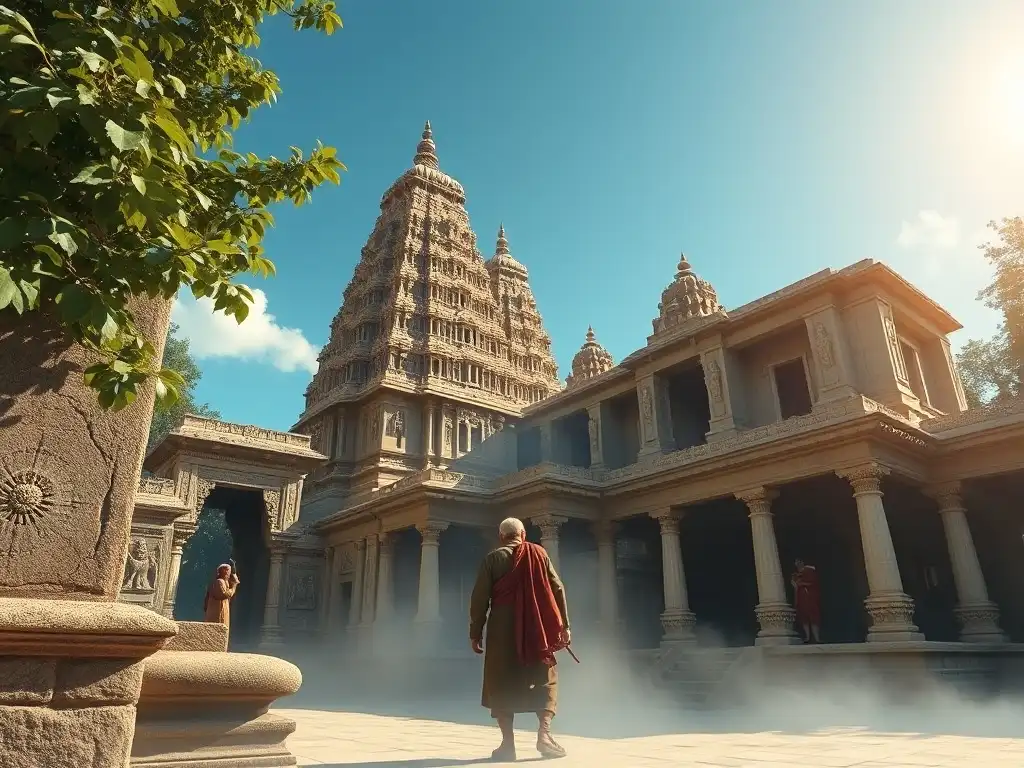
The Gupta Empire, which flourished from approximately 320 to 550 CE, marked a significant period in the history of ancient India, characterized by political stability, economic prosperity, and cultural advancement. Founded by Maharaja Sri Gupta, the empire reached its zenith under the rule of Chandragupta II, also known as Vikramaditya. This era is often referred to as the "Golden Age of India" due to its remarkable achievements in various fields, including science, mathematics, literature, and, notably, architecture.
During this time, the Gupta rulers embraced Hinduism, which played a crucial role in shaping the architectural landscape. Temples and public structures were built not only as religious centers but also as representations of political power and social order. The rise of urban centers, along with a burgeoning trade network, facilitated the exchange of ideas and artistic styles, further contributing to the architectural innovations of the period.
Influences on Gupta Architectural Styles
Gupta architecture was heavily influenced by preceding styles, particularly those from the Maurya and post-Mauryan periods, while also incorporating elements unique to its own era. Key influences included:
- Religious Integration: The transition from Buddhism to Hinduism during the Gupta period saw a shift in architectural focus. While earlier structures like the stupas were significant, the Gupta architecture emphasized the construction of ornate temples dedicated to various deities like Vishnu, Shiva, and Durga.
- Regional Variations: Different regions of the Gupta Empire showcased distinct architectural styles, influenced by local materials and traditions. For instance, the use of sandstone in North India led to the creation of intricately carved temples, while other areas utilized brick and stone differently.
- Artistic Expression: The Gupta period is renowned for its sculptural achievements, which complemented architectural endeavors. Temples were adorned with exquisite carvings and reliefs depicting mythological narratives, emphasizing the harmony between architecture and the visual arts.
Comparison with Previous Indian Architectural Traditions
When comparing Gupta architecture with earlier Indian architectural traditions, several key differences and continuities emerge:
| Aspect | Mauryan Architecture | Gupta Architecture |
|---|---|---|
| Materials Used | Primarily stone (e.g., sandstone) | A mix of stone, brick, and terracotta |
| Style | Simpler, monumental structures (e.g., stupas) | Intricate carvings and detailed sculptures |
| Functionality | Stupas for Buddhist worship | Temples for Hindu worship and community gatherings |
| Design Elements | Emphasis on symmetry and solidity | Use of elaborate ornamentation and dynamic forms |
The Gupta architectural achievements stand out for their refined aesthetics and spiritual significance, representing a culmination of earlier traditions while laying the groundwork for future architectural developments in India. The detailed carvings, towering shikharas (temple spires), and vast courtyards showcased the sophistication of Gupta craftsmanship and contributed to the lasting legacy of ancient Indian architecture.
Major Gupta Architectural Marvels
Temples of the Gupta Period
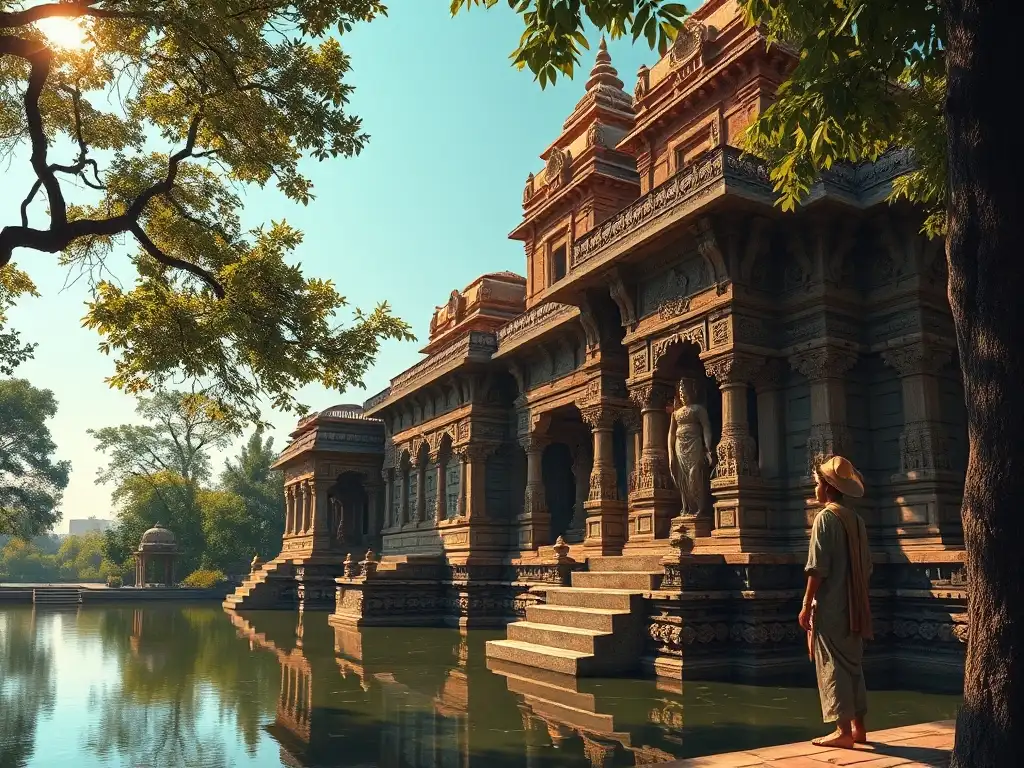
The Gupta Empire, often hailed as a golden age in Indian history, is renowned for its remarkable architectural achievements, particularly in temple construction. These structures not only reflect the artistic and cultural sophistication of the time but also serve as important religious sites that embody the spiritual life of the period. The temples from the Gupta era are noted for their intricate carvings, elaborate sculptures, and innovative architectural designs.
The Vishnu Temple at Deogarh
The Vishnu Temple at Deogarh, dating back to the 5th century CE, is a prime example of Gupta architecture. This temple is distinguished by its unique plinth and a sanctum that is surrounded by a circumambulatory path. The intricately carved stone reliefs depict various deities, showcasing the high level of craftsmanship prevalent during this period.
Key features include:
- Shikhara (spire): The temple's shikhara is a classic representation of Gupta architectural style, with its curved profile rising elegantly upward.
- Sculptural richness: The temple walls are adorned with carvings that illustrate scenes from Hindu mythology, including depictions of Vishnu in various avatars.
- Artistic symbolism: The use of symbolic motifs reflects the spiritual significance attributed to the temple, serving as a link between the divine and the earthly.
Overall, the Vishnu Temple at Deogarh stands as a testament to the artistic and architectural advancements of the Gupta Empire, encapsulating the era's cultural ethos.
The Dashavatara Temple at Deogarh
Another significant architectural marvel from the Gupta period is the Dashavatara Temple, also located in Deogarh. Built around the same time as the Vishnu Temple, it is dedicated to Lord Vishnu and showcases the temple's dedication to the ten avatars (Dashavatara) of the deity.
Notable aspects include:
- Innovative layout: The temple features an intricate layout with a central shrine and several subsidiary shrines, enhancing its complexity and grandeur.
- Exquisite carvings: The temple’s exterior is richly decorated with sculptures depicting various avatars of Vishnu, including well-known figures like Rama and Krishna.
- Architectural influence: The design of the Dashavatara Temple influenced subsequent temple constructions in India, setting a precedent for future architectural styles.
The Dashavatara Temple exemplifies the Gupta Empire’s architectural prowess and its emphasis on religious expression through art.
Stupas and Monasteries
In addition to temples, the Gupta period also saw the construction of stupas and monasteries, which played a vital role in the spread of Buddhism and provided spaces for spiritual practice and community gathering. These structures are characterized by their monumental forms and intricate craftsmanship.
The Sanchi Stupa
The Sanchi Stupa, one of the oldest stone structures in India, is a remarkable example of Buddhist architecture from the Gupta era. Although originally built during the Mauryan period, it was significantly enhanced during the Gupta period, showcasing the continuity and evolution of architectural practices.
Key highlights include:
- Domed structure: The stupa's hemispherical dome symbolizes the universe, with the central axis representing the connection between the earthly realm and the heavens.
- Toranas (gateways): The elaborately carved toranas at each cardinal point are adorned with scenes from the life of Buddha, illustrating the high level of artistic detail achieved during the Gupta period.
- Symbolism of design: The design elements of the Sanchi Stupa reflect the Buddhist philosophy, serving as a visual representation of spiritual concepts.
The Sanchi Stupa is not only an architectural marvel but also a significant cultural and historical site that attracts scholars and tourists alike.
The Ajanta Caves: A Blend of Art and Architecture
The Ajanta Caves, renowned for their stunning rock-cut architecture and exquisite frescoes, are a UNESCO World Heritage site that exemplifies the artistic achievements of the Gupta Empire. These caves, carved into a hillside, date back to the 2nd century BCE to the 6th century CE, with many of the paintings and sculptures created during the Gupta period.
Significant features include:
- Cave architecture: The caves are organized into a series of monastic and prayer halls, each adorned with intricate carvings and sculptures that depict Buddhist themes.
- Fresco paintings: The vibrant frescoes, showcasing scenes from Jataka tales, are celebrated for their artistic mastery and insight into the social and cultural life of the time.
- Cultural synthesis: The Ajanta Caves reflect a synthesis of architectural innovation and artistic expression, making them a crucial part of India's cultural heritage.
The Ajanta Caves stand as a monumental achievement in Gupta architecture, illustrating the era's rich artistic legacy and its enduring impact on Indian culture.
Fortifications and Palaces
The Gupta Empire, known for its flourishing art and culture, also made significant strides in architectural achievements, particularly in the construction of fortifications and palaces. These structures were not only designed for defense but also served as symbols of power and prestige. The fortifications were strategically built to protect the empire's boundaries, while the palaces represented the grandeur and sophistication of Gupta rulers. Their architectural styles integrated local traditions with innovative designs, resulting in structures that reflected the empire's strength and artistic prowess.
The Citadel of Ujjain
Ujjain, one of the prominent cities during the Gupta period, featured an impressive citadel that stands as a testament to the architectural ingenuity of the time. This citadel served as a defensive structure, strategically located to control access to the city and protect it from invasions.
The design of the Ujjain citadel incorporated massive walls made from locally sourced stones, showcasing advanced engineering techniques. These walls were not just protective barriers; they also included watchtowers and gateways that facilitated the movement of troops and supplies. The citadel's layout allowed for efficient defense mechanisms, with elevated positions providing vantage points for surveillance.
In addition to its military function, the citadel of Ujjain was also a vibrant center of trade and cultural exchange. Its proximity to trade routes facilitated economic prosperity, making it a bustling hub for merchants and travelers. The architectural features of the citadel, such as intricate carvings and beautifully designed entrances, reflected the artistic talents of the Gupta craftsmen, blending functionality with aesthetic appeal.
The Architectural Significance of Pataliputra
Pataliputra, the capital of the Gupta Empire, is renowned for its architectural significance and grandeur. The city was meticulously planned, featuring wide roads, spacious gardens, and a system of waterways that contributed to its livability and beauty. The fortifications of Pataliputra were among the most impressive of the time, showcasing a combination of brick and stone construction that provided both strength and elegance.
One of the standout features of Pataliputra's architecture was its impressive palaces, particularly the grand palace of Chandragupta II. This palace exemplified the luxurious lifestyle of the Gupta royalty, adorned with intricate carvings, elaborate frescoes, and spacious courtyards. The use of large pillars and arches in the palace's design not only provided structural support but also contributed to the aesthetic grandeur, reflecting the artistic sensibilities of the era.
Additionally, Pataliputra was home to several significant religious structures, including stupas and temples, which illustrated the Gupta commitment to spirituality and culture. The architectural style of these buildings often featured elaborate stonework and intricate sculptures, which conveyed stories from Hindu mythology and Buddhist teachings. This integration of religious and civic architecture highlights the cultural synthesis characteristic of the Gupta period.
Overall, the architectural achievements of Pataliputra encapsulate the sophistication of Gupta engineering and artistry, marking it as a pivotal center of cultural and political activity in ancient India.
Architectural Techniques and Innovations
Use of Stone and Brick in Gupta Structures
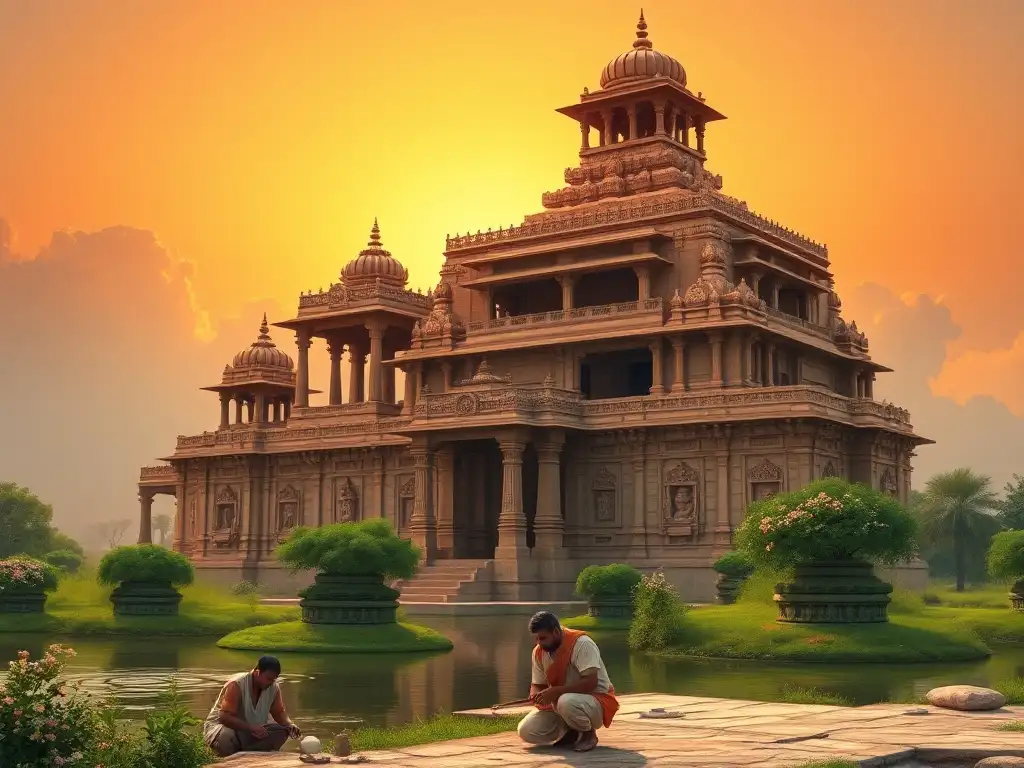
The Gupta Empire, flourishing from approximately 320 to 550 CE, is renowned for its architectural achievements that prominently featured the innovative use of stone and brick. Unlike earlier civilizations, the Guptas embraced high-quality stone for their constructions, which not only provided durability but also allowed for intricate carvings and detailed ornamentation.
Key features of stone and brick usage in Gupta architecture include:
- Material Selection: The Guptas primarily utilized sandstone and limestone, which were abundant in the region. This choice facilitated elaborate sculptural work, evident in numerous temples and structures.
- Brick Construction: While stone was favored, brick construction remained prevalent, especially in the early phases of the empire. The use of burnt bricks, which were more durable than their unburnt counterparts, marked a significant advancement in building techniques.
- Temple Architecture: The construction of temples during this period showcased a seamless blend of stone and brick. Notable examples include the famous temples at Deogarh and Bhitargaon, which exhibit intricate carvings and well-planned layouts.
The combination of these materials allowed architects to experiment with aesthetic forms, leading to the emergence of the Nagara style, characterized by tall, curvilinear spires (shikharas) that dominate the skyline.
Advances in Construction Techniques
The Gupta period witnessed remarkable advancements in construction techniques, which significantly influenced the architectural landscape of ancient India.
- Arched Structures: The introduction of arches represented a pivotal shift in architectural design. This technique enabled the construction of larger, more stable structures, allowing for expansive interiors within temples and public buildings.
- Corbelled Arches: While true arches were not extensively used, the Gupta architects employed corbelled arches effectively. This technique involved stacking stones in a stepped manner, creating an arch-like effect without the need for complex engineering.
- Ritual and Functional Spaces: Advances in planning and construction allowed for the creation of multi-functional spaces within temples. Sanctums, halls for congregational worship, and intricate entranceways were designed with a focus on ritualistic significance and community engagement.
The engineering prowess of Gupta architects is evident in the construction of stupas and monasteries, which utilized these techniques to create lasting monuments that served both religious and educational purposes.
Iconography and Sculpture in Gupta Architecture
Iconography and sculpture played a crucial role in Gupta architecture, serving not only decorative purposes but also conveying deep philosophical and religious meanings.
- Divine Representations: The sculptures found in Gupta temples are distinguished by their realism and expressiveness. Deities such as Vishnu, Shiva, and various goddesses were depicted in dynamic poses, showcasing the artistic sophistication of the era.
- Narrative Reliefs: Many temples featured intricate narrative reliefs depicting scenes from Hindu epics like the Ramayana and the Mahabharata. These carvings served both educational and devotional functions, allowing worshippers to engage with the stories and values of their faith.
- Influence of Regional Styles: The Gupta Empire's extensive trade networks facilitated the exchange of artistic styles and techniques. This resulted in the incorporation of local artistic traditions, leading to a diverse range of iconographic representations across different regions.
The legacy of Gupta iconography and sculpture is not only a testament to the artistic achievements of the time but also an enduring influence on subsequent Indian art forms, establishing a foundation that would resonate through centuries of cultural development.
The architectural techniques and innovations of the Gupta Empire reflect a period of immense creativity and sophistication, characterized by the skilled use of materials, advanced construction methods, and meaningful artistic expression. These achievements not only defined the civilization but also left an indelible mark on the architectural heritage of India.
Cultural and Religious Significance of Gupta Architecture
The Role of Temples in Gupta Society
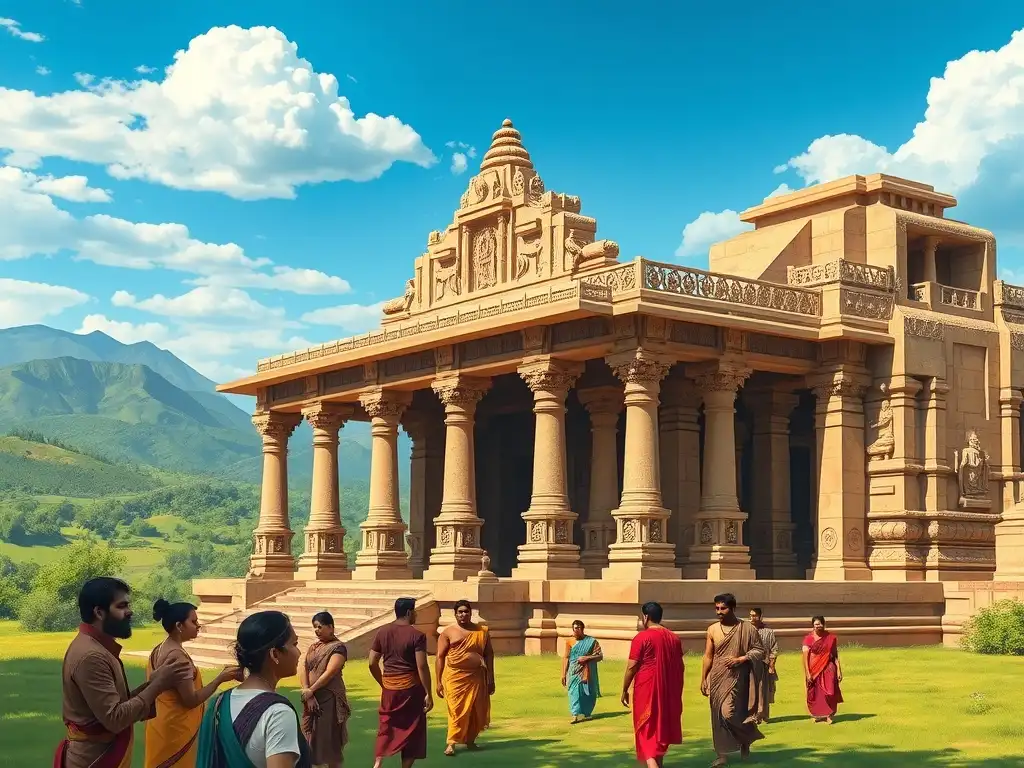
The Gupta Empire, often referred to as the "Golden Age" of India, was marked by significant advancements in various fields, including architecture. Temples played a central role in Gupta society, serving not only as places of worship but also as community centers where social, cultural, and economic activities converged.
- Sacred Spaces: Temples were designed as sacred spaces that embodied the divine. The construction of grand temples, such as the famous Dashavatara Temple at Deogarh, reflects the period's architectural sophistication and the importance of religious practice. The intricate carvings and sculptures that adorn these temples depict various deities, illustrating the rich tapestry of Hindu mythology.
- Community Engagement: Temples functioned as hubs for the community, where festivals, rituals, and gatherings were held. This engagement fostered a sense of unity among the people, further enhancing the communal and cultural fabric of Gupta society.
- Economic Importance: The temples were also economic entities. They often received donations and patronage from wealthy merchants and local rulers, which contributed to their maintenance and expansion. This financial support enabled temples to become centers of learning and art, facilitating the growth of various disciplines, including music, dance, and philosophy.
Symbolism in Gupta Architectural Designs
Gupta architecture is characterized by rich symbolism that reflects the spiritual and cultural beliefs of the time. The designs often incorporated elements that conveyed deeper meanings:
- Mandapas: The pillared halls or mandapas in Gupta temples signify the meeting point between the earthly and the divine. These structures were not only functional but also symbolized the presence of divine energy.
- Shikhara: The towering spires, known as shikharas, represent the mythical Mount Meru, which is considered the axis of the universe in Hindu cosmology. This verticality in design suggests the aspiration of the soul towards the divine.
- Iconography: The sculptures and reliefs on temple walls serve as visual narratives of Hindu epics and legends. These artistic elements were not merely decorative; they were meant to educate the devotees about the stories and virtues associated with the deities.
The architectural choices made during the Gupta period were deeply intertwined with the prevailing philosophical and religious ideologies, making their structures an enduring testament to their cultural heritage.
Influence on Later Indian Architectural Styles
The architectural achievements of the Gupta Empire laid the foundation for subsequent styles in Indian architecture. The innovations and designs from this period had a profound and lasting impact:
- Chalukya and Rashtrakuta Architecture: The temple designs that emerged during the Chalukya and Rashtrakuta dynasties in South India were heavily influenced by Gupta architectural principles. The intricacies of the carvings and the use of shikharas can be traced back to Gupta templates.
- Rajput and Mughal Architecture: The Rajput architectural style also drew inspiration from Gupta designs, notably in the use of domes and intricate carvings. Similarly, Mughal architecture, with its grand scale and decorative elements, reflects the aesthetic principles established by Gupta builders.
- Regional Variations: The adaptability of Gupta architectural designs led to regional variations that enriched the architectural landscape of India. From the stone temples in Orissa to the cave temples of Ajanta and Ellora, the essence of Gupta architecture can be observed across diverse Indian cultures.
The Gupta Empire architectural achievements not only defined their civilization but also set a precedent that influenced the architectural narrative of India for centuries to come. The legacy of their temples and designs continues to be appreciated today, highlighting the profound cultural and religious significance of Gupta architecture.
Preservation and Legacy of Gupta Architectural Achievements
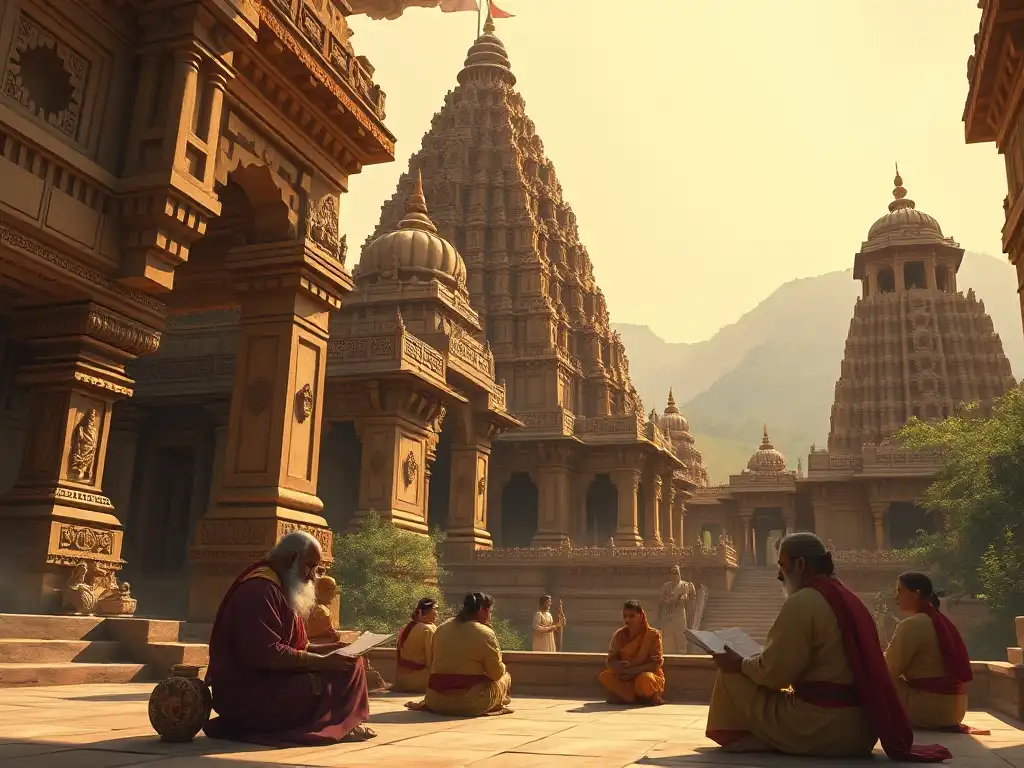
Current State of Gupta Architectural Sites
The architectural wonders of the Gupta Empire, which flourished between the 4th and 6th centuries CE, stand as monumental testaments to India's rich cultural heritage. Many of these sites, such as the temples at Deogarh, the ruins of Udayagiri, and the magnificent frescoes at Ajanta, have undergone various degrees of preservation and restoration efforts over the years.
- Deogarh Temples:
- Known for their intricate carvings and intricate sculptures, the temples at Deogarh are among the best-preserved examples of Gupta architecture.
- The Dasavatara Temple, dedicated to Vishnu, showcases remarkable relief work, which continues to draw scholars and tourists alike.
- Ajanta Caves:
- The Ajanta Caves, a UNESCO World Heritage Site, feature exquisite rock-cut sculptures and murals.
- Despite natural wear and environmental threats, ongoing conservation efforts have focused on stabilizing the cave structures and restoring faded frescoes.
- Udayagiri Caves:
- These caves, known for their impressive carvings, such as the famous Varaha Avatar of Vishnu, are significant for understanding Gupta artistry.
- Preservation initiatives have been implemented to protect these caves from vandalism and degradation due to tourism.
Impact on Modern Indian Architecture
The architectural achievements of the Gupta Empire have left an indelible mark on the evolution of Indian architecture. Elements from Gupta designs can be seen in various forms across subsequent periods, influencing both religious and secular buildings.
- Temple Architecture: The shikhara (spire) style of temple architecture, which originated during the Gupta period, has become a defining characteristic of later Hindu temples. Many present-day temples echo the verticality and ornate detailing established by Gupta architects.
- Use of Stone: The Gupta Empire popularized the use of stone for building structures, which has persisted in modern Indian architecture. This shift not only allowed for more durable buildings but also enabled intricate carvings that have become a hallmark of Indian heritage.
- Civic Structures: The layout and planning of cities during the Gupta period set precedents for urban design. The emphasis on public spaces, including gardens and open squares, influenced the development of modern urban planning in India.
Importance of Conservation Efforts
Preserving the architectural achievements of the Gupta Empire is crucial for various reasons:
- Cultural Heritage: These structures are not merely remnants of the past; they are integral to India's cultural identity. Conservation efforts help maintain the historical narrative and allow future generations to appreciate their heritage.
- Tourism and Economy: Gupta architectural sites attract millions of tourists each year, contributing significantly to the local and national economy. Proper conservation ensures that these sites remain viable attractions.
- Educational Value: Preserved sites serve as invaluable resources for historians, archaeologists, and students. They provide insights into the technological, artistic, and cultural advancements of the Gupta Empire, enriching our understanding of ancient civilizations.
- Ecological Considerations: As many Gupta sites are at risk from environmental factors, conservation efforts also incorporate ecological strategies to protect these landmarks from climate change and natural disasters.
The preservation of Gupta architectural achievements not only safeguards a vital part of India's cultural legacy but also enhances modern architectural practices and promotes sustainable tourism.
Conclusion: The Enduring Legacy of Gupta Empire Architectural Achievements

The Gupta Empire, often referred to as the Golden Age of India, left an indelible mark on the world through its architectural achievements. The innovations and styles that emerged during this period not only reflect the technological prowess of the time but also embody the socio-cultural values of an advanced civilization. From the intricate temple designs to the elegant sculptures, the architectural contributions of the Gupta Empire serve as a testament to the artistic and intellectual heights reached by its society.
The legacy of Gupta architecture is evident in the enduring structures that continue to inspire awe and admiration. The temples, such as those at Khajuraho and Ujjain, showcase a blend of artistic expression and spiritual devotion. These edifices stand as symbols of the intricate relationship between religion, culture, and art that flourished during the Gupta period. Moreover, the architectural principles established during this era have influenced subsequent generations, shaping the development of architecture in India and beyond.
Reflection on Gupta Contributions to Indian Civilization
The Gupta Empire's architectural achievements were not merely functional; they were deeply intertwined with the philosophical and religious currents of the time. The construction of temples was often accompanied by elaborate sculptures and carvings that depicted deities, mythological scenes, and narratives central to Hindu and Buddhist traditions. This integration of art and architecture played a crucial role in the dissemination of religious ideas and cultural practices across the subcontinent.
One of the most significant contributions of Gupta architecture is its emphasis on symmetry and proportion. The architects and craftsmen of this era demonstrated a profound understanding of aesthetics, creating structures that were not only visually pleasing but also harmonious with their surroundings. For instance, the use of highly detailed carvings and ornate facades in temple architecture served to enhance the spiritual experience of devotees, drawing them into a deeper connection with the divine.
Additionally, the Gupta period's architectural innovations extended beyond religious structures. The construction of universities, such as the famed Nalanda University, highlighted the importance of education and knowledge dissemination in Gupta society. These institutions were meticulously designed to foster learning and discourse, further solidifying the Gupta Empire's role as a center of intellectual advancement in ancient India.
Future Directions in the Study of Gupta Architecture
As scholars continue to explore the rich tapestry of Gupta architecture, several avenues present themselves for future research. One promising direction involves the comparative analysis of Gupta architectural styles with those of other ancient civilizations. By examining similarities and differences, researchers can gain insights into the cultural exchanges that occurred during this period, shedding light on the interconnectedness of ancient societies.
Another essential area of study is the preservation and conservation of Gupta-era structures. Many of these architectural marvels face threats from environmental factors and urbanization. Efforts to document, restore, and protect these sites are crucial in ensuring that future generations can appreciate the architectural ingenuity of the Gupta Empire.
Furthermore, the role of women in the construction and patronage of Gupta architecture remains an underexplored topic. Investigating the contributions of women, both as architects and as patrons, can provide a more nuanced understanding of the social dynamics within Gupta society and highlight the diverse roles that individuals played in shaping this remarkable period of Indian history.
The architectural achievements of the Gupta Empire represent a cornerstone of ancient Indian civilization. As research in this field progresses, it promises to uncover even more layers of meaning and significance, ensuring that the legacy of Gupta architecture continues to inspire and educate future generations.
Frequently Asked Questions
What were the key architectural achievements of the Gupta Empire?
The Gupta Empire is renowned for its intricate temples, cave architecture, and the use of brick and stone in construction. Notable examples include the Dashavatara Temple and the Ajanta Caves.
How did Gupta architecture influence later Indian architecture?
Gupta architecture set a foundation for later styles, notably with its sculptural detail and temple design that influenced the Chola and Vijayanagara periods, promoting a lasting cultural legacy.
What materials were primarily used in Gupta architecture?
Brick, stone, and wood were the primary materials used during the Gupta period, with advancements in carving techniques allowing for more ornate designs and structural stability in buildings.
How did Gupta architecture reflect the culture of the time?
The architectural styles of the Gupta Empire often integrated religious themes, showcasing Hindu, Buddhist, and Jain influences, which reflected the diversity and spirituality of ancient Indian society.
Yes, sites like the Ajanta Caves and Ellora Caves are recognized as UNESCO World Heritage Sites, highlighting the significance of Gupta architectural achievements and their cultural impact on the world.
Final Reflection: The Enduring Legacy of Gupta Architecture
The architectural achievements of the Gupta Empire are not just relics of the past; they are a testament to the ingenuity and creativity that defined a civilization. Today, as we navigate a world increasingly shaped by technology and rapid change, the principles of balance, harmony, and beauty found in Gupta architecture resonate deeply. These structures remind us that great art and design can transcend time, offering insights into the values and aspirations of a society.
The influence of Gupta architecture extends far beyond its historical context, shaping cultural narratives and inspiring generations of architects and artists. From the intricate carvings of temples to the grand design of stupas, these marvels continue to inspire awe and admiration. Architecture is the art of how to waste space.
– Philip Johnson. This quote underscores the significance of thoughtful design, a principle that Gupta architects mastered, creating spaces that were not only functional but also spiritually uplifting.
As we reflect on the lessons of Gupta architecture, let us embrace the call to appreciate and preserve our cultural heritage. Consider how the principles of beauty, balance, and community can be integrated into your own life and surroundings. Whether through supporting local arts, engaging in community projects, or simply taking a moment to appreciate the beauty around you, each action contributes to a legacy that honors the past while shaping a brighter future.
Unveil the Wonders of Gupta Architecture Today!
Thank you for diving into the fascinating world of Gupta architecture! By exploring these remarkable structures, you've taken a valuable step in uncovering the rich history of ancient India. Now, it’s time to put your newfound knowledge into action!
Here are some powerful ways to deepen your engagement with this incredible architectural heritage:
- Visit a local museum or historical site featuring Gupta-era artifacts to see the influence of these designs firsthand.
- Share your insights with friends and family—consider organizing a mini-presentation to discuss your discoveries!
- Join or form a community discussion group focused on ancient architecture to exchange ideas and learn together.
What aspect of Gupta architecture intrigued you the most, and how do you plan to explore it further? Let's spark a conversation!