
Analyzing the Maurya Empire's Political Treatises: Kautilya's Arthashastra

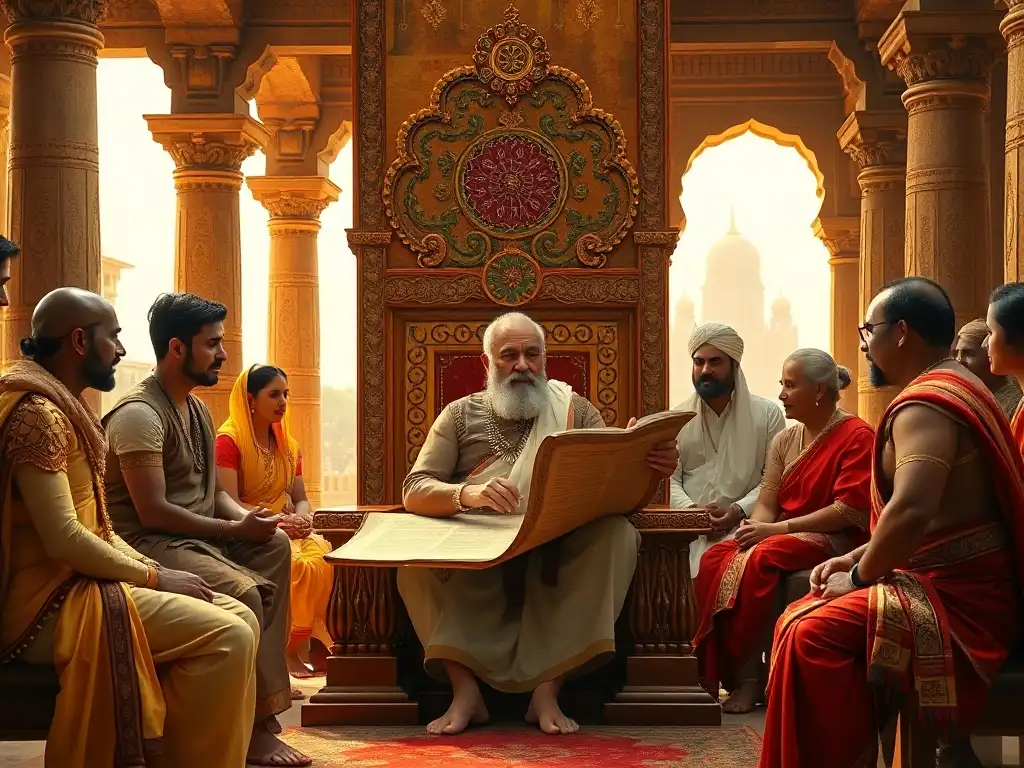
Welcome to Ancient India History, where we embark on a fascinating journey through the rich tapestry of India's past. Here, you'll delve into the remarkable civilizations that shaped the subcontinent, from the enigmatic Indus Valley to the illustrious Gupta Empire. In our featured article, we analyze the political strategies of the Maurya Empire, shedding light on Kautilya's Arthashastra, a text that continues to resonate with political thinkers today. Discover the profound insights and sophisticated tactics that defined an era, and let your curiosity lead you deeper into the captivating world of ancient Indian governance and culture.
- Introduction to the Maurya Empire Political Strategies
- Kautilya's Arthashastra: A Cornerstone of Maurya Empire Political Strategies
- The Influence of Kautilya's Arthashastra on Maurya Empire's Political Structure
- Key Political Strategies of the Maurya Empire
- Case Studies: Application of Political Strategies in the Maurya Empire
- Critiques and Interpretations of Kautilya's Arthashastra
- Conclusion: Legacy of the Maurya Empire's Political Strategies
-
Frequently Asked Questions
- What is the Arthashastra, and why is it significant in understanding the Maurya Empire?
- How did Kautilya's strategies influence the governance of the Maurya Empire?
- What were some key political strategies employed by the Maurya Empire?
- How did the Maurya Empire's political strategies differ from previous Indian civilizations?
- Can the teachings of the Arthashastra be applied to modern governance?
- Final Reflection: The Enduring Legacy of the Maurya Empire's Political Strategies
- Unveil the Secrets of Ancient Strategy!
Introduction to the Maurya Empire Political Strategies
The Maurya Empire, one of the largest and most influential empires in ancient India, played a pivotal role in shaping the political landscape of the subcontinent. Established in the 4th century BCE, the empire is renowned not only for its vast territorial expanse but also for its sophisticated political strategies and governance. Central to this political framework was Kautilya's Arthashastra, a seminal text that serves as a guide to statecraft, economic policy, and military strategy.
Understanding the Maurya Empire's political strategies through the lens of Kautilya's teachings reveals the intricate balance of power, diplomacy, and administrative acumen that characterized this era. This article aims to delve into these political strategies, highlighting their relevance and impact on governance that resonates even in contemporary discussions of leadership and statecraft.
Overview of the Maurya Empire
The Maurya Empire flourished in ancient India from approximately 322 to 185 BCE, founded by Chandragupta Maurya after overthrowing the Nanda dynasty. Under the guidance of Kautilya, also known as Chanakya, the empire expanded rapidly to encompass large parts of the Indian subcontinent, including present-day India, Pakistan, and Bangladesh. Key features of the Maurya Empire included:
- Centralized Administration: The empire was known for its highly organized bureaucratic system, which allowed for efficient governance across its vast territories.
- Military Prowess: The Mauryan military was formidable, utilizing advanced strategies and technologies to maintain control and expand their influence.
- Cultural Syncretism: The empire promoted a blend of various cultural practices, fostering economic growth and social harmony through trade and cultural exchange.
The Maurya Empire's legacy is marked by significant advancements in arts, science, and philosophy, making it a cornerstone in the study of ancient Indian civilizations.
Importance of Political Treatises in Ancient India
Political treatises like Kautilya's Arthashastra were crucial in the realm of governance and strategy in ancient India. These texts provided a structured approach to statecraft, addressing the complexities of ruling an empire. The importance of such treatises can be summarized as follows:
- Guidance for Rulers: They served as manuals for kings and administrators, outlining the principles of governance, ethics, and the dynamics of power.
- Strategic Insights: Political treatises offered valuable insights into military strategy, economic management, and diplomatic relations, which were essential for the survival and prosperity of empires.
- Cultural Influence: These texts were instrumental in shaping the political thought and practices of subsequent Indian dynasties, influencing governance beyond the Maurya Empire.
The political treatises of ancient India not only reflect the intellectual rigor of the time but also provide a lens through which to analyze the effective strategies employed by the Maurya Empire, particularly through Kautilya's Arthashastra.
Kautilya's Arthashastra: A Cornerstone of Maurya Empire Political Strategies
Historical Context of the Arthashastra
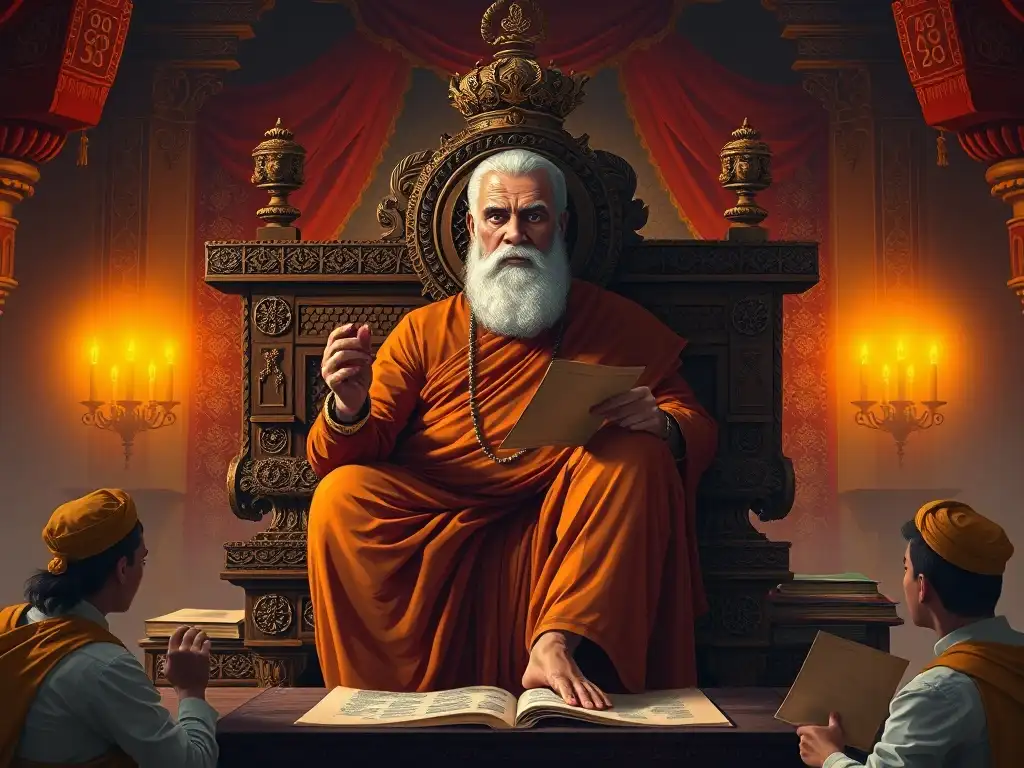
The Arthashastra, attributed to Kautilya (also known as Chanakya), is an ancient Indian treatise that emerged during the rise of the Maurya Empire in the 4th century BCE. This period was marked by significant political consolidation and territorial expansion under the leadership of Chandragupta Maurya, Kautilya's protégé. The text serves as a pragmatic guide to governance and statecraft, reflecting the socio-political realities of its time.
Kautilya's insights were shaped by the challenges faced by the Maurya Empire, including internal dissent, external threats, and the need for a robust administrative framework. The Arthashastra was not merely theoretical; it was a manual for rulers and administrators, emphasizing practical strategies over moral ideals. This pragmatic approach is evident in its exploration of realpolitik, where power dynamics and strategic maneuvering take precedence.
Key Themes and Concepts in Kautilya's Arthashastra
Kautilya's Arthashastra encompasses a wide range of themes and concepts that are crucial to understanding the political strategies of the Maurya Empire. The following sections delve into the core ideas presented in this influential text.
Statecraft and Governance
Kautilya articulates a comprehensive vision of statecraft that emphasizes the importance of a strong, centralized authority. Key elements of his governance model include:
- Sovereignty: The ruler must maintain absolute power and authority to ensure stability. Kautilya argues that a divided authority leads to chaos and vulnerability.
- Bureaucratic Structure: A well-defined administrative framework is essential. Kautilya advocates for a hierarchy of officials who are loyal to the ruler, with clear roles and responsibilities.
- Intelligence Gathering: Kautilya underscores the necessity of espionage and intelligence as tools for effective governance. A ruler must be informed about both internal and external affairs to make strategic decisions.
Kautilya's emphasis on statecraft reflects a sophisticated understanding of political dynamics, showcasing the Maurya Empire's need for an organized and resilient governance system.
Diplomacy and Warfare
In the realm of diplomacy and warfare, Kautilya's Arthashastra is particularly notable for its strategic insights, which include:
- Realpolitik: Kautilya advocates for a practical approach to diplomacy, emphasizing the importance of alliances and the use of cunning. He posits that moral considerations should be secondary to national interest.
- Strategies of War: The text outlines various military strategies, including the use of deception, psychological warfare, and the importance of a well-trained army. Kautilya stresses that warfare should be pursued only when it serves the state's interests.
- Diplomatic Maneuvering: Kautilya describes the use of gifts, bribes, and alliances as tools to achieve political ends. He emphasizes the need for adaptability in diplomatic relations, adjusting strategies according to the changing political landscape.
These insights contributed significantly to the Maurya Empire's ability to navigate complex regional dynamics, ensuring its prominence in ancient India.
Economic Policies and Resource Management
The Arthashastra also delves into economic policies and resource management, which are vital for sustaining the Maurya Empire's political strategies. Key aspects include:
- Agricultural Management: Kautilya recognizes agriculture as the backbone of the economy. He advocates for land revenue systems, irrigation projects, and support for farmers to enhance productivity.
- Trade and Commerce: The text emphasizes the importance of trade for wealth accumulation. Kautilya encourages the establishment of trade routes and the development of markets to facilitate commerce.
- Resource Allocation: Effective management of natural resources is crucial. Kautilya advises rulers to prioritize resource allocation based on strategic needs, ensuring that the empire's wealth is utilized for defense and development.
Kautilya's economic policies reflect a holistic view of governance, where economic stability is intertwined with political strength, reinforcing the Maurya Empire's dominance in the ancient world.
The Influence of Kautilya's Arthashastra on Maurya Empire's Political Structure

Kautilya's Arthashastra is a seminal text that has had a profound impact on the political strategies of the Maurya Empire. Written by Chanakya, also known as Kautilya, this treatise serves as a manual for statecraft and governance, emphasizing the importance of realpolitik and pragmatic approaches to rule. The concepts outlined in the Arthashastra not only shaped the political landscape of the Maurya Empire but also established a framework that influenced subsequent Indian political thought.
Implementation of Political Strategies in the Maurya Empire
Kautilya's teachings were pivotal in the formation and consolidation of the Maurya Empire's political strategies. His insights into administration, diplomacy, warfare, and economic management were crucial for the empire's stability and expansion.
Role of the Emperor and Advisors
At the heart of Kautilya's political framework is the emperor, who is portrayed as the ultimate authority in governance. The Arthashastra emphasizes that a ruler must possess a combination of wisdom, strength, and cunning to effectively manage the state. The emperor is advised to surround himself with capable advisors who can provide diverse perspectives and expertise in various domains.
- The Council of Ministers: Kautilya suggests that the emperor should maintain a council of ministers, consisting of experts in different fields, including finance, military strategy, and law. This council plays a critical role in advising the emperor on crucial decisions.
- Spies and Intelligence: The text highlights the importance of intelligence gathering, with Kautilya advocating for a network of spies to keep the emperor informed about internal and external threats. This strategic advantage allowed the Maurya Empire to preemptively address challenges and maintain control over its territory.
Administrative Divisions and Local Governance
The Arthashastra also outlines effective administrative practices that were employed throughout the Maurya Empire. Kautilya’s strategies facilitated the management of a vast and diverse empire by promoting decentralization and local governance.
- Provincial Administration: The empire was divided into provinces, each governed by a viceroy or governor. This structure allowed for localized decision-making while ensuring that the central authority remained intact.
- Taxation and Revenue Collection: Kautilya introduced systematic tax collection methods to ensure a steady flow of revenue to the central government. He advocated for fair taxation policies that balanced the needs of the state with the welfare of the citizens, promoting loyalty and stability.
Comparison of Kautilya's Theories with Contemporary Practices
Kautilya's Arthashastra remains relevant today, as many of its principles can be observed in contemporary governance and political strategies around the world. The emphasis on pragmatism, the strategic use of power, and the importance of intelligence in statecraft are concepts that transcend time.
- Realpolitik: Modern political leaders often adopt a pragmatic approach similar to Kautilya's advocacy for realpolitik, prioritizing practical outcomes over ideological purity. This is evident in contemporary diplomatic relations where nations engage in strategic partnerships for mutual benefit.
- Governance Models: The administrative frameworks inspired by Kautilya's teachings can be seen in current governance models, where decentralized systems empower local authorities while maintaining a cohesive national policy.
Kautilya's Arthashastra not only shaped the political strategies of the Maurya Empire but also laid the groundwork for enduring principles that continue to inform political thought and practice today. The intricate balance between power, governance, and strategy remains a cornerstone of effective leadership, echoing the wisdom of one of ancient India's most influential minds.
Key Political Strategies of the Maurya Empire
Centralization of Power
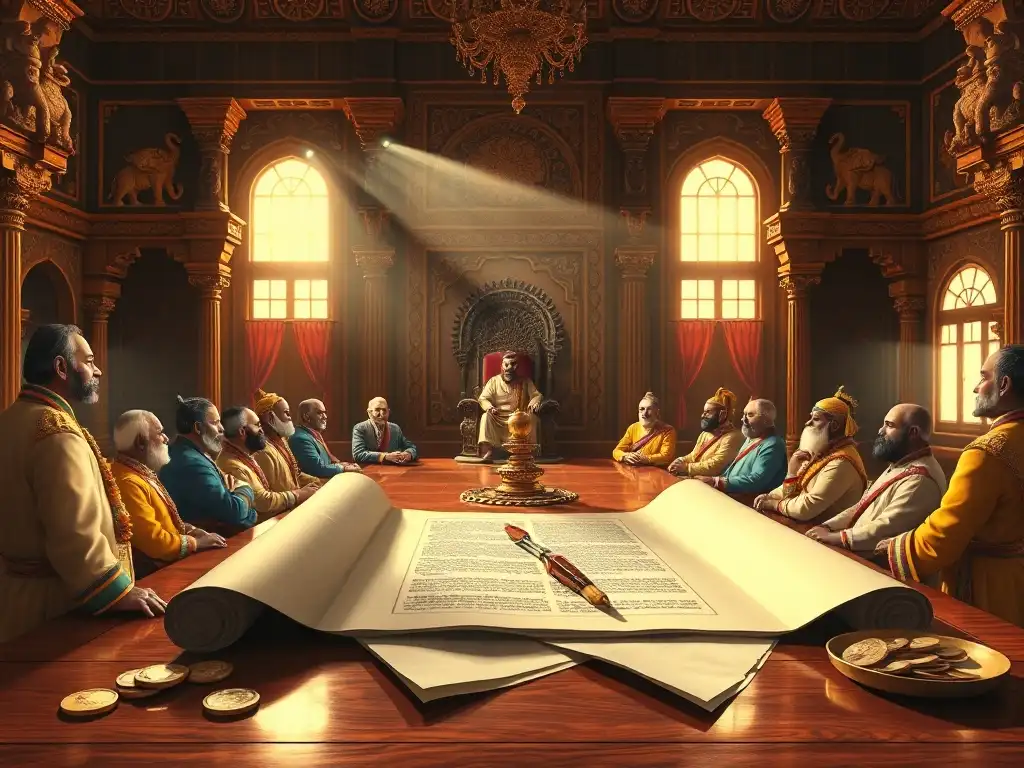
The Maurya Empire, under the leadership of Chandragupta Maurya and later Ashoka, is renowned for its strong centralization of power, which played a vital role in its political strategies. This centralization was characterized by a well-structured administrative system that allowed for effective governance across a vast territory.
- Hierarchy of Administration: The Mauryan administration was meticulously organized into various levels, ensuring that orders from the central authority reached even the most remote provinces. Key officials, such as governors (known as Uparikas), were appointed to oversee different regions, maintaining control and stability.
- Legal Framework: The legal system was standardized, with laws codified to ensure uniformity across the empire. This approach minimized regional disparities and fostered a sense of unity among the diverse populations within the empire.
- Taxation Policies: The central government implemented strict taxation policies, collecting revenue from agriculture, trade, and crafts. This revenue was crucial for maintaining the empire's military power and funding public works, which further solidified the central authority.
- Military Strength: A strong, centralized military was another key element of Mauryan power. The empire invested in a well-trained army, which not only protected its borders but also suppressed internal revolts, allowing for greater stability and governance.
The effective centralization of power enabled the Maurya Empire to flourish, creating a legacy of governance that influenced subsequent Indian empires.
Use of Espionage and Intelligence
The use of espionage and intelligence was a hallmark of the Maurya Empire's political strategies, as emphasized in Kautilya's Arthashastra. Kautilya, also known as Chanakya, was a chief advisor to Chandragupta Maurya and a master strategist who understood the significance of information in governance.
- Network of Spies: The Maurya Empire employed a comprehensive network of spies to gather information about both domestic and foreign affairs. These spies infiltrated various social strata, allowing the empire to maintain vigilance over its subjects and potential threats.
- Assessment of Rivals: Intelligence on rival states was crucial for formulating military strategies and diplomatic decisions. By understanding the strengths and weaknesses of adversaries, the Maurya leadership could plan effective confrontations or negotiations.
- Internal Surveillance: Espionage was not limited to external threats; it also involved monitoring officials and nobles within the empire. This practice helped identify disloyalty or corruption, ensuring that the central authority remained secure.
- Strategic Misinformation: The use of misinformation as a tactic to confuse and mislead enemies was a sophisticated strategy employed by the Maurya Empire. Such psychological warfare often preempted open conflict, allowing the empire to achieve its goals without direct confrontation.
The strategic use of espionage and intelligence thus provided the Maurya Empire with an edge in both internal governance and external relations.
Diplomatic Alliances and Treaties
Diplomatic alliances and treaties formed another cornerstone of the political strategies employed by the Maurya Empire. The ability to forge and maintain alliances was essential for both expanding territorial control and ensuring the stability of the empire.
- Marriage Alliances: The Maurya Empire often used marriage as a diplomatic tool to strengthen ties with other kingdoms. By marrying into influential families, the empire could secure loyalty and reduce the likelihood of conflict.
- Treaties with Neighboring States: The Mauryan rulers engaged in treaties that established peace and defined boundaries with neighboring states. Such agreements facilitated trade and cultural exchanges, further enhancing the empire’s influence.
- Negotiation Tactics: Kautilya's Arthashastra outlines various negotiation tactics, emphasizing the importance of diplomacy as a means of achieving political objectives. The Mauryans adeptly utilized these tactics to navigate complex inter-state relations.
- Cultural Diplomacy: The Maurya Empire also engaged in cultural diplomacy by promoting the spread of Buddhism under Ashoka. The emperor sent missionaries to neighboring regions, fostering goodwill and establishing a moral authority that complemented political power.
Through strategic diplomatic efforts, the Maurya Empire not only expanded its influence but also fostered a climate of stability that allowed for the flourishing of trade and culture within its domains.
Case Studies: Application of Political Strategies in the Maurya Empire
Ashoka's Reign and Political Innovations
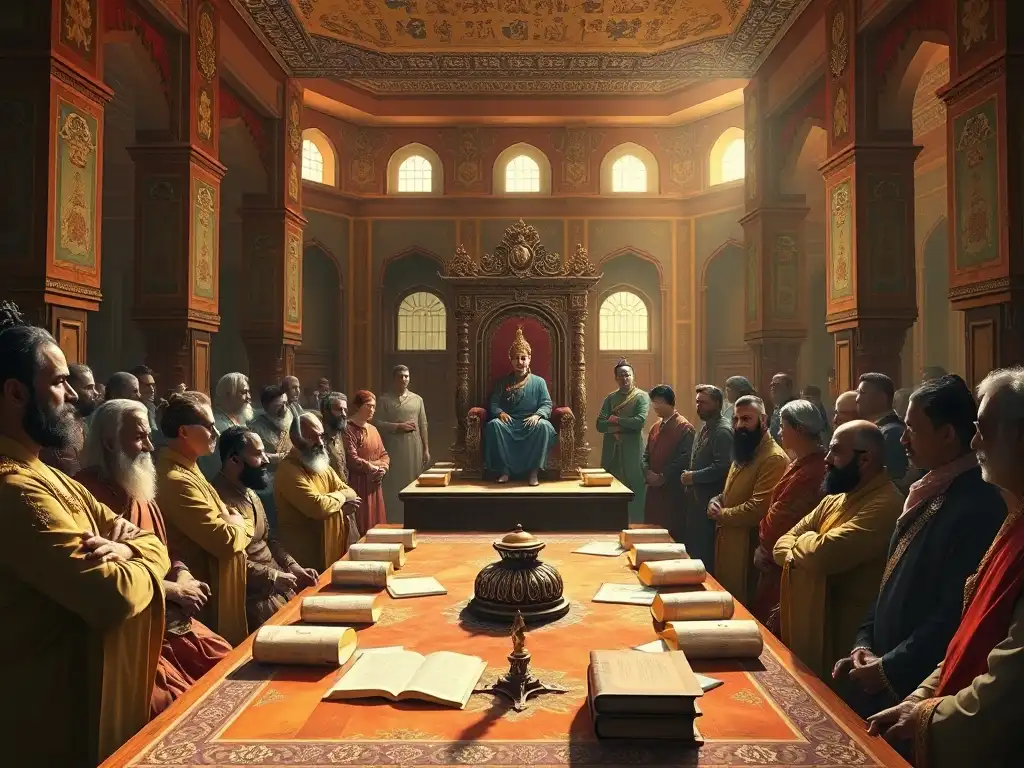
Ashoka, the third emperor of the Maurya Empire, stands out as a significant figure in the history of political strategies. His reign (c. 268–232 BCE) marked a transformative period characterized by a shift from militaristic expansion to a focus on governance, diplomacy, and the promotion of social welfare. Ashoka's political innovations were deeply influenced by the principles outlined in Kautilya's Arthashastra, which emphasized statecraft, realpolitik, and the importance of ethical governance.
One of the most notable political strategies during Ashoka's reign was the adoption of Dharma as a guiding principle. This concept of righteousness was not only a moral framework but also a strategic tool to unify his diverse empire. By promoting Buddhist values and moral governance, Ashoka sought to legitimize his rule and foster loyalty among his subjects. This approach was particularly effective in a multicultural empire, as it allowed Ashoka to appeal to various religious and cultural groups without imposing a singular ideology.
Another key innovation was the establishment of a well-organized administrative system that emphasized local governance. Ashoka appointed Dhamma Mahamatras, officials tasked with spreading Buddhist teachings and ensuring the welfare of the people. This decentralized approach to administration empowered local leaders while maintaining a cohesive imperial structure. The Dhamma Mahamatras served as a bridge between the emperor and the populace, effectively communicating Ashoka's policies and fostering a sense of community.
Moreover, Ashoka's use of edicts carved on pillars and rocks across his empire represented a pioneering method of communication. These edicts conveyed messages about governance, ethical conduct, and social responsibilities, reaching a wide audience and reinforcing his political strategies. By utilizing public inscriptions, Ashoka ensured that his political ideals were consistently articulated and accessible to all, enhancing his legitimacy and authority.
Chanakya's Influence on Chandragupta Maurya
Chanakya, also known as Kautilya, played a pivotal role in shaping the political landscape of the Maurya Empire, particularly during the rise of Chandragupta Maurya, the empire's founder. A scholar, strategist, and political philosopher, Chanakya’s insights in the Arthashastra laid the foundation for the Maurya Empire's political strategies, emphasizing the importance of cunning, strategy, and pragmatism in governance.
One of the key strategies advocated by Chanakya was the importance of forming strategic alliances. He understood that forging relationships with neighboring kingdoms could provide essential military and economic advantages. Chandragupta's initial conquests were largely successful due to these strategic alliances, which allowed him to consolidate power rapidly. Chanakya's emphasis on intelligence gathering and espionage, outlined in the Arthashastra, further enabled Chandragupta to outmaneuver opponents and secure victories.
Chanakya also prioritized the establishment of a strong, centralized government. He believed that a ruler must maintain a firm grip on power to ensure stability and security. To this end, Chanakya implemented rigorous administrative reforms that promoted efficiency and accountability within the empire. His vision of a bureaucratic state, complete with trained officials and systematic governance, laid the groundwork for the Maurya Empire's administrative framework.
Additionally, Chanakya's strategies extended to economic policies. He recognized the importance of trade and agriculture as the backbone of the empire's economy. By encouraging agricultural productivity and establishing trade routes, he ensured that Chandragupta's regime was economically viable and capable of supporting a large standing army. This economic foundation not only secured the empire's stability but also facilitated its expansion.
The political strategies of the Maurya Empire, as articulated through the influence of Ashoka and Chanakya, reveal a sophisticated understanding of governance and statecraft. The incorporation of ethical governance, strategic alliances, and economic policies highlights the empire's enduring legacy in the annals of ancient Indian civilizations.
Critiques and Interpretations of Kautilya's Arthashastra
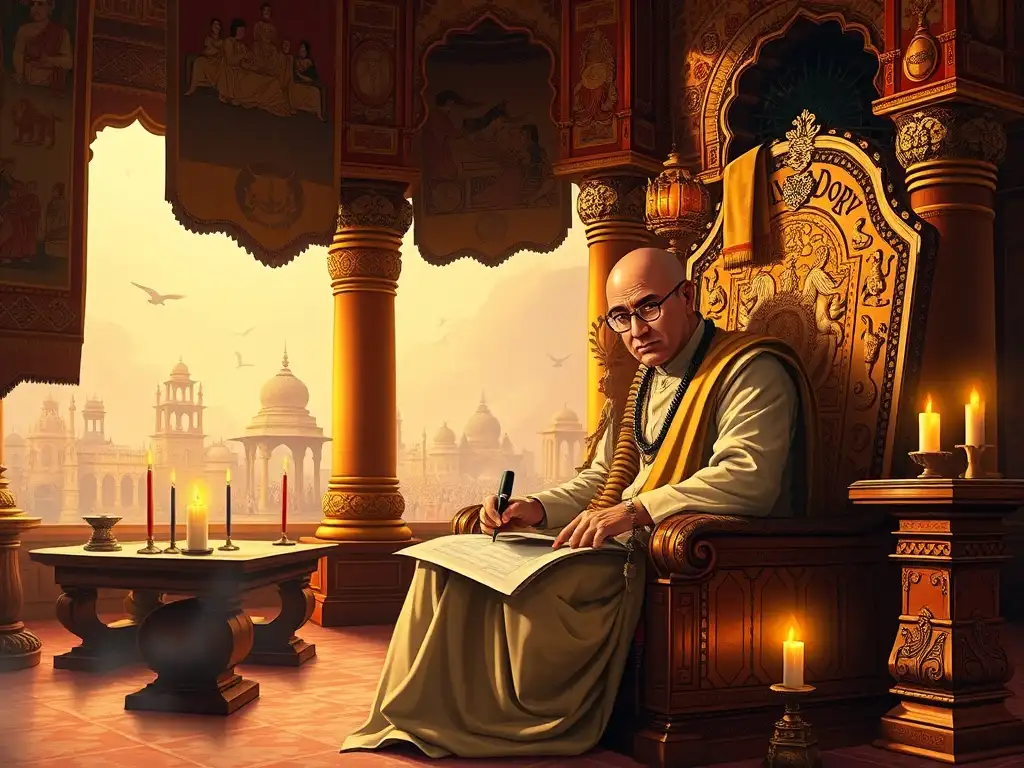
Kautilya's Arthashastra is not merely a political treatise; it is a reflection of the complexities of governance and statecraft in the Maurya Empire. Over centuries, scholars and critics have engaged in various interpretations, often reflecting the political and ideological contexts of their times. The treatise has been lauded for its pragmatism, yet it has also faced scrutiny for its perceived cynicism and emphasis on realpolitik.
Contemporary Relevance of Kautilya's Strategies
Kautilya's strategies, articulated in the Arthashastra, remain remarkably relevant in today's political landscape. His principles of statecraft—including diplomacy, espionage, and strategic warfare—can be observed in modern political maneuvers. Here are some key aspects of contemporary relevance:
- Realism in Politics: Kautilya advocates for a realistic approach to governance, emphasizing the importance of power dynamics. This notion resonates with present-day political leaders who prioritize national interests and security over ideological considerations.
- Diplomatic Maneuvering: The treatise outlines various diplomatic strategies, such as forming alliances and engaging in subterfuge. Modern states often employ similar tactics in international relations, showcasing the timelessness of Kautilya’s advice.
- Economic Management: Kautilya's insights into the economics of statecraft highlight the significance of resource management and fiscal policies. In our globalized economy, these principles are crucial for sustainable development and economic stability.
- Intelligence and Surveillance: The emphasis on espionage in the Arthashastra reflects the importance of intelligence in contemporary security strategies. Governments today rely on comprehensive intelligence networks to inform decision-making processes.
Overall, Kautilya's teachings provide a foundational understanding of political strategy that transcends time and continues to inform leaders around the world.
Misconceptions and Misinterpretations
Despite its significance, the Arthashastra has been subject to various misconceptions that can distort its true meaning. Here are some prevalent misunderstandings:
- Cynicism vs. Pragmatism: Critics often label Kautilya as a cynic, interpreting his endorsement of deceit and manipulation as morally questionable. However, many scholars argue that Kautilya's pragmatism should be viewed in the context of the chaotic political environment of his time, where survival often necessitated harsh measures.
- Reductionist Views: Some interpretations reduce the Arthashastra to a mere manual for ruthless governance. This oversimplification ignores the text's broader discussions on ethics, governance, and the welfare of the state. Kautilya emphasizes the importance of a ruler's duty to their subjects, thus linking power with responsibility.
- Historical Context Ignorance: Misinterpretations frequently arise from a lack of understanding of the historical context in which Kautilya wrote. The Arthashastra reflects a specific political and cultural milieu that is crucial for appropriately understanding its teachings. Ignoring these nuances can lead to misguided applications of Kautilya's strategies in modern contexts.
Through careful analysis and contextual consideration, one can appreciate the depth of Kautilya's Arthashastra and its enduring influence on political thought and strategy.
Conclusion: Legacy of the Maurya Empire's Political Strategies
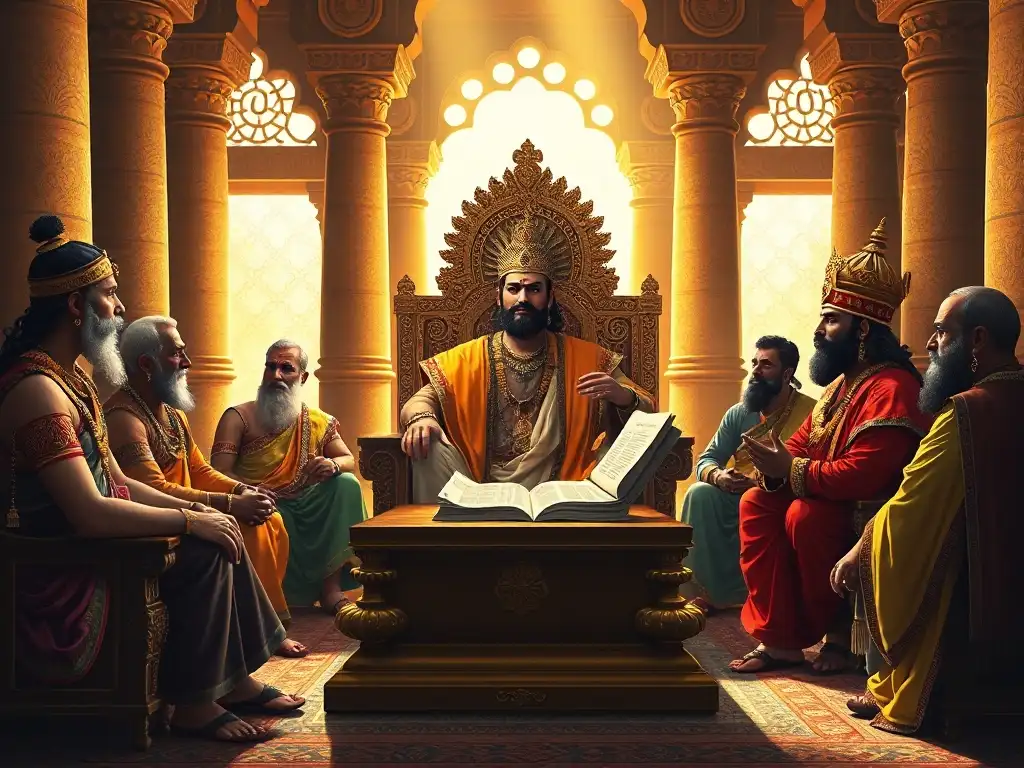
The Maurya Empire, with its innovative political strategies and administrative frameworks, left an indelible mark on the history of India. The political treatises, especially Kautilya's Arthashastra, serve as a testament to the sophisticated governance techniques and statecraft that characterized this ancient civilization.
The legacy of the Maurya Empire's political strategies can be observed in the following areas:
- Centralized Administration: The Mauryan model of a centralized administration influenced subsequent kingdoms in India, promoting a structured approach to governance.
- Diplomacy and Warfare: Kautilya's insights into statecraft emphasized the importance of diplomacy and strategic warfare, concepts that remain relevant in modern political scenarios.
- Economic Management: The Arthashastra outlined methods for economic regulation and taxation, which laid foundational principles for fiscal policies in later Indian states.
Lasting Impact on Indian Political Thought
The impact of the Maurya Empire's political strategies can be seen in the evolution of Indian political thought over the centuries. Kautilya's Arthashastra remains a crucial reference point for understanding governance, power dynamics, and administrative strategies. Its principles continue to resonate in various aspects of Indian politics today, including:
- Realpolitik: The pragmatic approach advocated by Kautilya, prioritizing practical outcomes over moral considerations, continues to influence political leaders.
- Strategic Alliances: The emphasis on forming alliances and using diplomacy as a tool for statecraft has shaped the diplomatic landscape of India throughout its history.
- Economic Policies: The economic strategies outlined in the Arthashastra have informed modern economic theories and practices in India, highlighting the importance of state intervention in economic affairs.
The influence of Kautilya's work can be seen in contemporary discussions on governance, reflecting the enduring nature of the Maurya Empire's political philosophies.
The Arthashastra's Relevance in Modern Statecraft
Kautilya's Arthashastra is not merely a historical document; it is a foundational text for modern statecraft. Its relevance can be analyzed through various lenses:
- Political Science and International Relations: Scholars and practitioners in these fields often reference the Arthashastra to understand the intricacies of power, governance, and strategy. Concepts such as espionage, psychological warfare, and realpolitik find their roots in Kautilya's teachings.
- Business and Management: The principles of negotiation and strategic planning outlined in the Arthashastra have been adapted in business contexts, influencing corporate strategies and leadership practices.
- Ethical Governance: While Kautilya's approach may seem ruthless, his insights into ethical governance encourage modern leaders to balance moral imperatives with practical governance challenges.
The political strategies of the Maurya Empire, particularly as articulated in Kautilya's Arthashastra, have left a profound legacy that continues to shape political thought and practice in India and beyond. This ancient treatise not only provides historical insights but also serves as a guide for contemporary leaders navigating the complexities of governance and statecraft.
Frequently Asked Questions
What is the Arthashastra, and why is it significant in understanding the Maurya Empire?
The Arthashastra is an ancient Indian treatise written by Kautilya (Chanakya) that outlines political strategies and governance principles used during the Maurya Empire. It is significant for its insights into statecraft, economic policy, and military tactics.
How did Kautilya's strategies influence the governance of the Maurya Empire?
Kautilya's strategies emphasized the importance of realpolitik, espionage, and diplomacy, shaping how the Maurya Empire managed its vast territories and maintained control over diverse populations.
What were some key political strategies employed by the Maurya Empire?
The Maurya Empire utilized centralized administration, intelligence networks, and alliances with local rulers to strengthen its power, as outlined in Kautilya's Arthashastra.
How did the Maurya Empire's political strategies differ from previous Indian civilizations?
Unlike earlier civilizations, the Maurya Empire implemented more systematic and structured governance techniques, focusing on pragmatism and strategic diplomacy as central components of its political framework.
Can the teachings of the Arthashastra be applied to modern governance?
Yes, many of Kautilya's principles, such as strategic planning, resource management, and diplomatic relations, are still relevant today and can inform modern governance and political strategy.
Final Reflection: The Enduring Legacy of the Maurya Empire's Political Strategies
The political strategies of the Maurya Empire, particularly as articulated in Kautilya's Arthashastra, resonate profoundly in today's world, illustrating the timeless nature of governance and statecraft. In an era where political maneuvering and strategic decision-making are more crucial than ever, the insights offered by Kautilya serve as a reminder that the principles of power, diplomacy, and ethics in governance are not merely historical curiosities but vital tools for contemporary leaders. The lessons from the Maurya Empire's political treatises continue to shape our understanding of effective governance and the complexities of political life.
The influence of Kautilya's work extends beyond the confines of ancient India, permeating various aspects of modern political thought and practice. The strategic frameworks he proposed have inspired countless leaders and thinkers, prompting us to reflect on the nature of power and the ethics of leadership. As Kautilya himself stated, There is some self-interest behind every friendship. There is no friendship without self-interests. This is a bitter truth.
This observation remains relevant today, reminding us that the interplay of personal and political interests is a fundamental aspect of human relationships and governance, urging us to navigate these dynamics with wisdom and integrity.
As we contemplate the lessons from the Maurya Empire and Kautilya's Arthashastra, I invite you to reflect on your own approach to leadership and strategy in your life. Consider how the principles of foresight, adaptability, and ethical governance can be integrated into your daily decisions and interactions. By embracing these timeless strategies, you can not only enhance your personal effectiveness but also contribute to a more thoughtful and principled society. Let the legacy of the Maurya Empire inspire you to be a leader who values wisdom, strategy, and ethical considerations in every endeavor.
Unveil the Secrets of Ancient Strategy!
Thank you for diving into the intricate world of the Maurya Empire and Kautilya's Arthashastra! Your exploration of these profound political insights is a valuable step towards understanding ancient governance. Now, let's take a step further to not only absorb this knowledge but also apply it in contemporary ways!
Here are some engaging actions you can take next:
- Dive deeper into Kautilya's teachings: Select a chapter from the Arthashastra and reflect on how its principles can be applied to modern leadership or strategic planning.
- Join the conversation: Discuss the relevance of Kautilya’s strategies with friends or in online forums dedicated to ancient history.
- Explore further: Investigate other political treatises from around the world for a comparative view—what strategies resonate with you across different cultures?
Which aspect of Kautilya's strategies do you believe could offer the most valuable insights for today's leadership challenges?