
The Intersection of Nature and Art in the Indus Valley

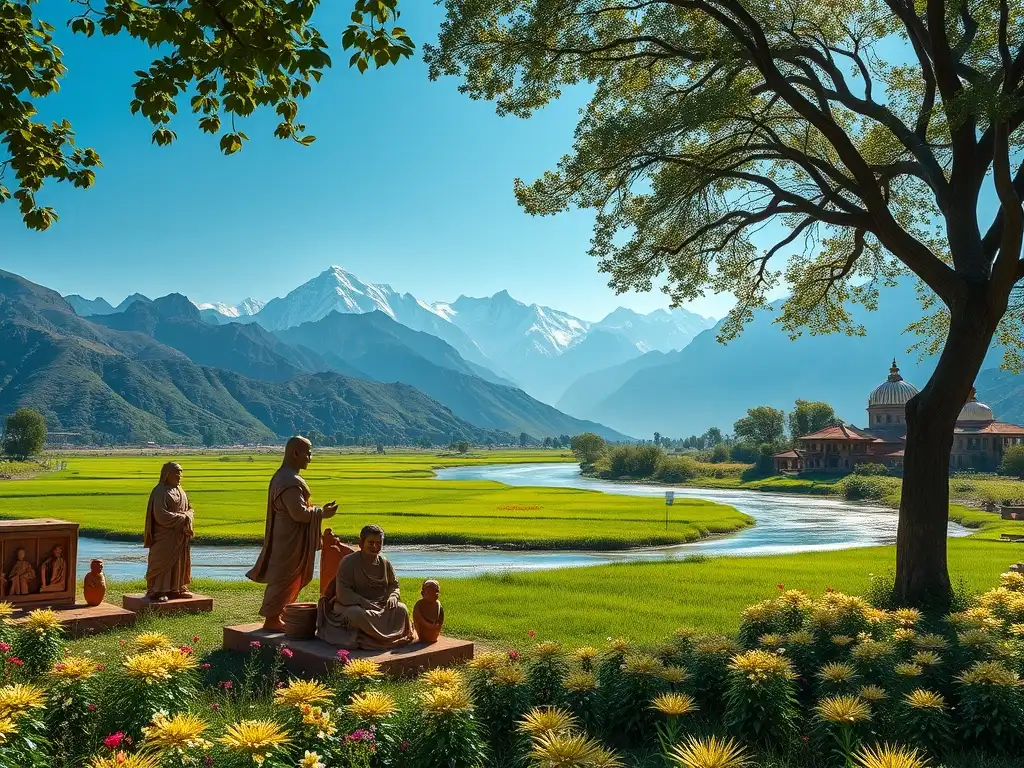
Welcome to Ancient India History, where we embark on a captivating journey through the rich tapestry of India's past. In this exploration, we’ll unveil the intricate relationship between art and nature in the Indus Valley, a civilization renowned for its stunning craftsmanship and deep connections to the environment. As we delve into the enchanting world of Indus Valley art and nature, prepare to uncover the secrets and stories that shaped a civilization, sparking your curiosity and igniting your passion for the remarkable heritage of ancient India. Join us as we unravel the mysteries that lie within!
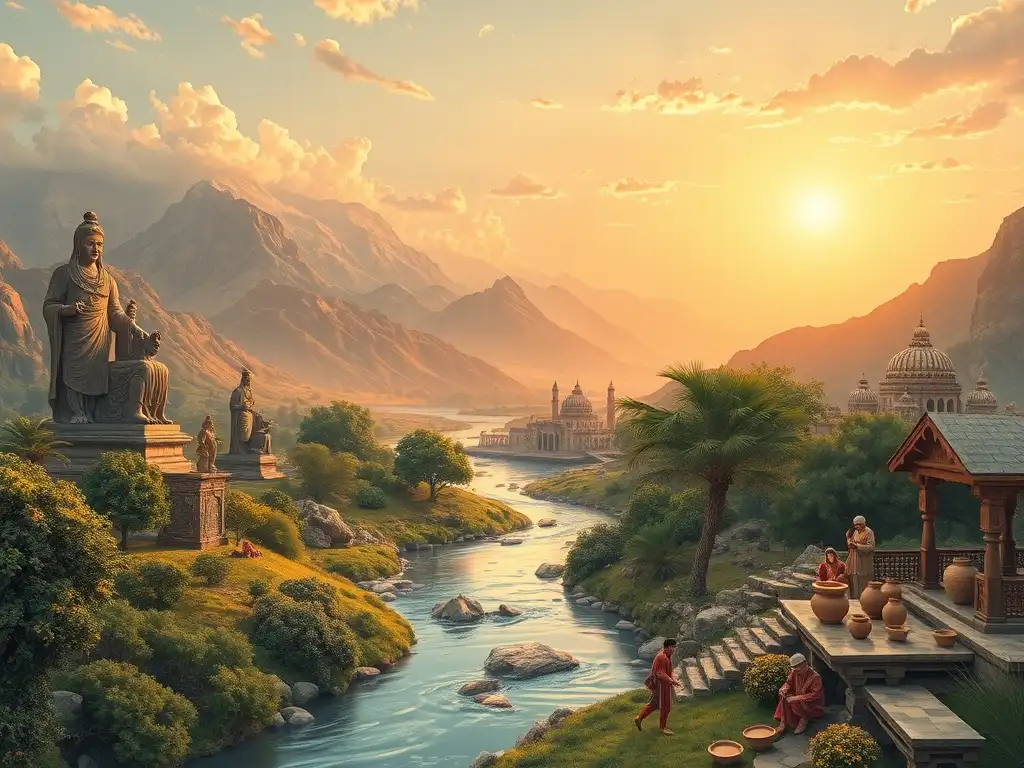
Introduction to Indus Valley Art and Nature
The Indus Valley Civilization, one of the world's earliest urban cultures, thrived around 2500 BCE in what is now modern-day Pakistan and northwest India. This civilization is renowned not only for its advanced urban planning and engineering but also for its rich artistic expressions that intricately weave nature into their creations. The intersection of Indus Valley art and nature reveals a profound relationship between the environment and the artistic endeavors of its people. This article delves into the various aspects of this relationship, exploring how natural elements influenced the art forms and the cultural significance embedded within them.
Overview of the Indus Valley Civilization
The Indus Valley Civilization, often regarded as a cornerstone of ancient Indian history, boasts remarkable achievements in various fields, including trade, metallurgy, and urban planning. Key cities such as Harappa and Mohenjo-Daro were characterized by:
- Sophisticated city layouts: Grid patterns, drainage systems, and well-constructed homes.
- Advanced agricultural practices: Utilization of the fertile plains of the Indus River for agriculture, which supported a thriving population.
- Trade networks: Extensive trade with neighboring regions, facilitating a blend of cultural influences.
This civilization's art and architecture reflect a deep connection to their natural surroundings, highlighting the significance of both flora and fauna in their creative expressions.
Significance of Nature in Indus Valley Art
Nature played a pivotal role in shaping the artistic expressions of the Indus Valley people. The abundant natural resources and the diverse environment provided inspiration for a wide range of artistic endeavors. Key points to consider include:
- Cultural symbolism: Many artistic motifs were derived from nature, representing cultural beliefs and practices.
- Material availability: The use of local materials such as terracotta, stones, and metals influenced the styles and techniques of the artwork.
- Spiritual connections: Natural elements often held spiritual significance, reflecting the community's reverence for their environment.
Understanding how nature influenced their art gives us insights into the values, beliefs, and daily life of the Indus Valley people.
The Role of Natural Elements in Indus Valley Art
The artistic expressions of the Indus Valley Civilization prominently feature a variety of natural elements, showcasing their ability to interpret and represent the world around them. This section will explore specific aspects of these representations.
Depictions of Flora in Indus Valley Art
Floral motifs are a significant aspect of Indus Valley art, often found in pottery, seals, and sculptures. These depictions serve various purposes, including:
- Aesthetic appeal: The intricate designs of flowers added beauty to everyday objects.
- Symbolic meanings: Certain flowers may have had specific cultural or religious connotations.
- Connection to agriculture: Representations of plants reflect the agrarian lifestyle and the importance of farming in their society.
Through floral depictions, we can gain insights into the relationship between the Indus Valley people and their agricultural practices.
Fauna Representations in Indus Valley Art
Animals also played a crucial role in the artistic expressions of the Indus Valley Civilization. The representation of fauna reveals important aspects of their culture, such as:
- Wildlife diversity: The art includes depictions of various animals, including elephants, tigers, and birds, showcasing the region's rich biodiversity.
- Symbolic relationships: Animals often symbolized power, fertility, or specific deities in their belief systems.
- Everyday life: The portrayal of domesticated animals reflects the agricultural practices and daily life of the inhabitants.
These animal representations not only highlight the natural world but also provide a glimpse into the social and cultural dynamics of the civilization.
Symbolism of Natural Elements in Artifacts
The artifacts of the Indus Valley Civilization are imbued with symbolism derived from nature. This symbolism can be categorized as follows:
- Cultural significance: Many artifacts feature designs that echo the spiritual beliefs or societal values of the time.
- Ritualistic uses: Certain natural elements may have been incorporated into ceremonial objects, indicating their significance in religious practices.
- Artistic techniques: The methods used to create these artifacts often reflect the natural environment, showcasing the artisans' skills in utilizing available resources.
By examining the symbolism of natural elements in Indus Valley artifacts, we can better understand the civilization's worldview and cultural identity.
Techniques and Materials Used in Indus Valley Art
The art of the Indus Valley Civilization (IVC) is characterized by a remarkable sophistication and a deep connection to the natural world. Artisans employed various techniques and materials that not only showcased their skill but also reflected the environment in which they lived. The craftsmanship of the IVC was evident in diverse forms of art, from pottery and seals to sculpture and architecture.
Natural Materials in Art Production
Indus Valley artists primarily utilized natural materials readily available in their surroundings. Common materials included:
- Clay: This was the most widely used material, especially for pottery and figurines. The clay was often tempered with materials like sand and crushed pottery to improve its durability.
- Stones: Semi-precious stones such as lapis lazuli, carnelian, and agate were carved into seals and jewelry. The availability of these stones in the region facilitated intricate designs and vibrant colors.
- Metals: Copper and bronze were extensively used for tools, weapons, and art pieces. The lost-wax casting technique was employed, which allowed for detailed metal sculptures.
- Textiles: Natural fibers, including cotton and wool, were woven into textiles, often adorned with intricate designs that showcased the artisans' expertise.
These materials not only contributed to the aesthetic value of the art but also highlighted the artisans' ability to harmonize with their environment.
Artistic Techniques Inspired by Nature
The techniques employed by Indus Valley artisans were often directly inspired by their natural surroundings. Some notable techniques included:
- Pottery Wheel: The introduction of the potter's wheel allowed for uniform and symmetrical pottery, which often depicted natural motifs such as animals and plants.
- Molding and Carving: Artists skillfully molded clay into human and animal figures, often reflecting the fauna of the region. Seals, for example, featured intricate carvings of animals like elephants and tigers, showcasing both realism and stylization.
- Inlay Work: The technique of inlay involved embedding semi-precious stones into pottery and metalwork, creating stunning visual effects reminiscent of the colorful landscapes surrounding them.
These techniques not only demonstrate the artisans' creativity but also their keen observation of nature, allowing them to transform natural elements into artistic expressions.
Innovations in Art and Architecture
The Indus Valley Civilization is noted for its innovative approaches in both art and architecture. Key innovations include:
- Urban Planning: The layout of cities like Mohenjo-Daro and Harappa featured sophisticated drainage systems and grid patterns that reflected an understanding of spatial harmony, akin to the balance found in nature.
- Public Art: Large-scale sculptures, such as the Great Bath in Mohenjo-Daro, served both functional and aesthetic purposes, integrating art into daily life and communal activities.
- Seals and Script: The development of seals with intricate designs and symbols not only facilitated trade but also conveyed cultural narratives. This form of communication points to a deep intertwining of art and societal functions.
These innovations signal the advanced level of social organization in the Indus Valley and their ability to merge utility with artistry.
Cultural Significance of Nature in Indus Valley Art
Nature played a pivotal role in shaping the cultural identity of the Indus Valley Civilization. Through artistic expressions, the people of this era conveyed their deep respect and reverence for the natural world.
Spiritual Connections to Nature in Artistic Expressions
Indus Valley art often reflects a spiritual connection to nature. Many artifacts depict:
- Deities and Nature: Artistic representations included figurines of animals and motifs believed to signify fertility and abundance, indicating a spiritual relationship with nature.
- Ritual Objects: Items such as terracotta figurines suggest that nature was not only a source of inspiration but also central to spiritual practices, with art serving as a medium for worship and reverence.
These spiritual connections highlight how the Indus Valley people viewed nature as a divine entity deserving of respect and veneration.
Nature as a Source of Inspiration for Artisans
The artisans of the Indus Valley drew heavily from their surroundings for inspiration. This is evident in:
- Motifs and Themes: Common themes in pottery and seals include floral patterns, animal representations, and geometric designs that mimic natural forms.
- Seasonal Changes: Artworks often reflect seasonal transitions, showcasing the artisans’ keen observation of nature's cycles and rhythms.
This inspiration not only enriched the aesthetic quality of their work but also fostered a cultural narrative deeply rooted in the natural world.
The Influence of Geography on Artistic Themes
The geographical features of the Indus Valley significantly influenced artistic themes. The region's diverse landscapes, including river valleys, mountains, and plains, inspired various artistic expressions:
- Flora and Fauna: The rich biodiversity, including the Indus River and surrounding wildlife, is frequently depicted in art, showcasing the harmonious relationship between the people and their environment.
- Environmental Challenges: Artistic representations also reflect the challenges posed by the geography, such as floods or droughts, indicating a responsive and adaptive cultural identity.
The geography of the Indus Valley was not merely a backdrop; it played an integral role in shaping the themes and motifs that emerged in their art.
Examples of Indus Valley Art Reflecting Nature
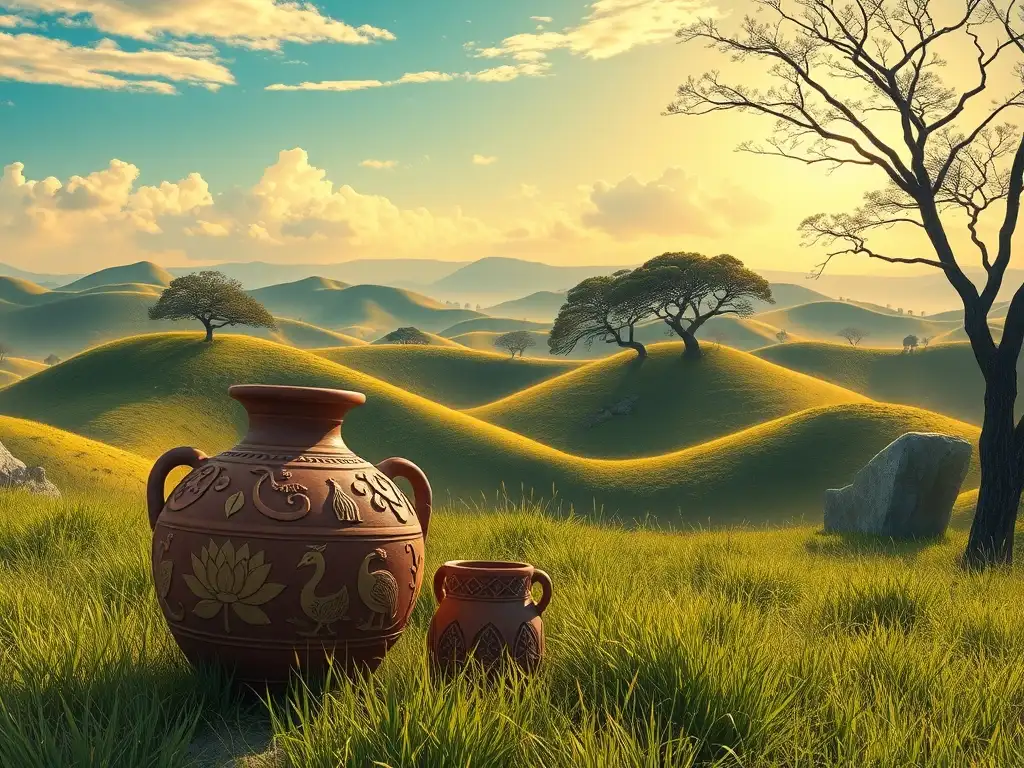
The Indus Valley Civilization is renowned for its sophisticated artistic expression that seamlessly integrates elements of nature. This unique relationship between art and the natural environment is evident in various artifacts and architectural designs discovered throughout the ancient sites. The civilization's artisans drew inspiration from the flora and fauna that surrounded them, creating a rich tapestry of artistic representation that not only served aesthetic purposes but also reflected cultural beliefs and practices.
Iconic Artifacts Showcasing Flora and Fauna
Among the most remarkable artifacts from the Indus Valley are seals, pottery, and figurines that prominently feature motifs of plants and animals. For instance, the famous Dancing Girl bronze statue embodies the grace of human form and suggests a harmonious connection with nature through its intricate detailing. Similarly, seals carved with images of animals such as elephants, tigers, and rhinoceroses illustrate the abundance of wildlife in the region and perhaps the reverence the Indus people held for these creatures.
Pottery from the period often includes designs inspired by botanical elements, showcasing intricate patterns of leaves, flowers, and vines that highlight the civilization's appreciation for the natural world. These artifacts indicate not only artistic skill but also a deeper philosophical understanding of humanity's relationship with nature.
Architectural Designs Integrating Natural Elements
The architectural landscape of the Indus Valley Civilization also reflects the integration of natural elements. Urban planning, evident in cities like Mohenjo-Daro and Harappa, showcases a layout that respects the surrounding environment, including the use of local materials and consideration of the natural topography.
Structures often included features such as courtyards and gardens, creating spaces that bridged the indoors with the outdoors. The use of drainage systems that mimicked natural water flow demonstrates an advanced understanding of hydrology and an effort to harmonize human habitation with nature. This integration is not only practical but also enhances the aesthetic experience of the urban environment, blending artistic expression with environmental consciousness.
Case Studies of Specific Art Pieces and Their Natural Motifs
One prominent example of art reflecting nature is the Mother Goddess figurine, which symbolizes fertility and the nurturing aspect of nature. This terracotta figure, often adorned with elaborate headdresses, embodies the importance of femininity and nature's life-giving force in Indus Valley culture.
Another significant artifact is the Seal of the Unicorn, which features a mythical creature likely inspired by the natural world. The unicorn, often interpreted as a symbol of purity and strength, represents the civilization's imaginative engagement with nature, suggesting a blend of reality and myth that characterizes many of their artistic outputs.
These case studies highlight how the Indus Valley artists not only recorded their environment but also infused their creations with cultural meanings derived from their observations of nature.
Conclusion: The Legacy of Indus Valley Art and Nature
The artistic legacy of the Indus Valley Civilization is a testament to the profound connection between art and nature. This relationship not only shaped the aesthetic norms of the time but also influenced subsequent generations of artists across India. The ability of Indus Valley artists to draw inspiration from their environment laid the groundwork for a rich tradition of art that continued to evolve throughout Indian history.
Lasting Impact on Indian Art History
The impact of Indus Valley art on Indian art history is significant, as many themes and motifs seen in ancient artifacts can be traced through subsequent periods. The emphasis on nature, the use of symbolic representations, and the incorporation of natural elements into everyday objects are practices that have endured in various forms, influencing the art of later civilizations such as the Maurya and Gupta empires.
The continued reverence for nature within Indian art is evident in later artistic movements, where flora, fauna, and natural landscapes remain prevalent themes. This enduring legacy highlights the importance of nature as a source of inspiration and a fundamental aspect of cultural identity.
The Importance of Preserving Nature in Artistic Heritage
In today's context, the legacy of the Indus Valley Civilization serves as a reminder of the importance of preserving nature in artistic heritage. As modern society grapples with environmental challenges, the lessons from the past regarding the symbiotic relationship between art and nature become increasingly relevant. Efforts to integrate natural elements into contemporary art forms can foster greater awareness of ecological concerns and promote a sustainable approach to artistic expression.
Preserving the artistic heritage of the Indus Valley, along with its deep connection to nature, offers valuable insights into how we can navigate the complexities of modern life while honoring the lessons of our ancestors. This commitment to sustainability in art not only enriches cultural expression but also reinforces the enduring legacy of the Indus Valley Civilization in the tapestry of Indian history.
Further Reading on Indus Valley Art and Nature
To deepen your understanding of the intricate relationship between nature and art in the Indus Valley Civilization, a wide array of resources is available. These recommended books, articles, and online platforms provide comprehensive insights into the artistic achievements and the natural influences that shaped the culture of this ancient civilization.
Recommended Books and Articles
-
"The Art of the Indus Valley Civilization" by John Marshall
This seminal work explores the artistic expressions of the Indus Valley Civilization, including pottery, sculpture, and seal carving. Marshall delves into the significance of natural motifs in the artwork and how they reflect the environment of the time.
-
"Indus Civilization: A Contemporary Perspective" by J. P. Joshi
Joshi’s book offers a modern analysis of the Indus Valley, emphasizing the interconnection of art, culture, and the natural world. It discusses how landscapes and flora influenced artistic styles and thematic choices in various artifacts.
-
"The Indus Valley: An Archaeological Study" by Ravi Kumar
This article provides a thorough examination of the archaeological findings in the Indus Valley, highlighting the artistic elements discovered in excavations, including an analysis of materials sourced from nature.
-
"Nature in the Art of the Indus Valley: A Study of Aesthetic and Ecological Connections" by Anita Sharma
Sharma explores the ecological aspects of the Indus Valley art, discussing how the natural environment inspired various artistic forms and motifs. This book serves as a bridge between art history and environmental studies.
Online Resources for Exploring Indus Valley Art
-
The Archaeological Survey of India (ASI)
The ASI website features extensive resources on the Indus Valley Civilization, including virtual tours of archaeological sites, detailed reports on excavations, and insights into the art and artifacts found.
-
The British Museum: Indus Valley Collection
This online collection offers a wealth of images and descriptions of artifacts from the Indus Valley, allowing users to explore the artistic styles and natural themes present in the civilization’s art.
-
Indus Valley Civilization Resources on JSTOR
JSTOR provides access to academic articles and journals that focus on the art and culture of the Indus Valley. Researchers can find valuable studies that analyze the artistic techniques and their relationship with the environment.
-
YouTube Documentaries on Indus Valley Art
Various documentaries available on YouTube explore the intersection of art and nature in the Indus Valley. These visual resources can help contextualize the information, providing an engaging way to learn about this ancient civilization.
These resources collectively offer a rich tapestry of knowledge for anyone interested in the profound connections between nature and art in the Indus Valley, revealing how this relationship shaped one of the world's earliest urban civilizations.
- Introduction to Indus Valley Art and Nature
- The Role of Natural Elements in Indus Valley Art
- Techniques and Materials Used in Indus Valley Art
- Cultural Significance of Nature in Indus Valley Art
- Examples of Indus Valley Art Reflecting Nature
- Conclusion: The Legacy of Indus Valley Art and Nature
- Further Reading on Indus Valley Art and Nature
- What is the significance of Indus Valley art in ancient history?
- How did nature influence the art of the Indus Valley civilization?
- What types of art forms were prevalent in the Indus Valley?
- Are there any notable artifacts that represent the intersection of art and nature?
- How did the Gupta Empire build upon the artistic traditions of the Indus Valley?
Frequently Asked Questions
What is the significance of Indus Valley art in ancient history?
Indus Valley art is significant as it showcases the aesthetic values and cultural practices of one of the world's earliest urban civilizations, reflecting their relationship with nature.
How did nature influence the art of the Indus Valley civilization?
The natural environment played a crucial role, as artists often depicted local flora and fauna, integrating elements of nature into their artwork, which emphasizes the harmony between the two.
What types of art forms were prevalent in the Indus Valley?
The Indus Valley featured various art forms, including pottery, sculpture, and seal carving, often characterized by intricate designs and natural motifs, highlighting their craftsmanship.
Are there any notable artifacts that represent the intersection of art and nature?
Yes, notable artifacts include terracotta figurines and seals that often depict animals and natural elements, showcasing the civilization's artistic prowess and reverence for nature.
How did the Gupta Empire build upon the artistic traditions of the Indus Valley?
The Gupta Empire further developed these artistic traditions by incorporating religious themes and enhancing techniques, resulting in a rich tapestry of art that honors both nature and spirituality.
Final Reflection: The Harmonious Dance of Nature and Art in the Indus Valley
The exploration of the Indus Valley's art and nature reveals a profound connection that resonates with our contemporary world. In an era where technology often overshadows the natural environment, the artistry of the Indus Valley serves as a powerful reminder of the beauty and significance of our surroundings. The intricate designs and motifs found in their artifacts not only celebrate the natural world but also emphasize the importance of harmony between human creativity and the environment.
Cultural narratives continue to evolve, yet the essence of the Indus Valley's artistic expression remains relevant today. The way these ancient artisans intertwined their art with the elements of nature speaks volumes about their understanding of the world around them. Their legacy encourages us to reflect on our own relationship with nature and art. As the poet John Keats once said, “A thing of beauty is a joy forever,” reminding us that the beauty we create and cherish can transcend time and space. Art is the most beautiful of all lies.
As we conclude this exploration, I invite you to reflect on how you can incorporate the lessons from the Indus Valley into your own life. Consider how nature inspires your creativity and how you can express that through art. Whether through painting, writing, or any other form of expression, let the beauty of the natural world guide your creativity. Embrace the interconnectedness of art and nature, and allow it to enrich your life and the lives of those around you.
Unveil the Beauty of Nature and Art!
Thank you for exploring the captivating world of the Indus Valley and its unique intersection of nature and art. We hope you gained insights into how these ancient civilizations thrived in harmony with their environment. Now, it’s time to take the next step and truly appreciate this connection!
Here’s how you can deepen your understanding and appreciation:
- Visit a local museum or gallery showcasing art inspired by nature, and discover how these themes are expressed in contemporary works.
- Join a community group dedicated to environmental art or nature conservation, where you can exchange ideas and collaborate on creative projects.
- Create your own piece of art inspired by the natural world around you—whether through painting, photography, or sculpture—and share it on social media!
What unique ways can you think of to merge nature and art in your daily life? We invite you to share your ideas with us in the comments!