
The Nature of the Self: Atman and Its Significance in Hindu Philosophy


Welcome to Ancient India History, where we embark on a fascinating journey through the rich tapestry of ancient Indian civilizations. Here, we delve into the profound depths of culture, philosophy, and groundbreaking contributions that shaped the world as we know it. In our featured article, "The Nature of the Self: Atman and Its Significance in Hindu Philosophy," we unravel the intriguing concept of Atman, exploring its pivotal role in Hindu thought and its implications for understanding the self.
Join us as we unlock the mysteries of ancient wisdom and invite you to discover the transformative ideas that continue to resonate today. Your exploration of this profound legacy begins now!
- Introduction to Atman in Hindu Philosophy
- The Nature of Atman
- Significance of Atman in Hindu Philosophy
- Atman and Ethical Living
- Comparative Perspectives on Atman
- Challenges and Misunderstandings of Atman
- Conclusion: The Enduring Significance of Atman in Hindu Philosophy
- Frequently Asked Questions
- Final Reflection: Embracing the Essence of Atman in Our Lives
- Unveil Your Inner Self and Transform Your Perspective!
Introduction to Atman in Hindu Philosophy
The concept of Atman holds a central place in Hindu philosophy, representing the essence of an individual's identity and consciousness. Rooted in ancient Indian texts, Atman is often defined as the true self or soul, transcending the physical body and mind. This profound understanding of the self has significant implications for spiritual growth, ethical conduct, and the pursuit of knowledge within Hinduism. As we delve into the significance of Atman in Hindu philosophy, we will explore its multifaceted nature, historical context, and its enduring importance in shaping the beliefs and practices of millions.
Understanding the Concept of Atman
Atman is derived from the Sanskrit term meaning "breath" or "life force," symbolizing the vital energy that animates all living beings. In Hindu philosophy, Atman is not merely the physical self but is viewed as the eternal soul that connects every individual to a universal essence, often referred to as Brahman. This relationship is beautifully articulated in the ancient texts, which convey that:
- Atman is eternal: Unlike the body, which undergoes birth, decay, and death, Atman is considered unchanging and everlasting.
- Atman is universal: Every living being possesses Atman, which fosters a sense of unity and interconnectedness among all forms of life.
- Atman and Brahman: The realization that Atman and Brahman are one is a key insight in Hindu philosophy, leading to the understanding of the ultimate reality.
This profound understanding of Atman invites individuals to contemplate their true nature and encourages a journey towards self-realization and enlightenment.
Historical Context of Atman in Ancient India
The historical roots of Atman can be traced back to ancient Indian scriptures, particularly the Vedas and the Upanishads. These texts, composed between 1500 BCE and 500 BCE, provide the foundational knowledge of Hindu philosophy and spirituality. Notably, the Upanishads shift focus from ritualistic practices to introspective inquiry, emphasizing the significance of understanding Atman.
Key developments in the historical context include:
- Vedic Period: Early references to Atman are found in the Rigveda, where it is associated with breath and life.
- Philosophical Schools: Various schools of thought, including Vedanta and Samkhya, further elaborated on the concept, dissecting the nature of Atman and its relationship with the material world.
- Influence of Mysticism: Mystical traditions in ancient India emphasized direct experience of Atman, leading to practices such as meditation and yoga aimed at self-discovery.
Through these developments, the concept of Atman evolved, influencing not only Hindu philosophy but also impacting other Indian religions, including Buddhism and Jainism.
Importance of Atman in Hindu Thought
The significance of Atman extends beyond philosophical discourse; it is a guiding principle in Hindu ethical, spiritual, and social frameworks. Understanding Atman shapes various aspects of life, including:
- Moral and Ethical Conduct: The realization of one's Atman leads to compassion and respect for all living beings, fostering a sense of duty (Dharma) towards oneself and others.
- Spiritual Practices: Pursuing self-knowledge through meditation, yoga, and rituals is seen as a pathway to realizing the true nature of Atman, ultimately leading to liberation (Moksha).
- Cultural Expressions: Atman has inspired art, literature, and music throughout ancient and modern India, reflecting its profound impact on the culture and spirituality of the region.
The concept of Atman is integral to Hindu philosophy, offering insights into the nature of the self and the universe. Its significance resonates across time, inviting individuals to explore their inner selves and engage with the profound questions of existence.
The Nature of Atman

Atman Defined: The True Self in Hinduism
Atman, often translated as the "self" or "soul," represents the true essence of an individual in Hindu philosophy. It is a concept that transcends the physical body and is considered eternal, pure, and unchangeable. The understanding of Atman is pivotal in Hindu thought, as it forms the cornerstone of various philosophical discussions and spiritual practices.
In ancient texts, Atman is portrayed as the innermost essence that connects individuals to the universal spirit, which is referred to as Brahman. This relationship is encapsulated in the famous Upanishadic phrase, "Tat Tvam Asi," meaning "That Thou Art," indicating the unity of Atman with Brahman. The significance of Atman in Hindu philosophy lies in its dual role as both the individual self and a manifestation of the cosmic reality.
The exploration of Atman is not merely an academic endeavor; it is a vital aspect of spiritual growth and self-realization. By understanding the nature of Atman, practitioners aim to transcend the illusions of the material world and attain a higher state of consciousness. This pursuit is often facilitated through meditation, yoga, and other spiritual practices that encourage self-reflection and inner awareness.
Relationship Between Atman and Brahman
The relationship between Atman and Brahman is central to Hindu philosophical discourse, emphasizing the interconnectedness of all beings. Brahman, the ultimate reality or cosmic spirit, is considered the source of all existence. Atman, as the individual self, is seen as a reflection of this universal essence.
The Advaita Vedanta school of thought, founded by the philosopher Adi Shankaracharya, articulates this non-dual relationship, asserting that Atman and Brahman are fundamentally identical. According to this perspective, the realization of one's Atman leads to the understanding that it is not separate from Brahman, thus highlighting the illusory nature of duality.
Conversely, other schools, such as Dvaita Vedanta, emphasize a dualistic approach, maintaining that Atman and Brahman are distinct yet interrelated. In this view, the individual soul (Atman) seeks to reunite with the supreme soul (Brahman) through devotion and righteous living.
This relationship has profound implications for ethical and moral conduct in Hinduism. Recognizing the divine nature of Atman fosters compassion and respect towards others, as all beings are perceived as manifestations of the same ultimate reality.
Atman and the Cycle of Rebirth (Samsara)
The concept of Atman is intricately linked to the cycle of rebirth, known as Samsara. According to Hindu belief, Atman is immortal and undergoes a continuous cycle of birth, death, and rebirth until it achieves liberation (Moksha). This cycle is influenced by the accumulated karma from past actions, which determines the circumstances of each reincarnation.
The journey of Atman through Samsara is seen as an opportunity for growth and learning. Each life presents unique challenges and experiences that contribute to the soul's evolution. The significance of understanding Atman in this context is immense, as it encourages individuals to reflect on their actions, intentions, and spiritual progress.
Liberation from Samsara is the ultimate goal in Hindu philosophy, achieved when the individual recognizes their true nature as Atman and its unity with Brahman. This realization leads to the dissolution of the ego and the cessation of the cycle of rebirth. The teachings of various scriptures, including the Bhagavad Gita and the Upanishads, provide guidance on how to navigate this journey towards self-realization and liberation.
The significance of Atman in Hindu philosophy extends beyond mere intellectual understanding; it is a profound exploration of the self that encourages individuals to seek their true essence, fostering a deeper connection with the cosmos and ultimately leading to liberation from the cycle of rebirth.
Significance of Atman in Hindu Philosophy
The concept of Atman holds a central place in Hindu philosophy, representing the true self or essence of an individual. Understanding Atman is pivotal for comprehending various philosophical discussions within Hinduism. It is often described as the eternal, unchanging soul that is distinct from the physical body and mind. The significance of Atman is multifaceted, affecting not only personal identity but also spiritual goals and the framework of various philosophical schools within Hinduism.
Atman and Individual Identity
Atman is intrinsically linked to the notion of individual identity in Hindu philosophy. It is the core of one's being, defining who a person truly is beyond the transient nature of the material world.
- Eternal Identity: Unlike the body, which undergoes birth, growth, decay, and death, Atman is eternal. This eternal aspect underscores the belief that one's true self persists beyond physical existence.
- Self-Realization: The journey of understanding and realizing one's Atman is often seen as the ultimate pursuit of life. It encourages introspection and self-awareness, moving individuals towards a deeper understanding of their place in the universe.
- Unity with the Universal Self: Atman is not only an individual essence but is also viewed as a part of the universal Brahman. This interconnectedness fosters a sense of unity among all beings, promoting compassion and empathy.
The Role of Atman in Achieving Moksha
Moksha, or liberation from the cycle of birth and rebirth (samsara), is one of the fundamental goals of Hindu philosophy. The concept of Atman is pivotal in this pursuit.
- Path to Liberation: Understanding the true nature of Atman allows individuals to transcend their material attachments and desires. This realization is crucial for achieving Moksha, as it helps to detach from the ego and the illusions of the physical world.
- Meditative Practices: Many spiritual practices, such as meditation and yoga, emphasize the realization of Atman as a means to attain Moksha. Through these practices, practitioners seek to quiet the mind and connect with their inner self, ultimately leading to the experience of oneness with Brahman.
- Ethical Living: Acknowledging Atman in oneself and others encourages ethical behavior and responsibility. It fosters a sense of duty (dharma) and compassion, recognizing that harming others is akin to harming oneself.
Atman in Different Schools of Hindu Philosophy
Hindu philosophy is not monolithic, and the interpretation of Atman varies among its various schools.
- Advaita Vedanta: In this non-dualistic school, Atman is considered identical to Brahman. The realization of this identity is the key to liberation, emphasizing that the perception of duality is an illusion (Maya).
- Dvaita Vedanta: In contrast, this dualistic perspective views Atman as distinct from Brahman. Here, individual souls retain their identity and uniqueness even in liberation, emphasizing a personal relationship with the divine.
- Samkhya: This philosophical system posits that Atman is the purusha (consciousness) that is separate from prakriti (matter). Liberation is achieved through knowledge and understanding of the distinction between Atman and the changing material world.
- Yoga Philosophy: In the context of Yoga, Atman is the aspect of the self that is realized through disciplined practice and self-control. The ultimate goal is to align the Atman with the universal consciousness.
The significance of Atman in Hindu philosophy is profound, affecting individual identity, the quest for liberation, and the diverse interpretations across various schools. Understanding Atman not only enriches one's spiritual journey but also fosters a deeper connection to the collective essence of existence.
Atman and Ethical Living
The concept of Atman in Hindu philosophy not only shapes individual identity but also profoundly influences ethical living within the framework of Hinduism. Atman, often translated as the "self" or "soul," represents the true essence of a person, distinct from the physical body and mind. Understanding Atman is crucial for a holistic view of morality and ethical behavior, as it emphasizes the interconnectedness of all beings and the importance of living in harmony with one’s true nature.
How Atman Influences Morality in Hinduism
The moral implications of Atman are extensive, guiding adherents toward a life of righteousness and ethical conduct. Atman signifies the divine spark within each individual, suggesting that every person has an inherent worth and a purpose aligned with universal principles. This perspective fosters a sense of respect for all life forms and encourages altruistic behavior.
- Interconnectedness of All Beings:
- The understanding that all Atman is part of the larger Brahman (the ultimate reality) fosters a profound sense of unity. This interconnectedness implies that harming another being is tantamount to harming oneself, promoting non-violence (ahimsa) as a central tenet of moral living.
- Moral Responsibility:
- Each individual is seen as responsible for their actions (karma), which have ramifications not only for oneself but for the collective. The recognition of Atman compels one to act with integrity, honesty, and compassion, as these virtues reflect an alignment with one’s true self and broader cosmic order.
- Spiritual Growth and Ethical Living:
- Ethical conduct is viewed as a pathway to realizing one's true Atman. Engaging in righteous deeds cultivates virtues that purify the self, leading to spiritual enlightenment and liberation (moksha). This belief imbues ethical living with a spiritual significance that transcends mere societal norms.
The Concept of Dharma and Its Connection to Atman
Dharma, often translated as "duty" or "righteousness," plays a pivotal role in the ethical framework of Hinduism and is intricately linked to the understanding of Atman. The concept of Dharma is not merely a set of rules but encompasses the natural order and the moral law that governs both personal conduct and societal interactions.
- Individual Dharma (Svadharma):
- Each individual has a unique duty based on their role in society (varna) and their stage of life (ashrama). Understanding one's Atman allows individuals to discern their svadharma, leading to a fulfilling life aligned with their true nature. This personal duty is essential for maintaining social harmony and fulfilling one's ethical responsibilities.
- Collective Dharma (Sadharana Dharma):
- While svadharma addresses personal duties, sadharana dharma refers to universal ethical principles applicable to all individuals. These include truthfulness, non-violence, and respect for others. Recognizing Atman in everyone encourages adherence to these principles, fostering a just and harmonious society.
- Dharma as a Path to Realizing Atman:
- Engaging in Dharma is viewed as an essential step in the journey toward self-realization. As individuals perform their duties, they learn to transcend ego and attachments, ultimately leading to the realization of their true Atman. This transformative process emphasizes the significance of ethical living in the pursuit of spiritual enlightenment.
The relationship between Atman and ethical living in Hinduism underscores the philosophy's profound depth. By recognizing and honoring the Atman within oneself and others, individuals are guided toward a life of righteousness, fulfilling their Dharma, and contributing to the greater good of society. This intricate interplay forms the foundation of moral conduct in Hindu philosophy, illuminating the path to spiritual awakening.
Comparative Perspectives on Atman
Atman vs. Western Concepts of Self
The concept of Atman, central to Hindu philosophy, signifies the true self or soul, representing an eternal essence that transcends the physical existence. In contrast, Western philosophical traditions often explore the self through various lenses, such as individualism, consciousness, and identity, leading to nuanced interpretations.
- Individualism and Identity:
- In many Western philosophies, the self is frequently viewed as an individual entity defined by personal experiences, social relations, and psychological continuity. This notion contrasts with the Hindu perspective of Atman as an unchanging essence that exists beyond personal identity.
- Dualism vs. Non-Dualism:
- Western thought, particularly in Cartesian philosophy, often embraces a dualistic view separating mind and body. Conversely, Hinduism promotes a non-dualistic understanding (Advaita), where Atman is considered identical with Brahman (the ultimate reality). This fundamental difference emphasizes the interconnectedness of all beings in Hindu philosophy.
- Temporal vs. Eternal:
- The Western concept of self is often tied to temporal experiences and societal roles, leading to a view of the self as transient. Atman, however, is regarded as eternal and immutable, providing a stark contrast that highlights the spiritual versus the material focus in each tradition.
Similarities and Differences with Other Philosophical Traditions
Exploring Atman in comparison to other philosophical traditions reveals both similarities and differences that deepen our understanding of self.
- Buddhism:
- Anatta (Non-Self): Unlike Atman, Buddhism introduces the concept of Anatta, which denies the existence of a permanent self. While both traditions acknowledge the illusion of the ego, Atman posits an eternal essence, whereas Buddhism emphasizes the impermanence of all phenomena.
- Taoism:
- Tao and Self: Taoism shares a similarity with the concept of Atman through its emphasis on harmony with the universe. The Tao represents a fundamental principle that guides existence, akin to the way Atman connects individuals to the universal Brahman. However, Taoism often focuses on living in accordance with the Tao rather than seeking a deeper eternal self.
- Platonism:
- Forms and the Soul: In Plato's philosophy, the soul is viewed as a transcendent entity that seeks to attain knowledge of the Forms. Similar to Atman, this soul is eternal and seeks truth beyond the material world. However, Plato’s dualism emphasizes an intellectual pursuit, while Hinduism emphasizes experiential realization of Atman through practices like meditation.
- Existentialism:
- Authenticity and Choice: Existentialist philosophers focus on the individual's responsibility to create meaning in a seemingly indifferent universe. Although there is a focus on authenticity, existentialism diverges from Atman's notion of an inherent essence, positing instead that self is constructed through choices and experiences.
The exploration of Atman and its significance in Hindu philosophy provides an enriching perspective when compared to Western and other philosophical traditions. The differences underscore varied interpretations of self, existence, and reality, while similarities highlight a shared quest for understanding the nature of being. This comparative analysis not only illustrates the uniqueness of Hindu philosophy but also promotes a broader dialogue on the diverse perspectives of self across cultures.
Challenges and Misunderstandings of Atman
The concept of Atman, central to Hindu philosophy, has been subject to various challenges and misunderstandings over the centuries. These issues often stem from differing interpretations, cultural translations, and the inherent complexities of the philosophical ideas surrounding the self. Understanding these challenges is essential to grasp the true significance of Atman in Hindu thought.
Common Misconceptions About Atman
One of the most prevalent misconceptions about Atman is its identification with the physical body or ego. Many people equate Atman with the individual personality or consciousness, failing to recognize that it transcends the material form. This misunderstanding can lead to a superficial interpretation of Hindu philosophy, where Atman is seen as merely the self that experiences life rather than the eternal essence of existence.
Another common misconception involves the idea that Atman is separate from Brahman, the ultimate reality. In reality, Hindu philosophy teaches that Atman and Brahman are fundamentally one and the same. This non-dualistic understanding, articulated in texts like the Upanishads, emphasizes that the individual soul (Atman) is a reflection of the universal soul (Brahman). The belief that they are distinct contributes to a fragmented view of existence.
Additionally, some interpretations suggest that Atman is merely a concept for philosophical discourse, lacking any practical implications in daily life. This perspective overlooks the profound impact that the realization of Atman can have on individuals. Recognizing Atman as the true self fosters a sense of unity with the universe and can lead to liberation (moksha) from the cycle of birth and rebirth (samsara).
The Reality of Atman in Modern Interpretations
In contemporary society, the understanding of Atman has evolved, often incorporating insights from psychology and comparative philosophy. Modern interpretations frequently emphasize the psychological dimensions of self-awareness and consciousness, drawing parallels between Atman and concepts like the subconscious mind or true self found in Western thought.
Moreover, contemporary spiritual movements have popularized the idea of Atman, often simplifying its meanings for broader audiences. While this has helped introduce many to Hindu philosophy, it has also led to a dilution of its deeper significance. In some cases, the concept of Atman is presented in a way that neglects its philosophical roots, focusing instead on personal empowerment and self-actualization without the necessary context of dharma (moral duty) and karma (action and consequence).
The resurgence of interest in mindfulness and meditation practices has also brought Atman into the spotlight, but often in a fragmented manner. Many people engage with the idea of Atman as a tool for personal growth, yet they may miss the integral connection to the wider philosophical framework that encompasses ethical living and spiritual liberation.
The journey to understand Atman in its true significance requires a comprehensive approach that respects its traditional roots while engaging with contemporary interpretations. This dual awareness can foster a deeper appreciation of Atman as a fundamental aspect of Hindu philosophy, ultimately enriching one's spiritual journey and understanding of the self.
Conclusion: The Enduring Significance of Atman in Hindu Philosophy
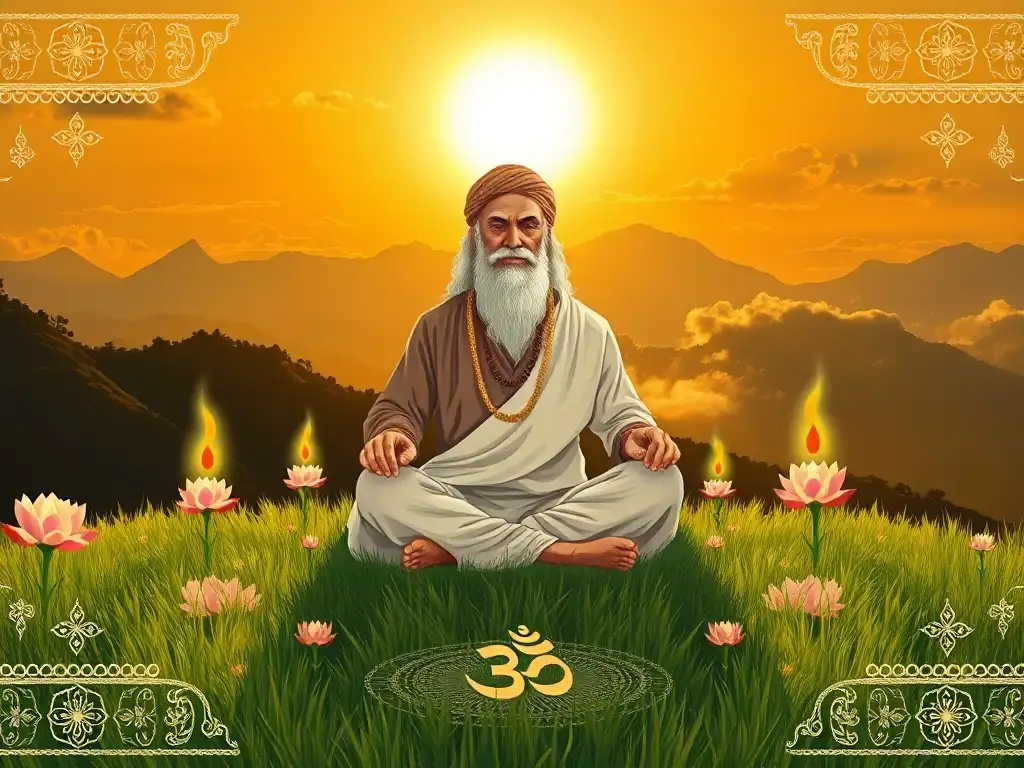
The concept of Atman, often translated as the 'self' or 'soul', occupies a central role in Hindu philosophy. It represents the true essence of an individual, distinct from the physical body and the ego. Understanding Atman is not merely an intellectual pursuit; it is a transformative process that impacts one’s perception of existence and spirituality.
Atman signifies the eternal, unchanging reality that transcends the material world, aligning with the ultimate goal of Hindu philosophy: moksha or liberation from the cycle of birth and rebirth (samsara). This realization is crucial for practitioners seeking to attain a deeper connection with the divine and an understanding of their place within the universe.
Moreover, Atman's significance extends beyond abstract philosophy, influencing various aspects of Indian culture, ethics, and social structures. The teachings surrounding Atman encourage respect for all living beings, fostering a sense of unity and interconnectedness. As the philosophical foundations of Hinduism continue to evolve, the essence of Atman remains a guiding principle.
Reflection on Atman's Role in Contemporary Hinduism
In contemporary Hinduism, the significance of Atman persists, shaping spiritual practices and beliefs. Many modern Hindus engage with the concept of Atman through meditation, yoga, and philosophical inquiry, seeking to connect with their true selves. This pursuit is often seen as a pathway to inner peace and self-realization, reflecting the enduring relevance of ancient teachings.
Furthermore, the exploration of Atman has found resonance in various social movements within India and abroad. As individuals seek to transcend materialism and consumerism, the emphasis on Atman encourages a return to spiritual values. This shift is particularly evident among younger generations, who are increasingly integrating traditional wisdom into their modern lives.
The teachings on Atman also foster a sense of community among practitioners, as the shared understanding of the self promotes collective spiritual growth. The global interest in Hindu philosophy highlights how Atman's significance transcends geographical boundaries, inviting individuals from diverse backgrounds to explore its profound implications.
Final Thoughts on the Significance of Atman in Understanding Self
Understanding Atman is essential for grasping the broader framework of Hindu philosophy. It offers insights into the nature of existence, the relationship between the individual and the cosmos, and the quest for spiritual liberation.
The significance of Atman extends beyond personal introspection; it serves as a catalyst for ethical living and social responsibility. By recognizing the interconnectedness of all beings through the lens of Atman, individuals are motivated to act with compassion, empathy, and respect for life.
The enduring significance of Atman in Hindu philosophy not only enriches individual lives but also shapes collective consciousness. As the teachings of Atman continue to inspire spiritual seekers and philosophers alike, they reaffirm the timeless wisdom embedded in ancient Indian thought. Ultimately, the exploration of Atman remains a vital journey in understanding the self, the universe, and the divine connection that binds them together.
Frequently Asked Questions
What is Atman in Hindu philosophy?
Atman refers to the eternal self or soul in Hindu philosophy. It is considered the true essence of an individual, distinct from the physical body and mind.
How does Atman relate to Brahman?
In Hindu philosophy, Atman is often viewed as being identical to Brahman, the ultimate reality. This relationship illustrates the concept of unity between the individual soul and the universal spirit.
Why is the concept of Atman significant in Hindu beliefs?
The significance of Atman lies in its role in self-realization and understanding one's true nature. Realizing the Atman leads to moksha, or liberation from the cycle of birth and death.
What are the implications of Atman for personal identity?
The notion of Atman challenges the idea of a fixed identity. It emphasizes the transcendence of the self beyond temporary social identities and material possessions.
How does Atman influence ethical behavior in Hinduism?
Understanding the Atman fosters a sense of responsibility towards others, as it encourages seeing the divine essence in all beings. This perspective promotes compassion and ethical living within society.
Final Reflection: Embracing the Essence of Atman in Our Lives
The exploration of Atman and its significance in Hindu philosophy resonates deeply in today's world, where the quest for identity and purpose is more pressing than ever. As we navigate the complexities of modern life, understanding the concept of Atman offers profound insights into our true selves and the interconnectedness of all beings. In a time marked by individualism and material pursuits, the teachings of Atman remind us of the eternal essence that binds us together, urging us to look beyond the surface and seek deeper meaning in our existence.
The significance of Atman extends far beyond ancient texts; it continues to shape our cultural and spiritual landscapes. The idea that each individual possesses an eternal soul encourages a sense of unity and compassion in a world often divided by differences. As we reflect on our personal journeys, we can draw inspiration from the wisdom of Hindu philosophy. The greatest discovery of my generation is that a human being can alter his life by altering his attitude.
– William James. This quote encapsulates the transformative power of understanding Atman, reminding us that our perceptions and attitudes can lead to profound changes in our lives and relationships.
As you contemplate the teachings of Atman, I invite you to reflect on your own journey of self-discovery. Consider how embracing the essence of Atman can lead to greater harmony within yourself and with those around you. Let the wisdom of Hindu philosophy guide you in nurturing your inner self, fostering compassion, and recognizing the divine spark in every individual. In doing so, you not only honor your own existence but also contribute to a more connected and compassionate world.
Unveil Your Inner Self and Transform Your Perspective!
Thank you for diving into the rich depths of Hindu philosophy with us! We appreciate your interest in understanding the profound concepts of **Atman** and the nature of the self. Now, let’s take this knowledge and turn it into action that can enhance your journey of self-discovery.
Here are some steps you can take today:
- Reflect on Your Atman: Spend a few minutes in meditation, focusing on what your inner self means to you. **Journaling** these reflections can deepen your understanding.
- Engage with Others: Share your thoughts about Atman with friends or family. Consider starting a discussion group to explore different perspectives together.
- Explore Further: Dive into related texts or philosophies that resonate with the ideas of self and consciousness. Look for local or online courses that focus on Hindu philosophy.
What insights have you gained about your own self during this exploration, and how will those insights influence your daily life? Let's keep the conversation going in the comments!