
How Ancient Indian Women Fought for Their Rights and Freedoms

Welcome to Ancient India History, where we embark on a fascinating journey through the rich tapestry of civilizations that shaped the Indian subcontinent. In this exploration, we shine a light on the often-overlooked narratives of Ancient Indian women's rights. Discover how women in ancient India courageously fought for their freedoms and played vital roles in society, challenging norms and paving the way for future generations. Dive into our featured article, "How Ancient Indian Women Fought for Their Rights and Freedoms," and uncover the inspiring stories and contributions that continue to resonate today. Your adventure into the past starts here!
- Understanding Ancient Indian Women's Rights and Freedoms
- Historical Context of Women's Rights in Ancient India
- Key Figures in the Fight for Women's Rights
- Movements and Philosophies Advocating for Women's Rights
- Challenges Faced by Women in Ancient India
- Legacy of Ancient Indian Women's Rights
- Impact on Modern Women's Rights Movements
- Lessons from Ancient Indian Women's Rights
-
Frequently Asked Questions
- What were the primary rights of women in ancient India?
- How did ancient Indian women contribute to society?
- What legal frameworks existed for women's rights in ancient India?
- Were there any notable women leaders in ancient India?
- How did the status of women change from the Indus Valley to the Gupta Empire?
- Final Reflection: The Enduring Legacy of Ancient Indian Women's Rights
- Empower Your Voice by Honoring the Past!
Understanding Ancient Indian Women's Rights and Freedoms
Introduction to Ancient Indian Women's Rights
The history of ancient India is a tapestry woven with the threads of diverse cultures, religions, and social structures. Among the many narratives that emerge from this rich heritage, the story of women's rights stands out as a significant and often overlooked chapter. From the early days of the Indus Valley Civilization to the flourishing societies of the Gupta Empire, women played crucial roles, not only in familial settings but also in the broader social, economic, and political spheres.
In ancient Indian society, women's rights and freedoms were influenced by a complex interplay of factors, including religious texts, regional customs, and evolving social norms. While some periods witnessed progressive attitudes towards women's education and property rights, others were marked by restrictions and patriarchal constraints. This fluctuation in status raises essential questions about the actual lived experiences of women and their resilience in advocating for their rights.
Understanding ancient Indian women's rights requires an exploration of various historical sources, including literature, inscriptions, and archaeological findings. These sources reveal that women were not merely passive observers in their societies; instead, they were active participants who engaged in religious, economic, and political activities. As we delve deeper into the subject, we will uncover the ways in which ancient Indian women navigated their rights, fought for their freedoms, and contributed to the rich legacy of their civilizations.
This article aims to shed light on the multifaceted roles of women in ancient India and the ongoing struggles they faced in their quest for equality and recognition. By examining the historical context and specific instances of women's rights, we can appreciate the profound impact these early advocates had on shaping the discourse surrounding gender and rights in subsequent generations.
Historical Context of Women's Rights in Ancient India
The Indus Valley Civilization and Gender Roles
The Indus Valley Civilization, flourishing around 2500 BCE in what is now modern-day Pakistan and northwest India, presents a unique perspective on gender roles and the status of women in ancient India. Archaeological evidence suggests that women in this civilization enjoyed a relatively high status compared to later periods.
Key Aspects of Gender Roles:
- Economic Participation: Women were actively involved in various economic activities, including farming, textile production, and trade. Artifacts such as pottery, tools, and seals indicate that they contributed significantly to household economies.
- Social Status: The presence of female figurines, often depicted with elaborate jewelry, suggests that women held a position of reverence. Some scholars argue that the worship of female deities during this period may have contributed to a societal acknowledgment of women's importance.
- Burial Practices: Evidence from burial sites indicates that women were buried with valuable goods, which implies a recognition of their status and contributions within society.
While specific records detailing women's rights from this era are scarce, the evidence suggests a society that valued gender equality, allowing women to occupy important roles in both the domestic and economic spheres.
Vedic Period: Evolving Rights and Freedoms
The Vedic Period, spanning from around 1500 to 500 BCE, marked a significant transformation in the roles and rights of women in ancient India. This era, characterized by the composition of the Vedas—sacred texts foundational to Hinduism—introduced complex social structures and ideologies that influenced women's rights.
Notable Developments in Women's Rights:
- Education and Philosophy: During the Vedic period, women like Gargi and Maitreyi are noted for their intellectual contributions and philosophical debates. The texts suggest that women could attain education, participate in discussions, and challenge male scholars.
- Marriage and Family Dynamics: Marriage customs evolved, with some texts advocating for the concept of saptapadi (seven steps), symbolizing a partnership between husband and wife. This indicates a recognition of mutual rights and responsibilities within marriage.
- Legal Standing: Women had the right to inherit property, and some texts even permitted them to perform rituals, which was a significant departure from earlier practices. However, societal norms often limited these rights in practice.
- Religious Participation: Women's roles in religious ceremonies were significant, and they were often seen as pivotal to family and community well-being. The inclusion of women in rituals indicates their vital place within the spiritual hierarchy of society.
While the Vedic period saw some advancements in women's rights, it also laid the foundation for patriarchal practices that would dominate later eras. The duality of rights and restrictions reflects the complexities of women's roles during this transformative period in ancient Indian history.
Key Figures in the Fight for Women's Rights
Influential Women in Ancient Indian History
Throughout ancient Indian history, several women stood out as pivotal figures advocating for women's rights and freedoms. Their contributions not only challenged the societal norms of their times but also laid the groundwork for future generations to pursue equality.
-
Gargi Vachaknavi
A philosopher and scholar during the Vedic period, Gargi was known for her profound knowledge and ability to engage in philosophical debates. She famously challenged male scholars in discussions about metaphysics and ethics, showcasing that women could possess equal intellectual capabilities. Her contributions are recorded in the Brahadaranyaka Upanishad.
-
Maitreyi
Maitreyi, another prominent figure from the Vedic era, was an accomplished philosopher and thinker. She emphasized the importance of education for women and is known for her dialogue with her husband, Yajnavalkya, regarding the nature of the self and the pursuit of knowledge. Her insistence on learning and understanding is viewed as an early assertion of women's intellectual rights.
-
Rani Durgavati
As the queen of Gondwana in the 16th century, Rani Durgavati is celebrated for her valiant defense against Mughal invasions. Her leadership and courage in battle symbolize women's strength in a patriarchal society. She not only fought for her kingdom but also for the rights of her people, including women, to live freely.
-
Vijaya Lakshmi Pandit
A prominent political figure in the early 20th century, Vijaya Lakshmi Pandit was a staunch advocate for women's rights and education. She served as the first woman president of the United Nations General Assembly and worked tirelessly to promote women's participation in governance and decision-making processes.
These women, among others, played critical roles in the evolution of women's rights in ancient India, challenging the status quo and inspiring future generations to continue the fight for equality.
Religious Texts and Women’s Rights
Ancient Indian religious texts provide a complex perspective on women's rights, revealing both restrictive and empowering narratives. Key scriptures such as the Vedas, Upanishads, and epics like the Mahabharata and Ramayana depict women's roles in society and their rights.
-
The Vedas
The Vedas, composed around 1500-500 BCE, contain hymns that acknowledge the spiritual and intellectual capabilities of women. For instance, the Rigveda includes verses highlighting women's participation in rituals, suggesting that they had a respected status in religious practices.
-
The Manusmriti
In contrast, the Manusmriti (circa 200 BCE - 200 CE) is often cited for its prescriptive norms that restricted women's rights. It outlines a hierarchical society where women's roles were often confined to domestic spheres. However, it also emphasizes the importance of education, albeit limited to certain classes, which indicates a recognition of the need for women's learning.
-
The Mahabharata
The Mahabharata offers narratives of strong female characters such as Draupadi, who demanded justice and voiced her dissent against patriarchal oppression. Her story serves as a crucial example of women's agency and the assertion of their rights in society.
-
The Ramayana
Similarly, in the Ramayana, Sita's character embodies both the ideal of womanly virtue and the struggle for autonomy. Her trials and ultimate resilience highlight the complexities of women's rights as they navigated societal expectations and personal desires.
While ancient Indian religious texts often reflected patriarchal norms, they also contained elements that promoted women's rights, showcasing a duality in the portrayal of women's roles and their quest for freedoms. Understanding these texts allows for a deeper appreciation of the historical context of women's rights in ancient India.
Movements and Philosophies Advocating for Women's Rights
Early Feminist Movements in Ancient India
The fight for women's rights in ancient India can be traced back to several movements and thinkers who advocated for gender equality and women's empowerment. One of the earliest forms of this advocacy emerged during the late Vedic period, when texts began to recognize women's agency and their roles beyond traditional confines.
- The Rigveda: This ancient text features hymns that celebrate women as powerful figures, highlighting their spiritual and philosophical contributions. Notably, women like Gargi Vachaknavi and Maitreyi are cited as scholars who participated in debates and discussions, illustrating that women could hold intellectual and social standing.
- The Upanishads: These texts further emphasized the spiritual equality of women, suggesting that women could attain enlightenment and liberation (moksha) just as men could. This philosophical foundation laid the groundwork for a more equitable view of women's roles in society.
- Buddhism and Jainism: During the 6th century BCE, both Buddhism and Jainism emerged, emphasizing principles of equality and non-violence. The teachings of Buddha allowed women to join the monastic community, offering them opportunities for spiritual growth and autonomy. Similarly, Jainism also recognized nuns, granting them status and rights within the religious framework.
- Social Reform Movements: By the 19th century, social reformers like Raja Ram Mohan Roy and Ishwar Chandra Vidyasagar began advocating for women's rights, emphasizing education and social reform. Their efforts led to the abolition of practices like sati (the burning of widows) and child marriage, marking significant strides toward improving women's rights in society.
Philosophical Contributions to Women's Rights
Philosophy in ancient India played a pivotal role in shaping the discourse around women's rights. Various philosophical traditions contributed significantly to the understanding and acknowledgment of women's roles in society.
- Sankhya Philosophy: This dualistic philosophy posits that purusha (consciousness) and prakriti (matter) are essential to understanding existence. It recognizes the feminine aspect of prakriti, suggesting that women possess intrinsic value and should be respected as equal partners in the cosmic order.
- Advaita Vedanta: This non-dualistic school of thought, particularly through the works of Advaitha Vedanta philosophers like Shankaracharya, emphasized the oneness of the individual soul (Atman) with the universal soul (Brahman). This philosophical stance inherently challenges gender distinctions, proposing that all souls, regardless of gender, are fundamentally equal.
- Bhakti Movement: In the medieval period, the Bhakti movement introduced a personal approach to spirituality, where women like Mirabai and Akka Mahadevi became prominent figures. Their devotion and poetry not only challenged societal norms but also inspired a new understanding of women's spiritual rights and emotional expression.
- Ayurveda and Health Rights: Ancient texts on Ayurveda often addressed women's health issues, detailing the importance of women's well-being and autonomy over their bodies. This medical tradition acknowledged the unique physiological needs of women, advocating for their rights to health and wellness.
By weaving together these philosophical contributions, ancient Indian thought began to carve pathways for recognizing women’s rights, establishing a rich tapestry of advocacy that would resonate through the ages. The legacy of these movements and philosophies continues to inspire contemporary discussions around gender equality and women's rights in India today.
Challenges Faced by Women in Ancient India
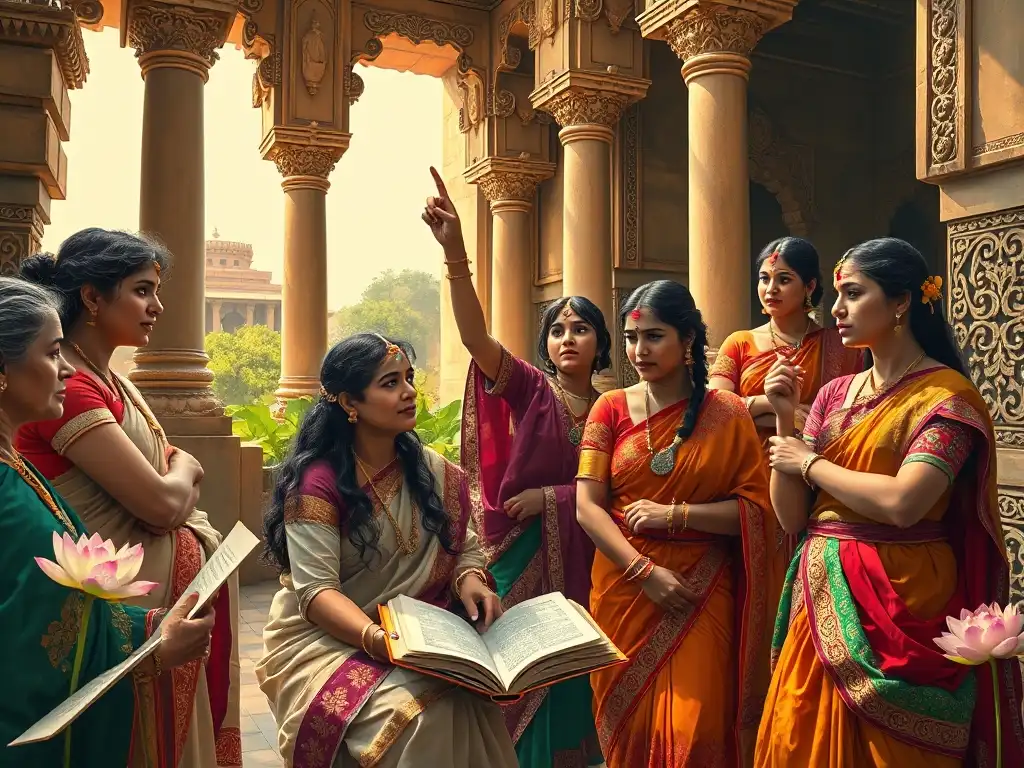
Women in ancient India encountered a multitude of challenges that significantly influenced their roles within society. These challenges were deeply rooted in societal norms, traditions, and legal frameworks that often marginalized women's rights and freedoms. Understanding these obstacles provides a clearer perspective on the struggles that ancient Indian women faced and their efforts to assert their rights.
Societal Norms and Restrictions
The societal norms in ancient India established a patriarchal framework that limited women's autonomy and participation in various aspects of life. Cultural beliefs portrayed women primarily as caretakers and homemakers, relegating them to domestic roles. This perception was reinforced by religious texts, which often emphasized women's duties to their families and husbands over their personal aspirations.
Key Restrictions Include:
- Education: Access to education was severely restricted for women. While some women from higher castes managed to obtain education through informal means, the majority were denied formal schooling, limiting their opportunities for intellectual and professional growth.
- Marriage Practices: Child marriage was prevalent, often resulting in young girls being married off before they could fully understand their rights. The expectation of lifelong devotion to their husbands further constrained women's independence.
- Inheritance Rights: Women commonly faced legal restrictions concerning property and inheritance. In many cases, they were denied the right to inherit family wealth, which perpetuated economic dependence on male relatives.
- Social Mobility: Women were often confined to their households, with limited opportunities for social engagement outside of family responsibilities. These restrictions stifled their ability to interact with broader societal issues and advocate for their rights.
Despite these challenging societal norms, ancient Indian women showed resilience and strength, often finding ways to assert their rights within the constraints imposed upon them.
Resistance Against Oppression
Throughout history, women in ancient India did not passively accept their subjugation; instead, many actively resisted the oppression they faced. This resistance took various forms, from subtle acts of defiance to organized movements aimed at challenging societal norms.
Forms of Resistance Included:
- Literature and Art: Women contributed to literature, poetry, and art, often using these mediums as a means of expressing their thoughts and challenging societal norms. Figures like Vasanti and Agnimitra showcased the strength and intellect of women through their creative works.
- Religious and Spiritual Movements: Many women engaged with spiritual leaders and participated in religious movements that offered them a platform to question patriarchal norms. For instance, the Bhakti movement allowed women to assert their spirituality and challenge gender roles.
- Prominent Figures: Historical figures such as Rani Durgavati and Rani Lakshmibai exemplified women's resistance against oppression. Their leadership in battles against invasions showcased the courage and agency of women in defying societal expectations.
- Community Support: Women often found solidarity within their communities, creating networks that supported one another in challenging oppressive practices. This support system was crucial in fostering resilience and empowerment among women.
The challenges faced by women in ancient India were significant, yet their resistance against oppression revealed a complex interplay of struggle and agency. By understanding the historical context of ancient Indian women's rights, we can appreciate the rich tapestry of women's contributions and their continuous fight for equality and freedom.
Legacy of Ancient Indian Women's Rights
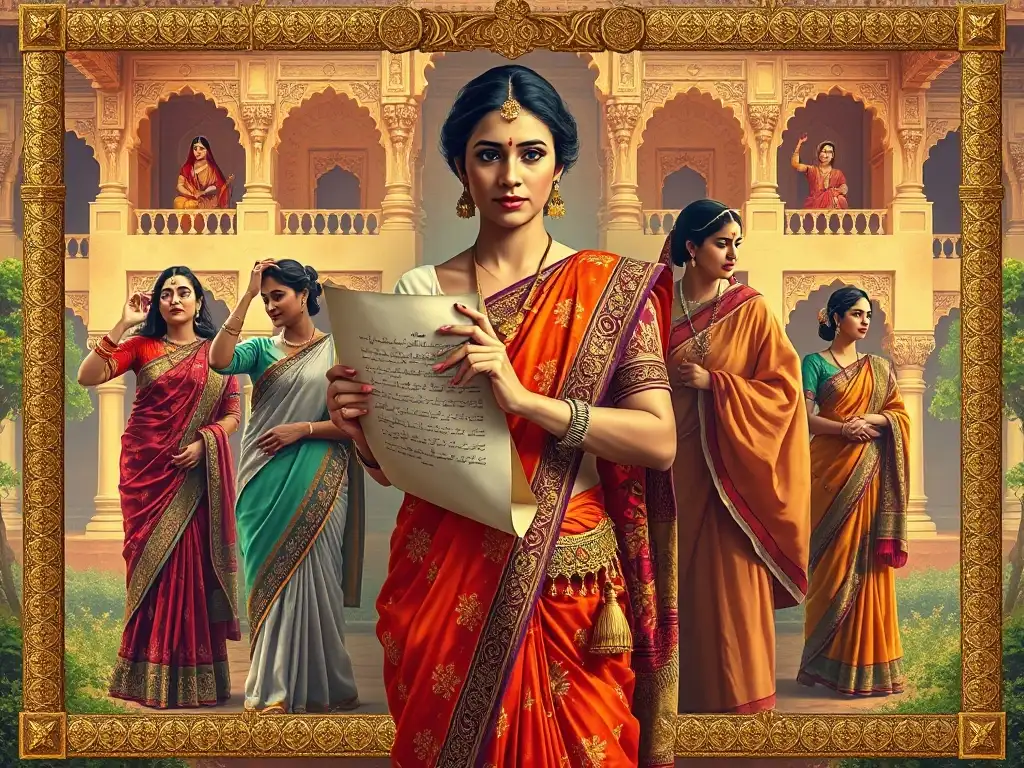
The legacy of ancient Indian women's rights is both profound and complex, woven into the fabric of various Indian civilizations, from the Indus Valley to the Gupta Empire. Women in ancient India exhibited resilience and agency, often challenging the societal norms that sought to confine them. Historical texts, inscriptions, and archaeological findings reveal that women enjoyed certain rights and privileges, which laid the groundwork for discussions on gender equality in later periods.
In ancient Indian society, women's roles varied significantly across different regions and periods. During the Vedic period, for instance, women had the right to education and could participate in religious rituals alongside men. Texts such as the Rigveda mention women scholars like Gargi and Maitreyi, highlighting their intellectual contributions.
However, as time progressed, particularly during the post-Vedic era, societal structures began to change. The Manusmriti, a legal text, introduced more patriarchal norms, restricting women's autonomy. Yet, even within these constraints, historical accounts document instances of women who managed to assert their rights, such as the practice of Swayamvara, where women chose their husbands, showcasing their agency in marital decisions.
Prominent Figures
Several notable women from ancient India stand out for their contributions and fight for rights:
- Vashti: A queen who defied her husband, King Xerxes, by refusing to appear at his court, demonstrating the power of refusal and personal agency.
- Rani Durgavati: A warrior queen who led her kingdom against the Mughal empire, symbolizing women's leadership and strength.
- Maitreyi: A philosopher and scholar whose dialogues in the Upanishads reflect the intellectual freedom women could attain.
Impact on Modern Women's Rights Movements
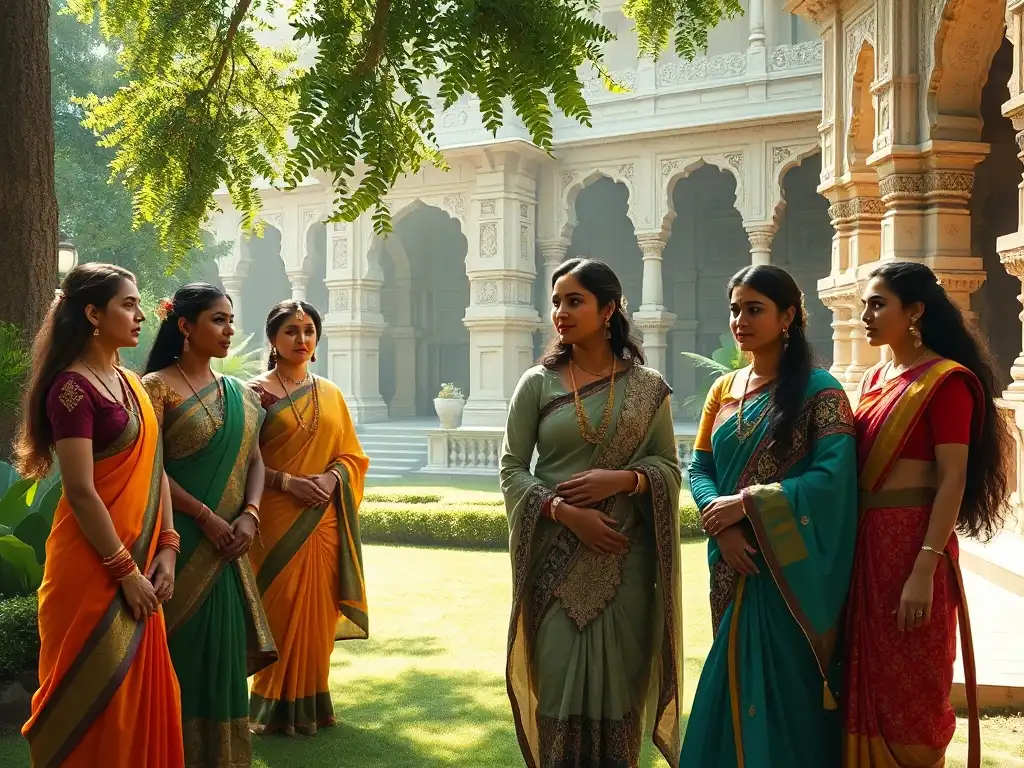
The legacy of ancient Indian women's rights has significantly influenced contemporary women's rights movements in India and beyond. The historical acknowledgment of women's agency serves as a powerful reminder of their capabilities and contributions, fostering a sense of empowerment in modern contexts.
Historical Reflections
Modern activists often draw parallels between ancient practices and current struggles for gender equality. For example, the concept of Swayamvara is frequently referenced in discussions about women's autonomy in marriage. Additionally, the acknowledgment of women in ancient texts provides a historical foundation for advocating for educational and professional rights today.
Cultural Reclamation
Movements aiming to reclaim cultural narratives often highlight ancient Indian women as symbols of strength. By emphasizing historical figures and their rights, activists can inspire contemporary women to challenge existing patriarchal structures. The stories and legacies of women like Rani Durgavati serve as blueprints for modern empowerment, encouraging women to claim their space in leadership and decision-making roles.
Lessons from Ancient Indian Women's Rights
The exploration of ancient Indian women's rights reveals several key lessons that continue to resonate in today's society. These lessons highlight not only the historical context of women's rights but also the ongoing challenges and opportunities for advancement.
Importance of Education
One of the most significant lessons is the importance of education for women. Ancient texts demonstrate that educated women could influence societal norms and contribute to intellectual discourse. The modern women's rights movement emphasizes education as a crucial tool for empowerment, echoing the values of ancient Indian society.
- Empowerment through Knowledge: Education equips women with the skills necessary to challenge societal norms and advocate for their rights.
Agency in Decision-Making
The concept of agency, as exemplified by practices like Swayamvara, underscores the importance of women's autonomy in personal choices. This lesson remains relevant today, as contemporary movements advocate for women's rights to make decisions regarding their bodies, careers, and relationships.
- Promoting Autonomy: Encouraging women to make choices in their lives fosters a culture of respect and equality.
Resilience and Leadership
The stories of ancient women who fought for their rights exemplify resilience and leadership. These narratives serve as powerful reminders that women have historically engaged in struggles for their rights, inspiring current generations to persevere in the face of adversity.
- Role Models: Highlighting historical figures can inspire modern women to take on leadership roles and advocate for change within their communities.
The legacy of ancient Indian women's rights is a rich tapestry that informs and inspires contemporary movements. By understanding the past, modern society can continue to strive for a future where women's rights are universally recognized and respected.
Frequently Asked Questions
What were the primary rights of women in ancient India?
Women in ancient India enjoyed various rights including the ability to inherit property, participate in religious ceremonies, and receive an education, particularly during the Vedic period.
How did ancient Indian women contribute to society?
Women played a vital role in spiritual, cultural, and economic spheres, often acting as teachers, philosophers, and artists, thereby influencing societal norms and values.
What legal frameworks existed for women's rights in ancient India?
Several texts, such as the Manusmriti, outlined women's roles and rights, though interpretations varied over time, with some advocating for protection and respect for women.
Were there any notable women leaders in ancient India?
Yes, figures like Rani Durgavati and Rani Padmini showcased women's leadership and courage, often leading their kingdoms and standing against invaders.
How did the status of women change from the Indus Valley to the Gupta Empire?
The status of women evolved significantly, with early societies offering more freedoms and rights, while later periods, particularly during the Gupta Empire, saw a decline in their social status and autonomy.
Final Reflection: The Enduring Legacy of Ancient Indian Women's Rights
The fight for women's rights is not a relic of the past; it is an ongoing battle that echoes through time. The struggles and triumphs of ancient Indian women serve as a powerful reminder of the resilience and strength that has shaped the narrative of women's rights across generations.
As we navigate the complexities of modern society, it is crucial to recognize how these historical movements inform our current understanding of equality and justice. The courage displayed by these women in the face of adversity is a testament to the enduring spirit of activism that continues to inspire us today.
The historical context of ancient Indian women's rights reveals a rich tapestry of cultural evolution and social change. These women not only fought for their own freedoms but also laid the groundwork for future generations to challenge societal norms. Their stories resonate in today's discussions about gender equality and empowerment, reminding us that the journey toward justice is both collective and individual.
As Mahatma Gandhi once said, "> To call woman the weaker sex is a slander; it is man's injustice to woman." This quote encapsulates the ongoing struggle against stereotypes and the importance of recognizing women's strength in all spheres of life.
As we reflect on the lessons from ancient Indian women's rights, let us take a moment to consider our role in this ongoing narrative. How can we honor the legacy of these trailblazers in our own lives? I invite you to explore ways to advocate for equality, whether through education, activism, or simply by uplifting the voices of women around you.
The fight for rights and freedoms is far from over, and each of us has the power to contribute to this vital cause. Together, we can ensure that the struggles of the past illuminate the path toward a more equitable future.
Empower Your Voice by Honoring the Past!
Thank you for joining us on this journey through the remarkable struggles and triumphs of ancient Indian women. Their courage and resilience not only shaped their lives but also laid the groundwork for future generations. Now, it's your turn to honor this legacy and take meaningful action!
Here’s how you can get involved:
- Share their story: Post about an inspiring woman from ancient India on social media and encourage your friends to learn about her impact.
- Join a local or online discussion group focused on women’s rights and history to deepen your understanding and engage with others who share your passion.
- Explore deeper: Read more books or articles on women’s histories from around the world; you might discover unexpected connections and valuable lessons!
What change would you like to see inspired by the courageous actions of ancient women in your community today?