
How Ancient Indian Women Challenged Societal Norms

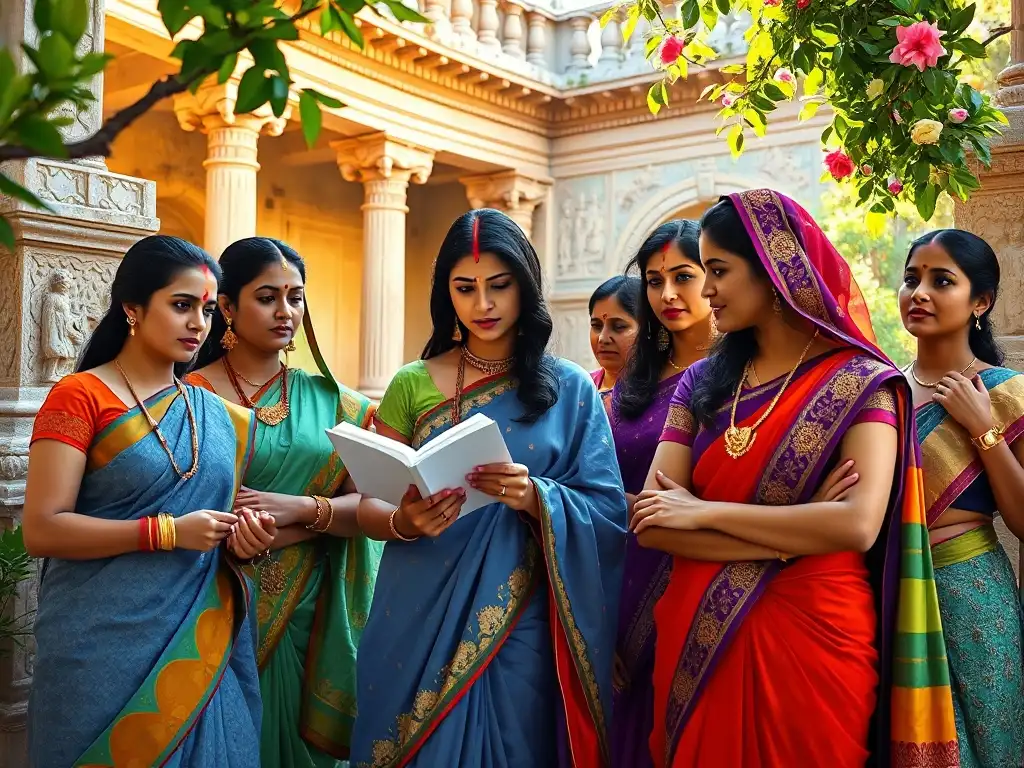
Welcome to Ancient India History, where we embark on a journey through the vibrant tapestry of India’s past! Here, we delve into the often-overlooked narratives of ancient Indian women empowerment, exploring how courageous women challenged societal norms and carved their own paths in a world dominated by tradition. From the enigmatic figures of the Indus Valley to the influential queens of the Gupta Empire, the stories of these remarkable women reveal a rich history of resilience and strength.
Join us as we uncover their legacies and inspire a deeper appreciation for the contributions of women in ancient Indian civilizations. Are you ready to discover the powerful stories that have shaped our understanding of gender roles throughout history?
Introduction to Ancient Indian Women Empowerment
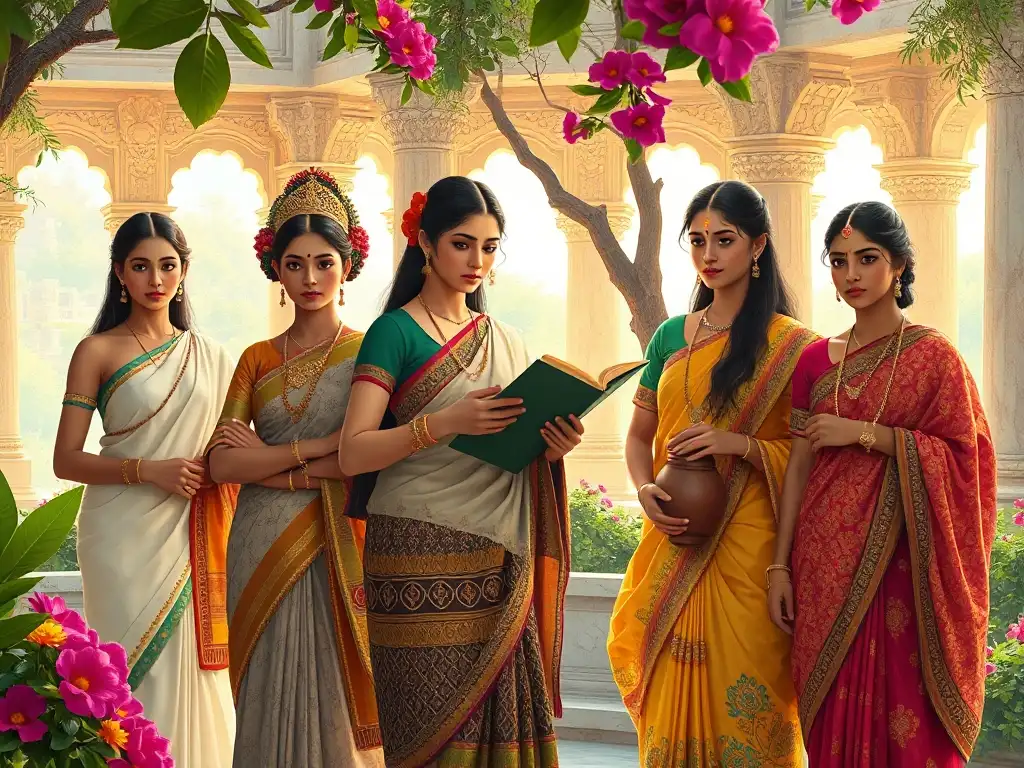
The history of ancient India is not only a testament to the achievements of its great civilizations but also a narrative that highlights the often-overlooked contributions of women who defied societal norms. Ancient Indian women empowerment is a crucial aspect of this narrative, as many women played significant roles in shaping their societies despite the patriarchal structures that dominated their times.
From scholars and warriors to poets and leaders, these women challenged conventions and carved out spaces for themselves, contributing to the rich tapestry of Indian history. This article explores the lives, struggles, and triumphs of these remarkable women and examines how their legacies continue to inspire modern movements for gender equality.
Overview of Women's Roles in Ancient India
In ancient India, women's roles were largely defined by cultural and religious norms that dictated their position in society. Women were primarily seen as caretakers of the home and family, responsible for managing domestic affairs and nurturing children. However, historical texts reveal that women's roles were far more complex and diverse.
- Education and Literature: Many women participated in education and were known for their intelligence and wisdom. Figures like Gargi and Maitreyi, who were celebrated philosophers, engaged in debates that showcased their intellectual prowess.
- Art and Culture: Women contributed significantly to arts and crafts, and some even held positions as court artists and musicians.
- Political Involvement: Notably, women like Rani Durgavati and Razia Sultan broke barriers by taking on leadership roles, demonstrating that female authority was acknowledged in certain contexts.
This overview illustrates that while societal norms often confined women to specific roles, many women navigated these challenges and made substantial contributions across various sectors.
Importance of Empowerment in Historical Context
Understanding the empowerment of ancient Indian women requires a consideration of the historical context in which they lived. Their ability to challenge societal norms was not merely an act of rebellion; it was often a necessity driven by the circumstances of their lives.
- Cultural Shifts: As societies evolved, so did the perceptions of women's roles. For instance, during the Vedic period, women's rights were relatively progressive compared to later periods when restrictions became more pronounced.
- Religious Influence: Sacred texts and religious practices often influenced women's status, with some scriptures advocating for women's education and autonomy.
- Resistance and Resilience: Women’s empowerment in ancient India can be seen as a form of resistance against oppressive structures, where many sought to reclaim their agency in various domains.
Historical Background of Women in Ancient India
Societal Structure and Gender Roles in Ancient India
The societal structure of ancient India was predominantly patriarchal, with rigid hierarchies that placed men in positions of authority. However, various historical texts, such as the Manusmriti, provide insights into the status of women and their roles within the family and society.
- Patriarchy and Property Rights: Women were often viewed as property, with their rights to inheritance and property being severely limited. Despite this, some women managed to assert their rights and own property.
- Marriage and Family Dynamics: Marriage was a critical institution, and practices such as child marriage and dowry were prevalent. Yet, there were exceptions where women exercised choice in marriage and relationships.
- Religious Practices: Women participated actively in religious rituals, which were vital to their social standing, and some even held priestly roles, illustrating a complex interplay between gender and spirituality.
The Evolution of Women's Status Across Different Eras
The status of women in ancient India underwent significant changes over the centuries, influenced by various dynasties, cultural shifts, and socio-political conditions.
- Indus Valley Civilization: Evidence from archaeological findings suggests that women enjoyed a degree of equality, with depictions of female figures in positions of power.
- Vedic Period: This era witnessed a more egalitarian approach, with women being educated and participating in philosophical discussions.
- Medieval Period: The status of women declined with the advent of rigid caste systems and feudalism, leading to restrictions on their mobility and rights.
- Renaissance and Bhakti Movement: The resurgence of devotion and spirituality led to a reevaluation of women's roles, allowing for greater expression and agency.
Through these historical lenses, it becomes evident that while ancient Indian women faced considerable challenges, they also found ways to assert their identities and influence their societies, paving the way for future generations.
Influential Ancient Indian Women Who Challenged Norms
Throughout ancient Indian history, several remarkable women emerged as influential figures who defied societal norms and made significant contributions to their communities. These women not only challenged the status quo but also paved the way for future generations, embodying the spirit of ancient Indian women empowerment. Their stories reflect resilience, intelligence, and a commitment to social change.
One of the most notable figures is Gargi Vachaknavi, a revered philosopher and scholar from the Vedic period. She is known for her profound knowledge and ability to engage in intellectual debates with male scholars, challenging the notion that women were incapable of philosophical thought. Gargi's participation in the Brahmodya (the philosophical debate) is a testament to her courage and intellect, as she questioned even the most esteemed sages of her time.
Another significant figure is Maitreyi, a philosopher and a disciple of the sage Yajnavalkya. In the Brihadaranyaka Upanishad, she is famously known for her inquiry into the nature of the self, demonstrating that women sought knowledge and enlightenment during this period. Her story underlines the importance of women's voices in the spiritual and intellectual spheres of ancient India.
Additionally, Rani Durgavati, the queen of Gondwana, is celebrated for her bravery and leadership in the 16th century. She led her kingdom in battle against the Mughal Empire, showcasing not only her warrior spirit but also the capability of women to rule and protect their realms. Her legacy serves as an empowering symbol for women in leadership positions.
Prominent Figures and Their Contributions
The contributions of these influential women extend beyond philosophy and governance. Anuja, a poetess from the early medieval period, used her writings to address social issues and women's rights, emphasizing the need for equality. Similarly, Vasavadatta, a character in the ancient play Malati-Madhava, represents the struggles and aspirations of women in love and marriage, illustrating that women's narratives were integral to the cultural fabric of the time.
Moreover, the figure of Chand Bibi, the queen of Ahmednagar, stands out for her military prowess and diplomatic acumen. She played a crucial role during the Mughal invasions, and her efforts in defending her kingdom against powerful adversaries highlight the capacity of women to engage in warfare and political strategy.
These women not only contributed to literature, philosophy, and governance but also served as role models who inspired future generations to challenge societal norms and advocate for their rights.
Cultural and Religious Influences on Women's Empowerment
Cultural and religious contexts in ancient India significantly influenced women's empowerment. The philosophies and practices within these domains often dictated the roles and status of women in society, but they also provided avenues for empowerment and challenge.
The Role of Religion in Shaping Women's Lives
Religion played a dual role in the lives of ancient Indian women. On one hand, certain religious texts and practices confined women to specific roles, emphasizing domesticity and subservience. However, on the other hand, numerous religious narratives celebrated female deities and saints, providing women with figures of strength and empowerment to look up to.
For instance, the worship of Goddess Durga symbolizes female power and resilience, portraying women as protectors and warriors. Temples dedicated to female deities often became centers for women's congregations, allowing them to participate in religious activities and express their spiritual identities. Such religious practices empowered women by highlighting their intrinsic value within the spiritual landscape of society.
Moreover, the emergence of female saints in various religious movements, such as Mirabai, who expressed her devotion through poetry and song, showcased how spirituality could be a channel for women's voices and experiences. These narratives not only challenged societal limitations but also encouraged women to assert their identities beyond traditional roles.
Literature and Arts as Tools for Empowerment
Literature and the arts served as powerful tools for ancient Indian women to express themselves and challenge societal norms. Through poetry, storytelling, and visual arts, women found means to articulate their experiences, struggles, and aspirations.
Women like Khushal Kaur, a poet from Rajasthan, used her poetic prowess to address themes of love, loss, and societal issues. Her works resonated with the struggles of women and enabled them to find solace and empowerment in shared experiences.
Additionally, the tradition of Bharatanatyam, a classical dance form, allowed women to convey complex narratives and emotions, often reflecting themes of devotion, strength, and resistance. This performance art not only provided a creative outlet but also elevated the status of women as cultural contributors, challenging the stereotypes that confined them.
Overall, literature and the arts offered ancient Indian women a platform for empowerment, encouraging them to assert their identities and challenge the societal norms that sought to limit their roles. Through these avenues, they carved a space for themselves in a world dominated by patriarchal narratives, leaving a lasting impact on the cultural landscape of ancient India.
Education and Intellectual Contributions of Ancient Indian Women
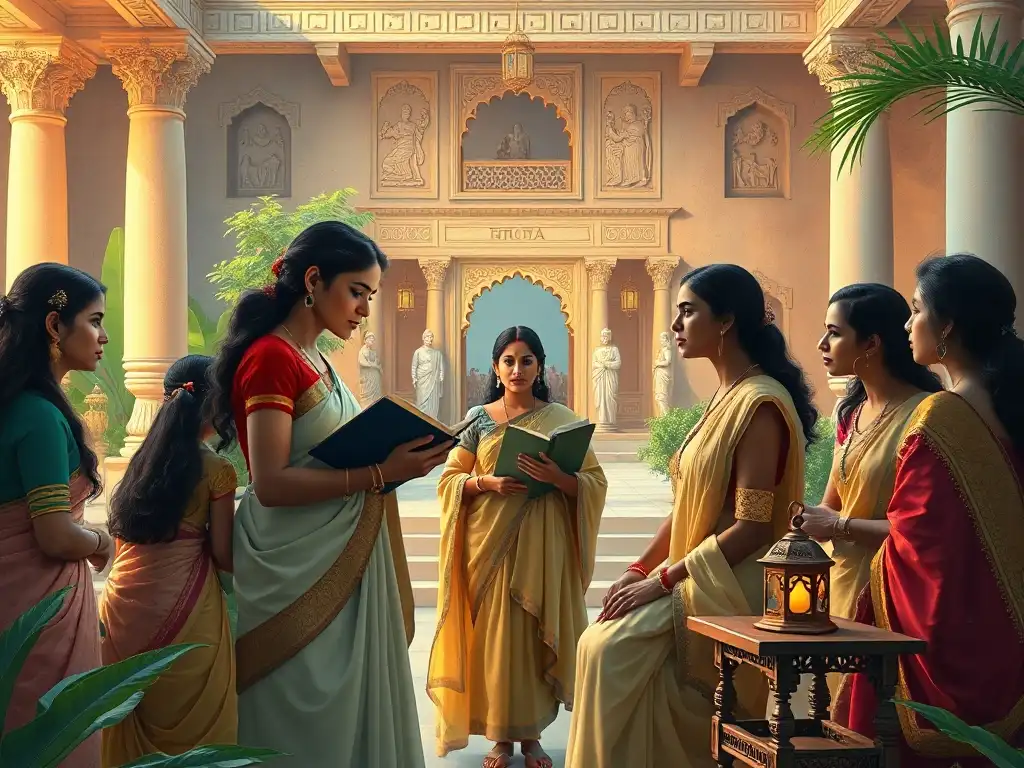
Ancient Indian women played a significant role in shaping the intellectual landscape of their time, challenging societal norms through their pursuit of education and knowledge. Although the historical narrative often highlights the limitations imposed on women, there are numerous instances where women transcended these barriers, contributing to various fields such as philosophy, literature, and science. Their involvement in education not only influenced their personal lives but also left a lasting legacy on Indian society.
Access to Education for Women in Ancient Societies
In ancient India, education was primarily a privilege reserved for the male elite; however, there were notable exceptions where women had access to learning. The Vedic period, for instance, saw women like Gargi and Maitreyi participating in philosophical discussions and debates, showcasing their intellectual prowess. The existence of ashrams, where both men and women could receive instruction in the Vedas and other sacred texts, indicates a level of educational inclusivity.
Moreover, texts like the Manusmriti suggest that women could be educated, particularly in the context of family and domestic management, although this was often limited. The rise of Buddhist monastic communities also provided opportunities for women to study. Nuns were educated in scriptures and philosophy, allowing them to engage with religious teachings on a profound level. This access to education empowered women to challenge traditional roles and advocate for their rights within the societal framework.
Notable Scholars and Thinkers
Several ancient Indian women emerged as distinguished scholars and thinkers, leaving a profound impact on philosophy and literature. Gargi, a celebrated philosopher of the Vedic period, is renowned for her contributions to metaphysical discussions, particularly in the context of the Upanishads. Her dialogues with male sages illustrate the intellectual agency women possessed during this era.
Another notable figure is Maitreyi, who is depicted as a learned woman in the Brihadaranyaka Upanishad. She engaged in philosophical debates and questioned societal norms regarding gender and spirituality. Additionally, the poetess and scholar, Aditi, is noted for her work in Sanskrit literature, where she articulated her thoughts on love and morality, challenging the patriarchal narratives of her time.
These women not only contributed intellectually but also inspired future generations to seek knowledge and assert their place in society, laying the groundwork for the concept of ancient Indian women empowerment.
Case Studies of Societal Change Driven by Women
The societal landscape of ancient India witnessed significant transformations driven by the efforts and initiatives of women. Their active participation in social and religious movements helped reshape the cultural norms and expectations surrounding women's roles.
The Impact of Women’s Movements in the Gupta Period
The Gupta period is often referred to as the Golden Age of India, marked by advancements in art, literature, and science. During this time, women's movements began to gain traction, and women like Mallika, a prominent courtesan, played a pivotal role in advocating for women's rights. The rise of literature emphasizing women's voices, such as Kalidasa's works, illustrated a growing recognition of women's contributions to society.
Women in this era organized gatherings and discussions, challenging the rigid caste and gender norms that confined them. Their activism led to a gradual reformation of societal attitudes, allowing for greater participation of women in cultural and intellectual domains. This momentum contributed to a shift in perception, where women were increasingly recognized as vital contributors to society rather than mere dependents.
Reforms Initiated by Influential Women in the Bhakti Movement
The Bhakti Movement, which emerged between the 7th and 17th centuries, was instrumental in promoting a more egalitarian approach to spirituality. Influential women such as Mirabai and Akka Mahadevi emerged as powerful voices within this movement, using poetry and devotion to express their experiences and challenge societal constraints.
Mirabai, a Rajput princess, defied societal norms by rejecting the traditional roles assigned to women and embraced her devotion to Lord Krishna. Her poetry resonated with many and inspired women to assert their spiritual autonomy. Similarly, Akka Mahadevi, a saint from Karnataka, used her writings to critique the patriarchal structures of society and encouraged women to seek divine love and personal liberation.
Both these figures exemplified ancient Indian women empowerment by leading movements that broke the shackles of societal expectations. They not only inspired women of their time but also left a lasting influence on future generations, highlighting the transformative power of women's voices in shaping cultural and spiritual landscapes.
Challenges Faced by Women in Ancient India
Women in ancient India encountered a myriad of challenges that restricted their empowerment and participation in society. These challenges were deeply rooted in social customs, religious beliefs, and cultural practices that often placed women in subordinate roles. From the Vedic period to the Gupta Empire, the societal structure was predominantly patriarchal, which dictated the lives and opportunities available to women. Understanding these challenges is crucial to appreciating the resilience of ancient Indian women and their contributions to society.
Social and Cultural Barriers to Empowerment
The social and cultural fabric of ancient India was woven with norms that limited women's autonomy. In many regions, women's primary roles were confined to domestic spheres, where they were expected to manage the household and raise children. Education for women was often neglected, with limited access to learning opportunities, particularly in the Vedic and post-Vedic periods.
Additionally, practices such as sati (the burning of widows on their husband's funeral pyre) and purdah (the seclusion of women) further reinforced the notion of women's inferiority. These customs not only curtailed women's freedom but also instilled fear and obedience, making them hesitant to challenge their status. The cultural ideal of womanhood often revolved around chastity and devotion, leaving little room for self-actualization or public engagement.
The Struggle Against Patriarchal Norms
Despite the oppressive societal structure, ancient Indian women exhibited remarkable strength in their struggle against patriarchal norms. Historical texts and artifacts indicate that women like Gargi and Maitreyi participated in intellectual debates, challenging the male-dominated narrative of knowledge and philosophy.
Moreover, the presence of women in various professions, including dancing, music, and even administration, reveals that some women successfully navigated the constraints of their society. For instance, queens and noblewomen wielded considerable power and influence, often acting as patrons of art and culture.
The resistance to patriarchal norms was not uniform, as different regions exhibited varying degrees of women’s agency. However, the overall struggle against these norms laid the groundwork for future generations, showcasing the indomitable spirit of ancient Indian women who sought to carve their paths despite societal limitations.
Legacy of Ancient Indian Women in Modern Context
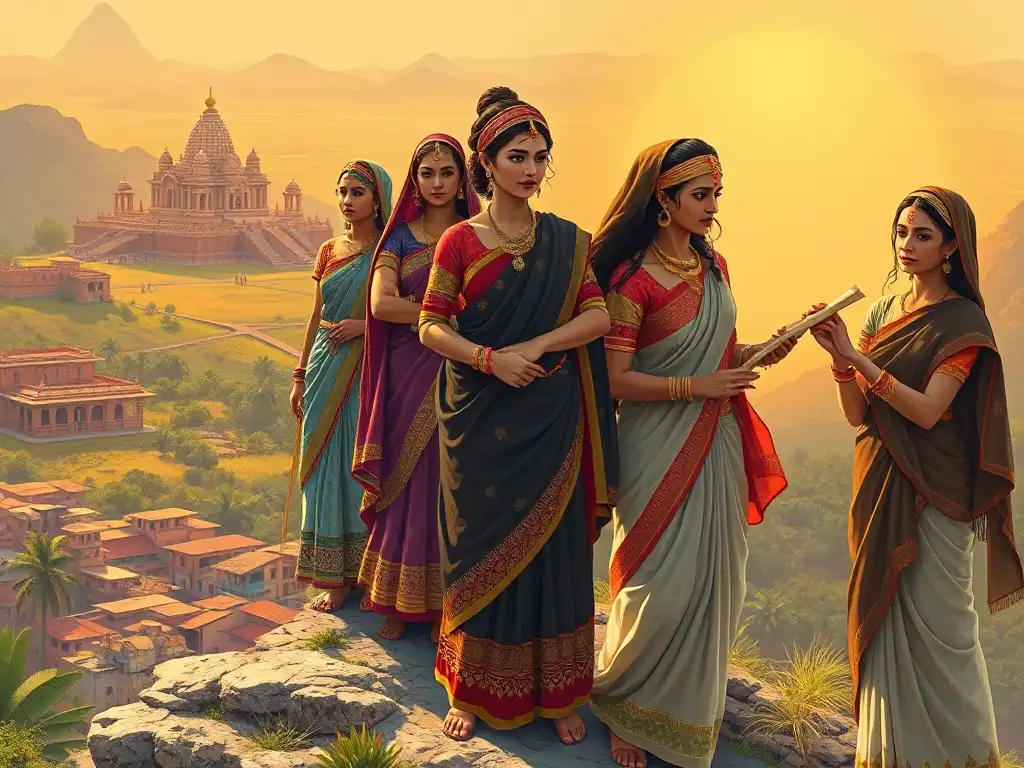
The legacy of ancient Indian women extends far beyond their time, leaving a profound impact on contemporary society. The struggles and triumphs of these women serve as a source of inspiration for modern movements advocating for women's rights and empowerment.
How Ancient Empowerment Influences Contemporary Feminism
The historical narrative of ancient Indian women reveals a continuum of resistance and empowerment that resonates with contemporary feminist movements. The intellectual contributions of figures like Gargi and Maitreyi remind us that women's voices have always been a part of the discourse on knowledge and ethics.
Modern feminists often draw parallels between the challenges faced by ancient women and those encountered today, emphasizing the importance of reclaiming women's histories. This reclamation contributes to a broader understanding of women's empowerment, highlighting that the fight for equality is not a recent phenomenon but a long-standing struggle.
Furthermore, the stories of women who broke societal barriers inspire contemporary activists to challenge existing norms. By acknowledging the historical context of women's empowerment in ancient India, modern movements can cultivate a more nuanced perspective on gender equality.
Lessons Learned from Ancient Women's Challenges and Triumphs
The challenges faced by ancient Indian women offer valuable lessons for present and future generations. Their ability to navigate oppressive systems while asserting their identities showcases resilience and ingenuity.
Key lessons include:
- The Importance of Education: The restricted access to education for women in ancient times underscores the need for equal educational opportunities today. Empowering women through education is essential for fostering independence and societal participation.
- Advocacy and Agency: The actions of women who challenged societal norms highlight the significance of advocacy. Modern women can draw inspiration from these figures to voice their concerns and fight for their rights.
- Solidarity: The sense of community among women in ancient times, even amidst adversity, demonstrates the power of solidarity. Building networks of support continues to be crucial for women facing challenges today.
The legacy of ancient Indian women serves as both a reminder of the struggles of the past and a beacon of hope for the future. Their stories illuminate the path toward empowerment and serve as a testament to the enduring fight for equality and justice in society.
Conclusion: The Enduring Spirit of Ancient Indian Women Empowerment
The legacy of ancient Indian women is a testament to their resilience and ability to transcend societal constraints. Their contributions, whether in literature, philosophy, governance, or the arts, showcase a profound spirit of empowerment that continues to inspire modern discussions on gender equality.
The stories of women like Gargi and Maitreyi not only highlight their intellectual prowess but also serve as reminders of the societal shifts initiated by their defiance against patriarchal norms. As we delve deeper into the annals of history, it becomes evident that the empowerment of women in ancient India was not merely a transient phase but a foundational element that shaped the cultural and social fabric of the civilization.
Reflection on the Contributions of Ancient Women
Throughout ancient Indian history, women played multifaceted roles that went beyond traditional expectations. They were not just caretakers of the home but also scholars, warriors, and leaders. Figures such as Rani Durgavati, who led her kingdom in battle, and the poetess Akka Mahadevi, who expressed her spiritual insights through profound poetry, exemplify the diverse contributions made by women.
These narratives encourage us to reflect on the complexities of their lives and the societal structures they navigated. By recognizing their achievements, we can appreciate the depth and richness of ancient Indian history, understanding that women were integral to the civilization's development and legacy.
The Importance of Recognizing Historical Female Empowerment
Acknowledging the empowerment of women in ancient India is crucial for several reasons. First, it challenges the prevailing notion that women have always been relegated to subordinate roles. By highlighting their active participation in various domains, we can foster a more nuanced understanding of gender dynamics in history.
Furthermore, recognizing these contributions provides a framework for contemporary discussions on women's rights and empowerment, drawing parallels between past and present struggles. It also serves as an inspiration for future generations, reminding them that the path to equality has historical precedents grounded in the bravery and achievements of those who came before.
Call to Action
To truly honor the legacy of ancient Indian women and their role in shaping society, it is essential to engage actively with their histories and contributions.
Encouraging Further Research on Women’s Roles in Ancient Civilizations
Scholars, students, and history enthusiasts are encouraged to explore the vast body of literature and archaeological findings that shed light on the roles of women in ancient civilizations. Research can focus not only on prominent figures but also on the everyday lives of women, their social status, and their impacts on both local and broader contexts. By expanding the scope of research, we can uncover untold stories that enrich our understanding of women's empowerment throughout history.
Engaging with Historical Narratives of Empowerment
Engagement with historical narratives can take many forms—through writing, discussions, and community initiatives. Historians and educators should aim to incorporate the stories of ancient Indian women into curricula, ensuring that their contributions are not overlooked. Additionally, public forums and workshops can facilitate conversations about the lessons learned from these narratives, fostering a community that values gender equality and empowerment. By actively participating in these discussions, we can keep the spirit of ancient Indian women empowerment alive, ensuring it resonates with future generations.
- Introduction to Ancient Indian Women Empowerment
- Historical Background of Women in Ancient India
- Influential Ancient Indian Women Who Challenged Norms
- Cultural and Religious Influences on Women's Empowerment
- Education and Intellectual Contributions of Ancient Indian Women
- Case Studies of Societal Change Driven by Women
- Challenges Faced by Women in Ancient India
- Legacy of Ancient Indian Women in Modern Context
- Conclusion: The Enduring Spirit of Ancient Indian Women Empowerment
- Call to Action
- What roles did women play in ancient Indian society?
- How did ancient Indian women challenge societal norms?
- Were there any notable figures of women empowerment in ancient India?
- What were the major texts that discussed women’s rights in ancient India?
- How did the status of women evolve from the Indus Valley to the Gupta Empire?
Frequently Asked Questions
What roles did women play in ancient Indian society?
In ancient India, women held various roles, from household managers to scholars and warriors, showcasing their diverse contributions to society.
How did ancient Indian women challenge societal norms?
Women in ancient India often defied traditional roles by participating in education, politics, and even engaging in trade, thereby challenging prevailing norms.
Were there any notable figures of women empowerment in ancient India?
Yes, figures like Gargi and Maitreyi are celebrated for their intellectual contributions, while Rani Durgavati exemplified women's leadership and bravery in battle.
What were the major texts that discussed women’s rights in ancient India?
Texts such as the Manusmriti and Mahabharata include discussions on women’s rights, reflecting both progressive and regressive views on women's empowerment.
How did the status of women evolve from the Indus Valley to the Gupta Empire?
The status of women underwent significant changes; while some periods saw empowerment and freedom, others, particularly during the Gupta Empire, experienced a decline in women's rights.
Final Reflection: Empowerment Through the Ages
The stories of ancient Indian women serve as powerful reminders of resilience and strength, highlighting how they challenged societal norms long before modern movements for gender equality emerged. In a world where women were often relegated to the background, these trailblazers carved out spaces for themselves, demonstrating that empowerment is not a new concept but one deeply rooted in history. Their legacies resonate today, urging us to recognize the ongoing struggles for gender equality and the need to honor those who paved the way.
The influence of ancient Indian women on contemporary society is profound and multifaceted. Their courage and determination to defy the expectations of their time have inspired generations, fostering a cultural landscape that values women's voices and contributions. As we reflect on their stories, we are reminded of the words of the renowned feminist writer, Simone de Beauvoir: One is not born, but rather becomes, a woman.
This sentiment encapsulates the essence of empowerment, emphasizing that the journey toward equality is a continuous process shaped by the actions of those who dare to challenge the status quo.
As we move forward, let us take a moment to reflect on our own roles in the ongoing journey of empowerment. Consider how you can embody the spirit of these ancient women in your daily life—by challenging norms, advocating for equality, and uplifting the voices of those around you. The lessons from the past are not merely historical anecdotes; they are calls to action that invite us to contribute to a future where empowerment is not just a goal but a lived reality for all.
Empower Yourself: Embrace the Legacy of Ancient Indian Women!
Thank you for diving into the inspiring stories of ancient Indian women who bravely challenged societal norms. By exploring their journeys, you've uncovered valuable lessons about resilience, courage, and the power of change. Now, it's time to take that inspiration and transform it into action!
Here are a few empowering steps you can take:
- Dive Deeper: Research the life of a remarkable woman from history and share what you’ve learned with friends or family to inspire them!
- Join a Discussion Group: Connect with a local or online community focused on women's history to exchange ideas and insights about influential figures and their impact on today’s society.
- Create Your Own Story: Write or share your experiences of overcoming societal norms, and join the conversation around women's empowerment today!
What aspect of these ancient women's legacies do you find most relevant to your life today? Let's open the floor for discussion!