
The Influence of Jainism on Indian Literature and Poetry

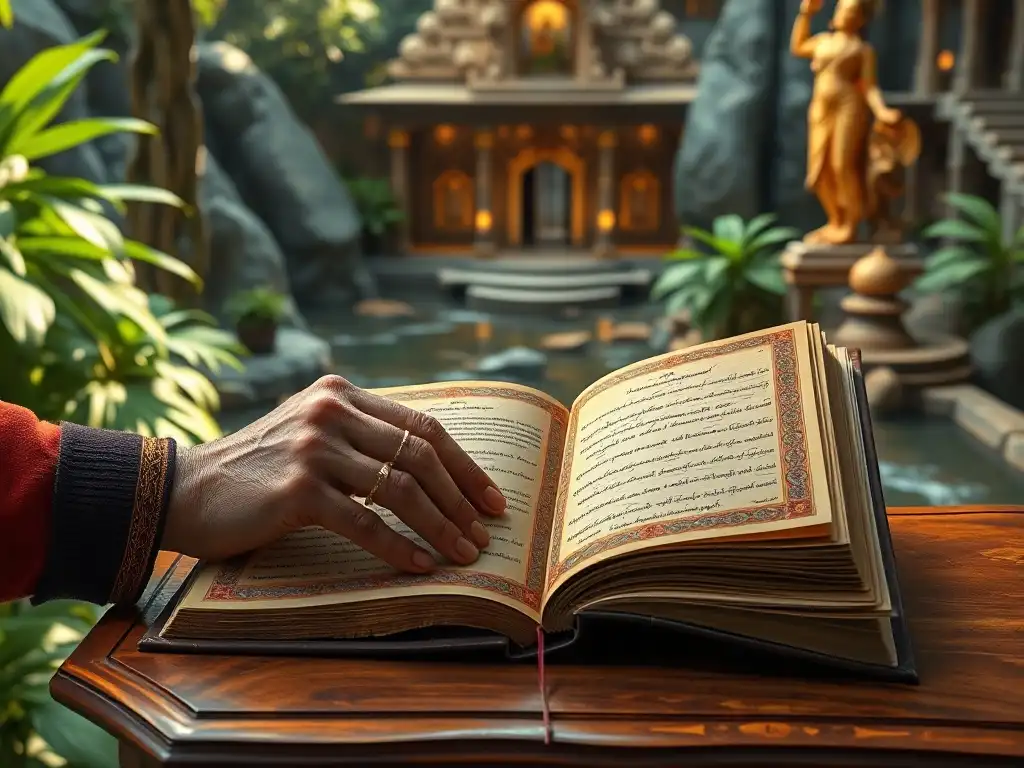
Welcome to Ancient India History, where we embark on a captivating journey through the rich tapestry of ancient Indian civilizations. In our featured article, "The Influence of Jainism on Indian Literature and Poetry," we delve into the profound impact that Jainism has had on the literary landscape of India. Discover how this ancient religion not only shaped philosophical thought but also inspired the poetic expressions that resonate through the ages. Are you ready to uncover the intricate connections between spirituality and creativity? Continue reading to explore the lasting legacy of Jainism in the world of Indian literature!
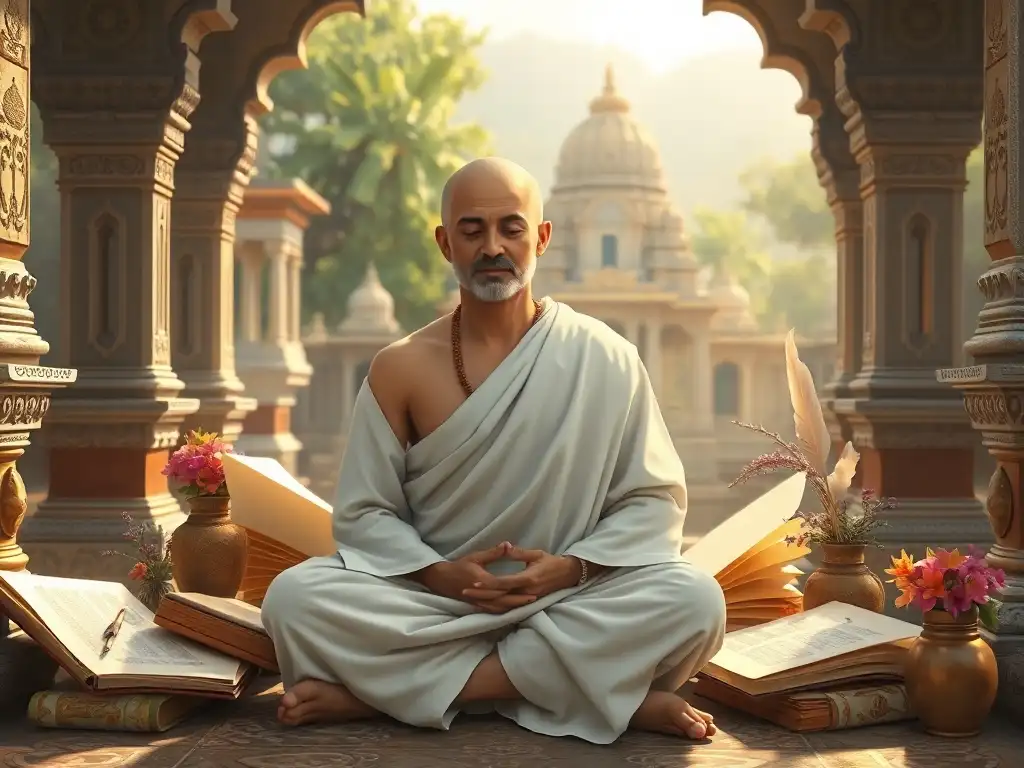
Jainism, one of the oldest religions in India, holds a significant place in the cultural and literary heritage of the subcontinent. With its roots deeply embedded in the ancient Indian philosophical landscape, Jainism has not only shaped religious thought but has also profoundly influenced the realms of literature and poetry.
This article explores Jainism's impact on Indian literature, delving into the rich tapestry of texts that reflect its principles, beliefs, and historical contexts. From the early writings of the Tirthankaras to contemporary literary expressions, Jainism's literary significance is vast and complex, offering insights into the moral, ethical, and spiritual dimensions of life.
Introduction to Jainism and Its Literary Significance
Overview of Jainism's Principles and Beliefs
Jainism is characterized by its core principles of non-violence (Ahimsa), truth (Satya), and asceticism (Tapa). These tenets are not only foundational to the faith but also permeate the literature produced by its adherents. The concept of Ahimsa, for instance, emphasizes compassion and reverence for all living beings, which has inspired a wealth of literary works that explore ethical dilemmas and the interconnectedness of life. Jain philosophy often emphasizes the importance of self-discipline and the pursuit of spiritual liberation (Moksha), themes that resonate deeply within Jain texts and poetry.
Historical Context of Jain Literature in India
The historical trajectory of Jain literature can be traced back to ancient times, with the earliest texts believed to have been composed around the 5th century BCE. The Agamas, which are the canonical scriptures of Jainism, serve as a vital source of theological and philosophical discourse.
Over centuries, as Jainism flourished, particularly during the reign of the Gupta Empire (approximately 320 to 550 CE), literature began to thrive, reflecting both religious devotion and social commentary. This period saw a blossoming of Jain poetry, dramatization, and narrative prose, which not only celebrated Jain ideals but also engaged with the broader socio-political landscape of India.
Jainism's Impact on Indian Literature
Key Themes in Jain Literature
The themes prevalent in Jain literature often reflect the religion's core values. Key motifs include:
- Non-violence and its implications on society
- Spiritual Journey and the quest for liberation
- Moral Dilemmas faced by individuals in a complex world
- Nature and Environment, often highlighting the sanctity of life
These themes are intricately woven into the fabric of Jain texts, making them not only religious documents but also profound reflections on human existence and morality.
Major Literary Works Influenced by Jainism
Several notable works showcase the profound influence of Jainism on Indian literature. Some of the major literary contributions include:
| Work | Author | Significance |
|---|---|---|
| Savvayāsa | Hemachandra | A philosophical treatise discussing ethics |
| Trisastisalakapurusa Charitra | Asadhara | A narrative detailing the lives of Jain figures |
| Nemi Chandra's "Parsvanatha Charitra" | Nemi Chandra | An epic poem extolling the virtues of Parsvanatha |
| Siddhanta Darpana | Acharya Kundakunda | A significant work on Jain philosophy and ethics |
These works not only reflect the spiritual essence of Jainism but also contribute richly to the broader landscape of Indian literature. They invite readers to explore the intricate relationship between spirituality and artistic expression, revealing how Jainism has shaped the literary traditions of India throughout history.
The Role of Jainism in Shaping Indian Poetry
Jainism, an ancient Indian religion, has made a profound impact on Indian literature and poetry, contributing to a rich tapestry of artistic expression. The teachings of Jainism, which emphasize non-violence, truth, and asceticism, have inspired poets and writers throughout the centuries.
Notably, Jain poets often infused their works with spiritual themes, reflecting the core values of Jain philosophy. This unique perspective led to the creation of a distinct body of literary works that not only explored the moral and ethical dimensions of life but also celebrated the beauty of the natural world, often seen as a manifestation of the divine.
The influence of Jainism on Indian poetry can be traced back to the early medieval period, with significant contributions from scholars and poets such as Hemachandra and Siddhichandra. These authors used their literary talents to promote Jain ideals and narratives, blending poetic expression with religious instruction. Their works often served dual purposes: to entertain and to educate, making complex philosophical concepts more accessible to the common people. This intertwining of spirituality and art has ensured that Jain poetry remains an essential part of the Indian literary canon.
Jain Poetic Forms and Styles
Jain literature encompasses various poetic forms and styles that reflect the richness of Jain thought. One prominent form is the Prakrit poetry, characterized by its use of vernacular languages that made the teachings of Jainism more relatable to the general populace. The Gatha, a type of verse often used in Jain scriptures, is another significant form. These verses are typically concise and rhythmic, making them memorable and suitable for oral recitation.
In addition to Gatha, Jain poets also employed shlokas, which are more structured and often utilized in religious contexts. The use of metaphors and allegorical references is common in Jain poetry, allowing poets to convey deep philosophical ideas in an engaging manner. Furthermore, Jain poets often experimented with lyrical poetry, blending personal emotions with spiritual reflections, thus creating a unique style that resonates with readers on multiple levels.
Analysis of Jain Poetic Themes
The thematic elements in Jain poetry reflect the core tenets of Jain philosophy. Key themes include:
- Ahimsa (Non-violence): Many poets articulate the importance of non-violence not just in actions but also in thoughts and words. This theme encourages compassion towards all living beings, a fundamental principle of Jainism.
- Truth and Knowledge: The pursuit of truth is a recurring motif, with poets often emphasizing the significance of self-realization and enlightenment as paths to spiritual liberation.
- Nature and Spirituality: Jain poetry frequently celebrates the beauty of nature, viewing it as a divine creation deserving reverence. Poets illustrate nature as a reflection of spiritual truths, intertwining ecological awareness with religious sentiment.
- Mortality and Liberation: Themes of impermanence and the soul's journey towards liberation are prevalent. Poets explore the transient nature of life, urging readers to focus on spiritual growth rather than material pursuits.
These themes not only reflect Jain beliefs but also invite readers to engage in introspection and spiritual contemplation, enriching the literary landscape of ancient India.
Comparative Influence: Jainism and Other Indian Religions
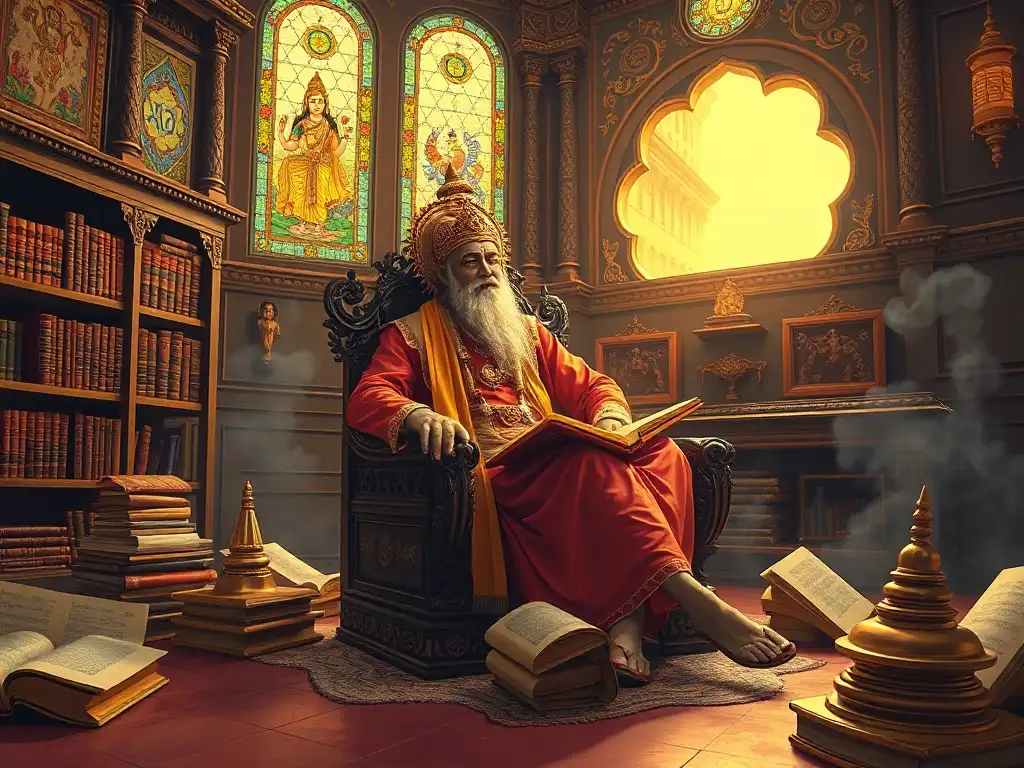
The influence of Jainism on Indian literature extends beyond its own boundaries, interacting dynamically with other Indian religions, particularly Hinduism and Buddhism. These interactions have fostered a vibrant literary milieu, characterized by shared themes and mutual influences.
Jainism vs. Hinduism: Literary Interactions
The relationship between Jainism and Hinduism is marked by both cooperation and competition, particularly in the realm of literature. Jain poets often drew upon Hindu literary traditions, integrating and reinterpreting Hindu concepts within a Jain framework. This blending is evident in works that address common themes such as dharma (duty) and moksha (liberation), albeit from different philosophical perspectives.
Jain epics, like Trishashti Shalaka Purusha Charitra, showcase how Jain authors adapted Hindu narrative styles to convey Jain ideals. The use of similar poetic forms, such as shlokas and stotras, further underscores the literary dialogue between the two traditions. However, Jainism's emphasis on non-violence and asceticism often set its narratives apart, creating a distinct literary identity that contributed to the rich diversity of Indian literature.
Jainism vs. Buddhism: Literary Contributions
The literary relationship between Jainism and Buddhism is another fascinating aspect of Indian literary history. Both religions emerged around the same period and shared certain philosophical underpinnings, such as the concepts of karma and samsara (cycle of rebirth). However, their literary expressions diverged significantly.
Jain literature often emphasizes the importance of individual effort in achieving spiritual liberation, focusing on the inner journey of self-purification. In contrast, Buddhist literature frequently highlights the concept of community and collective practice, as seen in texts like the Dhammapada. Jain poets have also responded to Buddhist themes, often critiquing or reinterpreting Buddhist concepts through a Jain lens. The cross-pollination of ideas has enriched the literary tradition, resulting in a diverse array of texts that continue to influence contemporary Indian literature.
Jainism's impact on Indian literature is marked by a rich interplay of themes, forms, and styles that reflect its core principles while engaging with other religious traditions. This dialogue has not only shaped the poetic landscape of ancient India but also laid the foundation for future literary explorations.
Jainism's Legacy in Modern Indian Literature
Jainism's influence on Indian literature extends far beyond its ancient texts and scriptures, permeating into contemporary works across various genres. The core principles of Jainism—ahimsa (non-violence), aparigraha (non-possessiveness), and anekantavada (non-absolutism)—have shaped the thematic explorations of many modern authors. These principles resonate deeply with the evolving socio-political landscape of India, providing a moral framework that encourages introspection and ethical living.
The legacy of Jain literature is evident in the storytelling traditions, where narratives often focus on moral dilemmas, the quest for truth, and the exploration of the self. As writers draw from these foundational themes, they not only preserve the essence of Jain philosophy but also adapt it to address contemporary issues, making Jainism a living tradition within the realm of Indian literature.
Contemporary Authors Inspired by Jainism
Several contemporary authors have embraced Jainism's philosophical tenets, integrating them into their literary creations. Notable figures include:
- Rajendra Shukla: His works often explore the theme of ahimsa and its implications in modern society, questioning the moral fabric of contemporary life.
- Kiran Nagarkar: In novels such as "Cuckold," Nagarkar reflects on historical narratives intertwined with Jain ethos, examining the complexities of human relationships through a Jain lens.
- Bhagwati Charan Verma: Renowned for his historical novels, Verma's writings convey Jain values while intertwining them with the rich tapestry of Indian history.
These authors, among others, demonstrate how Jain principles can inspire and inform literary expression, fostering a dialogue between ancient beliefs and modern realities.
The Continuing Relevance of Jain Themes in Today’s Poetry
Jain themes continue to find resonance in contemporary poetry, where poets explore concepts such as spiritual awakening, compassion, and the interconnectedness of life. The reflective nature of Jain philosophy lends itself well to poetic expression, allowing for nuanced explorations of personal and collective experiences.
Poets like Agha Shahid Ali have infused their work with Jain influences, articulating themes of loss and transcendence. Additionally, newer voices in Indian poetry are increasingly addressing issues of ecological balance and social justice, echoing the Jain commitment to ahimsa and sustainability.
Jainism's emphasis on seeing multiple perspectives (anekantavada) encourages poets to embrace complexity and ambiguity, enriching the literary landscape with diverse interpretations and emotional depth. This enduring relevance ensures that Jain themes remain a vital component of India's poetic tradition.
Conclusion
Summary of Jainism's Impact on Indian Literature and Poetry
Jainism's impact on Indian literature and poetry is profound and multifaceted. Its principles have not only shaped historical texts but also continue to inspire contemporary authors and poets. The themes of non-violence, moral integrity, and spiritual exploration derived from Jain teachings resonate throughout various literary forms, creating a rich tapestry of narratives that reflect both ancient wisdom and modern dilemmas.
Final Thoughts on the Enduring Influence of Jainism in Indian Culture
The enduring influence of Jainism in Indian culture is a testament to its timeless relevance. As society grapples with complex ethical issues and strives for a more compassionate world, the teachings of Jainism offer a guiding framework for individuals and communities alike. This spiritual heritage not only informs literary expression but also enriches the broader cultural discourse, ensuring that Jainism remains a vital force in shaping the moral landscape of contemporary India. The integration of Jain themes into modern literature serves as a bridge connecting the past with the present, illuminating the path for future generations.
- Introduction to Jainism and Its Literary Significance
- Jainism's Impact on Indian Literature
- The Role of Jainism in Shaping Indian Poetry
- Comparative Influence: Jainism and Other Indian Religions
- Jainism's Legacy in Modern Indian Literature
- Conclusion
Frequently Asked Questions
What is Jainism's significance in Indian literature?
Jainism has had a profound influence on Indian literature by promoting ethical themes and moral values, which are prevalent in many literary works.
How did Jain texts contribute to Indian poetry?
Jain texts, such as the Siddhanta, introduced poetic forms and narrative styles that enriched the poetic traditions of India, blending spirituality with artistic expression.
Which literary figures were influenced by Jainism?
Prominent figures like Ravikirthi and Hemachandra drew inspiration from Jain teachings, integrating Jain philosophy into their works, enhancing the literary landscape of ancient India.
What are some key themes in Jain literature?
Key themes include non-violence, truthfulness, and renunciation, which reflect the core principles of Jainism and resonate throughout various literary genres.
How did Jainism affect the development of Indian languages?
Jain scholars played a crucial role in the development of regional languages, producing significant literary works in Prakrit and Sanskrit, consequently enriching the linguistic heritage of India.
Final Reflection: The Enduring Legacy of Jainism's Impact on Indian Literature
The profound influence of Jainism on Indian literature is not merely a historical footnote; it is a vibrant thread woven into the fabric of contemporary literary expression. As we explore the intricate connections between Jain philosophical thought and the rich tapestry of Indian poetry and prose, we uncover a legacy that continues to resonate in today's literary landscape. The ethical values, themes of non-violence, and deep reverence for life that Jainism espouses are as relevant now as they were centuries ago, reminding us that literature is not just a reflection of society but also a powerful catalyst for change.
The impact of Jainism on Indian literature has shaped not only the works of celebrated poets and authors but also the cultural consciousness of society at large. The teachings of Jainism encourage introspection and compassion, fostering a literary environment that values moral integrity and spiritual depth. As we witness the resurgence of interest in ethical literature, we can appreciate how Jainism's principles continue to inspire writers and readers alike. Literature is the most agreeable way of ignoring life,
said Fernando Pessoa, yet Jainism invites us to confront life with empathy and understanding, enriching our literary experiences.
As we conclude this exploration of Jainism's impact on Indian literature, I invite you to reflect on how these timeless teachings can influence your own life and creative endeavors. Consider the values of compassion, non-violence, and introspection in your daily interactions and artistic expressions. Let the wisdom of Jainism inspire you to create works that not only entertain but also elevate the human spirit, fostering a deeper connection to the world around you. Embrace the legacy of Jainism and allow it to guide your journey in literature and beyond.
Thank you for exploring the profound influence of Jainism on Indian literature and poetry! We hope you discovered insightful connections between these rich traditions that spark creativity and reflection. Now, it's time to take the next step and immerse yourself further in this beautiful tapestry of culture.
Here’s how you can continue your journey:
- Explore the writings of influential Jain authors like Hemachandra and their poetic styles— discover a world of wisdom that may inspire your own creativity!
- Join a local or online reading group dedicated to Jain literature— engage with others who share your passion and exchange ideas.
- Share your newly gained knowledge with friends or on social media— start a conversation that spreads awareness of these literary treasures.
What piece of Jain poetry resonated with you the most, and how do you think it can influence contemporary literature?