
Sustainable Practices in Ancient Indian Agriculture: A Model for the Future


Welcome to Ancient India History, where we embark on a fascinating journey through the rich tapestry of India's past. Have you ever wondered how ancient civilizations thrived in harmony with nature? Our feature article, “Sustainable Practices in Ancient Indian Agriculture: A Model for the Future,” delves into the innovative agricultural techniques that not only sustained communities but also laid the groundwork for future advancements. Join us as we uncover the secrets of sustainable agriculture in ancient India and discover how these time-honored practices can inspire modern solutions. Your exploration into a world where tradition meets innovation starts here!
- Introduction to Sustainable Agriculture in Ancient India
- Historical Context of Agriculture in Ancient India
- Key Sustainable Practices in Ancient Indian Agriculture
- The Role of Community and Culture in Sustainable Agriculture
- Lessons from Ancient Indian Sustainable Practices
- Comparison with Modern Sustainable Agriculture Practices
- Future Implications of Ancient Sustainable Practices
- Conclusion: Embracing Ancient Wisdom for a Sustainable Future
-
Frequently Asked Questions
- What are some sustainable practices used in ancient Indian agriculture?
- How did the Indus Valley Civilization contribute to agricultural sustainability?
- What role did the Gupta Empire play in the advancement of agriculture?
- How can modern agriculture learn from ancient Indian practices?
- Are there any cultural aspects that supported sustainable agriculture in ancient India?
- Final Reflection: Embracing Ancient Wisdom for a Sustainable Future
- Unveil the Timeless Wisdom of Ancient Agriculture!
Introduction to Sustainable Agriculture in Ancient India
The agricultural practices of ancient India reflect a profound understanding of sustainability that resonates even in modern times. From the fertile banks of the Indus Valley to the expansive fields of the Gupta Empire, ancient Indian civilizations developed innovative agricultural techniques that not only ensured food security but also preserved the ecosystem.
This article delves into the sustainable practices in ancient Indian agriculture, highlighting their relevance and applicability to contemporary agricultural methods. By exploring the rich tapestry of agricultural innovations, we aim to uncover valuable lessons that can inform current discussions on sustainable agriculture in ancient India, ultimately serving as a model for the future.
Overview of Ancient Indian Agriculture
Ancient Indian agriculture was characterized by a variety of practices that emphasized harmony with nature. The following key elements defined this ancient agricultural landscape:
- Diverse Cropping Systems: Ancient farmers cultivated a wide range of crops, including cereals, pulses, and spices. Crop rotation and intercropping were common practices that helped maintain soil fertility and reduce pest infestations.
- Irrigation Techniques: The use of advanced irrigation methods, such as canal systems and stepwells, enabled farmers to manage water resources effectively, especially in arid regions. This facilitated the growth of crops during dry spells.
- Natural Fertilizers: Farmers utilized organic materials like compost and animal manure to enrich the soil. This not only enhanced crop yields but also improved soil structure and health.
- Traditional Knowledge: Generations of farmers passed down indigenous knowledge regarding local ecosystems, crop varieties, and weather patterns, fostering a deep connection with the land.
These practices exemplified a holistic approach to agriculture that prioritized sustainability and ecological balance.
Importance of Sustainability in Agriculture
The significance of sustainable agriculture in ancient India extends beyond immediate agricultural productivity. It encompasses several vital aspects:
- Environmental Conservation: Sustainable practices helped preserve biodiversity and maintain ecological balance. Techniques like mixed cropping and agroforestry contributed to healthier ecosystems.
- Food Security: By employing sustainable methods, ancient civilizations ensured a stable food supply for their populations, which was crucial for societal development and cultural growth.
- Economic Stability: Sustainable agriculture reduced dependence on external resources and inputs, promoting self-sufficiency and economic resilience among rural communities.
- Cultural Heritage: The agricultural practices of ancient India are intertwined with its cultural identity and traditions. Understanding these practices can help us appreciate the historical context of modern sustainability efforts.
The lessons learned from ancient Indian agricultural practices are not only relevant today but also serve as an inspiration for contemporary sustainable agriculture initiatives worldwide.
Historical Context of Agriculture in Ancient India

Agriculture in ancient India has played a pivotal role in shaping the socio-economic structures of its civilizations. The historical context of agriculture reveals a tapestry of practices, innovations, and sustainable methods that have evolved over millennia. This evolution not only highlights the ingenuity of ancient Indian societies but also provides a blueprint for modern sustainable agriculture.
The roots of agriculture in India extend to the Neolithic period, where evidence of early farming can be traced back to approximately 7000 BCE. The shift from a hunter-gatherer lifestyle to settled agricultural communities marked a significant turning point in human history. As civilizations grew, so did their agricultural practices, which were intricately linked to the spiritual, social, and economic facets of life.
Key crops such as wheat, barley, millet, and rice were cultivated, with a focus on crop rotation and mixed farming to maintain soil fertility. This practice not only supported food security but also laid the groundwork for sustainable agriculture in ancient India.
Agricultural Practices in the Indus Valley Civilization
The Indus Valley Civilization (c. 3300–1300 BCE) is renowned for its advanced urban planning and agricultural techniques. The people of this civilization established sophisticated irrigation systems that utilized seasonal floods from the Indus River, allowing them to cultivate crops efficiently.
- Key Features:
- Irrigation: The construction of canals and reservoirs facilitated controlled water supply, enabling the cultivation of diverse crops.
- Crop Diversity: Archaeological findings indicate the cultivation of wheat, barley, pulses, and cotton, showcasing a robust agricultural system.
- Sustainable Practices: Evidence suggests that the Indus Valley farmers practiced crop rotation and fallowing, which helped in maintaining soil health and ensuring sustainable yields.
The agricultural innovations of the Indus Valley not only supported its large urban centers but also contributed significantly to trade networks, as surplus produce was exchanged for goods with neighboring regions.
Innovations During the Vedic Period
The Vedic Period (c. 1500–500 BCE) introduced several innovations in agricultural practices, influenced by the changing climatic conditions and the socio-religious fabric of the time.
- Key Innovations:
- Iron Tools: The introduction of iron ploughs enhanced soil cultivation and increased agricultural productivity.
- Fertility Practices: The Vedic texts emphasize the importance of animal husbandry, where cow dung was used as fertilizer, promoting organic farming methods.
- Water Management: The establishment of wells and water harvesting techniques improved access to water, leading to better crop yields.
The Vedic society's connection to agriculture is evident through various rituals and hymns that celebrated the agrarian lifestyle, highlighting the intrinsic relationship between farming, spirituality, and community life.
Contributions of the Maurya and Gupta Empires
The Maurya (c. 322–185 BCE) and Gupta Empires (c. 320–550 CE) marked significant advancements in agriculture, further promoting sustainable practices that would influence generations to come.
- Agricultural Developments:
- State Support: Both empires recognized agriculture as the backbone of their economy, implementing policies that supported farmers through land grants and tax exemptions during times of drought.
- Agricultural Texts: Works like Kautilya’s Arthashastra and Varahamihira’s Brihat Samhita documented effective farming techniques, pest management, and crop rotation, serving as essential texts for agricultural practices.
- Irrigation Projects: Large-scale irrigation initiatives, such as the construction of canals, were undertaken to expand arable land, significantly increasing agricultural output.
The focus on sustainable agriculture during these empires not only enhanced food production but also contributed to the overall stability and prosperity of their societies. The legacy of these practices serves as a guide for contemporary approaches to sustainable agriculture in ancient India, illustrating a harmonious relationship between nature and farming.
Key Sustainable Practices in Ancient Indian Agriculture
Organic Farming Techniques in Ancient India
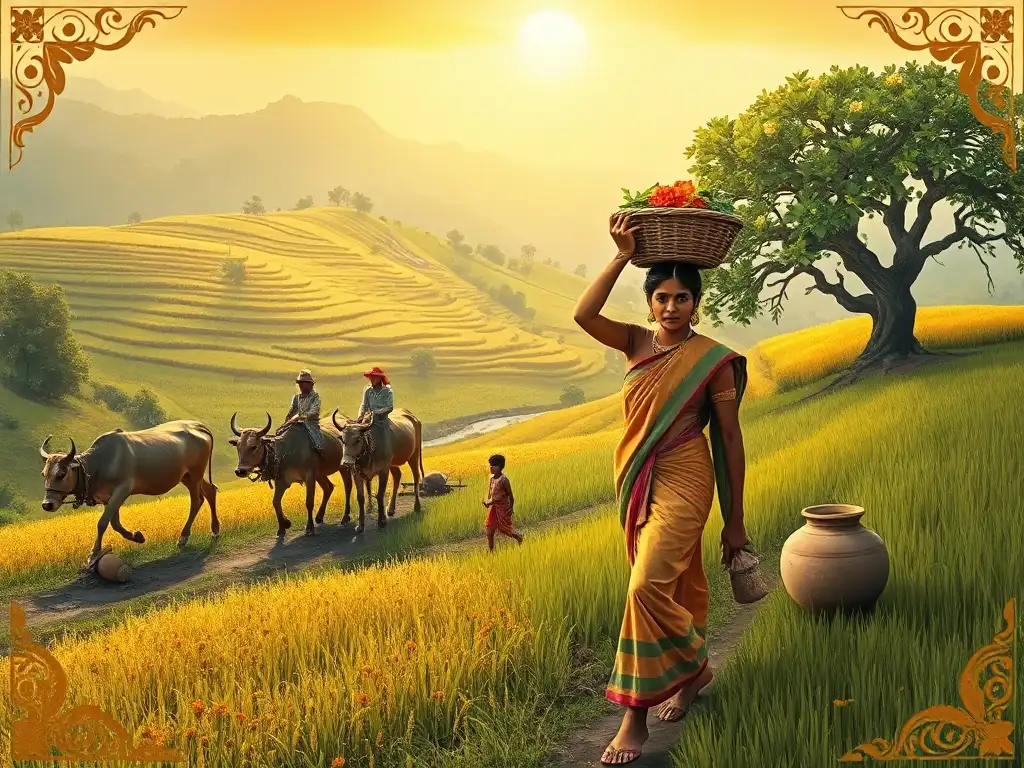
Ancient Indian agriculture was characterized by a profound understanding of the ecosystem, leading to the development of organic farming techniques that have stood the test of time. Farmers utilized natural methods to nurture their crops, significantly contributing to the sustainability of their agricultural practices.
Some of the prominent organic techniques included:
- Use of Cow Dung: Cow dung was regarded as a valuable resource, utilized both as fertilizer and as a fuel source. It enriched the soil with essential nutrients, improving fertility without the need for chemical additives.
- Crop Residue Management: Farmers practiced the recycling of crop residues, such as straw and husks, by incorporating them back into the soil. This not only enhanced soil structure but also promoted microbial activity, fostering a healthier growing environment.
- Natural Pest Control: Ancient farmers employed various natural methods to control pests, such as introducing beneficial insects, using neem leaves, and other herbal remedies. These techniques minimized the reliance on synthetic pesticides, maintaining ecological balance.
- Mulching: The application of organic mulch helped to retain moisture in the soil, suppress weeds, and gradually release nutrients as it decomposed, further enhancing soil health.
These organic farming practices were not merely methods for growing food but also reflections of a deep-seated respect for nature and an understanding of ecological sustainability.
Crop Rotation and Its Benefits
Crop rotation emerged as a fundamental practice in ancient Indian agriculture, helping farmers maintain soil fertility and reduce pest populations. This practice involved alternating the types of crops grown in a particular field from season to season.
Key benefits of crop rotation included:
- Soil Fertility Maintenance: Different crops have varying nutrient requirements. By rotating crops, farmers could prevent the depletion of specific nutrients in the soil. For instance, legumes such as lentils and chickpeas enriched the soil with nitrogen, benefiting subsequent crops.
- Pest and Disease Management: Rotating crops disrupted the life cycles of pests and diseases that thrived on specific plants. This natural method of pest management reduced the need for chemical interventions, promoting a healthier ecosystem.
- Weed Control: Changing crop types limited the growth of weeds that adapted to a specific crop environment. This reduced competition for resources and minimized the need for herbicides.
- Increased Biodiversity: Diverse cropping systems encouraged a variety of organisms, contributing to a more resilient agricultural ecosystem. This biodiversity supported pollination, pest control, and improved crop yields.
Through crop rotation, ancient Indian farmers exemplified an innovative approach that not only preserved soil health but also contributed to food security.
Traditional Irrigation Methods
Irrigation played a pivotal role in ancient Indian agriculture, with various traditional methods developed to ensure efficient water management in diverse climatic conditions. These methods showcased the ingenuity of ancient Indian civilizations in adapting to their environment.
Some notable traditional irrigation techniques included:
- Stepwells: Constructed in arid regions, stepwells facilitated water storage and access. These architectural marvels allowed communities to draw water as needed, ensuring a reliable supply for agriculture.
- Canal Systems: Ancient civilizations, particularly in the Indus Valley, developed intricate canal systems to channel river water to their fields. These canals not only provided irrigation but also helped in flood control and sediment management.
- Bamboo Drip Irrigation: In regions like Meghalaya, farmers used bamboo pipes to create a drip irrigation system that efficiently delivered water directly to the roots of plants. This method minimized water wastage and ensured adequate moisture for crops.
- Rainwater Harvesting: Techniques such as constructing ponds and tanks to capture rainwater were common in many parts of India. This practice not only provided irrigation during dry spells but also replenished groundwater levels.
The traditional irrigation methods of ancient India exemplify a sustainable approach to water management, demonstrating a remarkable understanding of local environmental conditions and resource conservation.
Use of Natural Fertilizers and Pest Control
In ancient India, the use of natural fertilizers and pest control methods played a crucial role in promoting sustainable agriculture. Farmers relied on organic materials, such as animal manure, compost, and crop residues, to enhance soil fertility and maintain ecological balance. This practice not only improved crop yields but also ensured that the soil remained healthy and productive over time.
Natural Fertilizers
The primary natural fertilizers used in ancient Indian agriculture included:
- Animal Manure: Cow dung was the most widely used organic fertilizer. Rich in nutrients, it was applied directly to fields or composted to create a nutrient-rich amendment. Its use significantly improved soil structure and water retention.
- Compost: Farmers created compost by decomposing organic waste, including kitchen scraps and plant residues. This process not only recycled nutrients back into the soil but also reduced waste, demonstrating an effective circular economy in agricultural practices.
- Green Manuring: Farmers practiced green manuring by growing specific cover crops, such as legumes, which were then plowed back into the soil. This added nitrogen and improved soil fertility, illustrating an understanding of crop rotation and nutrient management.
Pest Control Methods
In addition to fertilizers, ancient Indian farmers employed various natural pest control techniques that minimized reliance on chemical pesticides. This approach not only protected crops but also preserved biodiversity:
- Biological Control: Farmers encouraged natural predators of pests, such as birds and beneficial insects. For instance, the presence of birds was promoted through the provision of nesting areas, which helped control insect populations naturally.
- Herbal Remedies: Numerous plant-based solutions were used to deter pests. Extracts from neem, turmeric, and other herbs were applied to crops as natural insecticides, showcasing a sophisticated knowledge of botany and plant properties.
- Crop Diversity: By planting a variety of crops in close proximity, farmers created a polyculture system that reduced the likelihood of pest outbreaks. This practice not only protected crops but also contributed to a more resilient agricultural ecosystem.
The sustainable practices of using natural fertilizers and pest control methods in ancient Indian agriculture reflect a deep understanding of ecological principles. These methods not only ensured food security but also maintained the health of the environment, serving as a model for contemporary sustainable agriculture practices. By revisiting these time-tested techniques, modern agriculture can find inspiration for developing sustainable solutions for current challenges.
The Role of Community and Culture in Sustainable Agriculture
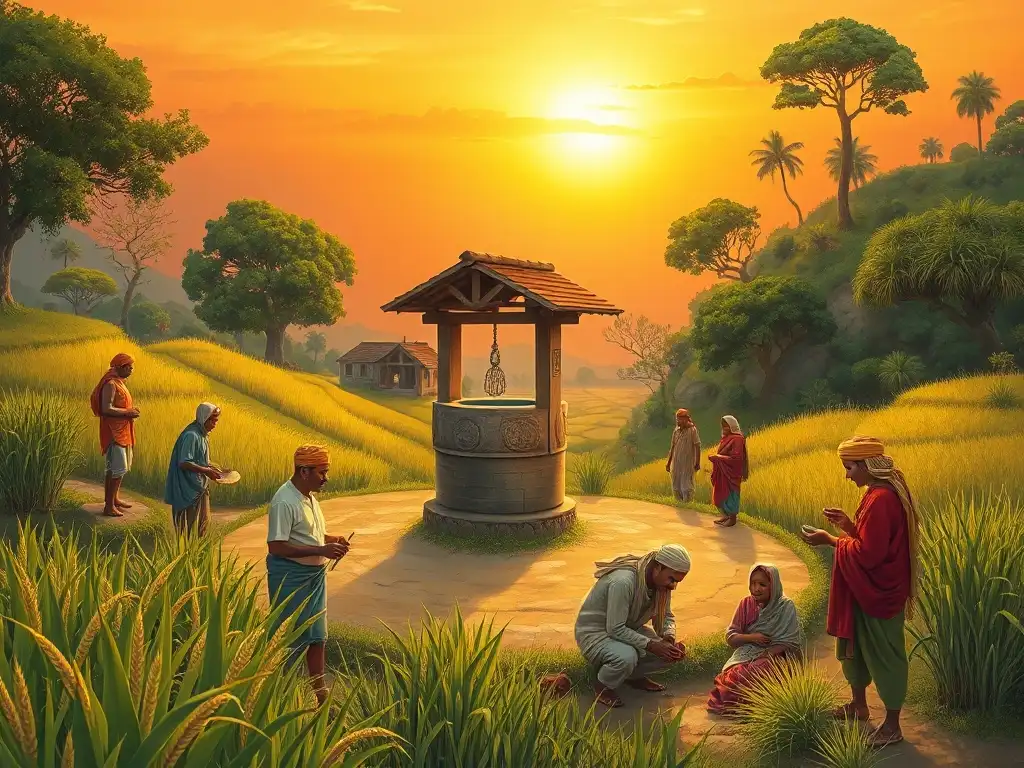
Sustainable agriculture in ancient India was deeply intertwined with community practices and cultural beliefs. The collective efforts of communities played a crucial role in ensuring that agricultural activities were not only productive but also aligned with ecological balance and sustainability. This section explores how community farming practices, religious and cultural influences, and festivals contributed to sustainable agricultural methods in ancient Indian civilizations.
Community Farming Practices
Community farming practices in ancient India were characterized by collective ownership and cooperative efforts among farmers. Villages often operated under a system of shared resources, which included land, water, and tools. This communal approach fostered a sense of responsibility and stewardship towards the environment. Key features of these practices included:
- Joint Farming Initiatives: Villagers would come together to cultivate the land, share labor, and divide the harvest. This reduced individual risk and promoted efficient use of resources.
- Irrigation Techniques: Communities developed intricate irrigation systems, such as canals and check dams, to manage water resources sustainably. These systems allowed for the equitable distribution of water among farmers, thereby minimizing waste.
- Crop Rotation and Diversity: Ancient Indian farmers practiced crop rotation and intercropping to maintain soil fertility and reduce pest outbreaks. This biodiversity not only enhanced yields but also protected the ecosystem from monoculture-related degradation.
In essence, these community-driven practices exemplified an early understanding of sustainable agriculture, prioritizing ecological health alongside food production.
Religious and Cultural Influences on Agriculture
Agriculture in ancient India was profoundly influenced by religious beliefs and cultural traditions. Many farming practices were guided by spiritual principles that emphasized harmony with nature. Key religious influences include:
- Rituals and Offerings: Farmers often performed rituals to seek blessings for a bountiful harvest. Offerings to deities associated with agriculture, such as Goddess Annapurna, were common and reflected a deep respect for natural cycles.
- Sacred Texts and Philosophy: Ancient texts like the Vedas and Upanishads contained references to sustainable farming practices. Concepts such as ‘Dharma’ (righteousness) extended to agricultural activities, promoting responsible stewardship of the land.
- Festivals and Agricultural Cycles: Many festivals celebrated the changing seasons and agricultural milestones, reinforcing the connection between culture and farming. For instance, festivals like Makar Sankranti and Baisakhi marked harvest times, encouraging communities to come together and celebrate the fruits of their labor.
These cultural dimensions not only shaped agricultural practices but also fostered a collective identity centered around sustainability and reverence for the earth.
Festivals and Their Significance in Agricultural Cycles
Festivals in ancient India were not merely celebrations; they played a vital role in marking agricultural cycles and reinforcing community bonds. These events served as reminders of the importance of sustainable practices and the interconnectedness of society and nature. Some notable aspects include:
- Seasonal Celebrations: Festivals were often aligned with agricultural seasons, such as sowing and harvesting. This timing ensured that communities acknowledged the critical phases of the agricultural calendar, promoting awareness of sustainable practices.
- Community Engagement: Festivals encouraged collective participation, fostering a sense of unity among farmers. Activities included communal feasting, dances, and rituals that reinforced social ties and shared values related to agriculture.
- Knowledge Transfer: During festivals, older farmers would share traditional knowledge and techniques with the younger generation. This transmission of wisdom ensured that sustainable practices were preserved and adapted over time.
The festivals of ancient India served as pivotal moments in the agricultural calendar, integrating cultural values with sustainable practices and reinforcing the importance of community involvement in farming.
Through these interconnected elements—community practices, religious influences, and festivals—ancient Indian agriculture demonstrates a rich tapestry of sustainable practices that can serve as a model for contemporary approaches to sustainable agriculture.
Lessons from Ancient Indian Sustainable Practices
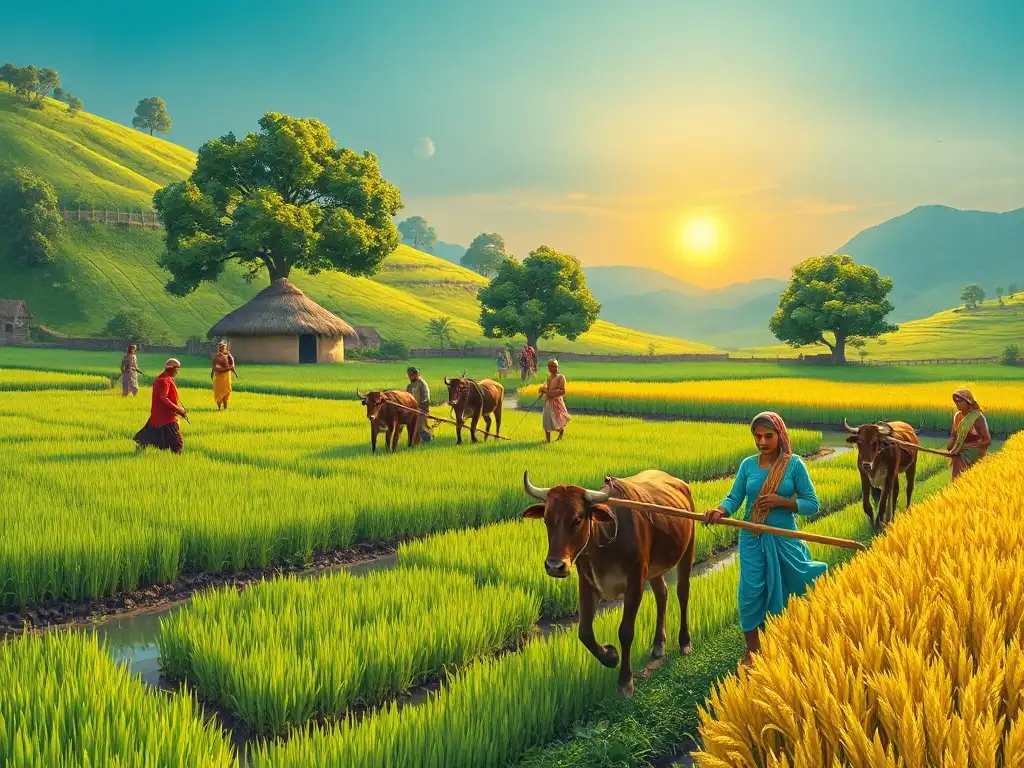
Ancient Indian agriculture is a remarkable example of sustainable practices that effectively utilized local resources, promoted biodiversity, and integrated various farming systems. In examining these historical methods, we can glean valuable lessons for contemporary sustainable agriculture.
Adaptability to Local Conditions
One of the hallmarks of sustainable agriculture in ancient India was its adaptability to local environmental conditions. Farmers meticulously observed and responded to their surroundings, tailoring their practices to suit the diverse climates and terrains of the Indian subcontinent.
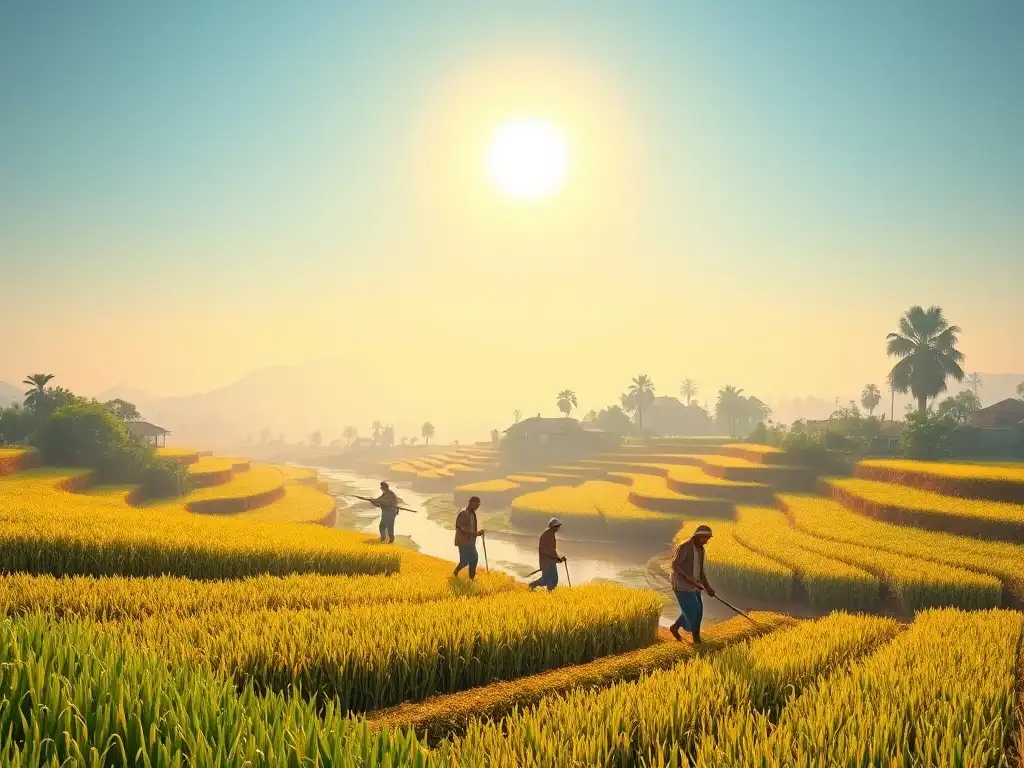
- Terracing and Irrigation: In hilly regions, the development of terraced fields minimized soil erosion and maximized water retention. Ancient texts document advanced irrigation systems, such as the use of kunds (water harvesting systems) and qanats (underground channels), allowing communities to thrive even in arid regions.
- Seasonal Crop Selection: Farmers practiced crop rotation and intercropping based on seasonal changes, ensuring soil fertility and reducing pest infestations. Varieties of crops were sown that were best suited for the season, enhancing resilience against climate variability.
This adaptability not only secured food sources but also maintained ecological balance, demonstrating how ancient practices can inform modern sustainable agriculture techniques.
Biodiversity and Crop Diversity
Biodiversity played a critical role in the sustainability of ancient Indian agriculture. The cultivation of a wide variety of crops ensured not only food security but also ecological stability.
- Traditional Varieties: Ancient farmers preserved indigenous seed varieties, which were more resilient to pests and diseases. For instance, the cultivation of multiple rice varieties allowed for better yields in varying conditions, ensuring a stable food supply.
- Agroforestry Systems: The integration of trees with crops enhanced soil health and provided habitats for beneficial insects. This practice promoted a balanced ecosystem, reducing dependency on chemical fertilizers and pesticides.
- Cultural Practices: Festivals and rituals often centered around agricultural cycles, reinforcing the importance of crop diversity. The reverence for nature in cultural practices fostered a community-wide commitment to sustainable farming.
By emphasizing biodiversity and crop variety, ancient Indian agriculture showcased a model that modern sustainable practices can emulate, promoting resilience and reducing vulnerability to climate change.
Integration of Livestock in Farming Systems
The integration of livestock into farming practices was another key feature of sustainable agriculture in ancient India. This holistic approach maximized productivity while minimizing waste.
- Manure as Fertilizer: Livestock provided essential nutrients through manure, which was used to enrich soil. This natural fertilizer was a cornerstone of sustainable practices, reducing the need for chemical inputs and enhancing soil fertility.
- Mixed Farming Systems: Farmers employed mixed farming systems where crops and livestock coexisted. This not only diversified income sources but also allowed for better resource utilization. Livestock grazed on crop residues, reducing waste and enhancing soil structure.
- Cultural Significance: Animals held significant cultural value, often being treated as part of the family. This cultural reverence ensured better care and management of livestock, promoting health and productivity.
The integration of livestock in ancient Indian agriculture exemplifies a sustainable model that harmonizes crop and animal farming, offering insights for modern agricultural practices focused on sustainability and ecological balance.
The sustainable agriculture in ancient India provides invaluable lessons for contemporary practices. By embracing adaptability, promoting biodiversity, and integrating livestock within farming systems, modern agriculture can move towards a more sustainable and resilient future.
Comparison with Modern Sustainable Agriculture Practices

Similarities and Differences in Approaches
The agricultural practices in ancient India, particularly during the Indus Valley Civilization and subsequent empires, demonstrate a profound understanding of sustainability that resonates with modern sustainable agriculture. Both ancient and contemporary methods emphasize a balance with nature, resource conservation, and community engagement.
Similarities:
- Crop Rotation: Ancient farmers practiced crop rotation to maintain soil health, a principle echoed in today's sustainable agriculture. For instance, alternating legumes with cereals enhances soil nitrogen levels, a technique that has been foundational in both eras.
- Use of Organic Fertilizers: Manure and compost were extensively used in ancient India, promoting soil fertility without harmful chemicals. Modern organic farming continues this practice, highlighting the importance of sustainable inputs.
- Water Conservation Techniques: Ancient irrigation systems, such as step wells and the sophisticated canal systems of the Gupta Empire, focused on efficient water use. Today, techniques like drip irrigation and rainwater harvesting reflect a similar ethos of conserving water resources.
Differences:
- Scale and Technology: While ancient practices were often localized and community-driven, modern sustainable agriculture can leverage technology on a larger scale. For example, precision farming employs advanced tools like satellite imaging and drones to optimize farming practices, something that was not available in ancient times.
- Biodiversity Management: Ancient practices often relied on diverse cropping systems naturally. In contrast, modern sustainable agriculture increasingly incorporates scientific knowledge to enhance biodiversity, including genetically diverse seed banks and agroforestry systems.
These similarities and differences illustrate that while the foundational principles of sustainable agriculture have remained consistent, modern advancements allow for greater efficiency and wider application.
Modern Innovations Inspired by Ancient Techniques
The legacy of ancient Indian agricultural practices continues to inspire modern innovations in sustainable agriculture. By revisiting traditional methods, contemporary farmers and researchers are developing new strategies that honor the past while addressing current challenges.
- Agroecological Practices: Drawing on the diverse cropping systems used by ancient Indian farmers, modern agroecology emphasizes ecological balance. Techniques such as intercropping and polyculture are being integrated into sustainable agriculture to enhance resilience against pests and diseases.
- Soil Health Initiatives: Inspired by the ancient use of organic fertilizers, current practices focus on soil health through regenerative agriculture. This includes practices like cover cropping and reduced tillage, which help restore soil structure and fertility, echoing ancient methods of nurturing the land.
- Water Management Innovations: Innovations such as rainwater harvesting, inspired by ancient techniques, are being implemented to combat water scarcity. Modern systems use cisterns and percolation tanks, reminiscent of the old step wells, to capture and store rainwater efficiently.
- Traditional Seed Preservation: The preservation of indigenous seed varieties, a common practice in ancient India, is being revived through community seed banks today. This approach not only maintains genetic diversity but also supports local food systems and resilience against climate change.
The principles of sustainable agriculture in ancient India not only laid the groundwork for future practices but continue to inspire modern solutions, demonstrating that history can inform and enhance current agricultural innovations.
Future Implications of Ancient Sustainable Practices
Relevance to Contemporary Agricultural Challenges
The agricultural practices of ancient India, particularly those focusing on sustainability, offer valuable insights that are increasingly relevant in today's context. As contemporary agriculture faces numerous challenges—such as climate change, soil degradation, and water scarcity—the sustainable agriculture in ancient India provides a framework that can inform modern strategies.
- Soil Health: Ancient farmers prioritized soil fertility through crop rotation and organic fertilizers, such as compost and manure. This practice not only enhanced soil health but also increased crop yields. Modern agricultural systems can benefit from these techniques, particularly as organic farming gains traction.
- Water Conservation: The sophisticated irrigation systems developed during the Indus Valley Civilization, which included wells, reservoirs, and canals, demonstrate a keen understanding of water management. Today, with many regions experiencing severe droughts, the principles of rainwater harvesting and efficient irrigation methods from ancient practices can be crucial in developing sustainable water management strategies.
- Biodiversity: The diversity of crops grown by ancient Indian farmers ensured resilience against pests and adverse weather conditions. This polyculture approach can inform current practices, especially in the face of monoculture farming's vulnerability to pests and diseases.
- Cultural Practices: Rituals and customs associated with agriculture, such as seasonal festivals and community farming, fostered a sense of stewardship among ancient Indian farmers. Reviving such community-centric practices can enhance local engagement and sustainable practices in modern agricultural initiatives.
Potential for Integrating Ancient Wisdom in Modern Agriculture
Integrating the sustainable practices of ancient Indian agriculture into contemporary systems can yield multiple benefits. Here are some key areas where ancient wisdom can be effectively applied today:
- Permaculture Design: The principles of permaculture align closely with ancient agricultural methods, focusing on sustainable land use and ecological principles. By observing natural ecosystems, ancient Indian farmers cultivated crops in harmony with nature, which modern permaculture aims to replicate.
- Agroforestry: Ancient practices included integrating trees with crops, which not only provided shade but also improved soil structure and fertility. Modern agroforestry systems can adopt similar principles, enhancing productivity and biodiversity while sequestering carbon.
- Organic Farming Techniques: The reliance on natural inputs and biodiversity in ancient Indian agriculture resonates with the current shift towards organic farming. Techniques such as the use of green manures, intercropping, and natural pest control can form the backbone of sustainable agriculture today.
- Community-Based Approaches: The collective farming and sharing of resources seen in ancient communities can inspire contemporary agricultural policies, encouraging cooperative farming and local food systems that empower farmers and reduce reliance on industrial agriculture.
The sustainable agriculture in ancient India not only laid the groundwork for resilient agricultural practices but also offers a treasure trove of knowledge that can guide modern farmers. By embracing ancient wisdom, we can address today's agricultural challenges while ensuring environmental sustainability and food security for future generations.
Conclusion: Embracing Ancient Wisdom for a Sustainable Future
Summary of Key Insights
Sustainable agriculture in ancient India offers a treasure trove of practices and principles that resonate with contemporary environmental challenges. The innovative techniques employed by ancient Indian civilizations, particularly during the Indus Valley Civilization and the Gupta Empire, demonstrate a profound understanding of ecological balance and resource management.
- Crop Diversification: Ancient Indian farmers cultivated a variety of crops, which not only reduced the risk of crop failure but also improved soil health. This practice of rotating crops and planting mixed varieties is a fundamental principle of sustainable agriculture that is still relevant today.
- Water Management: The construction of sophisticated irrigation systems, such as step wells and reservoir systems, showcases the ingenious methods used to manage water resources. These systems were designed to harness rainwater and distribute it efficiently, ensuring that agricultural lands remained fertile.
- Natural Fertilizers: The use of compost and green manure was prevalent in ancient farming practices. By recycling organic matter, farmers enhanced soil fertility without relying on synthetic fertilizers, aligning closely with modern sustainable practices.
- Agroforestry: Integrating trees into agricultural practice was common, as it provided shade, reduced soil erosion, and enhanced biodiversity. This approach not only maximized land use but also contributed to a healthier ecosystem.
- Community-Based Farming: Ancient Indian agriculture was often a community effort, fostering collaboration and shared knowledge. This collective approach to farming can inspire current agricultural communities to adopt more sustainable practices.
Call to Action for Sustainable Agriculture Today
As we reflect on the sustainable agriculture practices of ancient India, it becomes clear that we can draw lessons that are not only applicable but vital for our future. Here are actionable steps we can take:
- Promote Crop Diversity: Encourage local farmers to adopt diverse cropping systems to enhance resilience against climate change and pests.
- Invest in Traditional Water Conservation Techniques: Revive and modernize ancient water management systems, such as rainwater harvesting and contour farming, to optimize water usage.
- Utilize Organic Practices: Advocate for the use of organic fertilizers and composting methods to improve soil health and reduce chemical dependency.
- Encourage Agroforestry: Support initiatives that integrate trees into agricultural landscapes to promote biodiversity and sustainable land use.
- Foster Community Engagement: Create platforms for local farming communities to share knowledge and practices rooted in sustainability.
By embracing these ancient wisdoms and integrating them into modern agricultural practices, we can pave the way toward a more sustainable future, ensuring that our agricultural systems not only thrive but also protect the environment for generations to come.
Frequently Asked Questions
What are some sustainable practices used in ancient Indian agriculture?
Ancient Indian farmers employed various sustainable practices, such as crop rotation and intercropping, to maintain soil health and maximize yield, ensuring that agriculture remained productive over generations.
How did the Indus Valley Civilization contribute to agricultural sustainability?
The Indus Valley Civilization developed advanced techniques like irrigation systems and water management, which allowed them to cultivate crops efficiently and sustainably in a variety of climatic conditions.
What role did the Gupta Empire play in the advancement of agriculture?
During the Gupta Empire, there was a notable emphasis on agricultural innovation, including the introduction of new crops and improved farming tools, which significantly enhanced agricultural output and sustainability.
How can modern agriculture learn from ancient Indian practices?
Modern agriculture can learn from ancient Indian practices by adopting diverse cropping systems and focusing on soil conservation techniques, which promote biodiversity and reduce reliance on chemical inputs.
Are there any cultural aspects that supported sustainable agriculture in ancient India?
Yes, ancient Indian culture emphasized a deep respect for nature and the environment, which fostered community practices that supported sustainable agriculture and conservation efforts throughout various civilizations.
Final Reflection: Embracing Ancient Wisdom for a Sustainable Future
Sustainable agriculture in ancient India offers profound insights that resonate deeply with our contemporary challenges. As we grapple with the pressing issues of climate change, food security, and environmental degradation, the practices of ancient Indian farmers remind us that sustainability is not a modern invention but a time-honored tradition. The wisdom embedded in their methods serves as a powerful reminder that the solutions we seek may lie in the past.
The influence of ancient Indian agricultural practices extends far beyond historical significance; they continue to shape our cultural and social landscapes today. By integrating techniques such as crop rotation, organic farming, and water conservation, we can cultivate a more resilient and sustainable agricultural system. As Mahatma Gandhi once said, “The earth provides enough to satisfy every man's needs, but not every man's greed.” > This quote encapsulates the essence of our responsibility to honor the earth and its resources, a principle that ancient Indian farmers exemplified through their harmonious relationship with nature.
As we reflect on the lessons from sustainable agriculture in ancient India, I invite you to consider how these practices can inspire your own life and choices. How can you incorporate sustainability into your daily routine, whether through mindful consumption, supporting local farmers, or advocating for eco-friendly policies? The path to a sustainable future is paved with the wisdom of the past, and it is our duty to carry this legacy forward. Let us embrace these ancient practices and work together to cultivate a world that respects and nurtures our environment for generations to come.
Unveil the Timeless Wisdom of Ancient Agriculture!
Thank you for immersing yourself in the fascinating world of sustainable practices rooted in ancient Indian agriculture. You've uncovered insights that not only honor our history but also offer transformative potential for our future. Now, let’s channel that inspiration into meaningful action!
- Embrace Sustainability: Begin by incorporating a sustainable practice from ancient Indian agriculture into your daily life—whether it’s composting, practicing crop rotation, or using water wisely.
- Dive Deeper: Expand your understanding by exploring traditional farming techniques and their relevance in today's world. Check out our related articles to broaden your knowledge!
- Share Your Journey: Join the conversation! Share your experiences on social media or in our comments section with the sustainable practices you have adopted.
Which sustainable habit will you embrace from ancient wisdom to help shape a better future for our planet?