
How Ancient Trade Routes Enhanced Agricultural Practices in India

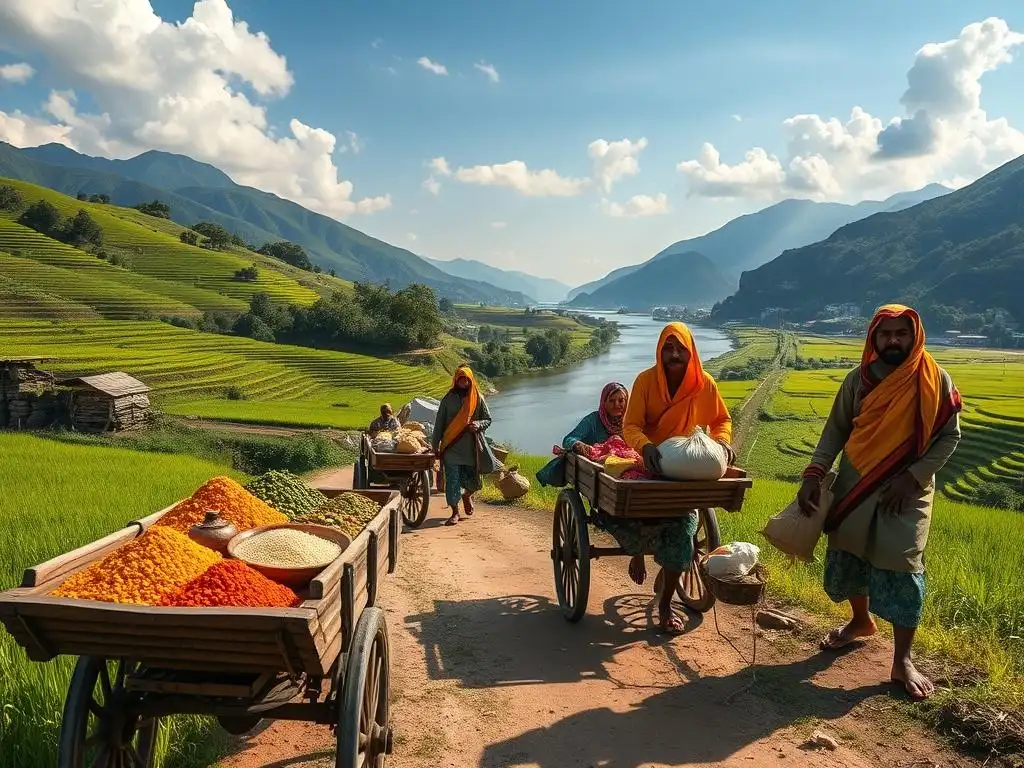
Welcome to Ancient India History, where we embark on a fascinating journey through time to uncover the rich tapestry of culture, innovation, and heritage that shaped one of the world's oldest civilizations. In our featured article, "How Ancient Trade Routes Enhanced Agricultural Practices in India," we delve into the intricate web of ancient Indian trade routes and their profound impact on agricultural advancements. Discover how these pathways not only facilitated commerce but also nurtured the growth of technological innovations that transformed farming practices.
Join us as we unveil the mysteries of the past and reveal how these historical connections continue to influence modern India. Are you ready to explore this captivating narrative?
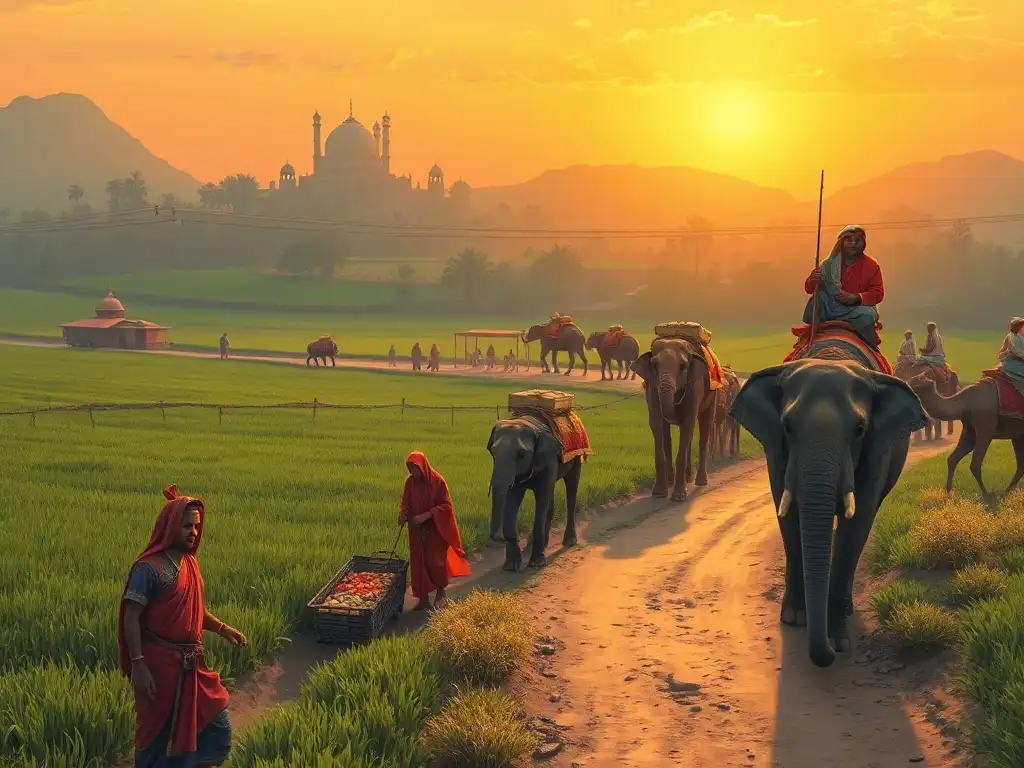
Introduction to Ancient Indian Trade Routes
Ancient Indian trade routes were crucial arteries of commerce and cultural exchange that played a significant role in shaping the agricultural practices of early Indian civilizations. Spanning vast geographical terrains, these trade networks facilitated not only the movement of goods but also the sharing of ideas and innovations that would influence farming methods across the subcontinent.
The impact of these trade routes on agriculture is profound, as they introduced new crops, techniques, and knowledge that enhanced productivity and sustainability. By examining the intricacies of these routes, we can gain insight into how they fostered agricultural advancements that contributed to the prosperity of ancient Indian societies.
Overview of Trade Routes in Ancient India
The trade routes of ancient India can be categorized into overland and maritime paths, each serving as vital links connecting India to various regions, including Central Asia, the Middle East, and Southeast Asia. Notable routes included:
- Silk Road: Connecting India to China and the Mediterranean, this route facilitated the exchange of silk, spices, and agricultural products.
- Southern Maritime Route: Linking the western coast of India to Africa and the Arabian Peninsula, it enabled the trade of spices, textiles, and grains.
- Grand Trunk Road: One of the oldest trade routes, it connected eastern India with the northwestern regions, playing a significant role in internal trade.
These routes not only supported the exchange of commodities but also acted as channels for the diffusion of agricultural innovations and cultural practices.
Significance of Trade Routes for Agricultural Development
The significance of these trade routes in agricultural development can be summarized as follows:
- Market Access: Farmers gained access to broader markets, allowing them to sell surplus produce and reinvest in agricultural improvements.
- Resource Distribution: Trade routes facilitated the distribution of essential resources such as water management tools and fertilizers across regions, promoting better farming practices.
- Cultural Exchange: These routes enabled the sharing of agricultural knowledge and techniques, leading to improved crop yields and diverse farming methods.
The Impact of Trade Routes on Agricultural Innovations
The influence of ancient trade routes on agricultural innovations is evident in several transformative practices that emerged during this period.
Introduction of New Crops through Trade
The movement of goods along trade routes introduced various crops to the Indian subcontinent, significantly diversifying agricultural outputs. Some key examples include:
- Spices: Black pepper and cardamom were introduced from Southeast Asia, enhancing both culinary practices and trade value.
- Cereals: The introduction of new grains, such as millets and rice varieties, contributed to food security and dietary variety.
- Fruits and Vegetables: Crops like citrus fruits and eggplants were brought in from different regions, enriching the agricultural landscape.
These new crops not only improved nutrition but also created new markets and trade opportunities for farmers.
Exchange of Agricultural Techniques and Knowledge
The exchange of agricultural techniques and knowledge through trade routes was instrumental in advancing farming practices. Key aspects include:
- Irrigation Systems: Knowledge of irrigation techniques, such as qanats (underground channels), was shared, leading to more efficient water management in arid regions.
- Crop Rotation and Fertilization: Farmers learned about crop rotation practices and the use of organic fertilizers, enhancing soil health and productivity.
- Pest Management: Techniques for pest control and sustainable farming were disseminated, leading to reduced crop losses and improved yields.
Through these exchanges, ancient trade routes not only facilitated economic growth but also contributed to the evolution of agricultural practices that would sustain Indian civilizations for centuries.
Economic Implications of Trade Routes on Agriculture
The ancient trade routes significantly influenced the agricultural landscape of India by creating a robust economic framework that facilitated the exchange of goods, ideas, and innovations. These routes not only connected different regions of India but also established links with neighboring civilizations, leading to an influx of agricultural products and techniques. This exchange fostered agricultural diversification, allowing farmers to cultivate a variety of crops suited to different climatic and geographical conditions.
The economic implications were multifaceted. Firstly, the demand for agricultural products increased as trade expanded, incentivizing farmers to boost their production. This demand often led to the introduction of new crops from other regions, enhancing biodiversity and making Indian agriculture more resilient. Additionally, the wealth generated from trade allowed for investments in agricultural technology and infrastructure, such as irrigation systems and storage facilities, which further improved agricultural productivity.
Moreover, the economic benefits derived from trade routes also influenced land ownership patterns. Wealthy merchants and traders often invested in agricultural lands, leading to the establishment of more organized agricultural practices and a shift in the agrarian economy towards commercial farming. This transformation laid the groundwork for the agricultural innovations that would follow in subsequent centuries.
Trade as a Catalyst for Agricultural Expansion
Trade served as a catalyst for agricultural expansion in ancient India by facilitating the exchange of not just goods but also knowledge and agricultural practices. As traders traveled along the trade routes, they introduced new crops such as rice, cotton, and spices, which were later adopted by local farmers. These introductions led to improved agricultural practices, as communities learned to cultivate and manage these new varieties effectively.
Furthermore, the establishment of trade networks enabled the movement of surplus crops to regions in need. This not only ensured food security but also encouraged farmers to produce more than what was necessary for subsistence, paving the way for a market-oriented agricultural economy. For instance, the cultivation of cash crops like cotton and indigo became prominent due to their high demand in trading markets, significantly altering agricultural practices and priorities.
The interconnectivity provided by trade routes also allowed for the sharing of agricultural techniques and innovations. For example, knowledge about crop rotation and irrigation techniques spread through these networks, helping farmers increase yields and adapt to varying climatic conditions. As a result, agricultural expansion was not merely a consequence of increased land under cultivation, but rather a holistic enhancement of agricultural practices driven by trade.
Influence on Agricultural Policies and Practices
The influence of ancient trade routes on agricultural policies and practices in India was profound. As trade flourished, rulers and local authorities recognized the importance of agriculture in sustaining economic growth. This led to the implementation of policies that encouraged agricultural development. For example, tax incentives and land grants were often provided to farmers who engaged in the cultivation of specific cash crops, reflecting the growing importance of agriculture in the trade economy.
Moreover, the establishment of markets along trade routes facilitated the exchange of agricultural products, prompting local governments to invest in infrastructure that supported agriculture. This included the construction of roads, storage facilities, and irrigation systems that connected rural areas to urban trade hubs. Such investments not only improved agricultural productivity but also integrated local farmers into broader economic networks.
The practices adopted by farmers were also influenced by the demands of trade. Farmers began to specialize in certain crops that were in high demand, leading to monoculture practices in some areas. While this specialization increased efficiency and profits, it also introduced risks related to crop failures and market fluctuations. Consequently, agricultural policies had to adapt to these changes, emphasizing the need for diversification and sustainable practices to mitigate potential vulnerabilities.
Case Studies of Key Trade Routes and Their Agricultural Impact
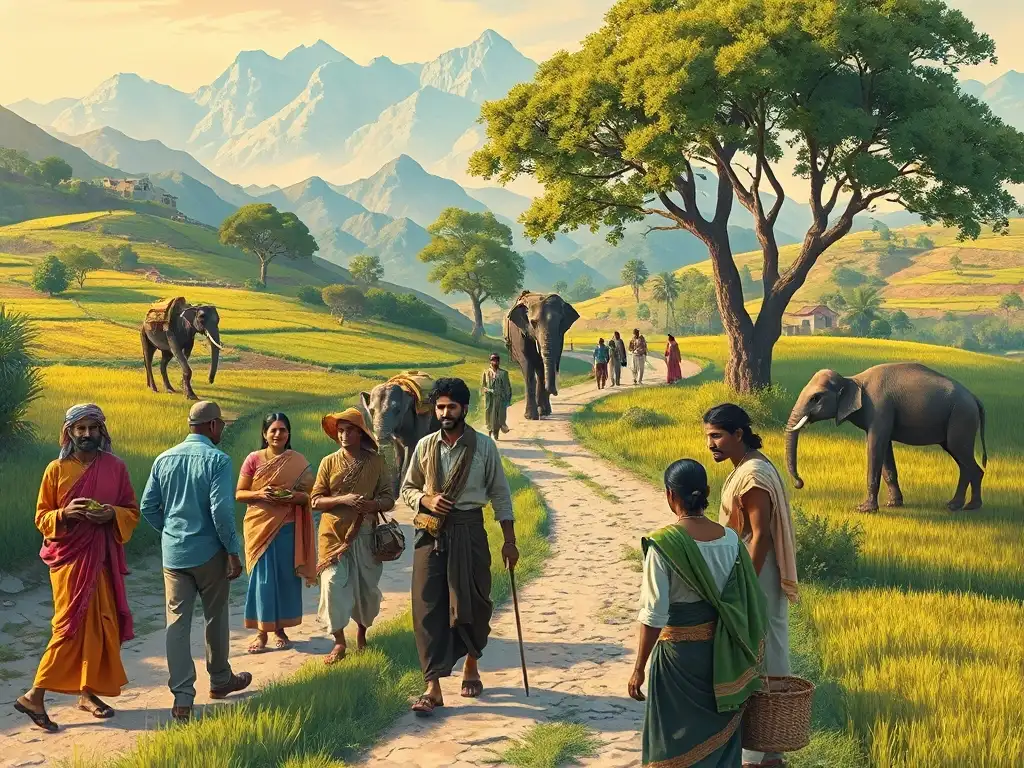
The exploration of ancient trade routes reveals significant insights into their impact on agriculture in India. Two prominent examples, the Silk Road and maritime trade routes, illustrate how these pathways shaped agricultural practices and economy.
The Silk Road and Its Influence on Indian Agriculture
The Silk Road, a network of trade routes connecting India to Central Asia and beyond, played a critical role in transforming Indian agriculture. Through this route, India was introduced to various agricultural practices, including advanced irrigation techniques and crop management strategies from civilizations such as Persia and China. This exchange of knowledge led to increased agricultural productivity, particularly in regions like the Gangetic Plain, where fertile land was optimized for diverse crop cultivation.
The Silk Road also facilitated the introduction of lucrative crops like silk and spices into Indian agriculture. These crops not only enhanced the variety of produce but also positioned India as a key player in the global trade of luxury goods. The demand for these products stimulated agricultural innovation, as farmers sought to meet the needs of traders and markets. Consequently, the Silk Road was instrumental in enhancing both the agricultural output and economic status of ancient India.
The Maritime Trade Routes and Coastal Agriculture
The maritime trade routes, which connected the Indian subcontinent to Southeast Asia, had a distinct impact on coastal agriculture. These routes allowed for the exchange of agricultural products such as rice, coconut, and various spices, which were integral to the diets of both local populations and trading partners. As a result, coastal regions began to specialize in the cultivation of these high-demand crops, leading to the establishment of extensive agricultural practices tailored to maritime trade.
Additionally, the interaction with traders from across the sea facilitated the transfer of agricultural techniques and knowledge. For instance, the cultivation of specific varieties of rice that were well-suited to wet conditions became prevalent in coastal areas, enhancing food production and stability. The prosperity generated from maritime trade also led to investments in irrigation and farming equipment, further boosting agricultural productivity.
Both the Silk Road and maritime trade routes were pivotal in shaping the agricultural landscape of ancient India, fostering innovation, specialization, and economic growth that had lasting effects on the region's agricultural practices.
Conclusion: The Lasting Legacy of Ancient Trade Routes on Indian Agriculture
The intricate web of ancient trade routes played a pivotal role in shaping the agricultural landscape of India. These routes not only facilitated the exchange of goods but also enabled the sharing of agricultural knowledge, techniques, and innovations across diverse cultures. The interconnectivity fostered by trade allowed for the introduction of new crops, tools, and farming practices, significantly enhancing productivity and sustainability in agriculture.
The impact of these trade routes can still be observed in modern agricultural practices in India. The blending of indigenous methods with new techniques brought about by trade has led to a rich agricultural heritage. Moreover, the legacy of these ancient routes serves as a reminder of the importance of collaboration and knowledge exchange in agricultural development, a principle that remains relevant in today’s globalized economy.
Summary of Key Impacts
- Crop Diversification: Ancient trade routes enabled the introduction of various crops such as spices, grains, and fruits from different regions. This diversification improved food security and provided nutritional variety.
- Technological Advancements: The exchange of tools and farming methods, such as irrigation techniques and plowing equipment, led to increased efficiency and yield in agricultural practices.
- Cultural Exchange: Trade facilitated the movement of people and ideas, leading to a fusion of agricultural practices that enriched local farming traditions. This cultural exchange was crucial in developing resilient agricultural systems.
- Market Development: The establishment of trade routes contributed to the growth of markets, which in turn encouraged farmers to adopt innovative practices to meet the demands of traders and consumers.
Reflection on the Historical Importance of Trade in Agricultural Development
Trade has historically been a cornerstone of agricultural development in India. The ancient trade routes served not only as conduits for goods but also as channels for knowledge and innovation. As merchants traveled, they brought with them not just commodities, but also agricultural techniques and practices that transformed local farming. This exchange was particularly significant in regions like the Indus Valley, where agriculture was already the foundation of society.
The ability to trade surplus produce played a crucial role in developing urban centers and complex societies. It allowed for specialization, where some communities could focus on farming while others engaged in trade or crafts. This specialization led to advancements in agricultural technologies and practices, thus laying the groundwork for future agricultural innovations. As we reflect on this historical importance, it is clear that the legacy of ancient trade routes continues to influence agricultural practices and policies in modern India.
References
Recommended Reading on Ancient Indian Trade and Agriculture
- "The Spice Route: A History": by John Keay - This book explores the historical significance of trade routes, particularly focusing on the spice trade and its impact on agriculture.
- "India: A History": by John Keay - A comprehensive overview of Indian history that includes discussions on agriculture and trade throughout different periods.
- "Agricultural Innovations in the Ancient World" by Alan K. Bowman - This work discusses various innovations in agriculture, including those influenced by trade.
Sources for Further Research on Agricultural Innovations in Ancient India
- "Ancient Indian Agriculture: An Overview": - This research paper provides insights into the agricultural practices of ancient India and the role of trade in their development.
- "The Role of Trade in Agricultural Development" - A journal article that examines how trade has historically influenced agricultural methods and productivity in ancient societies.
- "Technological Advances in Ancient Indian Agriculture" - This source focuses on specific technological innovations that emerged in ancient India due to trade interactions.
- Introduction to Ancient Indian Trade Routes
- The Impact of Trade Routes on Agricultural Innovations
- Economic Implications of Trade Routes on Agriculture
- Case Studies of Key Trade Routes and Their Agricultural Impact
- Conclusion: The Lasting Legacy of Ancient Trade Routes on Indian Agriculture
- References
Frequently Asked Questions
What were the main ancient trade routes in India?
The primary ancient trade routes included the Silk Road and the Grand Trunk Road, connecting India with regions like Central Asia and the Middle East. These routes facilitated cultural exchange and the trade of goods.
How did trade routes impact agricultural practices in ancient India?
Ancient trade routes enhanced agricultural practices by facilitating the exchange of agricultural techniques and crops. This led to increased productivity and the introduction of new farming methods.
What role did the Indus Valley Civilization play in trade?
The Indus Valley Civilization was crucial in establishing early trade connections, particularly with Mesopotamia. They traded goods like cotton textiles and metalwork, influencing their agricultural and economic practices.
How did the Gupta Empire influence trade?
During the Gupta Empire, trade flourished, leading to advancements in agriculture, textiles, and metallurgy. The empire's stability and infrastructure promoted trade routes that linked various regions, enhancing economic prosperity.
What were some of the key crops traded along these routes?
Key crops traded along ancient trade routes included spices, grains, and cotton. These commodities not only boosted local economies but also played a significant role in the culinary and cultural exchanges across regions.
Final Reflection: The Enduring Legacy of Ancient Indian Trade Routes
The intricate web of ancient Indian trade routes not only facilitated the exchange of goods but also significantly enhanced agricultural practices, shaping the very foundation of Indian civilization. Today, as we navigate a global economy that thrives on interconnectedness, we can draw parallels between these historical trade networks and modern agricultural advancements. The lessons from the past remind us that collaboration and exchange are vital for growth and innovation in any society.
The influence of these ancient trade routes extends far beyond their historical context; they continue to resonate in our cultural and social landscapes. The movement of ideas, techniques, and crops along these routes fostered a rich tapestry of agricultural diversity that remains evident in contemporary practices. As noted by historian R. Champakalakshmi, The trade routes were not just pathways for commerce; they were conduits for cultural exchange that enriched the agricultural practices of the time.
This ongoing legacy highlights the importance of understanding our past to appreciate the complexities of our present.
As we reflect on the profound impact of ancient Indian trade routes, let us consider how we can apply these lessons in our own lives. Embrace the spirit of collaboration and openness in your endeavors, whether in agriculture, business, or community building. By fostering connections and sharing knowledge, we can cultivate a future that honors the rich heritage of our ancestors while paving the way for sustainable growth and innovation. Take a moment to reflect: how can you contribute to this legacy of exchange and enhancement in your own community?
Embrace the Legacy of Ancient Trade: Transform Your Perspective on Agriculture!
Thank you for exploring the fascinating world of ancient trade routes and their impact on agricultural practices in India. By delving into this rich history, you've uncovered valuable insights into how interconnected societies thrived. Now, it’s time to turn that knowledge into action!
Here are a few empowering steps you can take to deepen your understanding and appreciation of ancient agricultural innovations:
- Dive deeper into local agricultural history by visiting a museum or historical site nearby, where you can discover the significance of trade in shaping farming practices.
- Share your newfound knowledge! Discuss these insights with friends or on social media—starting conversations can inspire others to learn as well.
- Consider cultivating heirloom crops or traditional plants in your garden to create a personal connection with the agricultural traditions of the past.
What aspect of ancient trade routes do you believe had the most significant impact on modern agriculture, and how can we draw on this legacy today?