
The Role of Sanskrit in Ancient Indian Epics: A Literary Analysis


Welcome to Ancient India History, your gateway to uncovering the rich tapestry of cultures and civilizations that flourished in the Indian subcontinent. Here, we delve into the intriguing role of Sanskrit in Ancient Indian Epics, a key thread that weaves together the narratives, philosophies, and artistic expressions of a time long past.
As we embark on this literary analysis, prepare to explore how this ancient language not only shaped storytelling but also influenced the very essence of Indian identity. Join us on this captivating journey and discover the profound impact of Sanskrit on the epic tales that continue to resonate today!
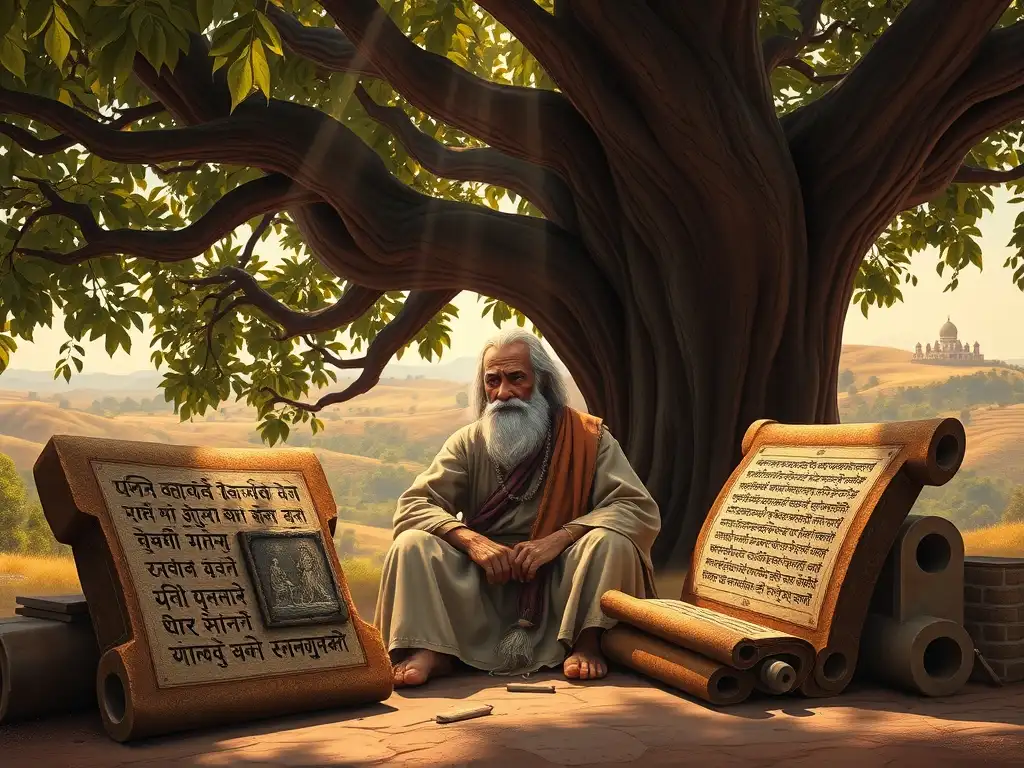
Introduction to Sanskrit in Ancient Indian Literature
Sanskrit, often hailed as the mother of many modern Indian languages, serves as a vital pillar in the edifice of ancient Indian literature. The significance of Sanskrit in Ancient Indian Epics is not merely linguistic but profoundly cultural, philosophical, and spiritual. This ancient language encapsulates a wealth of knowledge, artistic expression, and ethical discourse, providing a window into the intricacies and values of ancient Indian civilization.
The rich tapestry of narratives woven in Sanskrit illustrates the intellectual and artistic achievements of the time, while also preserving the moral and philosophical frameworks that guided societies. Understanding the role of Sanskrit in these epics is crucial for appreciating the depth and breadth of ancient Indian heritage.
Importance of Sanskrit Language in Ancient India
Sanskrit's prominence in ancient India can be traced back to its foundational role in various fields such as philosophy, science, and literature. Here are some key points that highlight its importance:
- Cultural Heritage: Sanskrit is the language of many foundational texts in Hinduism, Buddhism, and Jainism, which are central to the cultural and religious fabric of India.
- Literary Excellence: The linguistic intricacies of Sanskrit allowed for nuanced expression and poetic elegance, making it a preferred medium for epic storytelling.
- Philosophical Treatises: Many philosophical texts, including the Upanishads and the Vedanta, were composed in Sanskrit, exploring profound existential and metaphysical questions.
- Educational Medium: Sanskrit was the primary language for education in ancient India, enabling the transmission of knowledge across generations.
Overview of Ancient Indian Epics
Ancient Indian epics, primarily the Mahabharata and the Ramayana, are not just literary works; they are monumental narratives that encapsulate the ethos, values, and beliefs of ancient Indian society. These epics serve multiple purposes, including:
- Moral Instruction: They convey ethical dilemmas and moral lessons through the actions and choices of their characters.
- Cultural Identity: The epics reflect the traditions, customs, and ideologies of the time, contributing to a collective cultural identity.
- Historical Context: While mythical in nature, they also provide insights into the socio-political landscape of ancient India.
Through the study of these epics, one can glean the significance of Sanskrit not only as a language but as a medium that shaped thought and culture in ancient India.
Key Ancient Indian Epics and Their Significance
The Mahabharata: A Sanskrit Masterpiece
The Mahabharata is often regarded as one of the longest epic poems in the world, composed in Sanskrit around the 4th century BCE. This epic is not only a tale of the conflict between the Pandavas and Kauravas but also a rich source of philosophical and ethical discourse. Key aspects of its significance include:
- Complex Characters: The Mahabharata presents a plethora of characters who embody various virtues and vices, allowing for deep moral exploration.
- Integration of Diverse Themes: From warfare to spirituality, the text integrates diverse themes, making it a comprehensive guide to human experience.
- Cultural Resonance: The teachings of the Bhagavad Gita, a crucial part of the Mahabharata, continue to resonate in contemporary discussions on duty, righteousness, and ethics.
The Ramayana: Cultural and Literary Impact
The Ramayana, another cornerstone of Sanskrit literature, narrates the life of Lord Rama and his quest to rescue his wife, Sita. Its literary and cultural impact is profound, characterized by:
- Ideal Characters: The Ramayana presents ideal archetypes, such as Rama as the epitome of virtue and Sita as the ideal woman, shaping societal norms and values.
- Moral Lessons: The narrative is imbued with moral lessons that guide ethical conduct and familial relationships.
- Influence on Arts: The Ramayana has inspired countless adaptations in dance, theater, and art, showcasing the enduring legacy of its themes and characters.
Through a detailed examination of these epics, we can appreciate the unparalleled role of Sanskrit in shaping literary traditions and cultural narratives in ancient India.
Linguistic Features of Sanskrit in Epic Texts
Sanskrit, as a classical language of ancient India, exhibits a rich tapestry of linguistic features that significantly enhance the depth and beauty of epic texts. The precision of its grammar, the flexibility of its syntax, and its extensive vocabulary contribute to the unique character of works such as the Mahabharata and the Ramayana. These epics often utilize various forms of Sanskrit—ranging from the more formal and literary to the colloquial—demonstrating the language's versatility.
Key linguistic features include:
- Morphological Richness: Sanskrit is highly inflected, allowing for a variety of forms to express tense, mood, and case. This inflectional nature enables nuanced meaning and emphasizes specific elements within verses.
- Compound Words (Samasa): The use of compound words is prevalent in Sanskrit epics, creating intricate meanings and enhancing poetic fluidity. These compounds often reflect thematic and philosophical concepts central to the narratives.
- Sanskrit Phonetics: The phonetic structure of Sanskrit contributes to its musical quality, which is particularly important in oral recitation. The rhythmic patterns and alliteration in verses enhance their memorability and auditory appeal.
Grammatical Structure of Sanskrit
The grammatical structure of Sanskrit is characterized by its systematic approach to syntax and morphology, which plays a crucial role in the construction of epic narratives. The following aspects are fundamental:
- Case System: Sanskrit employs an elaborate case system, with eight grammatical cases that indicate the function of nouns in sentences. This allows for a flexible word order, as the relationship between words is conveyed through their endings rather than their positions.
- Verb Conjugation: Verbs in Sanskrit are conjugated for person, number, and tense, which adds layers of meaning and context to actions within the epics. This complexity allows authors to convey time-related nuances and character motivations effectively.
- Sentence Structure: Typically, Sanskrit sentences follow a Subject-Object-Verb (SOV) order, but variations are common. This flexibility allows for emphasis on different parts of the sentence, contributing to the dramatic and thematic elements of the storytelling.
Poetic Devices and Rhetoric in Sanskrit Epics
Sanskrit epics are renowned for their rich use of poetic devices and rhetorical techniques, which serve to elevate the narrative and engage the reader. Some notable devices include:
- Metaphor and Simile: These figures of speech are frequently employed to draw vivid comparisons, allowing readers to visualize and connect with the epic's themes and characters.
- Alliteration and Assonance: The use of sound patterns enhances the lyrical quality of the text, making the verses more memorable and impactful. This is particularly effective in oral traditions where rhythmic recitation is key.
- Chanda (Meter): The use of various metrical patterns, such as Anushtubh and Trishtubh, structures the verses and contributes to the overall aesthetic of the epics. The choice of meter often reflects the emotional tone of the narrative.
Cultural Context of Sanskrit Use in Epics
Understanding the cultural context of Sanskrit in ancient Indian epics is essential for appreciating its significance in literature. Sanskrit was not merely a language; it was a symbol of knowledge, authority, and cultural identity.
Historical Background of Sanskrit Development
Sanskrit's evolution can be traced back to the Vedic period, where it emerged as a liturgical language. Its development was influenced by various historical and cultural factors:
- Vedic Literature: The earliest forms of Sanskrit can be found in the Vedas, which laid the foundation for later literary and philosophical texts. The oral tradition of recitation played a vital role in preserving these compositions, eventually leading to their written form.
- Sanskrit in the Classical Era: By the time of the Gupta Empire, Sanskrit had become the lingua franca of educated society, fostering a culture of scholarship and artistic expression. This period saw a flourishing of literature, philosophy, and sciences, all articulated in Sanskrit.
- Regional Variations: As Sanskrit spread across regions, it influenced and integrated with local dialects, leading to a rich tapestry of linguistic diversity that still resonates in modern Indian languages.
Sanskrit as a Carrier of Philosophy and Ethics
Sanskrit serves as a crucial vehicle for the philosophical and ethical teachings embedded in ancient Indian epics. The narratives often explore profound themes such as dharma (duty/righteousness), karma (action), and moksha (liberation), which are central to Indian philosophy.
- Narrative Philosophy: Characters in epics often embody philosophical dilemmas, presenting moral quandaries that reflect the complexities of human existence. Through their journeys, readers engage with ethical questions that remain relevant across time.
- Preservation of Knowledge: Sanskrit texts have played an essential role in preserving philosophical thought, with commentaries and interpretations enriching the original narratives. This tradition of scholarly discourse has allowed the wisdom of ancient sages to endure through centuries.
- Influence on Later Thought: The philosophical and ethical frameworks laid down in Sanskrit epics have influenced various schools of thought in India and beyond, contributing to a broader understanding of morality, governance, and personal conduct in society.
By examining the linguistic features and cultural context of Sanskrit within ancient Indian epics, one gains insight into the profound impact this language has had on literary expression, philosophical discourse, and cultural identity throughout history.
Thematic Elements in Sanskrit Epics

Sanskrit epics, namely the Mahabharata and the Ramayana, are rich in thematic elements that explore the complexities of human experience, morality, and spirituality. These narratives serve not only as literary masterpieces but also as cultural artifacts that reflect the values and beliefs of ancient Indian society. Key themes include dharma (duty/righteousness), karma (action and consequence), and bhakti (devotion), which are intricately woven into the fabric of the stories, providing profound insights into the human condition.
The epics utilize various literary devices to convey these themes, such as allegory, symbolism, and metaphor. For instance, the characters in these stories often represent different facets of human nature and societal roles, making the narratives relatable and timeless. The interplay of these thematic elements contributes to the epics' enduring significance in both literary and philosophical contexts.
Representation of Dharma in Mahabharata
The concept of dharma is central to the Mahabharata, serving as a guiding principle for the characters' actions and decisions. The epic presents a complex moral landscape where the characters grapple with conflicting duties and ethical dilemmas. For example, Arjuna's moral crisis on the battlefield of Kurukshetra encapsulates the struggle between personal desires and societal obligations. His eventual resolution, guided by Lord Krishna's teachings, highlights the importance of adhering to one's dharma, even in the face of adversity.
Dharma is depicted as not merely a set of rules, but a dynamic concept that varies based on circumstances, relationships, and individual roles. This nuanced representation encourages readers to reflect on their own moral choices and the broader implications of their actions. Through its intricate exploration of dharma, the Mahabharata remains a crucial text for understanding ethics in both historical and contemporary contexts.
The Role of Bhakti in Ramayana
In the Ramayana, the theme of bhakti, or devotion, emerges as a powerful force that drives the narrative and shapes character relationships. Lord Rama, the protagonist, epitomizes dharma, while his devotees, including Hanuman and Sita, exemplify unwavering devotion. The portrayal of bhakti in the Ramayana emphasizes the significance of surrendering to divine will and the transformative power of love and faith.
The interactions between Rama and his devotees illustrate the reciprocal nature of bhakti, where devotion leads to divine grace and support. Hanuman's devotion not only aids Rama in his quest to rescue Sita but also highlights the ideal of selfless service. This theme of bhakti resonates with readers, inspiring a sense of spiritual connection and emphasizing the importance of devotion in personal and communal contexts.
Influence of Sanskrit on Later Indian Literature
Sanskrit's profound influence on later Indian literature cannot be overstated. As the lingua franca of ancient scholarly and literary traditions, it set a foundation that inspired a vast array of subsequent works across diverse genres. The stylistic and thematic elements established in the epics continued to resonate in later texts, shaping narrative structures, poetic devices, and philosophical discourse.
The transition from classical Sanskrit literature to vernacular languages did not diminish its impact; rather, it facilitated the integration of Sanskrit influences into regional literatures. This synthesis allowed the thematic richness of the epics to permeate various cultural contexts, thereby enriching the literary landscape of India.
Sanskrit's Legacy in Post-Classical Literature
In the post-classical period, Sanskrit literature continued to flourish, with writers drawing upon the themes and styles of the ancient epics. The emergence of works such as Kalidasa's plays and the Puranas exemplifies this legacy, showcasing the enduring appeal of epic narratives. The narratives often echo the moral and philosophical dilemmas found in the Mahabharata and Ramayana, demonstrating how the foundational themes of Sanskrit literature remained relevant.
Furthermore, Sanskrit's influence extended beyond literature into the realms of philosophy, religion, and art, creating a rich tapestry of cultural expression that has shaped Indian civilization over centuries. This legacy underscores the importance of Sanskrit as a vehicle for preserving and transmitting knowledge and cultural values.
Evolution of Language and Literary Forms
The evolution of Sanskrit as a language reflects the dynamic nature of literary forms throughout Indian history. From the Vedic period to the classical age, Sanskrit underwent significant transformations, adapting to the changing cultural and philosophical landscapes. The development of new poetic forms, such as the shloka and the kavya, exemplifies this evolution, allowing for greater expression and complexity in literary works.
Moreover, the transition from classical Sanskrit to regional languages marked a critical juncture in Indian literature. While vernacular literature emerged, it often retained elements of Sanskrit literary tradition, illustrating the interconnectivity of these linguistic developments. The continued study and appreciation of Sanskrit in contemporary scholarship further emphasize its role as a cornerstone of India's literary heritage, fostering a deeper understanding of the nation's rich cultural history.
Conclusion: The Enduring Legacy of Sanskrit in Ancient Indian Epics
Sanskrit, as the classical language of ancient India, has played a pivotal role in shaping the literary landscape of the subcontinent. Its intricate syntax and rich vocabulary have allowed for profound expressions of thought, spirituality, and culture within ancient Indian epics. The enduring legacy of Sanskrit is not merely confined to its historical context; rather, it continues to resonate in contemporary literature, philosophy, and arts. The epics, primarily the Mahabharata and Ramayana, have not only preserved the linguistic nuances of Sanskrit but also facilitated the transmission of moral, ethical, and philosophical ideologies across generations.
These texts serve as a testament to the sophisticated literary traditions of their time, showcasing the capabilities of Sanskrit to convey complex narratives and character development. Furthermore, the influence of these epics extends beyond literature into various domains including politics, law, and social norms, illustrating the comprehensive impact of the Sanskrit language on ancient Indian civilization.
Summary of Literary Contributions
The literary contributions of Sanskrit to ancient Indian epics are substantial and multifaceted. The Mahabharata and Ramayana, often regarded as the cornerstones of Sanskrit literature, reflect not only narrative artistry but also philosophical depth. The Mahabharata, for instance, encapsulates a vast array of themes, such as dharma (duty/righteousness), karma (action), and moksha (liberation), all articulated through the lens of complex characters and intricate plots.
The Ramayana, with its portrayal of ideal characters like Rama and Sita, serves to exemplify moral virtues and societal ideals. The use of various poetic forms, such as shlokas and ashtakshara, enhances the aesthetic quality of these texts, making them not only literary masterpieces but also spiritual guides. Additionally, the epics have inspired numerous adaptations, interpretations, and commentaries, further solidifying Sanskrit’s role as a literary vehicle for cultural transmission.
Reflection on the Relevance of Sanskrit Today
In the contemporary context, Sanskrit continues to be relevant, not only as a subject of academic study but also as a source of inspiration for modern literature, art, and philosophy. The resurgence of interest in Sanskrit literature can be observed through various educational initiatives, cultural programs, and scholarly research aimed at reviving ancient texts and their teachings.
The philosophical concepts and ethical dilemmas presented in ancient epics still resonate with today's societal challenges, allowing for a dialogue between ancient wisdom and modern life. Moreover, the revival of Sanskrit in contemporary literature and arts showcases its adaptability and enduring appeal. As a language that encompasses profound knowledge and cultural richness, Sanskrit in ancient Indian epics remains a vital part of not only India's heritage but also the global literary canon, inviting new generations to explore its depths and insights.
- Introduction to Sanskrit in Ancient Indian Literature
- Key Ancient Indian Epics and Their Significance
- Linguistic Features of Sanskrit in Epic Texts
- Cultural Context of Sanskrit Use in Epics
- Thematic Elements in Sanskrit Epics
- Influence of Sanskrit on Later Indian Literature
- Conclusion: The Enduring Legacy of Sanskrit in Ancient Indian Epics
- What is the significance of Sanskrit in ancient Indian epics?
- How did Sanskrit influence the literary traditions of ancient India?
- What are some major epics written in Sanskrit?
- How did Sanskrit contribute to the philosophical ideas in ancient Indian epics?
- What role does Sanskrit play in the preservation of ancient Indian culture?
Frequently Asked Questions
What is the significance of Sanskrit in ancient Indian epics?
Sanskrit is the primary language of ancient Indian epics, such as the Mahabharata and Ramayana, allowing for a rich literary expression and preserving the cultural heritage of ancient India.
How did Sanskrit influence the literary traditions of ancient India?
Sanskrit provided a linguistic framework that enabled the creation of structured poetry and prose, influencing genres and styles in ancient Indian literature significantly.
What are some major epics written in Sanskrit?
The two most prominent epics written in Sanskrit are the Mahabharata, which includes the Bhagavad Gita, and the Ramayana, both of which are foundational texts in Indian culture.
How did Sanskrit contribute to the philosophical ideas in ancient Indian epics?
Sanskrit allowed for complex philosophical concepts to be articulated within the narratives of the epics, enabling deeper moral and ethical explorations.
What role does Sanskrit play in the preservation of ancient Indian culture?
As a classical language, Sanskrit serves as a repository of ancient texts, rituals, and traditions, ensuring that the cultural identity of India is maintained across generations.
Final Reflection: The Enduring Legacy of Sanskrit in Ancient Indian Epics
The profound influence of Sanskrit in Ancient Indian Epics remains a cornerstone of literary heritage today. As we navigate a world increasingly defined by rapid technological advancements and cultural exchanges, the timeless narratives woven in Sanskrit continue to resonate, reminding us of the power of language and storytelling. The epics, with their rich tapestry of themes and characters, not only reflect the values of ancient society but also offer insights that are remarkably relevant in our contemporary lives.
The cultural and social landscape shaped by these epics is a testament to the enduring nature of Sanskrit. From the intricate verses of the Mahabharata to the lyrical beauty of the Ramayana, these texts have transcended generations, influencing art, philosophy, and spirituality. The words of the sages echo through time, urging us to explore our own narratives. Words are the source of all power; they shape our thoughts, our actions, and ultimately our destinies.
This observation underscores the importance of engaging with these ancient texts, as they continue to inspire and challenge us to reflect on our own journeys.
As we conclude our exploration of Sanskrit in Ancient Indian Epics, I invite you to reflect on the lessons embedded within these timeless stories. Consider how the themes of duty, love, and morality resonate in your own life. Let the wisdom of the past guide your present actions and decisions, and challenge yourself to delve deeper into the narratives that have shaped not only a culture but also the very essence of human experience. Embrace the opportunity to connect with this rich literary tradition and allow it to inspire your own story.
Unveil the Power of Sanskrit in Epic Narratives!
Thank you for taking the time to explore the fascinating role of Sanskrit in ancient Indian epics! Your interest in this rich literary tradition showcases your curiosity and dedication to understanding one of the world's most profound languages. Now, it’s time to take this knowledge further and immerse yourself in the beauty of these texts.
Here are some actionable steps you can take right now:
- Join a Sanskrit study group or enroll in an online course to deepen your understanding of the language and its literary significance.
- Explore annotated texts of ancient epics available on literary platforms or in local libraries for a more enriching reading experience.
- Share your insights with friends or on social media about how Sanskrit influences modern literature and culture to spark engaging conversations!
As you continue this journey with Sanskrit, you'll find that your exploration has only just begun.
What aspect of Sanskrit's influence on epics intrigues you the most, and how do you envision using this knowledge in your own literary pursuits? Let's discuss!