
Inscriptions as Art: The Intersection of Language and Visual Culture in Ancient India

Welcome to Ancient India History, where we embark on a fascinating journey through time to uncover the rich tapestry of civilizations that shaped the Indian subcontinent. In our featured article, “Inscriptions as Art: The Intersection of Language and Visual Culture in Ancient India,” we delve into the captivating world of ancient Indian inscriptions art, revealing how these remarkable artifacts intertwine language with artistry, reflecting the cultural wealth of a bygone era. Prepare to be intrigued as we explore the significance of these inscriptions and their enduring legacy—your adventure into the depths of ancient Indian culture begins here!
Introduction to Ancient Indian Inscriptions Art
The intricate world of ancient Indian inscriptions art serves as a fascinating lens through which we can explore the profound relationship between language and visual culture in ancient India. From the earliest scripts etched on stones to ornate carvings that adorned temples, inscriptions not only conveyed information but also reflected the aesthetic sensibilities and cultural ethos of their time. This article aims to unravel the multifaceted layers of significance that these inscriptions held, showcasing how they were not merely functional but also artistic expressions that captured the spirit of ancient Indian civilization.
Definition of Inscriptions in Ancient India
Inscriptions in ancient India refer to the engravings or writings found on various materials such as stone, metal, pottery, and even wood. These writings often included religious texts, royal decrees, memorials, and literary compositions. The art of inscription was characterized by its use of different scripts, including Brahmi, Kharosthi, and later, Devanagari, each of which played a pivotal role in documenting the linguistic heritage of the region.
- Key Characteristics of Inscriptions:
- Medium: Stone, copper plates, clay, etc.
- Content: Religious texts, edicts, poetry, and historical records.
- Scripts Used: Brahmi, Kharosthi, Tamil-Brahmi, and more.
Importance of Art in Ancient Indian Culture
Art held a central place in ancient Indian society, transcending mere aesthetics to embody religious, philosophical, and cultural values. Inscriptions, as a form of art, were not only visual records but also served as a means of communication and preservation of heritage. They were integral to various cultural practices, such as:
- Religious Significance: Many inscriptions were dedicated to deities, reflecting the spiritual landscape of ancient India.
- Political Power: Royal inscriptions often proclaimed victories and established the legitimacy of rulers, intertwining art with governance.
- Cultural Identity: The distinct styles and scripts used in inscriptions highlighted regional diversity and cultural pride.
Overview of the Relationship Between Language and Visual Culture
The intersection of language and visual culture in ancient India manifests through the aesthetic presentation of inscriptions. The choice of script, the layout of text, and the decorative elements surrounding the inscriptions all contributed to their visual impact. This relationship can be understood through:
- Aesthetic Appeal: Inscriptions were often embellished with carvings, motifs, and patterns that enhanced their visual allure.
- Cognitive Connection: The interplay of text and imagery engaged viewers on both intellectual and emotional levels, fostering a deeper understanding of the message conveyed.
Historical Context of Ancient Indian Inscriptions
Evolution of Inscriptions from the Indus Valley Civilization
The tradition of inscriptions in India can be traced back to the Indus Valley Civilization (c. 2500-1900 BCE), where seals made from steatite featured pictographic symbols that remain undeciphered. These early inscriptions mark the beginning of a rich legacy that evolved through time, reflecting changes in language, script, and artistic expression.
- Notable Features:
- Use of seals for trade and communication.
- Symbolic representations rather than phonetic scripts.
Major Ancient Indian Civilizations Contributing to Inscriptions
Throughout history, various civilizations contributed to the development and sophistication of inscriptions in ancient India. Noteworthy among them are:
- Maurya Empire: Known for the Edicts of Ashoka, which spread Buddhist teachings across the region.
- Gupta Empire: Renowned for its flourishing arts and literature, leading to detailed inscriptions in temples and monuments.
- Chola Dynasty: Famous for intricate temple carvings and inscriptions that celebrated their conquests and patronage of the arts.
Each of these civilizations not only preserved the art of inscriptions but also enhanced its complexity, making it a vital aspect of ancient Indian heritage.
Artistic Techniques in Ancient Indian Inscriptions
Ancient Indian inscriptions are not merely functional texts; they are also remarkable artistic expressions that showcase a variety of techniques. The artistry in these inscriptions often involved intricate carving and meticulous attention to detail. Techniques such as relief carving, where figures and motifs are sculpted to stand out from the background, were commonly employed. This method not only enhanced the aesthetic appeal but also added depth to the visual representation.
Another prevalent technique was chisel engraving, used extensively on stone surfaces. Artisans would carefully chisel away layers to create letters and symbols that conveyed both meaning and beauty. Inscriptions often displayed a combination of linear designs and geometric patterns, which served to frame the textual elements and elevate their visual impact.
In addition to these techniques, coloration played a significant role in enhancing the inscriptions. Although many ancient inscriptions are monochromatic due to weathering, traces of color pigments have been found on some specimens, indicating that artisans might have originally used vibrant hues to attract attention and convey deeper meanings.
Materials Used in Ancient Indian Inscriptions Art
The choice of materials for inscriptions significantly influenced both their durability and aesthetic qualities. Stone was the most common medium, particularly sandstone, granite, and basalt. These materials not only provided a sturdy canvas for carving but also had a natural beauty that added to the artwork's overall impact. The use of stone inscriptions can be traced back to the Indus Valley Civilization, where rudimentary engravings on seals indicate early artistic endeavors.
In addition to stone, other materials such as metal and wood were also employed. Copper plates were occasionally used, especially for issuing royal edicts or religious texts. These inscriptions were often adorned with intricate designs and served as both functional and ceremonial objects.
Clay tablets were another medium, particularly in the context of early writing systems. While they may not have survived as well as stone, they showcased unique artistic styles, often featuring stamped designs or incised lettering. The variety of materials reflects the adaptability of ancient Indian artisans and their desire to merge functionality with artistry.
Common Artistic Styles and Motifs
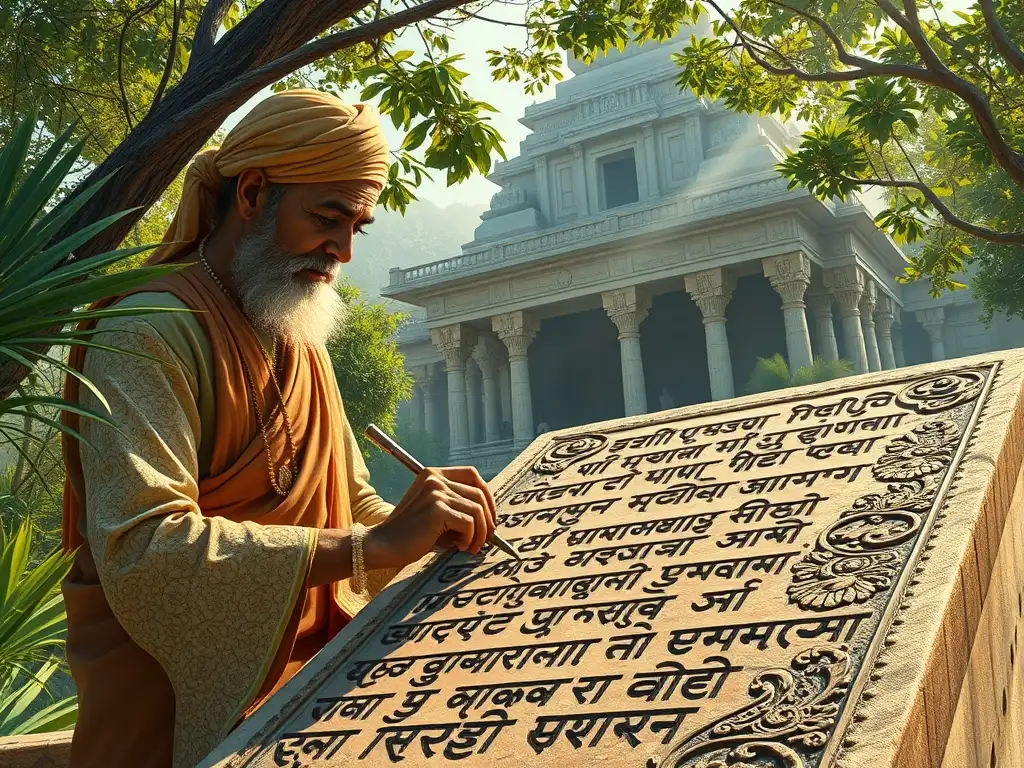
The artistic styles and motifs found in ancient Indian inscriptions often reveal significant cultural and religious influences. One prevalent style is the Brahmi script, which is characterized by its rounded shapes and flowing lines. This script not only served as a means of communication but also as an artistic form that reflected the aesthetics of the time.
Common motifs included lotus flowers, animals, and geometric patterns, which often held symbolic meanings. For instance, the lotus is frequently associated with purity and enlightenment in Indian culture, while animal motifs could represent specific deities or embody various qualities.
Inscriptions from different regions and periods exhibit unique stylistic elements. For example, inscriptions from the Gupta period often feature elaborate floral designs and celestial beings, reflecting the artistic sophistication of the time. Meanwhile, the ashoka pillars are renowned for their intricate carvings and are considered masterpieces of ancient Indian art, exemplifying the intersection of language, culture, and artistry.
Language and Script in Ancient Indian Inscriptions
Language and script are fundamental to understanding the art of ancient Indian inscriptions. They not only serve as a medium for communication but also as a canvas for artistic expression. The inscriptions often combined linguistic and artistic elements to convey messages that were both visually striking and culturally significant.
The interplay between language and art is evident in the way scripts were designed and executed. The aesthetic qualities of scripts like Devanagari and Brahmi demonstrate how the form of letters can contribute to the overall artistic composition of an inscription.
Overview of Ancient Indian Scripts
Ancient Indian scripts evolved over centuries, reflecting the linguistic diversity and cultural richness of the subcontinent. The earliest known script, Indus Script, remains undeciphered but is believed to have been used for administrative and trade purposes. Following this, Brahmi emerged around the 3rd century BCE and became the foundation for many subsequent scripts in India and beyond.
Kharosthi, another significant script, was used predominantly in the northwest regions and is characterized by its right-to-left orientation. The development of these scripts indicates the dynamic interplay between language and society, as they were adapted to meet the needs of communication across various domains, including governance, religion, and trade.
The Role of Language in Artistic Expression
Language in ancient Indian inscriptions transcends mere communication; it is intricately woven into the fabric of artistic expression. The choice of words, the style of writing, and the accompanying visuals work together to create a holistic narrative. This synergy allows inscriptions to convey complex ideas and emotions, often reflecting the philosophical and spiritual dimensions of the time.
Moreover, the use of poetry and prose in inscriptions showcases the literary prowess of ancient Indian societies. Many inscriptions feature epigraphic poetry, which not only serves a commemorative purpose but also elevates the artistic quality of the writing. The carefully crafted verses can evoke a wide range of sentiments, from reverence to celebration, further enriching the visual and textual landscape.
The integration of language and art in ancient Indian inscriptions offers profound insights into the cultural, social, and spiritual ethos of the time, making them invaluable artifacts for understanding the history of ancient India.
Case Studies of Notable Ancient Indian Inscriptions
Ancient Indian inscriptions serve as a vital lens through which we can explore the intersection of language and visual culture. They not only communicate messages across time but also embody artistic expression, reflecting the aesthetics, beliefs, and societal norms of their creators. This section delves into notable case studies that illustrate the significance of these inscriptions.
The Edicts of Ashoka: A Study of Art and Message
The Edicts of Ashoka, inscribed during the reign of Emperor Ashoka (268–232 BCE), exemplify the profound relationship between language and visual culture in ancient India. These edicts, carved on pillars and rocks across the Indian subcontinent, convey messages of morality, governance, and Buddhism.
The inscriptions are characterized by their Brahmi script, which is one of the earliest writing systems in India. Ashoka's approach to these inscriptions was not merely functional; he imbued them with artistic intent. The pillars themselves, often adorned with intricate carvings of animals and symbols, serve as striking visual elements that complement the textual messages. The Lion Capital of Ashoka, which features four lions standing back-to-back, is a prime example of how inscription art can embody both political power and spiritual ideals.
Each edict was crafted to reach a wide audience, ensuring that the messages of compassion and ethical governance were accessible to various social strata. The harmonious blend of art and language in the Edicts of Ashoka highlights the role of inscriptions as a vehicle for cultural transmission and moral discourse in ancient India.
The Rock Cut Caves of Ajanta: An Artistic Exploration
The Rock Cut Caves of Ajanta, dating from the 2nd century BCE to the 6th century CE, provide another significant case study in the art of ancient Indian inscriptions. These caves are not only renowned for their stunning frescoes and sculptures but also for the inscriptions that adorn their walls.
The inscriptions found within the Ajanta caves, primarily in Brahmi and Sanskrit, reflect the monastic life of the Buddhist monks who inhabited them. They often include information about the patrons who commissioned the caves, as well as the religious teachings and stories related to the Buddha.
Artistic elements in these inscriptions are deeply intertwined with the visual narratives depicted in the paintings. For instance, the use of flowing lines and stylized script enhances the aesthetic appeal while inviting viewers to engage with the spiritual themes presented in the art. The inscriptions at Ajanta not only serve a practical purpose but also enhance the overall artistic experience, demonstrating how language and visual culture coalesce in a sacred space.
The Inscriptions of the Gupta Period: Aesthetic and Linguistic Significance
The Gupta period (circa 320–550 CE) is often referred to as the Golden Age of India, marked by remarkable achievements in art, literature, and science. Inscriptions from this period reveal a rich tapestry of linguistic and artistic evolution.
One key feature of Gupta inscriptions is the emergence of Siddham script, which is characterized by its elegant curves and forms, representing a significant advancement in writing. These inscriptions often celebrate royal achievements, religious dedications, and cultural milestones.
The aesthetic quality of Gupta inscriptions is notable; they frequently incorporate intricate designs and motifs that reflect the artistic sensibilities of the time. For instance, the inscriptions at the Iron Pillar of Delhi showcase not only technical ingenuity in metallurgy but also the artistic flair of the Gupta period, with their decorative elements that complement the inscriptions.
This period also saw the infusion of poetic language into inscriptions, elevating the text from mere record-keeping to an art form in itself. The inscriptions thus serve as historical documents while also functioning as a testament to the high artistic and literary standards of ancient Indian civilization.
The Influence of Ancient Indian Inscriptions Art on Modern Culture
The rich legacy of ancient Indian inscriptions continues to resonate in contemporary culture, influencing various artistic practices and expressions. This section explores how these ancient artifacts have shaped modern artistic sensibilities.
Continuation of Artistic Traditions in Contemporary India
Today, the artistic traditions rooted in ancient Indian inscriptions are reflected in various forms of contemporary art. Artists draw inspiration from the stylistic elements of ancient scripts and motifs, incorporating them into modern paintings, sculptures, and installations.
For example, the revival of traditional Madhubani and Warli art often includes inscriptions that echo ancient scripts, blending old and new techniques. This continuity not only honors the rich heritage of ancient Indian art but also fosters a dialogue between past and present.
Furthermore, the use of ancient scripts in calligraphy has gained popularity, with artists experimenting with styles that echo the elegance of Gupta and Mauryan inscriptions. This resurgence emphasizes the relevance of ancient inscriptions as a source of inspiration and identity in contemporary artistic practice.
Impact on Modern Calligraphy and Visual Arts
Ancient Indian inscriptions have significantly impacted modern calligraphy and visual arts, inspiring artists to explore new dimensions of expression. The intricate designs and fluid forms of ancient scripts have led to a renewed interest in calligraphy as an art form.
Modern calligraphers often incorporate elements of ancient scripts such as Brahmi, Devanagari, and Siddham into their work, creating a fusion of traditional and contemporary styles. This practice not only preserves the heritage of ancient inscriptions but also revitalizes them for a new audience.
Moreover, exhibitions and workshops focusing on ancient inscriptions have emerged, educating the public about their artistic and cultural significance. This engagement fosters a deeper appreciation for the beauty and complexity of ancient Indian inscriptions and their lasting influence on modern visual culture.
The intersection of language and visual culture in ancient Indian inscriptions is a profound aspect of our historical narrative, one that continues to inspire and shape contemporary artistic expressions.
Conclusion: The Legacy of Ancient Indian Inscriptions as Art
The artistic and linguistic legacy of ancient Indian inscriptions is profound, serving as a testament to the rich cultural tapestry of the subcontinent. These inscriptions, found on various materials such as stone, metal, and pottery, not only convey linguistic content but also reflect the artistic sensibilities of their time. The intricate designs, calligraphy, and motifs employed in these works illustrate the deep relationship between language and visual culture in ancient India. They provide valuable insights into the socio-political contexts, religious beliefs, and daily life of the civilizations that created them, making them invaluable artifacts for scholars and historians alike.
Summary of Key Points on Language and Visual Culture
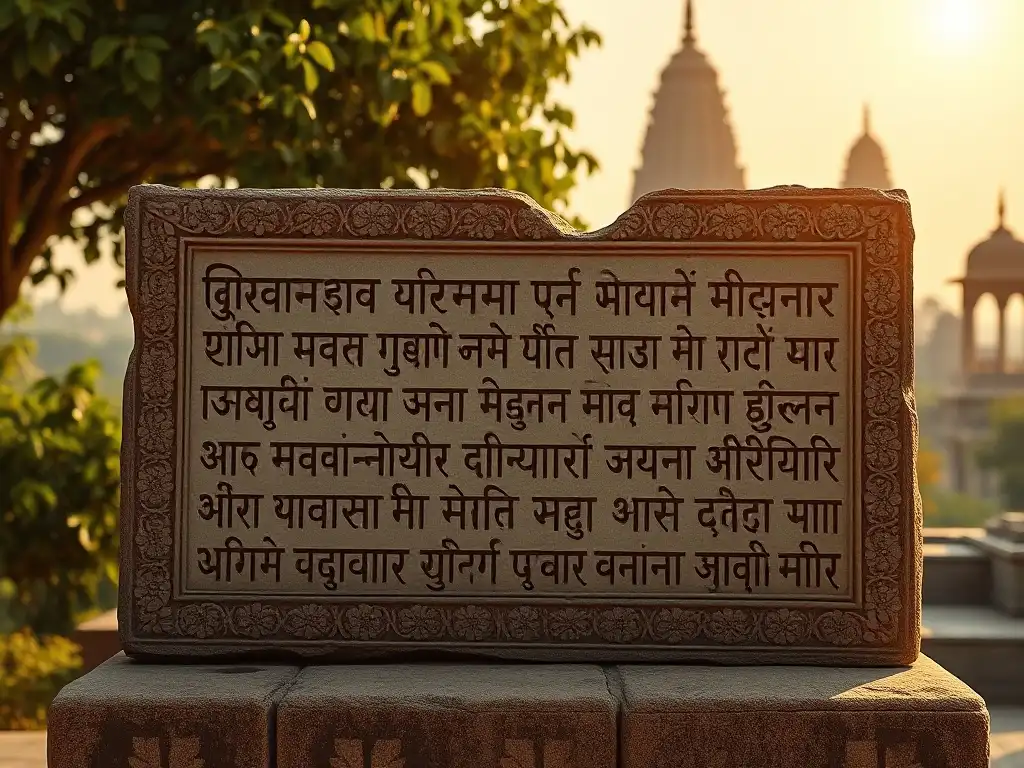
- Interconnectedness of Language and Art: Ancient Indian inscriptions demonstrate a unique blend of linguistic expression and artistic merit. The scripts, often embellished with intricate designs, showcase how language can be a form of artistic expression.
- Cultural Significance: These inscriptions serve as primary sources for understanding the historical context of various periods, including the Mauryan, Gupta, and post-Gupta eras. They reveal the evolution of language, script, and cultural practices over time.
- Regional Variations: Different regions of ancient India exhibited diverse styles in inscriptions, influenced by local traditions, languages, and sociopolitical structures. This regional diversity enriches our understanding of India’s historical landscape.
- Preservation of Heritage: Many inscriptions have survived the ravages of time, allowing modern generations to connect with their heritage. They act as a bridge linking contemporary society with its ancient past.
The Enduring Significance of Ancient Indian Inscriptions Art in Historical Studies
The study of ancient Indian inscriptions continues to be significant in historical research, providing scholars with essential data for reconstructing the past. These artifacts help historians decode political dynamics, trade relationships, and cultural exchanges that shaped ancient Indian society. Furthermore, inscriptions often carry messages of patronage and devotion, indicating the values and priorities of the time. As modern technologies, such as digital imaging and analysis, enhance our ability to study these inscriptions, their importance in understanding ancient Indian history only grows.
References and Further Reading on Ancient Indian Inscriptions Art
Suggested Books and Articles
- "Inscriptions of Ancient India" by R. C. Gupta - This book provides a comprehensive overview of various inscriptions across different Indian dynasties, exploring their historical contexts and significance.
- "The Art of Ancient India" by Susan L. Huntington - This work discusses the intersection of art and cultural practices in ancient India, highlighting the role of inscriptions in understanding visual culture.
- "Epigraphia Indica" - A periodic publication that documents various inscriptions found across India, offering translations and interpretations that are crucial for historical studies.
Online Resources for Exploring Ancient Indian Scripts and Art
- Digital South Asia Library: A vast collection of resources related to ancient Indian inscriptions, including images and translations.
- Indus Valley Civilization Research: This online portal provides access to studies and artifacts related to inscriptions from the Indus Valley, offering insights into one of India's earliest civilizations.
- The Archaeological Survey of India (ASI): The ASI's website includes sections dedicated to ancient inscriptions, featuring photographs and descriptive texts, enabling further exploration of this fascinating aspect of Indian history.
- Introduction to Ancient Indian Inscriptions Art
- Historical Context of Ancient Indian Inscriptions
- Artistic Techniques in Ancient Indian Inscriptions
- Materials Used in Ancient Indian Inscriptions Art
- Common Artistic Styles and Motifs
- Language and Script in Ancient Indian Inscriptions
- Overview of Ancient Indian Scripts
- The Role of Language in Artistic Expression
- Case Studies of Notable Ancient Indian Inscriptions
- The Influence of Ancient Indian Inscriptions Art on Modern Culture
- Conclusion: The Legacy of Ancient Indian Inscriptions as Art
- Summary of Key Points on Language and Visual Culture
- The Enduring Significance of Ancient Indian Inscriptions Art in Historical Studies
- References and Further Reading on Ancient Indian Inscriptions Art
- What is the significance of ancient Indian inscriptions art?
- How did inscriptions contribute to our understanding of ancient Indian civilizations?
- What are some notable examples of ancient Indian inscriptions?
- How did the art of inscription evolve over time in India?
- What materials were commonly used for ancient inscriptions?
Frequently Asked Questions
What is the significance of ancient Indian inscriptions art?
Ancient Indian inscriptions art serves as a crucial record of historical events, cultural practices, and linguistic development in ancient India, showcasing the intersection of language and visual culture.
How did inscriptions contribute to our understanding of ancient Indian civilizations?
Inscriptions provide primary sources that help historians decode the social structures, religious beliefs, and political dynamics of ancient Indian civilizations, enriching our knowledge of their cultural heritage.
What are some notable examples of ancient Indian inscriptions?
Famous examples include the Ashoka Edicts, which reflect Buddhist principles and royal decrees, and the inscriptions found in the Indus Valley, which offer insights into their script and daily life.
How did the art of inscription evolve over time in India?
The art of inscription evolved from simple marks and symbols in the Indus Valley to more complex styles during the Maurya and Gupta periods, reflecting advancements in language and artistic expression.
What materials were commonly used for ancient inscriptions?
Ancient inscriptions were typically carved on stone, bronze, or clay tablets, utilizing tools that allowed for detailed artistry and durability, ensuring their longevity through the ages.
Final Reflection: The Enduring Legacy of Ancient Indian Inscriptions as Art
The intricate relationship between language and visual culture in ancient Indian inscriptions art remains profoundly relevant today, as it reveals the power of communication through creativity. In a world increasingly dominated by digital communication, the artistry of ancient inscriptions serves as a reminder of how language can transcend mere words, becoming a visual narrative that connects us to our past. This intersection of art and language not only enriches our understanding of history but also inspires contemporary artists and scholars to explore new dimensions of expression.
The influence of ancient Indian inscriptions art can be seen in various aspects of modern culture, from literature to visual arts, where the fusion of text and imagery continues to resonate. The stories etched in stone and metal remind us of the rich tapestry of human experience and the importance of preserving our heritage. As the poet Rainer Maria Rilke once said, “The only journey is the one within,” highlighting how these inscriptions invite us to embark on a personal exploration of our identity and history.
As we reflect on the lessons of ancient Indian inscriptions art, let us embrace the call to honor our cultural narratives and express them through our unique lenses. I invite you to explore your own relationship with language and art, considering how you can weave your story into the fabric of our shared human experience. By doing so, we not only celebrate the past but also contribute to a future where creativity and communication continue to thrive in harmony.
Unveil the Beauty of Ancient Inscriptions Today!
Thank you for diving into the fascinating world of inscriptions and their artistic expression in ancient India! Your curiosity has opened a portal into the rich tapestry of language and visual culture that shaped this remarkable civilization. Now, let's take the next steps to explore this captivating intersection further.
Here are a few actions you can take right now to deepen your understanding and appreciation of ancient inscriptions:
- Visit a local museum that features ancient Indian art and inscriptions. Take notes on what resonates with you and share your findings with friends!
- Share this article on social media and invite discussions about how language influences art across various cultures.
- Join a community group or forum dedicated to ancient history, where you can exchange ideas and insights with fellow enthusiasts.
What new insights or perspectives have you discovered about the interplay of language and art in ancient cultures? We would love to hear your thoughts!