
The Spice Trade: How Ancient India Became the World’s Spice Hub

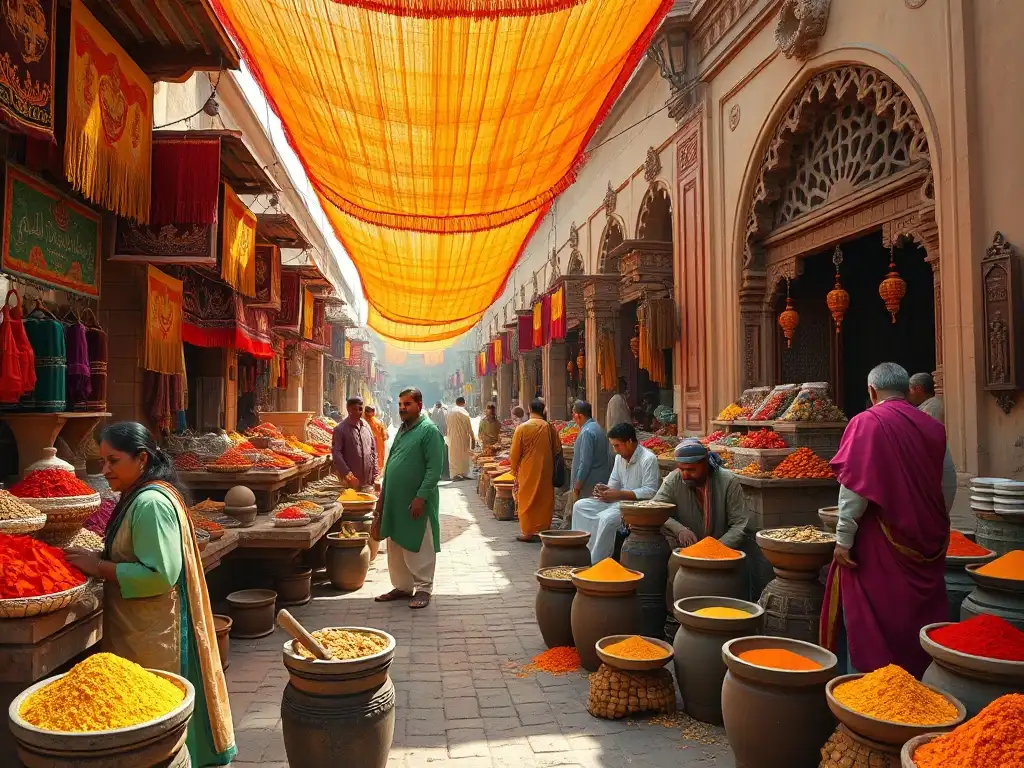
Welcome to Ancient India History, where we invite you to embark on a fascinating journey through the vibrant tapestry of ancient Indian civilizations. Our latest exploration focuses on the spice trade, a crucial thread in the rich narrative of India’s agricultural and economic prowess. Discover how this ancient land became the world’s spice hub, shaping not just its own economy but influencing global trade routes and culinary practices.
What secrets lie within the aromatic spices that once traveled across continents? Join us as we unravel the captivating tales of trade, culture, and innovation that define the essence of Ancient India.
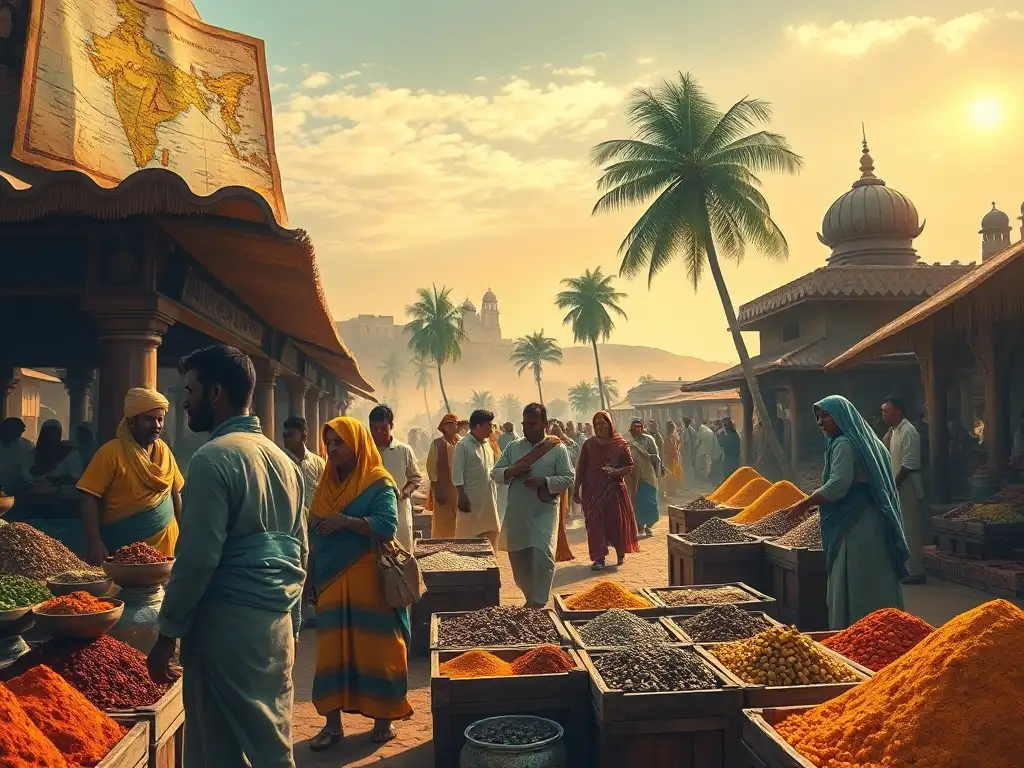
Introduction to Ancient India Spice Trade History
The spice trade in ancient India is not merely a chapter in the annals of history; it is a vibrant testament to the country's rich agricultural practices, cultural exchanges, and economic innovations. From the fragrant fields of black pepper in Kerala to the aromatic cardamom of the Western Ghats, ancient India emerged as a global hub for spices, intertwining its identity with the flavors and aromas that captivated the world.
This article delves into the intricate tapestry of the ancient Indian spice trade, exploring its historical roots, cultural significance, and the key regions that contributed to its flourishing economy. Understanding ancient India’s spice trade history not only highlights the agricultural prowess of its civilizations but also underscores the vital role spices played in fostering trade routes that connected diverse cultures across continents.
Overview of the Spice Trade in Ancient India
The spice trade in ancient India dates back to millennia, with evidence suggesting that it was a significant part of the country’s economy as early as the Indus Valley Civilization (circa 3300–1300 BCE). As one of the earliest civilizations, the Indus Valley people cultivated various spices, which would later become highly sought after in international markets. The demand for Indian spices grew exponentially, facilitated by trade routes that connected India to the Middle East, Europe, and beyond.
- Key Spices of Ancient India:
- Black Pepper: Often referred to as "black gold," it was the most coveted spice in the ancient world.
- Cardamom: Known for its unique flavor, it was used in both culinary and medicinal practices.
- Cinnamon: Valued for its aromatic properties, it played a crucial role in trade.
- Turmeric: Used for its vibrant color and health benefits, turmeric was integral to ancient Indian cuisine.
Spices were not just commodities; they represented a cultural exchange that fostered connections between diverse civilizations. Ancient Indian merchants, alongside their Roman and Arab counterparts, traded spices along the famous Silk Road and maritime routes, facilitating a rich exchange of ideas, technology, and culture.
Importance of Spices in Ancient Indian Culture and Economy
Spices held immense cultural significance in ancient India, permeating various aspects of daily life, from cuisine to religious rituals. They were often associated with wealth and status, and their use was prevalent in both common households and royal kitchens. The socio-economic fabric of ancient Indian society was intricately woven with the cultivation and trade of spices, which contributed to the prosperity of numerous kingdoms.
- Cultural Significance of Spices:
- Culinary Uses: Spices were essential in enhancing the flavors of food, contributing to the diversity of Indian cuisine.
- Medicinal Properties: Many spices were utilized in traditional Indian medicine (Ayurveda) for their healing properties.
- Religious Rituals: Spices were often used in religious ceremonies and offerings, signifying purity and devotion.
The economic impact of the spice trade was profound, as it generated significant wealth for Indian kingdoms and encouraged the development of urban centers. Through trade, India established itself as a formidable economic power, with spices as its primary export.
The Origins of the Spice Trade in Ancient India
Historical Context of Spice Cultivation in India
The origins of spice cultivation in India can be traced back to ancient agricultural practices. The availability of diverse climatic conditions and fertile land allowed for the cultivation of a wide variety of spices. Historical texts, including the works of ancient scholars like Kautilya and the writings of travelers such as Marco Polo, provide insight into the thriving spice trade that characterized ancient India.
- Key Factors Influencing Spice Cultivation:
- Geographical Diversity: The varying climates across India enabled the growth of different spices in specific regions.
- Traditional Knowledge: Ancient farmers utilized indigenous knowledge to cultivate and harvest spices effectively.
- Trade Networks: The establishment of trade routes facilitated the exchange of spices and agricultural techniques.
Key Regions in India Known for Spice Production
Several regions in India became renowned for their spice production, each contributing unique flavors and varieties that would eventually define the Indian spice trade.
- Kerala: Often referred to as the "Spice Garden of India," Kerala is famous for its black pepper, cardamom, and cinnamon.
- Tamil Nadu: Known for its rich agricultural land, Tamil Nadu produced a variety of spices, including turmeric and coriander.
- Karnataka: This region contributed significantly to the production of cardamom and coffee, enhancing India's reputation in the spice trade.
The remarkable diversity of spices produced in these regions not only catered to domestic consumption but also established India as a preeminent player in the global spice market, thus shaping the ancient trade dynamics that continue to influence agricultural practices today.
Major Spices of Ancient India and Their Uses
Ancient India was renowned for its rich variety of spices, which played a pivotal role in trade, cuisine, and medicine. The major spices not only contributed to the flavor and preservation of food but also had significant cultural and economic implications. Here, we explore the most notable spices of ancient India and their diverse applications.
Overview of Popular Spices in Ancient India
-
Black Pepper (Piper nigrum)
Often referred to as the "king of spices," black pepper was highly sought after in ancient times. It was prized for its ability to enhance the flavor of dishes and was commonly used in both Indian and foreign cuisines. Ancient texts indicate that it was also utilized as a preservative.
-
Turmeric (Curcuma longa)
Known for its vibrant yellow color, turmeric was not only a culinary staple but also held sacred significance in many rituals. Its medicinal properties were well-documented, being used for its anti-inflammatory and antiseptic qualities.
-
Cumin (Cuminum cyminum)
Cumin seeds were widely used as a spice in various dishes and were valued for their distinct flavor. Additionally, they were noted for their digestive benefits and were often incorporated into traditional remedies.
-
Cardamom (Elettaria cardamomum)
This aromatic spice was cherished for its sweet and spicy flavor. Cardamom was frequently used in both sweet and savory dishes and was believed to aid digestion and freshen breath.
-
Coriander (Coriandrum sativum)
Both the seeds and leaves of coriander were utilized in cooking. The seeds provided a warm, nutty flavor, while the leaves added freshness to dishes. Coriander was also recognized for its medicinal properties, including aiding digestion and combating infections.
Culinary and Medicinal Uses of Spices in Ancient India
The culinary landscape of ancient India was profoundly enriched by its spices. Each spice brought unique flavors and health benefits, making them integral to both everyday cooking and ceremonial practices.
- Flavor Enhancement: Spices were essential for flavoring various dishes, from curries to rice preparations. They were used to create complex flavor profiles that defined regional cuisines.
- Preservation: Spices like black pepper and turmeric were critical in food preservation, helping to prolong the shelf life of perishable items through their antimicrobial properties.
- Medicinal Applications: Ancient Indian texts, particularly Ayurveda, emphasized the health benefits of spices. For example, turmeric was utilized for its anti-inflammatory effects, while cumin was known to aid digestion and alleviate gas.
- Cultural Significance: Spices held spiritual importance, often used in religious rituals and offerings. Their presence in ceremonies underscored their value beyond mere culinary uses.
Trade Routes and Networks of the Ancient Spice Trade
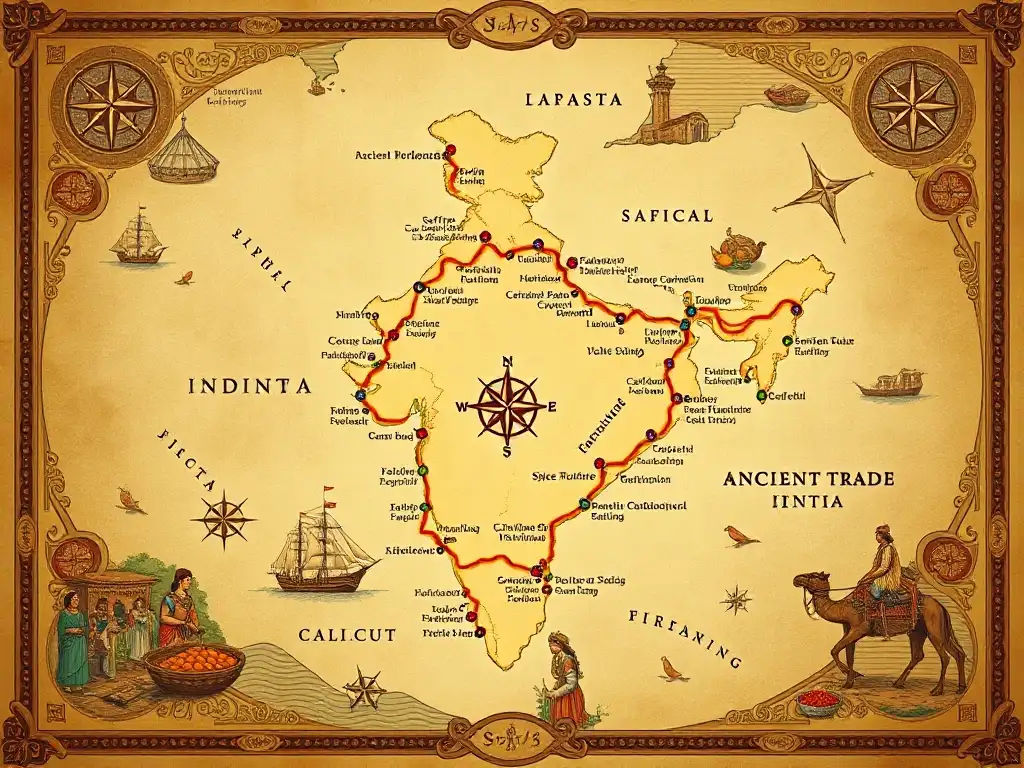
The spice trade in ancient India was not just a local endeavor; it was intricately linked to global networks that facilitated the exchange of goods, culture, and ideas. The establishment of robust trade routes contributed significantly to India becoming the world's spice hub.
Land and Maritime Routes Connecting India to the World
-
Overland Trade Routes
The Silk Road was a crucial overland trade network that connected India to Central Asia and beyond. Caravans transported spices across vast distances, reaching markets in Persia, the Byzantine Empire, and Europe.
-
Maritime Trade Routes
The Indian Ocean trade routes were equally significant. Ships laden with spices set sail from Indian ports like Calicut and Cochin, navigating to distant lands such as Arabia, East Africa, and Southeast Asia. The monsoon winds facilitated these maritime voyages, allowing for efficient trade cycles.
-
Interconnected Markets
Key trading hubs emerged along these routes, including ports in the Arabian Peninsula and coastal towns in Africa. These locations became bustling marketplaces where Indian spices were exchanged for gold, silver, and other valuable commodities.
Key Trade Partners and Their Influence on Indian Spice Trade
The ancient spice trade was characterized by partnerships with various civilizations, each contributing to the dynamics of spice commerce.
- Arab Traders: Arab merchants played a vital role in the spice trade, acting as intermediaries between India and Europe. They transported Indian spices to Mediterranean markets, significantly influencing European culinary practices.
- Chinese Merchants: The demand for Indian spices in China led to exchanges that enriched both cultures. Spices like black pepper were highly sought after, and this trade fostered long-standing relationships between Indian and Chinese traders.
- Roman Empire: The Romans were avid consumers of spices, particularly black pepper and cardamom. Their insatiable demand for these spices drove trade routes and established India as a crucial supplier in the empire.
- Southeast Asian Kingdoms: Trade with regions such as the Malay Archipelago and the Spice Islands further expanded the reach of Indian spices, introducing them to new markets and cultures.
Through these elaborate trade networks and partnerships, ancient India solidified its position as the world's spice hub, laying the foundation for a thriving economy and rich culinary heritage that continues to resonate today.
Economic Impact of the Spice Trade on Ancient India
The spice trade played a crucial role in shaping the ancient Indian economy. With its vast array of spices—ranging from black pepper and cardamom to turmeric and saffron—India became a focal point of trade routes that connected the East and West. This not only enriched the local markets but also established India as a leading supplier of spices in the ancient world.
The economic impact of the spice trade can be seen in various dimensions, including increased agricultural productivity, the establishment of trade networks, and the rise of merchant classes. Spices were highly valued commodities, often used as currency in trade, which elevated their importance in the economic fabric of ancient India.
The Role of Spices in Ancient Indian Economy
Spices were integral to the ancient Indian economy, serving multiple purposes beyond culinary uses. They were utilized in medicinal practices, religious rituals, and even as preservatives. The high demand for spices both domestically and internationally created lucrative markets.
Farmers began to focus on spice cultivation, leading to innovations in agricultural techniques and practices. The cultivation of spices like pepper, ginger, and cloves not only diversified the agricultural landscape but also increased the overall productivity of farms. This focus on spices attracted traders from regions as distant as Rome and Southeast Asia, further embedding India in global trade networks.
How the Spice Trade Contributed to Urbanization and Wealth
The burgeoning spice trade catalyzed urbanization in ancient India. Towns and cities such as Kochi, Calicut, and Surat emerged as bustling trade hubs. These urban centers became melting pots of culture, commerce, and innovation, attracting not only traders but also artisans, scholars, and laborers seeking opportunities.
Wealth generated from the spice trade led to the construction of grand palaces, temples, and infrastructure development. The influx of foreign traders brought diverse cultural influences, contributing to a rich tapestry of social and economic life. As cities grew, so did the demand for goods and services, fostering a vibrant economy that supported various professions and crafts.
Cultural Exchange Through the Spice Trade
The spice trade facilitated significant cultural exchanges between India and other civilizations. These interactions shaped not only culinary traditions but also influenced social customs, languages, and artistic expressions across regions.
Influence of Foreign Cultures on Indian Spices and Practices
Foreign traders introduced new methods of cultivation, preservation, and culinary uses of spices to Indian farmers. Persian, Arab, and later European influences contributed to evolving spice practices in India. For instance, the introduction of saffron by Persian traders and the adaptation of spices in various regional cuisines enriched local gastronomy.
Moreover, the spice trade acted as a conduit for sharing knowledge on agricultural techniques and trade practices. The resulting fusion of ideas led to innovations that improved the quality and yield of spices, further solidifying India's reputation as the world's spice hub.
The Spread of Indian Spices to Global Markets
Indian spices found their way into global markets, influencing cuisines and trade practices worldwide. The demand for Indian spices in Europe, Africa, and the Middle East transformed global trade routes. Spices like black pepper became so valuable that they were often referred to as "black gold."
As traders exported spices, they also imported foreign goods, creating a two-way exchange that enriched Indian culture. This exchange laid the groundwork for the interconnected world we see today, where the legacy of ancient Indian spice trade continues to resonate in modern culinary practices across various cultures.
Challenges Faced by Ancient Indian Spice Traders

The spice trade in ancient India was not without its challenges. Traders navigated a complex web of geopolitical dynamics, natural obstacles, and socio-economic factors that influenced their ability to transport and sell spices effectively. Understanding these challenges provides a clearer picture of the resilience and ingenuity of ancient Indian traders.
Geopolitical Factors Impacting Spice Trade
Ancient India's spice trade was heavily influenced by the geopolitical landscape of the time. The region was often a crossroads for various empires and cultures, which impacted trade routes and relationships. Key challenges included:
- Territorial Conflicts: Frequent wars and territorial disputes between kingdoms often disrupted trade routes, leading to shortages and increased prices for spices. For instance, the conflicts between the Maurya and the Sunga dynasties affected the stability of trade in the region.
- Piracy and Banditry: Maritime trade routes were susceptible to piracy, which posed significant risks for spice traders. The Indian Ocean was notorious for pirate attacks, necessitating the establishment of protective measures and alliances to secure safe passage.
- Political Alliances and Trade Treaties: The shifting alliances among regional powers could either facilitate or hinder spice trade. For example, favorable treaties with foreign powers like the Greeks or later the Romans helped open new markets for Indian spices, whereas hostile relations could lead to trade embargoes.
Natural Challenges and Their Impact on Spice Production
Natural challenges also played a crucial role in the spice trade. The geography and climate of ancient India affected both the cultivation of spices and the logistics of trading them:
- Monsoon Variability: The Indian monsoon was both a boon and a bane for spice farmers. While the rains were essential for crop growth, unpredictable monsoon patterns could lead to floods or droughts, severely impacting spice yields.
- Geographic Barriers: The diverse landscapes of India, including mountains, rivers, and forests, posed both challenges and advantages for spice cultivation. While certain regions were ideal for specific spices, the difficulty in accessing these areas often limited trade opportunities.
- Pest Infestations and Diseases: The cultivation of spices was vulnerable to pests and diseases, which could devastate crops. Ancient farmers had to adapt their agricultural practices to mitigate these risks, often leading to innovations in farming techniques.
Legacy of Ancient India’s Spice Trade
Ancient India's spice trade has left a lasting legacy that shapes agricultural practices and global markets today. The trade routes established by ancient traders not only facilitated the exchange of spices but also fostered cultural interactions and economic growth.
How Ancient India Spice Trade History Influences Modern Practices
The principles and practices of ancient spice traders continue to inspire modern agricultural and trade techniques. Notable influences include:
- Sustainable Farming: Ancient farmers developed methods that emphasized sustainability, such as crop rotation and companion planting, which modern organic farming practices still utilize.
- Global Culinary Influence: The spices that were once traded across ancient trade routes have become staples in cuisines worldwide. The historical significance of spices like black pepper and cardamom continues to influence culinary trends and preferences today.
- Trade Networks: The complex trade networks established during ancient times laid the groundwork for the global trade systems we see today. These historical connections have fostered a greater appreciation for the origins of spices and their cultural significance.
The Continued Relevance of Indian Spices in Today’s Global Market
Indian spices maintain a prominent position in the global market, reflecting the enduring legacy of ancient trade practices. Several factors underscore their continued relevance:
- Global Demand: The demand for Indian spices has surged in recent years, driven by their health benefits and flavor. Spices like turmeric, cumin, and fenugreek are sought after not just for cooking but also for their medicinal properties.
- Innovative Processing Techniques: Modern processing techniques have enhanced the quality and shelf life of Indian spices, making them more competitive in international markets. Innovations such as vacuum packaging and organic certification have opened new avenues for trade.
- Cultural Heritage: The rich history and cultural significance of Indian spices continue to be celebrated worldwide, enriching culinary traditions and contributing to the global economy. Events like spice festivals and trade exhibitions further promote Indian spices and their historical significance.
The challenges faced by ancient Indian spice traders shaped the development of a robust trade network that has left an indelible mark on both agricultural practices and global markets today.
Conclusion: The Enduring Legacy of the Spice Trade in Ancient India
The spice trade in ancient India not only transformed the economy but also had a profound impact on cultural exchanges, social structures, and global trade networks. Over centuries, Indian spices such as black pepper, cardamom, and saffron became highly sought after commodities, establishing India as a central hub in the global spice trade. This legacy continues to resonate today, as the flavors and practices developed during this era still influence contemporary Indian cuisine and agricultural practices.
The routes established for the spice trade facilitated not just the movement of goods but also ideas, cultures, and technologies, leading to a rich tapestry of interactions among diverse civilizations. The spices were not merely culinary delights; they played critical roles in medicine, religious rituals, and social customs, showcasing their significance beyond mere trade. Furthermore, the economic prosperity generated by the spice trade contributed to the rise and stability of various ancient Indian empires, leaving an indelible mark on their histories.
Today, the knowledge and innovations surrounding spice cultivation and trade from ancient India remain vital. With the growing interest in organic and sustainable agricultural practices, the ancient techniques utilized by Indian farmers can provide valuable insights for modern agriculture, ensuring that the legacy of the spice trade continues to thrive.
Summary of Key Points on Ancient India Spice Trade History
- Origins and Development: The spice trade in ancient India dates back to the Indus Valley Civilization, where spices were cultivated and valued for their flavor, medicinal properties, and preservative qualities.
- Trade Networks: India established extensive trade routes with the Middle East, Europe, and Southeast Asia, facilitating the exchange of spices and other goods. These networks were vital in disseminating culture and technology.
- Cultural Significance: Spices were integral to religious ceremonies, culinary practices, and traditional medicine, highlighting their multifaceted role in society.
- Economic Impact: The demand for Indian spices fueled economic growth, influencing the prosperity of various dynasties, including the Maurya and Gupta Empires.
- Enduring Influence: The legacy of the spice trade is evident in modern Indian cuisine and agricultural practices, showcasing the historical importance of spices in shaping India's identity.
Reflection on the Importance of Spices in India’s Cultural Heritage
Spices have always held a revered place in Indian culture, symbolizing wealth, health, and hospitality. They are essential not only for their flavors but also for their roles in traditional medicine and spiritual practices. The historical significance of spices can be seen in various aspects of life in ancient India, from culinary diversity to the arts.
The use of spices in cooking reflects a deep understanding of flavor and nutrition, which has been passed down through generations. Traditional Ayurvedic practices often incorporate spices for their healing properties, emphasizing a holistic approach to health and wellness that is still prevalent today.
Moreover, spices are intricately woven into the social fabric of India. They are often associated with rituals and celebrations, marking significant life events and festivals. The vibrant spice markets of India, still bustling and lively, echo the same energy and significance they held in ancient times, serving as a testament to the enduring legacy of the spice trade.
Ultimately, the importance of spices in India's cultural heritage extends beyond their culinary uses; they embody a rich history of trade, innovation, and cultural exchange that continues to thrive in modern society. The ancient India spice trade history serves as a reminder of how deeply interconnected our world is and how the flavors of the past continue to shape our present.
- Introduction to Ancient India Spice Trade History
- The Origins of the Spice Trade in Ancient India
- Major Spices of Ancient India and Their Uses
- Trade Routes and Networks of the Ancient Spice Trade
- Economic Impact of the Spice Trade on Ancient India
- Cultural Exchange Through the Spice Trade
- Challenges Faced by Ancient Indian Spice Traders
- Legacy of Ancient India’s Spice Trade
- Conclusion: The Enduring Legacy of the Spice Trade in Ancient India
- What was the significance of the spice trade in ancient India?
- Which spices were primarily traded in ancient India?
- How did the spice trade impact ancient Indian civilizations?
- What routes were used for the spice trade in ancient India?
- How did the spice trade contribute to India's cultural development?
Frequently Asked Questions
What was the significance of the spice trade in ancient India?
The spice trade was crucial for ancient India as it established the region as a global trade hub, connecting it with cultures and economies worldwide.
Which spices were primarily traded in ancient India?
Ancient India was known for its trade of black pepper, cinnamon, cardamom, and turmeric, which were highly sought after in international markets.
How did the spice trade impact ancient Indian civilizations?
The spice trade led to economic prosperity, cultural exchanges, and the spread of Indian influence across Asia and beyond, shaping its rich history.
What routes were used for the spice trade in ancient India?
Spices were transported via land and maritime routes, including the Silk Road and Indian Ocean trade routes, facilitating trade with distant civilizations.
How did the spice trade contribute to India's cultural development?
The spice trade encouraged cultural interactions, leading to a blend of ideas, art, and religions that enriched ancient Indian civilization and its contributions to the world.
Final Reflection: The Enduring Legacy of Ancient India's Spice Trade
The spice trade of ancient India is not just a chapter in history; it is a testament to the power of cultural exchange and economic ingenuity. Today, as we navigate a globalized world, the lessons from this vibrant trade network remind us of the interconnectedness of societies and the profound impact of commerce on cultural identity. The spices that once traveled from the shores of India to distant lands are now symbols of unity and diversity, showcasing how trade can bridge gaps and foster relationships across continents.
The influence of the ancient spice trade continues to resonate in our modern culinary practices and cultural exchanges. From the aromatic curries that grace our tables to the fusion cuisines that celebrate diversity, the legacy of this trade is woven into the fabric of our daily lives. As historian John Keay aptly noted, The spice trade was not merely about commodities; it was about the ideas and cultures that traveled alongside them.
This observation underscores the importance of recognizing the historical significance of trade routes that shaped civilizations and fostered mutual respect among different cultures.
As we reflect on the rich history of the spice trade, let us embrace the spirit of curiosity and exploration that defined ancient India. I invite you to consider how you can cultivate your own connections through the sharing of food, culture, and ideas. Whether it’s experimenting with spices in your cooking or engaging with diverse communities, each small action contributes to a broader narrative of unity and understanding. By honoring the past, we can create a future that celebrates the beauty of diversity and the shared human experience.
Unleash Your Curiosity: Dive Deeper into the Spice Trade!
Thank you for exploring the fascinating world of ancient India’s spice trade! You've uncovered the rich history that shaped our culinary landscape and global trade routes. Now, it’s time to take that knowledge and transform it into actions that celebrate this vibrant heritage.
Here’s how you can continue your journey:
- Investigate the spices that originated from India by visiting local markets or specialty spice shops. What unique flavors can you experiment with in your cooking?
- Join a community cooking class focused on Indian cuisine. Engage with others who share this passion and learn skills that bring these ancient recipes to life!
- Share your discoveries or a delicious dish inspired by what you’ve learned on social media. Connect with fellow enthusiasts and inspire others!
What spice has captured your imagination the most, and how will you incorporate it into your life? Let's keep the conversation going!