
The Art of Terracing: How Ancient Farmers Maximized Arable Land

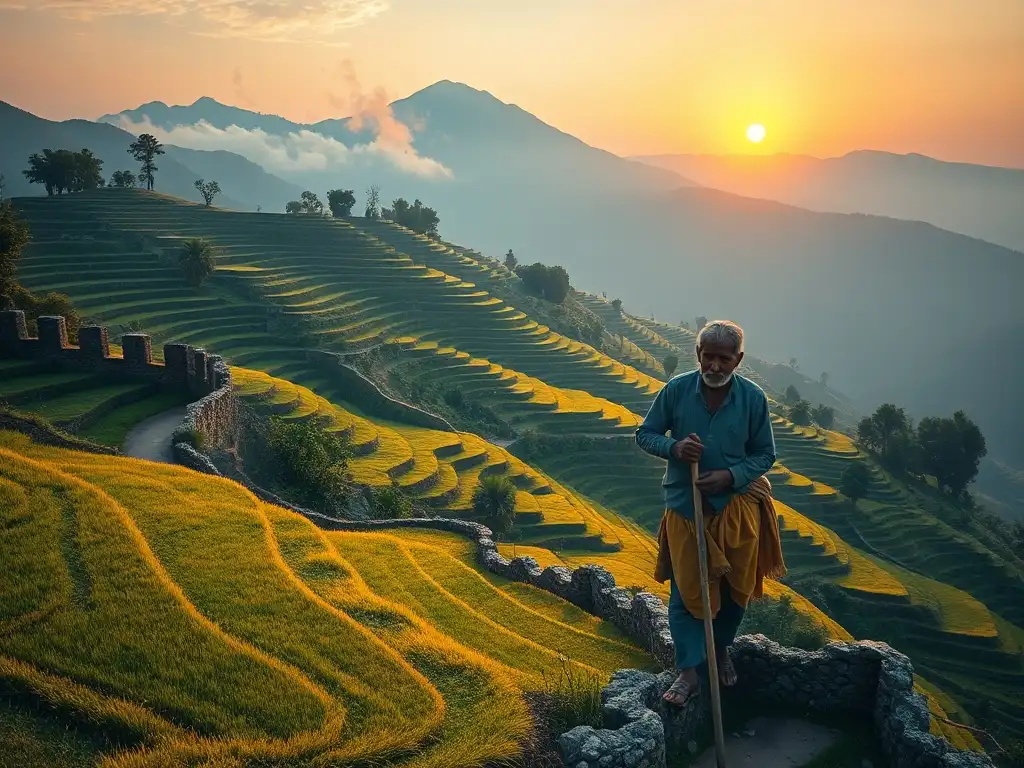
Welcome to Ancient India History, where we embark on a captivating journey through the rich tapestry of India’s past. Here, we delve into the remarkable ancient Indian farming techniques that laid the foundation for agricultural innovation. Our featured article, The Art of Terracing: How Ancient Farmers Maximized Arable Land, uncovers the ingenious methods employed by early civilizations to optimize their resources and sustain their communities.
Are you ready to explore how these ancient practices not only shaped the economy but also influenced the culture of the time? Dive in and discover the secrets behind the agricultural prowess of ancient India!
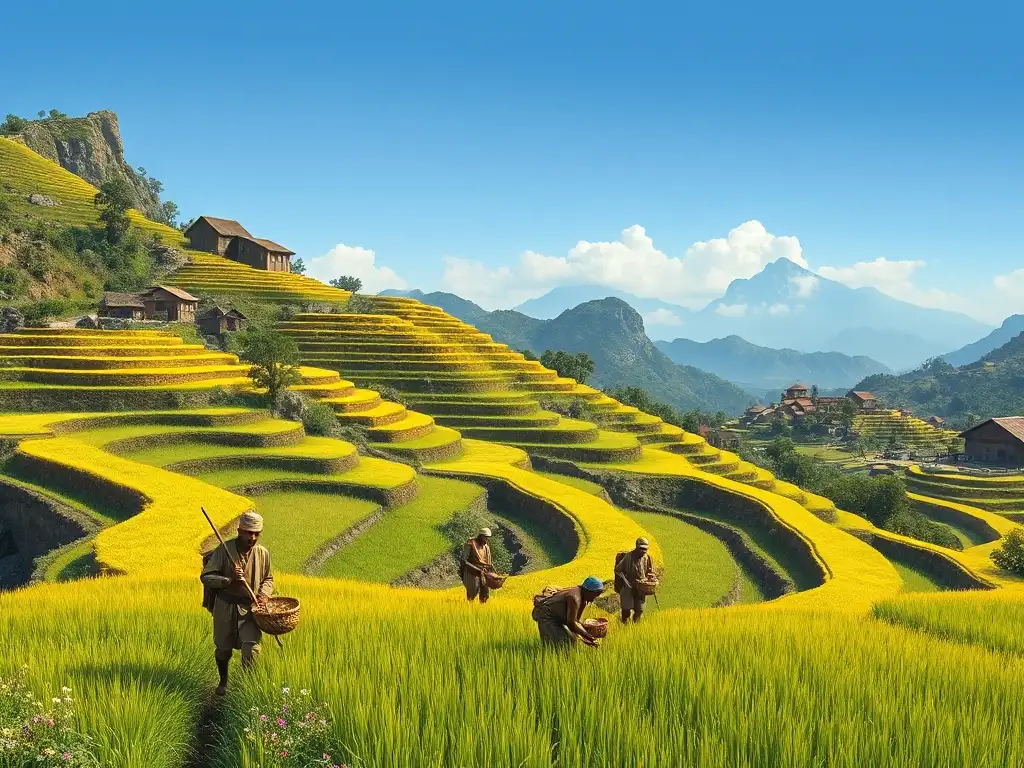
Introduction to Ancient Indian Farming Techniques
The ancient Indian civilization is renowned for its innovative agricultural practices that significantly contributed to food security and societal development. Among these techniques, terracing stands out as a remarkable method that allowed farmers to cultivate arable land in challenging terrains. This article delves into the art of terracing, exploring how ancient Indian farmers maximized their agricultural potential and adapted to the diverse landscapes of the Indian subcontinent. By examining these ancient farming techniques, we can gain a deeper appreciation for the ingenuity and resilience of our ancestors, as well as the lasting impact of their practices on modern agriculture.
Overview of Agricultural Practices in Ancient India
Agriculture was the backbone of ancient Indian society, providing sustenance and supporting the economy. The farming practices varied greatly depending on the geographical regions, climate, and available resources. Key techniques included:
- Crop Rotation: Farmers practiced rotating different crops to maintain soil fertility.
- Irrigation Systems: Innovative irrigation methods, like canals and wells, were developed to ensure a steady water supply.
- Organic Fertilization: The use of animal manure and compost enriched the soil, promoting healthier crops.
These practices not only optimized yields but also demonstrated a sophisticated understanding of ecological balance.
Importance of Terracing in Maximizing Arable Land
Terracing is a technique that involves creating stepped fields on sloped terrain to reduce soil erosion and manage water runoff. This method is vital for several reasons:
- Soil Conservation: By minimizing erosion, terracing maintains the soil's nutrient quality and structure.
- Water Management: Terraced fields allow for better water retention, essential for crops in arid regions.
- Increased Cultivable Area: Farmers could cultivate otherwise unusable steep slopes, significantly expanding arable land.
The strategic implementation of terracing played a crucial role in ensuring the sustainability of agricultural practices in ancient India.
The Historical Context of Terracing in Ancient India
The practice of terracing is deeply rooted in the agricultural history of ancient India, reflecting the ingenuity of early farmers in adapting to their environment. Understanding the historical context provides insight into the evolution of these practices.
Origins of Terracing Practices in Ancient Civilizations
Terracing is believed to have originated in various ancient civilizations around the world, including the Andean cultures and those in Southeast Asia. In India, evidence suggests that terracing was utilized as far back as the Indus Valley Civilization (c. 3300–1300 BCE). Archaeological findings indicate that these early farmers employed sophisticated land management techniques to cultivate crops like wheat and barley on the banks of rivers and in the foothills of mountains.
Key Regions Where Terracing Was Practiced
Terracing was particularly prevalent in specific regions of ancient India, where the topography demanded innovative farming solutions. Notable areas include:
- Himalayan Foothills: Farmers created terraces to cultivate rice, millet, and other crops in the mountainous terrain.
- Western Ghats: The sloped landscapes allowed for the development of terraced fields, which were crucial for cultivating spices and fruits.
- Northeast India: The hilly regions of the Northeast saw the adoption of terracing techniques to maximize agricultural production in a challenging environment.
These regions exemplify the adaptability and ingenuity of ancient Indian farmers, showcasing their ability to transform landscapes into productive agricultural systems.
The art of terracing reflects a rich heritage of ancient Indian farming techniques that not only maximized arable land but also laid the foundation for sustainable agricultural practices that persist today.
Techniques Used in Ancient Indian Terracing
Terracing was a sophisticated agricultural technique employed by ancient Indian farmers to maximize arable land, particularly in hilly or mountainous terrains. The primary technique involved creating flat areas or platforms on sloped land to prevent soil erosion and retain water. Farmers would dig into the hillside, forming steps or levels that could be cultivated.
Ancient Indian terracing often included:
- Contouring: This method involved following the natural contours of the land to design terraces that fit harmoniously with the landscape, thereby reducing runoff and enhancing water retention.
- Bench Terracing: This technique featured wide, flat areas that were ideal for cultivation, often supported by stone walls or embankments to hold the soil in place.
- Keyline Design: Though not widely documented in ancient texts, this principle was likely applied to maximize water distribution across the land, ensuring that all parts of the terrace received adequate moisture.
These methods not only improved agricultural efficiency but also demonstrated an intricate understanding of the environment and sustainable farming practices.
Design and Construction of Terraces
The design and construction of terraces in ancient India were carefully planned and executed, often tailored to the specific topography of the land. Farmers began by selecting a suitable location, which included assessing the slope's angle and soil type.
The construction process typically involved the following steps:
- Site Preparation: Clearing vegetation and debris from the chosen slope to facilitate construction.
- Leveling: Using simple tools such as wooden planks and ropes to ensure that each terrace was level, which was crucial for water retention.
- Building Walls: Constructing retaining walls using stones, mud, or other local materials to prevent soil erosion. These walls helped to stabilize the terraces and create a microclimate that benefitted crops.
- Drainage Systems: Integrating drainage channels to divert excess water, preventing waterlogging and ensuring that the soil remained fertile.
These construction techniques were essential for creating durable and productive agricultural systems that could withstand the test of time.
Tools and Materials Employed in Terracing
Ancient Indian farmers utilized various tools and materials for the successful construction and maintenance of terraces. The choice of tools was often dictated by the available resources and the scale of the farming operation.
Some commonly used tools included:
- Hand Tools: Implements such as hoes, spades, and sickles were essential for tilling the soil and managing crops. These tools allowed farmers to work efficiently on the terraced fields.
- Stone and Earth: Local materials like stones, clay, and mud were frequently used for building retaining walls and creating flat surfaces. The use of these materials not only provided stability but also blended the terraces into the landscape.
- Irrigation Systems: Farmers often developed simple irrigation channels and systems using bamboo or clay to ensure that water was distributed evenly across the terraces.
The ingenuity in utilizing available resources reflects the adaptability and resourcefulness of ancient Indian farmers.
Crop Selection for Terraced Fields
Crop selection for terraced fields was a strategic decision made by ancient Indian farmers, based on several factors such as climate, altitude, and soil type. The goal was to choose crops that would thrive in the specific conditions created by the terraces.
Some key considerations included:
- Diversity of Crops: Farmers often planted a variety of crops to ensure food security and resilience against pests and diseases. Common crops included rice, millet, barley, and various legumes.
- Soil Compatibility: Certain crops were selected based on their compatibility with the soil type and moisture levels of the terraced fields. For example, rice was favored in wetter areas, while millet thrived in drier conditions.
- Seasonal Variations: Farmers took advantage of the diverse microclimates created by the terraces to grow different crops in different seasons, ensuring a continuous supply of food throughout the year.
This thoughtful approach to crop selection optimized the productivity of terraced fields and supported the agricultural economy of ancient India.
Benefits of Terracing in Ancient Agriculture
Terracing provided numerous benefits to ancient Indian agriculture, profoundly impacting farming practices and community resilience. The advantages can be categorized into several key areas:
Soil Conservation and Erosion Control
One of the most significant benefits of terracing was its role in soil conservation and erosion control. By creating flat surfaces on steep slopes, terraces effectively reduced the speed of water runoff, which minimized soil erosion.
- Soil Retention: The design of terraces helped retain soil and nutrients, allowing for more productive farming over time.
- Prevention of Landslides: By stabilizing the soil, terracing decreased the likelihood of landslides, ensuring that farmland remained intact and cultivable.
This proactive approach to land management was crucial for sustaining agricultural practices in challenging environments.
Enhanced Water Management in Terraced Fields
Terracing also significantly improved water management in ancient agricultural systems. The flat surfaces of terraces allowed for better water retention and distribution.
- Rainwater Harvesting: Terraces captured and stored rainwater, reducing the need for irrigation and making farming more sustainable.
- Irrigation Efficiency: The design of terraces facilitated efficient irrigation practices, ensuring that water reached the crops without excessive waste.
These water management techniques were vital for supporting crop growth, especially in regions with variable rainfall patterns.
Increased Crop Yields and Food Security
The combination of soil conservation, effective water management, and strategic crop selection led to increased crop yields in terraced fields.
- Higher Productivity: Farmers could cultivate more land effectively, resulting in a surplus of food production.
- Food Security: The enhanced productivity contributed to greater food security for ancient communities, enabling them to sustain larger populations and support trade.
Overall, the implementation of terracing as an agricultural technique played a crucial role in the development of ancient Indian civilizations, showcasing their ingenuity and adaptability in farming practices.
Challenges Faced by Ancient Farmers
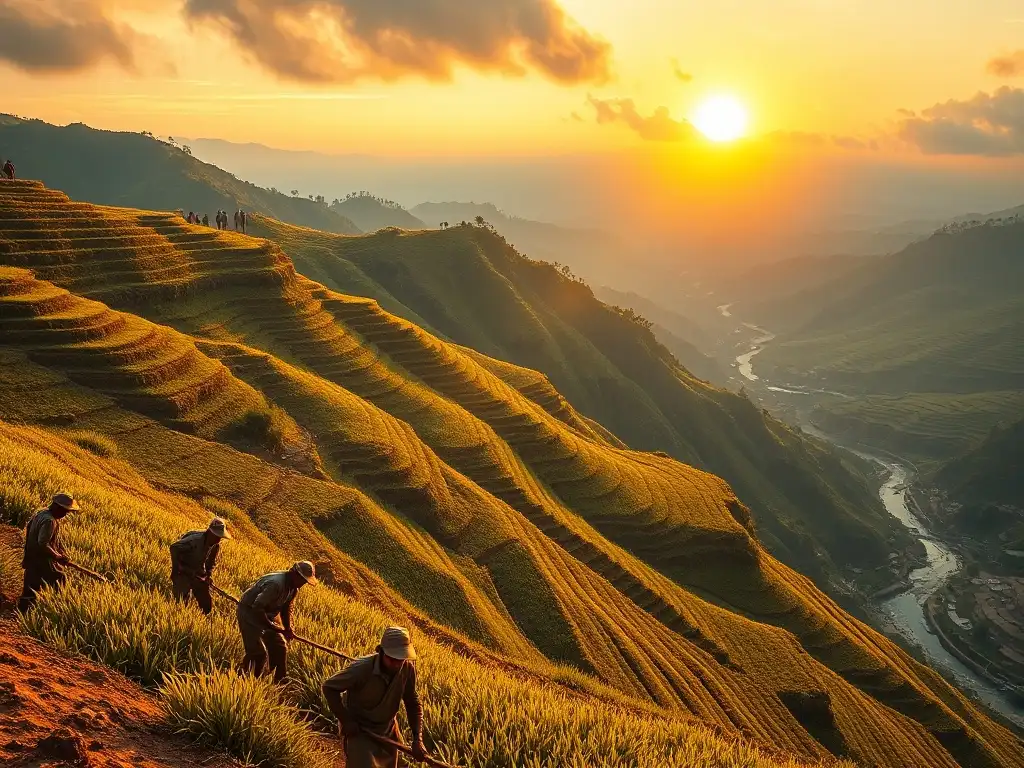
Ancient farmers in India encountered numerous challenges while implementing terracing techniques to maximize arable land. These challenges stemmed from both environmental factors and socioeconomic conditions, which often intertwined to complicate agricultural practices.
Environmental Factors Affecting Terracing
The primary environmental challenges included varying climatic conditions, soil erosion, and water availability. Ancient farmers had to adapt their terracing techniques to suit local geography and climate, which could be unpredictable:
- Climatic Variability: Different regions experienced distinct rainfall patterns, with some areas facing monsoons and others enduring long dry spells. This variability necessitated innovative irrigation methods to capture and retain water within the terraced fields.
- Soil Erosion: The hilly terrains where terracing was common were prone to soil erosion, which could quickly degrade the fertility of the land. Farmers employed methods such as planting vegetation along the terrace edges to stabilize the soil and prevent washouts.
- Water Management: Ensuring a consistent water supply for terraced fields was crucial. Ancient farmers developed intricate systems of channels and ponds to divert and store rainwater, which was essential for sustaining crops throughout the growing season.
These environmental challenges required ancient farmers to be resourceful and adaptable, leading to the development of sophisticated agricultural techniques that reflected their deep understanding of local ecosystems.
Socioeconomic Challenges in Maintaining Terraced Agriculture
In addition to environmental hurdles, socioeconomic factors posed significant challenges to the maintenance of terraced agriculture:
- Labor Intensity: Terracing is labor-intensive, requiring significant human effort for construction and upkeep. This often placed additional burdens on families, particularly in regions where labor resources were limited.
- Social Hierarchies: In some areas, the organization of labor was influenced by social hierarchies that determined who had access to land and resources. This could impact the efficiency of collective efforts needed to maintain terraced fields.
- Economic Pressures: Farmers faced economic constraints, such as fluctuating market prices for crops, which affected their ability to invest in the necessary infrastructure for terracing. In times of drought or poor harvests, the financial strain could lead to the abandonment of terraced fields.
These socioeconomic challenges underscored the complex interplay between agricultural practices and the broader societal context in which ancient farmers operated, influencing the sustainability of terraced agriculture.
Case Studies of Successful Terracing in Ancient India
The application of terracing in ancient India is evidenced by several successful case studies that highlight the ingenuity and adaptability of farmers in overcoming their challenges. These examples illustrate the effectiveness of terracing as an agricultural practice that enhanced productivity and sustainability.
The Terraced Fields of the Himalayas
In the Himalayan region, the ancient practice of terracing is prominently visible in areas like Uttarakhand and Himachal Pradesh. Farmers constructed extensive terraced fields on steep slopes, which allowed them to cultivate a variety of crops such as rice, millet, and barley.
- Innovative Irrigation: The terracing systems utilized rainwater harvesting techniques, with channels directing water from higher elevations to lower fields. This not only conserved water but also reduced soil erosion.
- Biodiversity: The terraced fields supported diverse agricultural practices, encouraging the cultivation of multiple crops within the same space, which contributed to food security and resilience against crop failures.
The success of these terraced fields in the Himalayas illustrates how ancient Indian farmers adapted their techniques to the challenging mountainous terrain and climatic conditions.
Terracing in the Deccan Plateau: A Historical Perspective
The Deccan Plateau, with its undulating landscape, also features notable examples of terracing. Historical records indicate that these terraced fields played a crucial role in supporting ancient civilizations in the region.
- Historical Evidence: Archaeological findings from sites like the ancient city of Vijayanagara reveal sophisticated terracing systems that were essential for rice and wheat cultivation.
- Cultural Practices: The terraced fields were often integrated with traditional practices, including crop rotation and mixed farming, enhancing soil fertility and agricultural output.
The terracing practices in the Deccan Plateau not only facilitated agricultural production but also contributed to the socio-economic prosperity of the regions, allowing ancient communities to thrive amidst environmental challenges.
Through these case studies, we can appreciate the ingenuity of ancient Indian farming techniques, particularly terracing, in maximizing arable land and ensuring the sustainability of agricultural practices across diverse landscapes.
The Influence of Terracing on Modern Agricultural Practices
Terracing, an ancient farming technique, has significantly influenced contemporary agricultural practices by demonstrating how to effectively manage land in diverse terrains. The method involves creating flat areas on sloped land, which helps to reduce soil erosion and maximize the use of arable land. Modern farmers have adopted this technique, particularly in regions with hilly or mountainous landscapes, where traditional plowing methods are not feasible.
The resurgence of interest in sustainable farming has led to a revival of terracing as it is recognized for its environmental benefits. By controlling water runoff and reducing erosion, terracing can enhance soil fertility, leading to better crop yields. Moreover, modern agricultural technologies have integrated this ancient practice with advanced irrigation systems, allowing for increased efficiency and productivity on terraced fields.
In regions like the Himalayas and the Western Ghats, farmers are implementing terracing alongside modern agricultural innovations, blending ancient wisdom with contemporary techniques. This synthesis not only honors the legacy of ancient Indian farming methods but also addresses the challenges posed by climate change and soil degradation.
Lessons from Ancient Indian Farming Techniques
Ancient Indian farming techniques, particularly terracing, offer valuable lessons for today's farmers. One significant lesson is the importance of adapting farming practices to local topography. Ancient Indian farmers demonstrated an understanding of their environment, creating terraces that followed the contours of the land to optimize water retention and minimize soil erosion.
Additionally, these techniques emphasize biodiversity. Ancient farmers often cultivated multiple crops on terraced fields, which not only diversified their food sources but also improved soil health. This polyculture approach is increasingly relevant as modern agricultural practices face scrutiny for their reliance on monoculture and the associated risks of pest outbreaks and soil depletion.
Furthermore, the communal aspect of ancient farming practices teaches us about the importance of collaboration and knowledge-sharing among farmers. In ancient India, collective efforts were often made to construct and maintain terraced fields, fostering a sense of community and shared responsibility that can be instrumental in modern agricultural settings.
Sustainable Agriculture: Applying Ancient Wisdom Today
The principles of sustainable agriculture can greatly benefit from the application of ancient Indian farming techniques, particularly terracing. By implementing terracing in modern agriculture, farmers can create a more resilient farming system that reduces dependency on chemical fertilizers and pesticides. The natural structure of terraces helps in water conservation and soil enrichment, leading to healthier crops and a more sustainable ecosystem.
Moreover, ancient practices of crop rotation and intercropping can be integrated into terraced farming. These methods not only enhance soil fertility but also provide natural pest control, reducing the need for synthetic interventions. By adopting these time-tested techniques, modern farmers can achieve higher productivity while maintaining ecological balance.
The involvement of local communities in sustainable agriculture initiatives can also draw inspiration from ancient practices. Encouraging collaboration among farmers can lead to shared resources, knowledge, and labor, making sustainable practices more feasible and effective. This community-driven approach mirrors the cooperative spirit of ancient Indian farmers who worked together to maximize their land's potential.
Conclusion: The Legacy of Terracing in Ancient Indian Agriculture
The legacy of terracing in ancient Indian agriculture is profound, showcasing how innovative practices can lead to sustainable farming. This technique not only maximized arable land but also established a foundation for agricultural resilience in challenging environments. The careful management of land and water resources through terracing has left an indelible mark on the agricultural landscape of India.
As we look back on these ancient innovations, it becomes clear that the principles of terracing are not just relics of the past but are relevant to contemporary agricultural challenges. The emphasis on sustainability, community involvement, and environmental stewardship that characterized ancient Indian farming offers a roadmap for modern agriculture.
Reflecting on the Importance of Agricultural Innovations
Reflecting on ancient agricultural innovations, such as terracing, highlights the critical role that traditional practices play in informing modern methods. These innovations were born out of necessity and ingenuity, addressing the unique challenges posed by the Indian landscape. Understanding and appreciating this history allows contemporary farmers to harness the wisdom of the past while adapting to present-day circumstances.
Agricultural innovations are vital for food security, environmental sustainability, and economic stability. By integrating lessons learned from ancient techniques like terracing, farmers can develop more sustainable practices that respect the environment and promote biodiversity. This reflection on the importance of agricultural advancements leads to a more holistic view of farming, one that values both tradition and innovation.
The Lasting Impact of Terracing on Contemporary Farming
The lasting impact of terracing on contemporary farming is evident in various regions across India and the world. As modern agriculture faces challenges such as soil erosion, climate change, and increased demand for food, the principles of terracing provide valuable strategies for sustainable land management.
Farmers today are recognizing the need to adapt and innovate, drawing inspiration from ancient practices. The revival of terracing not only contributes to improved soil health and crop productivity but also fosters a deeper connection to the land and local ecosystems. This enduring legacy of terracing serves as a testament to the ingenuity of ancient Indian farmers and their ability to harmonize agriculture with nature.
The art of terracing exemplifies how ancient Indian farming techniques continue to influence modern agricultural practices, offering sustainable solutions for today's challenges. By embracing this legacy, we can cultivate a more resilient and environmentally conscious approach to farming that honors the past while looking toward the future.
- Introduction to Ancient Indian Farming Techniques
- The Historical Context of Terracing in Ancient India
- Techniques Used in Ancient Indian Terracing
- Benefits of Terracing in Ancient Agriculture
- Challenges Faced by Ancient Farmers
- Case Studies of Successful Terracing in Ancient India
- The Influence of Terracing on Modern Agricultural Practices
- Conclusion: The Legacy of Terracing in Ancient Indian Agriculture
Frequently Asked Questions
What are ancient Indian farming techniques?
Ancient Indian farming techniques included terracing, crop rotation, and irrigation systems. These methods were essential for maximizing productivity and adapting to the diverse landscapes of India.
How did terracing benefit ancient Indian farmers?
Terracing allowed farmers to cultivate steep land by creating flat surfaces, which reduced soil erosion and improved water management. This method significantly increased arable land and crop yields.
What crops were primarily cultivated using these techniques?
Ancient Indian farmers primarily grew rice, wheat, and millets. The adoption of diverse farming techniques enabled them to sustain these crops in various climatic conditions.
How did the Gupta Empire influence farming practices?
During the Gupta Empire, advancements in agricultural tools and techniques, including the use of plows and fertilizers, led to a significant increase in agricultural productivity and efficiency.
Are any ancient farming techniques still used today?
Many ancient Indian farming techniques, such as terracing and crop rotation, are still practiced today. These methods are valued for their sustainability and ability to maintain soil health over time.
Final Reflection: Embracing the Wisdom of Ancient Farming Techniques
The exploration of ancient Indian farming techniques, particularly the art of terracing, reveals a profound connection between sustainable practices and the challenges we face today. As we grapple with modern agricultural dilemmas such as soil degradation and climate change, the ingenuity of our ancestors serves as a powerful reminder of the importance of harmony with nature. The terraced fields of ancient farmers not only maximized arable land but also exemplified a holistic approach to farming that is increasingly relevant in our quest for sustainability.
The legacy of terracing and other ancient agricultural practices continues to shape our cultural and social landscapes. These techniques remind us of the resilience and adaptability of communities that thrived in harmony with their environment. As we witness a resurgence of interest in sustainable farming, it is essential to recognize the wisdom embedded in these age-old practices. The greatest danger in times of turbulence is not the turbulence; it is to act with yesterday's logic.
– Peter Drucker. This quote resonates deeply as we reflect on the lessons from ancient farming, urging us to innovate while honoring the past.
As we look to the future, I invite you to reflect on the significance of these ancient techniques in your own life. Consider how you can incorporate sustainable practices into your daily routine, whether through supporting local agriculture, practicing mindful consumption, or even exploring gardening techniques inspired by our ancestors. Let the art of terracing inspire you to cultivate not just land, but also a deeper connection to the earth and a commitment to preserving its resources for generations to come.
Embrace the Art of Terracing Today!
Thank you for diving into the fascinating world of ancient terracing with us! By understanding how these ingenious methods transformed landscapes and maximized arable land, you're now equipped with valuable insights into sustainable farming practices.
Are you ready to put that knowledge into action? Here's how you can get involved:
- Start your own terrace garden: Utilize your backyard or a community space to experiment with terracing. This approach not only helps you grow your own food but also honors time-tested agricultural techniques.
- Join a local farming group: Connect with individuals who share your passion for sustainability. This is a fantastic opportunity to exchange experiences, ideas, and learn from one another!
- Spread the word: Share this article with friends and family to inspire them to appreciate and implement ancient farming methods in their own gardens.
What unique gardening methods have you tried that echo the wisdom of ancient practices? We would love to hear your thoughts and experiences!