
The Ancient Roots of Ayurveda: Understanding Its Foundations


Welcome to Ancient India History, where we embark on a fascinating journey through the rich tapestry of ancient Indian civilizations. Here, we delve into the history of Ayurveda in India, an intriguing exploration of one of the world's oldest systems of medicine that has shaped health practices for millennia. Why did this holistic approach to wellness emerge, and how did it evolve over time? Prepare to uncover the profound connections between ancient traditions and contemporary healing methods as we unravel the ancient roots of Ayurveda. Join us in discovering the wisdom that continues to influence lives today!

Ayurveda, often referred to as the "Science of Life," is a holistic healing system that has its roots deeply embedded in the ancient history of India. This traditional practice not only emphasizes physical health but also encompasses mental and spiritual well-being, making it a comprehensive approach to health that has endured for thousands of years. Understanding the history of Ayurveda in India is crucial as it reflects the cultural, philosophical, and medical advancements of ancient Indian civilizations.
From the early Vedic texts to the pivotal contributions of renowned scholars, Ayurveda encapsulates a wealth of knowledge that continues to influence modern practices today. This article will explore the foundational aspects of Ayurveda, tracing its historical context and significance in ancient India.
Introduction to Ayurveda
Overview of Ayurveda's Importance in Ancient Indian History
Ayurveda is more than just a medical system; it is a way of life that integrates philosophy, spirituality, and health practices. In ancient Indian society, Ayurveda was essential in shaping health and wellness paradigms. The principles of Ayurveda were not only applied to individual health but also influenced community well-being and social practices. The holistic approach of Ayurveda has been instrumental in promoting balance and harmony within the body and with the environment, underscoring its significance in ancient Indian culture.
Definition and Core Principles of Ayurveda
At its core, Ayurveda is based on the belief that health is a balance of the body, mind, and spirit. It defines health as a state of equilibrium among the three doshas (Vata, Pitta, and Kapha), which are the fundamental biological energies that govern physiological functions. Ayurveda emphasizes the importance of individual constitution (Prakriti) and environmental factors, advocating for personalized treatments through diet, lifestyle, and herbal remedies. Key principles include:
- Holistic Approach: Treating the whole person rather than just the symptoms.
- Preventive Care: Focusing on maintaining health and preventing disease.
- Natural Remedies: Utilizing herbs, minerals, and dietary practices to promote health.
Historical Context of Ayurveda in India
The Origins of Ayurveda: Vedic Texts and Early References
The origins of Ayurveda can be traced back to the Vedic texts, which date back to around 1500-500 BCE. These texts contain hymns, rituals, and philosophical concepts that laid the groundwork for Ayurvedic principles. The Rigveda, one of the oldest texts, includes references to medicinal plants and healing practices. Over time, these early references evolved into a more structured system of medicine, establishing Ayurveda as a formal discipline.
Key Texts in Ayurvedic History: Charaka Samhita and Sushruta Samhita
Two of the most significant texts in Ayurvedic literature are the Charaka Samhita and the Sushruta Samhita, composed around 200 BCE to 400 CE.
- Charaka Samhita: This foundational text focuses on internal medicine and emphasizes the importance of diagnosis and treatment based on individual constitution.
- Sushruta Samhita: Often referred to as the "father of surgery," Sushruta's text details surgical techniques and instruments, showcasing the advanced medical knowledge of ancient Indian practitioners.
These texts not only codified Ayurvedic practices but also demonstrated the integration of surgery and pharmacology, underscoring the sophistication of ancient Indian medicine.
Influence of Ancient Indian Civilizations on Ayurveda
The development of Ayurveda was profoundly influenced by various ancient Indian civilizations, including the Indus Valley Civilization and later the Maurya and Gupta Empires. The cultural exchange and advancements during these periods allowed for the amalgamation of knowledge from various disciplines, including agriculture, botany, and philosophy. The emphasis on empirical observation and experimentation in these ancient societies fostered a rich tradition of medical scholarship that laid the foundation for Ayurveda as we know it today.
Through this exploration, we can appreciate the depth and richness of the history of Ayurveda in India, recognizing its role not just as a medical system but as a vital component of India's cultural heritage.
The Philosophical Foundations of Ayurveda
Ayurveda, often referred to as the "Science of Life," is deeply rooted in the philosophical traditions of ancient India. Its foundations are interwoven with various philosophical systems, primarily Samkhya and Yoga, which provide a comprehensive framework for understanding health, disease, and the human experience. The philosophy of Ayurveda emphasizes balance and harmony within the body, mind, and spirit, positing that optimal health results from a balanced interplay of these elements. The ancient texts, such as the Charaka Samhita and Sushruta Samhita, elucidate these philosophical principles, guiding practitioners in their approach to health and wellness.
The holistic nature of Ayurveda is reflected in its understanding of the human being as a microcosm of the universe, suggesting that the same laws governing the cosmos also apply to the individual. This interconnectedness underscores the importance of lifestyle, environment, and mental state in maintaining health, making Ayurveda a comprehensive system that integrates physical, mental, and spiritual well-being.
The Role of Samkhya Philosophy in Ayurvedic Thought
Samkhya philosophy plays a pivotal role in the development of Ayurvedic thought. It categorizes reality into two primary entities: Purusha (consciousness) and Prakriti (matter). This dualistic approach lays the groundwork for understanding the nature of existence and the interplay between the mind and body. In Ayurveda, health is viewed as the state of equilibrium between these two principles, where the individual’s consciousness (Purusha) harmonizes with their physical form (Prakriti).
The Samkhya framework introduces the concept of the three Gunas (qualities) — Sattva (purity), Rajas (activity), and Tamas (inertia) — which influence an individual's mental and physical state. These Gunas inform Ayurvedic diagnosis and treatment, as practitioners assess a person's dominant qualities to tailor interventions that promote balance and health. By integrating Samkhya philosophy, Ayurveda not only addresses physical ailments but also nurtures mental clarity and spiritual well-being.
The Concept of Doshas: Vata, Pitta, and Kapha
Central to Ayurvedic medicine is the concept of Doshas, which are three biological energies believed to govern physiological and psychological functions in the body. The Doshas — Vata, Pitta, and Kapha — represent unique combinations of the five elements (earth, water, fire, air, ether) and are essential for understanding individual constitution and health.
- Vata is associated with air and space, governing movement, circulation, and communication. Its qualities include dryness, lightness, and coldness.
- Pitta, linked to fire and water, oversees digestion, metabolism, and transformation. It is characterized by heat, intensity, and sharpness.
- Kapha embodies earth and water, providing structure, stability, and lubrication. Its attributes include heaviness, solidity, and coolness.
The balance of these Doshas determines an individual's health, temperament, and susceptibility to disease. Ayurvedic practitioners assess Dosha imbalances to create personalized treatments aimed at restoring harmony within the body, thus emphasizing the importance of individualized care in ancient Indian medicine.
Ayurveda and the Five Elements: Earth, Water, Fire, Air, and Ether
The five elements — Earth, Water, Fire, Air, and Ether — form the foundation of Ayurvedic philosophy, providing a framework for understanding the natural world and the human body. Each element corresponds to specific qualities and functions within the body and contributes to the formation of the Doshas.
- Earth (Prithvi) represents stability and structure, influencing Kapha.
- Water (Apas) embodies fluidity and adaptability, affecting both Kapha and Pitta.
- Fire (Tejas) symbolizes transformation and energy, primarily influencing Pitta.
- Air (Vayu) denotes movement and change, predominantly related to Vata.
- Ether (Akasha) signifies space and consciousness, underlying all elements.
In Ayurveda, maintaining a balance among these elements is crucial for health. Imbalances can lead to physical and mental ailments, prompting practitioners to utilize elements in treatments, such as dietary changes, herbal remedies, and lifestyle adjustments, to realign the body with nature.
Ayurveda Practices in Ancient India
Ayurveda's practical applications emerged as comprehensive systems for diagnosis, treatment, and holistic care. Ancient Indian physicians utilized various methodologies to promote health and combat illness, reflecting the rich tradition of Ayurvedic practices that continue to inform modern medicine.
Diagnostic Techniques: Pulse Diagnosis and Observation
Ancient Ayurvedic practitioners employed sophisticated diagnostic techniques, with pulse diagnosis (Nadi Pariksha) being one of the most revered methods. This technique involves the practitioner feeling the patient's pulse at different points on the wrist to assess the balance of the Doshas and overall health status. Each pulse quality corresponds to specific physical and emotional states, providing insights into the individual's constitution and potential health issues.
Observation (Darshan) also played a crucial role in diagnosis. Practitioners would closely examine the patient's physical appearance, skin condition, tongue, and overall demeanor to gather clues about their health. This multifaceted approach allowed for a comprehensive understanding of the patient's state, guiding tailored treatment plans that addressed both symptoms and underlying causes.
Treatment Modalities: Herbal Remedies, Panchakarma, and Diet
Ayurveda encompasses a variety of treatment modalities, each designed to restore balance and promote healing. Herbal remedies, derived from a vast array of plants and minerals, form the cornerstone of Ayurvedic therapeutics. These remedies are often formulated into oils, powders, and decoctions, selected based on the individual's Dosha and specific health concerns.
Panchakarma, a detoxification and rejuvenation process, is another essential component of Ayurvedic practice. This comprehensive therapy involves five primary procedures designed to cleanse the body of toxins and restore balance. The modalities include:
- Vamana (therapeutic vomiting)
- Virechana (purgation)
- Basti (enema therapy)
- Nasyam (nasal administration)
- Raktamokshana (bloodletting)
Diet plays a crucial role in Ayurveda as well, with particular emphasis on food's qualities, tastes, and effects on the Doshas. Practitioners recommend individualized dietary guidelines to enhance digestion, boost immunity, and support overall well-being.
The Integration of Spirituality and Ayurveda in Ancient Practices
Ayurveda is not merely a system of medicine; it is deeply intertwined with the spiritual and philosophical beliefs of ancient Indian culture. The holistic approach of Ayurveda recognizes the significance of spiritual well-being as integral to achieving optimal health. Ancient texts emphasize that physical health cannot be fully realized without addressing the mental and spiritual dimensions of an individual.
Practices such as meditation, yoga, and mindfulness are often integrated into Ayurvedic treatment plans, promoting a balanced lifestyle that nurtures both body and spirit. The concept of Dharma, or moral duty, is also emphasized in Ayurveda, suggesting that living in accordance with one's purpose and values contributes to overall health and harmony.
Through this integration of spirituality, Ayurveda encourages individuals to pursue not only physical healing but also a deeper understanding of themselves and their connection to the universe, fostering a holistic approach to health that has endured through the ages.
The Evolution of Ayurveda Through Ages
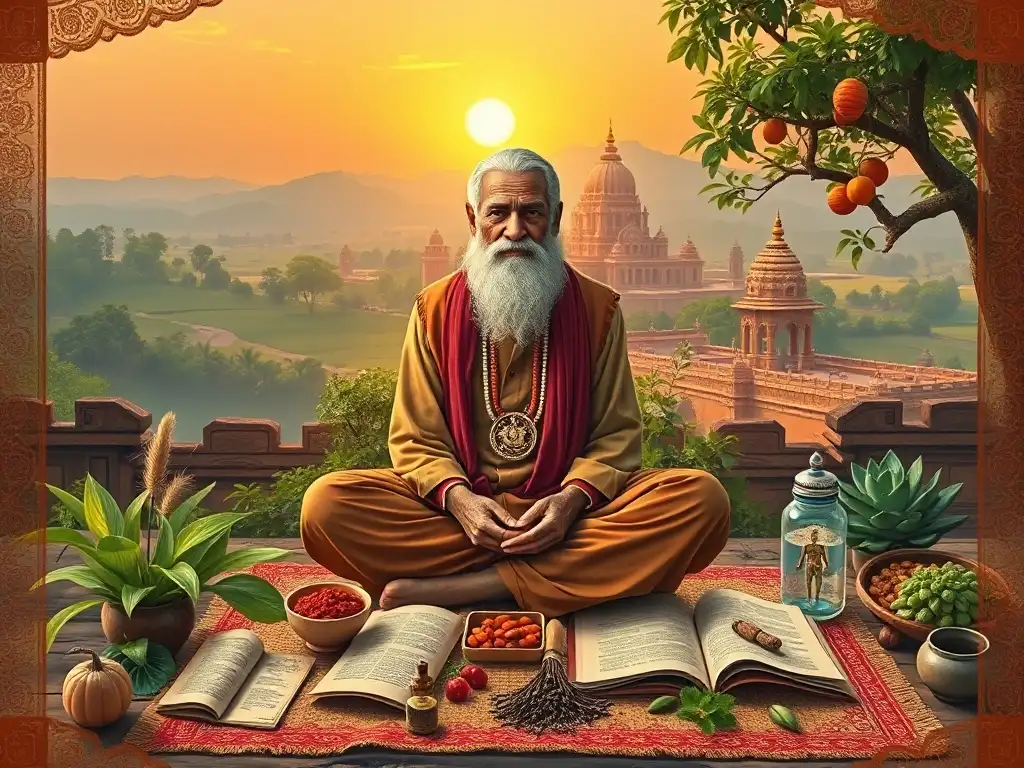
Ayurveda, one of the world's oldest medical systems, has evolved significantly since its inception. Its origins can be traced back to the Vedic texts, particularly the Rigveda, which contains references to health and healing practices. Over time, Ayurveda has assimilated various influences from different cultures, adapting to the changing needs of society. This evolution can be divided into distinct phases, each marked by key developments in theory, practice, and the integration of new knowledge.
The foundational texts of Ayurveda, such as the Charaka Samhita and Sushruta Samhita, were compiled between 600 BCE and 200 CE. These texts laid the groundwork for Ayurvedic principles, including the concepts of doshas (body constitutions), dhatus (tissues), and srotas (channels). As Ayurveda progressed through the medieval period, it absorbed ideas from other systems, including Unani and Siddha medicine, leading to a rich tapestry of practices that reflected the cultural diversity of India.
With the arrival of Islamic influences and later European colonialism, Ayurvedic practices faced challenges and underwent transformations. However, the resilience of this ancient system allowed it to maintain its core principles while adapting to contemporary medical paradigms. Today, Ayurveda is not only recognized for its historical significance but also for its holistic approach to health and wellness.
Transition from Ancient to Medieval Ayurveda: Influences and Adaptations
The transition from ancient to medieval Ayurveda marked a significant period of transformation fueled by various external influences. During the medieval era, Ayurveda began to integrate elements from other medical traditions, particularly those arising from interactions with Islamic scholars. This period saw the introduction of new herbal remedies, surgical techniques, and diagnostic methods that enriched the Ayurvedic tradition.
One notable influence was the incorporation of Arabic medicinal practices, which emphasized the importance of clinical observation and the use of specific pharmacological preparations. This integration led to a more systematic approach to treatment, allowing practitioners to refine their methodologies. Additionally, the translation of key Ayurvedic texts into Persian and Arabic facilitated the cross-pollination of ideas, making Ayurvedic knowledge accessible to a broader audience.
The medieval period also witnessed the establishment of hospitals and universities, where Ayurveda was taught alongside other medical systems. This institutionalization helped preserve Ayurvedic knowledge and fostered a spirit of inquiry, leading to further advancements in the field. The adaptations made during this time laid the foundation for the continued evolution of Ayurveda, ensuring its relevance in the face of changing societal needs.
The Role of Ayurveda During the Gupta Empire
The Gupta Empire, often referred to as the "Golden Age" of India, played a pivotal role in the advancement of Ayurveda. During this period, which spanned from approximately 320 to 550 CE, there was a flourishing of arts, sciences, and medicine. Ayurveda received significant patronage from royal families and wealthy individuals, leading to the development of comprehensive medical texts and practices.
The synthesis of knowledge during the Gupta era is exemplified by the work of prominent scholars such as Charaka and Sushruta. Charaka's emphasis on preventive care and holistic well-being resonated with Gupta society's values, while Sushruta's contributions to surgery and anatomy were groundbreaking. The Gupta period also saw the formalization of Ayurvedic education, with institutions dedicated to training practitioners in both theory and practice.
Moreover, the Gupta Empire facilitated the spread of Ayurvedic knowledge beyond India, influencing neighboring regions and contributing to a broader understanding of medical practices in Asia. The Gupta era's contributions to Ayurveda not only solidified its foundations but also ensured its survival and adaptation through subsequent historical periods.
Preservation and Transmission of Ayurvedic Knowledge
The preservation and transmission of Ayurvedic knowledge have been crucial to its survival through centuries of change. Ancient texts were meticulously copied and disseminated by scholars, ensuring the continuity of Ayurvedic practices. Monastic institutions played a significant role in this process, serving as centers of learning where manuscripts were preserved and studied.
Additionally, oral traditions contributed to the transmission of knowledge, with experienced practitioners passing down their insights to apprentices. This mentorship model ensured that practical skills and theoretical understanding were shared across generations. The establishment of schools and universities during various periods further formalized this transmission, creating structured environments for learning.
The advent of printing technology in the modern era revolutionized the dissemination of Ayurvedic texts, making them accessible to a wider audience. Today, efforts to digitize ancient manuscripts are underway, ensuring that this invaluable knowledge is safeguarded for future generations. The commitment to preserving and transmitting Ayurvedic wisdom reflects its enduring significance in the landscape of global medicine.
The Modern Relevance of Ancient Ayurvedic Practices
In contemporary society, the relevance of ancient Ayurvedic practices has gained renewed attention as people seek holistic approaches to health. Ayurveda's emphasis on balance—between mind, body, and spirit—resonates with modern wellness philosophies that prioritize preventive care and individualized treatment.
As more individuals turn to natural remedies and lifestyle changes, Ayurveda offers a comprehensive framework that integrates diet, herbal medicine, yoga, and meditation. This holistic perspective aligns with growing public interest in sustainable health practices that promote overall well-being rather than merely treating symptoms.
Furthermore, research into Ayurvedic principles has begun to validate its practices through scientific studies, establishing a bridge between ancient wisdom and modern medicine. This convergence is fostering a broader acceptance of Ayurvedic methods in mainstream health discussions.
Revival of Interest in Ayurveda in Contemporary Times
The revival of interest in Ayurveda in recent decades can be attributed to various factors, including globalization and increased awareness of alternative medicine. As individuals explore diverse health paradigms, Ayurveda has emerged as a compelling option due to its rich history and holistic approach to health.
This resurgence is evident in the proliferation of Ayurvedic clinics, wellness retreats, and educational programs around the world. Modern practitioners are not only sharing traditional practices but also adapting them to meet contemporary health challenges. The integration of Ayurvedic principles into lifestyle choices, such as nutrition and stress management, has empowered individuals to take charge of their health.
Moreover, the growing emphasis on natural and organic products has led to a rise in Ayurvedic herbal formulations. Consumers are increasingly seeking out these remedies, recognizing their potential benefits without the side effects often associated with synthetic drugs. This trend reflects a broader cultural shift toward embracing holistic health and wellness.
The Impact of Ayurveda on Modern Medicine
Ayurveda's impact on modern medicine is becoming increasingly evident as healthcare professionals recognize its potential contributions. Elements of Ayurvedic philosophy, such as the importance of patient-centered care and the consideration of individual constitution, are being integrated into contemporary medical practices.
Research into Ayurvedic herbs and treatments has led to a growing body of evidence supporting their efficacy. For example, turmeric, a staple in Ayurvedic medicine, has gained recognition for its anti-inflammatory properties and is now widely used in both traditional and modern therapeutic contexts.
Additionally, Ayurveda's focus on preventive care aligns with the current shift in medicine toward proactive health management. By emphasizing lifestyle modifications and natural remedies, Ayurveda complements conventional medical practices, offering a more comprehensive approach to health that addresses the root causes of illness.
Integration of Traditional and Modern Health Practices
The integration of traditional Ayurvedic practices with modern health frameworks represents a promising avenue for enhancing patient care. As healthcare systems evolve, there is a growing recognition of the need for a more holistic approach that embraces various medical traditions.
Collaborative efforts between Ayurvedic practitioners and conventional healthcare providers are paving the way for integrative medicine models. Such partnerships allow for a more comprehensive understanding of health, where patients can benefit from the strengths of both systems. For instance, combining Ayurvedic dietary recommendations with conventional medical treatments can enhance overall treatment outcomes.
Furthermore, educational programs that teach healthcare professionals about Ayurveda are emerging, fostering mutual respect and understanding between different medical traditions. This integration not only enriches the healthcare landscape but also empowers patients to make informed choices about their health.
The evolution of Ayurveda, from its ancient roots to its modern relevance, highlights its resilience and adaptability. As interest in holistic health continues to grow, Ayurveda remains a vital part of the global conversation on health and wellness, bridging the gap between ancient wisdom and contemporary medical practices.
Conclusion
The journey of Ayurveda, deeply embedded in the cultural and medical fabric of ancient India, offers a profound understanding of holistic health practices that have stood the test of time. By exploring the historical significance of Ayurveda, we uncover a rich tapestry woven with the threads of philosophy, spirituality, and empirical observation. This ancient system of medicine not only provides insight into the health practices of early Indian civilizations but also serves as a bridge connecting past wisdom with contemporary health paradigms.
As we reflect on the contributions of Ayurveda, it becomes evident that its principles of balance, prevention, and natural remedies continue to resonate in today's wellness movements. The historical context of Ayurveda highlights its foundational role in shaping health practices in India and beyond, affirming its relevance in both historical and modern narratives.
Summarizing the Historical Significance of Ayurveda in India
Ayurveda's historical significance in India is immense and multifaceted. Originating over 3,000 years ago, it represents one of the oldest medical systems in the world. The earliest references to Ayurveda can be traced back to the Vedic texts, particularly the Atharva Veda, which discusses various healing practices and the importance of herbal medicine. This ancient knowledge was later codified in texts like the Charaka Samhita and the Sushruta Samhita, which laid the groundwork for Ayurvedic practices and surgical techniques.
The integration of Ayurveda into Indian culture reflects a holistic approach to health that emphasizes balance among body, mind, and spirit. This perspective is further supported by the philosophical underpinnings of Ayurveda, which are deeply rooted in concepts such as the five elements (Pancha Mahabhuta) and the three doshas (Vata, Pitta, and Kapha). These concepts have influenced not only medical practices but also lifestyle choices, dietary recommendations, and daily routines in ancient Indian societies.
Moreover, the historical significance of Ayurveda extends beyond India, influencing medical practices in neighboring regions and contributing to the development of various traditional healing systems worldwide. Its enduring legacy is a testament to the profound understanding of health and wellness that ancient Indian civilizations possessed, making Ayurveda an integral aspect of global medical heritage.
Future Perspectives on Ayurveda and Its Ancient Roots
As we look to the future, the potential of Ayurveda in contemporary healthcare systems is promising. The growing global interest in holistic and alternative medicine presents an opportunity to re-evaluate and integrate Ayurvedic principles into modern health practices. This integration could lead to a more comprehensive understanding of health that includes preventive care and natural remedies, aligning with the increasing demand for personalized medicine.
Research into Ayurveda's efficacy is also gaining traction, with scientific studies exploring its approaches to managing chronic illnesses, promoting wellness, and enhancing quality of life. The collaboration between Ayurvedic practitioners and modern healthcare professionals has the potential to create synergies that benefit patients by combining the strengths of both systems.
Furthermore, as the world faces challenges such as stress, environmental changes, and lifestyle-related diseases, the ancient wisdom of Ayurveda offers relevant strategies for maintaining health and well-being. The emphasis on individualized care and the use of natural resources could serve as a blueprint for sustainable healthcare practices in the future.
The future of Ayurveda is bright, with its ancient roots providing the wisdom needed to navigate contemporary health challenges. By honoring its historical significance and embracing its holistic principles, Ayurveda can continue to thrive and contribute meaningfully to the global conversation on health and wellness.
- Introduction to Ayurveda
- Historical Context of Ayurveda in India
- The Philosophical Foundations of Ayurveda
- Ayurveda Practices in Ancient India
- The Evolution of Ayurveda Through Ages
- The Modern Relevance of Ancient Ayurvedic Practices
- Conclusion
Frequently Asked Questions
What is Ayurveda and its significance in ancient India?
Ayurveda is a traditional system of medicine that originated in ancient India, focusing on the balance of mind, body, and spirit. It plays a crucial role in the healthcare practices and cultural heritage of India.
How did the Indus Valley Civilization contribute to Ayurveda?
The Indus Valley Civilization laid the groundwork for Ayurveda through early practices related to medicine and health. Archaeological findings indicate the use of medicinal plants and advanced sanitation practices that influenced Ayurvedic principles.
What are the key texts associated with Ayurveda?
Key texts such as the Charaka Samhita and the Sushruta Samhita are foundational to Ayurveda, covering various aspects of diagnosis, treatment, and herbal medicine. These texts continue to guide modern Ayurvedic practices.
How did the Gupta Empire influence the development of Ayurveda?
During the Gupta Empire, Ayurveda flourished as a formal system of medicine with significant advancements in surgical techniques and herbal remedies. This period is often referred to as the golden age of Ayurveda.
What role does Ayurveda play in modern Indian culture?
Ayurveda remains an integral part of Indian culture, promoting holistic health and natural healing. Its principles are increasingly being integrated into contemporary wellness practices worldwide, highlighting its timeless relevance.
Final Reflection: Embracing the Timeless Wisdom of Ayurveda
The history of Ayurveda in India is not just a tale of ancient practices but a profound journey that continues to resonate in our modern lives. As we navigate the complexities of contemporary health challenges, the principles of Ayurveda remind us of the importance of balance, harmony, and holistic well-being. In a world increasingly dominated by quick fixes and superficial solutions, the enduring wisdom of Ayurveda stands as a beacon, urging us to reconnect with our roots and prioritize our overall health.
The influence of Ayurveda extends far beyond its historical context; it has woven itself into the fabric of modern wellness culture. Today, more than ever, people are seeking natural and sustainable approaches to health, turning to Ayurveda for guidance in achieving balance in their lives. As we embrace this ancient knowledge, we find that it offers not just remedies but a way of life that emphasizes prevention and self-awareness. The greatest wealth is health.
– Virgil. This timeless quote encapsulates the essence of Ayurveda, reminding us that true prosperity lies in our well-being.
As you reflect on the teachings of Ayurveda, consider how you can integrate its principles into your daily routine. Take a moment to assess your own lifestyle: Are you nurturing your body, mind, and spirit in a balanced way? Embrace the call to action by exploring Ayurvedic practices that resonate with you, whether it’s through mindful eating, herbal remedies, or meditation. By honoring the ancient roots of Ayurveda, you not only enrich your own life but also contribute to a collective movement towards holistic health and wellness.
Embark on Your Ayurvedic Journey Today!
Thank you for taking the time to explore the fascinating world of Ayurveda with us! We hope you’ve gained valuable insights into its ancient roots and the holistic approach to well-being it offers. Now, it’s time to put this knowledge into practice and integrate these timeless principles into your daily life.
Here are a few actionable steps to get started:
- Begin your exploration by incorporating Ayurvedic practices into your daily routine. Start your day with a glass of warm lemon water or engage in simple yoga exercises to awaken your mind and body.
- Connect with a community dedicated to Ayurveda, where you can learn and share experiences with others who are passionate about this ancient wisdom.
- Deepen your understanding of Ayurveda by reading insightful books or enrolling in a foundational course that broadens your knowledge of this holistic system.
Are you ready to embrace the transformative power of Ayurveda in your life? What aspect of Ayurveda are you most excited to explore further?