
Understanding the Importance of Ayurvedic Consultation: What to Expect

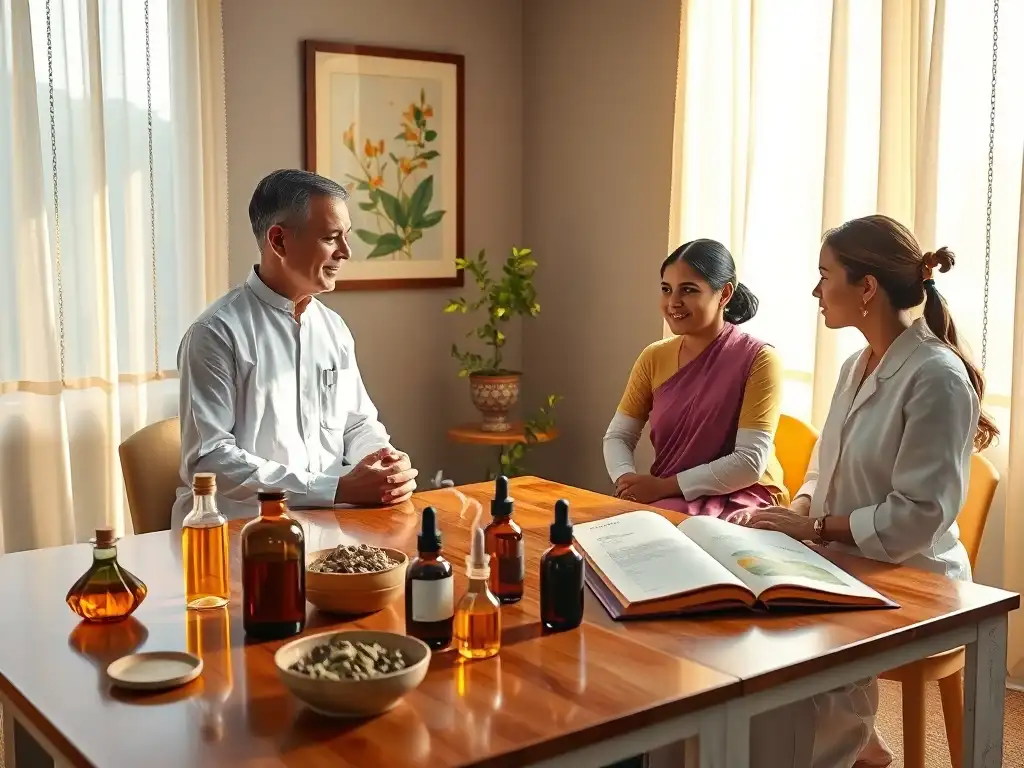
Welcome to Ancient India History, where we embark on a fascinating journey through the rich tapestry of India's past! Delve into the remarkable contributions of ancient civilizations, from the ingenious innovations of the Indus Valley to the profound philosophies of the Gupta Empire. Today, we invite you to unravel the mysteries of Ayurvedic consultation, exploring its myriad benefits and what you can genuinely expect from this time-honored practice.
Prepare to discover how ancient wisdom meets modern understanding, and allow your curiosity to guide you deeper into the world of Ayurvedic healing. Join us as we uncover the secrets that have shaped centuries of wellness and holistic health!
Ayurveda, an ancient system of medicine that originated in India over 3,000 years ago, emphasizes a holistic approach to health and wellness. As a comprehensive health system, Ayurveda encompasses various practices, principles, and philosophies that aim to balance the body, mind, and spirit. Central to this ancient practice is the Ayurvedic consultation, a personalized assessment that serves as the foundation for effective treatment and healing. In this article, we will explore the benefits and expectations associated with Ayurvedic consultations, equipping you with the knowledge to navigate your Ayurvedic journey effectively.
The Essence of Ayurvedic Consultation
The Ayurvedic consultation process is not merely a medical examination; it is a deep dive into an individual's unique constitution, lifestyle, and health history. Practitioners assess various factors, including:
- Prakriti (Constitution): The inherent physical and mental characteristics of an individual.
- Vikriti (Imbalance): Current health issues and imbalances.
- Lifestyle and Diet: Daily habits, dietary preferences, and environmental factors.
This thorough evaluation allows practitioners to create a tailored treatment plan that addresses specific health concerns while promoting overall well-being.
Benefits of Ayurvedic Consultation
Engaging in an Ayurvedic consultation can yield numerous benefits, including:
- Personalized Care: Treatments are customized to fit individual needs, ensuring a more effective healing process.
- Holistic Approach: Ayurveda considers the mind, body, and spirit, leading to comprehensive health improvements.
- Preventive Health: Early identification of imbalances can prevent the onset of diseases, promoting longevity and vitality.
- Natural Remedies: Clients are guided toward herbal therapies, dietary adjustments, and lifestyle changes that foster natural healing.
- Enhanced Well-being: Many individuals report improved mental clarity, emotional balance, and physical health through Ayurvedic practices.
What to Expect During an Ayurvedic Consultation
When attending an Ayurvedic consultation, you can anticipate a multi-faceted approach that may include:
- Detailed Questioning: Expect to share personal health history, dietary habits, and lifestyle choices.
- Physical Assessment: Practitioners may evaluate your pulse, tongue, skin, and other physical attributes to gain insights into your health.
- Guidance and Recommendations: After the assessment, practitioners will provide tailored advice, which may involve dietary changes, herbal supplements, and lifestyle modifications.
- Follow-up Sessions: Regular follow-ups may be recommended to monitor progress and adjust treatment plans as necessary.
Conclusion
Ayurvedic consultations offer a unique opportunity to explore personalized health solutions rooted in ancient wisdom. By understanding the benefits and what to expect, you can embark on a transformative journey toward holistic wellness, embracing the rich heritage of Ayurvedic medicine as you enhance your quality of life.
- The Essence of Ayurvedic Consultation
- Benefits of Ayurvedic Consultation
- What to Expect During an Ayurvedic Consultation
- Conclusion
Introduction to Ayurvedic Consultation

Ayurvedic consultation is a holistic approach to health and wellness that draws from the ancient knowledge of Ayurveda, a system of medicine that originated in India over 5,000 years ago. This consultation process involves a comprehensive assessment of an individual's unique physical, mental, and emotional constitution, known as "Prakriti," to provide personalized recommendations for health improvement and disease prevention.
Definition of Ayurvedic Consultation
Ayurvedic consultation is a personalized assessment that aims to identify imbalances in the body's three doshas: Vata, Pitta, and Kapha. These doshas represent the fundamental energies that govern physiological and psychological functions in the body. During a consultation, an Ayurvedic practitioner evaluates various factors, including:
- Medical history: Understanding past illnesses and treatments.
- Lifestyle factors: Assessing diet, exercise, sleep, and stress management.
- Physical examination: Observing the tongue, pulse, and skin for signs of imbalance.
- Emotional well-being: Discussing mental health and emotional stressors.
The outcome of an Ayurvedic consultation includes tailored recommendations for diet, herbal remedies, lifestyle changes, and therapeutic treatments designed to restore balance and promote overall wellness.
Historical Context of Ayurvedic Practices in Ancient India
The roots of Ayurveda are deeply embedded in ancient Indian civilization, with texts such as the Charaka Samhita and Sushruta Samhita forming the foundational pillars of this medical system. Dating back to around 1500 BCE, these texts compiled observations and practices of ancient healers, offering insights into diagnosis and treatment methods.
- The Vedic Influence: Ayurveda is mentioned extensively in the Vedas, particularly in the Atharva Veda. It emphasizes the connection between health, nature, and spirituality.
- Classical Texts:
- Charaka Samhita: Focuses on internal medicine and the principles of diagnosis.
- Sushruta Samhita: Known for its surgical techniques and anatomical knowledge.
- Cultural Integration: Ayurveda was not just a medical practice but also a way of life, integrating diet, yoga, meditation, and ethical living into daily routines. This holistic approach resonated with the lifestyle of ancient Indians, who valued harmony with nature and the cosmos.
Importance of Ayurveda in Modern Health
In contemporary society, the relevance of Ayurveda continues to grow as individuals seek natural and holistic solutions to health challenges. The Ayurvedic consultation benefits and expectations are increasingly recognized for several reasons:
- Personalization: Unlike conventional medicine, Ayurveda emphasizes individualized treatment plans, considering each person's unique constitution and lifestyle.
- Preventive Care: Ayurvedic practices focus on prevention and maintaining balance, which can lead to improved long-term health outcomes.
- Natural Remedies: The use of herbs, spices, and dietary recommendations offers a safe alternative to synthetic medications, often with fewer side effects.
- Mind-Body Connection: Ayurveda emphasizes the interconnection between mental and physical health, incorporating mindfulness and emotional well-being into treatment.
- Integration with Modern Medicine: Increasingly, healthcare providers are recognizing the benefits of integrating Ayurvedic principles with conventional medical practices, promoting a more comprehensive approach to healthcare.
Ayurvedic consultation not only honors ancient traditions but also offers valuable insights and methodologies that resonate with modern health practices, making it an essential aspect of holistic health care today.
Ayurvedic Consultation Benefits

Holistic Approach to Health and Well-being
Ayurvedic consultations offer a holistic approach to health that goes beyond mere treatment of symptoms. This ancient Indian system of medicine emphasizes the integration of mind, body, and spirit. Practitioners of Ayurveda believe that health is not merely the absence of disease but a state of balance among various physiological systems.
- Mind-Body Connection: Ayurveda recognizes the profound impact of mental health on physical well-being. During a consultation, attention is given to stress management, emotional wellness, and mental clarity. This comprehensive view encourages patients to engage in practices such as meditation and yoga, which can enhance overall health.
- Natural Remedies and Lifestyle Adjustments: Ayurvedic consultants typically recommend natural remedies, including herbal supplements and dietary changes, tailored to individual needs. This approach aims to strengthen the immune system and promote long-term wellness rather than just alleviating immediate symptoms.
- Emphasis on Preventive Care: By focusing on overall well-being, Ayurvedic consultations strive to prevent imbalances before they evolve into serious health issues. This preventive mindset is a core principle of Ayurveda, prioritizing self-care and awareness.
Personalized Treatment Plans Based on Individual Constitution
One of the hallmark features of Ayurvedic consultations is the development of personalized treatment plans that are tailored to an individual’s unique constitution, or "Prakriti." This concept is crucial in Ayurveda, as it recognizes that each person has a distinct combination of the three doshas: Vata, Pitta, and Kapha.
- Assessment of Dosha Imbalance: During the consultation, practitioners assess the patient's physical and mental characteristics to determine their dosha balance. This assessment may involve various diagnostic techniques, including pulse diagnosis and tongue examination.
- Customizing Treatments: Based on the identified dosha and any imbalances, Ayurvedic practitioners create customized treatment plans. These plans may include specific dietary recommendations, lifestyle changes, and herbal formulations aimed at restoring balance.
- Long-term Health Goals: Unlike conventional medicine, which often aims for quick fixes, Ayurvedic consultations focus on long-term health goals. This means that the treatment plans evolve over time, adapting to the changing needs of the individual.
Prevention of Diseases through Early Diagnosis
Ayurvedic consultations play a vital role in the prevention of diseases through early diagnosis and intervention.
- Identifying Imbalances: Practitioners are trained to identify subtle signs of imbalance in the body and mind that may not yet manifest as illness. This early detection allows for timely intervention, which can prevent the development of chronic diseases.
- Educational Component: During consultations, patients are educated about their health conditions and potential risk factors. This empowers individuals to take charge of their health and make informed lifestyle choices that promote wellness.
- Regular Follow-ups: Ongoing consultations are encouraged to monitor progress and adjust treatment plans as necessary. This proactive approach ensures that any emerging issues are addressed promptly, reinforcing the role of Ayurveda as a preventive healthcare system.
Ayurvedic consultation benefits are extensive, encompassing a holistic approach to health, personalized treatment plans, and a focus on disease prevention. By seeking Ayurvedic consultations, individuals can embark on a journey towards improved health and vitality, grounded in ancient wisdom and practices.
Integration of Mind, Body, and Spirit in Healing
Ayurvedic consultation emphasizes a holistic approach to wellness, integrating the mind, body, and spirit to foster optimal health. This triad is fundamental to understanding one’s overall well-being and is a defining characteristic of Ayurveda as a medical system. Each element plays a crucial role in influencing health outcomes, and their interconnectedness is recognized during Ayurvedic consultations.
Mind: The Cognitive Influence
The mind is seen as a powerful entity that can significantly impact physical health. In Ayurveda, mental health is closely linked to emotional balance and cognitive clarity. During an Ayurvedic consultation, practitioners often assess mental states, looking for signs of stress, anxiety, or emotional turmoil. Techniques such as meditation and yoga are recommended to help cultivate a calm mind and enhance mental resilience. This focus on mental well-being aims to alleviate stress-induced ailments, which are increasingly recognized for their role in chronic health conditions.
Body: The Physical Manifestation
The body is the vessel through which we experience life, and its health is of paramount importance in Ayurvedic practice. Ayurvedic consultations include thorough physical assessments, including pulse diagnosis, tongue examination, and lifestyle evaluations. Treatments may involve personalized dietary recommendations, herbal therapies, and detoxification processes, such as Panchakarma. These interventions are designed to restore balance among the body’s doshas (Vata, Pitta, and Kapha), which are the fundamental energies believed to govern physical health.
Spirit: The Essence of Being
The spirit, often referred to as Atman in Ayurvedic philosophy, represents the essence of a person's identity and purpose. Acknowledging the spiritual dimension in health acknowledges that true well-being transcends mere physical health. Ayurvedic consultations often involve discussions about life purpose, personal values, and spiritual practices. The incorporation of rituals, mindfulness, and spiritual exercises can enhance the healing process, promoting a sense of fulfillment and emotional stability. This spiritual integration fosters a deeper connection with oneself and the universe, which is essential for long-term health and happiness.
Conclusion: A Holistic Perspective
The integration of mind, body, and spirit in Ayurvedic consultations reflects a profound understanding of human health. By treating the individual as a whole rather than isolated symptoms, Ayurveda fosters a comprehensive healing journey. This holistic perspective not only addresses immediate health concerns but also cultivates a sustainable lifestyle that promotes overall well-being. As individuals embark on their Ayurvedic journeys, they can expect to discover a more profound sense of balance and harmony in their lives, ultimately leading to enhanced health and vitality.
What to Expect During an Ayurvedic Consultation

Ayurvedic consultations are holistic assessments designed to promote balance and wellness in the individual. When visiting an Ayurvedic practitioner, you can expect a comprehensive approach that dives deep into your personal health, lifestyle, and unique constitution. Here’s a breakdown of what you can anticipate throughout this enlightening process.
Initial Assessment: Understanding Your Body Type (Dosha)
The Ayurvedic consultation begins with a thorough assessment of your body type, known as Dosha. In Ayurveda, there are three primary doshas: Vata, Pitta, and Kapha. Each dosha represents a combination of the five elements (earth, water, fire, air, and ether) and influences your physical and emotional characteristics.
Key Components of Dosha Assessment:
- Observation: The practitioner will observe your physical features such as body shape, skin texture, and hair type.
- Questionnaire: You may be asked to fill out a detailed questionnaire regarding your lifestyle, dietary habits, and emotional tendencies.
- Pulse Diagnosis: A unique technique in Ayurveda where the practitioner assesses your pulse at different locations to determine doshic imbalances.
Understanding your dosha is crucial as it forms the foundation for personalized treatment plans, dietary recommendations, and lifestyle adjustments.
Detailed Health History and Lifestyle Analysis
Following the initial dosha assessment, the practitioner will delve into your health history and lifestyle. This phase is pivotal in recognizing patterns that may contribute to current health issues.
Aspects Covered in Health History:
- Medical History: Discussion of any past illnesses, surgeries, or chronic conditions.
- Family History: Insights into hereditary health issues that may affect you.
- Lifestyle Factors: Examination of sleep patterns, stress levels, work habits, and physical activity routines.
Lifestyle Analysis:
- Dietary Habits: Assessing what you typically eat, how often, and your relationship with food.
- Mental and Emotional Well-being: Exploring your emotional state and coping mechanisms.
- Daily Routines: Understanding your daily schedule, including work-life balance, relaxation practices, and social interactions.
This thorough analysis enables the practitioner to identify root causes of imbalances and tailor recommendations that align with your unique constitution and lifestyle.
Physical Examination Techniques in Ayurveda
Finally, physical examination techniques play a vital role in the Ayurvedic consultation. These techniques provide further insights into your health and help confirm the findings from your health history and dosha assessment.
Common Physical Examination Techniques:
- Tongue Diagnosis: The practitioner will examine the color, shape, and coating of your tongue, which can reveal insights about your digestive health and overall wellness.
- Nail and Skin Analysis: Observing the condition of your nails and skin can provide clues about your internal health.
- Abdominal Examination: Gentle palpation of the abdomen to assess digestive health and organ function.
These techniques, combined with the initial assessments and lifestyle analysis, offer a comprehensive picture of your health, allowing the practitioner to devise a personalized Ayurvedic treatment plan that addresses your specific needs.
An Ayurvedic consultation is a detailed, personalized experience aimed at restoring balance and promoting holistic health. By understanding your dosha, analyzing your lifestyle, and utilizing various physical examination techniques, practitioners can provide tailored recommendations that emphasize Ayurvedic consultation benefits and expectations for achieving optimal well-being.
Recommended Diagnostic Tests and Evaluations
During an Ayurvedic consultation, practitioners often recommend a variety of diagnostic tests and evaluations to gain a comprehensive understanding of an individual's health status. These assessments are crucial for developing a personalized treatment plan that aligns with the principles of Ayurveda. Here are some commonly used diagnostic methods:
-
Pulse Diagnosis (Nadi Pariksha):
One of the hallmark techniques in Ayurveda, pulse diagnosis involves the practitioner feeling the patient's pulse at various points on the wrist. This method helps in assessing the balance of the doshas (Vata, Pitta, and Kapha) and identifying underlying health conditions. By interpreting the qualities of the pulse, the practitioner can glean insights into the patient's physical, emotional, and spiritual health.
-
Tongue Examination (Jihva Pariksha):
The tongue is a reflection of the body's internal state in Ayurveda. Practitioners will examine the color, texture, and coating of the tongue to identify imbalances in the body. For example, a thick coating might indicate toxins, while changes in color can suggest different dosha imbalances.
-
Physical Examination (Sharir Pariksha):
A thorough physical examination is integral to the Ayurvedic diagnostic process. This can include assessing the patient’s body type, skin texture, and overall appearance. Practitioners may also look for any physical signs of imbalance, such as swelling or discoloration, which can provide clues to the underlying health issues.
-
Lifestyle and Dietary Assessment:
Understanding a patient's lifestyle and dietary habits is essential in Ayurveda. Practitioners often conduct detailed interviews to evaluate daily routines, food preferences, sleep patterns, and stress levels. This information helps in identifying the root causes of health issues and in formulating personalized dietary recommendations.
-
Laboratory Tests:
While Ayurveda emphasizes holistic assessments, modern practitioners may also incorporate conventional laboratory tests when necessary. Blood tests, urine tests, and other diagnostic procedures can provide valuable data that complements traditional Ayurvedic evaluations. These tests can help rule out specific medical conditions and ensure a comprehensive approach to treatment.
-
Mental and Emotional Health Evaluation:
Ayurveda recognizes the deep connection between mind and body. Practitioners will often assess mental and emotional health through discussions about stressors, emotional well-being, and mental clarity. This evaluation aids in understanding how emotional factors may contribute to physical ailments.
-
Observational Assessments:
Observing a patient's behavior, interactions, and overall demeanor can provide additional insights into their health. Factors such as energy levels, responsiveness, and mood are all indicative of one's doshic balance and can guide the practitioner in their treatment approach.
Ayurvedic consultations involve a multifaceted approach to diagnostics. By utilizing a combination of traditional techniques and modern assessments, practitioners can develop a holistic understanding of a patient's health, which is essential for effective treatment planning. This thorough evaluation process ensures that individuals receive tailored recommendations that address their unique needs and promote overall well-being.
Common Practices During Ayurvedic Consultation

Ayurvedic consultations are holistic experiences that aim to align the body, mind, and spirit. Understanding the common practices during these consultations can help individuals prepare for their journey towards better health through Ayurveda. The practices typically involve a thorough assessment of the individual’s unique constitution, lifestyle, and health conditions, which leads to personalized recommendations.
Herbal Remedies and Their Role in Treatment
Herbal remedies play a pivotal role in Ayurvedic treatment. During a consultation, practitioners often recommend specific herbs tailored to the individual's dosha (body constitution), imbalances, and ailments. Here are some common herbs and their applications:
- Ashwagandha: Known for its adaptogenic properties, it helps in reducing stress and improving energy levels.
- Turmeric: Renowned for its anti-inflammatory and antioxidant properties, it supports overall health and immune function.
- Brahmi: Often used to enhance cognitive function and support mental clarity.
Practitioners may provide herbal formulations in various forms, including powders, pills, or teas. The selection of herbs is personalized, taking into account factors such as:
- Seasonal variations: Some herbs are more effective during particular seasons.
- Individual health conditions: Chronic issues may require specific herbal interventions.
Dietary Recommendations Tailored to Individual Needs
Diet is a cornerstone of Ayurvedic practice. During an Ayurvedic consultation, the practitioner assesses the individual's dietary habits and health goals to provide tailored recommendations. Key aspects include:
- Food types: Emphasis may be placed on fresh, whole foods that are easy to digest, such as fruits, vegetables, whole grains, and legumes.
- Dosha-specific diets: Each dosha requires a different balance of tastes (sweet, sour, salty, bitter, pungent, and astringent). For instance:
- Vata individuals may be advised to consume warm, moist foods.
- Pitta types could benefit from cooling foods, such as cucumbers and melons.
- Kapha individuals may need lighter, more stimulating foods.
Lifestyle Modifications: Yoga and Meditation Practices
In addition to dietary and herbal recommendations, lifestyle modifications are crucial components of Ayurvedic consultations. Practitioners often suggest incorporating yoga and meditation into daily routines to promote balance and well-being.
- Yoga: Specific postures (asanas) are recommended based on the individual's dosha. For example:
- Vata types might benefit from grounding poses like Mountain Pose (Tadasana).
- Pitta individuals may find cooling postures like Forward Bend (Uttanasana) helpful.
- Kapha types can engage in invigorating sequences to stimulate energy.
- Meditation: Mindfulness and meditation practices help to calm the mind and enhance mental clarity. Techniques may include:
- Guided meditation focusing on breath awareness.
- Mantra meditation to cultivate focus and tranquility.
Overall, Ayurvedic consultations emphasize a personalized approach, ensuring that individuals receive the support they need to achieve holistic health through herbal remedies, dietary adjustments, and lifestyle practices.
Importance of Panchakarma: Detoxification Techniques
Panchakarma is a cornerstone of Ayurvedic consultation, recognized for its profound role in detoxifying the body and restoring balance. This comprehensive therapy encompasses five key procedures designed to eliminate toxins (Ama) from the body, promoting health and well-being. The significance of Panchakarma lies not only in its detoxifying capabilities but also in its holistic approach to healing.
The Five Techniques of Panchakarma
Panchakarma consists of five main therapeutic procedures, each tailored to address specific imbalances within the body:
- Vamana (Therapeutic Vomiting):
- This process involves inducing vomiting to expel excess Kapha dosha and accumulated toxins from the upper gastrointestinal tract. It is especially beneficial for conditions such as asthma, obesity, and skin disorders.
- Virechana (Purgation Therapy):
- Virechana focuses on cleansing the lower gastrointestinal tract through therapeutic purgation. This technique helps balance Pitta dosha and is effective for managing digestive disorders, jaundice, and certain skin conditions.
- Basti (Enema Therapy):
- This procedure utilizes medicated enemas to cleanse the colon, balancing Vata dosha. Basti is particularly effective for neurological disorders, constipation, and lower back pain.
- Nasya (Nasal Administration):
- Nasya involves administering herbal oils or powders through the nasal passages to detoxify and rejuvenate the head and neck region. It is useful for conditions like sinusitis, migraines, and allergies.
- Raktamokshana (Blood Letting):
- Although less commonly used, this technique involves the removal of impure blood to detoxify the system, particularly in cases of skin diseases and blood disorders.
Benefits of Panchakarma
Implementing Panchakarma during Ayurvedic consultation offers numerous benefits:
- Detoxification: Helps eliminate accumulated toxins from the body, enhancing overall health.
- Balance of Doshas: Restores harmony among the three doshas (Vata, Pitta, and Kapha), promoting physical and mental well-being.
- Improved Digestion: Cleanses the digestive system, leading to improved metabolism and nutrient absorption.
- Enhanced Immunity: Strengthens the immune system by removing impurities and fostering a healthy environment within the body.
- Stress Relief: Promotes relaxation and reduces stress through the comprehensive therapeutic process.
What to Expect During Panchakarma
During an Ayurvedic consultation, an experienced practitioner will assess your individual constitution (Prakriti), current health status (Vikriti), and specific health concerns. Based on this evaluation, a customized Panchakarma plan will be developed, detailing the required procedures, duration, and dietary recommendations.
Patients can expect to undergo preparatory treatments (Purvakarma) before the main Panchakarma therapies, which may include dietary adjustments, herbal supplements, and specific oil massages (Abhyanga). The overall process encourages a deep sense of relaxation and rejuvenation, leading to a significant improvement in health and vitality.
Panchakarma is a vital aspect of Ayurvedic consultation that emphasizes detoxification and restoration of balance, making it an invaluable practice for those seeking holistic health solutions.
The Role of Ayurvedic Practitioners

Ayurvedic practitioners play a pivotal role in the holistic healthcare system that Ayurveda represents. Their expertise lies in understanding the intricate balance of the body, mind, and spirit, which is essential for diagnosing and treating health issues through natural means. These practitioners are not just healthcare providers; they are guides who help individuals navigate their personal health journeys by leveraging the principles of Ayurveda.
Qualifications and Training of Ayurvedic Consultants
Ayurvedic consultants typically undergo extensive training that encompasses a deep understanding of the ancient texts, practical applications, and modern health sciences. Here’s a closer look at their qualifications:
- Education: Most Ayurvedic practitioners hold a degree in Ayurveda, such as a Bachelor of Ayurvedic Medicine and Surgery (BAMS), which usually requires five and a half years of study, including clinical training.
- Specializations: After obtaining a BAMS degree, many practitioners choose to specialize further in areas like Panchakarma (detoxification), herbal medicine, or nutrition.
- Certifications: Additional certifications from recognized Ayurvedic institutions or associations enhance a practitioner's credibility. This may include advanced courses in specific Ayurvedic therapies or holistic health practices.
- Continuing Education: To stay current with the latest research and methodologies, many practitioners engage in ongoing education, attending workshops and conferences that focus on both ancient and modern approaches to health.
Ethical Practices in Ayurvedic Consultation
Ethical practices are fundamental to Ayurvedic consultations, ensuring that practitioners maintain professionalism and prioritize patient well-being. Key ethical considerations include:
- Informed Consent: Practitioners must obtain informed consent from patients before initiating any treatment. This involves clearly communicating the benefits, risks, and expected outcomes.
- Confidentiality: Maintaining patient confidentiality is paramount. Ayurvedic practitioners are bound to protect the personal and medical information of their clients.
- Respect for Individuality: Each patient is treated as a unique individual. Ayurvedic practitioners strive to understand the specific constitution (Prakriti) and imbalances (Vikriti) of each client to tailor treatments accordingly.
- Holistic Approach: Ethical practitioners emphasize a holistic view of health that includes physical, emotional, and spiritual aspects, promoting overall wellness rather than just addressing symptoms.
How to Choose a Qualified Ayurvedic Practitioner
Selecting a qualified Ayurvedic practitioner can significantly impact the effectiveness of your treatment. Here are some essential tips for making an informed choice:
- Verify Credentials:
- Check the practitioner’s educational background and ensure they have a recognized degree in Ayurveda.
- Look for certifications from reputable Ayurvedic associations.
- Experience Matters:
- Inquire about the practitioner’s experience in treating specific health issues, particularly those relevant to your needs.
- Seek Recommendations:
- Ask friends, family, or healthcare providers for recommendations based on their experiences with Ayurvedic practitioners.
- Consultation Approach:
- Schedule an initial consultation to gauge the practitioner’s approach. A good practitioner should listen attentively, ask detailed questions, and explain their treatment plan clearly.
- Ethical Standards:
- Ensure that the practitioner adheres to ethical practices, prioritizing patient well-being and informed consent.
- Comfort Level:
- Your comfort with the practitioner is crucial. Choose someone you feel at ease with, as a trusting relationship can enhance the healing process.
By focusing on these aspects, individuals can find a qualified Ayurvedic practitioner who aligns with their health goals and supports their journey toward wellness through Ayurvedic consultation benefits and expectations.
Conclusion: Embracing Ayurvedic Consultation for Holistic Health
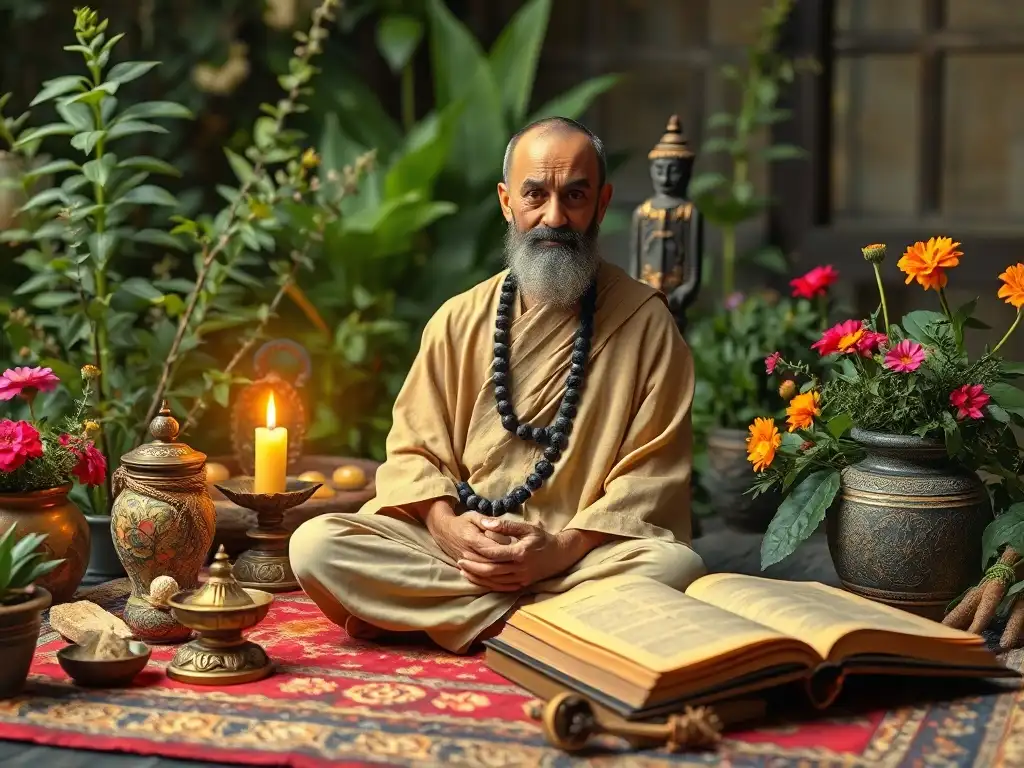
Summary of Ayurvedic Consultation Benefits and Expectations
Ayurvedic consultation serves as a vital gateway to understanding and enhancing one's health through the ancient wisdom of Ayurveda. Here are some key benefits one can expect from such consultations:
- Personalized Health Plans: Each individual has a unique constitution (Prakriti) and set of health needs. Ayurvedic practitioners assess your specific constitution and health concerns to create customized plans that may include dietary recommendations, herbal treatments, and lifestyle changes.
- Holistic Approach: Unlike conventional medicine, which often focuses on symptoms, Ayurvedic consultations aim to treat the root causes of ailments. This holistic approach emphasizes the balance of body, mind, and spirit.
- Preventive Care: Ayurveda places significant importance on preventive care. Through consultations, individuals learn strategies to maintain health and prevent disease, fostering a proactive approach to wellness.
- Stress Management: Ayurveda recognizes the impact of stress on health. Consultations often include techniques such as meditation, breathing exercises, and recommendations for calming herbs that can help manage stress levels effectively.
- Nutritional Guidance: A key component of Ayurvedic practice is nutrition. Practitioners provide insights into foods that align with your dosha (body type), promoting optimal digestion and overall health.
In essence, an Ayurvedic consultation offers a comprehensive understanding of your health status, empowering you to make informed decisions about your wellness journey.
Encouragement to Explore Ayurveda as a Path to Wellness
Embarking on the journey of Ayurvedic consultation can be transformative. As you consider this path, here are some encouraging insights:
- Timeless Wisdom: Ayurveda is based on principles that have been refined over thousands of years, offering time-tested solutions for modern health challenges.
- Integration with Modern Medicine: Many individuals find that Ayurveda complements their existing healthcare practices, providing a well-rounded approach to health that integrates both traditional and contemporary medicine.
- Community Support: Engaging with an Ayurvedic practitioner often connects you to a broader community of like-minded individuals who are also exploring wellness through this holistic lens.
- Empowerment Through Knowledge: By learning about your body’s needs and how to address them naturally, you become an active participant in your health journey, fostering a sense of empowerment and agency.
Embracing Ayurvedic consultation is not merely about addressing health issues; it is a commitment to a lifestyle that honors individual uniqueness, promotes balance, and supports overall well-being. The benefits are profound and far-reaching, making it an invaluable journey worth exploring. 🌿
Frequently Asked Questions
What are the benefits of Ayurvedic consultation?
Ayurvedic consultation offers personalized health plans, addressing individual needs through a holistic approach, which can lead to improved wellness and better quality of life.
How does an Ayurvedic consultation differ from conventional medicine?
An Ayurvedic consultation focuses on holistic healing by balancing body, mind, and spirit, unlike conventional medicine, which often targets symptoms rather than underlying causes.
What can I expect during an Ayurvedic consultation?
During an Ayurvedic consultation, you can expect a thorough assessment of your health history, lifestyle, and dosha (body constitution), followed by customized recommendations for diet, herbs, and therapies.
Are there any side effects associated with Ayurvedic treatments?
Generally, Ayurvedic treatments are considered safe, but some herbal remedies may cause adverse reactions if misused. It's important to consult a qualified Ayurvedic practitioner for safe practices.
How long does it take to see results from Ayurvedic treatments?
Results may vary based on individual health conditions, but many people report noticeable improvements within a few weeks to a few months after starting a tailored Ayurvedic regimen.
Final Reflection: Embracing the Wisdom of Ayurvedic Consultation
Understanding the importance of Ayurvedic consultation is more relevant today than ever, as individuals seek holistic approaches to health and well-being. In a world increasingly dominated by fast-paced lifestyles and quick-fix solutions, the profound insights offered by Ayurveda remind us of the value of personalized care and the interconnectedness of body, mind, and spirit. The journey through Ayurvedic consultation is not merely about addressing symptoms; it is about fostering a deeper understanding of ourselves and cultivating a balanced life.
The influence of Ayurvedic practices extends far beyond individual health, shaping cultural perceptions of wellness and self-care. As more people turn to natural remedies and holistic therapies, the principles of Ayurveda resonate with those seeking sustainable and preventive health measures. This shift in perspective is encapsulated in the words of Dr. Vasant Lad: Ayurveda is a science of life, a way of living that leads to health and happiness.
The ongoing integration of Ayurvedic wisdom into modern health practices highlights its enduring relevance and the growing recognition of its benefits.
As you reflect on the insights shared in this article, consider how you can incorporate the principles of Ayurvedic consultation into your own life. Take a moment to explore your unique constitution, embrace the wisdom of nature, and prioritize your well-being. By doing so, you not only honor your health but also contribute to a broader movement towards holistic living. Let the journey of self-discovery and balance begin, as you unlock the transformative potential of Ayurveda in your life.
Embrace Wellness: Start Your Ayurvedic Journey Today!
Thank you for exploring the essential insights on Ayurvedic consultation! Understanding the benefits and expectations marks a vital step toward holistic health. Now that you're equipped with this invaluable knowledge, it's time to take action and enrich your wellness journey.
Here’s how you can get started:
- Book your first Ayurvedic consultation with a qualified practitioner to uncover personalized insights tailored just for you.
- Explore authentic Ayurvedic recipes to incorporate natural healing into your daily meals—try one new recipe this week!
- Join a vibrant online community where you can share experiences, ask questions, and connect with others on their Ayurvedic journeys.
What specific change are you excited to make in your life after discovering the benefits of Ayurveda? Let's discuss in the comments!