
Ancient Maritime Routes: The Sea Trade Between India and China

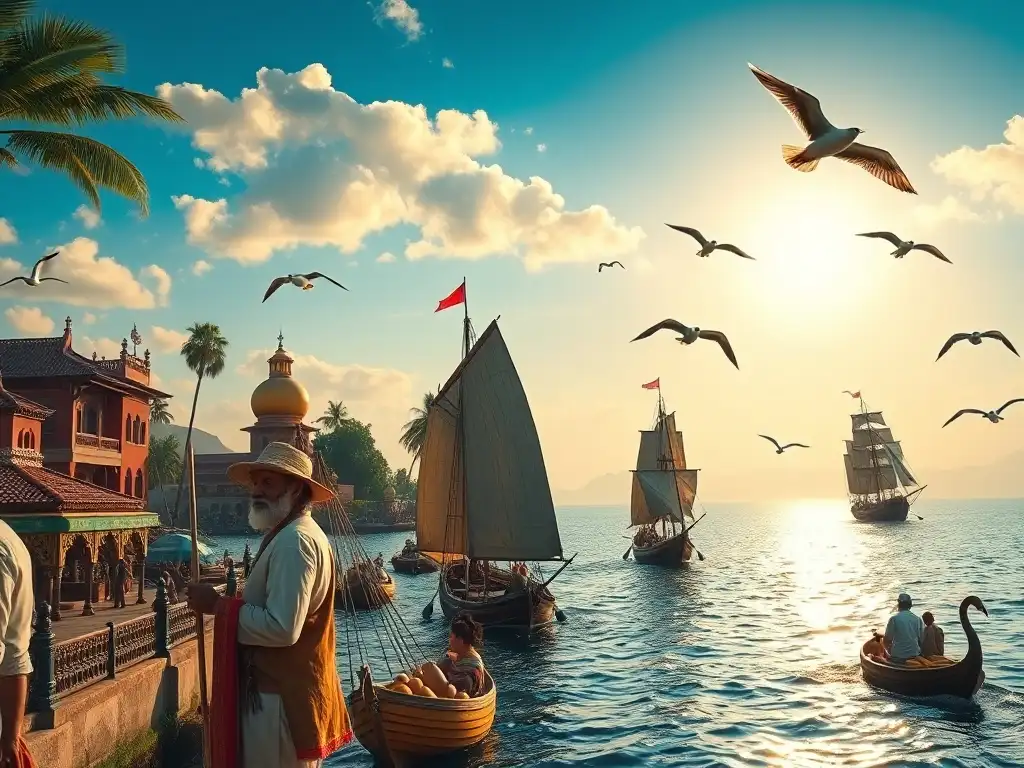
Welcome to Ancient India History, where we embark on an enlightening journey through the rich tapestry of India's past. In this exploration, we delve into the fascinating Ancient India-China trade routes, uncovering the intricate maritime paths that not only shaped economies but also forged enduring cultural ties between two great civilizations. As we unveil the stories of these ancient sea trade routes, you'll discover how they influenced the art, religion, and commerce of the time. Prepare to be captivated by the legacy of interaction with other civilizations—your adventure into the depths of history begins here!
Introduction to Ancient India-China Trade Routes
The ancient maritime routes that connected India and China represent a fascinating chapter in the history of trade, culture, and interaction between these two great civilizations. These trade routes were not merely pathways for the exchange of goods; they facilitated an intricate web of cultural, religious, and technological exchanges that shaped the societies of both regions.
The Ancient India-China trade routes were vital in establishing economic ties, spreading ideas, and promoting mutual understanding between the peoples of these two ancient empires. In this article, we will delve into the historical significance of these maritime routes, exploring their origins, key players, and the lasting impact they had on both Indian and Chinese civilizations.
Overview of Ancient Maritime Trade
Ancient maritime trade was characterized by the movement of various goods, including silk, spices, textiles, and precious metals. These exchanges were not limited to material goods; they also included:
- Cultural Exchange: The sharing of art, literature, and philosophy.
- Technological Advancements: Innovations in navigation, shipbuilding, and trade practices.
- Religious Influence: The spread of Buddhism and other belief systems.
The maritime routes facilitated trade between the Indus Valley Civilization and the Han Dynasty, allowing for the flow of goods and ideas across vast distances. Notably, the Indian Ocean trade network played a crucial role in linking these two regions, with port cities such as Kochi and Canton's thriving as bustling centers of commerce.
Importance of Maritime Trade in Ancient Civilizations
The significance of maritime trade in ancient civilizations cannot be overstated. It served as a catalyst for economic development and cultural enrichment. Key points include:
- Economic Prosperity: Trade brought wealth to port cities and enhanced the standard of living.
- Cultural Syncretism: Interactions between traders led to the blending of cultures, languages, and customs.
- Political Alliances: Trade routes often influenced diplomatic relations, fostering alliances between kingdoms.
Maritime trade was integral to the growth and sustainability of ancient civilizations, providing them with the means to thrive and evolve.
Historical Context of Trade Between India and China
Understanding the historical context of trade between India and China requires examining the geopolitical landscape and the rise of influential maritime powers in both regions.
The Rise of Ancient Indian Maritime Powers
India's maritime prowess began to flourish around the 3rd century BCE, marked by the establishment of powerful kingdoms that recognized the importance of sea trade. Notable maritime powers included:
- The Maurya Empire: Promoted trade with regions beyond its borders.
- The Chola Dynasty: Established a formidable navy that dominated trade routes in Southeast Asia.
These powers not only engaged in trade but also protected their interests against piracy and rival states, ensuring the safety of merchant ships sailing the Indian Ocean.
The Role of Chinese Dynasties in Trade
Chinese dynasties, particularly the Han and Tang, played a pivotal role in the maritime trade network. They exported goods such as:
- Silk: Highly sought after in international markets.
- Porcelain: Known for its beauty and craftsmanship.
- Tea: Became a popular commodity in trade.
The importance of these goods fueled trade with India, leading to a flourishing exchange of resources that benefited both nations.
Key Historical Events Shaping Trade Routes
Several key historical events significantly influenced the development of trade routes between India and China:
- The Silk Road Expansion: Although primarily a land route, it complemented maritime trade and opened new avenues for commerce.
- The Spread of Buddhism: As Buddhist monks traveled between India and China, they facilitated cultural exchanges that enriched both societies.
- The Age of Exploration: Increased maritime exploration in subsequent centuries further connected India and China, leading to expanded trade networks.
These events collectively shaped the maritime routes that became instrumental in the ancient trade between India and China, leaving a lasting legacy on both cultures.
Key Maritime Trade Routes Between India and China
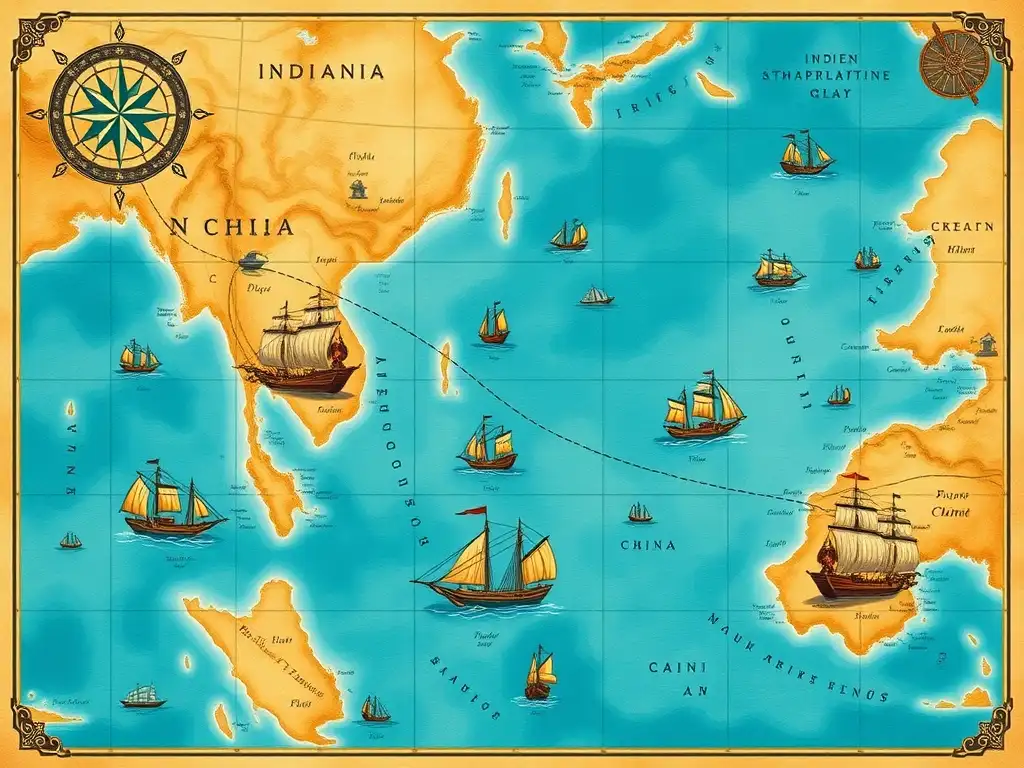
The maritime trade routes between India and China played a crucial role in the exchange of goods, culture, and ideas throughout ancient history. These routes facilitated not only commercial transactions but also the flow of knowledge and technology between these two great civilizations. The primary maritime pathways were well-defined and strategically significant, linking the eastern coast of India to the southern ports of China. The monsoon winds and ocean currents were utilized by ancient sailors to navigate these vast distances, allowing for relatively efficient travel and trade.
Major Sea Trade Routes Used in Ancient Times
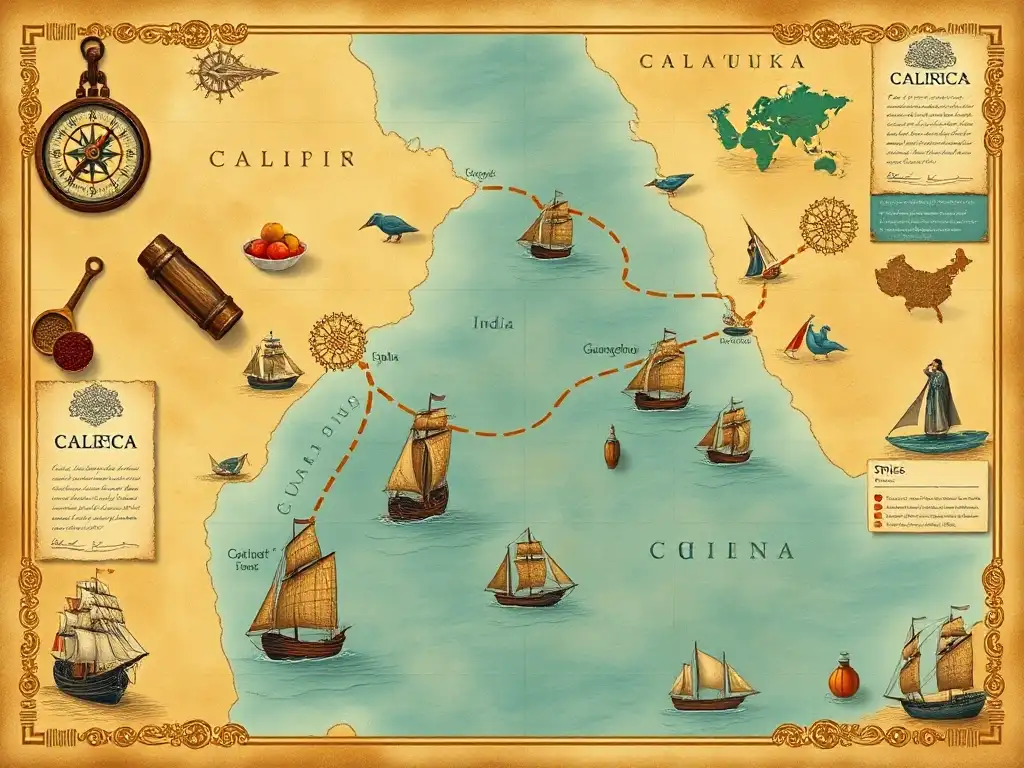
Several major sea trade routes were established during ancient times, connecting various ports along the Indian Ocean and the South China Sea. The most notable of these routes included:
- The Southern Route: This route connected the ports of Southern India, such as Kollam and Kochi, to the Chinese ports of Guangzhou and Xiamen. Merchants would sail down the west coast of India before crossing the Arabian Sea and navigating through the Strait of Malacca.
- The Eastern Route: This route linked the eastern coast of India, particularly ports like Tamralipti, to the major ports in Southeast Asia before reaching China. This network facilitated trade with regions such as modern-day Indonesia and Vietnam before finally arriving in China.
- The Spice Route: A specific subset of these maritime routes, the Spice Route was vital for transporting valuable spices from the Indian subcontinent to China and beyond. Spices such as black pepper, cardamom, and cinnamon were highly sought after and formed a significant portion of the trade.
By utilizing these routes, traders were able to establish a vibrant exchange of goods and ideas, fostering long-term connections between India and China.
Ports and Hubs of Trade: Key Locations
The maritime trade network was supported by several key ports and hubs that served as vital points for commerce and cultural exchange. Notable locations included:
- Kollam (Quilon): Located in present-day Kerala, Kollam was one of the most important trading ports on the west coast of India. It was a significant hub for the export of spices and textiles to China and other parts of Asia.
- Tamralipti: Situated in Bengal, Tamralipti was crucial for trade with Southeast Asia and China. It was known for its shipbuilding and served as a gateway for merchants traveling to the eastern regions.
- Guangzhou: This port city in southern China became a central trading point for Indian merchants. Known as Canton, it was pivotal for the import of spices, textiles, and precious stones from India.
- Xiamen: Another key port in China, Xiamen facilitated trade with the Indian subcontinent and was known for its flourishing market of imported goods.
These ports not only facilitated trade but also became melting pots of cultures, where ideas and traditions mingled freely.
Navigational Techniques Employed by Ancient Mariners
Ancient mariners employed various navigational techniques that were critical to the success of maritime trade. These methods included:
- Celestial Navigation: Sailors used the stars, sun, and moon to navigate the seas. They would take measurements of celestial bodies to determine their latitude, which was essential for long-distance voyages.
- Monsoon Winds: Understanding the seasonal patterns of monsoon winds was vital for timing voyages. Mariners would plan their journeys to take advantage of these winds, allowing for faster and safer passage across the Indian Ocean.
- Coastal Navigation: In addition to open-sea navigation, sailors often relied on coastal navigation, using landmarks and currents to guide their way along the shores.
- Maps and Charts: While not as advanced as modern maps, ancient charts and portolan maps (nautical charts) provided valuable information about coastlines, currents, and ports, aiding navigators in their journeys.
These techniques were refined over centuries, demonstrating the ingenuity and adaptability of ancient maritime cultures.
Goods Traded Along the Ancient India-China Routes
The trade routes between India and China were not only corridors for commerce but also avenues for cultural exchange. A rich variety of goods traversed these routes, shaping the economies and societies of both regions.
Precious Commodities: Spices, Silk, and More
Among the most coveted goods traded along these routes were:
- Spices: Indian spices such as black pepper, cardamom, and turmeric were in high demand in China, often fetching exorbitant prices.
- Silk: Although primarily associated with China, silk was also traded through Indian ports, where it was combined with Indian textiles to create unique products.
- Textiles: Indian cotton and silk fabrics were highly valued in China, contributing to a flourishing textile trade.
- Precious Stones: Both regions traded in precious and semi-precious stones, including diamonds, rubies, and emeralds, which were sought after for their beauty and rarity.
This exchange of goods not only enriched the economies but also influenced local cultures and lifestyles.
Cultural Exchanges: Ideas, Art, and Religion
The maritime routes were conduits for more than just goods; they were also highways for cultural exchange. Significant aspects included:
- Religious Ideas: The spread of Buddhism from India to China occurred largely through these trade routes, as monks and traders traveled between the two regions, sharing religious teachings and texts.
- Art and Architecture: Artistic influences flowed in both directions. Indian styles impacted Chinese art, leading to the syncretism of artistic forms, while Chinese pottery and techniques influenced Indian crafts.
- Technological Innovations: Mariners exchanged knowledge about shipbuilding, navigation techniques, and agricultural practices, enhancing productivity and efficiency in both regions.
Thus, the trade routes served as a bridge for cultural dialogue, fostering mutual understanding and collaboration.
Impact of Trade on Local Economies
The impact of maritime trade on local economies in both India and China was profound. Key effects included:
- Economic Growth: The influx of trade led to the establishment of prosperous port cities, which became economic powerhouses. These cities thrived on the commerce generated through the exchange of goods.
- Job Creation: The demand for goods resulted in job creation across various sectors, including shipbuilding, textiles, and agriculture, benefiting local communities.
- Wealth Distribution: Wealth generated from trade often led to the rise of powerful merchant classes, who played a significant role in local governance and cultural patronage.
- Infrastructure Development: The growth of trade necessitated improvements in infrastructure, such as roads, ports, and markets, which further stimulated economic activity.
Overall, the ancient maritime routes between India and China not only facilitated trade but also transformed local economies, laying the groundwork for future interactions between these two great civilizations.
Challenges Faced in Ancient Maritime Trade
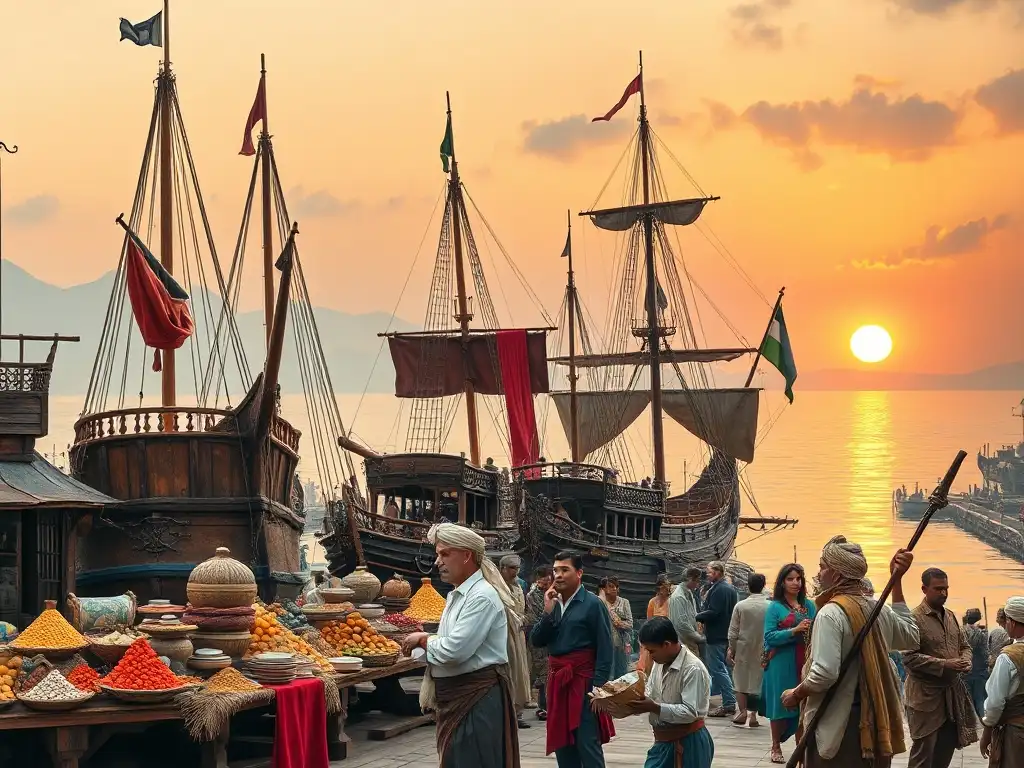
The ancient maritime trade routes between India and China were vital for cultural and economic exchanges, yet they were fraught with various challenges. These obstacles not only impacted trade efficiency but also shaped the nature of interactions between these two ancient civilizations.
Geographical and Environmental Barriers
The geographical layout of the Indian Ocean and the South China Sea presented significant challenges to ancient mariners. The vast distances involved meant that traders had to navigate through unpredictable monsoon winds, which could either facilitate or hinder their voyages.
- Monsoon Winds: The seasonal monsoon winds were crucial for maritime navigation. While they allowed for efficient travel during certain months, any miscalculation could lead to disastrous consequences, including being caught in storms or delayed voyages.
- Navigational Challenges: Ancient navigators relied heavily on the stars and coastal landmarks, but the lack of precise navigational tools made it difficult to chart safe courses, especially in unfamiliar waters.
- Coastal Geography: The rugged coastlines of India and China, with their numerous islands and rocky outcrops, posed additional hazards, making it difficult for ships to find safe harbors.
Piracy and Security Concerns
Piracy was a significant threat to ancient traders traversing maritime routes. The seas were often patrolled by pirates who targeted merchant vessels for plunder.
- Impact on Trade: The fear of piracy could deter merchants from engaging in long-distance trade, leading to decreased economic activity. Many traders would need to travel in convoys for safety, which could slow down the movement of goods.
- Political Responses: Various kingdoms and empires attempted to combat piracy through naval patrols and alliances. However, these measures were often inconsistent, leading to fluctuating levels of security on trade routes.
Political Conflicts Affecting Trade
The complex political landscape of ancient India and China also influenced maritime trade. Regional conflicts and changing alliances could disrupt trade flows significantly.
- Territorial Disputes: Disputes over territorial waters could lead to skirmishes that interrupted trade routes. For instance, conflicts between local kingdoms could escalate and threaten the safety of merchant ships.
- Diplomatic Relations: The quality of diplomatic relations between Indian and Chinese states determined the openness of maritime trade. Periods of harmony saw flourishing trade, while tensions led to trade embargoes or restrictions.
The Legacy of Ancient Maritime Trade Routes
The ancient maritime trade routes between India and China left a profound legacy that continues to influence various aspects of modern society.
Influence on Modern Trade Between India and China
The historical trade routes set the foundation for contemporary trade relations between India and China.
- Economic Ties: Today, both nations are major trading partners, and their historical interactions laid the groundwork for mutual economic interests.
- Trade Agreements: Modern trade agreements often reference the ancient routes as a symbol of longstanding ties, promoting cooperation in various sectors, including technology and agriculture.
Cultural Interactions and Their Long-lasting Effects
The exchanges that occurred along these maritime routes were not solely economic; they also facilitated significant cultural interactions.
- Cultural Exchange: Ideas, religions, and artistic styles flowed between India and China, enriching both cultures. For instance, Buddhism spread from India to China primarily through these maritime networks.
- Shared Knowledge: Knowledge in fields such as astronomy, mathematics, and medicine was exchanged, laying the groundwork for advancements in both civilizations.
Historical Significance in Understanding Global Trade
Understanding the ancient maritime trade routes provides valuable insights into the development of global trade networks.
- Early Globalization: The interactions between India and China through maritime trade exemplify early globalization, where distant cultures engaged in mutual exchanges that benefited both.
- Trade Networks: The routes established during ancient times are seen as precursors to modern trade networks, illustrating how interconnected economies can thrive despite geographical and political challenges.
Through a comprehensive examination of these challenges and legacies, we gain a clearer perspective on the importance of ancient maritime trade routes in shaping not only the histories of India and China but also the broader narrative of global trade.
Conclusion
The ancient maritime trade routes between India and China represent a significant chapter in the history of commerce, culture, and diplomacy between these two civilizations. Through extensive network connections that spanned across the Indian Ocean and the South China Sea, merchants facilitated not only the exchange of goods but also the transmission of ideas, technologies, and cultural practices. This vibrant exchange laid the groundwork for future interactions and continues to influence trade dynamics in the region even today.
Summary of Key Points on Ancient India-China Trade Routes
- Historical Context: The trade routes began to flourish around the 2nd century BCE, coinciding with the rise of powerful dynasties in both regions, including the Maurya Empire in India and the Han Dynasty in China.
- Goods Traded: Key commodities included silk from China, spices, textiles, precious stones, and metals from India. These products were highly sought after and formed the backbone of the trade relationship.
- Cultural Exchange: The maritime routes facilitated the spread of ideas, religions (such as Buddhism), and technological innovations, impacting both societies profoundly.
- Maritime Technology: Advances in shipbuilding and navigation, including the use of the compass and the development of dhows, played a crucial role in enhancing trade efficiency and safety.
- Commercial Hubs: Ports like Lothal in India and Guangzhou in China became vital trade centers, fostering economic growth and cultural interactions.
The Ongoing Relevance of Ancient Trade in Modern Context
The legacy of the ancient India-China trade routes remains relevant today, as modern trade policies and partnerships can trace their origins back to these historical exchanges. Current initiatives, such as China’s Belt and Road Initiative, echo the spirit of ancient connectivity, striving to enhance trade and infrastructure across Asia.
Moreover, the cultural exchanges that occurred centuries ago have laid a foundation for ongoing dialogue and cooperation between India and China. The shared heritage of trade continues to promote mutual understanding and economic collaboration, exemplifying how ancient practices can inform contemporary strategies in global commerce. This historical perspective not only enriches our understanding of past interactions but also guides current and future relations between these two influential nations.
- Introduction to Ancient India-China Trade Routes
- Overview of Ancient Maritime Trade
- Importance of Maritime Trade in Ancient Civilizations
- Historical Context of Trade Between India and China
- Key Maritime Trade Routes Between India and China
- Goods Traded Along the Ancient India-China Routes
- Challenges Faced in Ancient Maritime Trade
- The Legacy of Ancient Maritime Trade Routes
- Conclusion
- What were the main maritime trade routes between India and China?
- How did ancient maritime trade impact Indian civilization?
- What goods were primarily traded between India and China?
- How did trade routes influence relationships between India and China?
- What role did the Gupta Empire play in maritime trade?
Frequently Asked Questions
What were the main maritime trade routes between India and China?
The main maritime trade routes included the Southern Silk Road and the Maritime Silk Route, facilitating the exchange of goods like silk, spices, and precious stones.
How did ancient maritime trade impact Indian civilization?
Ancient maritime trade significantly impacted Indian civilization by promoting cultural exchange, enhancing economic prosperity, and leading to the spread of religions and ideas.
What goods were primarily traded between India and China?
The primary goods traded included silk, spices, jewels, and precious metals, with each civilization seeking to acquire unique products from the other.
How did trade routes influence relationships between India and China?
Trade routes fostered cooperation and diplomatic ties between India and China, allowing for cultural interactions and the establishment of alliances over centuries.
What role did the Gupta Empire play in maritime trade?
The Gupta Empire played a crucial role in enhancing maritime trade by establishing trade networks, promoting economic stability, and encouraging the export of Indian goods to various regions, including China.
Final Reflection: The Enduring Legacy of Ancient India-China Trade Routes
The ancient maritime trade routes between India and China not only shaped the economies of their time but also laid the groundwork for cultural exchanges that resonate today. In an era where globalization is a driving force, understanding these historical connections reminds us of the profound impact that trade and cultural interaction can have on societies. The intricate web of commerce that flourished across oceans serves as a testament to human ingenuity and the pursuit of connection, highlighting that our shared history is a foundation for future collaboration.
The influence of these ancient trade routes extends far beyond mere economic transactions; they fostered a rich tapestry of cultural exchange that continues to shape our world. From the spread of ideas and innovations to the mingling of traditions, the legacy of these maritime paths is evident in our modern societies. As historian John Keay eloquently puts it, Trade is not merely an exchange of goods; it is an exchange of ideas, cultures, and identities.
This observation underscores the importance of recognizing how interconnected our histories are and how they inform our present and future.
As we reflect on the lessons from the ancient India-China trade routes, let us embrace the spirit of collaboration and cultural appreciation that these routes embodied. I invite you to consider how you can foster connections in your own life, whether through learning about different cultures, engaging in meaningful dialogues, or supporting global trade initiatives. By doing so, we honor the legacy of those who navigated the seas before us and contribute to a more interconnected and harmonious world.
🌊 Unveil the Treasures of Ancient Trade!
Thank you for diving into the fascinating world of ancient maritime routes between India and China! You've explored the intricate connections and vibrant trade that shaped diverse cultures. Now, it's time to take that knowledge further and put it into action!
Here are a few engaging steps you can take:
- Join a discussion: Share your insights and thoughts in our community forums. What aspects of ancient trade intrigue you the most?
- Explore further: Discover additional resources or books on maritime history. Expanding your knowledge can reveal even more fascinating details!
- Spread the word: Share this article with friends or on social media. Who knows, your friends might be equally captivated by this rich history!
As you reflect on the deep ties woven by sea trade, one question lingers: In what ways do you think these ancient maritime routes influence modern trade relationships today? We’d love to hear your thoughts!