
The Connection Between Trade and Urbanization in Ancient Indian Civilizations

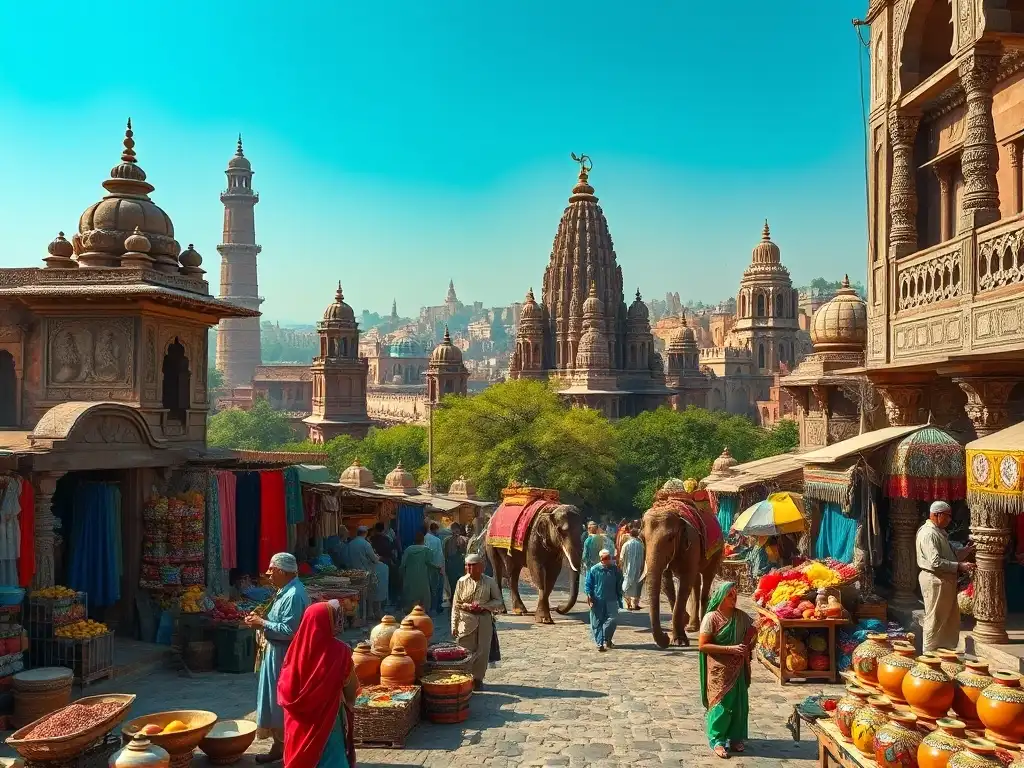
Welcome to Ancient India History, where we embark on a fascinating journey through the rich tapestry of India’s past. Delve into the intricate connections between trade and urbanization in ancient India, exploring how bustling markets and thriving cities laid the foundation for a vibrant civilization. From the sophisticated urban planning of the Indus Valley to the flourishing trade routes of the Gupta Empire, each discovery unveils layers of cultural wealth and economic ingenuity. Join us as we uncover the pivotal role of commerce in shaping ancient Indian society, and prepare to be captivated by the stories that await you!
Introduction to Trade and Urbanization in Ancient India
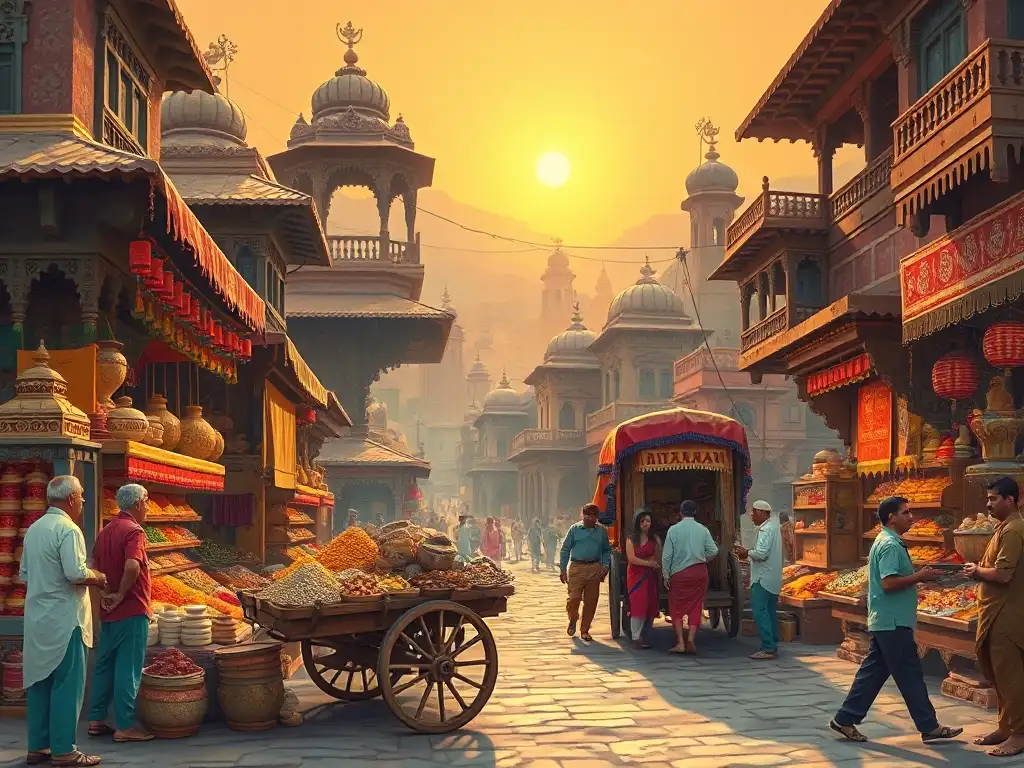
The relationship between trade and urbanization in ancient India is both profound and intricate, representing a significant aspect of the development of Indian civilization. From the Indus Valley Civilization to the Gupta Empire, trade networks not only facilitated the exchange of goods but also catalyzed the growth of urban centers, transforming sociopolitical landscapes. As cities emerged along trade routes, they became hubs of commerce, culture, and innovation, contributing to the overall prosperity of the region. This article delves into how trade influenced urbanization in ancient India, highlighting its implications on society, economy, and culture.
Importance of Understanding Trade and Urbanization
Understanding the dynamics of trade and urbanization in ancient India is essential for several reasons:
- Cultural Exchange: Trade routes served as conduits for cultural interactions, enabling the exchange of ideas, art, and technology among diverse civilizations.
- Economic Growth: Urban centers emerged as focal points of economic activity, fostering entrepreneurship and the establishment of markets, which ultimately led to increased wealth and resources.
- Social Structure: The rise of urbanization altered social hierarchies and occupational structures, creating a complex web of relationships among traders, artisans, and the ruling class.
- Historical Insight: Analyzing the trade practices and urban development patterns provides valuable insights into the broader historical context of ancient Indian civilizations, enriching our understanding of their contributions to global history.
Overview of Ancient Indian Civilizations
Ancient India was home to several remarkable civilizations, each contributing uniquely to the tapestry of history:
- Indus Valley Civilization (c. 3300–1300 BCE):
- Known for its advanced urban planning, the cities of Harappa and Mohenjo-Daro exemplified sophisticated drainage systems and grid layouts.
- Trade was conducted with neighboring regions, including Mesopotamia, facilitating cultural exchanges.
- Vedic Period (c. 1500–500 BCE):
- Marked by the composition of the Vedas, this period saw the rise of agrarian societies that began to engage in trade.
- Urbanization was gradual, with settlements developing into more complex societies.
- Maurya Empire (c. 322–185 BCE):
- The Mauryan dynasty established a vast empire that enhanced trade routes, including the famous Grand Trunk Road.
- Urban centers like Pataliputra became significant political and economic hubs.
- Gupta Empire (c. 320–550 CE):
- Often referred to as the "Golden Age" of India, this era witnessed remarkable advancements in arts and sciences.
- Trade flourished, both internally and with distant lands, leading to the growth of prosperous urban centers.
Understanding these civilizations’ interconnections through trade and urbanization reveals the foundational elements that shaped ancient India’s legacy, which continue to influence contemporary society.
- Introduction to Trade and Urbanization in Ancient India
- Importance of Understanding Trade and Urbanization
- Overview of Ancient Indian Civilizations
- What role did trade play in the urbanization of ancient India?
- How did ancient Indian cities develop as trade hubs?
- What were some major trade goods in ancient India?
- How did the Indus Valley civilization contribute to trade and urbanization?
- What impact did the Gupta Empire have on trade and urbanization?
Historical Context of Trade in Ancient India
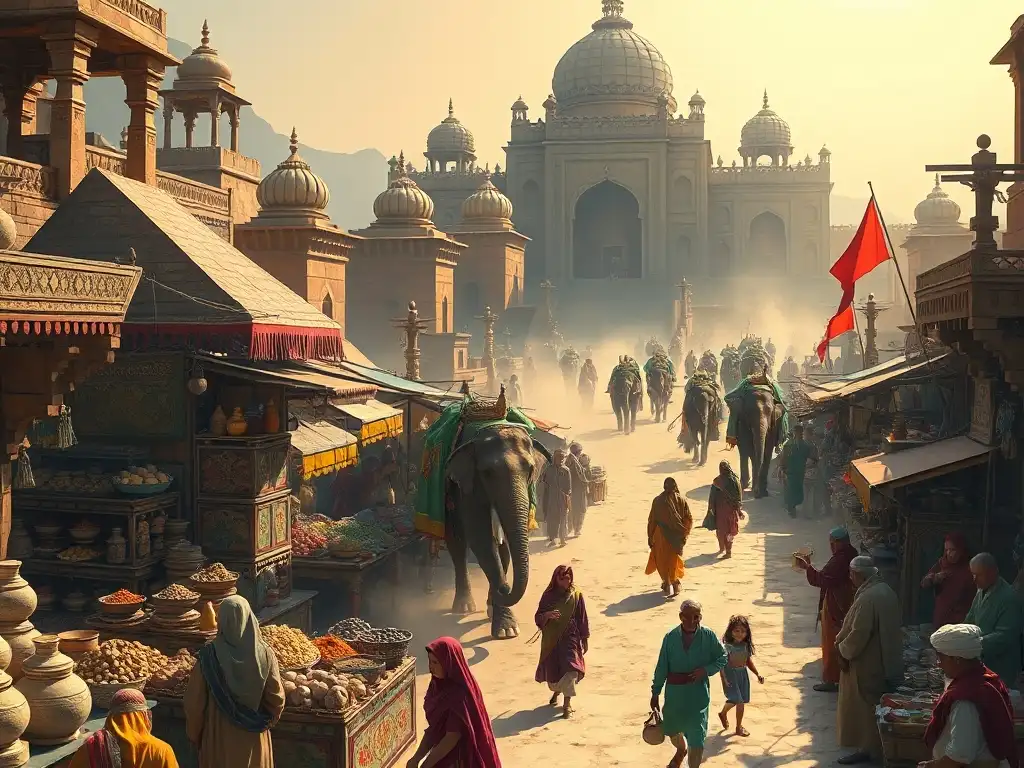
The history of trade in ancient India is marked by its strategic geographical position, which facilitated connections with various civilizations across Asia, the Mediterranean, and beyond. From as early as the Indus Valley Civilization (circa 3300–1300 BCE), trade played a pivotal role in shaping urban centers and economic structures. The well-planned cities of Harappa and Mohenjo-Daro were not only hubs of urbanization but also vibrant marketplaces where goods were exchanged, indicating a sophisticated trading system.
As civilizations evolved, so did the complexity of trade networks. By the Vedic period (circa 1500–500 BCE), trade expanded significantly, driven by the increasing demand for agricultural products, textiles, and luxury items. Subsequently, the Maurya Empire (circa 322–185 BCE) further unified these trade networks under a centralized administration, promoting stability and security that encouraged commerce.
The rise of the Gupta Empire (circa 240–550 CE) marked another significant phase in the history of trade and urbanization in ancient India. This period saw the flourishing of trade routes and urban centers, supported by advancements in administration and infrastructure.
Trade Routes in Ancient India
Ancient India was characterized by an extensive network of trade routes that connected various regions and facilitated the exchange of goods. These routes can be broadly categorized into:
- Land Routes:
- The Silk Road linked India with Central Asia and the Mediterranean, allowing the exchange of silk, spices, and precious stones.
- The Grand Trunk Road, one of the oldest roads in India, facilitated trade between the eastern and western regions of the subcontinent.
- Maritime Routes:
- Indian ports like Lothal, Kodungallur, and Surat played a crucial role in maritime trade with regions like Southeast Asia, the Arabian Peninsula, and East Africa.
- The Indian Ocean trade network enabled the exchange of goods such as spices, textiles, and gemstones across vast distances.
These routes not only enhanced economic interaction but also fostered cultural exchanges, leading to the spread of ideas, religions, and technologies among civilizations.
Major Trade Goods in Ancient Indian Commerce
Ancient Indian commerce was characterized by a diverse range of goods that were traded both domestically and internationally. Some of the major trade goods included:
- Spices: India was renowned for its spices, such as black pepper, cardamom, and turmeric, which were highly sought after in international markets.
- Textiles: The production of cotton and silk textiles was a significant economic activity. Indian fabrics, especially muslin and brocade, were prized commodities in foreign lands.
- Metals and Gems: India was rich in minerals, and goods such as gold, silver, and precious stones like diamonds and rubies were traded extensively.
- Agricultural Products: Grains, sugar, and other agricultural produce were important trade items, supporting both local economies and international trade.
The variety of these goods reflects the rich agricultural and artisanal capabilities of ancient Indian societies, which contributed to their economic prosperity.
Role of Trade in Economic Development
The relationship between trade and urbanization in ancient India is integral to understanding the economic development of the region. Trade served several vital functions:
- Urban Growth: The establishment of marketplaces and trade centers led to the growth of cities. Urban areas became vibrant hubs of economic activity, attracting artisans, merchants, and laborers.
- Wealth Accumulation: Increased trade activities resulted in wealth accumulation for merchants and urban elites. This wealth was often reinvested in infrastructure, leading to further urbanization.
- Cultural Exchange: Trade facilitated cross-cultural interactions, resulting in the exchange of ideas, religions, and technologies, enriching the social fabric of urban centers.
- Political Stability: The prosperity generated by trade often translated into political stability. Rulers recognized the importance of commerce for economic growth, leading to supportive policies and infrastructure development.
Trade was a cornerstone of economic development in ancient India, driving urbanization, wealth creation, and cultural exchange, and shaping the diverse civilizations that emerged throughout the region's history.
Urbanization in Ancient Indian Civilizations
Definition and Characteristics of Urbanization
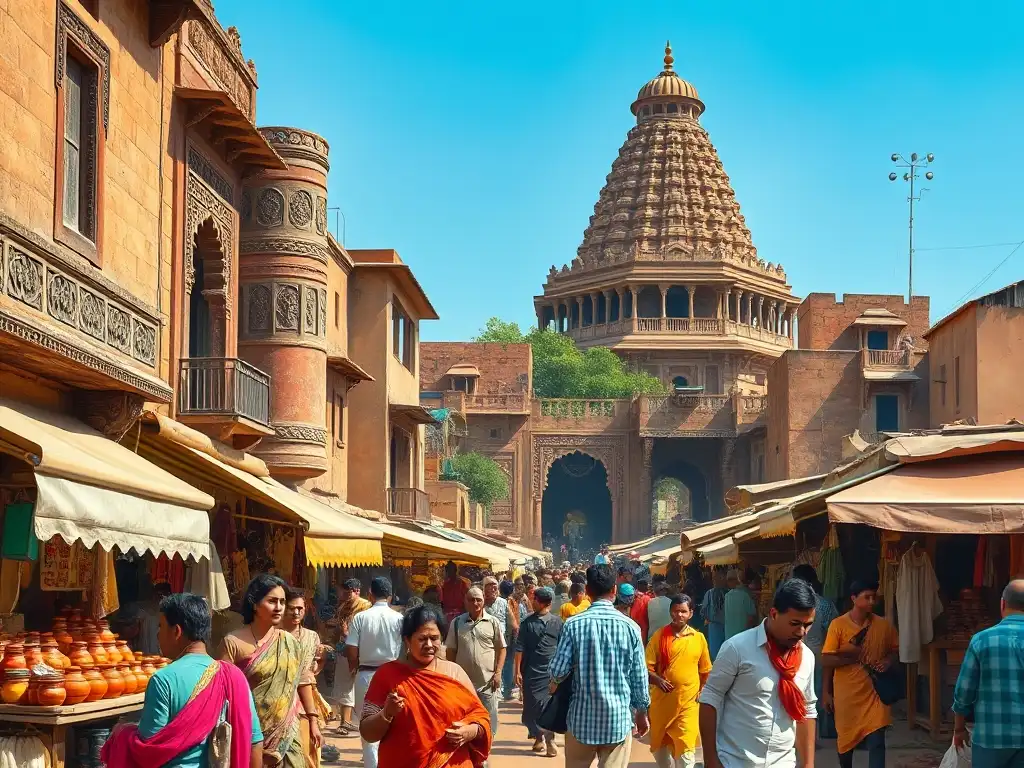
Urbanization in ancient India refers to the process through which settlements transitioned from rural to urban forms, characterized by increased population density, the development of infrastructure, and the establishment of diverse economic activities. This phenomenon was not merely about the growth of cities; it involved a significant transformation in social structure, cultural practices, and economic interactions.
Key characteristics of urbanization in ancient Indian civilizations include:
- Population Concentration: Urban centers became hubs for large populations, attracting individuals from surrounding regions seeking opportunities.
- Economic Diversification: The rise of artisans, merchants, and trade activities led to a varied economic landscape, moving beyond agriculture to include manufacturing and commerce.
- Architectural Development: Urban areas showcased advanced architectural styles, including public buildings, residential complexes, and religious structures, reflecting the cultural ethos of the time.
- Infrastructure and Planning: Many ancient cities were meticulously planned, featuring well-defined streets, drainage systems, and public amenities, demonstrating advanced urban planning.
The interplay of trade and urbanization was evident, as cities often emerged as trading hubs, facilitating the exchange of goods, ideas, and cultural practices.
Key Urban Centers in Ancient India
Several urban centers played pivotal roles in the urbanization of ancient India, showcasing the connection between trade and urban life:
- Harappa and Mohenjo-Daro:
- These cities of the Indus Valley Civilization (circa 2500 BCE) are prime examples of early urban planning and trade networks. They featured advanced drainage systems and were strategically located near rivers, aiding in trade with distant regions.
- Pataliputra:
- As the capital of the Maurya Empire, Pataliputra was a vibrant trade center. Its strategic location along the Ganges River facilitated commerce and cultural exchange, contributing to its rapid urbanization.
- Taxila:
- This ancient city was renowned for its educational institutions and as a melting pot of cultures. Taxila thrived due to its location on trade routes connecting India with Central Asia, leading to a diverse urban populace.
- Ujjain:
- Ujjain served as a significant trade and cultural center, especially during the Gupta Empire. Its prominence in trade networks contributed to its urban growth, attracting merchants and scholars alike.
- Kanchipuram:
- Known for its temples and as a weaving center, Kanchipuram's urbanization was bolstered by trade in textiles and religious tourism, drawing people from various regions.
Factors Contributing to Urban Growth
Several interrelated factors contributed to the urban growth of ancient Indian civilizations, particularly concerning trade and commerce:
- Geographic Location: Proximity to rivers and trade routes enabled cities to flourish. Access to waterways facilitated the movement of goods, encouraging trade activities.
- Economic Opportunities: The emergence of specialized crafts and the demand for goods led to economic diversification. Urban centers became sites for artisans and merchants, fostering an environment for economic interactions.
- Cultural Exchange: The influx of traders from various regions resulted in cultural amalgamation, enriching urban life. Festivals, fairs, and markets became central to the urban experience.
- Political Stability: Strong governance and political entities, such as the Mauryan and Gupta Empires, provided the stability necessary for urban growth. Political support often led to infrastructure development, such as roads and marketplaces.
- Technological Advancements: Innovations in agriculture, such as irrigation techniques, increased agricultural productivity, supporting larger populations and urban centers.
The relationship between trade and urbanization in ancient India is a testament to how economic activities spurred the growth of cities, leading to a complex interplay of social, cultural, and economic dynamics that shaped the civilization's legacy.
Interrelationship Between Trade and Urbanization
How Trade Stimulated Urbanization in Ancient India
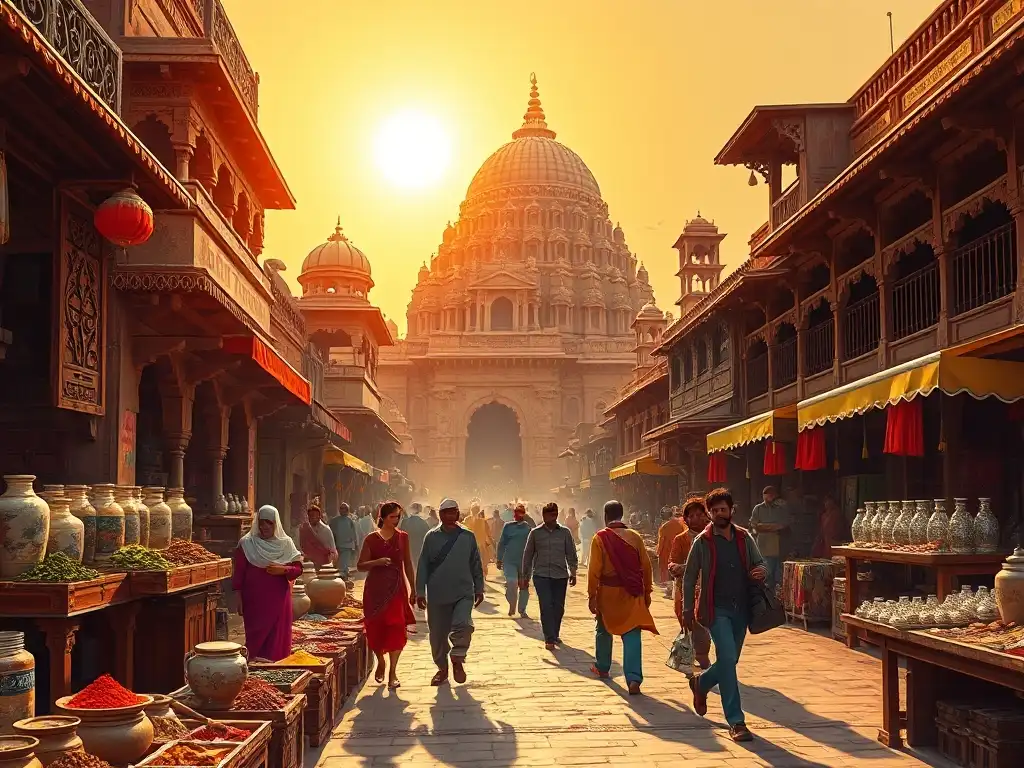
Trade played a crucial role in the urbanization of ancient Indian civilizations, serving as a catalyst for the growth and development of cities. The establishment of trade routes, both overland and maritime, facilitated the movement of goods, ideas, and people, leading to the emergence of urban centers. The significant cities that developed along these trade routes were characterized by their bustling markets, vibrant cultural exchanges, and diverse populations.
- Development of Trade Routes:
- The Silk Road and Maritime Spice Route were instrumental in connecting India with distant lands, including Persia, Arabia, and Southeast Asia. These routes not only enabled the flow of luxury goods such as spices, textiles, and precious stones but also encouraged the movement of merchants and artisans, leading to urban growth.
- Market Towns:
- As trade flourished, numerous market towns emerged, serving as commercial hubs. These towns often evolved into cities as merchants settled there. For instance, towns like Taxila and Ujjain became pivotal trading posts that attracted people from various regions, contributing to urbanization.
- Economic Specialization:
- Trade necessitated specialization in various crafts and trades, leading to the establishment of guilds and workshops. This specialization fostered economic diversity and attracted people with different skills, further promoting urban growth.
- Cultural Exchange:
- Trade also facilitated cultural interactions, which contributed to urbanization. The influx of diverse populations brought new ideas, religions, and customs, enriching the urban fabric and making cities melting pots of culture and innovation.
Urbanization's Impact on Trade Networks
The process of urbanization significantly influenced the trade networks of ancient India, creating a symbiotic relationship between the two. As cities grew, they enhanced trade activities and expanded commerce in several ways:
- Infrastructure Development:
- Urban centers required developed infrastructure, including roads, ports, and marketplaces. The construction of these facilities not only facilitated trade but also attracted more merchants and traders, leading to increased economic activity.
- Increased Demand for Goods:
- Urbanization led to a rise in population density, creating higher demand for a variety of goods. This demand spurred production and trade, as local artisans and farmers sought to satisfy the needs of urban consumers.
- Formation of Trade Associations:
- With the growth of cities, trade associations and guilds emerged, providing structure and support for merchants. These organizations played a vital role in regulating trade practices, ensuring quality, and fostering relationships among traders, which further solidified trade networks.
- Cultural and Economic Exchange:
- Urban centers became melting pots where different cultures converged. This intercultural exchange not only enriched the local economy but also expanded trade networks as merchants sought to tap into new markets and products.
Case Studies: Specific Cities Illustrating Trade and Urbanization
Several ancient Indian cities exemplify the intricate connection between trade and urbanization, showcasing how these factors influenced each other throughout history.
- Taxila:
- Located at the crossroads of several trade routes, Taxila was a prominent center for commerce and education. Its strategic location allowed it to thrive as a trade hub, attracting merchants from various regions. The city became known for its universities, attracting scholars and traders alike, which stimulated urban growth.
- Ujjain:
- Ujjain was an important trading city in ancient India, particularly noted for its role in the trade of spices and textiles. The city's urbanization was closely tied to its status as a commercial center, which facilitated agricultural production and trade, leading to wealth accumulation and further urban development.
- Pataliputra:
- As the capital of the Maurya Empire, Pataliputra was a major urban center that thrived on trade. Its sophisticated infrastructure, including roads and a river port, supported extensive trade networks. The city's urbanization attracted traders, politicians, and intellectuals, making it a focal point for commerce and cultural exchange.
- Madurai:
- Madurai emerged as a significant trade center in South India, particularly known for its textile industry. The urbanization of Madurai was fueled by its trade networks, which connected it to various regions. The city became a melting pot of cultures and religions, further enriching its urban landscape.
The intricate relationship between trade and urbanization in ancient India is evident in the development of vibrant cities that served as economic and cultural hubs. Understanding this connection provides valuable insights into the dynamics of ancient Indian civilizations and their lasting contributions to global trade and urban planning.
Influence on Art and Architecture
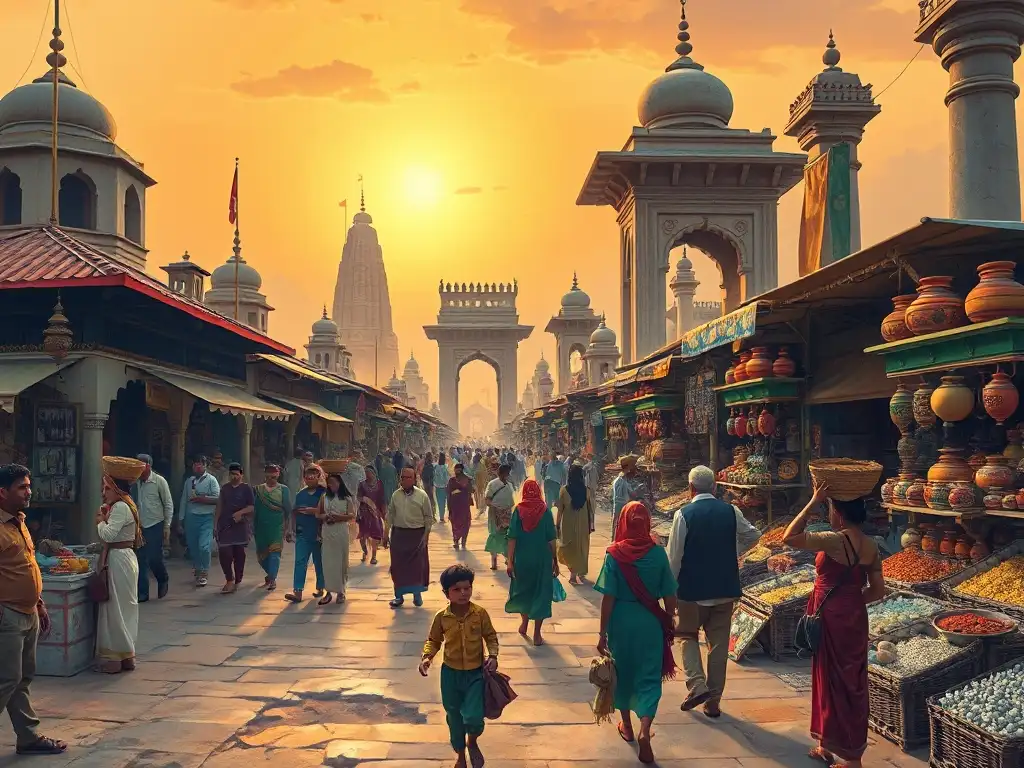
Trade and urbanization in ancient India played a significant role in shaping the artistic and architectural landscape of the civilization. The exchange of goods and ideas facilitated by trade routes led to a rich amalgamation of styles and techniques across different regions. For instance, the arrival of foreign artisans and traders introduced new artistic concepts, which were then adapted and integrated into local traditions.
- Indus Valley Civilization: The cities of Mohenjo-Daro and Harappa showcased advanced urban planning and architecture, with well-structured layouts and drainage systems. The presence of seals and terracotta figurines indicates a high degree of craftsmanship, influenced by trade interactions with Mesopotamia and other neighboring cultures.
- Mauryan and Post-Mauryan Periods: The Mauryan Empire, particularly under Emperor Ashoka, saw the construction of stupas and rock-cut caves. The spread of Buddhism due to trade routes led to the establishment of monumental structures like the Sanchi Stupa, which were not only religious sites but also artworks that reflected the cultural values of the time.
- Gupta Period: The Gupta Empire, often referred to as the Golden Age of India, witnessed a flourishing of art and architecture. Temples built during this period, such as those at Khajuraho, exhibit intricate carvings and sculptures that depict various aspects of life, influenced by both domestic trends and external trade relationships with regions like Southeast Asia.
Socioeconomic Changes in Urban Centers
The growth of trade networks and urbanization significantly transformed the socioeconomic fabric of ancient Indian societies. Urban centers became vital hubs for commerce, culture, and administration, leading to several key changes:
- Rise of Merchants and Artisans: The flourishing trade led to the emergence of a wealthy merchant class, which played a crucial role in the economy. These merchants not only contributed to the wealth of the cities but also influenced social hierarchies and political structures. In contrast, artisans gained recognition and status due to their specialized skills, producing goods for both local and international markets.
- Urban Planning and Infrastructure: As urban centers expanded, there was a pressing need for improved infrastructure. Roads, storage facilities, and marketplaces were developed to accommodate the growing population and trade activities. Cities like Pataliputra and Ujjain became vital trade centers, showcasing advanced urban planning that included wide streets and systematic layouts.
- Cultural Diversity: The influx of traders and travelers from various regions contributed to a melting pot of cultures. This diversity encouraged the exchange of ideas, languages, and customs, leading to a more cosmopolitan society in urban areas. Festivals, religious practices, and culinary traditions were enriched through these interactions, highlighting the interconnectedness of trade and urban life.
The Role of Trade in Cultural Exchange
Trade in ancient India was not just a means of economic transaction; it served as a conduit for cultural exchange that had lasting impacts on society. The interactions between different cultures fostered a dynamic environment for the exchange of ideas, beliefs, and practices:
- Philosophical and Religious Ideas: Trade routes facilitated the movement of religious and philosophical ideas across regions. Buddhism, for example, spread along trade routes to Central Asia and beyond, influencing various cultures. Similarly, the interaction with traders from Persia and the Mediterranean introduced new religious concepts and practices into Indian society.
- Language and Literature: The exchange of goods often came with the exchange of languages and literature. Merchants and travelers would carry texts and manuscripts, which contributed to the evolution of languages and scripts in the region. The influence of Sanskrit literature can be traced back to interactions with Hellenistic cultures and other neighboring civilizations.
- Technological Innovations: Trade also brought with it various technological advancements. The exchange of knowledge regarding metallurgy, agriculture, and navigation led to improvements in local practices. For instance, the introduction of new crops and farming techniques significantly impacted agricultural productivity, which in turn supported urban growth.
The interplay between trade and urbanization in ancient India fostered a complex web of cultural and social transformations. These developments not only enriched the civilizations of the time but also laid the groundwork for future advancements in art, society, and economy.
Conclusion: The Legacy of Trade and Urbanization in Ancient India
Summary of Key Points
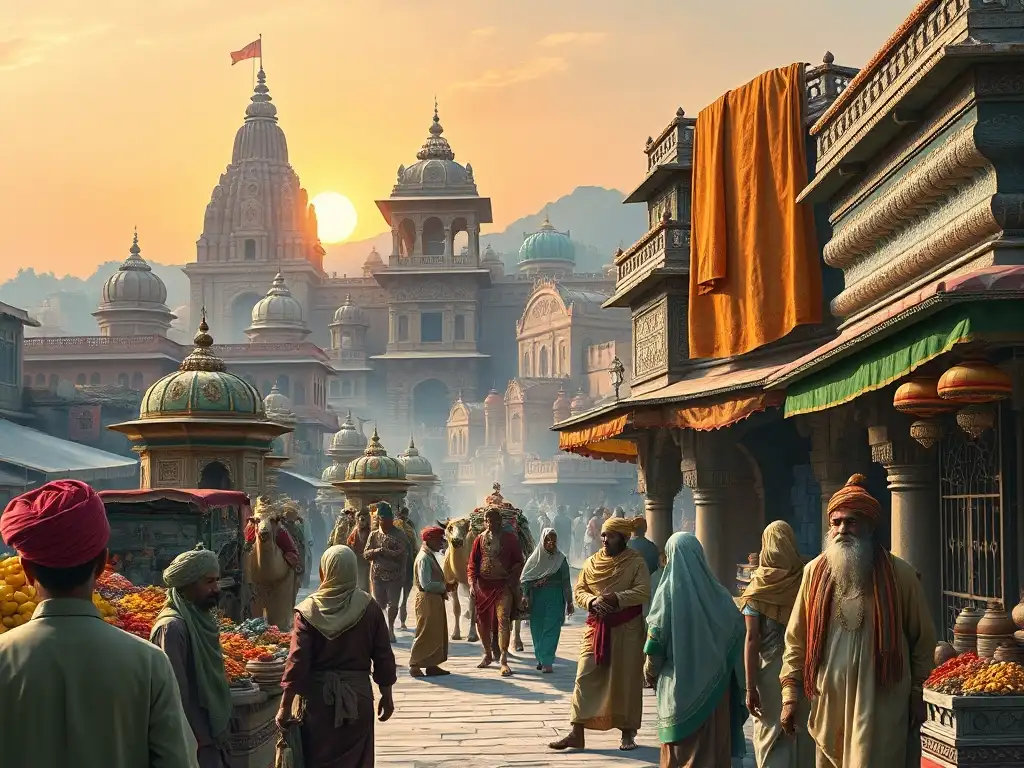
The relationship between trade and urbanization in ancient India is profound and multifaceted, reflecting the dynamic interplay between economic activities and societal development. Key points to consider include:
- Indus Valley Civilization: This early civilization showcased advanced urban planning, including well-structured cities like Mohenjo-Daro and Harappa. Trade networks facilitated the exchange of goods such as beads, textiles, and metals, which contributed to urban prosperity.
- Maritime Trade: The coastal cities, like Lothal and Sopara, became vital trade hubs, connecting Indian merchants with distant cultures in Mesopotamia, Africa, and Southeast Asia. This maritime trade led to cultural exchanges that enriched urban life.
- Silk Road Influence: The overland routes of the Silk Road enabled the movement of goods and ideas, allowing cities such as Taxila and Pataliputra to flourish as centers of commerce and scholarship. The influx of wealth from trade spurred infrastructure development and urban expansion.
- Gupta Empire: The Golden Age of the Gupta Empire marked significant advancements in science, art, and literature, largely supported by thriving trade networks. Urban centers became focal points for cultural and economic activities, showcasing the symbiosis between trade and urban growth.
Lasting Impact on Modern Indian Society
The legacy of ancient trade and urbanization continues to resonate in modern Indian society. The foundational elements established during ancient times have shaped contemporary economic practices and urban planning:
- Urban Centers: Many modern Indian cities trace their origins back to ancient urbanized areas. The historical significance of these regions has fostered a sense of identity and continuity, influencing urban culture and lifestyle.
- Trade Networks: The extensive trade routes established in ancient India laid the groundwork for today's global trade connections. Modern India continues to be a significant player in international trade, benefiting from the historical trade practices that evolved over centuries.
- Cultural Heritage: The cultural exchanges initiated through trade have left an indelible mark on Indian art, cuisine, and traditions, fostering a rich tapestry of diversity that can be observed today.
The interplay between trade and urbanization in ancient India not only shaped the civilizations of the past but also continues to influence the socio-economic landscape of modern India. Understanding this legacy provides valuable insights into the foundations of contemporary Indian society and its ongoing evolution.
Frequently Asked Questions
What role did trade play in the urbanization of ancient India?
Trade was a crucial factor in urbanization, as it facilitated the growth of cities by promoting economic prosperity and attracting people for commerce.
How did ancient Indian cities develop as trade hubs?
Ancient Indian cities developed into trade hubs due to their strategic locations along major trade routes, allowing for the exchange of goods and cultural interactions.
What were some major trade goods in ancient India?
Key trade goods included spices, textiles, metalwork, and gemstones, which were highly sought after by other civilizations, enhancing India's economic influence.
How did the Indus Valley civilization contribute to trade and urbanization?
The Indus Valley civilization showcased advanced urban planning and a robust trade network, which laid the foundation for future urban centers in ancient India.
What impact did the Gupta Empire have on trade and urbanization?
The Gupta Empire significantly advanced trade and urbanization through improved infrastructure, such as roads, and a flourishing economy that encouraged the growth of cities and cultural exchange.
Final Reflection: The Interwoven Threads of Trade and Urbanization in Ancient India
The intricate relationship between trade and urbanization in ancient India remains profoundly relevant today, as we continue to witness the transformative power of commerce in shaping societies. The bustling markets and vibrant cities of ancient Indian civilizations were not merely economic hubs; they were the very lifeblood of cultural exchange and innovation. This historical interplay serves as a reminder that the foundations of modern urban life are deeply rooted in the dynamics of trade that flourished centuries ago.
The impact of trade on urbanization has left an indelible mark on the cultural and social landscape of India. From the rise of cities like Mohenjo-Daro and Harappa to the flourishing trade routes that connected diverse communities, the legacy of these ancient practices continues to influence contemporary society. As we reflect on this, we are reminded of the words of the historian K. N. Chaudhuri: Trade is not merely an economic activity; it is a catalyst for cultural interaction and social evolution.
This observation underscores the ongoing importance of trade as a vehicle for growth and connection, shaping identities and fostering unity across regions.
As we look toward the future, let us take a moment to reflect on how the lessons from ancient Indian civilizations can inspire our own communities today. Consider how you can engage with the world around you, fostering connections through trade, collaboration, and cultural exchange. Embrace the spirit of innovation and adaptability that characterized ancient urban centers, and strive to create spaces where commerce and community thrive together. In doing so, we honor the legacy of our ancestors while paving the way for a more interconnected and vibrant future.
Uncover the Secrets of Ancient Trade and Urban Growth!
Thank you for diving into the fascinating world of ancient Indian civilizations! You've explored the intricate connection between trade and urbanization, gaining insights that can inspire us even today. Now, it’s time to channel that knowledge into action!
Here are a few steps you can take to deepen your understanding and engage with this captivating subject:
- Dive Deeper: Visit your local library or explore reputable online resources to find books on ancient trade routes and urban development. You might uncover surprising links to other civilizations!
- Join the Conversation: Share your insights on social media using a dedicated hashtag and connect with fellow history enthusiasts who are eager to explore these connections.
- Create a Visual Map: Design a map that highlights the major trade routes and urban areas of ancient India. This creative project can enhance your perspective and deepen your understanding of the material!
What aspect of ancient trade and urbanization surprised you the most, and how do you think it influences the cities we inhabit today?