
The Influence of External Trade on Ancient Indian Language and Literature

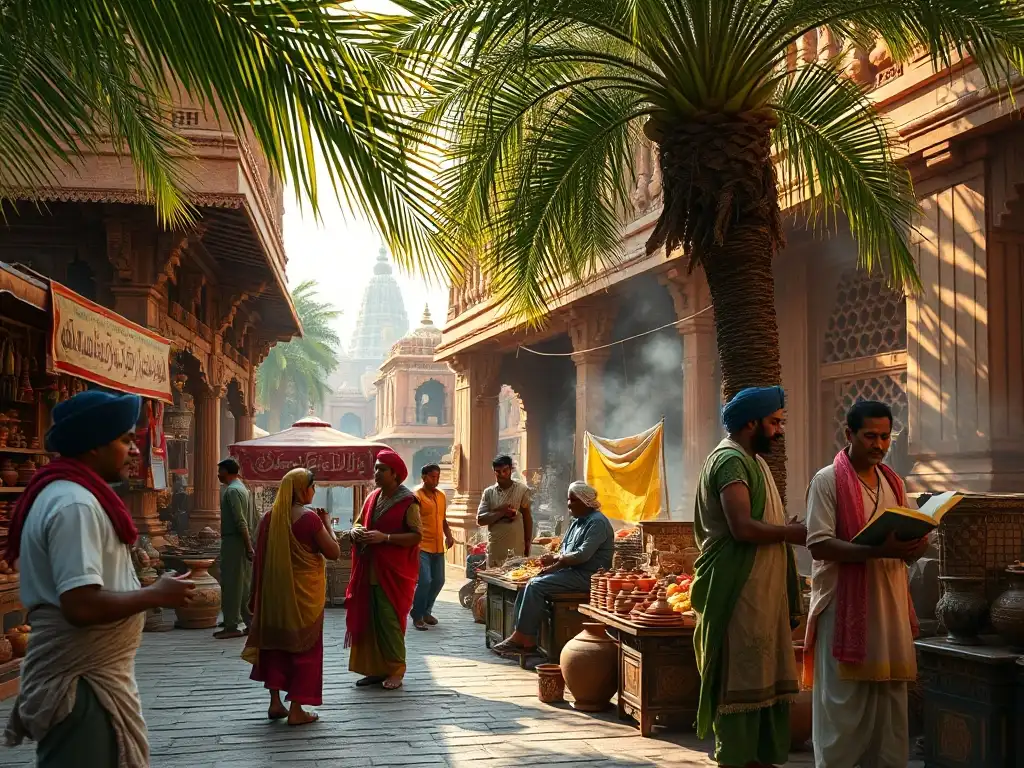
Welcome to Ancient India History, where we embark on a fascinating journey through time to uncover the rich tapestry of cultures and civilizations that shaped the Indian subcontinent. In this exploration, we delve into the compelling world of ancient Indian trade and literature, a realm where commerce not only thrived but also influenced the very fabric of language and storytelling.
Prepare to be captivated as we reveal how external trade routes played a pivotal role in the evolution of literary traditions and linguistic diversity in ancient India. Join us as we unveil the intricate connections between trade and the literary masterpieces that emerged, inviting you to explore the enduring legacy of this vibrant history.
Introduction to Ancient Indian Trade and Literature
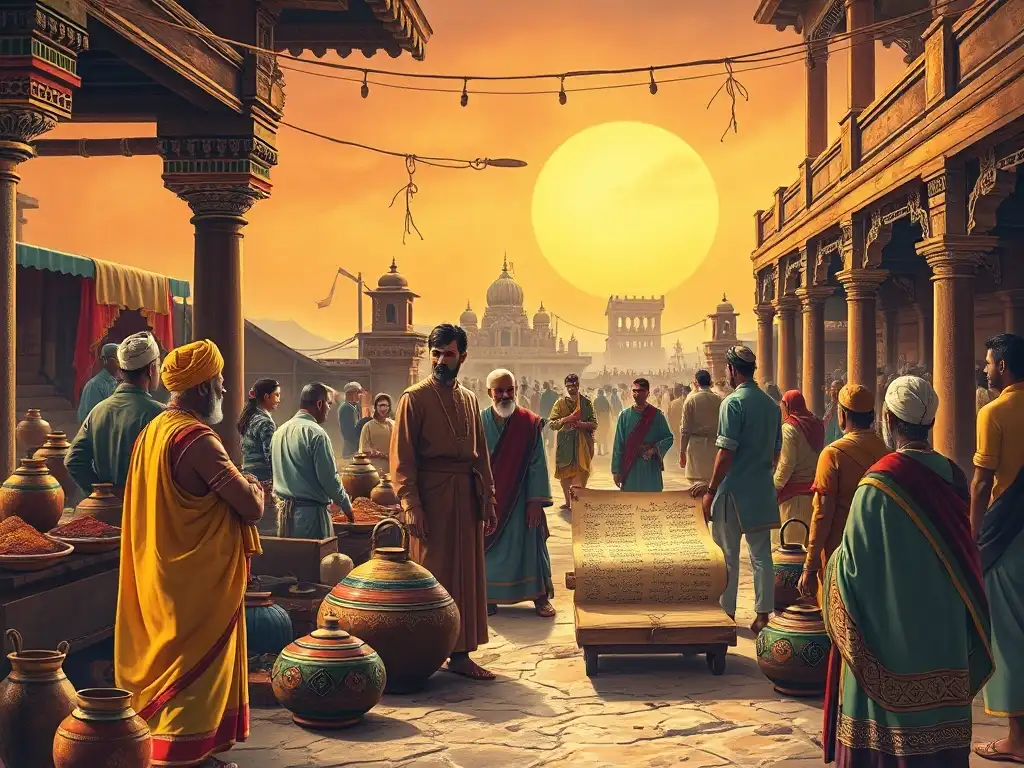
The intricate tapestry of Ancient Indian trade and literature reveals a profound connection between commerce and culture. As civilizations flourished along the banks of rivers and in fertile plains, the exchange of goods also facilitated the exchange of ideas, languages, and literary traditions.
This article delves into how external trade influenced the development of language and literature in ancient India, highlighting the symbiotic relationship that existed between economic activities and cultural expression. From the bustling markets of the Indus Valley civilization to the flourishing literary works of the Gupta Empire, the impact of trade on language and literature is both significant and far-reaching.
Overview of Ancient Indian Trade
Ancient Indian trade was characterized by a complex network of routes and exchanges that connected the subcontinent with distant lands. Key features of this trade include:
- Diverse Trade Partners: Ancient India engaged in trade with various regions, including Mesopotamia, Persia, China, and Southeast Asia.
- Rich Commodities: The Indian subcontinent was known for its spices, textiles, precious stones, and metalwork, which were highly sought after in international markets.
- Cultural Exchange: Trade not only involved the exchange of goods but also ideas, leading to the cross-pollination of cultures, languages, and literary forms.
The flourishing trade networks laid the groundwork for a rich cultural exchange, fostering the development of literature that reflected the diverse influences brought by traders and travelers.
Significance of Literature in Ancient India
Literature in ancient India served multiple purposes, from preserving religious texts to documenting historical events and societal norms. Its significance can be summarized as follows:
- Cultural Identity: Literary works played a crucial role in shaping the cultural identity of various regions, encapsulating the values, beliefs, and traditions of the time.
- Communication and Preservation: Literature served as a means of communication across diverse languages and dialects, preserving knowledge for future generations.
- Reflection of Society: The themes explored in ancient Indian literature often mirrored the economic conditions and social structures resulting from trade practices.
The interplay between trade and literature not only enriched the literary landscape but also provided insights into the socio-economic fabric of ancient India.
Connection Between Trade and Language Development
The relationship between trade and language development is evident in several ways:
- Linguistic Borrowing: As merchants and traders interacted with different cultures, they adopted and integrated foreign words and phrases into their languages, enriching their vocabulary.
- Script Development: The need for record-keeping in trade led to the evolution of scripts, which facilitated the documentation of transactions and literary works.
- Literary Genres: The themes of travel and trade became prominent in literature, inspiring new genres and styles that reflected the experiences of traders and their interactions with other cultures.
This dynamic interaction between trade and language development not only influenced communication but also shaped the literary forms that emerged during ancient times.
Historical Context of External Trade in Ancient India
Major Trade Routes in Ancient India
The historical context of external trade in ancient India is marked by several prominent trade routes that played a vital role in connecting the subcontinent with the rest of the world:
- Silk Road: This ancient trade route facilitated the exchange of silk, spices, and other goods between India and regions such as China and the Mediterranean.
- Maritime Trade Routes: The Indian Ocean trade routes enabled maritime commerce with Southeast Asia, Africa, and the Middle East, enhancing the flow of goods and cultural exchange.
- Overland Routes: Routes connecting the northwestern frontiers of India with Central Asia allowed for the movement of goods and ideas, further enriching the cultural landscape.
These trade routes were not just conduits for commodities; they were pathways for cultural interactions, significantly impacting the development of language and literature.
Key Trade Commodities and Their Impact
The trade of specific commodities had profound implications for ancient Indian society and literature:
- Spices: The demand for Indian spices in global markets enhanced India's economic status and inspired numerous literary references celebrating their unique flavors and uses.
- Textiles: The flourishing textile trade led to the emergence of literary works highlighting the artistry and craftsmanship of Indian weavers.
- Precious Stones: The trade of gemstones not only enriched the economy but also inspired poetry and folklore surrounding their beauty and mystique.
These commodities served as more than mere goods; they became symbols of cultural exchange and inspired literary creativity.
Influential Civilizations in Trade (Indus Valley, Maurya, Gupta)
The contributions of various civilizations to ancient Indian trade and literature are noteworthy:
- Indus Valley Civilization: Known for its advanced urban planning and trade networks, this civilization laid the foundations for future economic and cultural developments.
- Maurya Empire: The Mauryan period saw significant advancements in trade practices and the emergence of literary works that reflected the complexities of governance and society.
- Gupta Empire: Often referred to as a golden age of Indian culture, the Gupta period witnessed a flourishing of literature, philosophy, and art, all heavily influenced by the trade connections established earlier.
Each of these civilizations contributed to the rich legacy of ancient Indian trade and literature, showcasing how external influences shaped the linguistic and cultural landscape of the subcontinent.
The Impact of External Trade on Language
External trade has played a crucial role in shaping the languages of ancient India. As merchants and travelers from various regions came into contact with local populations, a rich exchange of linguistic elements occurred. This interaction not only enriched the vocabulary of Indian languages but also facilitated the development of new dialects and modes of expression that reflected the diverse influences of trade.
Linguistic Borrowings from Trade Partners
The influx of traders from various cultures and regions resulted in significant linguistic borrowings that transformed the lexicon of ancient Indian languages. For instance, words related to trade, commerce, and goods were introduced into local dialects from languages such as Persian, Greek, and Arabic. The integration of these terms enhanced communication in commercial contexts, allowing for more sophisticated descriptions of products and trade practices.
Some examples of borrowed terms include:
- "Sūtra" (from Sanskrit, meaning thread) which evolved in contexts relating to trade routes.
- "Kārṣaka" (farmer) reflecting agricultural trade practices.
This linguistic exchange not only enriched the languages but also mirrored the socio-economic dynamics of the time, highlighting how trade influenced everyday communication.
Evolution of Dialects Due to Trade Interaction
The interactions between diverse groups of traders and local populations led to the emergence of new dialects. As trade routes expanded, so did the linguistic landscape of ancient India. Regions that were central to trade, such as the ports of Gujarat and the cities along the Silk Road, became melting pots of languages and dialects, resulting in unique linguistic fusions.
For example, the coastal regions often developed a blend of local languages with those of traders from far-off lands, leading to distinctive dialects that incorporated elements from multiple linguistic traditions. This evolution of dialects not only facilitated trade but also enhanced cultural exchange, as different groups began to share stories, customs, and literary traditions through their newly formed languages.
Case Study: Sanskrit and Trade Languages
Sanskrit, the classical language of ancient India, also underwent significant transformations due to trade. As merchants traveled across regions, they brought along various dialects and languages, which influenced Sanskrit's development. The presence of trade languages such as Prakrit and Pali in commercial hubs led to a blending of linguistic features.
Moreover, trade routes facilitated the spread of Sanskrit texts, including religious and philosophical works, beyond India’s borders. This exposure allowed for the adaptation of Sanskrit literary forms in foreign contexts, as seen in the translations and adaptations of Indian epics and scriptures in regions like Southeast Asia. The intermingling of Sanskrit with local languages underscored the profound impact that trade had on the evolution of language and literature.
Influence of External Trade on Literary Works
The literary landscape of ancient India was deeply influenced by external trade, as the narratives, themes, and styles of literature reflected the experiences and exchanges that were inherent in commerce. The wealth generated from trade not only supported literary pursuits but also provided a platform for the integration of diverse influences into Indian literature.
Trade Narratives in Ancient Texts and Literature
Ancient Indian literature often chronicles the adventures and experiences of traders, highlighting the significance of commerce in society. Texts such as the Mahabharata and Ramayana include references to trade expeditions, emphasizing the role of merchants in the cultural and economic fabric of the time.
Additionally, works like Kautilya's Arthashastra offer insights into the economic strategies of traders and the importance of trade relations in governance. These narratives illustrate how trade was not only a means of economic exchange but also a source of storytelling that enriched the literary tradition.
Themes of Commerce in Classical Literature
Themes of commerce, wealth, and trade relationships permeate classical literature, reflecting the societal values and economic realities of ancient India. Works such as Kālidāsa's Meghadūta utilize trade as a backdrop for exploring human emotions and relationships, symbolizing the interconnectedness of commerce and culture.
Moreover, the portrayal of merchants and traders often served to elevate their status in society, recognizing their contributions to cultural exchange and economic prosperity. The depiction of trade in these texts thus becomes a vehicle for exploring broader themes of ambition, success, and the human experience.
Presence of Trade in Poetry and Prose
Trade's influence can also be seen in the poetry and prose of ancient India, where references to commodities, trade routes, and merchant life abound. Poets often celebrated the wealth brought by traders and the beauty of foreign goods, using vivid imagery to convey the allure of far-off lands.
In prose, accounts of travelers such as Fa-Hien and Xuanzang provide rich descriptions of the trade practices and cultural exchanges they encountered during their journeys, further illustrating how trade shaped literary narratives. These works not only document historical trade practices but also serve as literary reflections of the vibrant interactions between cultures, enriched by the spirit of commerce.
The Role of Merchants and Travelers in Shaping Literature
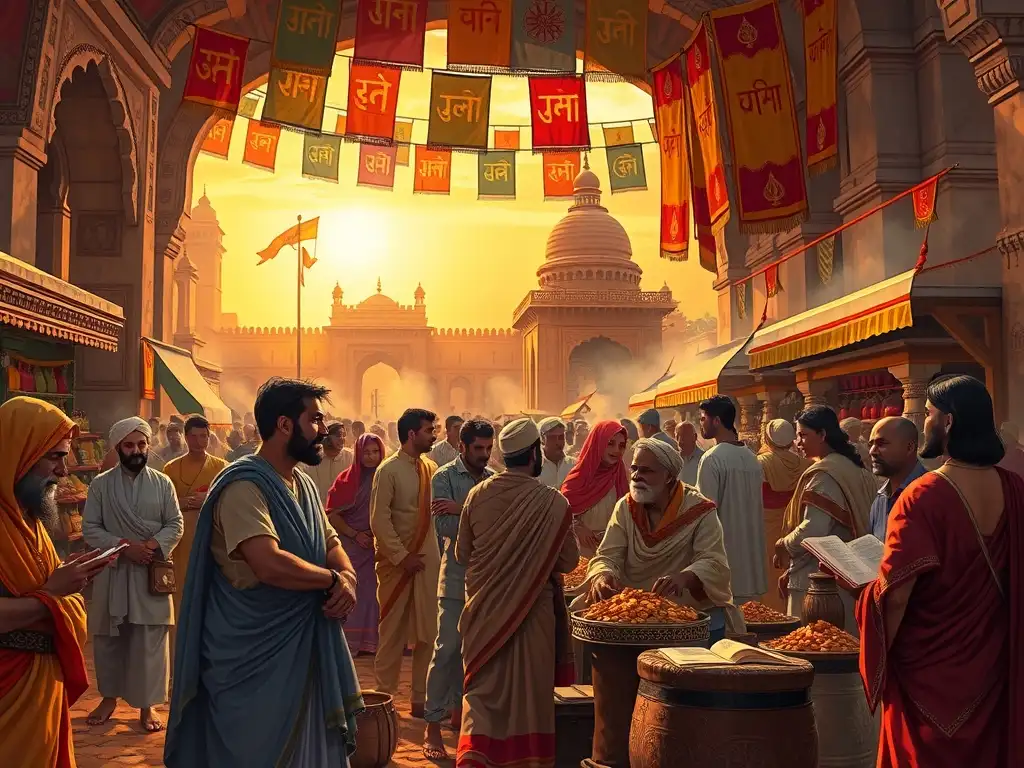
Merchants and travelers played a crucial role in shaping the literary landscape of ancient India. As they traversed vast distances for trade, they not only exchanged goods but also ideas, cultures, and languages. This interaction often enriched local narratives and introduced new themes into Indian literature. The movement of traders facilitated the blending of various linguistic traditions, leading to the emergence of diverse literary styles and genres.
These merchants acted as conduits for cultural exchange, bringing with them stories from distant lands that were often integrated into local folklore. Their experiences were chronicled in numerous texts, reflecting the richness of their journeys. For instance, the incorporation of foreign vocabulary into regional languages is a testament to this exchange. Themes of adventure, commerce, and cultural encounters became prevalent in literature, echoing the realities of trade life during that era.
Prominent Figures in Ancient Trade and Their Contributions
Several prominent figures emerged from ancient Indian trade, whose contributions significantly impacted literature. Notable among them was the merchant and traveler Fa-Hien, who journeyed to India in the 5th century CE. His writings provide valuable insights into the socio-economic conditions and religious practices of the time, thereby influencing the literary canon.
Another significant figure was I-Tsing, a Chinese monk who traveled to India in the 7th century CE. His accounts not only detailed his travels but also highlighted the importance of trade routes in disseminating Buddhist texts, which further enriched Indian literature by integrating Buddhist philosophy into the local narrative.
These travelers' accounts, often filled with vivid descriptions of cities, trade practices, and cultural exchanges, served as a vital source for later writers, allowing for a deeper understanding of the interconnectedness of trade and literature.
Travelogues and Their Influence on Literary Themes
Travelogues written by merchants and explorers served as a significant source of inspiration for ancient Indian literature. These narratives often contained vivid descriptions of the lands they visited, the people they encountered, and the goods they traded, allowing readers to experience distant cultures through written word.
The themes present in these travelogues frequently influenced the storytelling techniques used by local authors. For example, the narrative style of Vālmīki's Ramayana can be seen as reflective of the storytelling traditions introduced by travelers. The incorporation of vivid imagery, diverse character portrayals, and moral dilemmas found in these texts can be traced back to the influence of travel narratives.
Additionally, the travelogues often discussed the economic and political conditions of the regions, which contributed to a greater understanding of the socio-economic context in literary works. This interplay between travel and literature created a rich tapestry of narratives that resonated with audiences across generations.
The Exchange of Ideas Through Trade
The exchange of ideas through trade was pivotal in shaping ancient Indian literature. As merchants interacted with people from various cultures, they brought back not only goods but also philosophical ideas, religious beliefs, and artistic expressions. This exchange fostered a vibrant literary culture that was characterized by a synthesis of diverse influences.
Trade routes such as the Silk Road and maritime paths facilitated the transmission of knowledge, leading to the blending of Indian and foreign literary traditions. For instance, the influence of Greek and Persian literature on Indian texts can be traced back to these trade interactions. The narrative structures, rhetorical styles, and thematic elements found in Indian epics and poetry often reflect elements borrowed from these cultures.
Moreover, the spread of languages such as Sanskrit and Pali was significantly influenced by trade interactions, as these languages became vehicles for the transmission of ideas and cultural practices. Therefore, the literary legacy of ancient India is deeply intertwined with the dynamics of external trade, illustrating how commerce can serve as a catalyst for cultural enrichment.
The Legacy of Ancient Indian Trade on Language and Literature
The legacy of ancient Indian trade is reflected in the evolution of language and literature, showcasing the profound impact of commerce on cultural expression. The linguistic diversity observed in present-day Indian languages can be traced back to the interactions facilitated by trade.
Lasting Effects on Modern Indian Languages
Ancient trade routes led to the amalgamation of various languages, resulting in the formation of modern Indian languages. For instance, the incorporation of Arabic, Persian, and Turkic words into Hindi and Urdu can be attributed to the influence of trade and cultural exchanges with neighboring regions. This linguistic blending has enriched the vocabulary and expressive capabilities of these languages, creating a more nuanced literary tradition.
Additionally, several regional dialects emerged as a result of localized trade interactions, incorporating elements from traders and travelers. As these languages evolved, they carried with them the stories and themes reflective of their origins in trade, further establishing a connection between commerce and literature.
Influence on Contemporary Literature and Arts
The influence of ancient Indian trade is evident in contemporary literature and arts as well. Modern writers often draw upon the rich tapestry of narratives and themes that originated from ancient trade interactions. For example, themes of migration, cultural exchange, and the impact of commerce on society are prevalent in contemporary novels and poetry.
Artists also reflect this legacy in their works, using traditional motifs and stories from ancient trade narratives to create modern interpretations. The fusion of various cultural influences has led to a vibrant artistic scene that honors its historical roots while innovating for the present.
Preservation of Trade Narratives in Historical Texts
The narratives of ancient trade have been preserved in various historical texts, serving as vital sources of information for understanding the socio-economic fabric of ancient Indian civilization. Works such as the Arthashastra, attributed to Kautilya, provide insights into trade practices, market regulations, and the role of merchants in society.
Moreover, the accounts of travelers, such as Marco Polo and Ibn Battuta, offer glimpses into the bustling trade networks and their impact on local cultures. These texts not only document the economic exchanges but also reflect the cultural dialogues that took place as a result of trade. Through these preserved narratives, the influence of ancient Indian trade on language and literature continues to be recognized and appreciated, underscoring the importance of commerce in shaping cultural identity.
Conclusion
The intertwining of ancient Indian trade and literature showcases the remarkable influence that commerce had on cultural and linguistic development. The vibrant exchanges facilitated by trade routes not only introduced new ideas and narratives but also enriched the literary landscape of ancient India. As merchants traversed vast distances, they carried with them not just goods, but also stories, philosophies, and linguistic nuances that transformed local dialects and literary expressions. The symbiosis between trade and literature in ancient India underscores the dynamic nature of cultural evolution, where economic activities fostered creativity and innovation in language.
Summary of the Connection Between Trade and Literature
The relationship between ancient Indian trade and literature is evident through various historical texts and linguistic developments. Trade routes such as the Silk Road and maritime paths facilitated interactions among diverse cultures, leading to the exchange of literary works and ideas. For instance, Sanskrit literature absorbed influences from Persian, Greek, and later Arabic texts, reflecting the multicultural milieu fostered by trade. The introduction of new vocabulary and themes into regional literatures can be traced back to these interactions.
Moreover, the importance of trade is highlighted in several ancient Indian epics and texts, where merchants and their journeys are often depicted as central themes. Works like the Arthashastra by Kautilya not only discuss economic strategies but also emphasize the role of trade in societal development and the cultivation of literature. This synergy between commerce and creativity illustrates how trade was pivotal in shaping not just economic landscapes, but also linguistic and literary traditions.
Reflection on the Importance of Trade in Shaping Cultural Identity
Trade was instrumental in shaping the cultural identity of ancient Indian civilizations. As merchants interacted with various cultures, they brought back not only tangible goods but also ideas that influenced local customs and practices. This cultural exchange contributed to a rich tapestry of traditions, where literature became a reflection of diverse influences. The incorporation of foreign elements into Indian narratives allowed for the evolution of a unique cultural identity that celebrated both indigenous and external contributions.
Furthermore, trade enabled the spread of religious texts and philosophies, which were often pivotal in shaping societal values and literary themes. The dissemination of Buddhism and Jainism through trade routes exemplifies how commerce served as a vehicle for ideological exchange, further enriching the literary canon of ancient India. The diversity of experiences and narratives resulting from trade thus played a crucial role in defining the collective cultural identity of ancient Indian society.
Future Research Directions on Ancient Indian Trade and Literature
Future research on ancient Indian trade and literature should focus on several key areas to deepen our understanding of their interconnectedness. First, a comprehensive analysis of regional literary forms influenced by trade interactions can unveil how specific locales adapted foreign elements into their narratives. Studies exploring the linguistic impact of trade on dialects across different regions would provide insights into the evolution of language in relation to commerce.
Additionally, examining the role of specific trade texts, such as travelogues and merchant diaries, can shed light on the firsthand experiences of traders and their reflections on cultural exchanges. This could include a closer look at works like the Periplus of the Erythraean Sea, which provides valuable accounts of trade routes and the cultures they connected.
Interdisciplinary approaches that integrate archaeology, linguistics, and literary studies could also enhance our understanding of how trade shaped not only literature but also broader cultural practices. By investigating artifacts, inscriptions, and literary texts side by side, researchers can construct a more nuanced picture of the impact of ancient Indian trade on its rich literary heritage.
- Introduction to Ancient Indian Trade and Literature
- Historical Context of External Trade in Ancient India
- The Impact of External Trade on Language
- Influence of External Trade on Literary Works
- The Role of Merchants and Travelers in Shaping Literature
- The Legacy of Ancient Indian Trade on Language and Literature
- Conclusion
- What role did external trade play in shaping ancient Indian literature?
- How did the Indus Valley Civilization contribute to trade and literature?
- What were the main trade routes that impacted ancient Indian literature?
- How did religion influence trade and literature in ancient India?
- What were some key literary works influenced by ancient Indian trade?
Frequently Asked Questions
What role did external trade play in shaping ancient Indian literature?
External trade significantly influenced ancient Indian literature by introducing new vocabulary and cultural narratives, facilitating the blending of ideas and traditions from various civilizations.
How did the Indus Valley Civilization contribute to trade and literature?
The Indus Valley Civilization was known for its advanced urban centers and trade networks, which laid the foundation for literary practices through the exchange of goods and ideas, although much of its writing remains undeciphered.
What were the main trade routes that impacted ancient Indian literature?
Key trade routes included the Silk Road and maritime routes connecting India to regions like Southeast Asia and the Middle East, which facilitated the exchange of literary works and cultural practices.
How did religion influence trade and literature in ancient India?
Religious texts often served as repositories of knowledge and cultural practices, influencing trade by promoting the exchange of religious ideas and literary forms, such as epics and philosophical treatises.
What were some key literary works influenced by ancient Indian trade?
Notable works include the Mahabharata and Ramayana, which reflect cultural exchanges and trade relationships, showcasing how external influences enriched the literary landscape of ancient India.
Final Reflection: The Enduring Legacy of Ancient Indian Trade and Literature
The intricate relationship between ancient Indian trade and literature remains profoundly relevant today, as it underscores the vital role of cultural exchange in shaping societies. The flourishing trade routes of ancient India not only facilitated the exchange of goods but also ideas, languages, and literary forms, creating a rich tapestry of cultural heritage that continues to inspire and inform contemporary discourse. This historical interplay between commerce and creativity reveals that the foundations of our modern world are deeply rooted in the past.
The influence of ancient Indian trade on language and literature is a testament to the power of connectivity and collaboration. As trade expanded, it brought diverse cultures into contact, enriching the literary landscape with new narratives and styles. This ongoing dialogue between cultures is encapsulated in the words of the renowned poet Rabindranath Tagore: The highest education is that which does not merely give us information but makes our life in harmony with all existence.
This harmony, fostered by trade, is a reminder that literature thrives on diversity and shared experiences, shaping our collective identity.
As we reflect on the lessons from ancient Indian trade and literature, let us embrace the spirit of curiosity and openness in our own lives. Consider how you can engage with different cultures, ideas, and narratives to enrich your understanding of the world. By fostering connections and celebrating diversity, we can honor the legacy of our ancestors and contribute to a more harmonious and interconnected future. The stories of the past are not just relics; they are guiding lights that illuminate our path forward.
Unlock the Secrets of Ancient Trade's Impact on Language and Literature!
Thank you for taking the time to explore the fascinating connection between external trade and the evolution of ancient Indian language and literature. Your interest in this topic showcases the richness of India's historical legacy. Now, let's take a step further and engage with this remarkable narrative.
Here are some ways to delve deeper into the influence of trade on civilization:
- Explore ancient trade routes: Research the key trade routes that shaped cultural exchanges and enriched the languages of ancient India.
- Join a community discussion: Share your thoughts on how trade might have influenced specific literary works or language structures in ancient India by contributing your insights in the comments.
- Dive into related myths and stories: Discover how trade activities inspired ancient Indian myths and literature, revealing hidden gems of cultural significance.
What insights do you believe about the relationship between trade and literature shaped the identities of ancient cultures? We invite you to share your thoughts below!