
The Pioneering Use of Irrigation Canals in the Gupta Empire

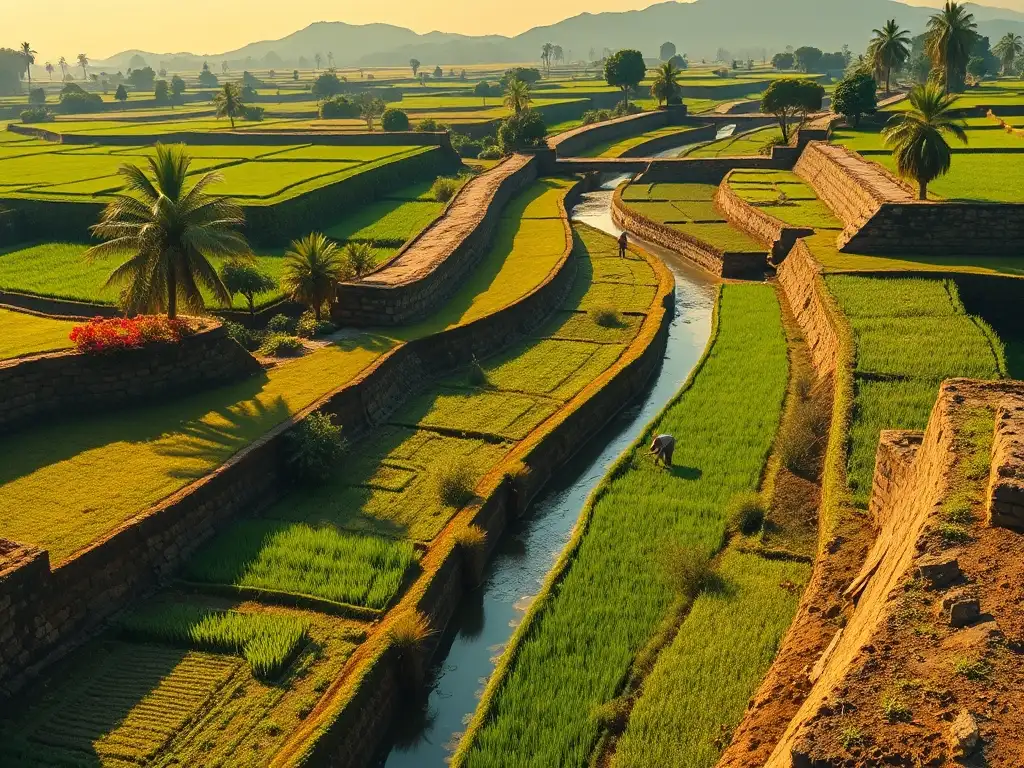
Welcome to Ancient India History, where we invite you to embark on a journey through the rich tapestry of ancient Indian civilizations. Delve into the fascinating topic of irrigation canals in the Gupta Empire, a pivotal innovation that transformed agriculture and fueled economic growth during one of India's most prosperous eras. As you explore this article, prepare to uncover the intricate relationships between engineering marvels and the thriving cultures they supported. What secrets lie beneath the surface of these ancient waterways? Join us as we navigate through history and reveal the remarkable contributions that shaped a civilization.

Introduction to the Gupta Empire and Its Agricultural Innovations
The Gupta Empire, which flourished in ancient India from approximately 320 to 550 CE, is often regarded as a golden age of culture, science, and economic prosperity. This period witnessed remarkable advancements in various fields, including mathematics, astronomy, and art. However, one of the most significant yet sometimes overlooked innovations during this era was the sophisticated use of irrigation canals, which played a pivotal role in enhancing agricultural productivity.
The effective management of water resources through irrigation not only supported the empire's sustenance but also contributed to its economic stability and growth. In this article, we will delve into the pioneering use of irrigation canals in the Gupta Empire, exploring their historical significance, functionality, and impact on agriculture.
Overview of the Gupta Empire
The Gupta Empire, founded by Maharaja Sri Gupta, extended across much of the Indian subcontinent, encompassing parts of present-day India, Bangladesh, Nepal, and Pakistan. This empire is celebrated for its contributions to art, literature, and science, with notable figures such as the mathematician Aryabhata and the playwright Kalidasa emerging during this time. The Gupta rulers implemented policies that promoted trade and agriculture, establishing a robust economy that facilitated cultural and intellectual pursuits. The empire's territorial expanse allowed for diverse agricultural practices, which were enhanced by innovative techniques, including the use of irrigation canals.
Importance of Agriculture in Gupta Society
Agriculture was the backbone of the Gupta economy, with the majority of the population engaged in farming activities. The fertile plains of the Ganges and other river systems provided ideal conditions for the cultivation of various crops, including rice, wheat, and barley. Given the agrarian nature of Gupta society, the rulers prioritized agricultural development as a means of ensuring food security and economic prosperity. The introduction of irrigation canals was a transformative step in this direction, allowing farmers to increase yields and cultivate land that was previously deemed unsuitable for agriculture.
The Role of Irrigation Canals in Gupta Agriculture
Definition and Functionality of Irrigation Canals
Irrigation canals are artificial waterways designed to transport water from rivers or reservoirs to agricultural fields. In the context of the Gupta Empire, these canals served several critical functions:
- Water Distribution: They facilitated the even distribution of water across vast areas, ensuring that crops received adequate moisture.
- Soil Enrichment: By controlling water flow, farmers could prevent soil erosion and salinization, enhancing soil fertility.
- Crop Diversification: The availability of irrigation enabled the cultivation of a wider variety of crops, contributing to dietary diversity and resilience against famine.
Historical Context of Irrigation Practices in Ancient India
The practice of irrigation in ancient India dates back to the Indus Valley civilization, where intricate systems were established to manage water resources effectively. However, it was during the Gupta period that these practices were refined and expanded. Evidence suggests that the Gupta rulers recognized the importance of irrigation for agricultural productivity and implemented large-scale projects to construct and maintain canals.
The success of these irrigation systems can be attributed to several factors:
- Technological Innovations: Advances in engineering and hydrology allowed for the construction of more sophisticated canal networks.
- Centralized Governance: The Gupta administration played a crucial role in organizing and funding irrigation projects, ensuring that resources were allocated efficiently.
- Local Knowledge: Farmers utilized traditional knowledge and practices to adapt irrigation techniques to their specific regional conditions, leading to enhanced agricultural outputs.
The pioneering use of irrigation canals in the Gupta Empire was a significant agricultural innovation that transformed farming practices and contributed to the empire's overall prosperity. As we continue to explore this topic, we will examine specific case studies and historical evidence that highlight the impact of these irrigation systems on Gupta society.
Development of Irrigation Canals during the Gupta Period
The Gupta Empire, flourishing from approximately 320 to 550 CE, is often referred to as a golden age of Indian history, marked by significant advancements in various fields, including agriculture. One of the most remarkable achievements of this era was the development of sophisticated irrigation canals. The need for enhanced agricultural productivity to support the growing population led to innovative solutions in water management.
Irrigation canals were constructed across the fertile plains of the Ganges and other river valleys, which allowed for effective water distribution to farmlands. This period saw the establishment of a systematic approach to irrigation, with canals being designed to channel water from rivers to fields, thereby mitigating the effects of seasonal monsoons. The integration of these canals into the agricultural landscape contributed to the overall stability and prosperity of the Gupta Empire, as it enabled farmers to cultivate crops with greater reliability and efficiency.
Key Innovations in Canal Construction
The construction of irrigation canals during the Gupta Empire was characterized by several key innovations that set the stage for more effective agricultural practices. One of the notable advancements was the use of slope engineering, which ensured that canals maintained a consistent gradient to facilitate the flow of water. This technique allowed for gravity-fed irrigation systems that minimized the need for manual labor in water transportation.
Additionally, the Gupta engineers employed advanced surveying methods to determine the optimal routes for canals, taking into account the topography of the land. This careful planning ensured that water could be effectively distributed over large areas, maximizing agricultural potential. Furthermore, the introduction of weirs and sluices allowed for better control of water levels within the canals, providing farmers with the ability to manage water supply during both dry and wet seasons.
Materials and Techniques Used in Irrigation Canal Building

The construction of irrigation canals in the Gupta Empire utilized a variety of materials and techniques that reflected the ingenuity of the period. Primarily, local resources such as clay, stones, and wooden planks were employed to build the canals. Clay was often used to line the canals, preventing water loss through seepage and enhancing the overall efficiency of the irrigation system.
Additionally, techniques such as rammed earth construction were utilized to create durable canal banks that could withstand heavy rains and prevent erosion. The use of stone blocks, particularly in critical junctions and turns of the canals, provided structural stability and durability. Workers skilled in masonry and carpentry played a crucial role in the construction process, ensuring that the canals were both functional and resilient.
Economic Impact of Irrigation Canals in the Gupta Empire
The establishment of irrigation canals had profound economic implications for the Gupta Empire. By significantly increasing the availability of water for agriculture, these canals played a crucial role in enhancing crop yields, which in turn supported the empire's economy.
With a reliable irrigation system in place, farmers could cultivate multiple crops per year, leading to increased agricultural output. This surplus not only improved food security but also allowed for the trade of excess produce, contributing to the overall prosperity of the region. The canals enabled the cultivation of diverse crops, including rice, wheat, and pulses, which were vital for sustaining the population and supporting the burgeoning urban centers of the Gupta period.
Enhancement of Crop Yields through Irrigation
The ability to effectively manage water resources through irrigation canals directly translated to higher crop yields in the Gupta Empire. With consistent access to water, farmers could plant crops at optimal times and reduce the risks associated with droughts and erratic rainfall patterns.
Studies of historical agricultural practices indicate that regions with well-developed irrigation systems experienced significantly higher productivity compared to those reliant on rain-fed agriculture. The introduction of intensive farming techniques, such as crop rotation and intercropping, was facilitated by the availability of water, leading to even greater agricultural efficiency. This increase in yield not only benefited local communities but also positioned the Gupta Empire as a significant agricultural powerhouse in ancient India.
Influence on Trade and Agricultural Surplus
The agricultural surplus generated by the irrigation canals had a profound impact on trade within the Gupta Empire and beyond. With an abundance of crops available, markets flourished, and trade routes expanded, allowing for the exchange of goods across vast distances. The surplus contributed to the development of a vibrant economy, where agriculture became a cornerstone of wealth.
Moreover, the improved agricultural productivity fostered urbanization, as more people moved to cities to engage in trade and commerce. This shift played a crucial role in the enrichment of cultural and economic life in the Gupta Empire. The canals not only transformed agricultural practices but also facilitated a system of trade that connected various regions, enhancing the overall economic landscape of ancient India.

Irrigation canals in the Gupta Empire played a pivotal role not only in enhancing agricultural productivity but also in shaping the social and cultural landscape of the time. The construction and maintenance of these canals fostered a sense of community, as people came together to manage water resources essential for their livelihoods. This collective effort often led to the establishment of social hierarchies and governance structures that facilitated cooperation among villagers.
Moreover, the canals became central to the agrarian lifestyle, influencing settlement patterns and promoting the growth of villages around these water sources. The regular supply of water allowed for the cultivation of various crops, which in turn supported a burgeoning population and led to increased trade. The resulting economic stability enabled the flourishing of arts, crafts, and various cultural practices that characterized Gupta society.
How Irrigation Improved Living Standards
The implementation of irrigation canals significantly improved living standards in the Gupta Empire. By ensuring a consistent water supply, these canals enabled farmers to produce surplus crops, reducing the risk of famine and poverty. This agricultural abundance created a reliable food source that supported both population growth and urbanization.
In addition to enhancing food security, the surplus also facilitated trade, leading to increased wealth within communities. As a result, families could invest in education, healthcare, and other essential services, further elevating their quality of life. Furthermore, with a stable agricultural base, artisans and merchants could thrive, contributing to a vibrant economic environment that benefited all societal classes.
The Role of Irrigation in Community and Ritual Practices
Irrigation canals were not merely functional; they held significant cultural and spiritual value in Gupta society. Water has always been a vital element in Indian culture, often associated with fertility and prosperity. As such, the canals became focal points for community rituals and festivals, where water was celebrated as a life-giving force.
Local deities related to water and agriculture were worshipped at these sites, reinforcing the spiritual connection between the people and their environment. Rituals surrounding the maintenance and cleaning of the canals not only ensured their functionality but also strengthened community bonds, underscoring the importance of collective effort in both agricultural and spiritual practices.
Comparison of Gupta Irrigation Canals with Earlier Practices
While the Gupta Empire is well-known for its sophisticated irrigation canals, it's essential to recognize how these innovations differed from earlier practices, particularly those from the Indus Valley civilization. The evolution of irrigation systems reflects significant advancements in engineering and agricultural knowledge, showcasing the ingenuity of Gupta society.
Differences from Indus Valley Irrigation Techniques
The irrigation techniques employed by the Indus Valley civilization were primarily based on the use of wells and flooding methods, which relied heavily on seasonal monsoons. In contrast, the Gupta Empire developed a more extensive and organized network of canals that allowed for controlled irrigation. These canals were often lined with stone and meticulously maintained to prevent silt accumulation and ensure efficient water flow.
Furthermore, Gupta canals were designed to serve multiple villages, thereby enhancing regional cooperation and agricultural output. This shift towards a more integrated and community-focused irrigation system marked a significant advancement in agricultural practices compared to the relatively localized approaches of the Indus Valley.
Evolution of Canal Systems Across Ancient Indian Civilizations
The evolution of irrigation canals across ancient Indian civilizations demonstrates a continuous improvement in agricultural practices. Following the Indus Valley, subsequent empires, including the Maurya and Gupta, built upon earlier techniques, leading to innovations in canal construction and water management.
During the Gupta period, the introduction of systematic surveying and engineering techniques allowed for the construction of more extensive canal networks that could support larger populations. Additionally, the integration of community labor in irrigation projects marked a shift toward more collaborative agricultural practices, laying the foundation for future advancements in irrigation throughout Indian history. This evolution not only addressed immediate agricultural needs but also set the stage for the sustained economic prosperity that characterized the Gupta Empire.
Challenges Faced in the Use of Irrigation Canals

The development and management of irrigation canals during the Gupta Empire were not without significant challenges. These obstacles stemmed from a combination of environmental factors, technological limitations, and socio-political dynamics. Understanding these challenges provides insight into the sophisticated agricultural practices of the time and the innovations that arose in response.
Environmental Factors Affecting Irrigation
The diverse geography of ancient India presented a multifaceted array of environmental challenges. The Indian subcontinent features varying climates, from the arid deserts of Rajasthan to the lush plains of the Ganges. These climatic conditions heavily influenced the efficacy of irrigation systems.
- Monsoon Variability: The reliance on monsoon rains meant that fluctuations in rainfall could lead to either drought or flooding. In years of excessive rainfall, canals could overflow, causing erosion and damaging crops. Conversely, inadequate rainfall resulted in insufficient water supply for irrigation, jeopardizing agricultural yields.
- Soil Types: The varying soil types across regions also posed challenges. Sandy or clayey soils required different irrigation strategies, and the inability to adapt canal systems to these conditions could lead to soil degradation and reduced fertility.
- Water Management: The natural course of rivers and streams had to be considered when designing canal systems. Changes in water flow due to sedimentation, seasonal shifts, or human activity could disrupt the intended irrigation patterns, necessitating constant monitoring and adjustment.
Maintenance and Management of Canal Systems
Effective maintenance and management were crucial for the longevity and productivity of irrigation canals. The Gupta Empire faced difficulties in this area due to several factors:
- Labor Requirements: Canal maintenance required a significant labor force, which could be challenging to mobilize consistently. Seasonal labor shortages, particularly during planting and harvest times, could hinder necessary repairs and upkeep.
- Resource Allocation: The allocation of resources for canal maintenance often competed with other pressing needs, such as military expenditures or infrastructure development. Balancing these demands was essential for sustaining the irrigation systems.
- Technological Limitations: While the Gupta Empire was known for its advancements, the technology of the time still faced limitations. The construction of durable canal systems that could withstand the rigors of nature and time was a persistent challenge. Early engineering methods required constant adaptation to evolving environmental conditions.
Conclusion: Legacy of Irrigation Canals in Ancient Indian History
The pioneering use of irrigation canals in the Gupta Empire laid the groundwork for future agricultural practices and innovations in India. The challenges faced in implementing and maintaining these systems led to significant advancements in engineering, resource management, and agricultural techniques.
Lasting Impact on Subsequent Agricultural Practices
The irrigation practices established during the Gupta period influenced subsequent agricultural systems in India and beyond. The knowledge gained from the management of canal systems informed later innovations, enhancing crop yields and supporting larger populations.
- Sustainable Practices: The lessons learned about the importance of water management and soil conservation contributed to the development of sustainable agricultural practices that persisted through the centuries.
- Expansion of Agricultural Areas: With the establishment of effective irrigation systems, previously arid or less fertile lands became cultivable, leading to the expansion of agricultural areas and increased food production.
Reflection on the Gupta Empire's Contributions to Agricultural Innovation
The Gupta Empire's contributions to agricultural innovation through the pioneering use of irrigation canals cannot be overstated. The integration of engineering and agricultural practices during this period marked a significant evolution in how civilizations utilized natural resources.
- Cultural Significance: This advancement was not merely practical but also culturally significant, as agriculture played a central role in the economy and society of ancient India. The successful management of irrigation canals reflected the ingenuity and adaptability of Gupta society.
- Historical Influence: The legacy of these irrigation systems continues to be felt today, influencing modern agricultural practices and water management strategies in the Indian subcontinent. The Gupta Empire's achievements in this realm stand as a testament to the importance of innovation in addressing environmental challenges and supporting economic growth.
References and Further Reading on Gupta Empire Agriculture
The agricultural practices during the Gupta Empire, particularly the pioneering use of irrigation canals, are well-documented in various scholarly works. These resources provide insights into the innovations that supported agriculture, the economy, and the overall development of this significant period in ancient Indian history. Below are some recommended readings and online resources that can enhance your understanding of this topic.
Suggested Books and Articles
-
"The Rise and Fall of the Gupta Empire" by R. C. Majumdar
This comprehensive book offers a detailed account of the Gupta Empire's history, including the agricultural advancements that contributed to its prosperity. It highlights the role of irrigation canals in transforming agricultural practices.
-
"Agricultural Innovation in the Ancient World" by Charles E. Orser Jr.
An insightful exploration of various agricultural innovations across ancient civilizations, this book includes a section dedicated to the Gupta period, discussing the significance of irrigation canals in enhancing crop yields.
-
"The Gupta Empire: A Historical Overview" by J. C. Harle
This article examines the broader socio-economic aspects of the Gupta Empire, with a focus on agricultural practices, including irrigation techniques that enabled efficient farming.
-
"Water Management in Ancient India" by S. K. Gupta
This academic paper delves into the water management systems employed in ancient India, emphasizing the sophisticated irrigation systems developed during the Gupta Empire and their impact on agriculture.
Online Resources for Exploring Ancient Indian Agricultural Practices
-
Digital South Asia Library
This resource offers a wealth of primary and secondary sources related to South Asian history, including materials pertinent to Gupta agricultural practices. You can find maps, historical documents, and scholarly articles.
-
Internet History Sourcebooks Project
A collection of historical texts and resources that include sections on ancient Indian history, with specific references to agricultural advancements and irrigation practices during the Gupta period.
-
Ancient India: Agriculture and Economy (Online Course)
An online course available through various educational platforms, focusing on the agricultural innovations of ancient India, including irrigation systems in the Gupta Empire. This course features lectures, readings, and discussions that provide a comprehensive overview of the subject.
-
The Archaeological Survey of India (ASI)
The ASI website provides access to archaeological reports, findings, and publications related to ancient Indian civilizations. It includes studies on agricultural practices and irrigation systems that were integral to the Gupta Empire's success.
These references and resources serve as a solid foundation for anyone interested in studying the agricultural practices and innovations of the Gupta Empire, specifically the pioneering use of irrigation canals that played a crucial role in its economic development.
- Introduction to the Gupta Empire and Its Agricultural Innovations
- The Role of Irrigation Canals in Gupta Agriculture
- Development of Irrigation Canals during the Gupta Period
- Key Innovations in Canal Construction
- Materials and Techniques Used in Irrigation Canal Building
- Economic Impact of Irrigation Canals in the Gupta Empire
- Enhancement of Crop Yields through Irrigation
- Influence on Trade and Agricultural Surplus
- Social and Cultural Significance of Irrigation Canals
- How Irrigation Improved Living Standards
- The Role of Irrigation in Community and Ritual Practices
- Comparison of Gupta Irrigation Canals with Earlier Practices
- Challenges Faced in the Use of Irrigation Canals
- Conclusion: Legacy of Irrigation Canals in Ancient Indian History
- References and Further Reading on Gupta Empire Agriculture
- What were irrigation canals used for in the Gupta Empire?
- How did irrigation canals impact the economy of the Gupta Empire?
- Were there any specific technologies used for building these canals?
- How did irrigation systems affect the social structure of the Gupta Empire?
- What role did the government play in the irrigation canal system?
Frequently Asked Questions
What were irrigation canals used for in the Gupta Empire?
Irrigation canals were essential for agricultural development in the Gupta Empire, allowing for efficient water management and increased crop yields.
How did irrigation canals impact the economy of the Gupta Empire?
The construction of irrigation canals significantly boosted the agricultural productivity, which in turn enhanced trade and contributed to the overall economic prosperity of the empire.
Were there any specific technologies used for building these canals?
Yes, the Gupta Empire utilized advanced engineering techniques and tools to construct well-planned irrigation systems that effectively channeled water to farmlands.
The development of irrigation canals led to the growth of settlements and a more structured society, as people began to live in communities focused on agriculture.
What role did the government play in the irrigation canal system?
The Gupta rulers actively promoted the construction and maintenance of irrigation canals, recognizing their importance for sustaining agriculture and improving the lives of their citizens.
Final Reflection: The Enduring Legacy of Irrigation Canals in the Gupta Empire
The pioneering use of irrigation canals in the Gupta Empire not only transformed agricultural practices of its time but also laid the groundwork for sustainable farming techniques that resonate even today. As we navigate the complexities of modern agriculture and water management, it is crucial to recognize how these ancient innovations continue to influence our understanding of resource management and environmental stewardship. The ingenuity of the Gupta Empire serves as a powerful reminder that the solutions to contemporary challenges often lie in the wisdom of our past.
The impact of irrigation canals during the Gupta period extends far beyond mere agricultural enhancement; it symbolizes a profound connection between civilization and its environment. The intricate network of canals not only supported the agrarian economy but also fostered social cohesion and cultural development. As we reflect on this legacy, we can appreciate how such innovations shaped the societal fabric of the time. The true measure of a civilization is how it manages its resources.
This sentiment echoes through history, reminding us that our relationship with nature is pivotal to our progress.
As we look to the future, let us embrace the lessons learned from the Gupta Empire's mastery of irrigation. I invite you to reflect on your own relationship with water and resources in your daily life. Consider how you can implement sustainable practices inspired by these ancient techniques, whether through conservation efforts or community initiatives. Together, we can honor the legacy of the Gupta Empire by fostering a more sustainable and harmonious relationship with our environment, ensuring that the wisdom of the past informs a brighter future for generations to come.
Unleash the Power of Irrigation: Take Action Today!
Thank you for exploring the fascinating history of irrigation canals in the Gupta Empire. By examining this topic, you've uncovered the pivotal role of innovative agricultural practices in shaping ancient civilizations. Now, it’s time to channel that inspiration into action!
Here are some impactful steps you can take:
- Start a community garden in your area, utilizing sustainable irrigation techniques inspired by ancient methods!
- Share your insights with friends and family on social media—let them know how historical innovations can influence modern practices.
- Join a local group focused on sustainable agriculture to connect with like-minded individuals and exchange ideas.
What modern strategies can we adopt today to emulate the ingenuity of the Gupta Empire’s irrigation advancements? Let’s start a conversation!