
The Influence of Geography on Agricultural Practices in Ancient India

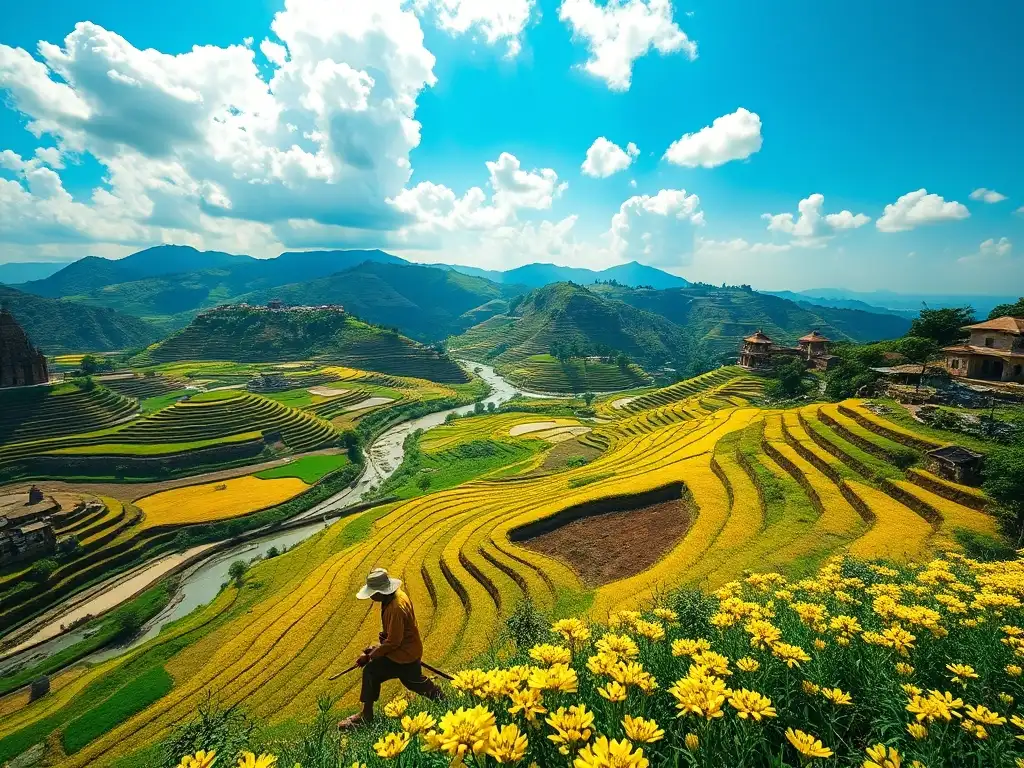
Welcome to Ancient India History, where we embark on a fascinating journey through the rich tapestry of ancient Indian civilizations. Here, we delve into the intricate relationship between geography and agriculture in ancient India, uncovering how the diverse landscapes shaped agricultural practices and fueled the growth of vibrant societies.
As you explore our main article, "The Influence of Geography on Agricultural Practices in Ancient India," prepare to be captivated by the innovative techniques and enduring legacies that arose from this harmonious interplay. Join us as we unveil the secrets of the past and ignite your curiosity about the remarkable contributions of ancient India!
Introduction to Geography and Agriculture in Ancient India
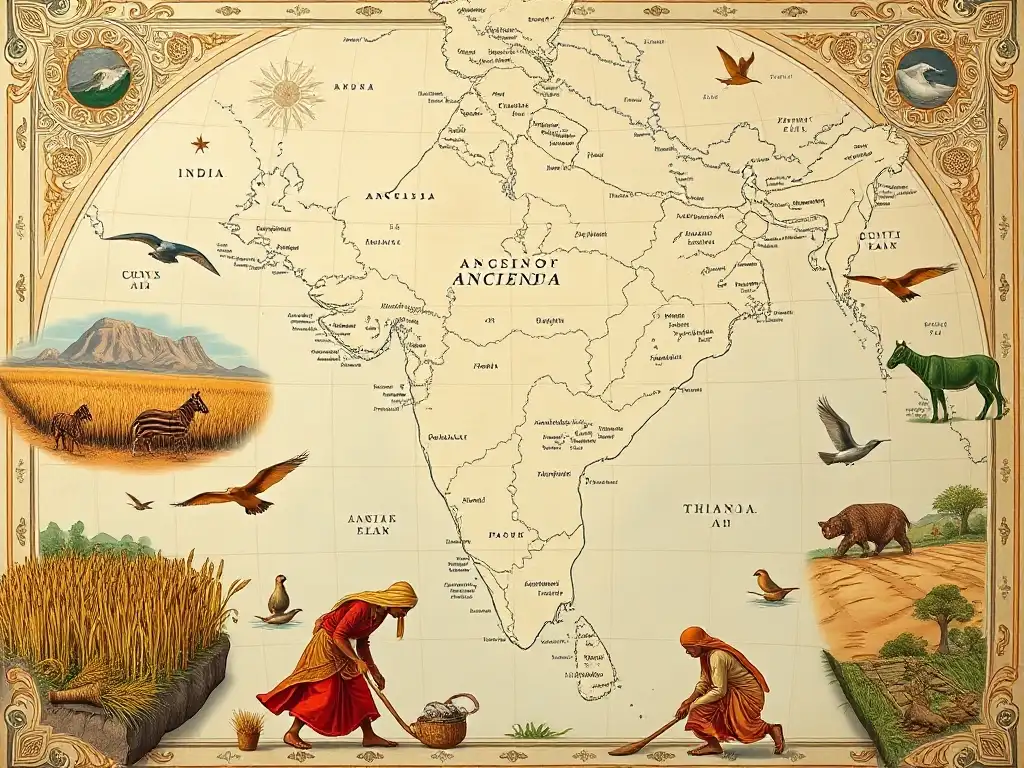
The intricate relationship between geography and agriculture in ancient India played a significant role in shaping the agricultural practices and innovations of the time. From the fertile plains of the Indus Valley to the diverse climatic zones spanning the subcontinent, the geographical features of ancient India provided both challenges and opportunities for early civilizations. Understanding this connection is crucial for appreciating how ancient Indian societies adapted their agricultural techniques to their environment, which in turn influenced their economy, culture, and social structures.
Geography not only determined the types of crops that could be cultivated but also influenced irrigation methods, settlement patterns, and trade routes. As we delve into the key geographical features of ancient India, we will uncover the various ways in which these elements impacted agricultural practices and contributed to the rich agricultural heritage that has persisted through the ages.
Key Geographical Features of Ancient India
Major River Systems
Ancient India was blessed with several major river systems that served as the lifeblood of agriculture. The Indus River, along with its tributaries, created a fertile alluvial plain that supported one of the world's earliest urban civilizations. Similarly, the Ganges River and its tributaries provided ample water supply for irrigation, allowing for the cultivation of rice, barley, and various pulses.
- Indus River System
- Enabled irrigation techniques, such as the construction of canals.
- Supported cities like Mohenjo-Daro and Harappa.
- Ganges River System
- Key to the agricultural practices of the Ganges plain.
- Facilitated trade and movement of goods.
These river systems not only supported agriculture but also fostered trade and cultural exchange among ancient communities, ensuring prosperity and growth.
Mountain Ranges and Plateaus
The Himalayas and other mountain ranges, such as the Vindhya and Satpura, significantly influenced agricultural practices. These mountains acted as natural barriers, creating distinct climatic zones that allowed for varied agricultural practices.
- Himalayas
- Provided a source of rivers through glacial melt.
- Contributed to the development of terrace farming in the hilly regions.
- Deccan Plateau
- Characterized by dry farming techniques due to less rainfall.
- Supported crops like millet and sorghum.
The geographical diversity created by these mountains encouraged the cultivation of a wide array of crops suited to different altitudes and climates.
Climate Zones in Ancient India
India's climate is marked by diverse zones, ranging from tropical in the south to temperate in the north. This climatic diversity greatly influenced agricultural patterns.
- Tropical Climate
- Favored crops like rice, coconut, and spices.
- Supported multiple cropping seasons.
- Arid Climate
- Required the adoption of drought-resistant crops such as millet and barley.
- Led to innovative water conservation techniques.
- Seasonal Monsoons
- Critical for replenishing water supplies and ensuring crop growth.
- Influenced planting and harvesting cycles across the subcontinent.
Understanding these climate zones helps us appreciate how ancient Indian farmers adapted their practices to optimize their yields and sustain their communities in a variety of environments.
Agricultural Practices Influenced by Geography
Geography played a pivotal role in shaping the agricultural practices of ancient India. The diverse geographical features, including mountains, rivers, plains, and deserts, dictated the types of crops that could be cultivated, the methods of irrigation employed, and the livestock that could be raised. As a result, each region developed unique agricultural practices that catered to its specific environmental conditions.
Crop Selection Based on Geographical Conditions
The selection of crops in ancient India was largely determined by the geographical conditions of each region. For instance, the fertile alluvial soil of the Gangetic Plains was ideal for cultivating staple crops like rice and wheat, while the arid conditions of Rajasthan favored drought-resistant crops such as millet and barley.
- River Valleys: Regions near major rivers like the Indus and Ganges benefited from regular flooding, which deposited nutrient-rich silt and supported a variety of crops.
- Hilly Regions: In the hilly terrains of the Western Ghats, crops like coffee, spices, and fruits thrived due to the cooler climate and varied altitudes.
- Desert Areas: Conversely, in the Thar Desert, farmers adapted by growing hardy crops and utilizing traditional practices like shifting cultivation.
This adaptability highlights the significance of geography in influencing what crops could be successfully grown, ultimately impacting the economy and diet of ancient communities.
Irrigation Techniques and Water Management
The availability of water resources significantly influenced irrigation techniques in ancient India. Various methods were developed to manage water efficiently, addressing the challenges posed by the region's climatic conditions.
- Canal Systems: In the Indus Valley Civilization, intricate canal systems facilitated the irrigation of crops, allowing for the cultivation of wheat, barley, and cotton.
- Step Wells and Tanks: In arid regions, farmers constructed step wells and water tanks to capture seasonal rainwater, ensuring a consistent supply for crops during dry periods.
- Flood Management: In flood-prone areas, farmers developed techniques to harness river floods for irrigation, utilizing the resulting silt to enrich their fields.
These innovative irrigation methods were crucial for sustaining agricultural productivity and supporting the growing populations of ancient Indian civilizations.
Livestock and Geography
The geography of ancient India also influenced livestock rearing practices. Different regions provided varying resources and environmental conditions for raising animals, which, in turn, shaped agricultural practices.
- Cattle in the Plains: The fertile plains supported large herds of cattle, which were primarily used for plowing fields and as a source of milk. The use of oxen for tilling soil became prevalent in these areas.
- Goats and Sheep in Arid Regions: In the drier regions, goats and sheep were favored for their adaptability to harsh conditions and their ability to graze on sparse vegetation.
- Poultry and Other Livestock: The availability of water bodies in certain regions allowed for the cultivation of fish and the raising of poultry, contributing to diverse diets.
The integration of livestock into agricultural practices enhanced productivity and provided additional resources for ancient Indian communities.
Case Studies: Geographic Influence on Specific Regions
Agriculture in the Indus Valley Civilization
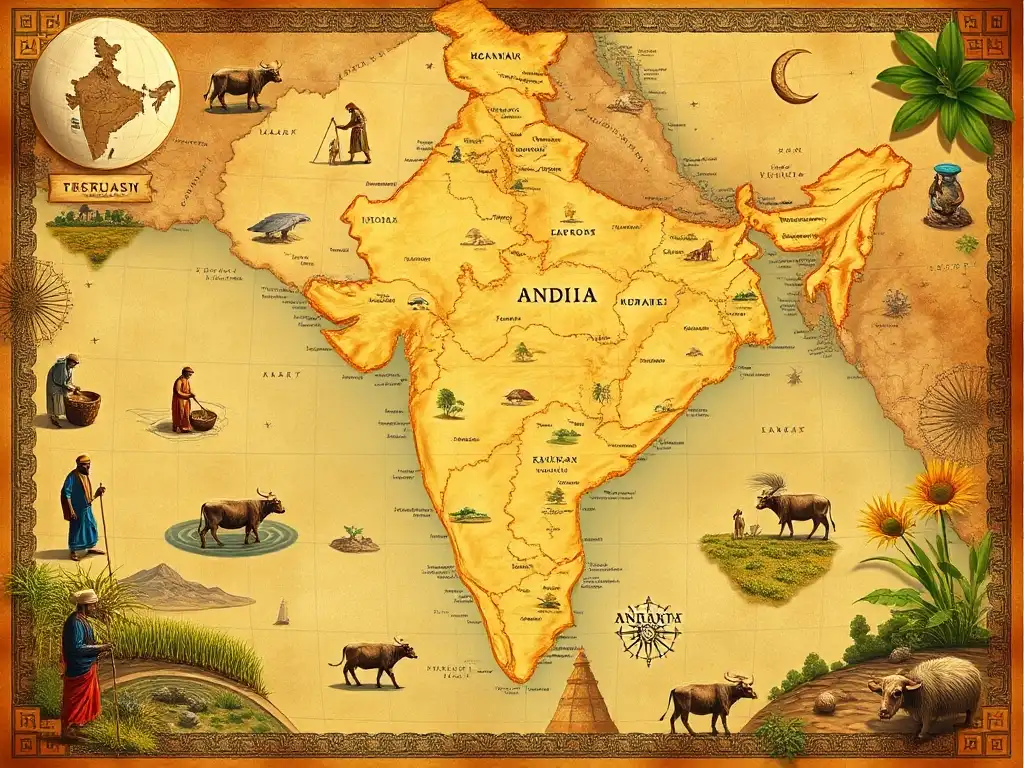
The Indus Valley Civilization is a prime example of how geography influenced agricultural practices. Located near the Indus River, the civilization benefited from fertile alluvial soil and a well-developed irrigation system, which allowed for the cultivation of a variety of crops, including wheat, barley, and cotton.
- Urban Planning: The cities of Harappa and Mohenjo-Daro featured advanced urban planning, with granaries indicating the importance of agriculture in their economy.
- Trade and Economy: The surplus production supported trade networks, connecting the Indus Valley with other regions and contributing to its prosperity.
Agricultural Practices in the Gangetic Plains
The Gangetic Plains, characterized by rich alluvial soil and a favorable climate, became one of the most agriculturally productive regions in ancient India. Rice and wheat were the primary crops cultivated due to the region’s abundant water supply from the Ganges River.
- Crop Rotation: Farmers practiced crop rotation and mixed cropping to enhance soil fertility and maximize yields.
- Cultural Practices: The agricultural calendar was closely linked with cultural festivals, reflecting the deep connection between geography, agriculture, and society.
The Role of Geography in Southern Indian Agriculture
In Southern India, the diverse geography, including the Western Ghats and the Deccan Plateau, led to distinct agricultural practices. The region's climate allowed for the cultivation of a variety of crops, including rice, spices, and fruits.
- Terraced Farming: In hilly areas, terraced farming was developed to optimize land use and prevent soil erosion.
- Monsoon Dependence: Agriculture in Southern India was heavily reliant on the monsoon season, which shaped the cropping patterns and agricultural productivity.
Overall, the geographical diversity of ancient India fostered a wide range of agricultural practices, each uniquely adapted to local conditions, and contributed to the rich tapestry of Indian civilization.
Conclusion: The Lasting Impact of Geography on Ancient Indian Agriculture
The geographical diversity of ancient India played a pivotal role in shaping its agricultural practices. From the fertile plains of the Indus Valley to the arid landscapes of Rajasthan, the unique characteristics of each region influenced the crops that could be cultivated and the techniques farmers employed. The river systems, particularly the Ganges and the Indus, not only provided water for irrigation but also enriched the soil with nutrients, fostering the growth of various staple crops like rice, wheat, and barley.
Moreover, the varied climates across different regions allowed for a rich tapestry of agricultural practices. In the southern regions, the monsoon rains were harnessed for paddy cultivation, while in the arid western regions, farmers adapted by developing dry farming techniques and growing drought-resistant crops. This adaptability to geographical conditions not only ensured food security but also facilitated trade and cultural exchange, as surplus produce could be transported to other regions.
The innovations in agriculture that arose from these geographical influences laid the groundwork for future agricultural advancements in the subcontinent. Techniques such as crop rotation and the use of irrigation systems became integral to Indian agriculture, showcasing the deep understanding ancient farmers had of their environment. Thus, the legacy of geography continues to be felt in modern agricultural practices in India, illustrating a profound and lasting impact that has shaped the agricultural landscape throughout history.
References and Further Reading
-
Thapar, Romila. The Penguin History of Early India: From the Origins to AD 1300. Penguin Books, 2002.
This comprehensive history provides insights into the early agricultural practices and their dependence on geography in ancient India.
-
Srinivasan, S. Agriculture in Ancient India: A Historical Perspective. Indian Council of Historical Research, 2010.
This work explores the evolution of agricultural techniques and the geographical factors influencing them.
-
Puri, B. R. The Economy of Ancient India: From the Earliest Times to the Twelfth Century. Munshiram Manoharlal Publishers, 2005.
This book discusses the economic aspects of ancient Indian society, including agriculture, in relation to geographical conditions.
-
Rao, K. M. "Geography and Agriculture in Ancient India: The Interdependence." Indian Journal of Historical Studies, vol. 12, no. 3, 2016, pp. 45-67.
This journal article delves into the intricate relationship between geography and agricultural practices in ancient India.
-
Basham, A. L. The Wonder That Was India: A Survey of Indian Culture. Picador, 2004.
Basham's classic work examines the cultural and agricultural developments in ancient India, highlighting geographical influences.
- Introduction to Geography and Agriculture in Ancient India
- Key Geographical Features of Ancient India
- Agricultural Practices Influenced by Geography
- Case Studies: Geographic Influence on Specific Regions
- Conclusion: The Lasting Impact of Geography on Ancient Indian Agriculture
- References and Further Reading
- What role did geography play in agriculture in ancient India?
- How did the monsoon season affect farming in ancient India?
- What were the primary crops cultivated in ancient India?
- How did the Gupta Empire influence agricultural advancements?
- What were the environmental challenges faced by ancient Indian farmers?
Frequently Asked Questions
What role did geography play in agriculture in ancient India?
Geography significantly influenced agricultural practices, as the diverse landscapes provided different opportunities. Regions like the Indus Valley benefitted from fertile soil and river systems, promoting extensive farming.
How did the monsoon season affect farming in ancient India?
The monsoon season was crucial for agriculture, as it brought essential rainfall to arid regions. Farmers relied on this seasonal pattern to determine planting and harvesting schedules, impacting crop yields.
What were the primary crops cultivated in ancient India?
Ancient Indian civilizations primarily cultivated rice, wheat, barley, and millets. The choice of crops often depended on the local geography and climatic conditions of the region.
How did the Gupta Empire influence agricultural advancements?
During the Gupta Empire, there were significant advancements in agricultural techniques, including improved irrigation systems. This period saw increased crop production, contributing to economic prosperity.
What were the environmental challenges faced by ancient Indian farmers?
Ancient Indian farmers faced several environmental challenges, such as flooding, drought, and soil erosion. These challenges required innovative farming strategies to ensure sustainable agricultural practices.
Final Reflection: The Interwoven Tapestry of Geography and Agriculture in Ancient India
The intricate relationship between geography and agriculture in ancient India remains profoundly relevant today, as it underscores the significance of environmental factors in shaping human civilization. The agricultural practices of ancient India were not merely a means of sustenance; they were a reflection of the land's diverse geography, which dictated the crops cultivated, the farming techniques employed, and the very fabric of society itself. This historical perspective invites us to appreciate how geography continues to influence agricultural practices in modern times, reminding us that our environment plays a crucial role in our livelihoods and cultural identities.
The legacy of ancient agricultural practices in India is a testament to the resilience and ingenuity of its people, who adapted to their geographical contexts to thrive. This adaptability is evident in the diverse farming techniques that emerged across different regions, from the terraced fields of the Himalayas to the floodplain agriculture of the Indo-Gangetic plains. As we reflect on this rich history, we are reminded of the words of Mahatma Gandhi: To forget how to dig the earth and to tend the soil is to forget ourselves.
This quote encapsulates the ongoing influence of geography on agriculture, urging us to recognize our connection to the land and the importance of sustainable practices in preserving our environment for future generations.
As we conclude, I invite you to reflect on your own relationship with the land and the agricultural practices that surround you. Consider how geography shapes not only the food you consume but also the culture and community you are a part of. Embrace the lessons from ancient India, where a deep understanding of the environment fostered innovation and sustainability. Let us carry forward this legacy by advocating for sustainable agricultural practices and nurturing our connection to the earth, ensuring that we honor the past while cultivating a more harmonious future.
Embrace the Wisdom of Ancient Agriculture!
Thank you for exploring the fascinating interplay between geography and agriculture in ancient India! Your interest in how these elements shaped historical practices is a step towards understanding the rich tapestry of our shared past. Now, it's time to take this knowledge further and connect with our ancient roots.
Here are some actions you can take to dive deeper and share the wisdom of ancient agricultural practices:
- Uncover: Research your local agricultural practices and compare them with historical methods! You might find surprising similarities or unique adaptations in your community.
- Join the Conversation: Share your thoughts or experiences with agriculture in the comments section below! Your insights could inspire others and spark a meaningful discussion about the continuity of practices through time.
- Explore Further: Visit a local farm or historical site that showcases traditional agricultural techniques. Engaging with these methods firsthand can give you a profound appreciation for our history.
As you reflect on these actions, consider this: How can the lessons from ancient agricultural practices help us cultivate sustainability in our modern world?