
The Indus Valley Civilization: Women’s Influence in Early Urban Societies

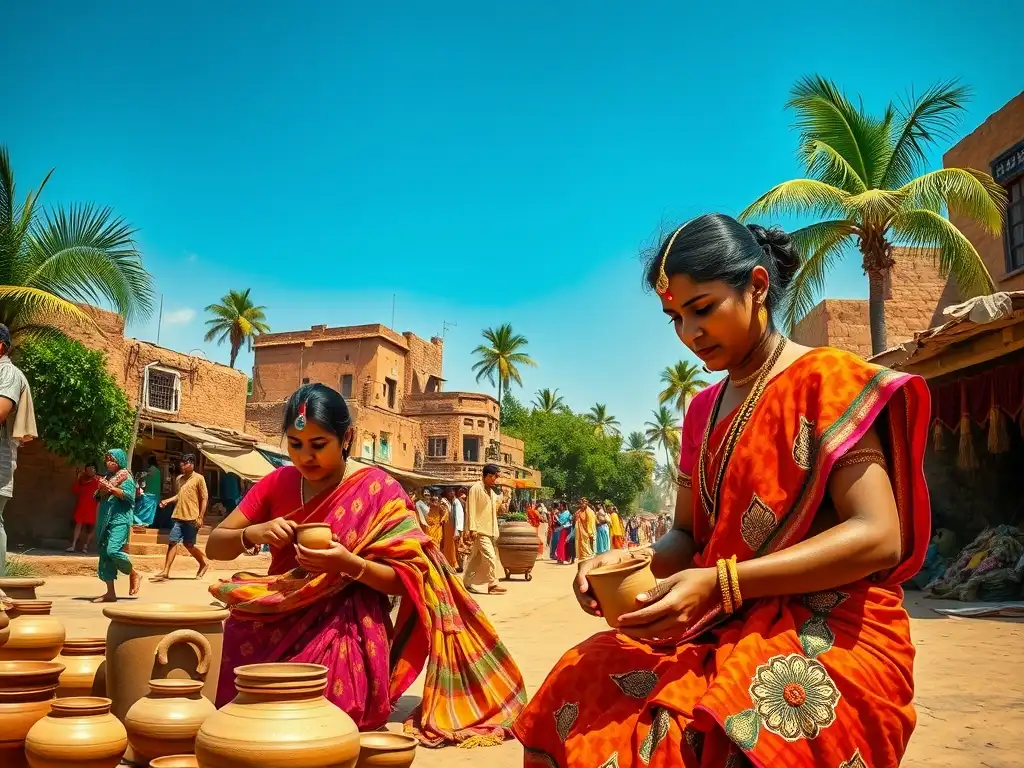
Welcome to Ancient India History, where we delve into the rich tapestry of India's past. In our featured article, "The Indus Valley Civilization: Women’s Influence in Early Urban Societies," we explore the profound contributions of women during one of the world’s earliest urban civilizations. What roles did these remarkable women play in shaping their society, and how did their influence ripple through time?
Join us as we uncover the untold stories and vibrant legacies of Indus Valley women, inviting you to embark on a journey through the fascinating intersections of gender, culture, and history. Prepare to be inspired as you navigate through the pages of ancient wisdom!
Introduction to the Indus Valley Civilization
The Indus Valley Civilization, one of the earliest urban cultures in the world, thrived between approximately 3300 BCE and 1300 BCE in the northwestern regions of South Asia. This civilization, known for its advanced urban planning, sophisticated drainage systems, and vibrant trade networks, also showcased an intriguing complexity in social structures, particularly concerning the roles of women.
As we explore the contributions of Indus Valley women, it becomes clear that their influence was significant not only in domestic spheres but also in economic, social, and cultural domains. Understanding their roles enriches our comprehension of early urban societies and highlights the often-overlooked contributions of women in shaping these ancient communities.
Overview of the Indus Valley Civilization
The Indus Valley Civilization, often referred to as the Harappan Civilization due to the archaeological sites of Harappa and Mohenjo-Daro, encompassed a vast region stretching from present-day Pakistan to northwest India. Characterized by well-planned cities with grid layouts, impressive public baths, and advanced water management systems, this civilization displayed remarkable achievements in urban development. The inhabitants engaged in various occupations, including agriculture, craftsmanship, and trade, which fostered a thriving economy.
- Key Features of the Indus Valley Civilization:
- Urban planning and architecture
- Advanced drainage and sanitation systems
- Trade networks extending to Mesopotamia
- Script and seals with undeciphered writing
Significance of Women in Early Urban Societies
In the context of the Indus Valley Civilization, women played crucial roles that extended beyond traditional domestic responsibilities. Their contributions were vital in maintaining the fabric of society, influencing economic practices, and shaping cultural narratives.
- Women’s Roles Included:
- Economic Participation: Engaging in trade and crafts
- Cultural Influence: Participation in religious and social customs
- Social Structure: Contributing to familial and communal relations
This exploration of women's influence reveals the multifaceted nature of their contributions, which were essential for the sustainability and growth of early urban societies.
The Role of Women in the Indus Valley Civilization
Daily Life of Indus Valley Women
The daily lives of women in the Indus Valley were characterized by a blend of domestic duties and community participation. Women were responsible for managing households, which included tasks such as cooking, weaving, and pottery. Archaeological findings suggest that women were skilled artisans, often involved in the production of textiles and pottery, which were vital for both household use and trade.
- Activities in Daily Life:
- Weaving and textile production
- Crafting ceramics and pottery
- Engaging in family and communal activities
These roles not only reflect their contributions to household economies but also indicate their involvement in the broader economic landscape of the civilization.
Economic Contributions of Women in Indus Valley Society
Women in the Indus Valley Civilization significantly contributed to the economy through various means. While specific data on female labor is limited due to the lack of written records, evidence from artifacts suggests that women were involved in agricultural production, artisan crafts, and trade.
- Economic Activities of Women:
- Agriculture: Participating in cultivation and harvesting
- Craftsmanship: Producing goods such as jewelry and pottery
- Trade: Engaging in local and long-distance trade
These economic engagements highlight the essential role women played in sustaining the civilization's economy, as well as their agency in contributing to trade networks.
Social Status of Women in Ancient Urban Centers
The social status of women in the Indus Valley Civilization remains a topic of considerable debate among historians and archaeologists. Based on the available evidence, it appears that women held a relatively respected position in society, with rights that may have included property ownership and participation in religious rituals.
- Factors Influencing Women’s Social Status:
- Marriage and Family Structures: Women's roles within family units
- Religious Participation: Involvement in spiritual and community gatherings
- Economic Independence: Opportunities for women to engage in trade and craftsmanship
Understanding the social status of women in the Indus Valley Civilization provides valuable insights into the dynamics of gender roles in early urban societies, emphasizing their contributions to both familial and societal frameworks.
Indus Valley Women Contributions to Culture
Women in the Indus Valley Civilization played a significant role in shaping the cultural landscape of this early urban society. Their contributions were diverse, influencing various aspects such as art, religion, domestic life, trade, and craft production. The societal structure of the Indus Valley allowed women to engage actively in cultural practices, reflecting a degree of agency and recognition that was quite progressive for their time.
The evidence from archaeological findings indicates that women were not only participants but also key influencers in the cultural dynamics of their communities. Objects such as pottery, jewelry, and figurines suggest a vibrant artistic expression that women were likely integral to, showcasing their creativity and skills. Additionally, women's roles extended beyond mere participation; they were vital in sustaining and transmitting cultural values through generations, underscoring their significance in the evolution of the Indus Valley civilization.
Artistic Expressions by Women in the Indus Valley
Artistic expression in the Indus Valley Civilization is vividly illustrated through various artifacts that have been unearthed. Women were likely involved in pottery making, where they not only crafted functional items but also decorated them with intricate designs. The discovery of painted pottery, adorned with geometric patterns and stylized motifs, suggests that women played a crucial role in this artistic endeavor.
Moreover, terracotta figurines, many of which depict female forms, provide insight into the aesthetic sensibilities of the time. These figurines often showcase elaborate hairstyles and jewelry, indicating that women were not only creators but also subjects of artistic representation, celebrating femininity within their culture. This artistic legacy highlights the importance of women as contributors to the cultural narrative of the Indus Valley.
Religious and Spiritual Roles of Women
The religious and spiritual dimensions of life in the Indus Valley Civilization also saw significant involvement from women. Archaeological evidence, such as small figurines and seals, suggests that women may have held roles in religious rituals and practices. Some artifacts depict female deities, indicating the possible reverence of feminine divine figures within their belief systems.
Women likely participated in domestic worship and community rituals, which were vital in reinforcing social bonds and cultural identity. Their involvement in spiritual practices reflects a broader societal acknowledgment of women's roles in ensuring the continuity of religious traditions and cultural heritage, showcasing their influence in the spiritual realm of the Indus Valley civilization.
Women’s Influence on Domestic Practices and Crafts
The domestic sphere in the Indus Valley Civilization was significantly shaped by women, who were key players in household management and craft production. Their contributions to daily life included food preparation, textile production, and the crafting of household items. Evidence suggests that women were skilled weavers, producing textiles that were not only essential for clothing but also served as trade goods.
Additionally, women likely played a central role in the preparation of food, utilizing local resources to create a diverse diet. Their knowledge of agricultural practices and culinary traditions contributed to the community's sustenance and cultural identity. By managing the domestic space and fostering craft production, women in the Indus Valley made substantial contributions to the social and economic fabric of their society.
Women’s Participation in Trade and Economy
Women in the Indus Valley Civilization were not merely passive participants in the economy; they actively engaged in trade and contributed to the economic vitality of their communities. Evidence from archaeological sites indicates that women were involved in various economic activities, from agriculture to craft production, which facilitated trade both locally and over long distances.
The presence of artifacts such as weights and measures suggests a structured system of trade where women likely played a significant role in market activities. Their involvement in economic practices demonstrates the importance of women in sustaining the economic framework of the Indus Valley, challenging traditional narratives that often overlook women's contributions in ancient economies.
Evidence of Women in Trade Activities
Archaeological findings provide tangible evidence of women's participation in trade activities within the Indus Valley. Artifacts like pottery with merchant marks and storage jars indicate that women may have handled goods for trade. The discovery of female figurines in trade contexts further supports the notion that women were involved in the economic exchanges that characterized this civilization.
Records of trade routes suggest that women might have been active participants in the transportation of goods, establishing networks that extended beyond their local communities. This involvement not only highlights their economic contributions but also illustrates the social dynamics that allowed for women's agency in trade practices.
Contribution of Women to Agricultural Practices
Agriculture was the backbone of the Indus Valley economy, and women played a vital role in agricultural practices. Evidence of women's involvement in planting, harvesting, and processing crops has been found in various archaeological sites. Their knowledge of cultivation methods and local flora was essential for sustaining agricultural productivity.
Women likely participated in communal farming activities, contributing labor and expertise to ensure successful harvests. This participation was crucial, as it not only supported their households but also bolstered the community's overall food security and economic stability. The agricultural contributions of women underscore their integral role in the sustenance and prosperity of the Indus Valley civilization.
Role of Women in Craft Production and Industry
Women were central to craft production in the Indus Valley, engaging in a variety of artisanal activities that significantly contributed to the economy. Their involvement in pottery, textile production, and bead-making reflects a high level of skill and creativity. The intricate designs found in pottery and textiles suggest that women were not only producers but also innovators in craft techniques.
Moreover, evidence of workshops and production sites indicates that women may have operated within a collaborative framework, sharing knowledge and resources. This collective engagement in craft production helped foster a vibrant industry that was crucial for trade and cultural exchange. The role of women in this sector highlights their significant contributions to the economic and cultural richness of the Indus Valley civilization.
Case Studies of Prominent Women in the Indus Valley
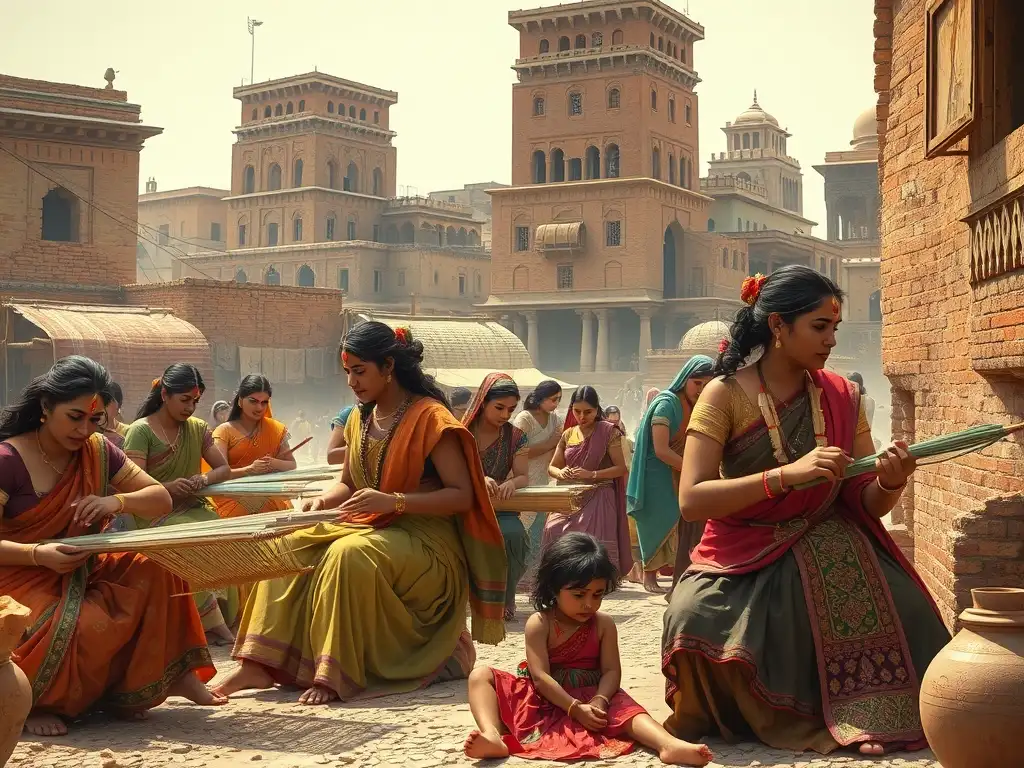
The Indus Valley Civilization (IVC), one of the world's earliest urban cultures, provides intriguing insights into the role of women in early societies. Case studies of prominent women within this civilization, though scarce due to limited written records, can be drawn from archaeological findings and interpretations of urban artifacts. These women likely engaged in various aspects of life, from domestic duties to participating in economic activities, offering a nuanced view of their significance in the socio-economic fabric of the IVC.
Notable Women Figures in Indus Valley Society
While specific names of women from the Indus Valley Civilization are not available, the archaeological evidence suggests that women held important positions within society. For instance, the discovery of female figurines, often referred to as "Mother Goddesses," indicates a possible reverence for women in spiritual and societal contexts. These figurines, often depicting women in elaborate attire, suggest that they may have played crucial roles in rituals and community life.
Furthermore, seals depicting women in various activities, such as weaving or pottery making, suggest that women were not only involved in domestic roles but also contributed to the economy of the IVC. This indicates a level of autonomy and respect for women's contributions that challenges earlier assumptions about their status in ancient urban societies.
Impact of Their Contributions on Urban Development
The contributions of women in the Indus Valley significantly impacted urban development and social structure. Women likely played a vital role in the textile industry, as evidenced by the discovery of spindle whorls used for spinning threads, which points to a thriving textile market. Their involvement in crafting goods would have contributed to trade, both within the IVC and with neighboring regions.
Moreover, the presence of women in agriculture, as suggested by findings of tools and storage facilities, highlights their role in food production, which was essential for sustaining urban populations. The combination of women's economic activities, domestic roles, and potential spiritual leadership contributed to the overall stability and growth of Indus Valley cities, showcasing their integral role in the civilization's development.
Myths and Realities about Women in the Indus Valley Civilization
The perception of women in ancient societies has often been clouded by myths and stereotypes. The Indus Valley Civilization is no exception, with various misconceptions surrounding the roles and contributions of women during this period.
Common Misconceptions about Women’s Roles
One of the prevalent myths is that women in the Indus Valley were primarily confined to domestic spaces with little to no influence on public life. This notion stems from a lack of textual evidence and a tendency to view ancient societies through a modern lens. However, archaeological findings suggest that women actively participated in economic, social, and possibly religious spheres.
Another misconception is that the absence of recorded names of women indicates their insignificance in society. In reality, the lack of written records does not equate to a lack of agency or contribution. Women likely held roles that were essential to the survival and prosperity of the civilization, even if their names and specific stories remain unrecorded.
Historical Evidence Supporting Women’s Contributions
Historical evidence from archaeological sites supports the idea that women in the Indus Valley Civilization were influential. For example, the discovery of pottery, jewelry, and tools associated with female figurines indicates that women were not only creators but also held skills that were respected within their communities.
Additionally, the existence of urban planning and complex societal structures implies a collaborative effort that would have included women. Evidence of granaries and storage systems suggests that women were involved in agricultural practices, managing resources vital for the community's sustenance.
Despite the challenges in gathering direct evidence about individual women in the Indus Valley Civilization, a growing body of archaeological findings and reinterpretations of existing artifacts illuminate their contributions and influence, challenging long-held assumptions and celebrating their roles in shaping one of the world's earliest urban societies.
Conclusion: The Lasting Legacy of Indus Valley Women
The Indus Valley Civilization, one of the world's earliest urban societies, showcased significant contributions from women that have had a lasting impact on cultural and social structures. Women played vital roles not only in their households but also in the broader economic and religious spheres of their communities. From evidence suggesting women’s participation in artisanal activities to their involvement in religious practices, it is clear that they were integral to the functioning and development of early urban life.
The legacy of these women can be seen in the continued recognition of female contributions in subsequent Indian societies. By analyzing the roles women held in the Indus Valley, we can better appreciate the foundations they laid for future generations. This legacy serves as a reminder that women's influence has always been a crucial component of societal progress, reinforcing the need to acknowledge and celebrate their contributions throughout history.
Summary of Women’s Contributions in the Indus Valley
Women in the Indus Valley Civilization contributed in various domains, reflecting their multifaceted roles within society. Key contributions include:
- Economic Participation: Archaeological findings indicate that women were involved in textile production, pottery making, and trade, demonstrating their influence in economic activities.
- Religious Roles: Artifacts suggest that women participated in religious rituals, indicating their significance in spiritual life. Figurines believed to represent female deities highlight the veneration of femininity in the culture.
- Social Status: Evidence shows that women likely had a degree of social status, as seen in burial practices and grave goods found alongside female remains, suggesting they held important roles in their communities.
These contributions underscore the importance of women as active participants in shaping the civilization's legacy.
Reflection on the Importance of Recognizing Women’s Roles in Ancient Civilizations
Recognizing the roles of women in ancient civilizations like the Indus Valley is crucial for several reasons. Firstly, it challenges traditional narratives that often overlook female contributions, promoting a more balanced understanding of history. Secondly, acknowledging women’s roles can inspire contemporary movements for gender equality, as it highlights the historical precedence of women's influence in various spheres.
Furthermore, understanding the complexities of gender roles in ancient societies allows for a deeper appreciation of cultural dynamics, fostering respect for diverse historical experiences. By bringing these contributions to light, we can honor the legacy of women who played pivotal roles in shaping their societies, ensuring their stories are remembered and valued.
Further Reading on Women's Roles in Ancient India
For those interested in exploring the contributions of women in ancient Indian societies further, several books and resources provide valuable insights. The following sections will highlight recommended readings and articles focusing on women in the Indus Valley and broader ancient India.
Recommended Books and Resources on Indus Valley Women
- "The Indus Civilization" by Gregory Possehl: This book provides an overview of the civilization, including sections dedicated to the roles of women and their contributions to urban life.
- "Women in Ancient India" by R. S. Sharma: A comprehensive exploration of women's roles across various ancient Indian cultures, including the Indus Valley, shedding light on their societal status and contributions.
- "The Archaeology of Gender" edited by Nancy Trade: This anthology includes discussions on gender dynamics in ancient societies, featuring insights into the status of women in the Indus Valley Civilization.
Articles and Journals for In-Depth Understanding of Women’s Contributions
- "Gender and the Indus Valley Civilization": A scholarly article that examines the archaeological evidence for women's roles in the Indus Valley, analyzing how their contributions shaped the civilization.
- "Women and Work in Ancient India": This journal article discusses the economic roles of women in various ancient Indian societies, with a focus on the contributions of women in the Indus Valley.
- "Revisiting Women’s Status in Ancient Civilizations": This paper provides a comparative analysis of women’s roles across ancient cultures, including insights into the Indus Valley Civilization.
These resources offer a wealth of information for readers seeking to understand the vital contributions of women in ancient Indian history, particularly within the context of the Indus Valley Civilization.
- Introduction to the Indus Valley Civilization
- The Role of Women in the Indus Valley Civilization
- Indus Valley Women Contributions to Culture
- Women’s Participation in Trade and Economy
- Case Studies of Prominent Women in the Indus Valley
- Myths and Realities about Women in the Indus Valley Civilization
- Conclusion: The Lasting Legacy of Indus Valley Women
- Further Reading on Women's Roles in Ancient India
- What were the primary contributions of Indus Valley women to their society?
- How did the social status of women in the Indus Valley compare to other ancient civilizations?
- What evidence exists regarding the roles of women in the Indus Valley Civilization?
- Were Indus Valley women involved in religious practices?
- How did the contributions of Indus Valley women impact later Indian civilizations?
Frequently Asked Questions
What were the primary contributions of Indus Valley women to their society?
Indus Valley women played a crucial role in agriculture, craftsmanship, and trade, significantly contributing to the economic stability of their communities.
Women in the Indus Valley enjoyed a relatively higher social status than in many contemporary civilizations, participating in various social and economic activities.
What evidence exists regarding the roles of women in the Indus Valley Civilization?
Archaeological findings, such as figurines and tools, suggest that women were involved in domestic and public life, indicating their significant influence in society.
Were Indus Valley women involved in religious practices?
Yes, it is believed that women participated in religious rituals, as evidenced by artifacts that imply their roles in spiritual activities and the worship of deities.
How did the contributions of Indus Valley women impact later Indian civilizations?
The involvement of women in the Indus Valley set a precedent for future societies, influencing the roles and rights of women in subsequent Indian civilizations, particularly during the Gupta Empire.
Final Reflection: Recognizing the Indispensable Contributions of Indus Valley Women
The exploration of women's roles in the Indus Valley Civilization reveals a profound truth: their contributions were not merely supportive but foundational to the very fabric of early urban societies. As we delve into the intricacies of this ancient civilization, we uncover the significant impact that women had on social, economic, and cultural development, a narrative that resonates powerfully in today's discussions about gender equality and representation. The acknowledgment of these contributions challenges us to rethink historical narratives and recognize the often-overlooked voices that shaped our world.
Clearly, the influence of Indus Valley women extends beyond their time, echoing through the ages and inspiring contemporary movements for women's rights and empowerment. Their roles as artisans, traders, and community leaders illustrate a dynamic society where women were integral to progress and innovation. As we reflect on this, we are reminded of the words of feminist historian Gerda Lerner: The history of women is the history of the world.
This perspective invites us to appreciate the interconnectedness of gender and history, urging us to honor the contributions of women in all spheres of life.
As we move forward, it is essential to carry the lessons learned from the Indus Valley Civilization into our own lives and communities. I invite you to reflect on the women in your life and the contributions they make, both seen and unseen. Consider how you can amplify their voices and advocate for equality in your own sphere of influence.
By recognizing and celebrating the legacies of women throughout history, we can foster a more inclusive future where everyone’s contributions are valued and acknowledged. Let us commit to honoring the past while actively shaping a world that empowers all individuals, regardless of gender.
Embrace the Legacy: Empower Yourself through Ancient Wisdom!
Thank you for exploring the captivating history of the Indus Valley Civilization and recognizing the significant roles women played in shaping early urban societies. Your enthusiasm helps keep this rich heritage alive! Now, let's transform that knowledge into meaningful action.
- Explore local women's history groups or initiatives that celebrate female contributions within your community.
- Share your insights from this article with friends or on social media to ignite discussions about women's roles throughout history.
- Consider volunteering for an organization that promotes women's empowerment, drawing inspiration from the resilient women of the past.
What contemporary influences resonate with you today that reflect the strength and impact of women from the Indus Valley Civilization?