
The Role of Lunar Calendars in Ancient Indian Society

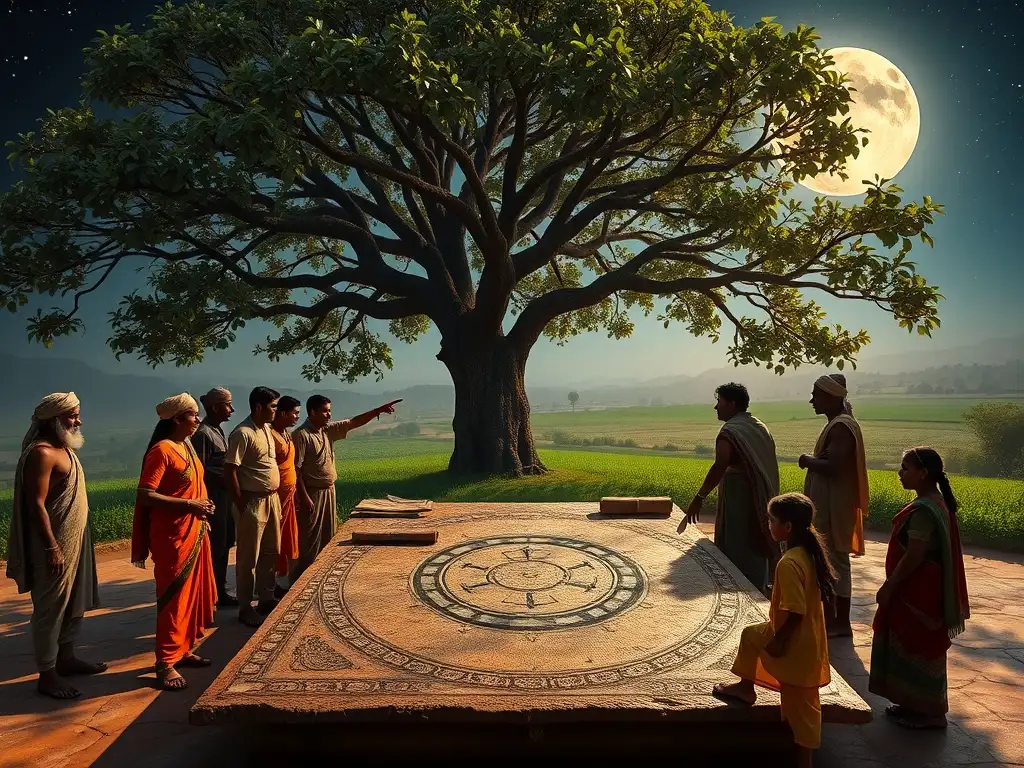
Welcome to Ancient India History, where we embark on a fascinating journey through the tapestry of ancient Indian civilizations. As we delve into the role of lunar calendars in ancient Indian society, prepare to uncover how these celestial timekeepers not only shaped agricultural practices but also influenced religious rituals and cultural festivities. What secrets do these calendars hold about the lives of our ancestors? Join us as we unravel the intricate connections between astronomy and daily life in the vibrant societies that flourished from the Indus Valley to the Gupta Empire. Your exploration begins here!
Introduction to Lunar Calendars in Ancient India
The intricate tapestry of ancient Indian civilization is woven with various threads of astronomy, mathematics, and culture, among which the lunar calendars hold a significant position. These calendars were not merely tools for tracking time; they served as vital instruments that shaped agricultural practices, religious observances, and social events throughout different periods in history. The lunar calendar, based on the phases of the moon, was crucial in a society that relied heavily on celestial phenomena for navigation, agriculture, and ritualistic practices.
The concept of time in ancient India was deeply intertwined with the rhythms of nature, and lunar cycles provided a reliable framework for understanding these patterns. From the early Indus Valley civilization to the flourishing Gupta Empire, the use of lunar calendars reflected the society's advanced knowledge of astronomy and its application in daily life. This article delves into the importance of lunar calendars in ancient Indian society, exploring their roles in agricultural cycles, religious festivities, and the broader cultural landscape.
Importance of Calendars in Ancient Indian Culture
Calendars in ancient India were more than mere schedules; they were central to the agricultural, religious, and social life of the people. The significance of lunar calendars can be understood through several key aspects:
- Agricultural Planning:
- Sowing and Harvesting: Ancient farmers relied on lunar phases to determine optimal times for planting and harvesting crops. The waxing and waning of the moon were believed to influence soil fertility and crop growth.
- Monsoon Cycles: The lunar calendar helped predict monsoon rains, which were crucial for agriculture in many regions of India.
- Religious Festivals:
- Festivals Aligned with Moon Phases: Many Hindu festivals, such as Diwali and Holi, are celebrated according to the lunar calendar. The timing of these festivals is linked to specific lunar phases, highlighting the calendar's significance in spiritual life.
- Rituals and Observances: Various rituals, including fasting and puja (worship), are scheduled based on lunar dates, demonstrating the deep connection between the lunar calendar and religious practices.
- Social Structure:
- Community Gatherings: Important social gatherings and events, such as weddings and communal festivities, were often planned around lunar dates to ensure maximum participation.
- Cyclical Nature of Time: The use of lunar calendars contributed to a cyclical understanding of time in ancient Indian philosophy, influencing everything from literature to cosmology.
Lunar calendars were integral to the functioning of ancient Indian society, influencing agricultural practices, religious observances, and social interactions. Their legacy continues to resonate in modern India, where lunar months still hold significance in cultural and religious contexts, showcasing the enduring impact of ancient astronomical knowledge.
- What were lunar calendars used for in ancient India?
- How did lunar calendars influence religious practices?
- What is the significance of the lunar calendar in the context of ancient Indian civilizations?
- Were there different types of lunar calendars in ancient India?
- How do modern calendars relate to ancient lunar calendars used in India?
Historical Context of Lunar Calendars
Origins of Lunar Calendars in Ancient Indian Civilizations
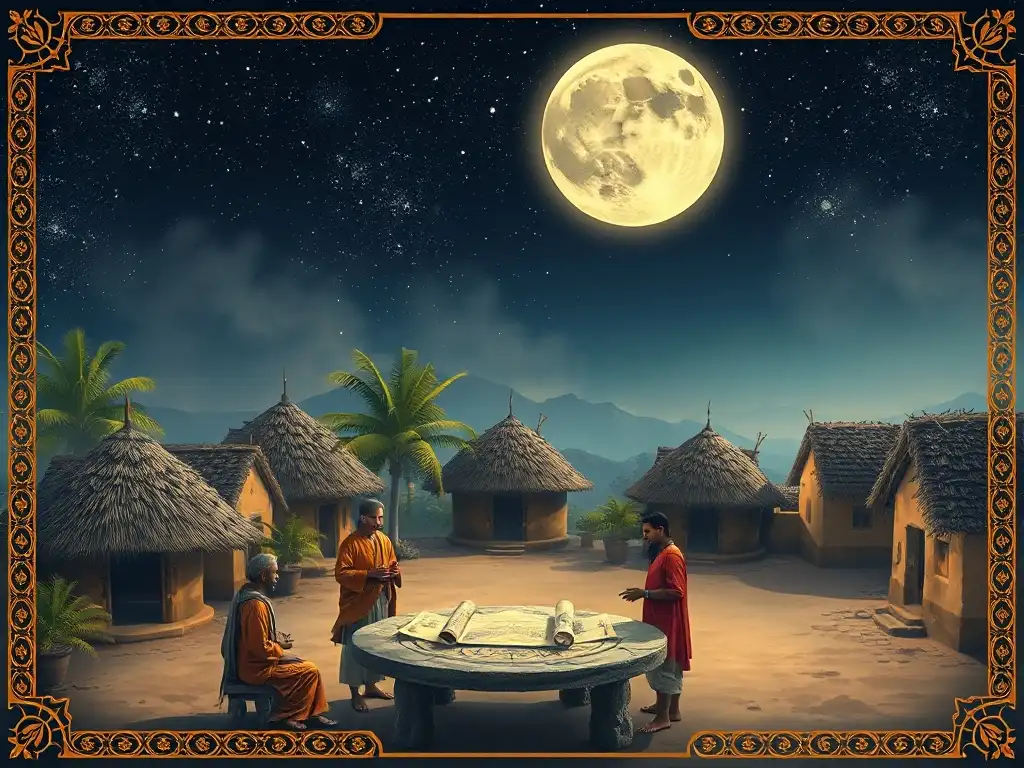
Lunar calendars have played a pivotal role in shaping the cultural and agricultural practices of ancient Indian societies. The origins of these calendars can be traced back to the observation of moon phases, which were marked by the waxing and waning of the moon. Ancient Indian astronomers and mathematicians recognized that the lunar cycle, approximately 29.5 days, could be utilized to structure their timekeeping systems.
The earliest evidence of lunar calendars in India dates back to the Indus Valley Civilization (circa 3300–1300 BCE), where archaeological findings suggest that the inhabitants had an understanding of celestial bodies. The lunar calendar allowed them to predict seasonal changes, which was crucial for agriculture and rituals.
Key Civilizations Utilizing Lunar Calendars
The adoption and refinement of lunar calendars were evident across various ancient Indian civilizations, each contributing uniquely to the evolution of these timekeeping systems.
The Indus Valley Civilization
The Indus Valley Civilization is one of the earliest known urban cultures in India. Scholars believe that the people of this civilization employed a lunar calendar to regulate agricultural activities and religious festivals. The evidence of granaries and advanced urban planning indicates that they had a sophisticated understanding of time and seasons.
Key aspects of their lunar calendar included:
- Agricultural planning: The lunar calendar helped them align planting and harvesting cycles with seasonal rains.
- Ritual practices: Certain festivals and rituals were synchronized with lunar phases, ensuring that they occurred at auspicious times.
The Vedic Period
Following the Indus Valley Civilization, the Vedic Period (circa 1500–500 BCE) saw the emergence of texts that further refined lunar calendar systems. The Vedas contain references to celestial phenomena and cycles, illustrating the significance of the moon in religious and cultural contexts.
During this period, the lunar calendar was characterized by:
- Months based on lunar phases: Each month (known as "Masa") began with the new moon and ended with the full moon.
- Festivals and rituals: Many Vedic rituals were timed according to the lunar calendar, with specific days deemed more auspicious for ceremonies.
The Maurya and Gupta Empires
The Maurya (circa 322–185 BCE) and Gupta Empires (circa 320–550 CE) marked a golden age for science, mathematics, and astronomy in ancient India. Scholars from these periods made significant advancements in the understanding of lunar calendars.
Notable contributions included:
- Refinement of lunar calculations: Astronomers like Aryabhata developed more precise methods for calculating lunar cycles and predicting eclipses.
- Integration with solar calendars: The lunar calendar began to be harmonized with solar calendars, leading to the creation of lunisolar calendars that accounted for both lunar and solar cycles.
Lunar calendars in ancient India were not merely a tool for timekeeping but were deeply woven into the social, agricultural, and religious fabric of society. Each civilization built upon the knowledge of its predecessors, resulting in a sophisticated understanding of astronomy and a rich tapestry of cultural practices centered around the lunar calendar.
Structure and Features of Lunar Calendars
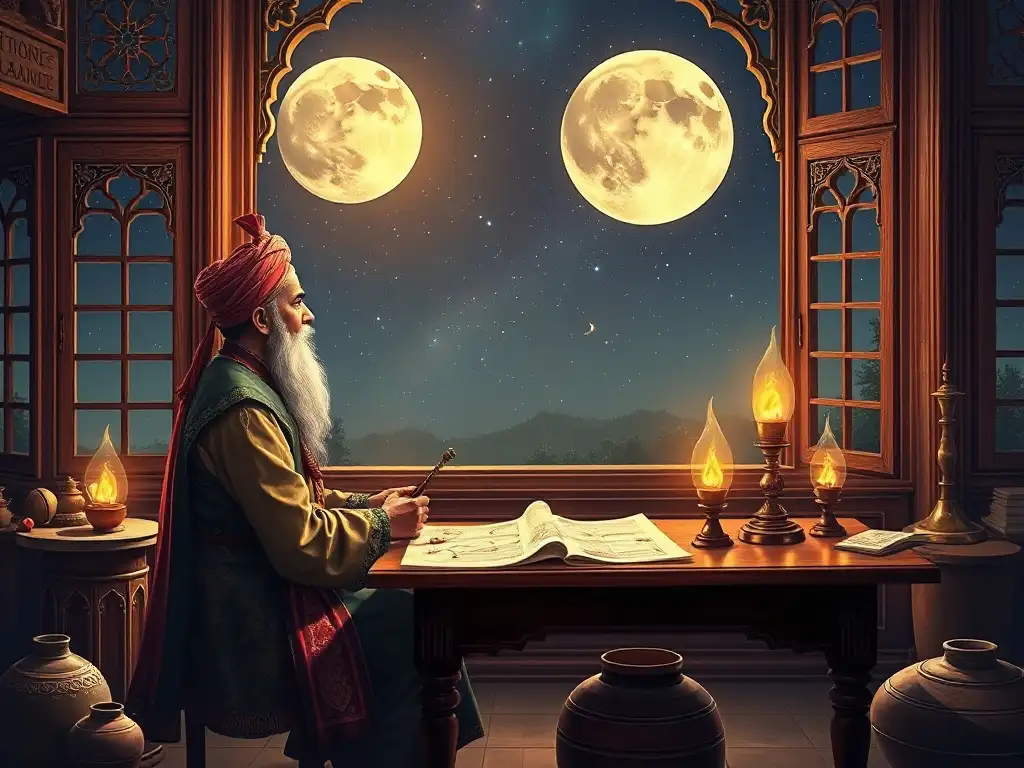
Lunar calendars in ancient India played a significant role in societal organization, agricultural planning, and religious observances. The structure and features of these calendars were intricately linked to the lunar phases, which influenced the daily and seasonal rhythms of life.
Components of the Lunar Calendar System
Ancient Indian lunar calendars were primarily based on the moon's cycles, dividing the months according to the phases of the moon. The calendar system typically consisted of:
- Months (Masa): Each month was determined by the moon's waxing and waning phases, with a full moon marking the midpoint.
- Fortnights (Paksha): The lunar month was further divided into two fortnights:
- Shukla Paksha (waxing moon)
- Krishna Paksha (waning moon)
These fortnights were vital for scheduling religious festivals and rituals, as many were observed on specific days of these lunar phases.
Phases of the Moon and Month Length
The length of a lunar month in ancient India varied between 29 to 30 days, reflecting the moon's cycle from new moon to full moon and back. This variability necessitated careful observation and recording, leading to:
- 29-Day Months: Known as "Chaitra" in some regions, typically observed during months with shorter lunar cycles.
- 30-Day Months: Commonly termed "Vaishakha," aligning with months that had longer cycles.
The periodic occurrence of these different month lengths underscored the importance of astronomical observations in maintaining the calendar's accuracy.
Intercalation and Synchronization with Solar Years
To maintain alignment with the solar year, which is roughly 365.25 days, ancient Indian astronomers implemented intercalation. This process involved adding an extra month, known as Adhik Maas, approximately every three years. The intercalation was vital for ensuring that seasonal festivals remained aligned with their appropriate climatic conditions.
The sophisticated understanding of the lunar calendar system allowed ancient Indian civilizations to effectively manage agricultural activities, ensuring optimal planting and harvesting times.
Regional Variations in Lunar Calendar Practices
While the lunar calendar served as a common framework, distinct regional practices emerged across India, influenced by local customs, traditions, and climatic conditions.
North Indian Lunar Calendars
In Northern India, the lunar calendar is predominantly used for religious and cultural events. Major festivals such as Diwali and Holi are celebrated based on specific lunar dates. Key characteristics include:
- Use of Vikram Samvat: This is a lunisolar calendar that begins with the month of Chaitra and is about 56.7 years ahead of the Gregorian calendar.
- Festival Timing: The festivals are often timed to coincide with the full moon of the respective months, such as Purnima.
South Indian Lunar Calendars
In Southern India, lunar calendars take on unique forms that reflect local traditions and languages. Some notable features include:
- Use of Tamil and Telugu Calendars: Each language group has its own calendar system, often diverging in month names and festival timings.
- Ecological Synchronization: Festivals in Southern India are deeply tied to agricultural cycles, with major celebrations like Pongal aligned with solar and lunar phases.
Both regions demonstrate how lunar calendars in ancient India were not only tools for timekeeping but also integral to the cultural fabric of society, shaping the rhythms of life through a deep connection with the cosmos.
Cultural Significance of Lunar Calendars
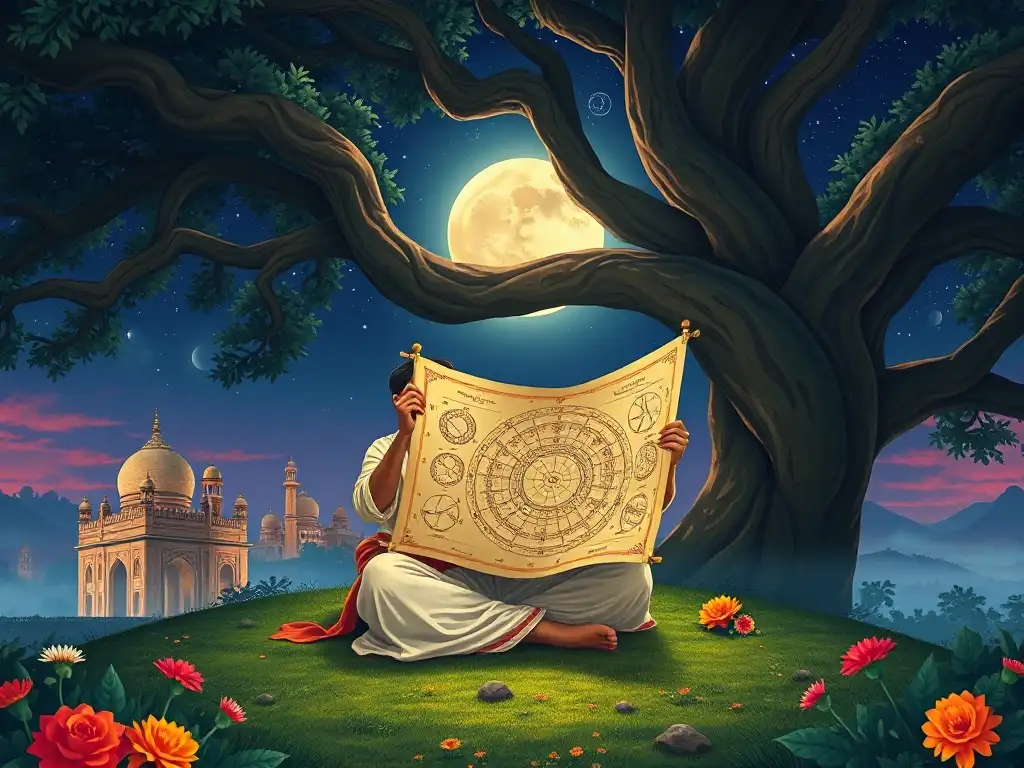
The lunar calendar has played a pivotal role in shaping the cultural landscape of ancient India. Unlike the solar calendar, which is based on the Earth's orbit around the Sun, the lunar calendar is grounded in the phases of the Moon. This distinction is not merely astronomical; it translates into various aspects of daily life, including agriculture, religious practices, and societal norms.
The lunar calendar's cyclical nature aligns closely with the natural rhythms of agriculture, which heavily influenced the timing of festivals and rituals. Ancient Indian societies utilized this calendar to synchronize their lives with the changing seasons, ensuring that their agricultural practices were in harmony with the lunar cycles. The cultural significance of lunar calendars is thus deeply interwoven with the spiritual and practical aspects of life in ancient India.
Festivals and Rituals Aligned with Lunar Calendars
The lunar calendar has been integral to the celebration of numerous festivals in ancient India. These festivals often reflect the agricultural cycles and religious beliefs of the time, making them rich in cultural significance.
Major Festivals Based on Lunar Dates
- Diwali (Deepavali): Celebrated on the new moon night of Kartika, Diwali symbolizes the victory of light over darkness. The festival is marked by the lighting of lamps and fireworks, with rituals varying across regions.
- Holi: This vibrant festival, which signifies the arrival of spring, is celebrated on the full moon day in Phalguna. Holi involves the playful throwing of colored powders and water, symbolizing joy and the arrival of new beginnings.
- Maha Shivaratri: Observed on the 14th night of the lunar month of Phalguna, this festival honors Lord Shiva. Devotees fast, chant prayers, and engage in night-long vigils.
- Raksha Bandhan: Celebrated on the full moon day of Shravana, Raksha Bandhan honors the bond between brothers and sisters. It involves the tying of a protective thread (rakhi) by sisters on their brothers’ wrists.
- Navaratri: This nine-night festival is dedicated to the goddess Durga and is celebrated in the lunar month of Ashvin. Each night is devoted to different forms of the goddess, with rituals that vary by regional traditions.
Agricultural Practices and Lunar Cycles
The lunar calendar directly influenced agricultural practices in ancient India. Farmers relied on the moon's phases to determine the optimal times for planting and harvesting crops. Key practices included:
- Sowing Seeds: Farmers often chose to sow seeds during the waxing phase of the moon, believing this would promote growth and yield.
- Harvesting: The full moon was typically seen as the best time for harvesting, as the increased light was believed to enhance the quality of the produce.
- Water Management: The lunar phases also guided irrigation practices, as farmers observed natural signs tied to lunar cycles to manage water resources effectively.
This synchronization with lunar cycles helped enhance agricultural productivity, ensuring that communities thrived.
Influence on Religious Practices and Observances
Lunar calendars have profoundly shaped religious practices and observances in ancient India. Many rituals and ceremonies were timed according to lunar phases, reflecting a deep-seated belief in the Moon's influence on human affairs.
- Fasting and Auspicious Days: Certain days, such as the full moon (Purnima) and new moon (Amavasya), were considered auspicious for fasting, prayer, and meditation. Devotees believed that these lunar phases enhanced spiritual efficacy.
- Ceremonial Offerings: Many rituals involved offerings made on specific lunar days, with elaborate ceremonies being performed during significant lunar events, such as eclipses.
- Astrological Significance: The lunar calendar was also intertwined with astrology. Ancient texts, like the Jyotisha Shastra, emphasized the importance of lunar positions in determining auspicious times for rituals and personal events like marriages.
The lunar calendars in ancient India were not only a measure of time but also a central aspect of cultural, agricultural, and religious life, underlining the interconnectedness of nature and society in ancient Indian civilization.
Scientific Understanding of Lunar Calendars
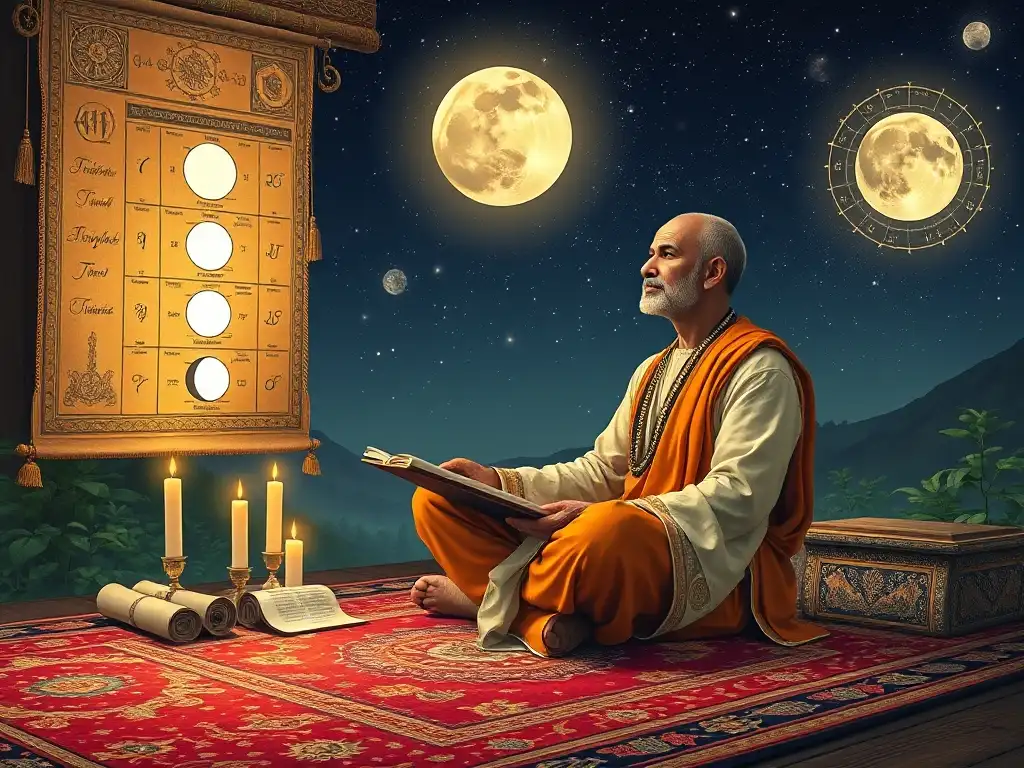
Lunar calendars in ancient India played a significant role in agricultural, religious, and social aspects of life. They were based on the cycles of the moon, particularly the phases of the moon, which influenced various activities and festivals. Understanding the scientific principles behind these calendars reveals the sophistication of ancient Indian astronomy and mathematics.
Astronomy Behind Lunar Calendars in Ancient India
The lunar calendar is fundamentally tied to the phases of the moon, which cycle approximately every 29.5 days. Ancient Indian astronomers meticulously observed these phases, leading to the development of a calendar that reflected the rhythm of nature. This calendar was pivotal for agricultural practices, as it helped determine the optimal times for planting and harvesting crops.
Observational Techniques Used by Ancient Astronomers
Ancient Indian astronomers utilized several observational techniques to track the lunar phases:
- Naked Eye Observations: Without advanced technology, astronomers relied on keen eyesight to monitor the moon's position and brightness throughout the month.
- Shadow and Light: By observing the shadows cast by the moon at different phases, astronomers could determine the moon's position relative to the earth and the sun, aiding in the measurement of time.
- Fixed Points: They often used landmarks or constellations as reference points, creating a framework within which to observe lunar movements.
These techniques were not only essential for creating accurate lunar calendars but also showcased the observation skills and knowledge of celestial movements possessed by ancient scholars.
Mathematical Calculations for Lunar Cycles
The calculations involved in determining lunar cycles were complex and required a deep understanding of mathematics. Ancient Indian mathematicians devised several methods to predict lunar phases accurately:
- Metonic Cycle: This cycle, which repeats every 19 years, allowed astronomers to align the lunar months with the solar year, ensuring that seasonal festivals remained consistent.
- Siddhantas: Texts such as the Aryabhatiya, composed by Aryabhata in the 5th century CE, included algorithms for calculating the positions of celestial bodies, contributing to the accuracy of lunar calendars.
- Interpolation Methods: Advanced techniques were employed to adjust for variations in the lunar month length, enabling more precise tracking of lunar phases.
The integration of these mathematical principles into lunar calendars highlights the sophisticated understanding of astronomy and mathematics in ancient India, emphasizing their enduring influence on contemporary calendar systems and cultural practices.
The Influence of Lunar Calendars on Society
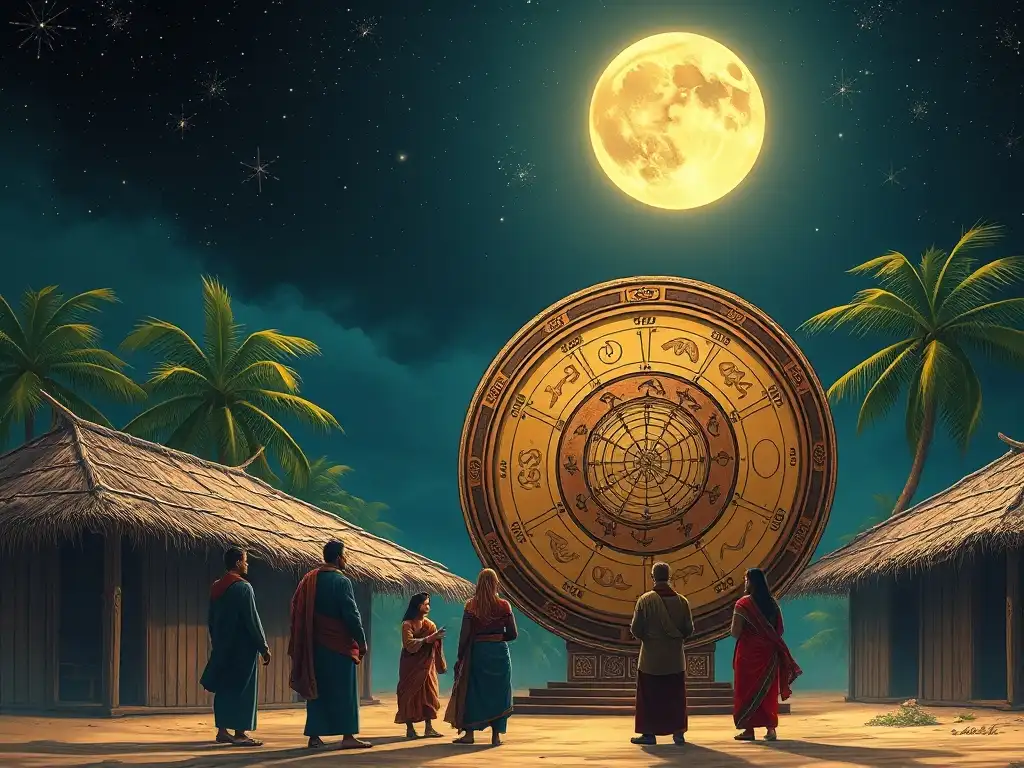
Lunar calendars in ancient India played a pivotal role in structuring social organization and timekeeping. The lunar month, based on the phases of the moon, typically spans about 29.5 days, leading to a year consisting of 12 lunar months (approximately 354 days). This framework influenced various aspects of life, including festivals, rituals, and agricultural practices.
-
Rituals and Festivals:
Many significant festivals in ancient India, such as Diwali and Holi, were scheduled according to the lunar calendar. These events were closely tied to the moon's phases, with celebrations often occurring on full moons or new moons. This alignment not only provided a sense of rhythm to daily life but also fostered community bonding as people came together to observe these occasions.
-
Agricultural Planning:
The lunar calendar was crucial for agricultural societies, as it dictated planting and harvesting cycles. Farmers relied on the moon's phases to determine the optimal times for sowing seeds, as certain phases were believed to promote better growth. For example, planting just before the full moon was thought to enhance crop yields due to the increased moisture in the soil.
-
Social Structure:
The reliance on lunar months affected social hierarchies and roles, with specific duties assigned based on the calendar. Priests and astrologers played a vital role in interpreting lunar cycles, guiding agricultural and ceremonial activities, thus reinforcing their authority within the community.
Impact on Trade and Economic Activities
The use of lunar calendars also significantly influenced trade and economic activities in ancient India. By providing a consistent framework for scheduling, lunar calendars facilitated various economic interactions.
-
Market Days:
Many markets and trade fairs were organized based on the lunar calendar. Specific days were designated for trading activities, which allowed merchants to synchronize their efforts. This organization increased efficiency and fostered a culture of commerce that was essential for the economy's growth.
-
Navigation and Travel:
The lunar calendar was instrumental in planning long-distance travel and trade routes. By knowing the moon phases, traders could optimize their journeys, especially when navigating rivers and seas, as lunar cycles affected tides. This knowledge was vital for the safety and timing of trade expeditions.
-
Taxation and Record Keeping:
Economic systems were also influenced by lunar calendars, as they provided a basis for taxation cycles. Rulers often imposed taxes based on the lunar months, which required accurate record-keeping. This led to the development of complex accounting systems, further enhancing the economic framework of ancient Indian civilizations.
Lunar calendars in ancient India were more than just a means of tracking time; they were integral to the social fabric and economic activities of the time. Their influence permeated various aspects of life, demonstrating the sophisticated understanding of astronomy that ancient Indian societies possessed.
Conclusion: The Legacy of Lunar Calendars in Ancient Indian Society
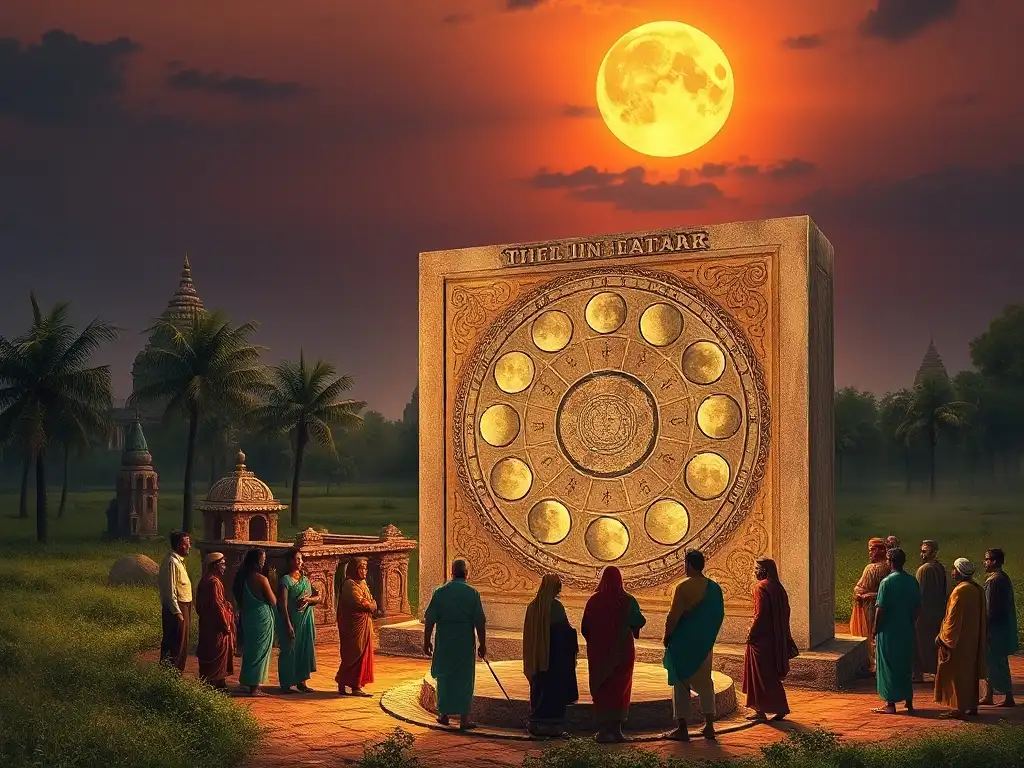
The lunar calendars in ancient India were not merely tools for tracking time; they were integral to the cultural, agricultural, and religious practices of the civilization. The legacy of these calendars continues to resonate in modern India, affecting various aspects of life from festivals to agricultural cycles.
The meticulous observation of the moon's phases allowed ancient astronomers to develop sophisticated mathematical models, ensuring that lunar months aligned closely with the solar year. This alignment was crucial for agricultural societies that depended on the seasonal cycles for planting and harvesting. The result was a calendar system that was both practical and reflective of a deep understanding of celestial phenomena.
Lasting Influence on Modern Indian Calendars
Even today, lunar calendars continue to hold significant sway in India. The Hindu calendar, which is still widely used, is a lunisolar calendar that combines both lunar and solar cycles. This calendar is essential for determining the dates of various festivals, rituals, and auspicious days, showcasing the enduring relevance of ancient lunar observations.
The following table illustrates the key festivals and their corresponding lunar months in the Hindu calendar:
| Festival | Lunar Month | Significance |
|---|---|---|
| Diwali | Kartika | Festival of Lights |
| Holi | Phalguna | Festival of Colors |
| Raksha Bandhan | Shravana | Celebrating sibling bonds |
| Navaratri | Ashwin | Worship of the Goddess Durga |
| Makar Sankranti | Magha | Harvest Festival and transition to spring |
These festivals reflect the agricultural cycles that were meticulously charted by ancient lunar calendars, illustrating a continuity of cultural practices over millennia.
Reflection on the Importance of Lunar Calendars in Historical Studies
The study of lunar calendars in ancient India is crucial for understanding the broader context of Indian civilization. These calendars not only provided a framework for timekeeping but also influenced philosophical thought, religious practices, and social organization.
By examining ancient texts and inscriptions, historians can uncover insights into how lunar observations shaped the lives of people in various regions. The lunar calendar's role in agriculture, for instance, highlights the interdependence of astronomy and daily life in ancient societies.
Moreover, lunar calendars serve as a case study for the advancements in mathematics and astronomy in ancient India. The precise calculations required to develop and maintain these calendars underscore the sophisticated understanding that ancient Indian scholars possessed about celestial mechanics, which is often overlooked.
The study of lunar calendars in ancient India is essential for appreciating the complexity and richness of historical narratives. It offers a lens through which we can examine the interplay between science, culture, and society in one of the world's oldest civilizations, ensuring that this legacy continues to be explored and understood.
Frequently Asked Questions
What were lunar calendars used for in ancient India?
Lunar calendars in ancient India were primarily used for agricultural activities, religious festivals, and cultural events. They helped in determining the best times for sowing and harvesting crops.
How did lunar calendars influence religious practices?
The lunar calendar played a significant role in scheduling religious festivals and rituals, which often depended on specific phases of the moon. Many important festivals, like Diwali and Holi, are celebrated according to lunar dates.
What is the significance of the lunar calendar in the context of ancient Indian civilizations?
The lunar calendar reflects the astronomical knowledge of ancient Indian civilizations and their ability to observe celestial bodies. It served as a tool for timekeeping and was integral to both social and agricultural life.
Were there different types of lunar calendars in ancient India?
Yes, there were various types of lunar calendars, including the Hindu calendar and regional calendars that varied by community. Each had its own methods of calculating months and festivals based on lunar cycles.
How do modern calendars relate to ancient lunar calendars used in India?
Modern calendars, while primarily solar, still incorporate elements of the lunar calendar, especially in the context of Hindu festivals. This demonstrates the lasting influence of ancient calendrical systems on contemporary practices.
Final Reflection: The Enduring Legacy of Lunar Calendars in Ancient India
The significance of lunar calendars in ancient Indian society remains profoundly relevant today, as they not only shaped agricultural practices and religious observances but also fostered a deep connection between humanity and the cosmos. The intricate relationship between timekeeping and cultural identity underscores how these calendars were more than mere tools; they were a reflection of the values, beliefs, and rhythms of life that defined ancient Indian civilization. As we navigate our modern world, understanding this connection can enrich our appreciation for the cyclical nature of time and its impact on our lives.
The influence of lunar calendars extends beyond their historical context, permeating contemporary cultural practices and spiritual beliefs. Today, many communities still observe festivals and rituals aligned with the lunar cycle, illustrating the enduring legacy of these ancient systems. As noted by historian R. S. Sharma, The lunar calendar is a testament to humanity's quest for harmony with the natural world.
This observation highlights how the rhythms of the moon continue to resonate within our cultural fabric, reminding us of the wisdom embedded in ancient practices that can guide our modern existence.
As we reflect on the lessons of lunar calendars in ancient India, I invite you to consider how the rhythms of nature influence your own life. Embrace the opportunity to reconnect with these cycles, whether through mindfulness practices, celebrating traditional festivals, or simply observing the moon's phases. By doing so, you can cultivate a deeper understanding of your place within the universe and foster a sense of harmony that transcends time and culture. Let the wisdom of the past inspire you to create a more intentional and connected future.
Embrace the Rhythm of Time: Discover the Power of Lunar Calendars!
Thank you for exploring the fascinating world of lunar calendars in ancient Indian society! You’ve uncovered how vital these celestial systems were in guiding daily life and cultural practices. Now, it's time to harness this ancient wisdom for your own life and understanding of time.
Here are some actionable steps you can take to deepen your connection with lunar calendars and their significance:
- Begin tracking your own lunar calendar: Start by observing the basic phases of the moon and how they align with your daily activities and emotional states.
- Explore historical texts and resources: Delve into literature that provides insights into how lunar calendars influenced rituals and agricultural practices. Local libraries and online repositories can be excellent sources for unique discoveries.
- Share your insights with others: Initiate discussions on social media or community forums about the role of lunar calendars and their potential impact on contemporary living.
If you could align one aspect of your daily life with the lunar calendar, what would it be and why? Let's embark on this celestial journey together!