
Artistic Syncretism in Ancient Indian Literature: A Reflection of Cultural Interactions

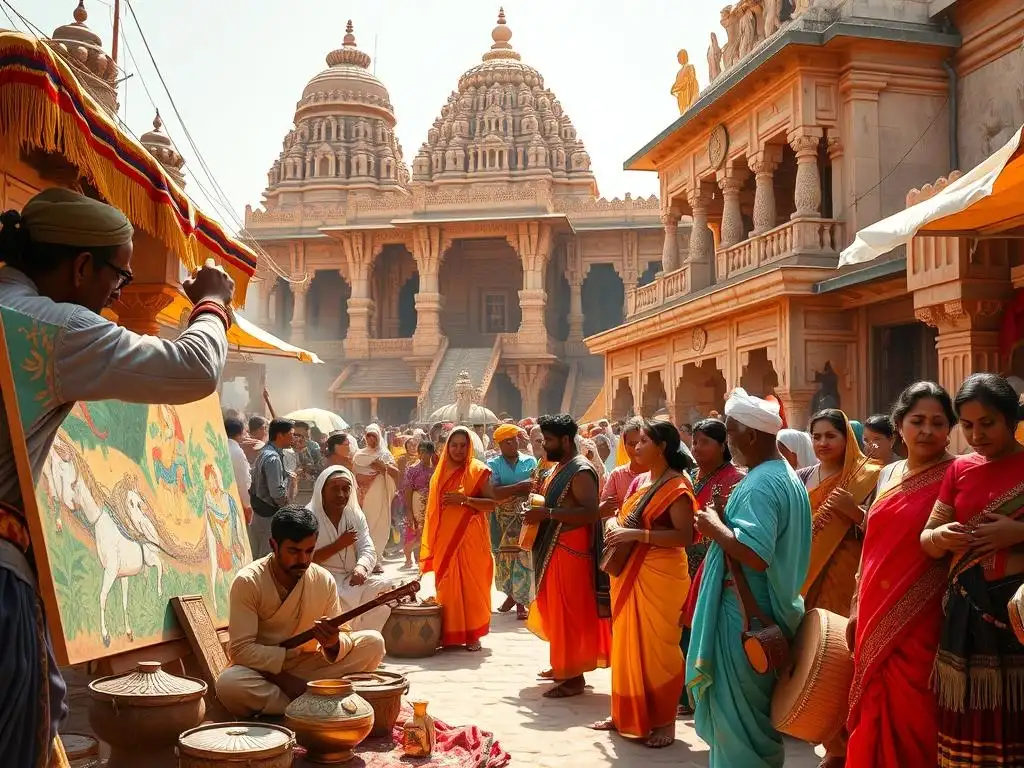
Welcome to Ancient India History, where we embark on a journey through the rich tapestry of ancient Indian civilizations. Here, we dive deep into the artistic influences in ancient India, uncovering the vibrant exchanges that shaped its literary landscape. Our featured article, "Artistic Syncretism in Ancient Indian Literature: A Reflection of Cultural Interactions," promises to illuminate the intricate relationships between various cultures and how they left an indelible mark on Indian art and literature.
Join us as we unravel the stories of creativity and collaboration that echo through time, sparking curiosity and inspiring a deeper understanding of this fascinating era. Explore further to discover the hidden gems of ancient India's artistic heritage!
Introduction to Artistic Influences in Ancient India
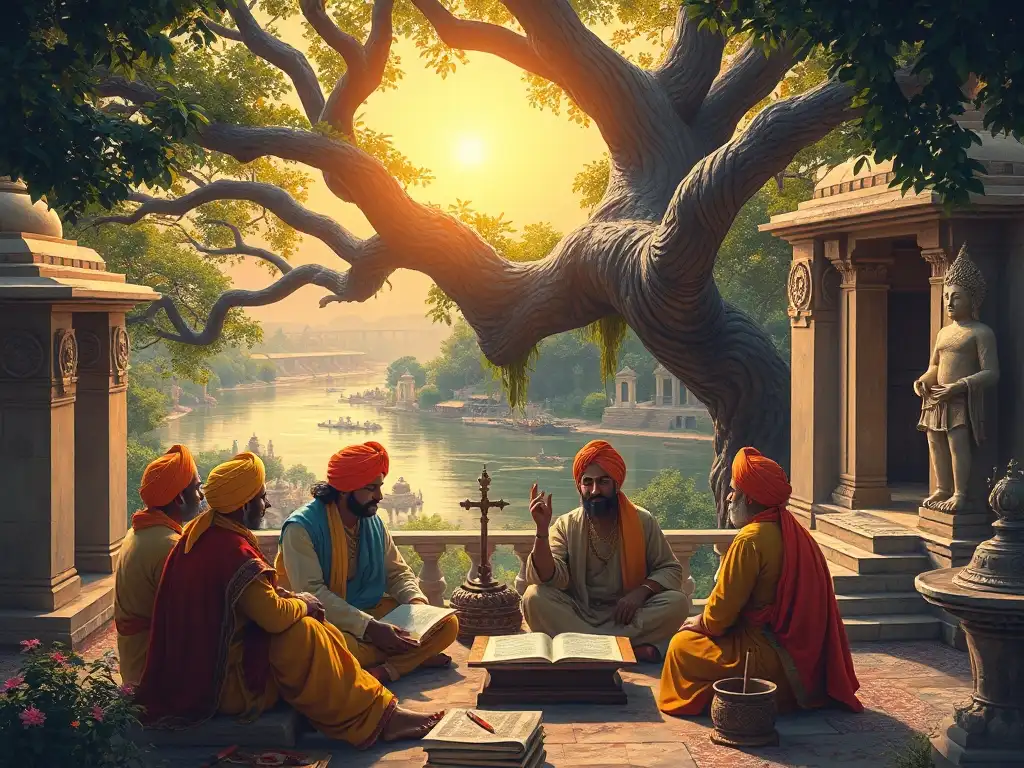
Artistic influences in ancient India reflect a rich tapestry of cultural interactions that have shaped the subcontinent's literary landscape over millennia. From the earliest texts inscribed on clay tablets to the intricate poetic compositions of later periods, the literature of ancient India serves as a mirror to the diverse influences that permeated its society.
This syncretism is not merely a blending of styles but a profound dialogue between varying traditions, languages, and philosophies, leading to a unique literary heritage that resonates even today. As we explore the multifaceted nature of artistic syncretism in ancient Indian literature, we uncover the dynamic interplay of indigenous and foreign elements that contributed to its evolution, highlighting the role of trade, migration, and conquest in facilitating these cultural exchanges.
Defining Artistic Syncretism in Ancient Indian Context
Artistic syncretism in ancient India can be understood as the merging of distinct artistic traditions and practices to create new forms of expression. This phenomenon is evident in various literary genres, where influences from neighboring cultures and civilizations were assimilated, adapted, and reinterpreted.
- Indigenous Elements: Rooted in the Vedic traditions and the oral storytelling practices of early societies, these elements laid the foundation for further artistic development.
- Foreign Influences: With the arrival of traders, invaders, and scholars, such as the Persians and Greeks, new ideas and styles began to permeate Indian literature. The fusion of these diverse influences led to innovative narrative techniques, thematic explorations, and stylistic advancements.
Artistic syncretism not only enriched the literary traditions but also fostered a sense of cultural identity that transcended regional boundaries, allowing for a collective heritage that is distinctly Indian yet globally resonant.
Importance of Cultural Interactions in Ancient Indian Literature
The significance of cultural interactions in ancient Indian literature cannot be overstated. These interactions facilitated the exchange of ideas, narrative structures, and linguistic styles, which ultimately contributed to the richness of literary expression.
- Cross-Cultural Dialogues: The dialogues between various cultures led to the incorporation of diverse mythologies, philosophies, and storytelling techniques. For instance, the epics such as the Mahabharata and Ramayana exhibit influences from various regions and traditions, showcasing a blend of local and foreign narratives.
- Literary Innovations: The influx of new ideas sparked innovations in poetic forms and genres, such as the shlokas and prose, which were influenced by both indigenous practices and foreign literary models.
- Preservation of Knowledge: Cultural interactions also played a crucial role in the preservation and transmission of knowledge. The translation of texts, such as the translation of the Sanskrit Mahabharata into Persian, exemplifies the collaborative spirit that characterized ancient Indian literary traditions.
Historical Background of Ancient Indian Literature
Understanding the historical background of ancient Indian literature is essential to appreciate the complexities of artistic influences and the syncretic nature of its development. The evolution of literary traditions in India is marked by significant periods that reflect the socio-political and cultural dynamics of the time.
Overview of Literary Traditions in Ancient India
The literary traditions of ancient India are diverse and varied, encompassing a wide range of genres, languages, and philosophical discourses.
- Vedic Literature: The earliest body of literature, consisting of hymns, rituals, and philosophical texts, laid the groundwork for subsequent literary works.
- Epic Literature: The Mahabharata and Ramayana are monumental epics that not only tell stories of heroism and morality but also incorporate various cultural elements and regional narratives.
- Classical Poetry and Drama: With the rise of regional languages and dialects, classical poetry and drama flourished, often integrating local folklore and traditions into their narratives.
This rich tapestry of literary traditions illustrates the interplay of different cultures and the resulting artistic syncretism that defined ancient Indian literature.
Key Periods of Literary Development in Ancient India
The development of ancient Indian literature can be segmented into key periods, each characterized by distinctive styles, themes, and cultural influences.
| Period | Characteristics |
|---|---|
| Vedic Period (1500-500 BCE) | Formation of religious texts and hymns, with a focus on spirituality and rituals. |
| Epic Period (500 BCE - 200 CE) | Emergence of epic narratives; incorporation of diverse cultural elements. |
| Classical Period (200 CE - 1200 CE) | Flourishing of poetry and drama, with significant regional influences. |
| Medieval Period (1200 CE - 1700 CE) | Synthesis of Islamic and Hindu literary traditions, leading to new forms of expression. |
Each of these periods contributes to the understanding of how cultural interactions shaped the artistic influences in ancient India, resulting in a literary heritage that is both rich and diverse. As we delve deeper into this exploration, we will uncover the intricate connections and the lasting impact of these interactions on the literature of ancient India.
Major Artistic Influences in Ancient Indian Literature
Ancient Indian literature is a tapestry woven from various threads of artistic influences, reflecting the rich cultural interactions that shaped the subcontinent over centuries. The confluence of indigenous traditions with external influences contributed to a vibrant literary landscape characterized by diverse narratives, styles, and themes. This section explores the major artistic influences that have left an indelible mark on ancient Indian literature, illustrating how these interactions fostered a unique literary expression that transcended regional and cultural boundaries.
Indigenous Indian Artistic Traditions
The roots of artistic expression in ancient Indian literature can be traced back to indigenous traditions that flourished long before the arrival of foreign influences. These traditions were deeply intertwined with the socio-religious fabric of Indian society, often drawing inspiration from oral storytelling, folk tales, and religious texts.
Key characteristics of indigenous artistic traditions include:
- Mythological Narratives: Many ancient texts are based on local myths and legends, which served not only as entertainment but also as moral and philosophical teachings.
- Poetic Forms: The use of various poetic forms such as shlokas and sanskrit verses originated within indigenous contexts, emphasizing rhythm and meter.
- Symbolism and Imagery: Rich symbolism derived from nature, spirituality, and daily life permeated literature, creating a unique aesthetic.
These indigenous traditions laid the groundwork for artistic expression, which evolved with the incorporation of external influences.
Influence of Persian Literature on Indian Arts
The influence of Persian literature on Indian arts became prominent during the medieval period, especially following the establishment of the Delhi Sultanate and later the Mughal Empire. Persian was not only the court language but also a significant literary medium that permeated various art forms.
Key aspects of this influence include:
- Literary Themes: Persian literature introduced themes of romanticism, mysticism, and courtly life, which found their way into Indian literary works.
- Poetic Styles: The introduction of ghazals and masnavis enriched the poetic landscape, inspiring Indian poets to experiment with new forms and structures.
- Cultural Syncretism: The blending of Persian motifs with indigenous narratives gave rise to a unique genre of literature that celebrated the fusion of cultures.
This cross-cultural exchange significantly enhanced the aesthetic quality and thematic richness of Indian literature.
Greek and Hellenistic Impact on Ancient Indian Literature
The arrival of Greek culture, particularly during the conquests of Alexander the Great, ushered in a new era of artistic influences that permeated ancient Indian literature. The interaction between Greek and Indian cultures catalyzed a unique synthesis of ideas, styles, and philosophies.
Influential aspects include:
- Philosophical Concepts: Greek philosophical ideas, especially those of Plato and Aristotle, influenced Indian thinkers, leading to new interpretations in literature.
- Narrative Techniques: The use of dialogue and dramatic structures seen in Greek literature inspired Indian playwrights and poets to adopt similar techniques in their works.
- Characterization: The portrayal of complex characters and psychological depth in narratives drew inspiration from Greek literature, enriching Indian storytelling traditions.
These influences significantly shaped the evolution of literary forms and genres in ancient India.
Case Studies of Artistic Syncretism in Ancient Indian Texts
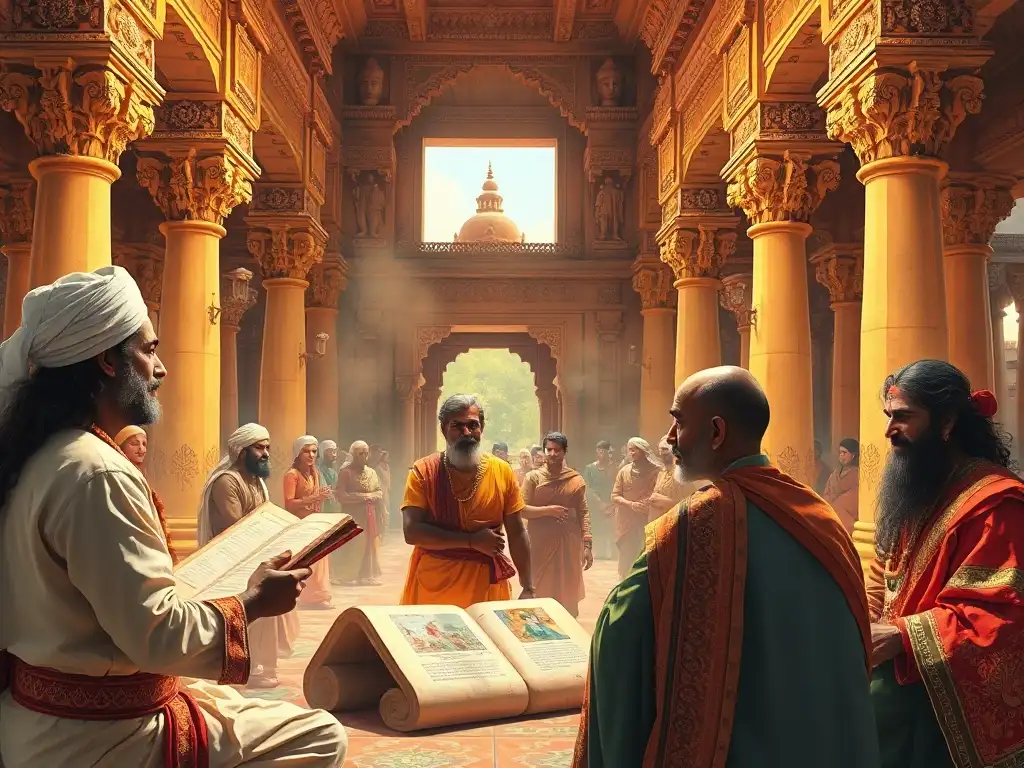
Examining specific texts offers a lens through which the intricate web of artistic syncretism in ancient Indian literature can be understood. These case studies highlight how various artistic influences were seamlessly integrated into Indian narratives, resulting in rich literary traditions.
The Mahabharata: A Fusion of Diverse Cultural Elements
The Mahabharata, one of the longest epic poems in the world, exemplifies the fusion of diverse cultural elements through its narrative complexity and thematic depth.
- Cultural Interactions: The epic incorporates various cultural narratives, including local folklore and moral dilemmas influenced by neighboring civilizations.
- Philosophical Dialogues: The text includes profound philosophical discourses, reflecting influences from diverse schools of thought, including Brahmanical and Buddhist philosophies.
- Artistic Expression: The use of multiple genres—poetry, prose, and drama—within the epic showcases the syncretic nature of its composition.
This amalgamation of influences has made the Mahabharata a cornerstone of Indian literary heritage.
The Ramayana: Reflections of Cross-Cultural Narratives
The Ramayana, another monumental epic, illustrates the convergence of various cultural narratives and artistic styles, enhancing its universal appeal and relevance.
- Global Influences: Through trade and cultural exchange, narratives from Southeast Asia and beyond influenced the storytelling techniques and character archetypes in the Ramayana.
- Moral and Ethical Themes: The epic explores themes of dharma (duty) and righteousness, resonating with diverse audiences and reflecting a blend of local and global ethical values.
- Artistic Representations: The Ramayana has inspired a plethora of artistic expressions, including dance, drama, and visual arts, showcasing its syncretic nature across cultures.
The Ramayana serves as a testament to the artistic interactions that shaped its narrative.
The Influence of Buddhist Literature on Sanskrit Texts
Buddhist literature, particularly during the Mauryan Empire, had a substantial impact on Sanskrit texts, contributing to the evolution of literary forms and themes in ancient India.
- Narrative Structures: Buddhist texts introduced new narrative techniques, including parables and fables, which were adopted by Sanskrit writers to convey complex ideas.
- Philosophical Integration: The themes of compassion and non-violence from Buddhist literature influenced the ethical dimensions of many Sanskrit narratives.
- Cultural Exchange: The spread of Buddhism facilitated cross-cultural interactions, allowing for a rich exchange of ideas that enhanced the artistic quality of Sanskrit literature.
This influence underscores the importance of Buddhist literature as a driving force in the evolution of ancient Indian artistic expressions.
The Role of Trade Routes in Cultural Exchanges
Trade routes played a pivotal role in the cultural exchanges that shaped the artistic influences in ancient India. These pathways not only facilitated the exchange of goods but also served as conduits for ideas, beliefs, and artistic expressions. The flourishing trade networks, particularly during the Maurya and Gupta empires, connected India to distant lands such as Central Asia, the Middle East, and beyond. As merchants and travelers journeyed along these routes, they interacted with diverse cultures, leading to a rich tapestry of artistic syncretism.
The impact of trade routes on artistic influences can be observed in various forms of literature, where narratives were infused with themes, styles, and motifs borrowed from other cultures. This cross-pollination of ideas contributed to a unique literary landscape that reflected the dynamic interactions between different civilizations. Notably, the exchange of manuscripts, texts, and oral traditions across these routes enriched the literary heritage of ancient India, resulting in works that showcased a blend of influences.
Importance of Trade in Artistic Influences in Ancient India
Trade was fundamental to the development of artistic influences in ancient India, as it not only stimulated economic growth but also fostered cultural interactions. The emergence of bustling trade centers, such as Taxila and Pataliputra, created hubs for the convergence of various artistic traditions. As traders brought in new materials, techniques, and artistic styles, local artisans and writers were inspired to experiment, leading to innovative forms of literature and art.
Moreover, trade facilitated the exchange of ideas about aesthetics and storytelling, which were incorporated into Indian literary traditions. The interaction with foreign cultures allowed Indian artists and writers to reinterpret traditional narratives, thereby creating new genres and forms of expression. This blending of artistic influences is evident in numerous ancient texts, where themes from Persian, Greek, and even Chinese traditions find resonance with Indian narratives.
Key Trade Routes and Their Impact on Literature
Several key trade routes significantly impacted the literary landscape of ancient India. The Silk Road, which connected India to China and the Mediterranean world, was instrumental in the spread of artistic ideas and literary forms. Through this route, Indian literary works, such as fables and epics, made their way to other cultures, influencing their storytelling traditions.
The southern trade routes, including the maritime routes to Southeast Asia, also played a crucial role. These routes not only facilitated the exchange of spices and textiles but also led to the dissemination of Indian literary motifs and styles. For instance, the influence of Indian epics, such as the Ramayana and Mahabharata, can be seen in the literature of countries like Indonesia and Cambodia, where local adaptations reflect the syncretic nature of artistic traditions that arose from these exchanges.
The Interplay of Religion and Artistic Syncretism
Religion has been a significant driver of artistic syncretism in ancient Indian literature. The intertwining of spiritual beliefs with artistic expressions led to the creation of rich literary forms that transcended cultural boundaries. The diverse religious landscape of ancient India, encompassing Hinduism, Jainism, and Buddhism, provided fertile ground for artistic collaboration and exchange, resulting in a vibrant literary heritage.
The influence of religious ideals and narratives on literature is profound, as authors sought to convey moral teachings and philosophical concepts through their works. This interplay between religion and art not only enriched the content of literature but also shaped the stylistic elements, allowing for a dynamic and evolving literary tradition.
Hinduism and Its Artistic Contributions to Literature
Hinduism has made substantial contributions to the artistic influences in ancient Indian literature. The religion's vast pantheon of deities, mythological tales, and philosophical texts provided a rich source of inspiration for writers and poets. The epic narratives, such as the Ramayana and Mahabharata, are exemplary of how religious themes were intricately woven into literary forms, showcasing moral dilemmas, heroism, and the pursuit of dharma.
Moreover, Hindu philosophy influenced various literary genres, including poetry and drama. The use of classical Sanskrit in literary works allowed for intricate expressions of devotion, beauty, and the human experience. Concepts such as rasa (emotional essence) and dhvani (suggested meaning) are pivotal to understanding the artistic nuances in ancient Indian literature, highlighting the deep connection between Hinduism and literary creativity.
The Influence of Jainism and Buddhism on Literary Forms
Jainism and Buddhism also had a significant impact on the artistic influences in ancient Indian literature. Jain literature, with its emphasis on non-violence and truth, inspired writers to explore ethical themes and spiritual introspection. The Tattvartha Sutra and various Jain texts showcase a unique narrative style that blends philosophical discourse with poetic elements, reflecting the religion's artistic contributions.
Buddhism, particularly through its teachings and the life of the Buddha, influenced a myriad of literary forms, including Jataka tales that depict the moral lessons learned through the Buddha's previous lives. These narratives, often rich in allegory and symbolism, contributed to the development of storytelling techniques in Indian literature. The architectural and artistic expressions found in Buddhist texts also highlight the syncretic nature of artistic influences, as they often drew inspiration from local customs and traditions, resulting in a complex interplay of ideas that enriched the cultural fabric of ancient India.
Conclusion: The Legacy of Artistic Syncretism in Ancient Indian Literature
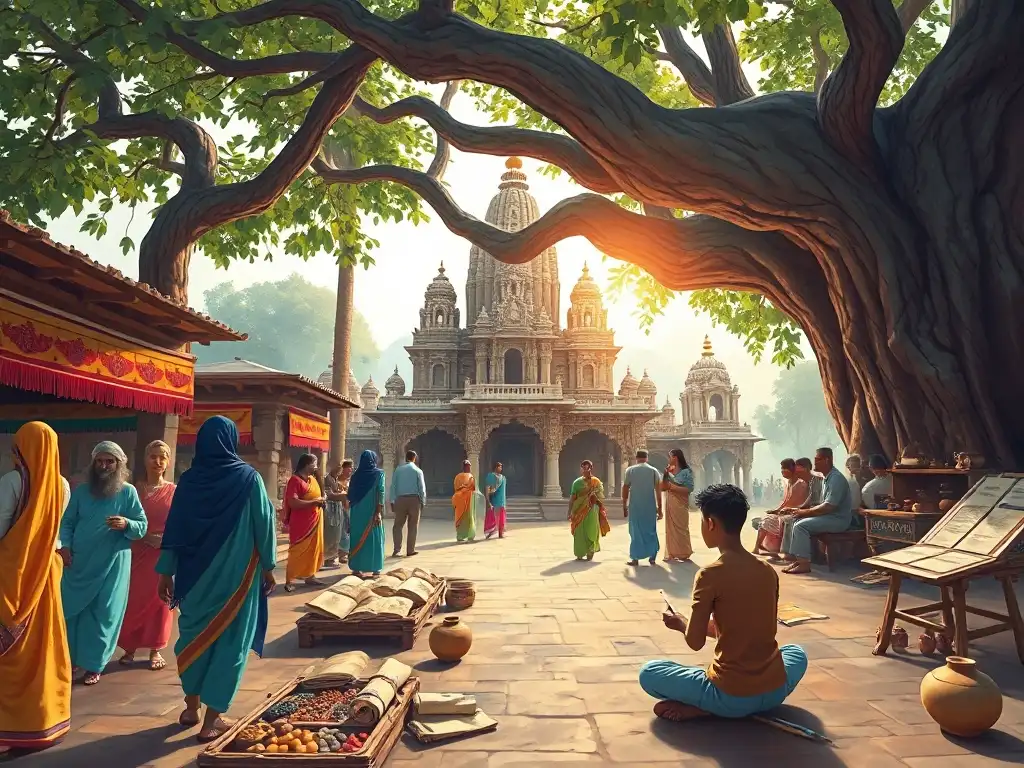
The legacy of artistic syncretism in ancient Indian literature is profound and far-reaching. This melding of diverse influences not only produced remarkable literary works but also laid the foundation for a rich cultural tapestry that continues to inspire contemporary artists and writers. Ancient Indian literature, with its intricate narrative styles, poetic forms, and philosophical depth, showcases the dynamic interplay between various cultures, religions, and artistic traditions. From the epics like the Mahabharata and Ramayana to the philosophical treatises of the Upanishads, the texts reflect a unique synthesis that is emblematic of the pluralistic society in which they were created.
Moreover, this artistic syncretism served as a means of cultural dialogue, allowing for the exchange of ideas and values across different communities. The incorporation of local folklore, regional dialects, and diverse mythologies into literary works reveals how ancient authors were adept at adapting influences to resonate with their audiences. This practice not only enriched the literature itself but also facilitated a broader understanding of the complexities of identity and cultural belonging in ancient India.
Lasting Impact of Cultural Interactions on Modern Indian Literature
The cultural interactions that characterized ancient Indian literature have left an indelible mark on modern Indian literature. Contemporary writers continue to draw inspiration from the rich legacy of syncretism, blending traditional themes with modern sensibilities. This fusion is evident in various literary forms—from novels and poetry to plays and essays—where authors explore the complexities of identity, heritage, and the ongoing dialogues between tradition and modernity.
For instance, the works of authors like Salman Rushdie and Arundhati Roy exhibit a unique blend of Indian and global influences, reflecting the syncretic nature of their narratives. They often incorporate elements from ancient texts, folklore, and regional stories, highlighting the enduring relevance of these historical interactions. Additionally, the rise of regional literature in languages such as Bengali, Tamil, and Hindi showcases how local traditions and narratives are being revitalized and reinterpreted, further emphasizing the impact of historical artistic influences.
Reflection on the Importance of Understanding Artistic Influences in Ancient India
Understanding the artistic influences in ancient India is essential for comprehending the broader cultural and historical context of the subcontinent. It allows scholars, students, and enthusiasts to appreciate how literature served as a mirror reflecting societal values, conflicts, and aspirations during various historical periods. By examining the ways in which different cultures interacted and influenced one another, we gain insights into the dynamics of power, resistance, and creativity that shaped ancient Indian civilization.
Furthermore, recognizing these influences fosters a greater appreciation for the diversity and richness of Indian literature. It encourages a multidisciplinary approach, where literature is studied alongside history, anthropology, and art, providing a holistic view of the cultural exchanges that have taken place over millennia. This understanding not only enriches our knowledge of the past but also informs contemporary discussions about identity, cultural heritage, and the ongoing evolution of literary traditions in India. In a world that is increasingly interconnected, the lessons learned from ancient artistic syncretism remain relevant, reminding us of the beauty and complexity inherent in cultural interactions.
- Introduction to Artistic Influences in Ancient India
- Historical Background of Ancient Indian Literature
- Major Artistic Influences in Ancient Indian Literature
- Case Studies of Artistic Syncretism in Ancient Indian Texts
- The Role of Trade Routes in Cultural Exchanges
- The Interplay of Religion and Artistic Syncretism
- Conclusion: The Legacy of Artistic Syncretism in Ancient Indian Literature
- Lasting Impact of Cultural Interactions on Modern Indian Literature
- Reflection on the Importance of Understanding Artistic Influences in Ancient India
- What is artistic syncretism in ancient Indian literature?
- How did cultural interactions shape ancient Indian literature?
- What are some examples of artistic influences in ancient India?
- How did the Indus Valley civilization contribute to literary traditions?
- What role did the Gupta Empire play in the evolution of literature?
Frequently Asked Questions
What is artistic syncretism in ancient Indian literature?
Artistic syncretism refers to the blending of different cultural and artistic influences in literature. This phenomenon reflects the interactions and exchanges among various civilizations in ancient India.
How did cultural interactions shape ancient Indian literature?
Cultural interactions led to the fusion of styles and themes, enriching literary expressions. These exchanges often resulted in new genres and innovative storytelling techniques that reflected diverse influences.
What are some examples of artistic influences in ancient India?
Influences from Persian, Greek, and Buddhist traditions significantly shaped ancient Indian literature. These interactions can be seen in poetry, drama, and epic narratives that incorporate varied motifs and styles.
How did the Indus Valley civilization contribute to literary traditions?
The Indus Valley civilization laid the groundwork for early symbolic representations and social narratives. Their advancements in script and art influenced subsequent literary developments in ancient Indian culture.
What role did the Gupta Empire play in the evolution of literature?
The Gupta Empire is known as a "Golden Age" for ancient Indian literature, where patronage of the arts flourished. This era saw the emergence of notable writers and poets, leading to significant literary advancements and cultural richness.
Final Reflection: Embracing the Tapestry of Artistic Influences in Ancient India
Artistic influences in ancient India are not merely relics of the past; they are vibrant threads woven into the fabric of our contemporary cultural identity. As we explore the intricate layers of artistic syncretism in ancient Indian literature, we uncover a profound relevance that resonates today. The blending of diverse cultural elements not only enriched the literary landscape of ancient India but also serves as a powerful reminder of the beauty that arises from collaboration and exchange. In a world that often seems divided, the legacy of these artistic influences invites us to celebrate our shared humanity.
The impact of artistic syncretism extends far beyond the pages of history; it continues to shape our cultural and social landscapes. The stories, styles, and philosophies that emerged from the confluence of various traditions remind us of the importance of dialogue and understanding in our increasingly globalized society. As we reflect on this ongoing influence, we are reminded of the words of the poet Rumi: The wound is the place where the Light enters you.
This sentiment encapsulates the idea that through our interactions and shared experiences, we can find healing and enlightenment, fostering a deeper appreciation for the diverse narratives that enrich our lives.
As we conclude this exploration of artistic influences in ancient India, I invite you to reflect on your own experiences with cultural interactions. Consider how the lessons of syncretism can inspire you to embrace diversity in your daily life. Let the stories of the past guide you in fostering connections, celebrating differences, and creating a more inclusive future. Together, we can honor the legacy of artistic syncretism and continue to weave a rich tapestry of cultural understanding that transcends time and place.
Unlock the Rich Tapestry of Ancient Cultures!
Thank you for diving into the fascinating world of artistic syncretism in ancient Indian literature! Your interest helps illuminate the vibrant cultural interactions that shaped our history. Now, it’s time to take these insights further and explore the beauty of cultural synthesis in your own life.
Here are some engaging actions you can take:
- Explore local literary works and art forms inspired by diverse cultural influences to deepen your understanding of artistic syncretism.
- Share your favorite instances of cultural blending in literature or art with friends—foster discussions and broaden perspectives within your community!
- Join a dedicated online forum to connect with fellow enthusiasts—exchange ideas and delve into ancient texts that showcase these profound interactions.
What unique cultural blend have you encountered in literature that moved you?