
The Influence of Ancient Indian Literature on Global Artistic Narratives

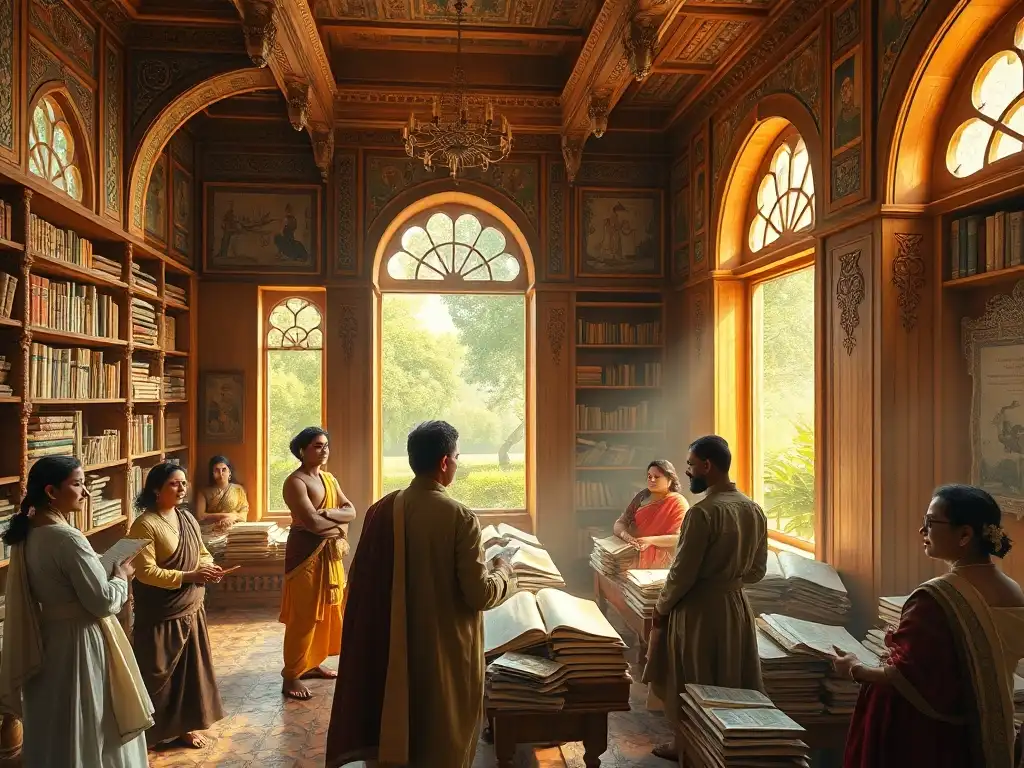
Welcome to Ancient India History, your gateway to the profound and intricate tapestry of ancient Indian civilizations! Here, we delve into the rich legacies and cultural exchanges that have shaped not only India but also the world. In our featured article, we explore the impact of Ancient Indian literature on global artistic narratives, uncovering how timeless tales and philosophical texts have influenced creative expressions across continents.
Prepare to embark on a journey that unravels the threads of history, inviting you to discover the lasting echoes of a civilization that continues to inspire. Keep reading to find out how these ancient narratives have woven themselves into the fabric of global culture!
Introduction to Ancient Indian Literature and Its Impact
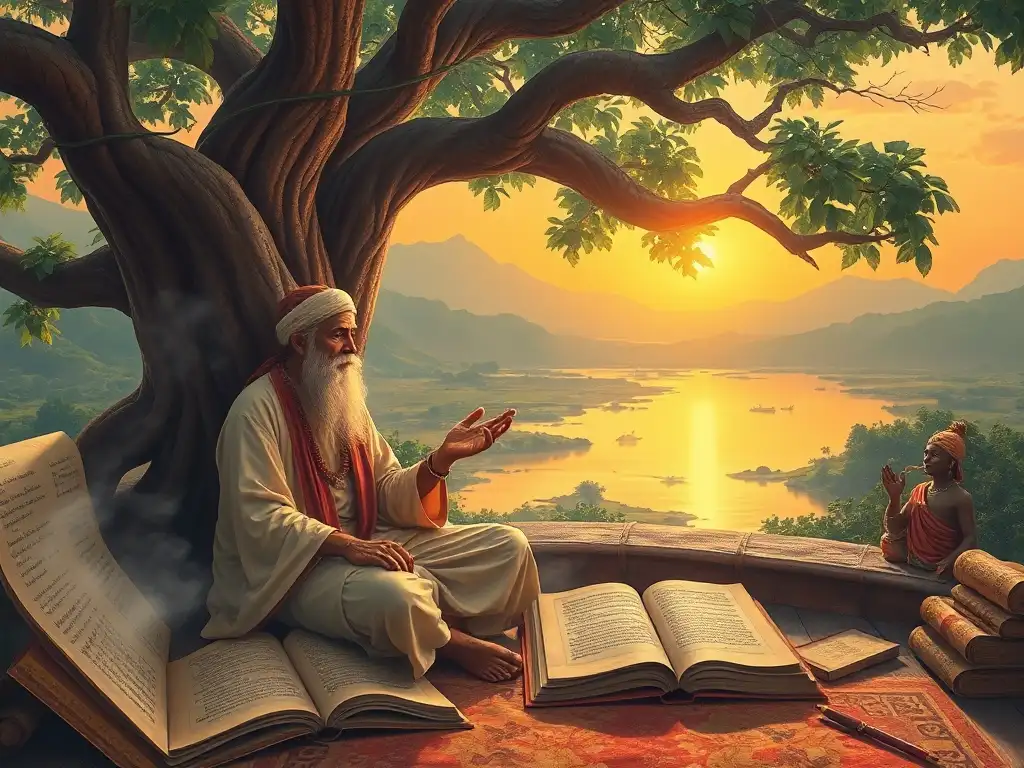
Ancient Indian literature represents a profound and complex tapestry of narratives that have not only shaped the cultural identity of the Indian subcontinent but have also significantly influenced global artistic expressions. From the mystical verses of the Vedas to the epic tales of the Mahabharata and Ramayana, ancient Indian literature encompasses a wide array of genres, themes, and philosophical inquiries.
The impact of this literary heritage extends far beyond its geographical boundaries, permeating the artistic narratives of various cultures across the globe. This article delves into the multifaceted influence of ancient Indian literature on global artistic narratives, exploring its historical context, major texts, and the vital role of oral traditions.
Overview of Ancient Indian Literature
Ancient Indian literature can be traced back to the Vedic texts, which date back to around 1500 BCE. It includes a diverse range of works such as:
- Religious Texts: Vedas, Upanishads, Puranas
- Epics: Mahabharata, Ramayana
- Poetry and Drama: Kalidasa's works, Natya Shastra
These texts were not merely literary works but also served as vehicles for philosophical thought, cultural norms, and ethical values. The richness of the language and the depth of the themes explored in these works continue to resonate with audiences today, making ancient Indian literature a cornerstone of literary heritage.
Significance of Ancient Indian Literature Impact on Global Art
The impact of ancient Indian literature on global art can be observed in various forms, including:
- Narrative Structures: The use of storytelling techniques and character archetypes found in ancient Indian epics has influenced the narrative style of many cultures.
- Themes of Dharma and Morality: The exploration of duty, righteousness, and the complexities of human emotions in ancient texts resonates with global audiences, inspiring countless adaptations in literature and theater.
- Artistic Representations: Visual arts, including sculpture and painting, have drawn inspiration from the rich iconography and themes depicted in ancient Indian literature.
By examining these influences, we can appreciate the ways in which ancient Indian literature has transcended time and geography, shaping artistic narratives across the world.
Historical Context of Ancient Indian Literature
To fully grasp the influence of ancient Indian literature, it is essential to understand its historical context. This literature emerged during a time of significant cultural and intellectual development in ancient India, marked by the rise of various kingdoms and the flourishing of trade routes that facilitated cultural exchanges.
Major Texts and Their Authors
Several key texts and authors stand out in the landscape of ancient Indian literature:
- Vedas: Considered the oldest sacred texts of Hinduism, attributed to various sages.
- Mahabharata: An epic attributed to the sage Vyasa, it explores themes of conflict, duty, and morality.
- Ramayana: Composed by Valmiki, this epic narrates the life of Lord Rama and reflects the ideals of virtue and devotion.
These texts not only served as literary masterpieces but also as cultural touchstones that influenced a multitude of artistic expressions throughout history.
The Role of Oral Tradition in Ancient Indian Literature
Oral tradition played a critical role in the transmission and preservation of ancient Indian literature. Before the advent of written texts, stories, poems, and teachings were passed down orally through generations. This tradition ensured that the narratives remained dynamic and adaptable, allowing them to resonate with diverse audiences. Key aspects include:
- Performance Arts: Oral narratives were often accompanied by music and dance, enriching the storytelling experience.
- Cultural Transmission: Oral traditions facilitated the spread of literary themes beyond regional boundaries, influencing local art forms and practices.
Through these mechanisms, ancient Indian literature not only maintained its relevance but also enriched global artistic narratives, leaving an indelible mark on the world's cultural landscape.
Core Themes in Ancient Indian Literature
Ancient Indian literature is rich with diverse themes, reflecting the complexities of human emotion, social structures, and philosophical thought. These themes resonate through various literary forms, including epics, poetry, and religious texts, and have greatly influenced artistic expressions both within Asia and beyond. The core themes in this literature often explore spirituality, love, devotion, and social commentary, providing a comprehensive view of the human experience.
The works of ancient Indian authors encapsulate the values, beliefs, and struggles of their time, serving as a mirror to the societal norms and cultural practices. This depth makes ancient Indian literature not only a source of entertainment but also a profound exploration of ethical and moral dilemmas that continue to be relevant today.
Spiritual and Philosophical Narratives
Spirituality and philosophy are central to ancient Indian literature, with texts such as the Vedas, Upanishads, and the Bhagavad Gita reflecting profound metaphysical inquiries and ethical teachings. These narratives delve into the nature of existence, the concept of the self (Atman), and the ultimate reality (Brahman).
The Bhagavad Gita, for instance, presents a dialogue between Lord Krishna and Prince Arjuna, addressing the moral complexities of duty (dharma) and righteousness. This philosophical discourse has transcended cultural boundaries, influencing various global spiritual traditions and artistic expressions.
In addition to philosophical texts, ancient Indian literature often incorporates metaphysical themes in poetic works, highlighting the interconnectedness of life and the universe. This exploration of spiritual consciousness has inspired countless artists, poets, and thinkers throughout history, contributing significantly to the global narrative of spirituality.
Love and Devotion in Ancient Indian Epics
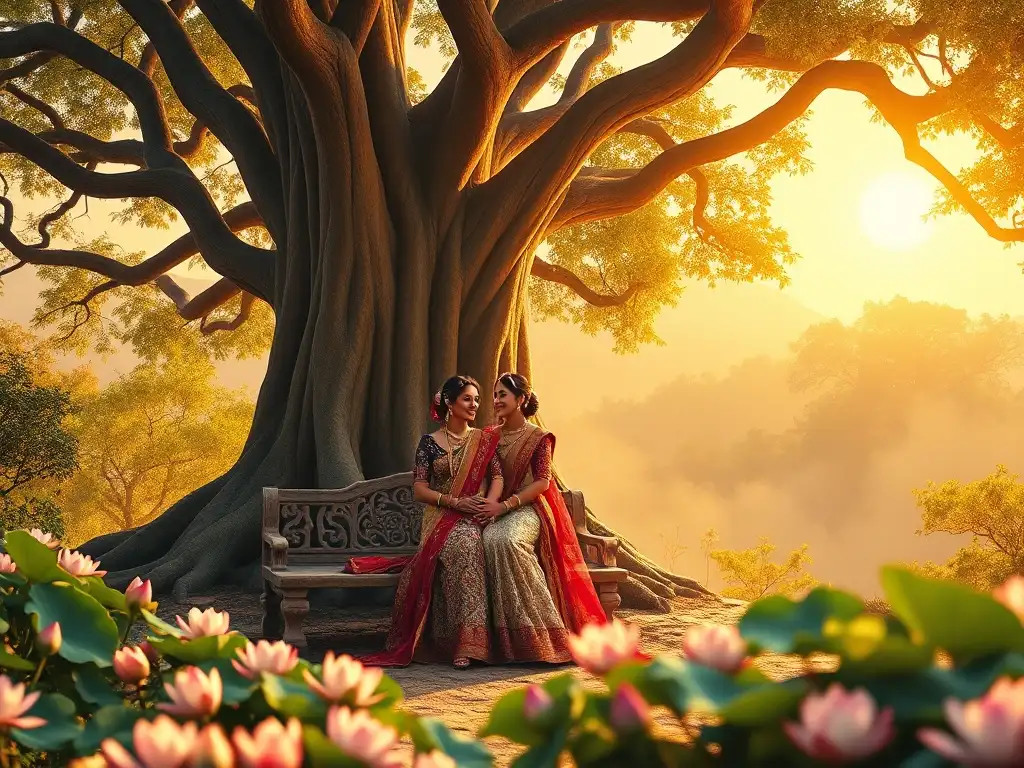
The theme of love and devotion is vividly illustrated in ancient Indian epics, particularly in the Ramayana and Mahabharata. These texts explore various dimensions of love—romantic, familial, and divine—often emphasizing bhakti (devotion) as a path to spiritual fulfillment.
In the Ramayana, the love story of Rama and Sita serves as an archetype of ideal love and loyalty, while the Mahabharata presents complex relationships, such as the devotion of Draupadi towards her husbands. These narratives not only depict personal emotions but also reflect societal values surrounding love, duty, and sacrifice.
The portrayal of divine love, particularly in texts like the Bhagavata Purana, where the relationship between Lord Krishna and his devotees is explored, has significantly influenced artistic expressions in music, dance, and visual arts across cultures. The emotive power of these narratives continues to inspire artists globally, fostering a deep appreciation for the nuances of love and devotion.
Ancient Indian literature also serves as a critical lens through which social and political issues are examined. Texts such as the Arthashastra, attributed to Kautilya (Chanakya), provide insights into governance, economics, and military strategy, reflecting the complexities of ruling and statecraft.
Moreover, literary works often critique social norms and hierarchies, addressing issues of caste, gender, and morality. The Mahabharata, for example, not only narrates the epic war but also poses ethical dilemmas and questions the righteousness of actions taken by its characters, prompting readers to reflect on justice and duty in society.
This commentary has inspired various movements for social reform and justice throughout history. The resonant themes of morality and ethics in ancient texts continue to inform contemporary discussions on governance and social responsibility, highlighting their enduring relevance.
Ancient Indian Literature: A Source of Inspiration
The influence of ancient Indian literature extends far beyond its geographical origins, seeping into the artistic narratives of various cultures around the world. Its themes, narratives, and philosophical inquiries have inspired countless artists, writers, and thinkers, creating a rich tapestry of cultural exchange and syncretism.
Influence on Asian Artistic Narratives
Ancient Indian literature has profoundly impacted the artistic traditions of neighboring Asian cultures. Buddhist texts, for instance, played a crucial role in the dissemination of Indian philosophical ideas across Asia, particularly in countries like China, Japan, and Tibet.
The stories and teachings found in these texts have influenced various art forms, including sculpture, painting, and theater. For example, the Jataka tales, which recount the previous lives of the Buddha, have inspired intricate carvings and murals depicting these narratives in temples throughout Southeast Asia.
Additionally, the poetic forms and styles originating in ancient Indian literature, such as the lyrical expressions found in the Sanskrit and Pali traditions, have enriched the literary landscapes of countries like Indonesia and Thailand, where local adaptations resonate deeply within their cultural contexts.
Impact on Western Literary Traditions
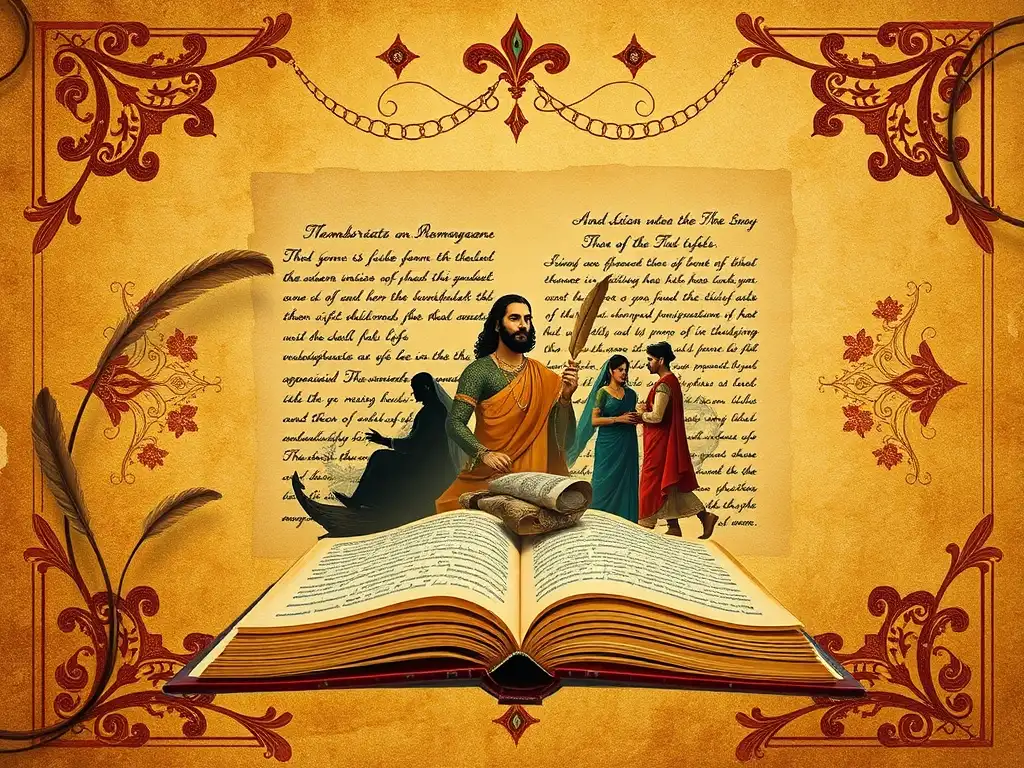
The impact of ancient Indian literature on Western traditions is equally significant. The translation of texts such as the Bhagavad Gita and Upanishads into European languages during the 18th and 19th centuries introduced Western thinkers to Indian philosophical concepts.
Prominent figures like Ralph Waldo Emerson and Henry David Thoreau drew inspiration from these texts, integrating ideas of transcendentalism and spirituality into their own writings. The themes of duty, morality, and the interconnectedness of life found in ancient Indian literature have echoed through Western literature, influencing poets, philosophers, and artists.
Moreover, the narrative techniques and storytelling traditions established in ancient Indian epics have found their way into Western literature, enriching the narrative forms and thematic explorations of authors ranging from John Milton to contemporary writers. This cross-cultural exchange highlights the universal nature of human experience depicted in ancient Indian literature, affirming its lasting impact on global artistic narratives.
Case Studies of Artistic Influence
Ancient Indian literature has had a profound impact on various artistic narratives across the globe. By examining specific case studies, we can understand how texts like the Ramayana and the Mahabharata transcended geographical and cultural boundaries, influencing art forms, theater, and literature in diverse societies. These texts have inspired adaptations in numerous languages and mediums, highlighting their universal themes and characters that resonate with audiences far beyond their origins.
The Ramayana’s Adaptations Across Cultures
The Ramayana, attributed to the sage Valmiki, is not just a cornerstone of Indian literature; it has also served as a foundational text for various adaptations worldwide. One of the most notable adaptations is the Thai version, known as "Ramakien," which incorporates local cultural elements while retaining the core narrative of Rama's quest to rescue Sita. In Indonesia, the "Kakawin Ramayana" is a poetic rendition that reflects Javanese culture and aesthetics, showcasing the flexibility of the original text to accommodate local traditions.
Moreover, the Ramayana has been depicted in numerous forms of art, including dance, theater, and visual arts. In India, the classical dance forms such as Bharatanatyam and Kathakali often draw upon Ramayana themes, bringing the story to life through expressive movements and elaborate costumes. Similarly, in the West, adaptations like the modern retelling in "The Ramayana: A New Translation" by Ramesh Menon have made the epic accessible to contemporary audiences, emphasizing its enduring relevance.
The Mahabharata’s Global Reach and Interpretations
The Mahabharata is another monumental work that has inspired countless interpretations across cultures. This epic, which encompasses complex themes of duty, righteousness, and moral dilemmas, has been adapted in various forms, including theater, literature, and film. Notably, the Indonesian "Wayang Kulit" shadow puppet theater presents the Mahabharata through intricate performances that blend storytelling with visual artistry, captivating audiences with its rich narratives.
In the West, the Mahabharata's influence is evident in adaptations like Peter Brook's acclaimed theatrical production, which presented a condensed version of the epic to an international audience. This adaptation highlighted the universal questions posed by the text, making it relevant to contemporary global issues. Furthermore, the graphic novel format has also become a popular medium for reinterpreting the Mahabharata, as seen in works by artists like Rajeshwari Saini, who merge traditional storytelling with modern visual techniques.
Cross-Cultural Exchanges and Artistic Syncretism
The interactions between ancient Indian literature and other cultures are a testament to the rich tapestry of cross-cultural exchanges that have occurred throughout history. These exchanges have not only facilitated the spread of literary works but have also led to the fusion of diverse artistic styles and narratives, creating a harmonious blend of cultural expressions.
Ancient Indian Literature and Its Role in Cultural Exchanges
Ancient Indian literature played a crucial role in cultural exchanges, acting as a bridge between different civilizations. The Silk Road is a prime example of how literature traversed borders, allowing for the exchange of ideas, stories, and artistic traditions. Texts like the Panchatantra, with its fables and moral lessons, were translated and adapted into various languages, influencing storytelling traditions in Persian, Arabic, and even European literature.
Additionally, the spread of Buddhism, with its roots in ancient Indian texts, facilitated further cultural exchanges. As Buddhist monks traveled along trade routes, they carried with them not only religious teachings but also literary works that would influence local cultures. This cross-pollination enriched artistic expressions, leading to unique adaptations that reflect the synergy between Indian literature and other cultural narratives.
The Fusion of Artistic Styles and Narratives
The fusion of artistic styles and narratives is a hallmark of the influence of ancient Indian literature on global art. This syncretism can be observed in various art forms, where elements from Indian epics are interwoven with local traditions. For example, in the Philippines, the "Biag ni Lam-ang" epic incorporates themes and narrative structures reminiscent of the Mahabharata, showcasing how local lore can merge with Indian literary traditions.
Moreover, the motifs and symbols found in ancient Indian literature have permeated visual arts across cultures. The use of intricate patterns, vibrant colors, and evocative imagery in paintings and sculptures can often be traced back to the aesthetic principles established in Indian texts. This blending of artistic styles has led to the creation of hybrid art forms that celebrate both the original Indian narratives and the local cultural context, exemplifying the dynamic nature of artistic expression influenced by ancient Indian literature.
Conclusion: The Lasting Legacy of Ancient Indian Literature
The legacy of ancient Indian literature is profound and enduring, echoing through the corridors of global artistic narratives. From the poetic verses of the Vedas to the intricate storytelling of the Mahabharata and Ramayana, ancient Indian texts have offered rich themes, moral dilemmas, and deep philosophical insights that have resonated across different cultures and epochs. This literature not only shaped the artistic expressions within India but also laid the groundwork for artistic traditions worldwide, influencing writers, poets, and artists in their quest for narrative depth and emotional resonance.
The integration of ancient Indian literary concepts into global art reflects a dynamic exchange of ideas, where motifs and narratives traverse geographical boundaries, enriching artistic expressions. The themes of dharma (duty), karma (action), and the cyclical nature of life found in Indian literature have found their way into various art forms, from theater to visual arts, and even modern literature, showcasing an ongoing dialogue between cultures.
As we explore this lasting legacy, it becomes clear that ancient Indian literature has not merely contributed to the arts but has also fostered a broader understanding of humanity's shared experiences, thus enhancing cultural syncretism and artistic innovation.
Summary of Ancient Indian Literature Impact on Global Art
Ancient Indian literature has significantly impacted global art through its rich narratives, moral complexities, and philosophical insights. Key aspects of this impact include:
- Thematic Influence: Themes such as love, duty, sacrifice, and enlightenment found in texts like the Mahabharata and the Upanishads have inspired countless artists and writers across cultures. These universal themes resonate deeply, allowing for varied interpretations and adaptations.
- Symbolism and Imagery: The vivid imagery and symbolism present in ancient Indian poetry and prose have informed the visual arts. For instance, the use of nature as a metaphor for human emotions in Indian literature can be observed in the works of various European painters, who adopted similar techniques in their own art.
- Narrative Structures: The storytelling techniques employed in ancient Indian epics, including non-linear narratives and complex character arcs, have influenced the development of storytelling in global literature and film, demonstrating the versatility and adaptability of these ancient forms.
- Cultural Syncretism: The interaction between ancient Indian literature and other cultural narratives has led to the creation of hybrid artistic expressions, showcasing a blend of artistic traditions that enrich both the original and the adopting cultures.
This summary underscores how the impact of ancient Indian literature is not only historical but also a continuous thread that weaves through the fabric of global artistic expression.
Future Implications for Artistic Narratives and Cultural Syncretism
Looking ahead, the implications of ancient Indian literature on artistic narratives and cultural syncretism are vast and multifaceted. As the world becomes increasingly interconnected, the potential for cross-cultural dialogues continues to expand. Here are some future implications:
- Revitalization of Themes: Contemporary artists and writers may draw inspiration from ancient Indian literature to address modern issues, such as identity, social justice, and environmental concerns, thus keeping these ancient narratives alive and relevant.
- Interdisciplinary Collaborations: The blending of ancient Indian literary themes with modern art forms, such as digital media, performance art, and global literature, can lead to innovative works that challenge traditional boundaries and foster new interpretations.
- Cultural Preservation: As global interest in cultural heritage grows, ancient Indian literature can serve as a focal point for educational initiatives, promoting awareness and appreciation of India's rich literary traditions. This preservation effort can strengthen cultural identities while promoting dialogue and understanding among diverse populations.
- Global Artistic Movements: The ongoing influence of ancient Indian literature may give rise to new artistic movements that emphasize inclusivity, cross-cultural exchanges, and the shared human experience, fostering a more comprehensive global narrative.
The future of artistic narratives informed by ancient Indian literature promises to be vibrant and dynamic, encouraging continued exploration and synthesis of diverse cultural influences that enrich the global artistic landscape.
- Introduction to Ancient Indian Literature and Its Impact
- Historical Context of Ancient Indian Literature
- Core Themes in Ancient Indian Literature
- Spiritual and Philosophical Narratives
- Love and Devotion in Ancient Indian Epics
- Social and Political Commentary in Ancient Texts
- Ancient Indian Literature: A Source of Inspiration
- Influence on Asian Artistic Narratives
- Impact on Western Literary Traditions
- Case Studies of Artistic Influence
- Cross-Cultural Exchanges and Artistic Syncretism
- Conclusion: The Lasting Legacy of Ancient Indian Literature
- What is the significance of ancient Indian literature in global history?
- How did the Indus Valley Civilization contribute to literature?
- What are some key works of ancient Indian literature?
- In what ways has ancient Indian literature influenced modern narratives?
- How can one study the impact of ancient Indian literature on other cultures?
Frequently Asked Questions
What is the significance of ancient Indian literature in global history?
Ancient Indian literature has had a profound influence on various cultures worldwide, shaping artistic narratives and inspiring countless authors and artists across different eras.
How did the Indus Valley Civilization contribute to literature?
The Indus Valley Civilization laid the groundwork for early forms of writing and storytelling, setting the stage for later literary developments in ancient India that would impact global narratives.
What are some key works of ancient Indian literature?
Important works include the Mahabharata, Ramayana, and various Sanskrit plays and poems, each offering insights into moral philosophy, ethics, and the human experience that resonate globally.
In what ways has ancient Indian literature influenced modern narratives?
The themes of dharma, karma, and the exploration of human emotions in ancient texts continue to inspire contemporary writers, filmmakers, and artists, showcasing their timeless relevance.
How can one study the impact of ancient Indian literature on other cultures?
To examine this impact, one can explore comparative literature studies, analyze adaptations of ancient texts in different cultures, and assess their thematic influences on global artistic expressions.
Final Reflection: The Enduring Legacy of Ancient Indian Literature
The impact of ancient Indian literature transcends borders and time, shaping artistic narratives across the globe. As we navigate a world increasingly interconnected through culture and technology, the profound themes and storytelling techniques found in texts like the Mahabharata and Ramayana resonate with contemporary audiences, reminding us of our shared human experience. The ability of these ancient works to inspire modern art, literature, and philosophy underscores their timeless relevance and profound influence.
The rich tapestry of ancient Indian literature continues to weave itself into the fabric of global artistic expression. From the intricate motifs in visual arts to the moral dilemmas explored in contemporary storytelling, the echoes of these age-old narratives are omnipresent. As the renowned poet Rumi once said, “The wound is the place where the Light enters you.” This sentiment reflects how ancient Indian literature not only addresses the human condition but also illuminates the path for future generations of artists and thinkers, encouraging them to explore the depths of their own creativity.
As you reflect on the insights shared in this article, consider how the themes of ancient Indian literature can inspire your own artistic journey. Embrace the stories that have shaped cultures and continue to influence our world today. Let the wisdom and creativity of the past guide you in your endeavors, and remember that every story you tell has the potential to connect with others on a profound level. Engage with these narratives, explore their meanings, and allow them to enrich your life and work as you contribute to the ongoing dialogue of human expression.
Unleash the Power of Ancient Wisdom Today!
Thank you for diving into the fascinating world of ancient Indian literature and its profound impact on global artistic narratives. You've explored the intricate threads that weave history and modernity together, and now it’s time to take that knowledge further!
Here are a few practical steps you can take to enhance your journey:
- Dive deeper into a specific ancient text by reading it this week — look up an English translation or commentary to better understand its themes and significance.
- Share your insights! Discuss your favorite passages or concepts with friends on social media or within a reading group to spark vibrant conversations.
- Explore beyond! Consider attending a local lecture or workshop on Indian literature, or discover other resources that delve into its global influence.
What powerful themes resonate with you from ancient Indian literature, and how do you believe they can inspire contemporary creative expressions?