
Women in Religion: The Spiritual Leaders of Ancient Indian Communities

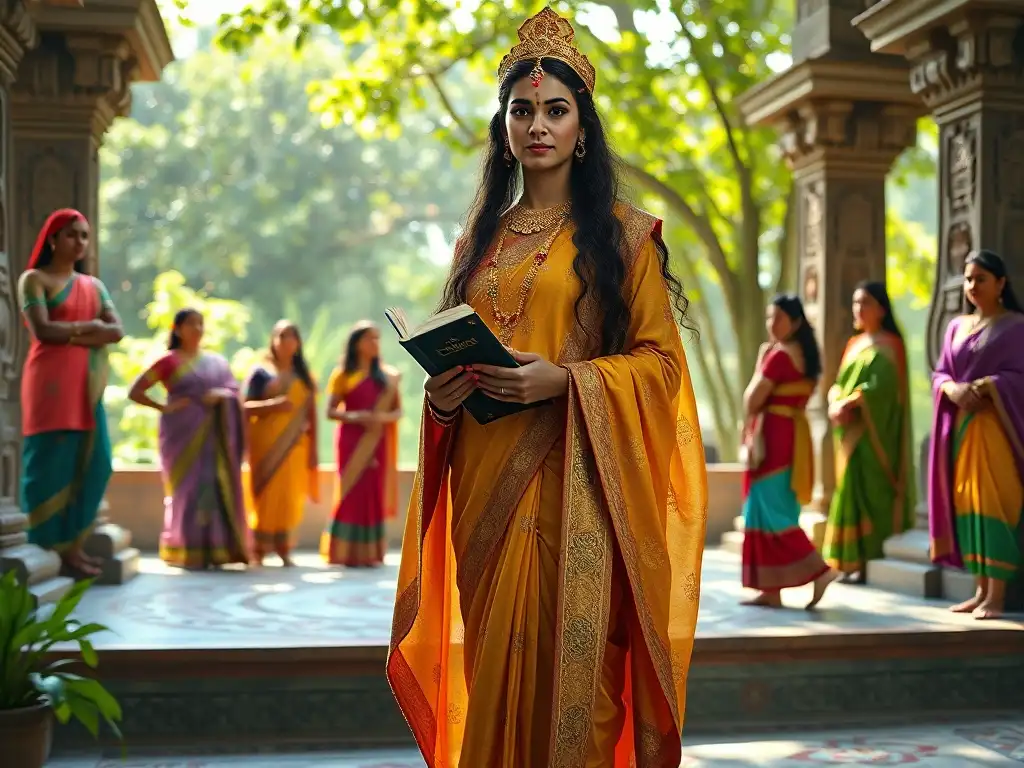
Welcome to Ancient India History, where we embark on a fascinating journey through time to uncover the rich tapestry of ancient Indian civilizations. Today, we delve into the inspiring narratives of Ancient Indian women leaders, exploring their pivotal roles in shaping spiritual communities and the enduring legacies they left behind. Discover how these remarkable women, often overlooked in mainstream accounts, wielded influence and power in a society steeped in tradition. Join us as we shine a light on their contributions to religion and culture—your curiosity is about to take you on an enlightening path through history!
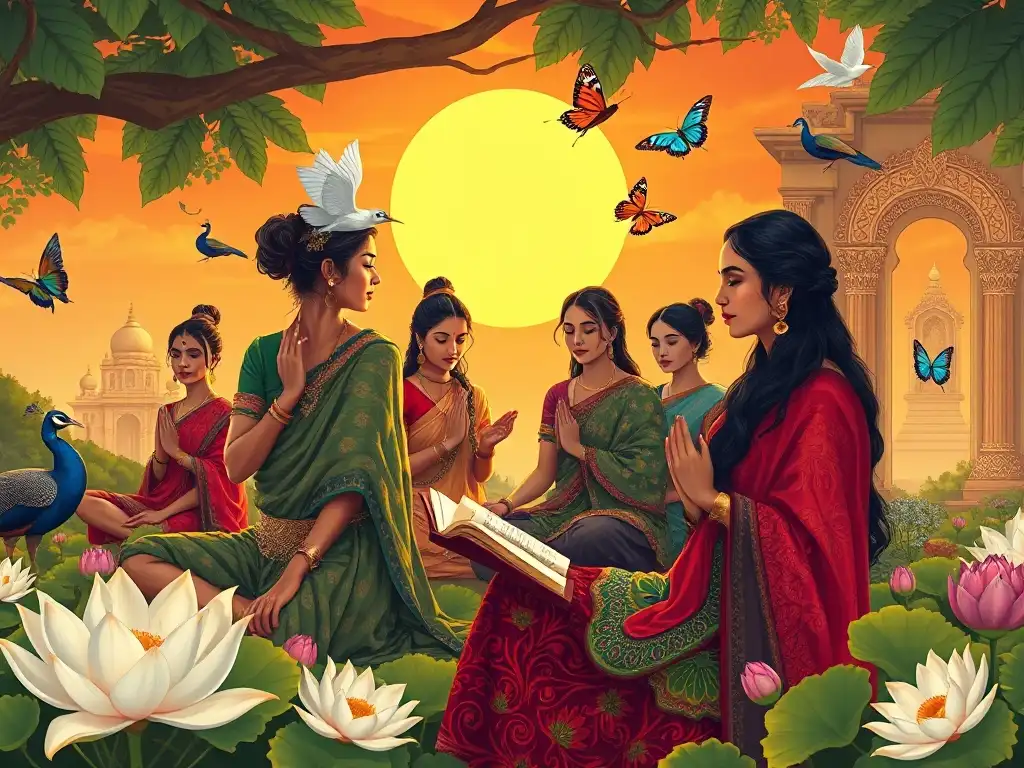
Introduction to Ancient Indian Women Leaders
The contributions of women in religious and spiritual domains of ancient Indian society are often overlooked, yet they played a crucial role in shaping the spiritual landscape of their communities. Ancient Indian women leaders were not merely passive participants but were active shapers of religious thought and practice.
From priestesses to spiritual guides, these remarkable women influenced their societies in profound ways, helping to establish the moral and ethical frameworks that guided their people. This article delves into the multifaceted roles of women in ancient Indian religion, highlighting their significance as leaders and spiritual figures, while also examining the broader societal context in which they operated.
Overview of Women's Roles in Ancient Indian Society
Women's roles in ancient Indian society were complex and varied significantly across different periods and regions. While much of the historical narrative has focused on patriarchal structures, it is essential to recognize that women also held positions of power and influence.
- Social Structure: Women often participated in familial and communal decision-making, especially in matters concerning religion and spirituality.
- Economic Contributions: Many women were involved in agricultural practices and trade, which afforded them a certain level of autonomy.
- Cultural Influence: Women contributed to the arts, literature, and oral traditions, preserving cultural narratives that shaped communal identities.
Significance of Spiritual Leadership among Women in Ancient India
Spiritual leadership among women in ancient India transcended mere participation in religious rituals; it was about embodying and transmitting spiritual wisdom. The significance of these roles can be understood through several key aspects:
- Access to Spiritual Knowledge: Women often served as custodians of religious texts and practices, ensuring that sacred knowledge was preserved and passed down through generations.
- Community Guidance: As spiritual leaders, women provided guidance and counsel to their communities, helping individuals navigate moral dilemmas and personal crises.
- Empowerment through Religion: The prominence of women in religious roles often led to greater respect and authority within their communities, challenging traditional gender norms.
Historical Context of Women in Religion
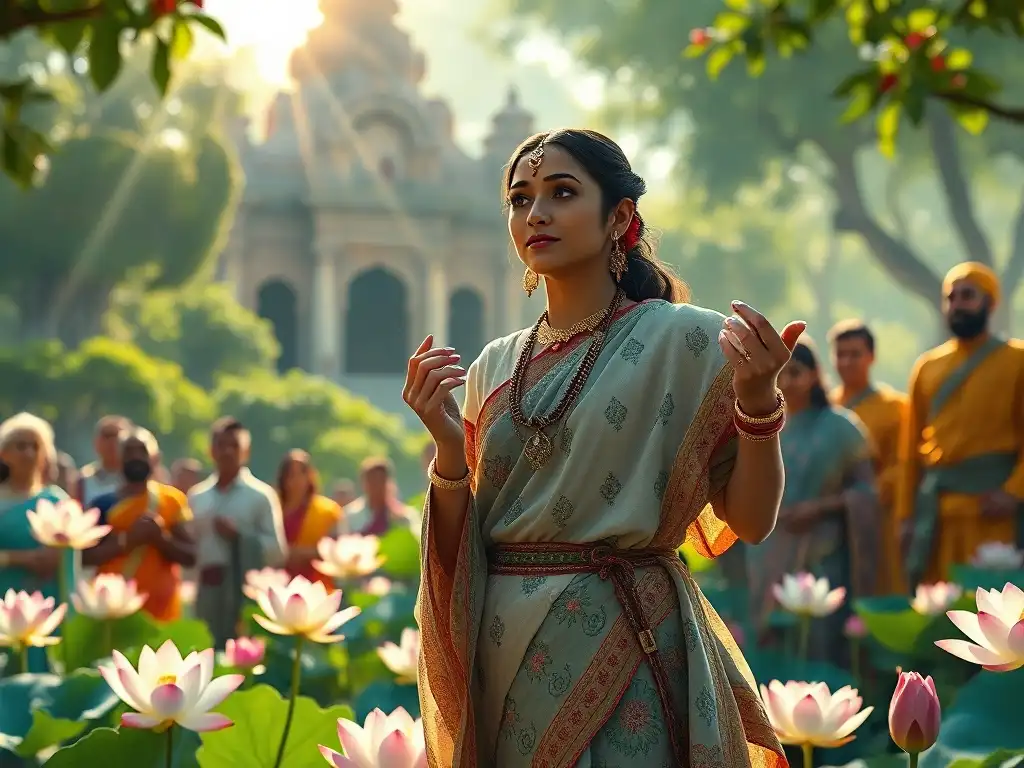
Understanding the historical context of women's roles in religion requires an exploration of various periods in ancient Indian civilization, each with its own unique characteristics.
The Role of Women in Early Indian Civilizations
In early Indian civilizations, such as the Indus Valley Civilization, archaeological evidence indicates that women held significant positions. They participated in religious practices and possibly served as priestesses.
- Artifacts and Symbols: Figurines and seals from this period suggest that women were associated with fertility and rituals, indicating their importance in spiritual life.
- Community Leaders: Women may have acted as leaders within their communities, guiding religious ceremonies and fostering spiritual connections.
Influences of Vedic Traditions on Women's Spiritual Leadership
The Vedic period marked a pivotal moment in the evolution of women's roles within religion. The Rigveda, one of the oldest sacred texts, contains verses that emphasize the spiritual power of women.
- Samanas and Rishikas: Women known as rishikas were revered for their wisdom and were often credited with composing hymns and mantras.
- Ritual Participation: Women actively participated in Vedic rituals, challenging the notion that spiritual authority was exclusively male.
Key Religious Texts Highlighting Women's Contributions
Several religious texts from ancient India underscore the vital contributions of women to spirituality and religion. These texts not only reflect their roles but also celebrate their achievements.
- The Mahabharata: This epic contains numerous instances of women displaying remarkable strength and wisdom, such as Draupadi, who played a pivotal role in the narrative.
- The Puranas: These texts often depict goddesses and female saints, illustrating the divine feminine and women's integral role in religious practices.
By exploring these facets, we gain a deeper understanding of the significant impact ancient Indian women leaders had on spirituality and religion, paving the way for future generations.
Prominent Ancient Indian Women Leaders
Throughout ancient Indian history, women played pivotal roles in religious and spiritual leadership. These women, often revered as saints, sages, and goddesses, shaped the spiritual landscape of their communities. Some of the most prominent figures include:
- Maitreyi: A renowned philosopher and sage mentioned in the Upanishads, Maitreyi engaged in deep philosophical debates and was known for her wisdom.
- Gargi Vachaknavi: Another important figure from the Upanishads, Gargi was celebrated for her intelligence and critical thinking during philosophical discussions, often challenging male scholars.
- Vasishtha's Wife Arundhati: She is viewed as a symbol of marital fidelity and is often invoked in Hindu marriage ceremonies, illustrating the ideal of a devoted wife.
These women, among others, not only contributed to religious thought but also inspired generations through their teachings and actions.
Women Saints and Sages of Ancient India
Women saints and sages were instrumental in the spiritual development of ancient Indian societies. They transcended traditional gender roles, gaining respect and authority in religious matters. The most notable among them are:
- Lilavati: A prominent poet and philosopher, she is known for her spiritual poetry that conveyed deep insights into life and divinity.
- Mirabai: A 16th-century poet-saint, Mirabai is celebrated for her devotional songs dedicated to Lord Krishna, challenging societal norms and advocating for love and devotion over rigid orthodoxy.
- Mira's Influence: Her life and poetry inspired not only women but also men to pursue a path of devotion and spirituality, breaking the barriers of caste and gender.
These women exemplified the power of faith and the importance of spiritual leadership in ancient Indian culture.
Female Figures in Hindu Mythology and Their Roles
Hindu mythology is rich with female figures who embody various virtues and play crucial roles in preserving cosmic order. Notable figures include:
- Durga: The fierce goddess representing strength and protection, Durga symbolizes the triumph of good over evil and is often invoked for empowerment.
- Sita: A central figure in the Ramayana, Sita represents virtue, loyalty, and courage, serving as an ideal for women throughout the ages.
- Saraswati: The goddess of wisdom, music, and learning, Saraswati is revered for her role in fostering knowledge and creativity among her devotees.
These mythological figures not only provide moral and ethical lessons but also serve as sources of inspiration for women in their spiritual journeys.
The Influence of Women Leaders on Ancient Indian Communities
Women leaders in ancient India had a profound influence on their communities, shaping cultural, spiritual, and social norms. Their leadership often led to significant advancements in religious practices and societal structures.
Social Structures and Women's Leadership Roles
In ancient Indian society, women's roles were often defined by the prevailing social structures. However, many women emerged as leaders, challenging these norms. For instance:
- Matriarchal Societies: In certain regions, such as among the Khasi in Meghalaya, women held significant authority, managing family affairs and property.
- Religious Leadership: Women like Gargi and Maitreyi not only participated in philosophical debates but also influenced the development of spiritual texts and practices, showcasing their leadership in religious discourse.
These examples illustrate how women navigated and sometimes transcended social limitations, asserting their leadership roles within their communities.
The Intersection of Religion and Women's Empowerment
Religion served as a platform for women's empowerment in ancient India. Many women found their voices through spiritual practices and teachings:
- Devotional Movements: The Bhakti movement, led by female saints like Mirabai, encouraged personal devotion over ritualistic practices, enabling women to express their spirituality freely.
- Sanskrit Literature: Female scholars contributed to the body of Sanskrit literature, which often included themes of empowerment and self-realization, challenging the patriarchal narratives of their time.
This intersection of religion and empowerment allowed women to reclaim their agency and foster a sense of identity that transcended societal constraints.
Case Studies of Ancient Indian Women Leaders' Contributions
Examining specific case studies of women leaders reveals their substantial contributions to ancient Indian society:
- Mirabai: Her unwavering devotion to Krishna and her poetic contributions not only enriched the Bhakti movement but also inspired countless followers to challenge societal norms regarding caste and gender.
- Gargi: By engaging in philosophical discussions, Gargi paved the way for women to be recognized as intellectual equals, influencing subsequent generations of scholars and philosophers.
These case studies highlight the diverse ways in which ancient Indian women leaders influenced cultural, religious, and social paradigms, leaving a lasting legacy that continues to resonate today.
Challenges Faced by Women Leaders in Ancient India
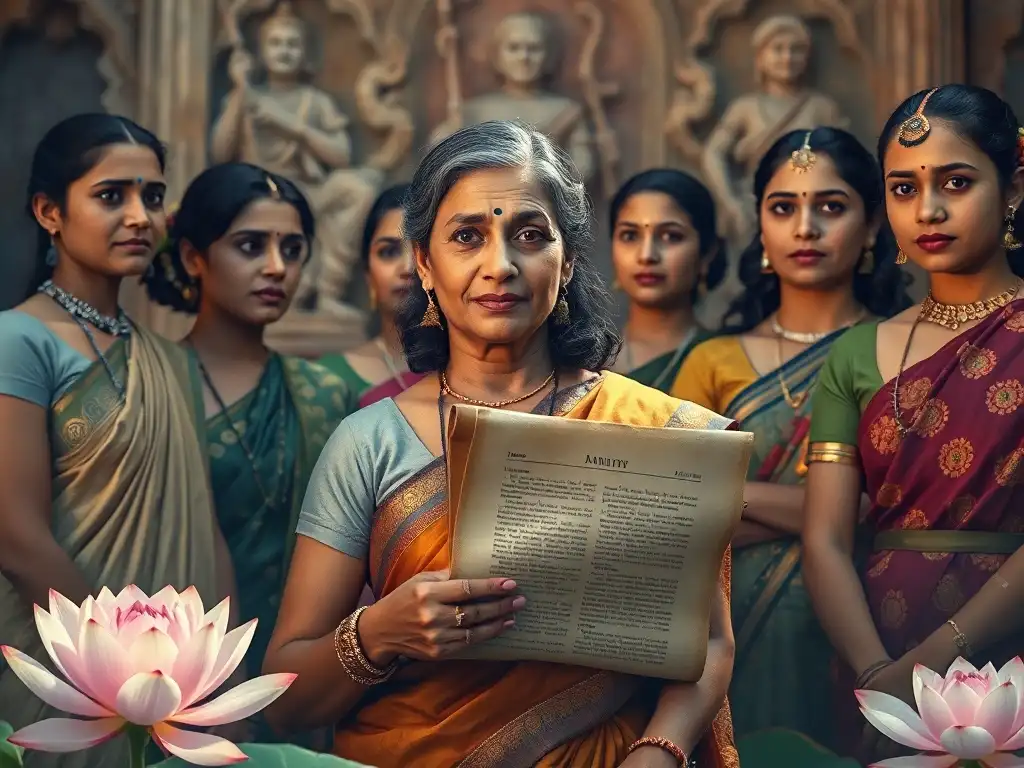
Women in ancient India played significant roles in spiritual leadership, yet they faced numerous challenges that hindered their full participation and recognition. These challenges were deeply rooted in societal norms, cultural expectations, and institutional barriers that often marginalized female voices. Understanding these hurdles is crucial to appreciating the resilience and contributions of ancient Indian women leaders.
Societal Norms and Expectations
In ancient Indian society, patriarchal structures dominated, prescribing specific roles for women that revolved primarily around family and domestic duties. Women were often expected to conform to ideals of chastity, obedience, and subservience, which limited their opportunities for spiritual leadership.
- Cultural Restrictions: Many texts from ancient India, including the Manusmriti, reinforced the notion that women's primary role was that of a wife and mother, often relegating their spiritual pursuits to the background.
- Educational Barriers: Access to education was generally restricted for women, further impeding their ability to engage in theological discourse or acquire the necessary knowledge to lead religious communities effectively.
- Religious Texts: While some texts depicted women as spiritual figures, the prevailing narratives often emphasized their devotion and support roles, overshadowing their potential as independent leaders.
These societal norms created an environment where women could aspire to spiritual roles only within the confines of established parameters, limiting their impact.
Resistance and Opposition to Female Authority
Despite the spiritual prowess exhibited by certain women, their authority was frequently challenged. Resistance to female leadership was evident in various forms:
- Criticism from Male Authorities: Male religious leaders often viewed women's ascendancy in spiritual matters as a threat to established hierarchies, leading to opposition that stifled women's voices.
- Social Backlash: Women who sought to break societal norms by assuming leadership roles faced backlash from their communities, which could manifest as social ostracism or familial disapproval.
- Legal and Institutional Constraints: Legal frameworks in ancient India often did not support women's rights to inherit property or lead religious practices, further entrenching their subordinate status.
Such resistance not only discouraged many women from pursuing leadership roles but also perpetuated the cycle of male dominance in spiritual spaces.
Overcoming Barriers: Stories of Resilience
Despite these formidable challenges, many ancient Indian women leaders demonstrated remarkable resilience. Their stories serve as powerful examples of defiance and strength:
- Sage Gargi and Maitreyi: Both figures are noted for their intellectual prowess and contributions to philosophical discourse. Gargi, known for her participation in debates, challenged male sages, asserting her place in spiritual discussions.
- The Bhakti Movement: During this period, women like Mirabai emerged as prominent spiritual leaders, advocating for devotion and personal connection to the divine. Mirabai's poetry and unwavering commitment to her faith inspired many, transcending the barriers imposed by society.
- Female Ascetics: Women such as the poet-saint Akka Mahadevi defied societal expectations by embracing a life of asceticism and devotion, challenging the status quo and inspiring future generations.
These narratives highlight the perseverance of ancient Indian women leaders who carved out spaces for themselves in the spiritual realm, despite facing significant opposition.
Legacy of Ancient Indian Women Leaders
The impacts of ancient Indian women leaders extend far beyond their time, influencing contemporary spiritual practices and community dynamics. Their legacies offer valuable insights into the role of women in religion and society today.
Lasting Impact on Contemporary Spiritual Practices
The contributions of ancient Indian women leaders are evident in modern spiritual practices. Their philosophies and teachings continue to resonate within various religious communities:
- Inspirational Figures: Women like Mirabai and Akka Mahadevi serve as role models, inspiring contemporary practitioners to challenge gender norms within spiritual spaces.
- Integration of Feminine Spirituality: Many modern spiritual movements in India draw upon the teachings and experiences of ancient women leaders, emphasizing the importance of women's voices in religious practices.
- Celebration of Feminine Divine: The veneration of female deities, which has roots in ancient spiritual traditions, reflects a continuing recognition of women's divine qualities.
These influences signify a shift towards inclusivity in spiritual leadership, fostering environments where women's contributions are acknowledged and celebrated.
The Role of Women in Modern Indian Religious Communities
Today, women are increasingly occupying leadership roles in various religious communities across India, building on the foundations laid by their ancient predecessors:
- Leadership Positions: Women are now found in significant roles within temples, spiritual organizations, and community gatherings, actively participating in rituals and decision-making processes.
- Inclusive Movements: Many contemporary spiritual movements emphasize gender equality, advocating for the empowerment of women within religious contexts.
- Community Builders: Female leaders are instrumental in organizing community services, educational programs, and social initiatives, demonstrating the multifaceted role women play in modern spirituality.
This evolution reflects a growing acknowledgment of women's contributions to spiritual life, fostering greater equity within religious communities.
Lessons from Ancient Women Leaders for Today's Society
The experiences of ancient Indian women leaders offer critical lessons for contemporary society, particularly regarding gender equality and empowerment:
- Challenging Norms: The resilience of these leaders encourages modern women to confront societal expectations and pursue their aspirations, regardless of traditional limitations.
- Empowerment through Education: The importance of education for women, as demonstrated by figures like Gargi, underscores the need for equitable access to knowledge and resources to foster leadership.
- Community Support: The solidarity shown among women in ancient spiritual movements highlights the significance of community in supporting women's rights and leadership roles today.
By reflecting on the struggles and triumphs of ancient Indian women leaders, modern society can glean insights that promote gender equality and empower future generations of women to take on leadership roles within their communities.
Conclusion
The exploration of ancient Indian women leaders in the religious sphere reveals a profound and multifaceted role they played in shaping spiritual beliefs and practices within their communities. From priestesses to spiritual philosophers, these women were not only custodians of religious traditions but also active participants in the spiritual and cultural development of ancient Indian society. Their contributions laid the groundwork for a rich tapestry of religious thought that continues to influence contemporary practices.
Recap of the Importance of Ancient Indian Women Leaders
Throughout history, ancient Indian women leaders emerged as pivotal figures who transcended societal norms and expectations. These women wielded significant influence in various religious traditions, from Hinduism to Buddhism, and their roles often included:
- Religious Authority: Many women served as priestesses in temples, performing rituals and maintaining sacred spaces, which established their authority in religious practices.
- Philosophical Contributions: Female philosophers and poets contributed to spiritual discourses, providing unique perspectives that enriched the intellectual landscape of ancient India.
- Community Leaders: Women often acted as mediators within their communities, guiding moral and ethical decisions, and fostering communal harmony through their spiritual leadership.
By recognizing the impact of these leaders, we gain a deeper understanding of the diverse contributions of ancient Indian women, which not only shaped their immediate communities but also laid the groundwork for future generations of spiritual thought.
The Continuing Relevance of Their Spiritual Leadership Today
The legacy of ancient Indian women leaders is not confined to the past; their influence resonates in modern spiritual practices and community leadership. Today, we see echoes of their contributions in various ways:
- Representation in Spiritual Spaces: The resurgence of interest in female leadership in religious communities highlights the ongoing significance of women in spiritual roles. Modern practices increasingly embrace the historical contributions of women, encouraging female participation at all levels.
- Inspiration for Future Generations: The stories of these women serve as powerful examples for contemporary leaders. Their courage and commitment to their spiritual paths inspire new generations to engage in leadership roles, regardless of gender.
- Cultural Revitalization: As societies seek to address gender inequalities, revisiting the spiritual leadership of ancient Indian women can offer valuable insights and frameworks for fostering inclusivity and empowerment in religious contexts today.
The spiritual leadership of ancient Indian women remains a vital and relevant aspect of cultural heritage, inviting us to reflect on their contributions and encouraging a more balanced representation in contemporary spiritual practices. Their stories remind us that leadership transcends gender, and the wisdom of the past can guide us toward a more equitable future.
- Introduction to Ancient Indian Women Leaders
- Overview of Women's Roles in Ancient Indian Society
- Significance of Spiritual Leadership among Women in Ancient India
- Historical Context of Women in Religion
- Prominent Ancient Indian Women Leaders
- The Influence of Women Leaders on Ancient Indian Communities
- Challenges Faced by Women Leaders in Ancient India
- Legacy of Ancient Indian Women Leaders
- Conclusion
- What role did women play in ancient Indian religions?
- Who were some notable women leaders in ancient Indian history?
- How did social status affect women's roles in religious communities?
- What were the contributions of ancient Indian women to spirituality?
- How does the history of women leaders in ancient India compare to today?
Frequently Asked Questions
What role did women play in ancient Indian religions?
Women in ancient India often served as spiritual leaders and teachers, guiding their communities through religious practices and rituals. They were respected figures, embodying wisdom and spirituality.
Who were some notable women leaders in ancient Indian history?
Prominent figures include Maitreyi, a philosopher known for her deep understanding of the Vedas, and Gargi, who is celebrated for her contributions to philosophical discourse in ancient texts.
The social status of women varied significantly; higher caste women often had more influence and access to spiritual leadership, while lower caste women faced more restrictions in religious practices.
What were the contributions of ancient Indian women to spirituality?
Many ancient Indian women contributed to religious literature, philosophy, and rituals, helping shape the spiritual landscape of their communities and influencing future generations.
How does the history of women leaders in ancient India compare to today?
While ancient Indian women leaders held significant roles in spirituality, modern society still strives for gender equality and recognition of women's contributions in various fields, including leadership and religion.
Final Reflection: The Enduring Legacy of Ancient Indian Women Leaders
The exploration of ancient Indian women leaders reveals a profound truth about the role of women in shaping spiritual and cultural landscapes. Today, as we navigate a world still grappling with gender inequality, the stories of these remarkable figures remind us of the strength and resilience that women have exhibited throughout history. Their contributions are not merely relics of the past; they are beacons of inspiration for contemporary society, urging us to recognize and celebrate the power of female leadership in all spheres of life.
The influence of these ancient women leaders continues to resonate in our cultural and social frameworks. Their legacies challenge the narratives that often marginalize women's roles in history and spirituality. As we reflect on their impact, we are reminded of the words of the renowned feminist scholar, bell hooks: Life-transforming ideas have always come to me through the women in my life.
This highlights the importance of acknowledging and uplifting the voices of women, not only in religious contexts but across all domains. By recognizing their contributions, we pave the way for a more inclusive understanding of history and spirituality.
As we conclude this exploration, I invite you to reflect on the lessons these ancient leaders impart. Consider how you can embody their spirit of leadership and resilience in your own life. Whether through advocating for gender equality, supporting women in your community, or simply acknowledging the powerful women in your own life, every action counts. Let us honor the legacy of ancient Indian women leaders by ensuring their stories continue to inspire and empower future generations.
Unveil the Legacy of Spiritual Leaders: Take Action Today!
Thank you for exploring the fascinating role of women in religion within ancient Indian communities. Your curiosity about these powerful spiritual leaders gives you a unique perspective on history and its impact on today's world. Now, let’s translate that knowledge into action!
- Join a local or online group focused on women's leadership in spirituality or history to deepen your understanding and connection.
- Share your knowledge! Engage in conversations with friends or utilize social media to inspire others to recognize the significance of women in ancient religions.
- Expand your horizons by reading recommended texts or attending workshops that explore the lives and contributions of these extraordinary leaders.
Which insights about women in spiritual leadership resonate with you the most, and how can you apply those lessons to enhance your life or community today?