
Legal Texts as Cultural Mirrors: What They Reveal About Ancient Indian Society


Welcome to Ancient India History, where we embark on an exhilarating journey through the rich tapestry of ancient Indian civilizations. Here, we delve deep into the intricate world of ancient Indian legal texts, illuminating how these writings serve as profound cultural mirrors reflecting the values, norms, and societal structures of their time. What secrets do these texts hold about the legal systems that governed life from the Indus Valley to the Gupta Empire?
Join us as we unravel the captivating stories behind these historical documents and discover their significance in understanding the complexities of ancient Indian society. Let the exploration begin!
- Introduction to Ancient Indian Legal Texts
- Historical Context of Ancient Indian Legal Texts
- Cultural Reflections in Ancient Indian Legal Texts
- Ethical and Moral Values in Ancient Indian Legal Texts
- Comparative Analysis of Ancient Indian Legal Texts
- The Legacy of Ancient Indian Legal Texts
- Conclusion: The Significance of Ancient Indian Legal Texts as Cultural Mirrors
- Frequently Asked Questions
- Final Reflection: Ancient Indian Legal Texts as Windows into Society
- Unveil the Secrets of Ancient India!
Introduction to Ancient Indian Legal Texts
Ancient Indian legal texts serve as vital repositories of knowledge, reflecting the intricate tapestry of social, cultural, and legal norms that defined ancient Indian civilizations. These texts, such as the Manu Smriti, provide invaluable insights into the societal structure, values, and philosophies that governed the lives of people from the Indus Valley to the Gupta Empire.
By examining these legal documents, scholars can uncover the complexities of justice, morality, and governance in ancient India, revealing how these elements shaped community dynamics and individual conduct. This article delves into the significance of these texts, exploring their definitions and the rich societal contexts they illuminate.
Definition and Importance of Legal Texts in Ancient India
Legal texts in ancient India, often referred to as Dharma Shastras, are comprehensive writings that delineate the principles of law, duty, and righteousness. These texts were not merely legal codes; they encapsulated the ethical and moral framework within which society operated. Key features include:
- Codification of Laws: These texts systematically organized laws pertaining to various aspects of life, including family, property, and social obligations.
- Guidance for Rulers and Citizens: They served as manuals for kings and citizens alike, outlining duties and responsibilities to ensure order and justice.
- Cultural Reflection: By articulating values such as dharma (duty) and karma (action), they reflect the philosophical underpinnings of ancient Indian society.
The importance of these texts extends beyond their legal implications; they are essential for understanding the cultural and historical context of the time. They offer a lens through which one can examine the evolution of social norms and legal practices.
Overview of Ancient Indian Society Reflected in Legal Texts
The examination of ancient Indian legal texts reveals a multifaceted society characterized by its diverse practices and beliefs. Key elements reflected in these texts include:
- Social Hierarchy:
- Legal texts often outline the duties and rights of various social classes, including Brahmins, Kshatriyas, Vaishyas, and Shudras. The Manu Smriti, for instance, codifies the roles and responsibilities of each caste, providing insights into the rigid social structure of the time.
- Gender Roles:
- The portrayal of women in these texts ranges from protectors of family honor to subjects of legal restrictions. Notably, the texts prescribe different rights and duties based on gender, reflecting the societal norms surrounding marriage, inheritance, and education.
- Justice and Morality:
- Concepts of justice are intricately tied to morality in ancient Indian thought. Legal texts often emphasize the need for ethical governance, where rulers are judged on their adherence to dharma, thus underscoring the connection between law and morality.
- Religious Influence:
- Many legal principles are intertwined with religious beliefs, illustrating how spirituality informed legal norms. Rituals, sacrifices, and duties to deities are frequently mentioned, showcasing the interplay between law, religion, and daily life.
Through these reflections, ancient Indian legal texts not only serve as legal documents but also as cultural mirrors that provide a deeper understanding of the values, beliefs, and social structures of ancient Indian society. By analyzing these texts, we gain insights into the dynamics of power, societal expectations, and the evolution of legal thought in ancient India.
Historical Context of Ancient Indian Legal Texts

The historical context of ancient Indian legal texts is crucial for understanding the development of legal systems in India. These texts not only outline legal principles but also reflect the societal norms, values, and cultural practices of their time. The origins of legal thought in ancient India can be traced back to the Vedic period (circa 1500-500 BCE), where oral traditions dominated. Over time, these oral customs evolved into written texts that codified laws and ethical guidelines, often intertwined with religious beliefs.
The significance of ancient Indian legal texts lies in their dual role as legal documents and cultural artifacts. They provide insight into the hierarchical structure of society, gender roles, property rights, and duties of individuals within various social classes. As such, these texts serve as mirrors reflecting the prevailing ethos and moral frameworks of ancient Indian civilizations.
Evolution of Legal Systems in Ancient India
The evolution of legal systems in ancient India can be divided into several key phases, each marked by significant developments in legal thought and practice:
- Vedic Period:
- The earliest form of law was based on Rita (cosmic order) and Dharma (moral law).
- Laws were transmitted orally, relying heavily on religious texts like the Vedas.
- Post-Vedic Period:
- The transition to written texts began, leading to the composition of legal texts around 600 BCE.
- This period saw the emergence of the Smriti texts, which systematically organized legal principles.
- Mauryan Empire (322-185 BCE):
- The Mauryan Empire promoted the codification of laws, most notably through the edicts of Emperor Ashoka.
- The Arthashastra, attributed to Kautilya, outlined not only legal principles but also statecraft.
- Gupta Period (circa 320-550 CE):
- The Gupta Empire marked a golden age for literature and law, with significant texts being produced.
- Legal systems began to reflect the complexities of a more stratified society.
The evolution of these legal systems demonstrates a transition from divine commandments to a more pragmatic approach to governance and social order, revealing how ancient Indian society adapted its legal frameworks to its changing realities.
Major Ancient Indian Legal Texts: An Overview
Ancient Indian legal texts encompass a range of writings that articulate legal rules and ethical guidelines. The most prominent among these are the Smriti texts, which were considered secondary to the Shruti (revealed texts like the Vedas). Below is an overview of some of the major ancient Indian legal texts:
- Manu Smriti: Often regarded as the foundational text of Hindu law, it outlines duties, rights, and the moral order of society.
- Yajnavalkya Smriti: A comprehensive legal treatise that provides insights into the practical application of laws and ethical principles.
- Other Notable Legal Texts: This category includes texts such as the Narada Smriti and the Brihaspati Smriti, which further elaborate on various aspects of law and social conduct.
Manu Smriti: The Foundation of Dharma
The Manu Smriti, or "Laws of Manu," is one of the earliest and most influential legal texts in ancient India, composed around 200 BCE to 200 CE. It serves as a comprehensive guide to dharma, outlining the duties and responsibilities of individuals based on their varna (social class) and ashrama (stage of life).
Key features of the Manu Smriti include:
- Social Hierarchy: The text codifies the four varnas (Brahmins, Kshatriyas, Vaishyas, and Shudras) and prescribes specific duties for each class.
- Gender Roles: It addresses the role of women in society, often reinforcing traditional gender norms while also acknowledging their rights in certain contexts.
- Legal Provisions: The Manu Smriti includes laws related to marriage, inheritance, property rights, and criminal justice, reflecting the complexities of ancient Indian society.
The enduring influence of the Manu Smriti is evident in later legal systems and continues to be a reference point in contemporary discussions on Hindu law.
Yajnavalkya Smriti: A Comparative Insight
The Yajnavalkya Smriti, attributed to the sage Yajnavalkya, is another significant legal text that emerged around the same period as the Manu Smriti. Unlike its predecessor, the Yajnavalkya Smriti is characterized by a more pragmatic approach to law and governance.
Key aspects of the Yajnavalkya Smriti include:
- Clarity and Practicality: The text is noted for its clarity in articulating legal principles, making it more accessible to laypeople.
- Focus on Judicial Procedures: It emphasizes judicial processes and the role of judges, providing guidelines for fair trials and the administration of justice.
- Comparative Analysis: While sharing similarities with the Manu Smriti, it diverges in its treatment of certain issues, such as the rights of women and the nature of property ownership.
This comparative insight into the Yajnavalkya Smriti highlights the dynamic nature of ancient Indian legal thought, reflecting the evolving societal values and the need for adaptable legal frameworks.
Other Notable Legal Texts
In addition to the Manu Smriti and Yajnavalkya Smriti, several other legal texts contributed to the rich tapestry of ancient Indian law. Some of these include:
- Narada Smriti: This text expands on the principles laid out in earlier Smritis and addresses the nuances of legal procedures and penalties.
- Brihaspati Smriti: Often considered a companion to the Manu Smriti, it focuses on the social and religious duties of individuals.
These texts collectively provide a comprehensive understanding of ancient Indian legal systems, illustrating the complexities and diversity of legal thought in a society deeply intertwined with its cultural and religious beliefs.
Through exploring these remarkable texts, one gains a clearer perspective on how ancient Indian legal texts not only governed the legal landscape but also mirrored the intricate social fabric of their time.
Cultural Reflections in Ancient Indian Legal Texts

Ancient Indian legal texts serve as crucial lenses through which we can examine the social hierarchies and class structures that defined early Indian civilization. These texts not only codified laws but also reflected the values and norms of society at the time.
Caste System Representation in Legal Texts
The caste system, a significant feature of ancient Indian society, is prominently represented in legal texts such as the Manu Smriti and the Yajnavalkya Smriti. These texts categorize society into four main varnas:
- Brahmins (priests and scholars)
- Kshatriyas (warriors and rulers)
- Vaishyas (traders and agriculturists)
- Shudras (servants and laborers)
The legal texts delineate not only the duties and responsibilities of each caste but also the privileges and restrictions imposed upon them. For example, the Brahmins were afforded the highest status, with laws ensuring their educational and spiritual roles, while the Shudras faced limitations in terms of rights and social mobility.
The caste system was not merely a social hierarchy but interwoven with religious and legal principles, reinforcing the notion of dharma (duty) specific to each caste.
This categorization is crucial for understanding how ancient Indian society was structured and how it influenced social interactions, marriage, and even economic transactions.
Roles and Status of Women in Ancient Indian Society
Legal texts also provide insights into the roles and status of women in ancient Indian society. While some texts, like the Manu Smriti, assert that women should be under the guardianship of male relatives, others highlight their essential roles within the family and society.
- Marriage: Legal texts often emphasize the importance of marriage as a social contract, dictating the permissible age and conditions for marriage.
- Property Rights: Women were generally considered dependent on male family members for property rights; however, certain texts allowed for women to inherit property, particularly in the absence of male heirs.
| Aspect | Legal Texts' View |
|---|---|
| Guardianship | Women should be under male guardians |
| Inheritance Rights | Limited, but some texts allow |
| Marriage Age | Specified, with cultural variations |
The status of women thus appears to be a complex interplay of reverence and restriction, reflecting broader societal attitudes towards gender.
Economic Insights from Legal Texts
Ancient Indian legal texts also provide valuable insights into the economic conditions and practices of the time. They detail regulations surrounding property, trade, and commerce, painting a picture of a thriving economy.
Property Rights and Inheritance Laws
Property rights and inheritance laws in ancient India were primarily dictated by caste and gender. The Manu Smriti outlines specific inheritance laws that varied by caste. For instance, it permitted sons to inherit family property while generally denying daughters equal rights, although some exceptions existed.
- Types of Property: Legal texts differentiate between ancestral property and self-acquired property, with specific rules governing their distribution.
- Wills and Bequests: Provisions for wills were also included, indicating an understanding of individual property rights.
The laws surrounding property and inheritance were not just legal stipulations; they shaped family dynamics and economic stability.
Trade and Commerce Regulations
The regulation of trade and commerce in ancient India is another significant aspect presented in legal texts. These texts outline various aspects of trade, including:
- Weights and Measures: Legal texts established standards for weights and measures, ensuring fair trade practices.
- Pricing Regulations: Some texts dictate the maximum and minimum prices for goods, indicating a concern for consumer protection.
| Regulation Type | Description |
|---|---|
| Weights and Measures | Standardized for fairness |
| Pricing | Minimum and maximum price limits |
The existence of such regulations indicates a sophisticated understanding of economics and the necessity for governance in commercial activities.
Ancient Indian legal texts serve as cultural mirrors, reflecting the complexities of social hierarchies, gender roles, and economic practices. Their study reveals not just the legal frameworks of the time but also the values and beliefs that shaped ancient Indian civilization.
Ethical and Moral Values in Ancient Indian Legal Texts
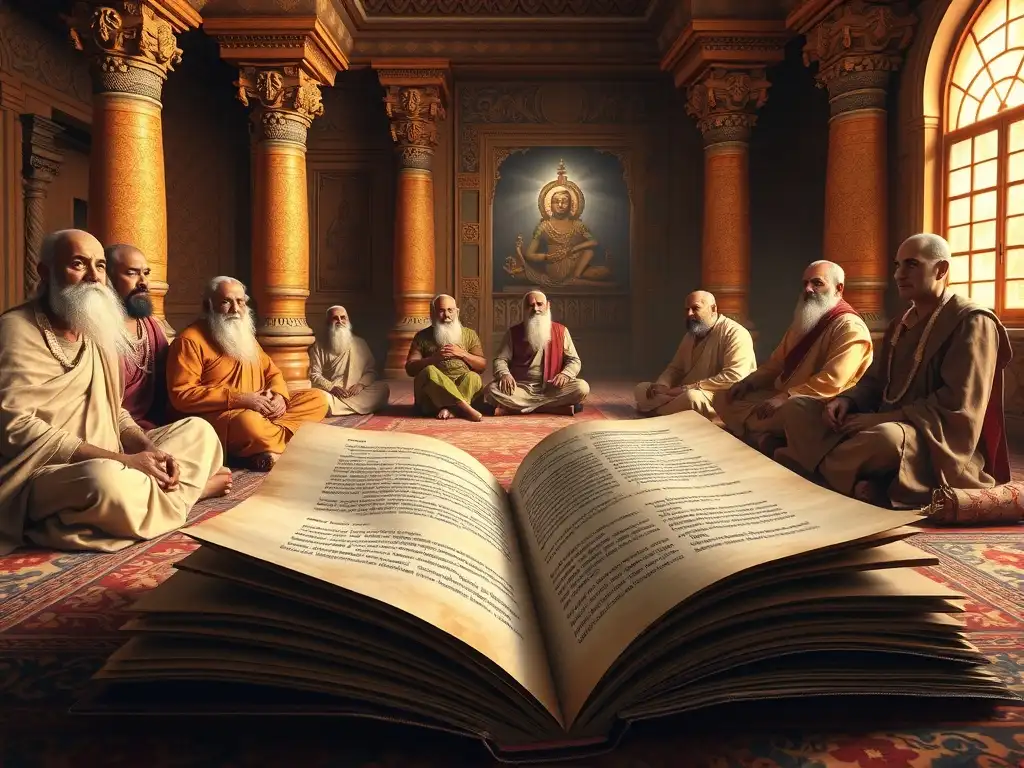
Ancient Indian legal texts serve not only as legal codes but also as reflections of the ethical and moral values prevalent in society at the time. These texts, such as the Manu Smriti, encapsulate the values that guided personal behavior, social interactions, and community governance. At the core of these texts lies the intricate relationship between law, ethics, and morality, which shaped the cultural landscape of ancient India.
Concepts of Dharma and Justice
The concept of Dharma is fundamental in ancient Indian legal philosophy. It refers to the moral order that governs both individual behavior and societal norms. In the context of legal texts, Dharma encompasses duties, rights, laws, conduct, and virtues that individuals must uphold. The Manu Smriti, for instance, articulates various aspects of Dharma, emphasizing that adherence to these principles is essential for maintaining social harmony and justice.
- Types of Dharma:
- Sva-Dharma: Individual duties based on one’s position in society, such as caste and stage of life.
- Samanya-Dharma: Universal moral principles applicable to all individuals, promoting virtues like truthfulness and non-violence.
Moreover, justice in ancient Indian society was not merely punitive but restorative, aiming to return the balance disrupted by wrongdoing. Legal texts prescribed Prayaschitta (penance) as a means of rectification, illustrating a more compassionate approach to justice that prioritized rehabilitation over retribution.
Influence of Religion on Legal Principles
Religion played a pivotal role in shaping the legal framework of ancient India. The intertwining of religious beliefs with legal principles is evident in various ancient Indian legal texts. For example, the Manu Smriti draws heavily from Vedic scriptures, incorporating religious duties into legal obligations. This synthesis reflects the understanding that divine law and human law should coexist harmoniously.
- Key Influences:
- Vedic Texts: The foundation of many legal principles can be traced back to the Vedas, where concepts of righteousness and truth are extolled.
- Religious Rituals: Legal processes often involved religious rituals, reinforcing the idea that justice was divinely sanctioned.
The influence of religion is also evident in the categorization of offenses and the corresponding penalties, which often included moral and ethical considerations. For instance, the severity of punishment varied depending on the offender's caste and the nature of the offense, illustrating a legal system that was as much about social order as it was about divine justice.
Ancient Indian legal texts not only codified laws but also mirrored the ethical and moral values of their time, influenced profoundly by the concepts of Dharma and the interconnection with religion. These texts reveal a society that valued justice, ethical conduct, and the importance of maintaining harmony within the community.
Comparative Analysis of Ancient Indian Legal Texts

The study of ancient Indian legal texts, such as the Manu Smriti, opens a fascinating window into the socio-political landscape of bygone eras. By comparing these texts with those of other ancient civilizations, we can gain a more nuanced understanding of the legal principles that governed societies, as well as the cultural values they reflected.
Legal Texts from Other Ancient Civilizations
Ancient legal texts from various civilizations provide critical insights into the legal thought and practices of their time. By examining these texts, we find both parallels and divergences in the way laws were conceptualized and implemented.
Comparison with Ancient Roman Law
Ancient Roman law, particularly codified in the Twelve Tables and later legal writings, shares several similarities and differences with ancient Indian legal texts.
- Codification and Structure:
- Roman law was systematically codified, providing a clear structure of legal principles. Similarly, the Manu Smriti serves as a foundational legal text in ancient India, outlining duties, rights, and social responsibilities.
- However, while Roman law was primarily focused on civil law and property rights, Indian texts often emphasize dharma (moral duty) which intertwines law with ethics and social order.
- Social Hierarchy:
- Both legal traditions reflect a rigid social hierarchy. Roman law recognized different classes, such as patricians and plebeians, while ancient Indian texts delineated laws based on varna (social classes).
- In both cases, legal rights were often contingent upon one's social status, highlighting a common theme in ancient legal systems: the intertwining of law and social stratification.
- Legal Procedures:
- Roman legal procedures were often based on a system of formal trials and legal representation, which evolved over time.
- In contrast, ancient Indian legal processes, as described in texts like the Manu Smriti, included local assemblies (panchayats) that played a significant role in adjudicating disputes, emphasizing community involvement.
Insights from Ancient Greek Legal Framework
The legal framework of ancient Greece, particularly as seen in texts from Athenian law, provides another point of comparison with ancient Indian legal texts.
- Democracy and Legal Participation:
- Ancient Greek law placed a strong emphasis on citizen participation in legal matters, especially in democratic Athens where citizens could serve as jurors.
- In contrast, while ancient Indian legal texts emphasized community involvement, they did not promote the same level of democratic participation, with decisions often made by local leaders or elders rather than by a broader citizenry.
- Concept of Justice:
- Greek legal thought was significantly influenced by philosophers such as Plato and Aristotle, who explored the concept of justice in philosophical terms. Their works often debated the nature of justice and the role of law in achieving it.
- Ancient Indian texts, on the other hand, present justice as a component of dharma, where law is not just a system of rules but a means to uphold moral order in society.
- Punishments and Penalties:
- Both Greek and Indian legal systems prescribed various punishments for offenses, but the nature and application of these penalties differed. Greek law often sought to rehabilitate or compensate victims, while ancient Indian texts sometimes prescribed more severe punishments as a means of enforcing social order.
- For example, the Manu Smriti includes specific penalties for various crimes, reflecting the importance of maintaining societal harmony.
The comparative analysis of ancient Indian legal texts with those of other civilizations such as Rome and Greece reveals significant insights into the legal frameworks of these societies. While there are distinct characteristics that define each system, common themes of social hierarchy, justice, and community involvement underscore the complexity of ancient legal thought across cultures. By studying these texts, we not only uncover the legal principles of the time but also the cultural values that shaped them.
The Legacy of Ancient Indian Legal Texts
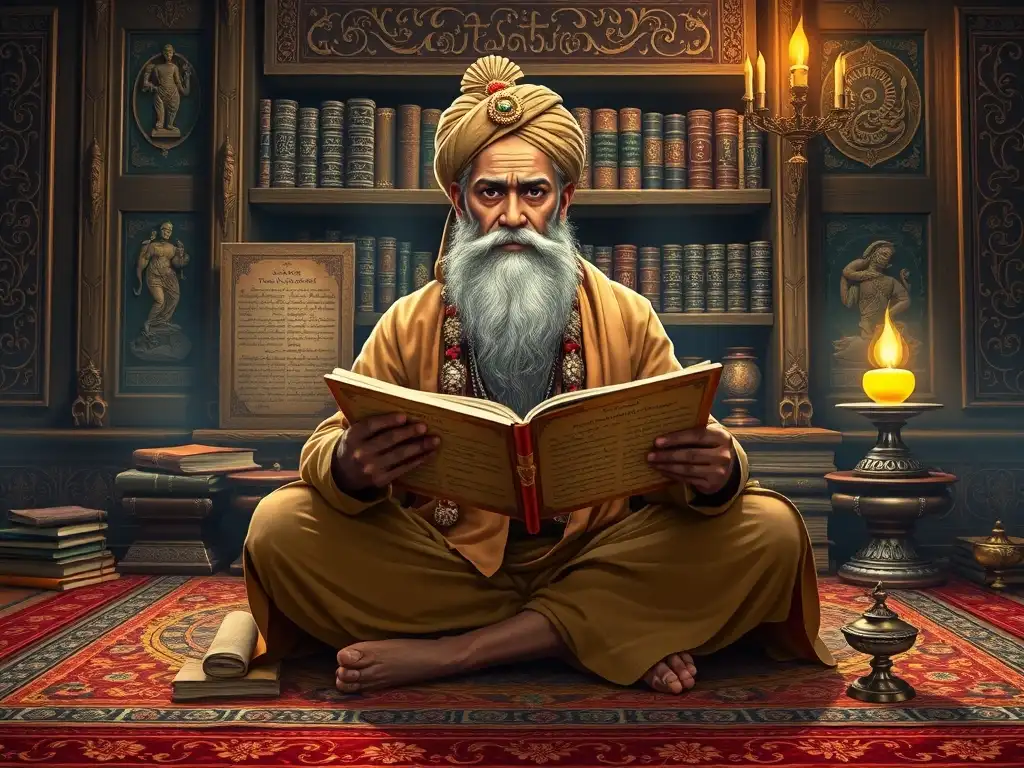
The legacy of ancient Indian legal texts is profound and multifaceted, reflecting the intricate interplay between law, morality, and social order in ancient Indian society. These texts, such as the Manu Smriti, Yajnavalkya Smriti, and various regional codes, serve not only as legal documents but also as cultural artifacts that illuminate the values, beliefs, and practices of their time.
Influence on Modern Indian Law
The principles enshrined in ancient Indian legal texts have significantly influenced the development of modern Indian law. The British colonial period saw a revival and reinterpretation of these texts as a means of establishing a legal framework that resonated with local customs. Even post-independence, the ethos of these ancient laws continues to echo in contemporary legislation.
- Legal Framework: Many modern laws in India, especially in the areas of family law, inheritance, and property rights, draw upon concepts articulated in ancient texts. For instance, the Hindu Succession Act, 1956 reflects principles found in the Manu Smriti, particularly regarding inheritance rights for women.
- Judicial Interpretations: Indian courts often reference ancient legal texts in their judgments, providing a historical context for the interpretation of laws. This practice reinforces the relevance of ancient wisdom in understanding contemporary legal challenges.
- Social Justice: Ancient legal texts addressed issues of social justice, including the protection of the weak and marginalized. Modern legal frameworks in India continue to grapple with these themes, striving to balance traditional values with contemporary societal needs.
| Ancient Text | Modern Legal Concept | Relevance |
|---|---|---|
| Manu Smriti | Hindu Succession Act | Inheritance laws |
| Yajnavalkya Smriti | Family Law (marriage, divorce) | Family rights and responsibilities |
| Arthashastra | Economic regulations | Trade and commerce laws |
The interplay between ancient texts and modern legal systems showcases a continuity of legal thought that enriches the understanding of Indian law.
Continuing Relevance of Ancient Legal Principles
The ancient Indian legal texts continue to hold relevance in contemporary society, demonstrating the timelessness of their principles. These texts provide a framework for ethical conduct, social harmony, and justice, which are crucial in today's complex legal landscape.
- Ethical Foundations: The moral underpinnings of ancient legal texts emphasize virtues such as truthfulness, non-violence, and fairness. These values remain integral to discussions around legal ethics and professional conduct in modern law.
- Conflict Resolution: Ancient texts often provided mechanisms for resolving disputes outside formal courts, such as mediation and community-based arbitration. These practices are witnessing a resurgence in modern legal frameworks, promoting alternative dispute resolution methods.
- Cultural Identity: The principles derived from ancient legal texts contribute to the cultural identity of Indian society, influencing contemporary debates on law and governance. They serve as a reminder of the rich historical legacy that shapes modern Indian jurisprudence.
The continuing relevance of ancient legal principles in contemporary society affirms their adaptability and enduring wisdom, making them essential for understanding both the past and the present of Indian legal systems.
Conclusion: The Significance of Ancient Indian Legal Texts as Cultural Mirrors
Summary of Insights into Ancient Indian Society
Ancient Indian legal texts, such as the Manu Smriti and the Yajnavalkya Smriti, serve as invaluable resources that provide profound insights into the societal structure, values, and norms of ancient Indian civilization. These texts not only outline legal principles but also reflect the cultural ethos of their time.
- Social Hierarchy:
- The legal texts delineate the varna system (the division of society into four main categories: Brahmins, Kshatriyas, Vaishyas, and Shudras), illustrating the rigid social stratification that characterized ancient Indian society.
- For example, the Manu Smriti prescribes specific duties and rights for each varna, indicating how individuals were expected to behave based on their social class.
- Gender Roles:
- Legal texts reveal the roles and status of women in ancient India. The Manu Smriti, for instance, contains verses that both uphold and limit women's rights, reflecting a complex view of gender that varied across different communities and periods.
- While some passages advocate for the protection of women, others suggest that women should primarily be under the guardianship of male relatives.
- Economic Regulations:
- The texts also provide guidelines on trade, property rights, and economic responsibilities, highlighting the importance of commerce in ancient Indian life.
- Specific laws concerning debts, transactions, and inheritance offer a glimpse into the economic practices that were foundational to the society's stability and growth.
- Religious and Moral Values:
- Ancient legal codes are imbued with religious significance, intertwining legal principles with moral and ethical considerations.
- The Dharma Shastras, for example, not only serve as legal documents but also as spiritual guides, reflecting the belief that law and morality were inextricably linked.
Final Thoughts on the Study of Legal Texts in Cultural Context
The study of ancient Indian legal texts is essential for understanding the broader cultural and social dynamics of ancient India. These texts function as cultural mirrors, revealing values, norms, and conflicts that shaped the lives of individuals and communities. The insights gained from analyzing these documents can illuminate the complexities of ancient Indian civilization, showcasing both its achievements and its challenges.
In contemporary times, the relevance of these texts extends beyond historical interest; they invite critical examination of how ancient principles can inform modern legal and ethical discussions.
- Cultural Relevance: By engaging with ancient legal texts, scholars can better understand how historical contexts have influenced current legal frameworks and societal norms in India.
- Interdisciplinary Approaches: The study of these texts benefits from interdisciplinary methods, combining perspectives from history, anthropology, and law to create a comprehensive understanding of ancient Indian society.
Ancient Indian legal texts are not merely legal documents; they are rich repositories of cultural knowledge that continue to inform and inspire contemporary society, making them worthy of ongoing exploration and study.
Frequently Asked Questions
What are ancient Indian legal texts?
Ancient Indian legal texts, such as the Manusmriti and Yajnavalkya Smriti, are important documents that outline laws and societal norms. They reflect the values and practices of ancient Indian society.
How do these texts serve as cultural mirrors?
These texts serve as cultural mirrors by revealing insights into social hierarchies, gender roles, and religious practices of the time. They help us understand how ancient Indians perceived justice and order.
What was the significance of the Manusmriti?
The Manusmriti is one of the most influential ancient Indian legal texts, outlining dharma (duty) and law. It played a crucial role in shaping social norms and legal frameworks in ancient India.
How did ancient Indian legal texts influence modern law?
Ancient Indian legal texts influenced modern law by contributing to legal philosophy and concepts of justice. Elements of these texts can still be seen in contemporary legal systems in India.
Are there any controversies surrounding these texts?
Yes, some ancient Indian legal texts have been criticized for promoting inequality and discrimination, particularly against marginalized groups. Debates continue on their relevance and interpretation in today's society.
Final Reflection: Ancient Indian Legal Texts as Windows into Society
The exploration of ancient Indian legal texts reveals not only the legal frameworks that governed society but also the cultural values and social norms of the time. These texts serve as a testament to the complexities of ancient Indian civilization, illustrating how law and culture were intricately intertwined. Today, as we navigate our own legal and ethical landscapes, understanding these historical documents can illuminate the foundations of our current societal structures and inspire us to reflect on the evolution of justice and morality.
The influence of ancient Indian legal texts extends far beyond their historical context; they continue to shape contemporary discussions around law, ethics, and social justice. These texts remind us that the principles of fairness, duty, and community have deep roots in our collective consciousness.
As Mahatma Gandhi once said, “The true measure of any society can be found in how it treats its most vulnerable members.” This sentiment resonates profoundly when we consider how ancient legal texts addressed issues of class, gender, and morality, urging us to reflect on our own societal values and the treatment of marginalized groups today.
As we conclude this exploration, I invite you to take a moment to reflect on the lessons embedded within these ancient texts. How can the wisdom of the past inform our actions in the present? Consider the ways in which you can advocate for justice and equity in your own community, drawing inspiration from the rich tapestry of ancient Indian legal thought. Let us strive to create a society that honors the lessons of history while paving the way for a more just and inclusive future.
Unveil the Secrets of Ancient India!
Thank you for taking the time to delve into the fascinating world of ancient Indian society through legal texts! Your interest today has unlocked new insights into the cultural, social, and legal intricacies of this rich heritage. Now, let's take the next step in this enlightening journey.
- Dive deeper into the captivating narratives of ancient Indian legal systems by exploring a variety of scholarly resources and historical documents.
- Join a discussion with fellow enthusiasts in our online community to share your thoughts and insights on how these texts reflect the values and norms of their time.
- Create a personal project inspired by your findings—whether it’s writing an article, creating art, or starting a blog—that illustrates the profound impact of legal frameworks on culture.
How do you think understanding ancient legal texts can reshape our perception of today’s societal norms?