
Female Ascetics: The Unseen Contributions of Women in Ancient Indian Religion


Welcome to Ancient India History, where we delve into the rich tapestry of civilization that shaped one of the world's most vibrant cultures. In this exploration, we invite you to discover the often-overlooked narratives that highlight the invaluable contributions of women throughout ancient Indian religion. Our featured article, "Female Ascetics: The Unseen Contributions of Women in Ancient Indian Religion," unveils the pivotal roles played by women in spiritual practices and societal structures.
Prepare to embark on a journey that reveals the profound impact of female ascetics, inviting you to rethink what you know about ancient Indian history. Curious to learn more? Let’s uncover these hidden stories together!
- Introduction to Women in Ancient Indian Religion
- Historical Context of Female Ascetics in Ancient India
- Prominent Female Ascetics in Ancient Indian Religion
- Practices and Beliefs of Female Ascetics
- The Unseen Contributions of Women in Ancient Indian Religion
- Challenges Faced by Female Ascetics
- Legacy of Women in Ancient Indian Religion
- Conclusion: The Enduring Influence of Women in Ancient Indian Religion
-
Frequently Asked Questions
- What roles did women play in ancient Indian religions?
- How were female ascetics viewed in ancient India?
- Did women have access to religious texts in ancient India?
- What contributions did women make to ancient Indian spirituality?
- How has the perception of women in ancient Indian religions changed over time?
- Final Reflection: The Silent Strength of Women in Ancient Indian Religion
- Unveil the Legacy of Female Ascetics Today!
Introduction to Women in Ancient Indian Religion
The exploration of women in ancient Indian religion reveals a complex and often overlooked dimension of spiritual life that significantly contributed to the rich tapestry of Indian culture. Female ascetics, known for their deep devotion and spiritual practices, played a vital role in the religious landscape of ancient India. From the secluded forests to the bustling towns, these women navigated a male-dominated sphere, establishing their presence in both spiritual and social contexts.
Their contributions encompass not only the preservation and transmission of religious knowledge but also the promotion of philosophical thought and social reform. This article delves into the unseen contributions of women in ancient Indian religion, focusing on the pivotal roles played by female ascetics and the significance of their spiritual practices within the broader framework of religious traditions.
Understanding the Role of Female Ascetics
Female ascetics, or sadhikas, were practitioners who embraced a life of austerity and devotion, often stepping outside conventional societal roles. These women engaged in various forms of asceticism, ranging from meditation and yoga to ritualistic worship, seeking spiritual enlightenment and liberation ( moksha).
- Historical Context:
- The existence of female ascetics can be traced back to ancient texts such as the Rigveda, where women like Gargi and Maitreyi are acknowledged for their wisdom and philosophical inquiries.
- Later texts, including the Upanishads and Puranas, often mention female ascetics as essential figures in the spiritual hierarchy.
- Social Dynamics:
- Many female ascetics defied societal norms by choosing celibacy and renunciation over marriage and domestic life, challenging the status quo.
- They often formed communities or ashrams, fostering a supportive environment for spiritual growth among women, thus creating a space for female empowerment within religious frameworks.
Significance of Women in Ancient Indian Spiritual Practices
The impact of women in ancient Indian spiritual practices extends beyond their roles as ascetics. Their contributions shaped various aspects of religious life and philosophy.
- Philosophical Contributions:
- Women like Vasavadatta and Lilavati contributed to philosophical discourses, promoting ideas of non-duality and the innate divinity of all beings.
- Their teachings often emphasized the importance of inner realization and the pursuit of knowledge, laying the groundwork for future spiritual movements.
- Cultural Influence:
- Female ascetics participated in rituals, festivals, and temple activities, influencing religious practices and community celebrations.
- They often acted as mediators between the divine and the lay community, offering guidance and support to those seeking spiritual assistance.
The contributions of women in ancient Indian religion, particularly through the lens of female ascetics, reveal a rich narrative of resilience and influence. Their roles were not merely subordinate but rather integral to the spiritual fabric of ancient Indian society, making their story one of profound significance in understanding the broader historical context of women in religion.
Historical Context of Female Ascetics in Ancient India
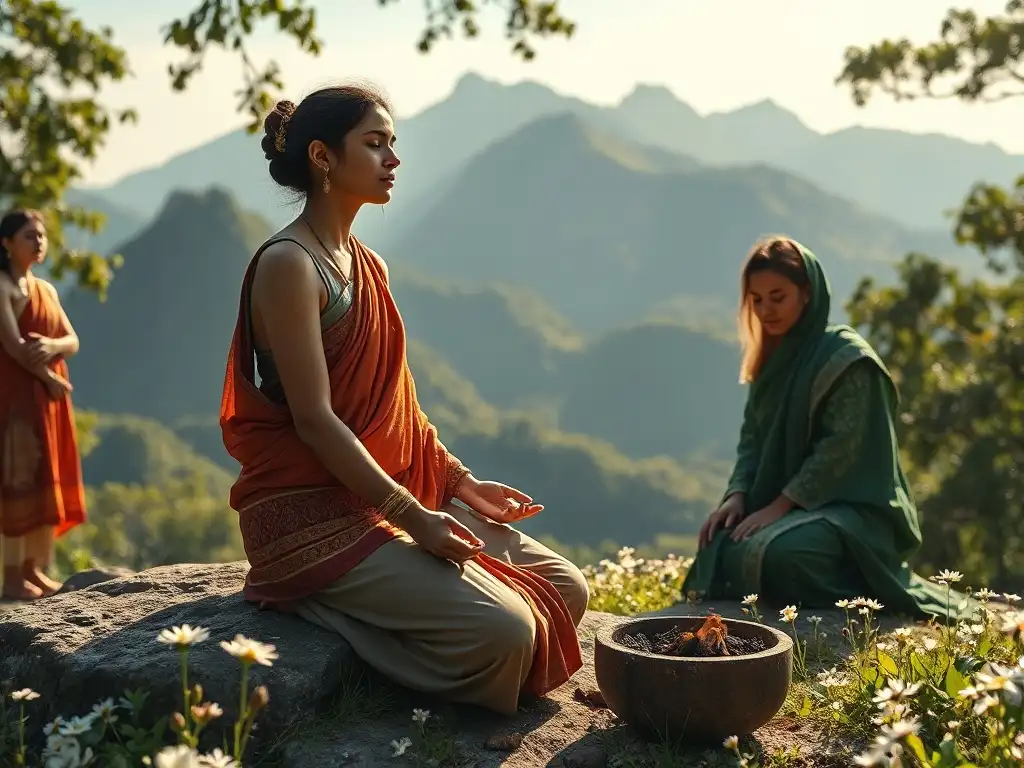
Throughout ancient Indian history, the role of women, particularly female ascetics, has been pivotal yet often overlooked. These ascetics, known as sadhikas or sadhikas, played a significant role in various religious traditions, contributing to spiritual practices and philosophical discourses. The historical context of female ascetics can be traced back to the Vedic period, where women were valued as spiritual beings, and their participation in religious life was acknowledged.
The Evolution of Women’s Roles in Ancient Indian Religions
The evolution of women’s roles in ancient Indian religions reflects a complex interplay of cultural, social, and spiritual dynamics. Initially, women were seen as integral to the spiritual and domestic spheres:
- Vedic Period (1500-500 BCE): During this era, women could participate in rituals and were revered as rishikas (female sages). They had access to sacred texts and could perform rituals, showcasing a level of spiritual autonomy.
- Buddhism and Jainism (6th Century BCE): The rise of these religions marked a significant shift. Female ascetics emerged within these traditions, leading monastic lives, and gaining spiritual authority. Notable figures like Mahapajapati Gotami, the Buddha's aunt, founded the Bhikkhuni Sangha, supporting the notion that women could attain enlightenment.
- Post-Vedic Developments: The Puranas and other texts from the 1st millennium CE reflect changing attitudes, with female ascetics often depicted as powerful spiritual figures. While some texts illustrated women in submissive roles, others celebrated their contributions to spiritual practices.
Overall, the roles of women in ancient Indian religions evolved from active participants to more constrained positions, depending on the socio-political climate of the time.
Key Religious Texts and Their Impact on Women
The impact of key religious texts on women in ancient Indian religion is profound, shaping perceptions and roles within society. Below are significant texts and their influence:
| Religious Text | Impact on Women |
|---|---|
| Vedas | Acknowledged women's spiritual capacities through rishikas and allowed participation in rituals. |
| Upanishads | Emphasized spiritual knowledge and encouraged women's pursuit of enlightenment, exemplified by figures like Gargi and Maitreyi. |
| Buddhist Scriptures | Provided frameworks for female monasticism, illustrating women's potential for spiritual attainment and leadership roles. |
| Jain Agamas | Highlighted the importance of female ascetics and their roles within the Jain community, promoting their spiritual journeys. |
| Puranas | Featured stories of female ascetics, reinforcing their spiritual significance while simultaneously depicting traditional gender norms. |
These texts not only documented the existence and contributions of women but also influenced societal attitudes towards female ascetics. Despite restrictions that arose in later periods, these religious writings serve as crucial evidence of women's roles in ancient Indian religion, illustrating their spiritual authority and contributions.
The historical context and key religious texts reveal a rich tapestry of women’s roles as ascetics in ancient Indian religions. Their contributions continue to resonate in contemporary discussions about gender and spirituality, highlighting the need for a deeper understanding of women's influences in shaping religious practices and philosophies.
Prominent Female Ascetics in Ancient Indian Religion
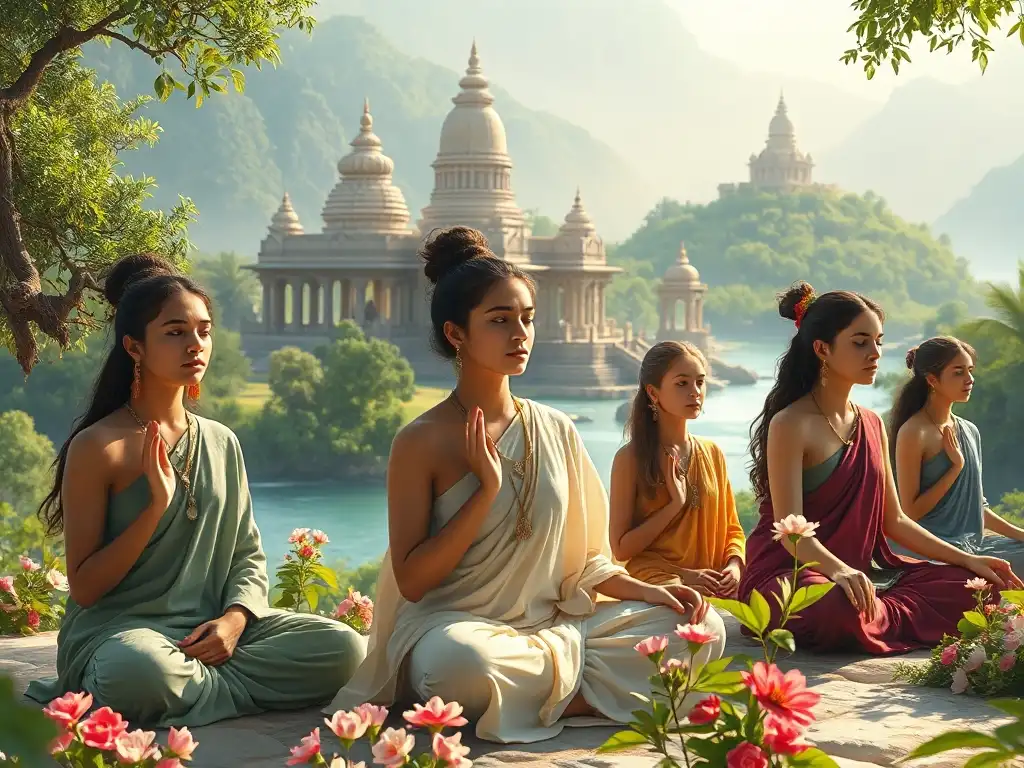
Gargi Vachaknavi stands out as one of the most illustrious figures in ancient Indian religion, often celebrated for her profound intellect and spiritual insight. A sage and philosopher, Gargi was a key figure in the Vedic tradition. Her contributions are particularly notable in the Brahmanas, where she engaged in philosophical debates with prominent male sages, including Yajnavalkya.
- Philosophical Debates: Gargi was known for her sharp questioning and philosophical acumen. In the Brahadaaranyaka Upanishad, her dialogues highlight her ability to challenge established norms and engage in deep metaphysical discussions. She posed pivotal questions about the nature of the universe, existence, and the ultimate reality (Brahman).
- Advocate for Women’s Education: Gargi's life exemplifies the importance of education for women in ancient India. Her position as a respected philosopher and ascetic inspired many women to pursue knowledge and spirituality, breaking the barriers of gender constraints prevalent during her time.
- Legacy: Gargi's legacy continues to influence contemporary discussions about women's roles in philosophy and spirituality. Her recognition as a learned woman reinforces the notion that women have always played a vital role in shaping religious thought in ancient Indian society.
The Influence of Maitreyi on Spiritual Traditions
Maitreyi, another prominent figure in the realm of ancient Indian religion, is often celebrated for her philosophical contributions and her portrayal as an enlightened woman. She is best known for her role in the Brahadaaranyaka Upanishad, where her discussions with her husband, Yajnavalkya, illuminate the path to deeper understanding of the self and the universe.
- Philosophical Dialogues: Maitreyi's inquiry into the nature of immortality and the self exemplifies her deep spiritual insight. When Yajnavalkya offers her the choice of wealth or knowledge, her preference for understanding the eternal self over material wealth encapsulates the essence of ascetic philosophy.
- Symbol of Enlightenment: Maitreyi’s quest for knowledge and her philosophical stance make her a symbol of enlightenment in ancient Indian religion. She serves as an archetype of women seeking spiritual truth, encouraging future generations to pursue wisdom and self-realization.
- Contributions to Gender Discourse: Maitreyi’s presence in philosophical texts challenges the patriarchal narratives of her time. Her equal participation in intellectual discussions emphasizes the significant role women played in ancient spiritual traditions, advocating for gender equality in religious discourse.
Lesser-Known Female Ascetics and Their Impact
While figures like Gargi and Maitreyi are often highlighted in discussions of women in ancient Indian religion, numerous lesser-known female ascetics also made significant contributions that deserve recognition.
- Vedic Ascetics: Many women were involved in Vedic rituals and practices. For instance, Vedic pativrata (devoted wives) were often called upon to perform rituals, showcasing their integral role in spiritual life and communal worship.
- Siddha Women: In the later periods, female Siddhas emerged, known for their spiritual practices and contributions to yoga and alchemy. These women not only participated in spiritual life but also contributed to the rich tapestry of mystical traditions in India.
- Influence on Later Traditions: The contributions of these lesser-known ascetics laid the foundation for later spiritual movements, including Bhakti and Sufi traditions that also recognized the spiritual potential of women. Their legacy highlights the enduring presence of women in the spiritual landscape of ancient India.
The contributions of women in ancient Indian religion, exemplified by figures such as Gargi and Maitreyi, alongside lesser-known ascetics, reveal a rich tapestry of female influence that shaped spiritual traditions. Their intellectual and spiritual endeavors continue to inspire and inform contemporary discussions about gender roles in religion and philosophy.
Practices and Beliefs of Female Ascetics
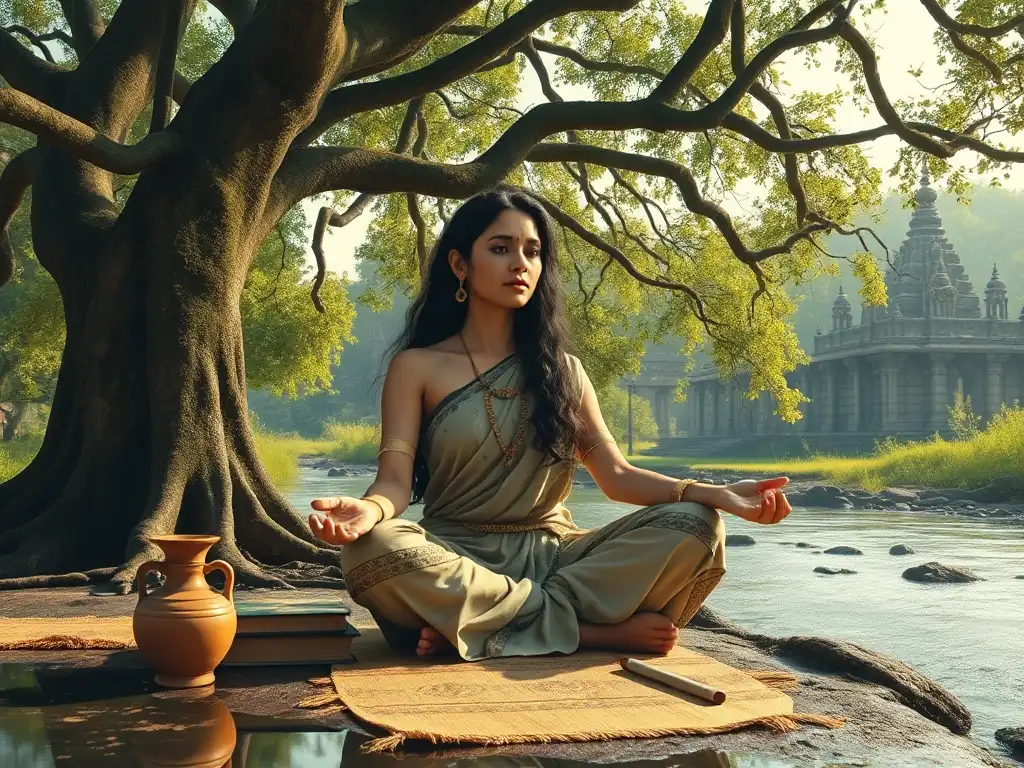
Female ascetics in ancient India played a crucial role in shaping religious beliefs and practices, often transcending traditional gender roles. Their contributions were not only spiritual but also influenced social structures and community life. Here, we explore the various practices and beliefs that defined female asceticism in ancient Indian religion.
Meditation and Spiritual Disciplines Among Women
Meditation has long been a fundamental aspect of spiritual practice in ancient Indian religions, and female ascetics were no exception. Many women embraced meditation as a pathway to enlightenment and self-realization, often engaging in practices that included:
- Dhyana (Meditative Concentration): Female ascetics engaged in deep, concentrated meditation to connect with the divine. This practice allowed them to attain higher states of consciousness and insight.
- Pranayama (Breath Control): This technique involved controlled breathing exercises that helped ascetics enhance their spiritual focus and control over their mind and body.
- Mantra Recitation: The repetition of sacred sounds or phrases was a common practice among women ascetics. This not only served as a tool for meditation but also as a means to invoke divine energies.
The dedication of female ascetics to these disciplines is illustrated in texts such as the Bhagavata Purana, where women are depicted as engaging in rigorous spiritual practices to attain moksha (liberation).
Rituals and Their Significance in Female Asceticism
Rituals held profound significance for female ascetics, serving as a means to connect with the divine and reinforce their spiritual commitments. Some key rituals included:
- Puja (Worship): Female ascetics often performed puja rituals, offering flowers, food, and incense to deities. This act of devotion was a vital expression of their faith and commitment.
- Vrata (Vows): Ascetics took vows that often involved fasting or specific behavioral commitments, which were believed to purify the soul and deepen spiritual insight.
- Yajna (Fire Sacrifice): In some traditions, women participated in yajnas, where offerings were made to fire, symbolizing purification and the transference of prayers to the cosmos.
These rituals not only demonstrated the ascetics' devotion but also served as communal gatherings, fostering connections among women and their communities.
Community and Support Systems for Women Ascetics
The experiences of female ascetics were often shaped by their interactions with their communities and the support systems that existed. Key aspects of community life included:
- Sangha (Community of Practitioners): Many female ascetics formed or joined sanghas, where they could share teachings, support one another, and deepen their practices together. This sense of community was essential for emotional and spiritual resilience.
- Mentorship: Experienced female ascetics often took on roles as mentors to younger practitioners, sharing wisdom and guidance. This transmission of knowledge was vital in preserving and promoting female ascetic traditions.
- Interfaith Exchanges: Women ascetics often engaged in dialogues across different religious sects, allowing for a rich exchange of ideas and practices, which contributed to a more inclusive understanding of spirituality.
The presence of these community structures not only empowered individual ascetics but also highlighted the essential role of women in the broader spiritual landscape of ancient India.
The practices and beliefs of female ascetics reveal a dynamic and influential aspect of "Women in Ancient Indian Religion." Their contributions to meditation, rituals, and community support systems underscore their vital role in shaping the spiritual heritage of ancient India.
The Unseen Contributions of Women in Ancient Indian Religion
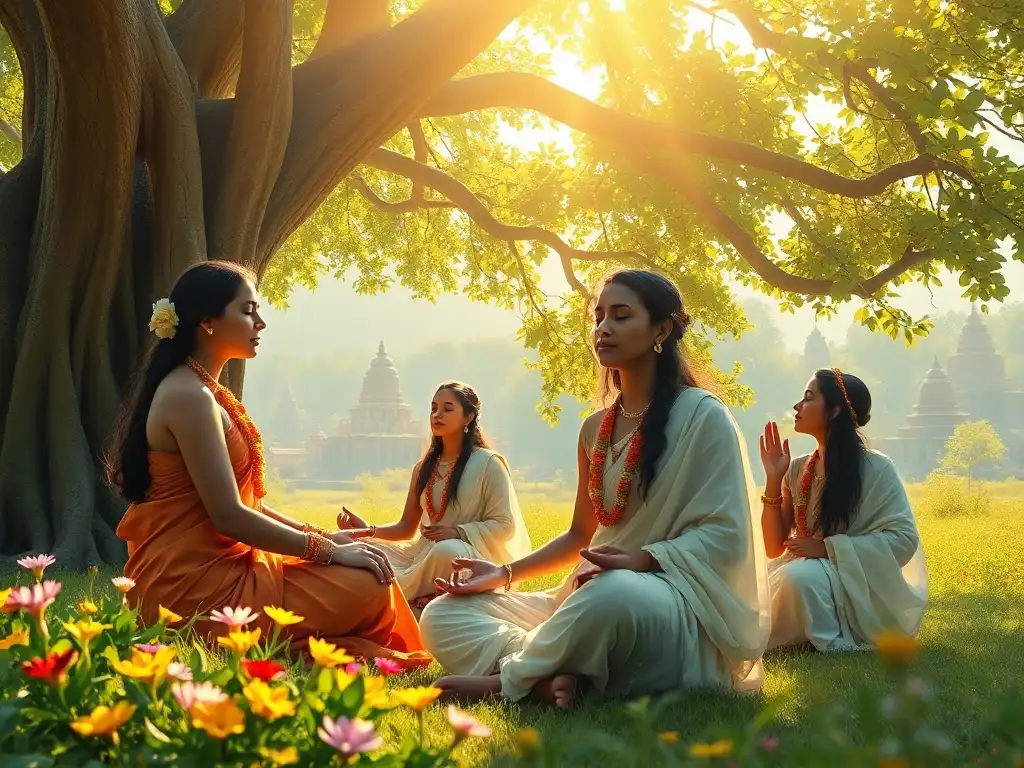
The role of women in ancient Indian religion has often been underrepresented in historical narratives. However, their contributions were not only significant but also transformative. Female ascetics and thinkers played a crucial role in shaping religious practices, philosophies, and the preservation of cultural heritage. This section delves into the multifaceted contributions of women in ancient Indian religion, shedding light on their impact on philosophical thought, the preservation of religious texts, and modern spiritual practices.
Contributions to Philosophy and Thought
Women in ancient India were not mere followers of religious doctrines; they were active contributors to philosophical discourse. Several female philosophers emerged during different periods, articulating ideas that challenged patriarchal norms and offered profound insights into spirituality and ethics.
- Influential Thinkers: Women like Gargi and Maitreyi, who are mentioned in the Brahmanas, are celebrated for their philosophical debates. Gargi, in particular, is known for her profound questions about the nature of reality and the universe, challenging the male sages of her time.
- Spiritual Narratives: The Upanishads also highlight the voices of women in spirituality, indicating that they participated in dialogues about the ultimate truth (Brahman) and the nature of the self (Atman). Their contributions provided a more holistic understanding of these concepts, often emphasizing the interconnectedness of all beings.
- Esoteric Teachings: Female ascetics, such as those in the Tantric traditions, introduced unique practices and philosophies that integrated feminine divine aspects into religious rituals. This not only enriched spiritual practices but also paved the way for a more inclusive religious community.
Role in the Preservation of Religious Texts and Oral Traditions
Women were instrumental in the preservation and transmission of religious texts and oral traditions, ensuring that ancient Indian wisdom was not lost over generations.
- Oral Traditions: Many women were custodians of oral histories and traditions, passing down stories, hymns, and teachings through generations. Their role in maintaining these narratives was vital in keeping the cultural heritage alive, especially in a time when written texts were scarce.
- Scribes and Scholars: In some cases, women served as scribes, documenting religious texts and philosophical treatises. Their meticulous work contributed to the preservation of texts that might otherwise have been lost. This is particularly evident in the later centuries, where women began to gain access to formal education.
- Community Leaders: Female ascetics often led spiritual communities, where they taught and shared knowledge with their followers. These gatherings were not only a means of spiritual education but also a way to preserve specific practices and beliefs that defined their religious identity.
Influence on Modern Spiritual Practices
The legacy of women in ancient Indian religion continues to resonate in modern spiritual practices, influencing contemporary interpretations and rituals.
- Revival of Feminine Spirituality: Modern movements are increasingly recognizing the contributions of female ascetics and philosophers, leading to a revival of feminine spirituality that honors their teachings and practices. This revival encourages a more balanced representation of the divine, integrating both masculine and feminine energies.
- Guidance and Mentorship: Today, many spiritual leaders and mentors draw inspiration from the teachings of ancient female philosophers, incorporating their insights into modern practices. This includes a focus on equality, compassion, and the interconnectedness of all life, which were central themes in the philosophies of ancient women.
- Cultural Celebrations: Various festivals and rituals today celebrate the roles of women in religious contexts, acknowledging their historical contributions and encouraging active participation in spiritual life. This recognition helps to create a more inclusive religious community that values the diverse contributions of all its members.
The contributions of women in ancient Indian religion were profound and significant, shaping philosophical thought, preserving cultural heritage, and influencing modern spiritual practices. Recognizing and honoring these contributions enriches our understanding of ancient Indian civilization and the integral role women played within it.
Challenges Faced by Female Ascetics
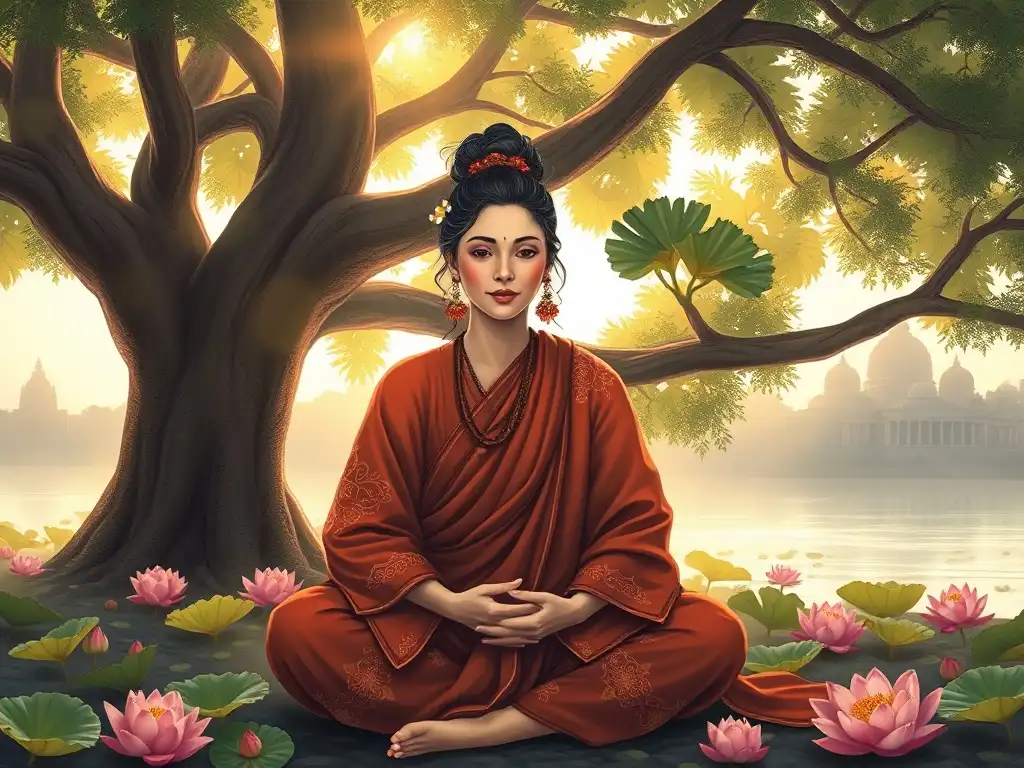
Female ascetics in ancient India played a crucial role in shaping religious practices and philosophies. However, their journey was fraught with challenges that stemmed not only from societal norms but also from historical conditions that shaped their experiences. Understanding these challenges provides insight into the resilience and contributions of women in ancient Indian religion.
Societal Perceptions and Stigmas
The societal perceptions surrounding female ascetics were complex and often contradictory. On one hand, women who chose the path of asceticism were revered for their spiritual dedication; on the other hand, they faced significant stigmas that questioned their motivations and moral integrity. Some of the key societal perceptions included:
- Gender Norms: Traditional gender roles dictated that women should primarily focus on domestic responsibilities. Asceticism, which required abandoning worldly ties, was often seen as a rejection of these roles, leading to societal disapproval.
- Moral Scrutiny: Female ascetics were frequently subjected to moral scrutiny. Their choices were often interpreted through the lens of sexuality, leading to assumptions that they had forsaken their duties as wives and mothers for self-indulgent pursuits.
- Cultural Myths: Myths and stories in ancient texts sometimes portrayed female ascetics as dangerous or untrustworthy. For instance, tales of women using their spiritual powers for manipulation or seduction contributed to a negative perception.
These perceptions led to a dual reality for female ascetics: they were both venerated and marginalized in society. This dichotomy affected their ability to gain acceptance and support from their communities.
Historical Challenges and Their Implications
The historical context in which female ascetics operated added another layer of complexity to their experiences. Several challenges emerged that hindered their spiritual pursuits:
- Lack of Documentation: Unlike their male counterparts, the contributions of female ascetics were often undocumented or overshadowed in historical texts. This lack of visibility not only diminished their roles but also made it difficult for future generations to recognize their contributions.
- Limited Access to Resources: Female ascetics often struggled to access the same resources as male ascetics. This included physical spaces for practice, educational opportunities, and mentorship from established ascetic traditions, which were predominantly male-dominated.
- Political and Religious Upheaval: The changing political landscapes, especially during invasions and shifts in power, often marginalized women’s roles in society. As new religious movements emerged, female ascetics sometimes found their practices and beliefs challenged, leading to further isolation.
- Community Support: While some female ascetics formed communities of support, many faced isolation from their families and former social circles. This lack of support compounded the difficulties in pursuing ascetic practices, as they often relied on communal ties for sustenance and safety.
The challenges faced by female ascetics in ancient India were deeply rooted in societal perceptions and historical contexts. Despite these obstacles, many women persevered, contributing richly to the tapestry of ancient Indian religion and philosophy. Their experiences illustrate the intricate interplay between gender, spirituality, and societal norms, highlighting the invaluable yet often overlooked roles of women in ancient Indian religion.
Legacy of Women in Ancient Indian Religion
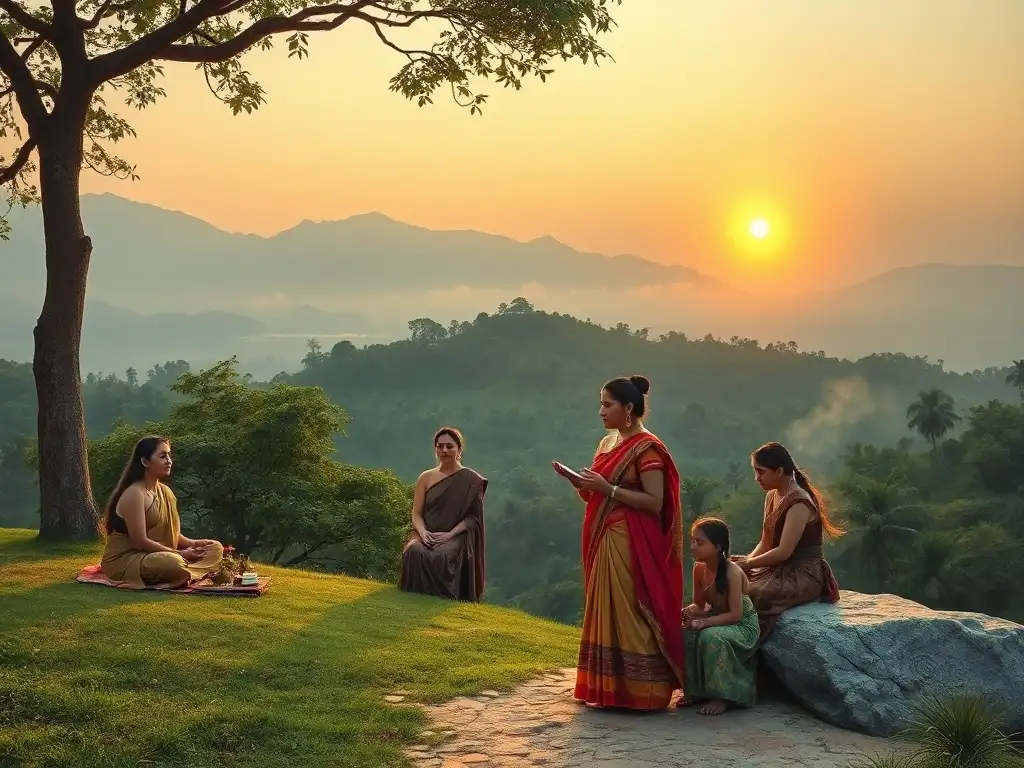
The legacy of women in ancient Indian religion is multifaceted, showcasing their significant contributions to spiritual practices, philosophical thought, and cultural traditions. Female ascetics, known as sadhvis or tapasvins, played a crucial role in shaping the religious landscape of ancient India, influencing various sects and movements that thrived during different historical periods. Their practices and teachings not only left a profound impact on their contemporaries but also laid the groundwork for future generations.
Lasting Impact on Contemporary Spirituality
The influence of female ascetics in ancient Indian religion can still be observed in modern spiritual practices. Many contemporary spiritual leaders draw inspiration from the lives and teachings of these women, highlighting their commitment to asceticism and the pursuit of enlightenment.
- Philosophical Contributions: Women like Gargi and Maitreyi, who were prominent figures in Vedic literature, introduced philosophical discourses that questioned the nature of existence and the pursuit of knowledge. Their insights continue to resonate in modern philosophical discussions and spiritual teachings.
- Ritual Practices: The rituals and ceremonies associated with female ascetics have evolved over time but retain core elements that honor their contributions. For example, certain festivals and rituals in Hinduism celebrate the feminine divine, reflecting the reverence for female spiritual practitioners.
- Community Engagement: Female ascetics often played pivotal roles in community life, promoting social harmony and spiritual growth. Today, organizations led by women in spirituality continue to advocate for social justice and community service, echoing the ethos established by their ancient counterparts.
Recognition of Female Ascetics in Modern Scholarship
In recent decades, there has been a growing recognition of the contributions of female ascetics within the realm of academic scholarship. Historians and scholars are increasingly acknowledging the vital roles these women played in shaping religious practices and beliefs.
- Literary Analysis: Scholars have delved into ancient texts, unearthing references to female ascetics that were previously overlooked. In texts such as the Rigveda and Upanishads, there are numerous mentions of women who engaged in spiritual practices, challenging the male-dominated narrative of ancient religious history.
- Feminist Perspectives: Feminist scholars have begun to re-evaluate the roles of women in ancient Indian religion, emphasizing their agency and contributions. This shift in perspective has prompted a rethinking of traditional narratives, allowing for a more inclusive understanding of religious history.
- Interdisciplinary Studies: The intersection of anthropology, sociology, and religious studies has paved the way for comprehensive analyses of female ascetics. Researchers are now exploring the cultural, social, and economic contexts in which these women operated, providing a richer understanding of their significance.
The legacy of women in ancient Indian religion is a testament to their enduring influence on spirituality, philosophy, and community life. As modern scholarship continues to uncover the depth of their contributions, it becomes increasingly clear that female ascetics were not merely participants in ancient religious practices but were pivotal in shaping the spiritual landscape of their time.
Conclusion: The Enduring Influence of Women in Ancient Indian Religion
Reflection on the Contributions of Female Ascetics
The role of female ascetics in ancient Indian religion has often been overshadowed by their male counterparts, yet their contributions were significant and transformative. Women in ancient India were not just passive observers; they actively engaged in spiritual practices, philosophical discourses, and community leadership. Asceticism, a prevalent practice in various religious traditions, allowed women to carve out a space where they could explore spiritual independence and authority.
For instance, figures like Maitreyi and Gargi from Vedic texts exemplify the intellectual prowess of women who participated in metaphysical discussions and offered profound insights into the nature of existence. Their narratives reveal that women were not only involved in domestic spheres but also emerged as pivotal figures in shaping spiritual thought and practice.
Moreover, female ascetics often served as mediators between the spiritual and the lay community. By leading rituals, imparting teachings, and guiding spiritual seekers, they reinforced the idea that spirituality transcended gender. The Buddhist nuns (Bhikkhunis), for example, played crucial roles in the early Buddhist community, promoting teachings and establishing monastic orders that welcomed women. Their contributions underscore the extensive networks of female spirituality that flourished alongside male-dominated traditions.
In the context of the Shaivism and Shaktism traditions, female ascetics often worshipped the divine feminine, which had profound implications for the societal perception of women. The worship of goddesses led to a re-evaluation of women's roles, allowing them to be seen as embodiments of power and wisdom, thereby influencing cultural attitudes towards gender.
The Importance of Acknowledging Women’s Roles in History
Recognizing the roles of women in ancient Indian religion is crucial for a comprehensive understanding of historical narratives. The contributions of female ascetics challenge the traditional patriarchal frameworks that have dominated historical discourse. By acknowledging these roles, we not only honor the lives and legacies of these women but also enrich our understanding of ancient Indian society.
Key Reasons for Acknowledging Women's Contributions:
- Historical Accuracy: Ignoring women's roles leads to an incomplete historical narrative. Women were integral to the spiritual and cultural developments of their time.
- Cultural Heritage: The teachings and practices of female ascetics contribute to the diverse tapestry of Indian spirituality and philosophy. Recognizing their influence promotes a more inclusive view of history.
- Inspiration for Future Generations: Highlighting the achievements of these women serves as an inspiration for contemporary society, encouraging women to reclaim their place in spiritual and philosophical discussions.
The legacy of women in ancient Indian religion is a testament to their resilience, intellect, and spiritual authority. By acknowledging and celebrating the contributions of female ascetics, we pave the way for a richer understanding of the complexities of ancient Indian history and the significant roles women played within it. Their enduring influence continues to inspire and inform discussions on gender, spirituality, and cultural identity in modern times.
Frequently Asked Questions
What roles did women play in ancient Indian religions?
Women in ancient Indian religions often served as ascetics, spiritual leaders, and patrons of rituals, significantly influencing spiritual practices and community life.
How were female ascetics viewed in ancient India?
Female ascetics were generally regarded with respect and reverence, as they dedicated their lives to spiritual pursuits, often transcending traditional gender roles.
Did women have access to religious texts in ancient India?
Yes, women had access to certain religious texts and teachings, although their engagement varied by region and period, with some women becoming noted scholars and poets.
What contributions did women make to ancient Indian spirituality?
Women contributed to ancient Indian spirituality through their participation in rituals, development of doctrines, and by mentoring future generations of spiritual practitioners.
How has the perception of women in ancient Indian religions changed over time?
Over time, the perception of women in ancient Indian religions has evolved, with a growing recognition of their significant roles and contributions, now celebrated in contemporary discussions of history and spirituality.
Final Reflection: The Silent Strength of Women in Ancient Indian Religion
In exploring the unseen contributions of female ascetics in ancient Indian religion, we uncover a rich tapestry of resilience and spiritual depth that continues to resonate today. The stories of these women, often overshadowed by their male counterparts, remind us that the spiritual landscape is not solely defined by the loudest voices but also by the quiet strength of those who have historically been marginalized. Their legacies challenge us to rethink our understanding of religious history and recognize the profound impact women have had in shaping spiritual practices and beliefs.
The influence of female ascetics extends far beyond their time, weaving into the very fabric of our cultural and social landscape. Their journeys of devotion and self-discovery not only paved the way for future generations of women but also enriched the spiritual traditions they were part of. As we reflect on their contributions, we are reminded of the words of the philosopher Simone de Beauvoir: One is not born, but rather becomes, a woman.
This statement encapsulates the essence of the female ascetic's journey—transforming societal expectations into paths of spiritual enlightenment and empowerment.
As we conclude this exploration, I invite you to reflect on the lessons of resilience and strength exemplified by these women. Consider how their stories can inspire you in your own life, encouraging you to seek your path, challenge societal norms, and honor the contributions of those who came before you. Let us carry forward the legacy of female ascetics, recognizing their vital role in ancient Indian religion and ensuring that their voices are no longer unseen but celebrated and acknowledged in our ongoing narrative.
Unveil the Legacy of Female Ascetics Today!
Thank you for taking the time to explore the inspiring contributions of female ascetics in ancient Indian religion. By diving into this rich history, you've uncovered the powerful role women played in shaping spiritual practices and philosophical thought. Now, it's time to take these insights further and make a difference in the present day!
Here’s how you can continue this journey of discovery and empowerment:
- Join a local discussion group focused on women’s roles in spirituality—connect with others who share your passion for these important topics!
- Share this article with friends and family to ignite conversations about the significant yet often overlooked contributions of women throughout history.
- Reflect on your own spiritual journey—consider keeping a journal to explore how these stories resonate with your beliefs and practices.
What insights can you draw from the lives of these remarkable women to enhance your own spiritual path?