
The Advanced Tools and Techniques of the Indus Valley Craftspeople

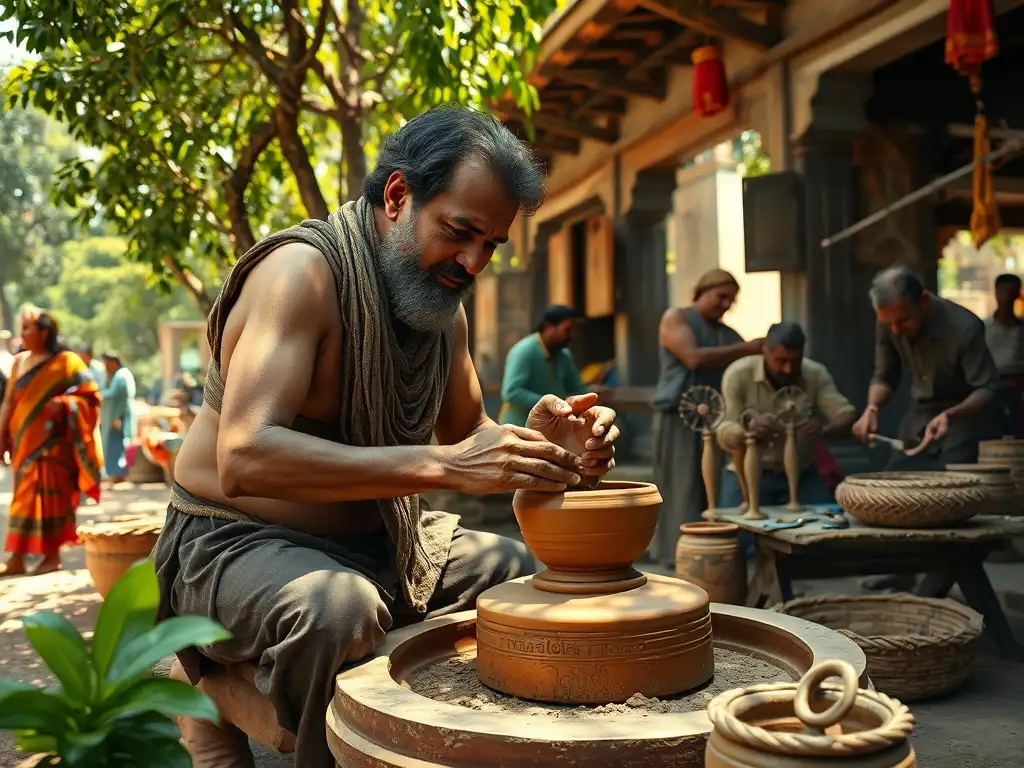
Welcome to Ancient India History, where we embark on a journey through the captivating tapestry of ancient civilizations that shaped the Indian subcontinent. Dive into the fascinating world of Indus Valley crafts techniques, where skilled artisans wielded advanced tools and innovative methods to create breathtaking works of art. What secrets lie within their craft? Join us as we unravel the mysteries of these ancient craftspeople and discover the remarkable contributions that have echoed through time. Read on to uncover the rich legacy of the Indus Valley and its enduring impact on our cultural heritage.
- Introduction to Indus Valley Crafts Techniques
- Key Features of Indus Valley Crafts Techniques
- Innovations in Indus Valley Craftsmanship
- Comparison of Indus Valley Crafts Techniques with Contemporary Practices
- The Role of Trade in the Advancement of Craft Techniques
- Case Studies of Notable Crafts and Techniques
- Conclusion: The Legacy of Indus Valley Crafts Techniques
-
Frequently Asked Questions
- What were the main crafts techniques used by Indus Valley artisans?
- How did the Indus Valley civilization influence modern crafts?
- What materials did Indus Valley craftspeople commonly use?
- Were there any specific tools used by Indus Valley artisans?
- How did the trade networks affect Indus Valley crafts?
- Final Reflection: The Enduring Legacy of Indus Valley Crafts Techniques
- Unveil the Legacy of Indus Valley Crafts!
Introduction to Indus Valley Crafts Techniques
The Indus Valley Civilization, one of the world's earliest urban societies, flourished around 2500 BCE in what is now Pakistan and northwest India. Renowned for its advanced urban planning, sophisticated architecture, and innovative technologies, this civilization also made remarkable strides in crafts and artisanal techniques.
The Indus Valley crafts techniques represent a significant aspect of their cultural identity, showcasing the ingenuity and skill of craftspeople who produced a wide array of goods, from intricate jewelry to functional pottery. This article delves into the advanced tools and techniques employed by these artisans, illuminating their contributions to ancient Indian culture and the lasting legacy they left behind.
Overview of the Indus Valley Civilization
The Indus Valley Civilization, often referred to as the Harappan Civilization, emerged around 3300 BCE and reached its zenith between 2600 and 1900 BCE. It was characterized by:
- Urban Centers: Major cities like Harappa and Mohenjo-Daro were meticulously planned with grid layouts, advanced drainage systems, and standardized fired bricks.
- Trade Networks: The civilization engaged in extensive trade with neighboring regions, including Mesopotamia, which facilitated the exchange of goods and ideas.
- Agricultural Practices: Fertile plains along the Indus River supported agriculture, allowing for the cultivation of crops such as wheat, barley, and cotton.
Craftsmanship flourished within this civilization, with artisans producing goods that not only met everyday needs but also reflected the society's artistic values and technological sophistication.
Importance of Crafts in Ancient Indian Culture
Crafts played a pivotal role in ancient Indian culture, serving not only as a means of livelihood but also as a form of artistic expression. In the context of the Indus Valley Civilization, crafts were essential for several reasons:
- Economic Significance:
- Crafts contributed to the economy through local production and trade, allowing artisans to thrive and sustain their communities.
- The export of crafted goods, such as beads, pottery, and textiles, fostered economic ties with distant markets.
- Cultural Identity:
- Artifacts produced by Indus Valley craftspeople, such as figurines and seals, provide insights into the spiritual and social lives of the people.
- The distinct styles and motifs found in their crafts reflect the civilization's unique cultural identity.
- Technological Innovation:
- The tools and techniques developed by artisans, such as the use of the potter's wheel, advanced metallurgy, and intricate bead-making, demonstrate a high level of technological advancement.
- These innovations laid the groundwork for future developments in crafts and industries in subsequent Indian civilizations.
Through a comprehensive exploration of these aspects, we can better appreciate the skilled craftsmanship that characterized the Indus Valley Civilization and its enduring impact on ancient Indian culture.
Key Features of Indus Valley Crafts Techniques
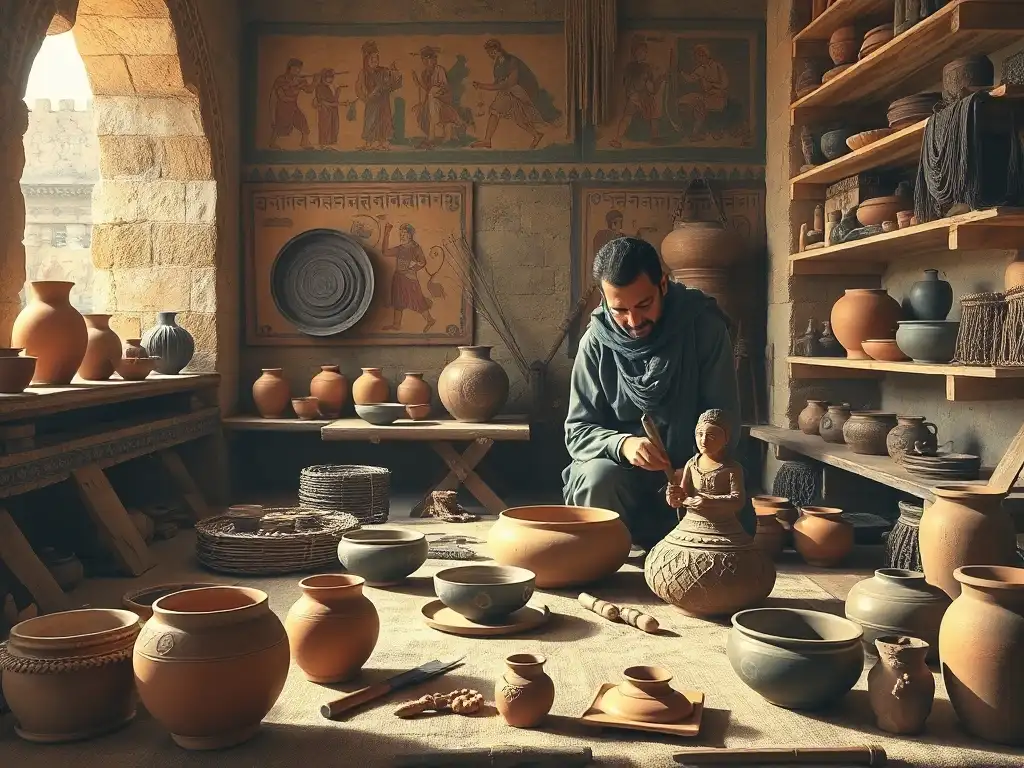
The Indus Valley Civilization, known for its remarkable urban planning and advanced technologies, also excelled in various craft techniques that reflect a high level of artistry and innovation. The craftspeople of this ancient civilization employed a diverse range of materials and sophisticated techniques, contributing significantly to their economy and culture. Understanding the key features of these crafts techniques offers insight into the daily life and aesthetics of the Indus Valley population.
Materials Used by Indus Valley Craftspeople
Stone, Clay, and Metal: A Look at Raw Materials
Indus Valley craftspeople utilized a variety of raw materials to create their exquisite artifacts. The primary materials included:
- Stone: Hard stones like steatite, carnelian, and agate were commonly used for making seals, beads, and figurines. The use of stone not only reflects the aesthetic preferences but also indicates skilled craftsmanship in shaping and polishing.
- Clay: Terracotta was extensively used for pottery, figurines, and toys. The availability of clay in the region facilitated the production of everyday items and artistic creations.
- Metal: The artisans worked with metals such as copper, bronze, and gold. The techniques of metallurgy allowed for the crafting of tools, weapons, and intricate jewelry, showcasing the advanced technological capabilities of the civilization.
Significance of Local Resources in Craft Production
The choice of materials was significantly influenced by the local resources available in the Indus Valley. The proximity to rivers facilitated easy access to clay, while the surrounding mountains provided stones and metals. This utilization of local resources not only minimized transportation costs but also allowed craftspeople to innovate and adapt their techniques based on the materials at hand. The integration of varied materials resulted in a rich tapestry of crafts that served both functional and decorative purposes in Indus society.
Advanced Techniques Employed by Craftspeople
Pottery Techniques: From Wheel-Thrown to Hand-Built
Pottery from the Indus Valley Civilization showcases a variety of techniques that highlight the ingenuity of its craftspeople. Two prominent methods include:
- Wheel-Thrown Pottery: The potter's wheel, a significant technological advancement, enabled artisans to produce uniform and finely shaped vessels. This technique allowed for faster production and greater precision compared to hand-building methods.
- Hand-Built Pottery: In addition to wheel-thrown, hand-built techniques such as coiling and pinching were also prevalent. These methods allowed for more intricate designs and variations, as craftspeople could manipulate the clay into various forms and sizes.
The pottery of the Indus Valley was often decorated with intricate designs, using techniques such as incision, painting, and glazing. These decorative elements not only enhanced the aesthetic appeal but also served as cultural expressions of the time.
Textile Production: Weaving Techniques of the Indus Valley
Textile production in the Indus Valley was marked by advanced weaving techniques that produced high-quality fabrics. The primary aspects include:
- Loom Weaving: The use of vertical and horizontal looms enabled craftspeople to create intricate patterns and designs. The presence of numerous spindle whorls in archaeological sites suggests a thriving textile industry that produced both woolen and cotton fabrics.
- Dyeing Techniques: Natural dyes derived from plants and minerals were employed to color textiles, adding vibrancy to the fabrics. The knowledge of dyeing and weaving techniques indicates an advanced understanding of materials and aesthetics.
The textiles produced were not only functional but also served as significant trade items, with evidence of their exchange found in various archaeological sites across the region.
Bead Making: Precision and Artistry in Craftsmanship
Bead making in the Indus Valley was an intricate process that exemplified the skill and precision of craftspeople. Key aspects include:
- Materials and Techniques: Craftspeople used various materials, including semi-precious stones, shells, and metals, to create beads. Techniques like drilling, grinding, and polishing were employed to achieve the desired shape and finish.
- Symbolism and Trade: Beads served not only as ornaments but also as symbols of status and trade. The diversity in bead designs and materials reflects the cultural significance and the extensive trade networks established by the Indus Valley Civilization.
The artistry involved in bead making highlights the sophisticated understanding of aesthetics and craftsmanship that defined the Indus Valley crafts techniques. Each bead was crafted with care, often reflecting the cultural motifs and preferences of the time.
By examining these key features of the Indus Valley crafts techniques, we gain a deeper appreciation for the artistic and technological advancements that characterized this ancient civilization, revealing a legacy that continues to influence modern craftsmanship.
Innovations in Indus Valley Craftsmanship
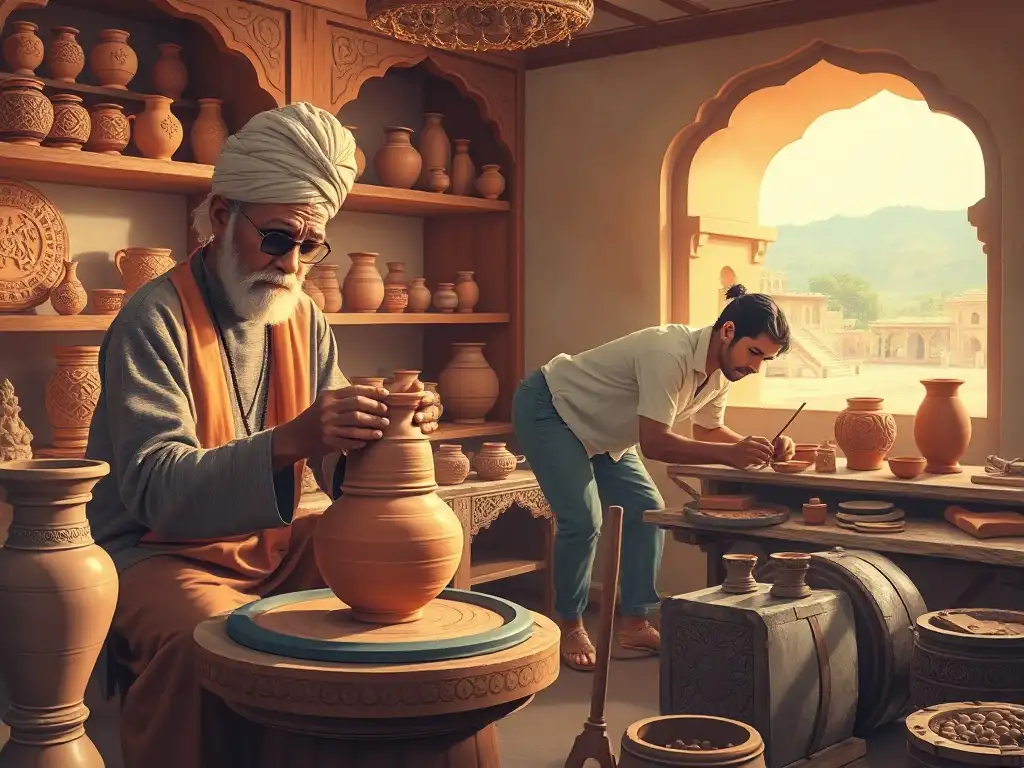
The Indus Valley Civilization (IVC) is renowned not only for its sophisticated urban planning but also for the remarkable craftsmanship that reflects its advanced technology and innovative techniques. The artisans of this ancient civilization demonstrated exceptional skills in various crafts, from pottery to metalwork, which were crucial for both everyday life and trade. The integration of practical artistry with urban infrastructure significantly influenced the craftsmanship of the time, leading to the development of specialized craft techniques.
Urban Planning and Its Influence on Craft Techniques
The urban planning of Indus Valley cities, such as Harappa and Mohenjo-Daro, was characterized by a grid layout, sophisticated drainage systems, and standardized brick sizes. This meticulous planning had a profound impact on craft techniques, as it necessitated uniformity in the production of building materials.
- Standardized Brick Production: The use of uniformly sized and kiln-fired bricks facilitated the construction of durable structures, which in turn influenced the techniques used by brickmakers. Artisans developed methods to produce bricks that met specific dimensions, ensuring compatibility with the architectural designs.
- Drainage Systems: The advanced drainage systems required not only skilled masons but also specialized tools for excavation and construction. Craftspeople developed techniques for creating terracotta pipes and drainage channels, showcasing their ability to adapt their skills to meet urban needs.
- Workshops and Specialization: The concentration of skilled labor in urban centers led to the establishment of workshops where artisans could specialize in particular crafts. This specialization fostered the development of innovative techniques and tools tailored to specific products, such as intricate bead-making or pottery wheel techniques.
The interplay between urban planning and craftsmanship in the Indus Valley exemplifies how environmental and societal factors can drive innovation in craft techniques.
Standardization of Weights and Measures in Craft Production
One of the hallmark features of the Indus Valley Civilization was the implementation of standardized weights and measures, which played a crucial role in various aspects of trade and craft production.
- Trade and Economic Exchange: The widespread use of standardized weights facilitated trade not only within the IVC but also with neighboring cultures. Craftspeople adopted specific weight measures for their products, ensuring fairness in transactions. This system encouraged artisans to refine their craft techniques to produce items that met trade standards.
- Production Efficiency: The introduction of standardization allowed for greater efficiency in craft production. This was particularly evident in the metalworking and bead-making industries, where artisans could produce items in batches that conformed to established specifications. This practice not only streamlined production but also maintained quality across products.
- Technological Advancement: The need for precise measurements led to the development of innovative tools designed for accuracy. For instance, the use of calibrated weights made from stone or metal allowed craftspeople to measure raw materials accurately, which in turn improved the quality and consistency of their output.
The emphasis on standardization within the Indus Valley crafts techniques not only enhanced the quality of craftsmanship but also contributed to the economic strength of the civilization, as it enabled extensive trade networks based on trust and reliability.
The innovations in Indus Valley craftsmanship, driven by urban planning and standardization, showcase the advanced techniques and tools developed by artisans, highlighting their significant contributions to the cultural and economic fabric of ancient Indian civilization.
Comparison of Indus Valley Crafts Techniques with Contemporary Practices
Similarities and Differences in Craft Techniques
The Indus Valley crafts techniques showcase a sophisticated understanding of materials and processes that still resonates in contemporary practices. Below, we explore both the similarities and differences between ancient and modern crafting methods.
Similarities
- Material Utilization:
- Both ancient and modern craftspeople demonstrate a keen awareness of local materials. For instance, the Indus Valley artisans were adept at using clay, metals, and stones, much like today's artisans who incorporate locally sourced materials into their work.
- Specialization:
- Just as the Indus Valley civilization had specialized craftsmen—potters, bead makers, and metalworkers—modern craft industries also see specialization. This allows for the development of expertise in particular fields, enhancing the quality and uniqueness of the products.
- Community-Centric Production:
- In the Indus Valley, crafts were often produced for community needs, reflecting cultural values and societal roles. Similarly, contemporary crafts can be community-focused, often emphasizing sustainability and local culture.
Differences
- Technological Advances:
- Modern technology has transformed crafting methods. While Indus Valley craftsmen relied on hand tools and simple machines, today’s artisans may use advanced equipment like 3D printers and CNC machines to enhance precision and efficiency.
- Scale of Production:
- The production scale has vastly changed. Indus Valley artisans typically created items for local markets, whereas contemporary crafts can be mass-produced for global distribution, often leading to a loss of individuality in some cases.
- Design Influences:
- The design motifs of the Indus Valley were heavily influenced by their environment and beliefs, often featuring intricate geometric patterns and symbolic animals. In contrast, modern designs are influenced by a vast array of global trends, leading to diverse aesthetics that sometimes dilute traditional styles.
Evolution of Crafts: From the Indus Valley to Modern India
The evolution of crafts from the Indus Valley to modern India is a fascinating journey that reflects broader socio-economic changes, technological advancements, and cultural exchanges over millennia.
Historical Overview
- Indus Valley Civilization (c. 3300–1300 BCE):
- Crafts were integral to daily life, with significant advancements in pottery, metallurgy, textile production, and bead-making. The use of standardized weights and measures in trade indicates a sophisticated understanding of commerce that influenced future craft practices.
- Post-Indus Period:
- Following the decline of the Indus Valley Civilization, craft techniques continued to evolve, influenced by migrations and invasions. The introduction of new materials and methods—such as the use of silk and intricate embroidery—enriched the Indian craft landscape.
Modern Craft Practices
- Contemporary Craft Revival:
- In recent decades, there has been a resurgence of interest in traditional crafts, leading to initiatives aimed at preserving ancient techniques. Programs focusing on handloom weaving, pottery, and metalwork have emerged, encouraging artisans to revive and adapt ancient methods for modern consumers.
- Integration of Technology:
- Today's craftspeople often blend traditional techniques with modern technology. For example, while hand-weaving remains a cherished skill, the integration of contemporary design principles and marketing strategies has opened new avenues for artisans.
- Global Influence:
- The globalization of craft markets has allowed Indian artisans to reach a broader audience. By participating in international fairs and exhibitions, craftspeople share their heritage, while also incorporating global trends into their work.
The journey of Indus Valley crafts techniques through history highlights the resilience and adaptability of Indian artisans. As they navigate the balance between tradition and innovation, their work continues to reflect the rich tapestry of India's cultural heritage.
The Role of Trade in the Advancement of Craft Techniques
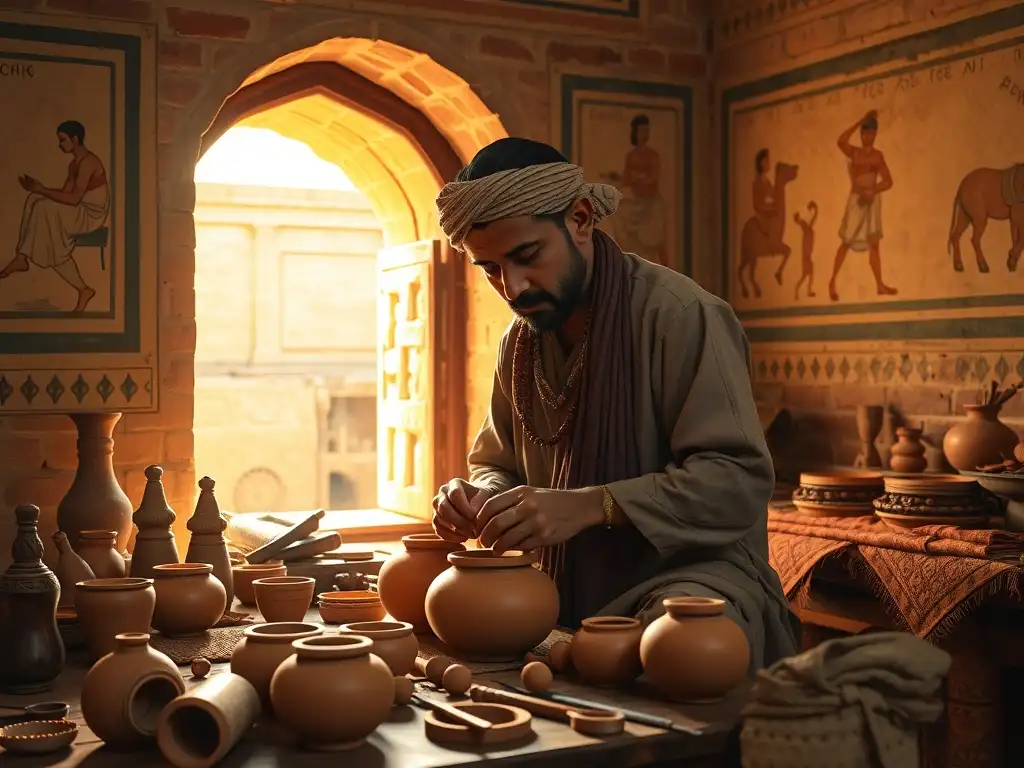
The Indus Valley Civilization (IVC) is renowned for its sophisticated urban planning and advanced craftsmanship, with trade playing a pivotal role in the development and dissemination of craft techniques. Trade not only facilitated the exchange of goods but also fostered the transfer of ideas, techniques, and materials that were crucial for the advancement of craft production.
Trade Networks of the Indus Valley Civilization
The Indus Valley Civilization thrived between approximately 3300 and 1300 BCE, with major urban centers such as Mohenjo-Daro and Harappa. The extensive trade networks established by these cities were instrumental in promoting economic prosperity and cultural exchange.
- Geographical Reach: The trade routes extended across the Indian subcontinent, reaching as far as Mesopotamia, Persia, and even the Arabian Peninsula. This vast network allowed for the exchange of a variety of goods, including precious stones, metals, textiles, and pottery.
- Maritime Trade: Evidence suggests that the people of the Indus Valley engaged in maritime trade through the Arabian Sea. The port city of Lothal, known for its well-planned dockyard, served as a key hub for maritime trade. Goods transported via sea routes included beads, shells, and cotton textiles, which were highly valued in foreign markets.
- Overland Trade: Overland trade routes connected the Indus Valley with regions in Central Asia and the Iranian plateau. Caravans transported goods such as spices, metals, and agricultural products, facilitating cultural and technological exchanges.
The interconnectivity fostered by these trade networks was crucial in the dissemination of craft techniques, as artisans and craftspeople interacted with one another, sharing knowledge and skills.
Impact of Trade on Material Availability and Craft Innovation
The impact of trade on the availability of materials and subsequent craft innovations in the Indus Valley cannot be overstated. The exchange of goods led to the introduction of new materials and techniques, enhancing the craftsmanship of the region.
- Access to Raw Materials: The trade networks allowed artisans to access a diverse array of materials unavailable locally. For example:
- Semi-precious stones such as lapis lazuli, carnelian, and agate were imported from regions like Afghanistan and Persia. These stones were meticulously crafted into beads and jewelry, showcasing the high level of skill among IVC craftspeople.
- Metals such as copper, bronze, and tin were traded, enabling advancements in metallurgy and the production of tools and weapons.
- Technological Innovations: The influx of materials inspired innovation in crafting techniques. The use of advanced kiln technologies allowed for higher firing temperatures, which improved the quality of pottery and ceramics. The introduction of the potter’s wheel revolutionized pottery production, allowing for greater uniformity and design complexity.
- Cultural Exchange and Influence: Trade not only influenced material availability but also facilitated cultural exchange. Techniques borrowed from other civilizations led to the evolution of unique craft styles. For instance, the intricate beadwork and jewelry designs seen in Indus Valley artifacts reflect influences from neighboring cultures, showcasing a fusion of artistic traditions.
The role of trade in the advancement of Indus Valley crafts techniques was multifaceted, contributing significantly to the economic and cultural richness of the civilization. The thriving trade networks not only ensured access to diverse materials but also promoted innovation and creativity among craftspeople, resulting in a legacy of craftsmanship that continues to be celebrated today.
Case Studies of Notable Crafts and Techniques
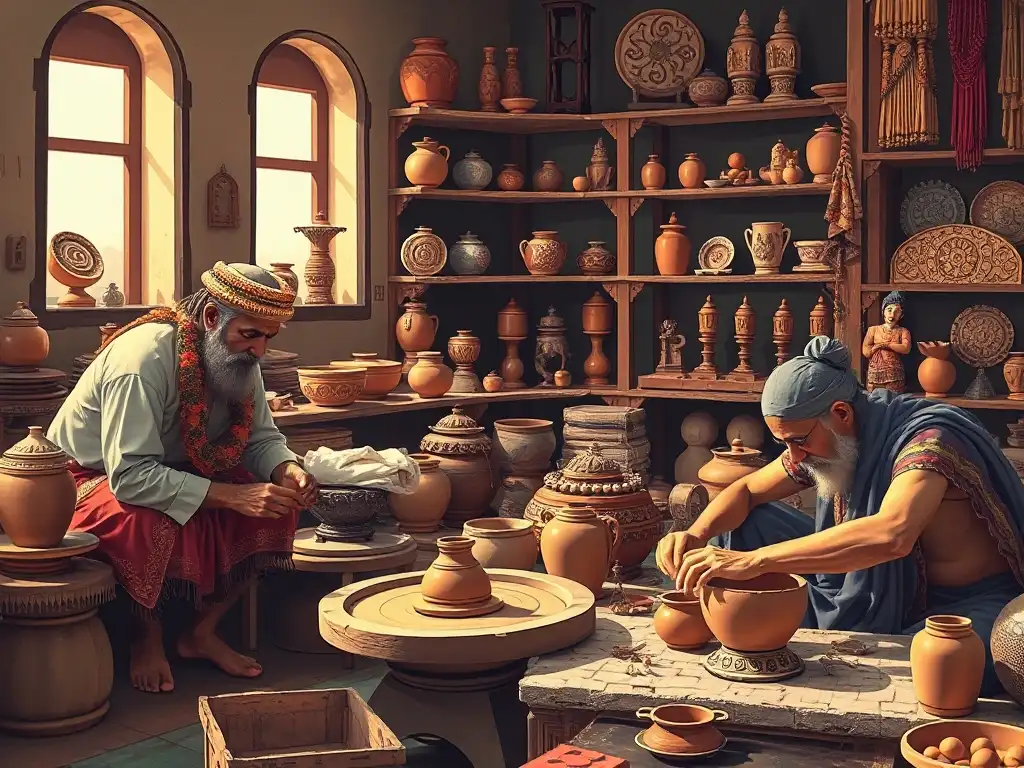
The Art of Indus Valley Pottery
The pottery of the Indus Valley Civilization (IVC) stands out as one of the most significant examples of ancient craftsmanship. Dating back to around 2500 BCE, Indus Valley pottery showcases remarkable aesthetic and functional designs. Craftspeople utilized a variety of techniques and materials to create both everyday and ceremonial vessels, which were often decorated with intricate motifs and patterns.
- Materials Used: The primary material for pottery was clay, sourced from riverbanks and plains. Craftspeople would carefully select the clay to ensure its quality and workability.
- Techniques:
- Wheel-Throwing: The potter’s wheel was employed to create symmetrical shapes, allowing for precision in design.
- Hand-Building: In addition to wheel-thrown pieces, hand-building techniques were also prevalent, enabling artisans to craft unique forms and figures.
- Decoration Methods: The decoration of pottery involved several techniques:
- Paint and Incising: Designs were often painted with natural pigments or incised into the surface before firing.
- Glazing: Some pottery pieces featured a gloss finish, indicating advanced knowledge of firing techniques and materials.
The vibrant designs and superior craftsmanship of Indus Valley pottery not only serve as functional items but also as valuable artifacts for understanding the social and cultural life of the civilization.
Textile Innovations: The Use of Dyeing Techniques
Textiles from the Indus Valley Civilization reveal a sophisticated understanding of material science and aesthetics. The use of dyeing techniques was particularly advanced, showcasing the craftspeople's ability to manipulate natural resources for vibrant color production.
- Materials and Sources: The primary fibers used included cotton, wool, and silk. Cotton, in particular, was cultivated in the region, making the IVC one of the earliest civilizations known to use this fiber.
- Dyeing Techniques:
- Natural Dyes: Craftspeople extracted dyes from plants, minerals, and insects, creating a rich palette that included indigo, madder, and turmeric.
- Tie-Dye and Resist Dyeing: Techniques such as tie-dyeing and resist dyeing were employed to create intricate patterns on textiles. This not only enhanced the aesthetic appeal but also demonstrated a deep understanding of dyeing processes.
- Weaving Practices: The weaving techniques were equally advanced, involving:
- Looms: Vertical and horizontal looms allowed for the creation of complex patterns and textures.
- Patterns: The textiles often featured geometric patterns, motifs from nature, and representations of daily life, indicating the cultural significance of textiles in the IVC.
The innovations in textile production not only reflect the artistic capabilities of the Indus Valley craftspeople but also highlight their integral role in trade and cultural exchanges with neighboring regions.
Metalwork Mastery: Bronze and Copper in Craft Production
Metalworking was a hallmark of the Indus Valley Civilization, with craftspeople exhibiting exceptional skills in the production of bronze and copper artifacts. The techniques employed were pivotal in both functional and artistic realms.
- Materials and Alloys: The primary metals used were copper and bronze (an alloy of copper and tin). The availability of resources influenced the types of metalwork produced.
- Crafting Techniques:
- Casting: The lost-wax casting method was widely used, allowing artisans to create intricate designs and details in metal objects.
- Forging and Tool Making: Craftspeople also engaged in forging techniques to create tools and weapons, highlighting their practical applications.
- Types of Artifacts:
- Jewelry: The IVC is renowned for its exquisite jewelry, often adorned with semi-precious stones and intricate designs.
- Figurines and Ritual Objects: Small bronze and copper figurines, such as the famous "Dancing Girl" statue, reflect the artistic prowess and cultural significance of metalwork in rituals and daily life.
The mastery of metalworking in the Indus Valley showcases not only technical proficiency but also a deep cultural appreciation for artistry, making these artifacts invaluable to our understanding of ancient Indian civilization.
Conclusion: The Legacy of Indus Valley Crafts Techniques
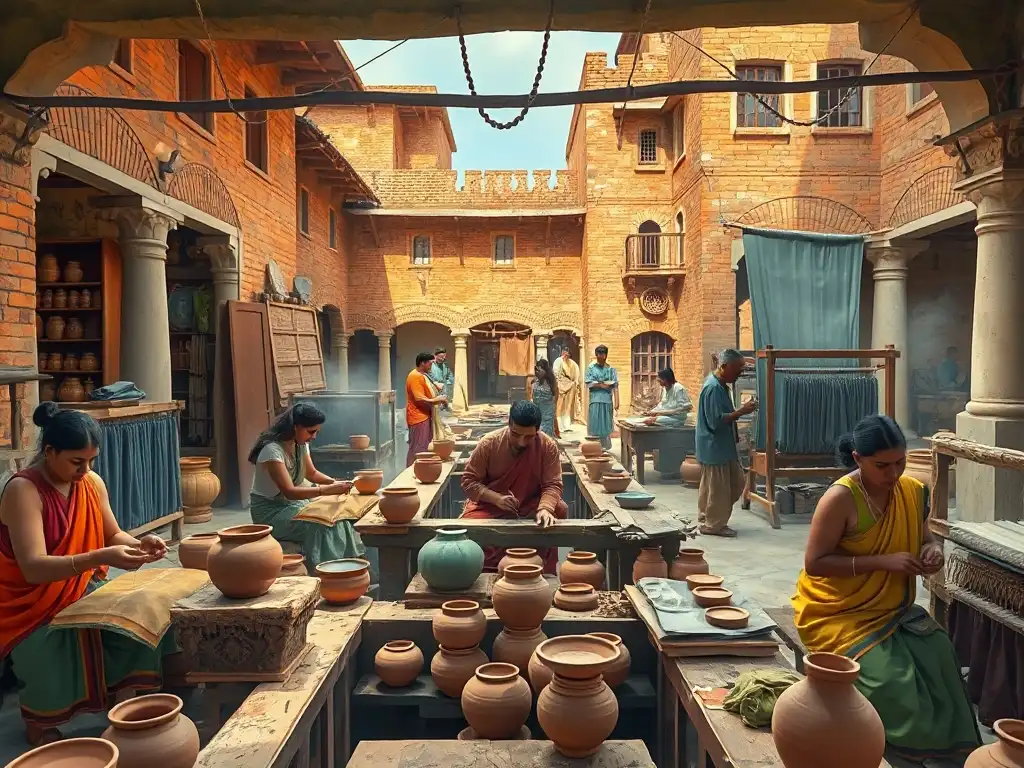
The Indus Valley Civilization, known for its remarkable urban planning and sophisticated societal structures, also laid the foundation for advanced crafts techniques that would influence generations to come. The legacy of these ancient practices is not just a matter of historical interest; it has tangible implications for contemporary craftsmanship in India. The techniques developed by Indus Valley craftspeople reflect a deep understanding of materials, tools, and aesthetics, which continue to resonate in modern Indian artistry.
Lasting Impact on Indian Craftsmanship
The crafts techniques of the Indus Valley, characterized by their complexity and innovation, have left an enduring mark on Indian craftsmanship. Key aspects include:
- Material Mastery: Craftspeople of the Indus Valley excelled in working with materials such as terracotta, metal, and stone. They developed methods for creating intricate pottery, jewelry, and sculptures that showcased both utility and beauty.
- Technological Innovations: Techniques like the use of the potter's wheel and metallurgy were pioneered during this period. These innovations not only improved the efficiency of production but also elevated the quality of the finished products.
- Artistic Expression: The aesthetic sensibilities of the Indus Valley artisans are evident in the motifs and designs found on their crafts, which often reflected nature and spirituality. This artistic expression continues to inspire contemporary artisans, who draw upon these ancient motifs in their work.
The techniques established during this civilization have been preserved and adapted over time, influencing various regional crafts across India. For instance, the intricate bead-making techniques from the Indus Valley can still be observed in the jewelry crafted in regions like Rajasthan and Gujarat.
Preservation of Techniques in Contemporary Indian Culture
In contemporary India, there is a notable effort to preserve the crafts techniques that originated in the Indus Valley. Various initiatives include:
- Cultural Heritage Programs: Organizations dedicated to preserving traditional crafts often conduct workshops and training sessions that teach ancient techniques to new generations of artisans. This ensures that the knowledge is passed down, maintaining the integrity of these crafts.
- Sustainable Practices: Many modern artisans are now emphasizing sustainability, mirroring the resourceful practices of their ancient counterparts. The use of locally sourced materials and traditional methods reflects a commitment to ecological balance that was inherent in Indus Valley craftsmanship.
- Integration into Modern Design: Contemporary designers are increasingly integrating ancient techniques into modern aesthetics, creating a fusion that honors tradition while appealing to modern sensibilities. This approach not only keeps the crafts alive but also enhances their relevance in today's market.
By understanding and valuing the crafts techniques of the Indus Valley, contemporary Indian culture not only honors its rich heritage but also fosters a sense of identity and continuity. The legacy of these ancient craftspeople is a testament to the ingenuity and artistry that defines India's historical narrative.
Frequently Asked Questions
What were the main crafts techniques used by Indus Valley artisans?
The Indus Valley craftspeople utilized advanced techniques such as bead-making, pottery, metallurgy, and textile production, showcasing their skill and creativity.
How did the Indus Valley civilization influence modern crafts?
The craft techniques developed in the Indus Valley laid the foundation for many modern crafts, emphasizing innovation and sophistication in design and production methods.
What materials did Indus Valley craftspeople commonly use?
Craftspeople in the Indus Valley primarily used materials such as clay, stone, metal, and semi-precious stones, which were readily available in their environment and allowed for diverse crafting possibilities.
Were there any specific tools used by Indus Valley artisans?
Yes, artisans employed a variety of specialized tools, including chisels, grinders, and potter’s wheels, which facilitated more precise and intricate work in their crafts.
How did the trade networks affect Indus Valley crafts?
The extensive trade networks allowed Indus Valley artisans to exchange their crafts for raw materials and ideas, thereby enhancing their techniques and expanding their artistic horizons.
Final Reflection: The Enduring Legacy of Indus Valley Crafts Techniques
The advanced tools and techniques of the Indus Valley craftspeople not only showcase the ingenuity of an ancient civilization but also resonate profoundly with our contemporary world. As we navigate an era defined by rapid technological advancements and a resurgence of interest in sustainable practices, the craftsmanship of the Indus Valley serves as a reminder of the timeless value of skill, creativity, and resourcefulness. The legacy of these artisans is not merely a relic of the past; it is a beacon guiding us toward a more thoughtful and innovative future.
The influence of Indus Valley crafts techniques can be seen in modern design, sustainability efforts, and artisanal movements across the globe. The meticulous attention to detail and the harmonious relationship with materials that characterized their work continue to inspire contemporary craftspeople and designers. As we strive to balance modernity with tradition, we can draw wisdom from the past. Craftsmanship is not just about making things; it is about making things that matter.
This quote encapsulates the essence of the Indus Valley artisans, whose creations were not only functional but also deeply embedded with cultural significance.
As you reflect on the remarkable achievements of the Indus Valley craftspeople, consider how their techniques and philosophies can be integrated into your own life and work. Embrace the spirit of craftsmanship by valuing quality over quantity, and seek to create with intention and purpose. Let the lessons from this ancient civilization inspire you to cultivate your skills, appreciate the artistry around you, and contribute to a world that honors both innovation and tradition.
Unveil the Legacy of Indus Valley Crafts!
Thank you for exploring the fascinating world of the Indus Valley craftspeople with us! You've gained valuable insights into their advanced tools and techniques that reflect both creativity and precision. Now, it's your turn to dive deeper and celebrate this incredible legacy.
Here are some engaging ways to take immediate action:
- Start your own mini-research project on a specific tool or technique used in Indus Valley craftsmanship—explore its history and significance!
- Join our online community by sharing your thoughts or discoveries about Indus Valley crafts on our forum. Connect with fellow enthusiasts and historians!
- Visit a local museum or exhibition that showcases ancient Indian artifacts—experience the craftsmanship firsthand and appreciate its beauty in person!
What aspect of Indus Valley craftsmanship intrigues you the most, and how would you like to share your findings with others?