
The Intricate Designs of Indus Jewelry: A Testament to Craftsmanship

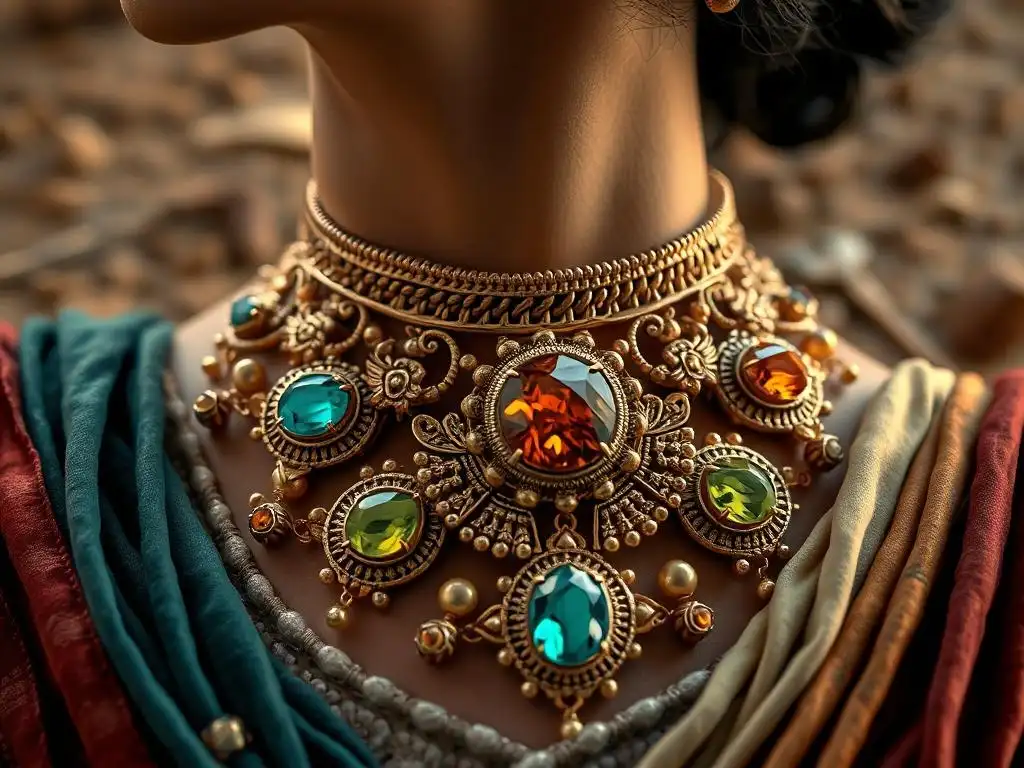
Welcome to Ancient India History, where we invite you to journey through the fascinating tapestry of India’s past. Delve into the remarkable world of Indus Valley jewelry craftsmanship, a shining example of the extraordinary skills and artistry that flourished in one of the world's earliest civilizations.
As you explore our latest article, "The Intricate Designs of Indus Jewelry: A Testament to Craftsmanship," uncover the secrets behind the stunning adornments that not only adorned the body but also reflected the rich cultural heritage of ancient India. Prepare to be captivated by stories of innovation and artistry that echo through the ages—your adventure into the depths of history begins here!
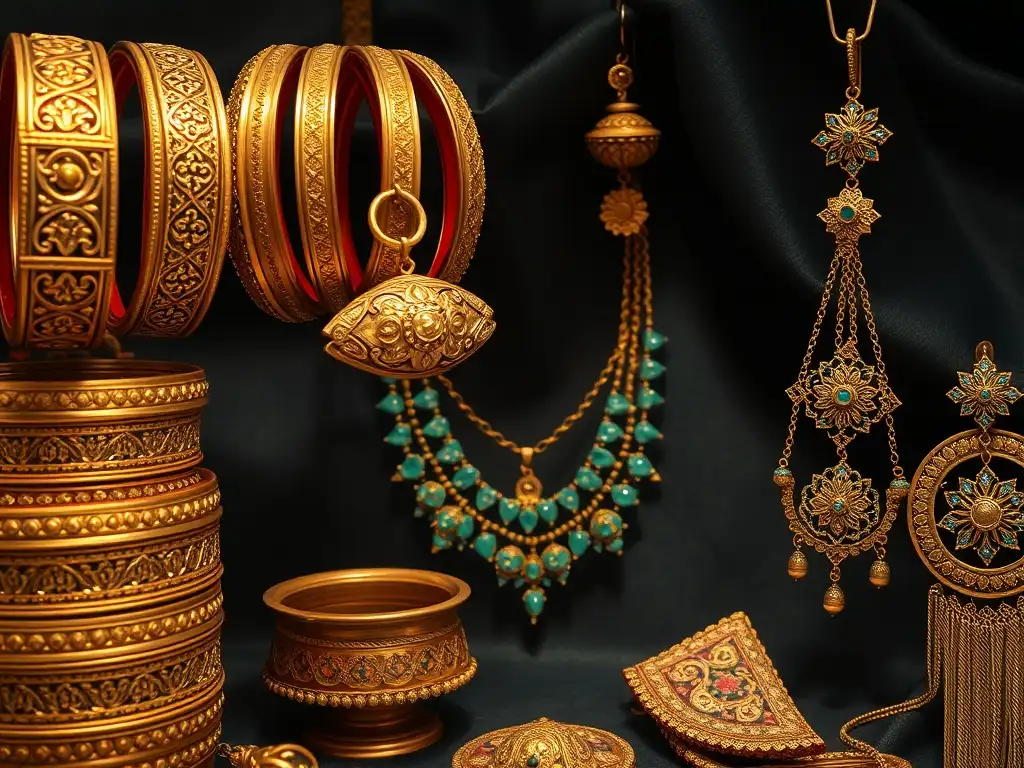
Introduction to Indus Valley Jewelry Craftsmanship
The exquisite artistry and intricate designs of Indus Valley jewelry craftsmanship provide a captivating glimpse into the socio-economic and cultural dynamics of one of the world's earliest urban civilizations. Flourishing around 2500 BCE in what is now Pakistan and northwest India, the Indus Valley Civilization (IVC) is renowned for its advancements in urban planning, architecture, and, notably, artistry in jewelry-making.
This article delves into the remarkable craftsmanship behind Indus Valley jewelry, showcasing how these adornments not only served aesthetic purposes but also reflected the intricate social hierarchy, trade relations, and spiritual beliefs of the time. Through the lens of jewelry, we will explore the rich tapestry of craftsmanship that defines this ancient civilization.
Overview of the Indus Valley Civilization
The Indus Valley Civilization is often celebrated as one of the four great ancient civilizations, alongside Egypt, Mesopotamia, and China. Spanning across a vast area, it included major urban centers such as Harappa and Mohenjo-Daro. The civilization is characterized by:
- Urban Planning: Well-organized cities with advanced drainage systems.
- Agriculture: A thriving agrarian economy supported by fertile land along the Indus River.
- Trade Networks: Extensive trade links with neighboring regions, facilitating cultural exchange and resource acquisition.
The artistic expressions of the IVC, particularly in jewelry, were not merely decorative but served as symbols of status, wealth, and cultural identity.
Importance of Jewelry in Ancient Indian Culture
Jewelry in ancient Indian culture was steeped in significance, transcending mere adornment. It played a vital role in:
- Status Symbol: Jewelry indicated social standing and wealth, with intricate designs often reserved for the elite.
- Ritualistic Significance: Many pieces were believed to possess spiritual or protective qualities, integral to various rituals and ceremonies.
- Cultural Identity: Jewelry styles often reflected regional identities and customs, showcasing craftsmanship unique to different communities.
Through these functions, jewelry became a crucial element in the social fabric of ancient Indian cultures, especially within the Indus Valley Civilization.
Historical Context of Indus Valley Jewelry
The Timeframe of the Indus Valley Civilization
The Indus Valley Civilization thrived during the Bronze Age, approximately between 3300 BCE and 1300 BCE. This era witnessed significant advancements not only in urban development but also in artistic expression, particularly in metalwork and jewelry crafting. The craftsmanship of this period is marked by:
- Innovative Techniques: Use of lost-wax casting, bead-making, and filigree work.
- Material Diversity: Incorporation of materials such as gold, silver, semi-precious stones, and terracotta.
This historical context highlights the sophistication of Indus Valley jewelry craftsmanship and its evolution over centuries.
Trade Routes and Cultural Exchanges Influencing Jewelry Design
The Indus Valley Civilization was strategically located, facilitating extensive trade networks that extended to regions such as Mesopotamia, Persia, and the Arabian Peninsula. This interaction fostered:
- Cultural Exchange: Ideas, designs, and techniques were shared, enriching the artistry of Indus jewelry.
- Material Access: Trade routes provided access to diverse materials, which were essential for creating intricate jewelry pieces.
The influence of external cultures can be seen in the motifs and styles present in Indus Valley jewelry, illustrating the dynamic interplay between trade and artistry in this civilization.
Materials and Techniques in Indus Jewelry Craftsmanship
The craftsmanship of Indus Valley jewelry is not only a reflection of the artisans' skills but also of the profound understanding of materials and techniques that characterized the era. The Indus Valley Civilization, which thrived between 3300 and 1300 BCE, demonstrated an impressive mastery of various materials, creating intricate designs that have fascinated historians and archaeologists alike.
Common Materials Used in Indus Valley Jewelry
Indus Valley artisans utilized a diverse array of materials, each chosen for its aesthetic appeal and symbolic significance. Some of the most commonly used materials included:
- Semi-precious Stones: Agate, carnelian, lapis lazuli, and turquoise were frequently employed. These stones were not only valued for their beauty but also for their perceived protective qualities.
- Metals: Copper and bronze were widely used, especially in the crafting of intricate metalwork. Gold and silver were also utilized, though less frequently, indicating a certain status associated with these precious metals.
- Shell: The proximity to the coastal regions allowed for the use of shells, which were fashioned into beads and other decorative elements.
- Clay: Terracotta was commonly shaped into beads and pendants, often adorned with painted designs.
These materials were often combined in creative ways, resulting in unique pieces that showcased the artisans' innovative spirit.
Advanced Techniques in Jewelry Making
The techniques employed in the making of Indus Valley jewelry were both sophisticated and varied. Some notable methods included:
- Bead Making: Artisans developed advanced techniques for bead making, including drilling holes in stones to create intricate beads that were often strung together into elaborate necklaces.
- Lost-Wax Casting: This method allowed for the production of detailed metal ornaments. By creating a wax model and encasing it in clay, artisans could melt the wax away and fill the mold with molten metal, thus achieving intricate designs.
- Inlay Work: The use of contrasting materials, such as embedding stones into metal or clay, showcased a high level of craftsmanship and creativity.
- Filigree Techniques: Fine wires of metal were twisted and shaped to create delicate designs, adding an element of elegance to the jewelry pieces.
These techniques not only highlight the artisans' skills but also their innovative approaches to design and functionality.
Symbolism and Design Elements in Indus Jewelry
The jewelry of the Indus Valley Civilization was rich in symbolism and embedded with cultural meanings. The designs often conveyed messages about status, identity, and spirituality.
Common Motifs and Their Meanings
Indus Valley jewelry frequently featured motifs that were steeped in cultural significance. Some common motifs included:
- Animals: Designs of animals, such as elephants and tigers, were popular and often represented strength and power.
- Geometric Patterns: Triangles, circles, and other geometric shapes were prevalent in jewelry designs, symbolizing balance and harmony.
- Floral Designs: Nature-inspired motifs conveyed beauty and fertility, connecting the wearer to the natural world.
These motifs were not merely decorative; they served as a means of expressing individuality and beliefs.
The Role of Religious and Cultural Symbols in Jewelry Design
Jewelry in the Indus Valley was often imbued with religious and cultural significance. Symbols associated with fertility, protection, and prosperity were common:
- Fertility Symbols: Jewelry often included motifs that represented fertility, such as the depiction of fruits or blossoming flowers, reflecting the agricultural lifestyle of the civilization.
- Protective Symbols: Amulets and talismans were crafted to ward off evil spirits, often featuring deities or auspicious symbols.
- Cultural Identity: Jewelry also played a role in expressing one's cultural identity, with specific designs linked to particular communities or social strata.
Through these symbols, jewelry became a vital part of life in the Indus Valley, serving both decorative and functional purposes.
Notable Examples of Indus Valley Jewelry
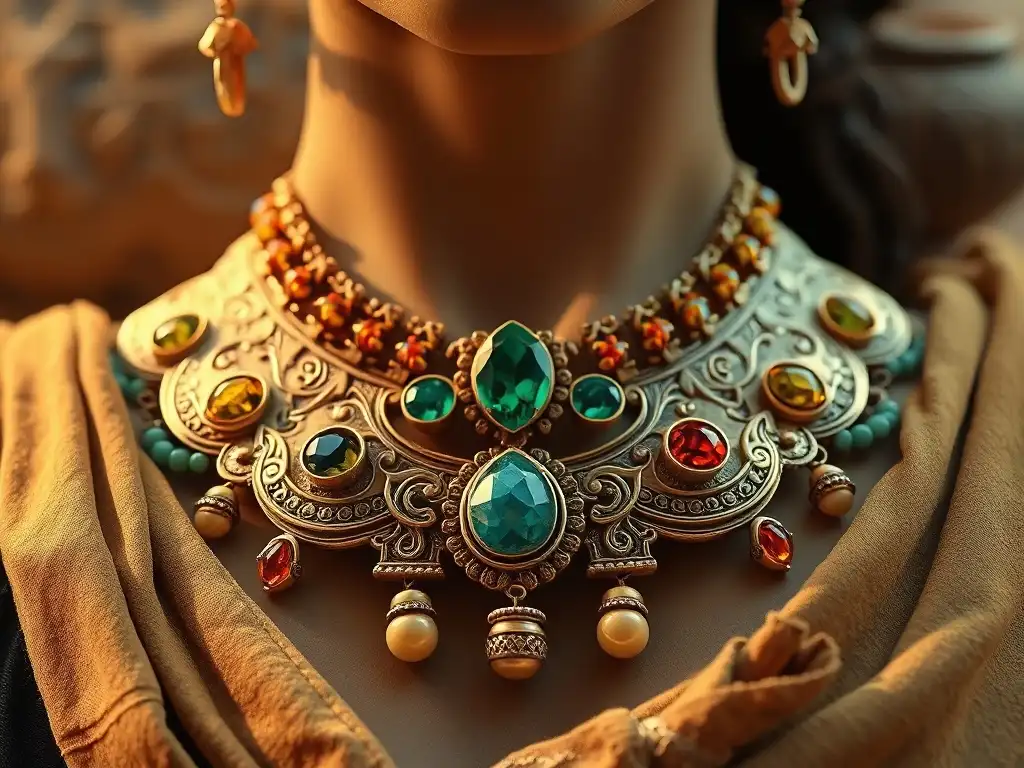
The Indus Valley Civilization, renowned for its sophisticated urban planning and advanced societal structures, also produced exquisite jewelry that reflects its artistic prowess. Jewelry from this era often served not just as adornment but also as a symbol of status and cultural identity.
Overview of Key Archaeological Discoveries
Archaeological sites such as Harappa and Mohenjo-Daro have yielded a plethora of jewelry artifacts, showcasing the craftsmanship of the Indus Valley artisans. Among the most notable discoveries:
- Bead Workshops: Evidence of bead-making workshops has been found in these ancient cities, indicating the importance of intricate beadwork in their jewelry. Beads made from semi-precious stones like carnelian, agate, and lapis lazuli were particularly prized.
- Gold and Silver Ornaments: The discovery of gold and silver jewelry, including bangles, earrings, and pendants, highlights the use of precious metals. These pieces were often adorned with detailed motifs that reflected the natural world and spiritual beliefs of the Indus people.
- Terracotta and Shell Jewelry: Artifacts made from terracotta and shells further illustrate the diversity of materials used in creating jewelry. Terracotta bangles and shell ornaments were common and showcased the artisans' ability to manipulate various materials.
Analysis of Specific Jewelry Pieces
Among the myriad of jewelry artifacts, some pieces stand out due to their complexity and craftsmanship:
- The Necklace of Gold and Carnelian Beads: This stunning piece features alternating gold and carnelian beads arranged in a meticulous pattern. The contrast between the warm tones of gold and the rich red of carnelian exemplifies the aesthetic sensibilities of the craftsmen.
- The Indus Valley Bangle: Often made of terracotta or metal, these bangles were not only decorative but also served as cultural markers, indicating marital status or social class. Many were intricately carved with geometric patterns, reflecting both artistry and symbolism.
- Earrings with Intricate Designs: The earrings discovered in various graves exhibit a fascinating blend of styles, often incorporating floral and fauna motifs, showing the artisans' connection to nature and their cultural beliefs.
Comparisons: Indus Valley Jewelry vs. Contemporary Jewelry
When comparing Indus Valley jewelry craftsmanship with contemporary practices, several similarities and differences emerge that highlight the evolution of jewelry design and production techniques.
Similarities in Craftsmanship Techniques
Both ancient and contemporary jewelry makers share a dedication to craftsmanship and detail. Key similarities include:
- Bead-Making Techniques: Just as Indus artisans painstakingly crafted beads from various materials, modern jewelers often employ similar techniques, utilizing both traditional and advanced methods in bead production.
- Use of Symbolism: Jewelry in both eras often carries significant meanings. For instance, motifs representing fertility, protection, and prosperity can be found in both Indus Valley pieces and contemporary designs, illustrating a continuity of cultural symbolism through jewelry.
Differences in Materials and Symbolism
Despite the similarities, stark differences exist between the two eras in terms of materials and the symbolism attached to jewelry:
- Materials Used: Indus Valley jewelry predominantly featured natural materials such as semi-precious stones, metals, and shells, while contemporary jewelry often incorporates synthetic materials, plastics, and innovative alloys that were not available to ancient artisans.
- Cultural Symbolism: The symbolism in Indus Valley jewelry was deeply intertwined with spiritual beliefs and societal structures, often reflecting the values and status of individuals within their community. In contrast, contemporary jewelry tends to be more individualistic and can be influenced by fashion trends, personal taste, and commercial influences, leading to a more varied interpretation of symbolism.
Conclusion: The Legacy of Indus Valley Jewelry Craftsmanship
The craftsmanship of jewelry from the Indus Valley Civilization stands as a remarkable testament to the artistic and technical capabilities of ancient Indian artisans. The intricate designs and innovative techniques employed by these early jewelers not only highlight their aesthetic sensibilities but also reflect the cultural and social dynamics of the time. The legacy of Indus Valley jewelry craftsmanship continues to influence contemporary jewelry design, serving as a source of inspiration for artisans and designers in India and beyond.
Through their use of materials such as gold, silver, semi-precious stones, and clay, Indus Valley craftsmen established standards of beauty and quality that resonate even today. The symbolic meanings attached to various motifs and designs, often inspired by nature and spirituality, have persisted through centuries, enriching the tapestry of Indian culture. As we explore this legacy, it becomes clear that the artistry of the Indus Valley is not merely a chapter in history; it is an enduring influence that connects the past with the present.
Lasting Impact on Indian Jewelry Traditions
The intricate designs of Indus Valley jewelry have had a profound and lasting impact on Indian jewelry traditions. The techniques and styles developed during this ancient era laid the groundwork for several subsequent jewelry-making practices across the Indian subcontinent.
- Symbolism and Motifs: Many of the motifs found in Indus jewelry, such as floral patterns and animal representations, continue to be prominent in Indian jewelry today. This continuity of design signifies a cultural thread that links ancient artisans to modern craftsmen.
- Materials and Techniques: The use of materials like beads and precious stones, along with techniques such as granulation and filigree work, can be traced back to the Indus Valley. These methods have evolved but remain central to the craftsmanship seen in contemporary Indian jewelry.
- Cultural Significance: Jewelry in ancient India served not only as adornment but also held social and religious significance, a concept that has endured. Modern jewelry still reflects personal identity and cultural heritage, echoing the values established by the Indus Valley artisans.
Preservation of Indus Jewelry Techniques in Modern Craftsmanship
The preservation of techniques from the Indus Valley period within modern craftsmanship is a fascinating aspect of cultural continuity. Although many ancient methods have transformed over time, several have been meticulously maintained or revived by artisans who recognize their historical importance.
- Artisan Communities: Various artisan communities across India have kept alive the skills and practices reminiscent of Indus Valley craftsmanship. These communities often engage in workshops and training programs to pass down their knowledge to younger generations.
- Cultural Revitalization: There has been a renewed interest in traditional crafts as part of a broader movement to celebrate and revitalize indigenous art forms. This cultural revitalization has encouraged artisans to adopt and adapt ancient techniques for modern needs.
- Integration in Contemporary Design: Modern jewelry designers frequently draw inspiration from Indus Valley craftsmanship, integrating traditional techniques into contemporary designs. This fusion not only honors the past but also contributes to the evolution of Indian jewelry as a whole.
References and Further Reading on Indus Valley Jewelry Craftsmanship
Suggested Books and Articles
- "The Indus Valley Civilization" by Rita Lucarelli - This book explores various aspects of the Indus Valley, including its art and craftsmanship, providing insights into the jewelry-making techniques of the time.
- "Jewels of the Indus: The Art of Ancient Indian Jewelry" by John Marshall: - A comprehensive study on the significance and evolution of jewelry in ancient India, with detailed analysis of Indus Valley pieces.
- "Crafting the Indus: Jewelry in Ancient India" by Aditi Sharma: - This article discusses the craftsmanship of jewelry in the Indus Valley and its influences on later periods in Indian history.
Online Resources for In-Depth Study
- The Archaeological Survey of India (ASI): Offers a wealth of information on archaeological findings, including details about the Indus Valley Civilization.
- The Metropolitan Museum of Art - The Collection: Features a digital collection where you can explore artifacts from the Indus Valley, including jewelry pieces that showcase craftsmanship.
- National Museum of India: Provides resources and virtual tours that include exhibitions on ancient Indian art and jewelry, emphasizing their historical context and significance.
These resources provide a solid foundation for anyone looking to delve deeper into the intricate world of Indus Valley jewelry craftsmanship and its enduring legacy.
- Introduction to Indus Valley Jewelry Craftsmanship
- Historical Context of Indus Valley Jewelry
- Materials and Techniques in Indus Jewelry Craftsmanship
- Symbolism and Design Elements in Indus Jewelry
- Notable Examples of Indus Valley Jewelry
- Comparisons: Indus Valley Jewelry vs. Contemporary Jewelry
- Conclusion: The Legacy of Indus Valley Jewelry Craftsmanship
- References and Further Reading on Indus Valley Jewelry Craftsmanship
- What is the significance of Indus Valley jewelry craftsmanship?
- What materials were commonly used in Indus Valley jewelry?
- How did Indus Valley jewelry influence later Indian art?
- What are some typical designs found in Indus Valley jewelry?
- How can we see the legacy of Indus Valley jewelry craftsmanship today?
Frequently Asked Questions
What is the significance of Indus Valley jewelry craftsmanship?
The Indus Valley jewelry craftsmanship is significant as it showcases the advanced techniques and artistic skills of ancient artisans, reflecting the cultural and social values of the civilization.
What materials were commonly used in Indus Valley jewelry?
Artisans in the Indus Valley primarily used materials such as gold, silver, semi-precious stones, and shells, demonstrating their access to diverse resources and trade networks.
How did Indus Valley jewelry influence later Indian art?
The intricate designs and techniques of Indus Valley jewelry laid the groundwork for subsequent artistic traditions, influencing styles and craftsmanship in later Indian civilizations, including the Gupta Empire.
What are some typical designs found in Indus Valley jewelry?
Typical designs include beaded necklaces, bangles, and earrings featuring motifs of animals, geometric patterns, and intricate filigree work, highlighting the artisans' creativity and technical prowess.
How can we see the legacy of Indus Valley jewelry craftsmanship today?
The legacy of Indus Valley jewelry craftsmanship persists in modern jewelry designs, where artisans continue to draw inspiration from ancient motifs and techniques, blending tradition with contemporary styles.
Final Reflection: The Enduring Legacy of Indus Valley Jewelry Craftsmanship
The intricate designs of Indus Valley jewelry craftsmanship resonate profoundly in today's world, reminding us of the timeless beauty and skill that transcends generations. As we explore the artistry of the past, we uncover not only the aesthetic values of an ancient civilization but also the cultural significance that continues to inspire contemporary artisans and collectors alike. The legacy of these exquisite pieces serves as a powerful reminder of our shared human experience and the universal language of creativity.
Craftsmanship is not merely a skill; it is a bridge connecting us to our history and heritage. The influence of Indus Valley jewelry craftsmanship can be seen in modern design, where artisans draw inspiration from these ancient motifs and techniques. This ongoing dialogue between past and present enriches our cultural landscape, encouraging us to appreciate the depth of artistry that has shaped our identities. Art is the most beautiful of all lies.
— Claude Debussy. This quote encapsulates the essence of how art, including jewelry, serves as a reflection of our values and aspirations, transcending time and space.
As we conclude our exploration of Indus Valley jewelry craftsmanship, I invite you to reflect on the artistry that surrounds you and consider how it informs your own life. Embrace the lessons of creativity, resilience, and cultural appreciation that these ancient designs impart.
Let the intricate patterns and stories woven into each piece inspire you to seek beauty in your everyday life and to honor the craftsmanship that connects us all. Take a moment to appreciate the artistry in your surroundings, and perhaps even create something that speaks to your own journey, carrying forward the legacy of those who came before us.
Unveil the Beauty of Indus Jewelry Today!
Thank you for exploring the fascinating world of Indus jewelry with us! Your interest in these intricate designs highlights the remarkable craftsmanship of ancient artisans. Now, let's take the next step to celebrate and share this rich history.
- Dive deeper: Visit local museums or cultural exhibitions to experience the beauty of Indus craftsmanship firsthand and learn through visual displays.
- Share your passion: Post a picture of your favorite piece of jewelry inspired by Indus designs on social media, and invite your friends to spread the love for ancient art!
- Join the conversation: Engage with our community by leaving a comment below — what aspect of Indus jewelry captivates you the most?
How can the art and stories of ancient jewelry influence your own style or creativity today?