
The Role of Sanskrit in India's Cultural Identity

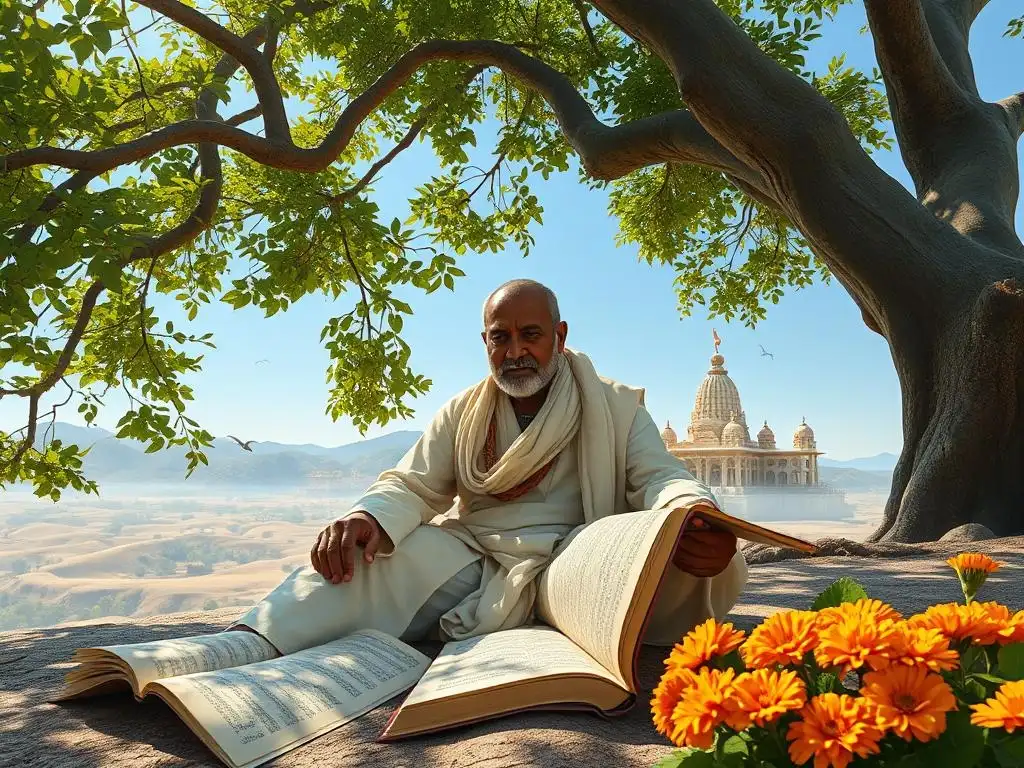
Welcome to Ancient India History, where we embark on a captivating journey through time, uncovering the rich tapestry of India's ancient civilizations. In this exploration, we delve into the profound impact of Sanskrit on Indian culture—a language that not only shaped the literary landscape but also forged the cultural identity of a nation. What secrets does this ancient tongue hold, and how has it influenced traditions, rituals, and philosophies that resonate even today?
Join us as we unravel the intricate threads of history and discover the pivotal role of Sanskrit in shaping India's cultural identity. Your adventure into the depths of ancient wisdom begins here!

Introduction to Sanskrit and Its Significance
Sanskrit, often hailed as the mother of many languages in the Indian subcontinent, plays a pivotal role in shaping India's cultural identity. This ancient language is not merely a means of communication; it embodies the philosophical, spiritual, and literary essence of Indian civilization. As we delve into Sanskrit's influence on Indian culture, we will explore its historical context, its profound impact on various aspects of Indian society, and the enduring legacy it has left on the cultural landscape of India.
Overview of Sanskrit as an Ancient Language
Sanskrit is one of the oldest languages in the world, with roots tracing back over 3,500 years. It belongs to the Indo-European family of languages and is characterized by its intricate grammar and rich vocabulary. Some key aspects include:
- Phonetics: Sanskrit's phonetic structure allows for a diverse range of sounds, contributing to its lyrical quality.
- Grammar: The grammatical framework of Sanskrit is highly systematic, with an extensive system of inflections and derivations, making it a precise medium for expressing complex ideas.
- Literature: The language is the foundation for a vast body of literature, including philosophical texts, poetry, and scientific treatises.
The significance of Sanskrit extends beyond its linguistic attributes; it is a vehicle for the transmission of knowledge and culture across generations.
Historical Context of Sanskrit in India
The historical trajectory of Sanskrit is deeply intertwined with the evolution of Indian civilization. It emerged during the Vedic period (approximately 1500-500 BCE), when it served as the language of the Vedas—sacred texts that laid the foundation for Hindu philosophy and practices. Over centuries, Sanskrit flourished through various dynasties, including:
- Maurya Empire: The spread of Buddhism and Jainism contributed to the proliferation of Sanskrit literature.
- Gupta Empire: Often referred to as the Golden Age of India, this period saw a remarkable revival of Sanskrit with classical poets such as Kalidasa and Bhasa.
Sanskrit’s journey through history reveals its adaptability and resilience, affirming its status as a cornerstone of Indian heritage.
Sanskrit's Influence on Indian Culture
Sanskrit's influence permeates various facets of Indian culture, shaping its philosophy, literature, and religious practices.
The Role of Sanskrit in Shaping Indian Philosophy
Sanskrit has been instrumental in articulating complex philosophical concepts. The language served as the medium for renowned philosophical schools, including:
- Advaita Vedanta: Non-dualistic interpretation of the Vedas.
- Nyaya: A school focused on logic and epistemology.
These schools produced profound texts that continue to inspire philosophical discourse in contemporary India.
Sanskrit and Its Impact on Indian Literature
The literary contributions in Sanskrit are vast, encompassing poetry, drama, and prose. Significant works include:
- Mahabharata and Ramayana: Epic narratives that explore moral dilemmas and the human condition.
- Sanskrit Drama: Works by playwrights like Kalidasa exemplify the aesthetic and emotional depth of Sanskrit literature.
The enduring relevance of these texts highlights how Sanskrit has enriched Indian literary traditions.
The Connection Between Sanskrit and Indian Religious Texts
Sanskrit is the primary language of numerous religious scriptures, including:
- The Vedas: The foundational texts of Hinduism.
- Upanishads: Philosophical treatises exploring the nature of reality and spirituality.
Through these texts, Sanskrit has facilitated the preservation and transmission of religious and spiritual knowledge, reinforcing its integral role in Indian culture.
As we continue to explore the multifaceted impact of Sanskrit, it becomes evident that this ancient language remains a vital element of India’s cultural identity, influencing a wide array of domains that shape the country’s narrative.
Evolution of the Sanskrit Language
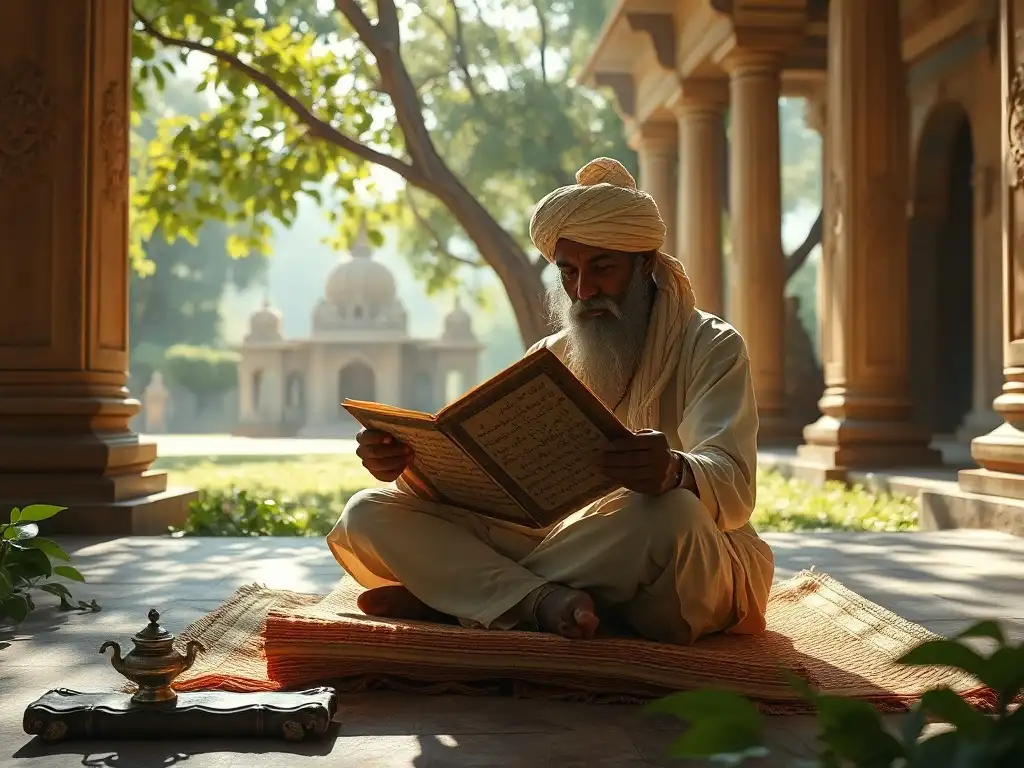
Sanskrit, one of the oldest languages known to humanity, has played a pivotal role in shaping the cultural identity of India. Its evolution can be traced back to the Vedic period, where it served as the language of the sacred texts and rituals. Over the centuries, Sanskrit has undergone significant transformations, reflecting the socio-political and cultural changes in Indian society. This evolution is not merely linguistic; it encompasses the philosophical, artistic, and scientific advancements of ancient India. As a result, Sanskrit has left an indelible mark on various aspects of Indian life, including religion, literature, and education.
Historical Development of Sanskrit
Sanskrit's historical development can be divided into three major phases:
- Vedic Sanskrit (c. 1500–500 BCE): This archaic form of Sanskrit is primarily found in the Vedas, the oldest scriptures of Hinduism. Characterized by its complex grammar and rich vocabulary, Vedic Sanskrit is steeped in spiritual and philosophical concepts. The language was primarily oral, used in rituals and hymns, and its preservation was ensured through rigorous memorization techniques.
- Classical Sanskrit (c. 500 BCE–1200 CE): Marking a transition from the Vedic form, Classical Sanskrit is noted for its refined grammar, codified by the grammarian Panini in his work, the Ashtadhyayi. This period saw the blossoming of Sanskrit literature, encompassing poetry, drama, and philosophical texts. Renowned works such as the Mahabharata, Ramayana, and the plays of Kalidasa emerged, showcasing the language's versatility and depth.
- Post-Classical Sanskrit (c. 1200 CE onward): Although the prominence of Sanskrit began to wane with the advent of regional languages and foreign influences, it continued to be used in scholarly and religious contexts. This period also saw attempts to revive Sanskrit through various movements, maintaining its significance in Indian culture.
The Transition from Vedic to Classical Sanskrit
The transition from Vedic to Classical Sanskrit marks a significant linguistic evolution that reflects broader cultural shifts in ancient India. Several factors contributed to this transformation:
- Grammatical Refinement: The codification of grammar by Panini introduced a systematic structure that simplified the complexities of Vedic Sanskrit, making it more accessible for literary and scholarly pursuits.
- Cultural Integration: As regional languages and dialects began to emerge, Classical Sanskrit absorbed influences from these vernaculars, enriching its vocabulary and stylistic expressions while retaining its core identity.
- Literary Expansion: The emergence of genres such as poetry and drama necessitated a more versatile language. Classical Sanskrit adapted to these needs, resulting in a dynamic literary tradition that appealed to a broader audience.
This transition illustrates the adaptability of Sanskrit, allowing it to evolve while still serving as a cornerstone of Indian cultural identity.
Preservation and Promotion of Sanskrit
The preservation and promotion of Sanskrit have become increasingly important in modern times, as awareness of its cultural significance has grown. Various initiatives have been undertaken to ensure that Sanskrit remains a living language and continues to influence Indian culture.
Institutions and Efforts for Sanskrit Education
Numerous institutions and organizations have been established to promote Sanskrit education across India and beyond. Some notable efforts include:
- Sanskrit Universities: Institutions such as the Sampurnanand Sanskrit University and Banaras Hindu University offer specialized programs in Sanskrit, attracting students and scholars interested in its rich heritage.
- Cultural Organizations: Groups like the Sanskrit Bharati and Rashtriya Sanskrit Sansthan work to promote Sanskrit through workshops, seminars, and community programs, engaging various demographics in learning and appreciating the language.
- Curriculum Integration: Efforts to incorporate Sanskrit into school curricula have gained traction, ensuring that younger generations develop an understanding and appreciation of this ancient language.
These initiatives not only aim to preserve Sanskrit but also to foster a sense of pride in India's linguistic heritage.
The Role of Modern Technology in Reviving Sanskrit
Modern technology has played a crucial role in reviving interest in Sanskrit, making it more accessible to a global audience. Key developments include:
- Online Learning Platforms: Websites and mobile applications offer courses in Sanskrit, allowing learners of all backgrounds to engage with the language conveniently. This online accessibility has expanded the reach of Sanskrit education beyond geographical boundaries.
- Digital Resources: The digitization of ancient texts and manuscripts has made a wealth of knowledge available to scholars and enthusiasts. Projects aimed at archiving Sanskrit literature online facilitate research and promote scholarly collaboration.
- Social Media and Community Engagement: Social media platforms have emerged as spaces for Sanskrit enthusiasts to connect, share resources, and discuss various aspects of the language and its literature. This digital community fosters a sense of belonging and encourages collective learning.
The intersection of tradition and technology is pivotal in the ongoing efforts to revive and promote Sanskrit, ensuring its relevance in contemporary society while honoring its historical significance.
Challenges Facing Sanskrit Today
Despite its historical significance and rich heritage, Sanskrit faces numerous challenges in the modern era. The decline of traditional educational systems, changing linguistic preferences, and a general shift towards more widely spoken languages like Hindi and English have contributed to the erosion of Sanskrit's prominence. This decline not only affects the language itself but also the profound cultural, philosophical, and literary traditions it embodies.
Decline in Usage and Knowledge of Sanskrit
The decline in usage and knowledge of Sanskrit can be attributed to several factors. Primarily, the language has become largely confined to academic and religious contexts. While it is still taught in some schools and universities, the number of fluent speakers has dwindled significantly. The younger generations often view Sanskrit as an archaic language with limited practical applications, leading to a lack of interest in learning it. Furthermore, the disconnection from daily communication has rendered Sanskrit less relevant in contemporary society, making it harder to sustain its usage among the masses.
Efforts to Combat the Erosion of Sanskrit Heritage
To combat the erosion of Sanskrit, various initiatives have emerged. Organizations and institutions are working tirelessly to promote the language through:
- Educational Programs: Schools, colleges, and universities are introducing Sanskrit courses, encouraging students to learn the language.
- Cultural Events: Festivals and cultural events celebrate Sanskrit literature, music, and dance, fostering a renewed interest in its rich heritage.
- Digital Resources: The creation of online platforms, apps, and courses aims to make learning Sanskrit more accessible and engaging for the tech-savvy youth.
- Community Engagement: Local communities are organizing workshops and discussions to emphasize the language's importance and applicability in various fields.
These combined efforts reflect a growing recognition of Sanskrit's value and the desire to preserve its legacy.
Conclusion: The Lasting Legacy of Sanskrit in Indian Identity
Sanskrit's influence on Indian culture is undeniably significant, woven into the very fabric of the nation's identity. The language has not only shaped ancient texts and scriptures but has also influenced various aspects of Indian philosophy, spirituality, and literature. As a classical language, it serves as a touchstone for many cultural practices and traditions that continue to thrive today.
The Relevance of Sanskrit in Contemporary Indian Culture
In contemporary India, Sanskrit holds relevance through its connection to various cultural and religious practices. Many Hindu rituals, chants, and mantras are performed in Sanskrit, reinforcing its importance in spiritual life. Additionally, the resurgence of interest in yoga and Ayurveda often involves Sanskrit terminology, linking these practices back to their ancient roots. The language also finds its way into modern art and literature, inspiring new generations of artists and writers to explore its depths and nuances.
Future Prospects for Sanskrit and Its Cultural Impact
Looking ahead, the future prospects for Sanskrit and its cultural impact depend on sustained efforts to revitalize the language. As global interest in ancient cultures and philosophies grows, there is potential for Sanskrit to regain prominence. Collaborative initiatives involving educational institutions, cultural organizations, and technology can create a robust ecosystem for learning and using Sanskrit. By fostering an appreciation for its historical significance and contemporary applications, Sanskrit can continue to play a vital role in shaping India's cultural identity for generations to come.
- Introduction to Sanskrit and Its Significance
- Overview of Sanskrit as an Ancient Language
- Historical Context of Sanskrit in India
- Sanskrit's Influence on Indian Culture
- Evolution of the Sanskrit Language
- Preservation and Promotion of Sanskrit
- Challenges Facing Sanskrit Today
- Conclusion: The Lasting Legacy of Sanskrit in Indian Identity
- What is the significance of Sanskrit in ancient Indian civilizations?
- How has Sanskrit influenced modern Indian languages?
- What are some key texts written in Sanskrit?
- In what ways does Sanskrit contribute to Indian culture today?
- Why is Sanskrit's influence considered vital for understanding Indian culture?
Frequently Asked Questions
What is the significance of Sanskrit in ancient Indian civilizations?
Sanskrit is considered the mother of many Indian languages and has played a crucial role in shaping literature, philosophy, and religious texts in ancient India.
How has Sanskrit influenced modern Indian languages?
Many modern Indian languages derive a substantial amount of their vocabulary and grammar from Sanskrit, making it a cornerstone of linguistic heritage in India.
What are some key texts written in Sanskrit?
Sanskrit is the language of important texts such as the Vedas, Upanishads, and epic poems like the Mahabharata and Ramayana, which are foundational to Indian culture and philosophy.
In what ways does Sanskrit contribute to Indian culture today?
Sanskrit continues to influence rituals, ceremonies, and arts in contemporary India, reinforcing its importance in maintaining cultural identity and heritage.
Why is Sanskrit's influence considered vital for understanding Indian culture?
Understanding Sanskrit allows one to appreciate the philosophical depth, spiritual traditions, and artistic expressions that have shaped Indian culture over millennia, showcasing its rich historical legacy.
Final Reflection: Embracing Sanskrit's Enduring Legacy
Sanskrit's influence on Indian culture is not merely a historical footnote; it is a living testament to the resilience and richness of India's cultural identity. In today's rapidly globalizing world, where languages and traditions often fade into obscurity, the revival and appreciation of Sanskrit remind us of the importance of our roots. This ancient language serves as a bridge connecting generations, embodying the wisdom and philosophies that have shaped Indian society for millennia.
The impact of Sanskrit transcends linguistic boundaries, influencing art, literature, philosophy, and spirituality across the globe. As we navigate the complexities of modern life, the teachings embedded in Sanskrit texts continue to resonate, offering insights into ethics, harmony, and the interconnectedness of all beings. Language is the road map of a culture. It tells you where its people come from and where they are going.
– Rita Mae Brown. This ongoing relevance highlights the need to cherish and promote our cultural heritage, ensuring that the essence of Sanskrit remains vibrant in contemporary discourse.
As we reflect on the profound lessons of Sanskrit, let us commit to nurturing this invaluable heritage in our own lives. Take a moment to explore the beauty of Sanskrit, whether through learning its intricacies, engaging with its literature, or simply appreciating its role in shaping our cultural landscape. By doing so, we not only honor our past but also empower future generations to embrace their identity with pride and understanding.
Embrace the Essence of Sanskrit in Your Life!
Thank you for taking the time to explore the profound impact of Sanskrit on India’s rich cultural identity. By diving into this vibrant language, you've unlocked a deeper understanding of tradition, philosophy, and heritage. Now, let's transform that knowledge into action!
Here are a few ways you can actively connect with the beauty of Sanskrit:
- Engage with Online Sanskrit Courses: Enroll in a beginner's course to start learning a language that has shaped India's diverse cultures.
- Read Sanskrit Literature or Translations: Discover the timeless works of poets and philosophers; your journey through these texts can bring new insights and appreciation!
- Share Your Knowledge: Discuss what you've learned with friends or family, or even start a blog to share your passion for Sanskrit and its cultural significance.
What new aspect of Sanskrit most excites you, and how will you incorporate it into your daily life?