
Ancient Inscriptions as Historical Evidence: What They Reveal About India’s Past


Welcome to Ancient India History, where we embark on a fascinating journey through the rich tapestry of ancient Indian civilizations. In our featured article, “Ancient Inscriptions as Historical Evidence: What They Reveal About India’s Past,” we delve into the significance of ancient Indian inscriptions—the silent narrators of our heritage. What secrets do these inscriptions hold about our ancestors and their cultures? Join us as we uncover the stories etched in stone, illuminating the profound impact of language and scripts on our understanding of history. Prepare to be captivated and inspired as we explore the depths of India's ancient past!
Ancient inscriptions serve as vital historical evidence that offers a window into the rich tapestry of India's past. These inscriptions, which date back thousands of years, are not merely words etched on stone or clay; they are the echoes of ancient civilizations, reflecting their beliefs, social structures, and cultural practices. From the sophisticated urban planning of the Indus Valley Civilization to the philosophical musings of the Gupta Empire, each inscription provides significant insights into the evolution of Indian society, language, and governance.
The significance of ancient Indian inscriptions extends beyond their literal meanings. They serve as crucial artifacts that help historians, archaeologists, and linguists piece together the complex puzzle of India's historical narrative. By understanding the content, context, and craftsmanship of these inscriptions, we gain a deeper appreciation of the diverse cultures that flourished in ancient India. This article delves into the various dimensions of ancient Indian inscriptions, exploring their significance and what they reveal about the civilizations that produced them.
The Role of Inscriptions in Understanding Ancient Indian History
The study of ancient Indian inscriptions is foundational to comprehending the historical timeline of the subcontinent. These inscriptions reveal essential information about:
- Political Structures: Many inscriptions document royal edicts, territorial claims, and administrative practices, providing insight into the governance of ancient kingdoms.
- Cultural Practices: Inscriptions often commemorate religious rituals, festivals, and societal norms, illustrating the cultural richness of different regions.
- Economic Activities: References to trade, agriculture, and taxation reveal the economic frameworks that supported ancient societies.
Through careful analysis, researchers can reconstruct historical events and understand the interconnectedness of various regions and cultures.
Key Inscriptions and Their Contributions to Historical Knowledge
Several significant inscriptions stand out in the study of ancient Indian history:
- The Edicts of Ashoka: These inscriptions, carved during the reign of Emperor Ashoka in the 3rd century BCE, emphasize the principles of dharma and non-violence, showcasing the moral governance of one of India's most renowned rulers.
- The Brahmi Script Inscriptions: The Brahmi script, one of the earliest writing systems in India, provides insights into the linguistic evolution and administrative practices of the time.
- The Gupta Inscriptions: Inscribed during the Gupta Empire, these documents reflect the advancements in art, literature, and science, indicating a period of cultural renaissance.
Each of these inscriptions plays a crucial role in illuminating the historical narrative of ancient India.
Challenges in Interpreting Ancient Inscriptions
Interpreting ancient inscriptions poses several challenges, including:
- Language Evolution: The changing nature of languages over centuries can complicate the translation and understanding of inscriptions.
- Contextual Ambiguity: Many inscriptions lack contextual information, making it difficult to ascertain their exact significance or purpose.
- Preservation Issues: The deterioration of materials over time can result in incomplete or damaged inscriptions, hindering accurate analysis.
Despite these challenges, ongoing research and technological advancements continue to enhance our understanding of these invaluable historical resources.
Conclusion
Ancient Indian inscriptions hold immense significance as historical evidence that sheds light on India’s diverse past. By exploring their content and context, we can appreciate the cultural, political, and economic intricacies of ancient civilizations. As the field of epigraphy evolves, it promises to unveil even more about the rich history encapsulated within these ancient texts. Understanding the ancient Indian inscriptions significance not only enriches our knowledge of the past but also inspires a deeper connection to the heritage of India.
- The Role of Inscriptions in Understanding Ancient Indian History
- Key Inscriptions and Their Contributions to Historical Knowledge
- Challenges in Interpreting Ancient Inscriptions
- Conclusion
Introduction to Ancient Indian Inscriptions
Ancient Indian inscriptions serve as a vital link to the past, providing invaluable insights into the civilizations that flourished in the Indian subcontinent. These inscriptions are not merely markings on stone or metal; they encapsulate the thoughts, beliefs, and governance of ancient societies. From the Indus Valley Civilization to the Gupta Empire, these written records help us piece together the complex tapestry of India's historical narrative.
Definition of Ancient Indian Inscriptions
Ancient Indian inscriptions refer to written records carved or engraved on durable materials such as stone, metal, or pottery. The inscriptions often include a variety of scripts, including Brahmi, Kharosthi, and Tamil-Brahmi, reflecting the linguistic diversity of ancient India. These texts can range from royal edicts and religious dedications to personal memorials and administrative documents.
- Key Characteristics:
- Materials Used: Primarily stone, copper plates, and clay.
- Languages and Scripts: Diverse languages like Sanskrit, Prakrit, and Tamil, written in various scripts.
- Content Variety: Includes decrees, religious texts, and personal inscriptions.
Overview of Historical Significance
The significance of ancient Indian inscriptions lies in their ability to provide concrete evidence of historical events, social structures, and cultural practices. They serve multiple purposes, including:
- Documentation of Events: Many inscriptions chronicle important events, such as battles, treaties, and the reigns of kings.
- Cultural Insights: Inscriptions often reflect the cultural and religious practices of their time, offering glimpses into the daily lives of ancient peoples.
- Political Authority: Royal edicts reveal the authority of rulers, their policies, and their administrative practices.
- Linguistic Evolution: The evolution of scripts and languages can be traced through these inscriptions, illustrating the linguistic heritage of the region.
| Aspect | Significance |
|---|---|
| Documentation | Chronicles significant historical events and leadership changes. |
| Cultural Insights | Provides information about religious practices, art, and societal norms. |
| Political Authority | Highlights governance, laws, and decrees issued by rulers. |
| Linguistic Evolution | Shows the development and variations of languages and scripts over time. |
The Role of Inscriptions in Understanding Ancient Civilizations
Inscriptions are indispensable in unraveling the complexities of ancient Indian civilizations. They enable historians and archaeologists to:
- Establish Chronology: By dating inscriptions, researchers can create timelines that help contextualize events within broader historical narratives.
- Interpret Social Hierarchies: Many inscriptions reference social classes, occupational groups, and caste systems, offering insights into the socio-economic structure of ancient societies.
- Uncover Religious Practices: Inscriptions often contain references to deities and rituals, shedding light on the spiritual life of the people.
- Facilitate Cross-Cultural Studies: Comparing inscriptions from different regions and periods enables scholars to understand influences and exchanges between various cultures.
Through meticulous study, ancient Indian inscriptions reveal a multifaceted view of history, showcasing the richness of India's past and its enduring legacy. They are not just artifacts; they are keys to understanding the very foundations of Indian civilization.
The Evolution of Script in Ancient India
The evolution of script in ancient India is a fascinating journey that showcases the development of communication and record-keeping across various civilizations. From the intricate symbols of the Indus Valley to the elegant scripts of the Gupta period, ancient Indian inscriptions hold significant clues about the cultural and historical contexts in which they were created. This section delves into the early scripts, the major scripts that emerged throughout history, and how language influenced inscriptions in ancient India.
Early Scripts and Their Development
The earliest form of writing in ancient India can be traced back to the Indus Valley Civilization (circa 2500-1900 BCE). The Indus script, characterized by its pictographic symbols, remains undeciphered, yet it provides insight into the complexity of the society that produced it. Scholars estimate that this script comprises about 400 distinct symbols, used primarily for trade and administrative purposes.
Following the decline of the Indus Valley Civilization, the Brahmi script emerged around the 3rd century BCE. The Brahmi script is notable for being one of the earliest writing systems in India and is considered the precursor to many modern Indian scripts. It was used extensively during the reign of Emperor Ashoka, whose inscriptions—etched on rocks and pillars—serve as a vital source of historical evidence.
The development of scripts in ancient India was not linear; rather, it was influenced by various factors, including trade, cultural exchange, and the spread of religions like Buddhism and Jainism. For instance, the Kharosthi script, which appeared around the same time as Brahmi, was used primarily in the northwestern regions of India and is closely associated with the Buddhist texts.
Major Ancient Scripts Used in India
Several ancient scripts shaped the written heritage of India, each contributing to the cultural and linguistic diversity we observe today. Below are some of the major scripts:
- Brahmi Script:
- Time Period: 3rd century BCE onwards
- Significance: Considered the mother of most Indian scripts, including Devanagari, Tamil, and others. It is crucial for understanding early Indian languages and inscriptions.
- Kharosthi Script:
- Time Period: 3rd century BCE to 4th century CE
- Significance: Primarily used in the northwest, Kharosthi was employed for writing Prakrit and Sanskrit texts, particularly in Buddhist literature.
- Tamil-Brahmi:
- Time Period: 3rd century BCE
- Significance: An adaptation of Brahmi, used to write the Tamil language. It marks the beginning of written Tamil literature.
- Siddham Script:
- Time Period: 7th century CE onwards
- Significance: Used mainly for writing Sanskrit and Buddhist texts, it played a vital role in the spread of Buddhism to East Asia.
- Nagari Script:
- Time Period: 7th century CE onwards
- Significance: The precursor to the modern Devanagari script used for Hindi, Sanskrit, and several other languages today.
These scripts not only reflect the linguistic diversity of ancient India but also illustrate the rich tapestry of cultural interactions that shaped the subcontinent's history.
Influence of Language on Inscriptions
Language played a pivotal role in the production and interpretation of ancient inscriptions in India. The choice of language often reflected the socio-political context and audience of the time. For instance, Prakrit was commonly used in inscriptions related to Buddhism, as it was the vernacular language understood by the masses. In contrast, Sanskrit inscriptions were typically reserved for religious and royal proclamations, showcasing the elevated status of the language.
Key Influences:
- Royal Patronage: Kings often commissioned inscriptions in specific languages to demonstrate power and cultural affiliation. For example, Emperor Ashoka's use of both Prakrit and Greek in his edicts illustrates his aim to communicate effectively with diverse populations within his empire.
- Cultural Exchange: The influx of traders and travelers from different regions contributed to the linguistic landscape of ancient India. This exchange led to the adoption of various scripts and languages, seen in inscriptions that mix local dialects with foreign influences.
- Religious Context: Inscriptions often served to promote religious ideologies. For instance, many Hindu temples featured inscriptions in Sanskrit, while Buddhist sites frequently utilized Prakrit to reach a broader audience.
The significance of ancient Indian inscriptions lies not only in their content but also in their linguistic diversity, which mirrors the complex history of interactions among different cultures and societies in ancient India. Understanding these inscriptions provides invaluable insights into the past, enhancing our appreciation of India's rich heritage.
Types of Ancient Indian Inscriptions
Ancient Indian inscriptions serve as a vital resource for historians and archaeologists, offering valuable insights into the socio-political, economic, and cultural fabric of ancient civilizations. These inscriptions, etched into various materials, provide a tangible link to the past and reveal the significance of language and communication in ancient India. They can be categorized into several types based on their medium, each offering unique perspectives on historical contexts.
Stone Inscriptions: Their Durability and Importance
Stone inscriptions represent one of the most enduring forms of ancient Indian writing. Crafted from a variety of stones such as granite, basalt, and sandstone, these inscriptions have survived the ravages of time due to their durable nature.
- Historical Significance:
- Stone inscriptions often commemorate significant events, such as royal edicts, territorial conquests, or religious dedications.
- The Ashoka Edicts, for example, are a collection of inscriptions by Emperor Ashoka, which not only document his policies but also promote the principles of Buddhism.
- Cultural Insights:
- They provide insights into the languages used during different periods, such as Brahmi and Kharosthi, reflecting linguistic evolution.
- The use of different scripts in stone inscriptions indicates the multicultural nature of ancient Indian society.
- Examples:
- The Junagadh Rock Edicts and the Brahmagiri Inscriptions are notable examples that shed light on the political and religious ideologies of their time.
Copper Plate Inscriptions: Historical Context
Copper plate inscriptions emerged as a significant medium during the later periods of ancient India, particularly from the Gupta period onward.
- Characteristics:
- These inscriptions are often found on thin sheets of copper, making them more portable than stone inscriptions.
- They were typically used for administrative purposes, such as land grants and donations to temples.
- Historical Context:
- Copper plate inscriptions are invaluable for understanding land ownership and the socio-economic structure of ancient Indian society.
- The Brahmapuri Copper Plates, for instance, provide insights into the land grant system under the Gupta Empire, illustrating the relationship between rulers and local elites.
- Significance:
- The inscriptions not only reflect administrative practices but also highlight the importance of patronage in religion and culture.
- They often contain genealogical records, offering a glimpse into the lineage and power dynamics of ruling families.
Pottery and Seal Inscriptions: Insights into Daily Life
In addition to stone and copper inscriptions, pottery and seal inscriptions offer a unique perspective on the daily life and economic activities of ancient Indian civilizations.
- Materiality:
- These inscriptions are typically found on pottery shards and seals made from clay or terracotta, often used for trade and administrative purposes.
- The Indus Valley Civilization, for example, is renowned for its seals, which often feature animal motifs and script, indicating trade practices and possibly religious beliefs.
- Cultural Insights:
- The inscriptions on pottery provide valuable information about domestic life, including cooking practices, storage methods, and artistic expressions.
- Seals, on the other hand, reveal insights into trade networks and the economic conditions of the time.
- Examples:
- The Harappan seals, featuring unique symbols and inscriptions, are critical for understanding the commerce and cultural exchanges that took place during the Indus Valley period.
Ancient Indian inscriptions, whether carved in stone, etched on copper plates, or stamped on pottery, are indispensable to the study of history. They illuminate the complexities of ancient societies, revealing the significance of language and communication as fundamental aspects of human civilization. Through these inscriptions, we gain a deeper appreciation of the rich tapestry that constitutes ancient Indian history.
Ancient Indian Inscriptions Significance
How Inscriptions Serve as Historical Evidence
Ancient Indian inscriptions are invaluable sources of information that provide insights into various aspects of civilization from prehistoric times to the early medieval period. These inscriptions, often etched on stone, metal, and pottery, serve as crucial historical evidence that helps historians and archaeologists reconstruct the socio-political and cultural landscapes of ancient India.
- Chronological Framework: Inscriptions often include dates, rulers' names, and significant events. This chronological information allows researchers to create timelines of historical events and understand the sequence of dynasties and their contributions.
- Primary Sources: Unlike secondary historical texts, inscriptions are primary sources that offer direct evidence of past societies. They often reflect the perspectives and realities of those who lived during the time, providing authenticity to historical narratives.
- Cultural Insights: Inscriptions frequently contain religious texts, poetic verses, and epics, which reveal the beliefs, practices, and cultural values of ancient Indian societies. They help in understanding the evolution of languages, scripts, and literary traditions.
- Preservation of Knowledge: Many inscriptions articulate philosophical thoughts, legal codes, and scientific knowledge. For example, the Ashoka Edicts not only propagate Buddhist teachings but also outline administrative practices, showcasing the governance philosophy of the time.
Revealing Political Structures and Governance
The political significance of ancient Indian inscriptions cannot be overstated. They provide critical insights into the governance systems, administrative frameworks, and power dynamics of the time.
- Royal Decrees and Edicts: Inscriptions, such as those from the Mauryan and Gupta periods, often document royal edicts and decrees that outline laws, tax regulations, and administrative orders. These documents reveal the extent of monarchical power and the bureaucratic systems in place.
- Dynastic Information: Many inscriptions detail the lineage of rulers, territorial expansions, and conquests. For instance, the Pratihara inscriptions provide insights into the dynastic claims of power and territorial control in North India.
- Local Governance: Inscriptions can also shed light on local governance structures. They often refer to village councils, local leaders, and specific administrative practices, indicating how power was distributed at various levels of society.
- Military Campaigns: Inscriptions frequently commemorate military victories, serving as a record of territorial conquests and the political ambitions of rulers. These records help reconstruct the historical context of warfare and alliances in ancient India.
Insights into Economic Activities and Trade
Ancient Indian inscriptions offer a wealth of information regarding economic activities, trade practices, and commercial relationships, providing a comprehensive view of the economic landscape of the time.
- Trade Routes and Markets: Inscriptions often reference trade routes, marketplaces, and economic centers. For example, inscriptions from the Silk Road era reveal significant trade exchanges between India and other regions, highlighting the diversity and richness of ancient trade networks.
- Economic Regulations: Many inscriptions document trade regulations, weights and measures, and taxation practices. Understanding these regulations helps historians gauge the level of economic sophistication and the organization of trade.
- Agricultural Practices: Inscriptions can contain references to agricultural yields, irrigation systems, and land ownership. This information is crucial for understanding the agrarian economy and its role in the sustenance of ancient Indian societies.
- Cultural Exchanges: The economic interactions documented in inscriptions often reflect cultural exchanges as well. These inscriptions can indicate how trade not only facilitated commerce but also allowed for the exchange of ideas, technologies, and cultural practices across regions.
The significance of ancient Indian inscriptions lies in their ability to unveil the complexities of political, economic, and cultural life in ancient India. Through meticulous study of these inscriptions, we gain profound insights into the formation and evolution of one of the world's oldest civilizations.
Notable Ancient Indian Inscriptions
Ancient Indian inscriptions serve as invaluable sources of historical evidence, shedding light on the socio-political, cultural, and religious dynamics of India's past. These inscriptions, etched into stone, metal, and other materials, provide insights that are crucial for understanding the evolution of Indian civilization. Below, we explore three notable inscriptions that have had a profound impact on our comprehension of ancient India.
The Ashoka Edicts: A Testament to Governance
The Ashoka Edicts, a collection of inscriptions attributed to Emperor Ashoka, who ruled from 268 to 232 BCE, are among the most significant artifacts of ancient Indian history. Carved on rocks and pillars throughout his empire, these edicts articulate Ashoka's principles of governance, morality, and social welfare.
- Moral Philosophy: The edicts promote values such as non-violence (ahimsa), compassion, and dharma (righteousness), reflecting Ashoka’s commitment to ethical leadership.
- Administrative Practices: They reveal details about the administrative structure of the Mauryan Empire, including the roles of officials and the importance of local governance.
- Spread of Buddhism: The inscriptions also highlight Ashoka's role in the dissemination of Buddhism, encouraging the establishment of monasteries and the promotion of Buddhist values across his realm.
The edicts demonstrate Ashoka's vision of a unified and morally guided society, influencing governance models in subsequent Indian states.
The Allahabad Pillar Inscription: Historical Context and Importance
The Allahabad Pillar Inscription, dating to the reign of Samudragupta (circa 335-375 CE), is a critical document for understanding the political landscape of the Gupta Empire. This inscription is notable for several reasons:
- Military Achievements: It commemorates Samudragupta's military conquests, detailing his campaigns and victories over numerous kingdoms, which were instrumental in expanding Gupta influence.
- Cultural Integration: The inscription highlights the cultural assimilation strategies employed by Samudragupta, showcasing how he integrated diverse regions into the Gupta fold.
- Political Philosophy: It serves as an early example of the articulation of royal ideology, emphasizing the king’s role as a protector and patron of arts and culture.
| Key Aspects | Details |
|---|---|
| Period | Gupta Empire (c. 335-375 CE) |
| Location | Allahabad |
| Significance | Military and cultural achievements of Samudragupta |
The Junagadh Rock Edicts: Insights into Regional History
The Junagadh Rock Edicts, inscribed during the reign of Emperor Ashoka, are notable for their regional significance. Located in present-day Gujarat, these edicts provide insights into the local governance and cultural practices of the time.
- Cultural Diversity: The edicts reflect the diversity of the region, addressing various communities and their unique customs, which underscores the inclusivity of Ashoka's rule.
- Local Administration: They offer a glimpse into the local administrative practices, revealing how Ashoka’s policies were implemented at the regional level.
- Religious Tolerance: The inscriptions emphasize the importance of religious tolerance, showcasing Ashoka’s approach to governance that respected various beliefs and practices.
The Junagadh Rock Edicts illustrate how Ashoka's policies transcended regional boundaries, fostering a sense of unity among diverse groups.
The significance of ancient Indian inscriptions cannot be overstated. They are not merely relics; they are windows into the governance, culture, and societal values of ancient India. Each inscription contributes to a larger narrative that helps us understand the complexities of India's historical journey.
Deciphering Ancient Inscriptions
Ancient Indian inscriptions serve as vital historical evidence that provides insights into the socio-political, economic, and cultural fabric of Indian civilizations. From the early scripts of the Indus Valley to the edicts of the Mauryan Empire, these inscriptions are critical for understanding the evolution of language, governance, and societal norms in ancient India. Their significance lies not only in the content they convey but also in the techniques used to decipher them and the challenges faced by scholars in interpreting their meanings.
Techniques Used in the Study of Inscriptions
The study of ancient Indian inscriptions involves various techniques that have evolved over time as scholars have sought to unlock the secrets of these historical records. Here are some of the primary methods utilized:
-
Paleography:
Paleography is the study of ancient handwriting and scripts. By analyzing the style, form, and evolution of characters, scholars can date inscriptions and contextualize them within historical timelines. For example, the Brahmi script, widely used in ancient India, has distinct characteristics that help differentiate it from later scripts.
-
Epigraphy:
This technique specifically focuses on the inscriptions themselves. Epigraphists meticulously examine the physical aspects of inscriptions, such as the material used (stone, metal, etc. ), the tools employed for carving, and the placement of the inscriptions. This examination can reveal much about the technological capabilities of the time.
-
Linguistic Analysis:
Linguistic analysis involves studying the language used in inscriptions. By comparing the language with known ancient texts, linguists can reconstruct meanings and determine the socio-linguistic context. This is particularly significant in deciphering regional variations and influences over time.
-
Digital Technology:
Modern technology plays a crucial role in the study of inscriptions. Techniques such as 3D scanning, digital imaging, and machine learning algorithms help enhance the visibility of worn inscriptions and allow for more detailed analysis. This technological advancement has led to breakthroughs in understanding previously indecipherable texts.
Challenges in Interpreting Ancient Scripts
Despite the advances in techniques, interpreting ancient Indian inscriptions is fraught with challenges. The following hurdles are commonly encountered:
-
Erosion and Damage:
Many inscriptions have suffered from natural erosion, vandalism, or unintentional damage over centuries. This degradation can make portions of the text illegible, complicating the process of interpretation.
-
Language Evolution:
The evolution of language over millennia poses a significant challenge. Words and phrases used in inscriptions may have changed in meaning or usage, requiring scholars to have a deep understanding of historical linguistics.
-
Contextual Ambiguity:
Inscriptional context is critical for accurate interpretation. Without sufficient archaeological context, inscriptions can be misinterpreted. For example, an inscription that appears to commemorate a king may actually reference a local deity when considered within its archaeological setting.
-
Cultural Nuances:
Ancient Indian societies had complex cultural and religious frameworks. Understanding these nuances is crucial for interpreting inscriptions correctly. Scholars must be knowledgeable about the historical and cultural background to avoid anachronisms or misinterpretations.
The Role of Archaeology in Understanding Inscriptions
Archaeology plays a pivotal role in providing context to ancient inscriptions, enhancing our understanding of their significance and purpose. Here are some key aspects of this relationship:
-
Contextual Discovery:
Archaeological excavations often lead to the discovery of inscriptions in situ (in their original place). This contextual information is invaluable for understanding the purpose of the inscription, whether it served as a religious offering, a royal decree, or a marker of territory.
-
Interdisciplinary Insights:
The collaboration between archaeologists and epigraphists has led to a more comprehensive understanding of ancient Indian societies. By combining archaeological findings with textual evidence from inscriptions, researchers can construct a more complete picture of daily life, politics, and religion.
-
Cultural Artifacts:
Inscriptions are often found alongside other cultural artifacts, such as pottery, tools, and sculptures. These artifacts can provide insights into the technological capabilities and artistic expressions of the period, allowing for a deeper understanding of the societal context.
-
Chronological Framework:
Archaeology helps establish a chronological framework for inscriptions. Stratigraphy and dating methods can be employed to ascertain when an inscription was created, which is essential for understanding its historical context.
The significance of ancient Indian inscriptions transcends their textual content. Through various techniques, scholars face challenges that require a multi-faceted approach, heavily supported by archaeological evidence. Together, these elements help unlock the rich and diverse history of ancient Indian civilizations, revealing the profound contributions they made to human civilization.
Case Studies on Inscriptions and Their Findings

Examination of the Indus Valley Inscriptions
The Indus Valley Civilization (IVC), one of the world's earliest urban cultures, flourished between 3300 and 1300 BCE in what is now Pakistan and northwest India. Among its many contributions, the inscriptions found at sites like Harappa and Mohenjo-Daro offer critical insights into their society, economy, and possibly their language.
Key Features of Indus Valley Inscriptions
- Script and Symbols: The Indus script, consisting of approximately 400 unique symbols, remains undeciphered. This script is primarily found on seals, pottery, and terracotta objects.
- Material: Most inscriptions are carved on steatite seals, which were likely used for trade and administrative purposes. These seals often depict animals, human figures, and motifs that may represent deities or ritualistic symbols.
The significance of these inscriptions lies in their potential to unravel aspects of trade and social organization. For example, seals with inscriptions have been discovered in Mesopotamia, indicating that the IVC engaged in trade with distant lands. This suggests a complex socio-economic structure, where trade was vital for the civilization's sustenance.
Quote: "The seals serve not just as commercial identifiers but also as a window into the cultural identity of the Indus Valley people."
Analysis of Gupta Period Inscriptions
The Gupta Empire (circa 240 to 550 CE) is often referred to as the Golden Age of India due to its remarkable achievements in art, literature, science, and governance. Inscriptions from this period have been invaluable in understanding its political and cultural landscape.
Types of Gupta Inscriptions
- Royal Edicts: Inscriptions issued by Gupta rulers, such as Samudragupta and Chandragupta II, proclaiming their victories and patronage of arts and religion.
- Donative Inscriptions: Found in temples, these inscriptions often detail donations made by wealthy patrons and provide information on the socio-economic status of various communities.
The language used in Gupta inscriptions, primarily Sanskrit, indicates the cultural renaissance of the period. The transition from Prakrit to Sanskrit illustrates a shift towards a more formalized literary culture. Furthermore, inscriptions like the Allahabad Pillar Edict highlight the Gupta rulers' military achievements and their divine right to rule, reflecting the intertwining of politics and religion.
Quote: "Gupta inscriptions not only document the administrative prowess of the empire but also showcase the flourishing of cultural and artistic endeavors."
The Impact of Inscriptions on Understanding Cultural Practices
Ancient Indian inscriptions serve as a critical source for understanding the diverse cultural practices and societal structures of historical civilizations. They reveal much about religion, art, and social norms that defined ancient Indian life.
Cultural Insights from Inscriptions
- Religious Practices: Many inscriptions reference deities, rituals, and temple constructions, showcasing the significance of religion in everyday life. For instance, the numerous inscriptions found in Buddhist stupas and Hindu temples indicate a strong devotion to spiritual practices.
- Social Hierarchies: Donative inscriptions often reflect the roles and contributions of different societal segments, including merchants, artisans, and landowners, thus providing insights into social stratification and community dynamics.
Additionally, the linguistic evolution observed in inscriptions across different periods illustrates the interconnectedness of language and culture in ancient India. The variations in script styles and languages used in inscriptions reveal cultural exchanges and regional influences that shaped the Indian subcontinent.
Quote: "Inscriptions not only record historical events but also encapsulate the essence of cultural identity and continuity in ancient India."
Ancient Indian inscriptions hold immense significance in reconstructing the historical narrative of the subcontinent. From the enigmatic symbols of the Indus Valley to the eloquent proclamations of the Gupta Empire, these inscriptions provide a robust framework for understanding the complexities of India’s ancient civilizations.
Myths and Realities of Ancient Indian Inscriptions
Common Misconceptions about Ancient Inscriptions
Ancient Indian inscriptions have often been shrouded in myths and misconceptions that can obscure their true significance. One prevalent myth is that all inscriptions are written in a single, easily understandable script. In reality, ancient Indian inscriptions were crafted in various scripts, such as Brahmi, Kharosthi, and later Devanagari, each with its own linguistic and regional nuances. This diversity makes it essential for scholars to approach these inscriptions with a nuanced understanding of the context in which they were created.
Another common misconception is that inscriptions primarily serve as mere records of kings and their conquests. While royal edicts and proclamations constitute a significant portion of the inscriptions, they also encompass a wide array of subjects, including trade agreements, religious dedications, and everyday transactions. This broader scope reveals a more complex picture of ancient society, reflecting the interconnectedness of political, economic, and cultural life.
Additionally, many believe that ancient inscriptions are straightforward and unambiguous in their meanings. However, interpreting these inscriptions often requires a deep understanding of the historical, cultural, and linguistic context. Scholars frequently engage in debates regarding the interpretation of certain phrases or terms, highlighting that the language of inscriptions can be metaphorical, idiomatic, or regionally specific.
The Reality: What Inscriptions Truly Reveal
Ancient Indian inscriptions serve as a vital resource for historians and archaeologists, offering a window into the socio-political and cultural dynamics of ancient civilizations. The inscriptions reveal significant insights into the administrative systems of various empires, such as the Maurya and Gupta, detailing governance structures, taxation, and legal codes. For instance, the famous Ashoka Edicts not only demonstrate Emperor Ashoka's commitment to Buddhist principles but also provide a glimpse into the administrative practices of the time.
Furthermore, inscriptions illuminate the religious practices and beliefs of ancient Indians. Many inscriptions are dedicatory in nature, celebrating temples or sacred sites. For example, the inscriptions found at the Brahmagupta Temple in Gujarat highlight the importance of Hindu worship and the patronage of local rulers to religious institutions. The study of such inscriptions allows historians to trace the evolution of religious thought and its integration into daily life.
Inscriptions also serve as crucial evidence for understanding trade relations and cultural exchanges between different regions. For example, the trade routes connecting India to Central Asia and beyond are documented in inscriptions that mention goods exchanged, such as spices, textiles, and precious stones. This information not only enhances our understanding of economic practices but also illustrates the cultural exchanges that shaped ancient Indian society.
| Aspect | Significance |
|---|---|
| Administrative Insights | Details governance, taxation, and legal codes |
| Religious Practices | Highlights dedication to temples and evolution of beliefs |
| Trade Relations | Documents goods exchanged and cultural exchanges across regions |
The significance of ancient Indian inscriptions goes far beyond mere records of historical events. They encapsulate the complexities of governance, religion, and trade, providing invaluable insights into the rich tapestry of ancient Indian civilization. Understanding these inscriptions allows us to appreciate the depth of India's historical narrative and its contributions to world heritage.
Conclusion: The Importance of Preserving Ancient Inscriptions
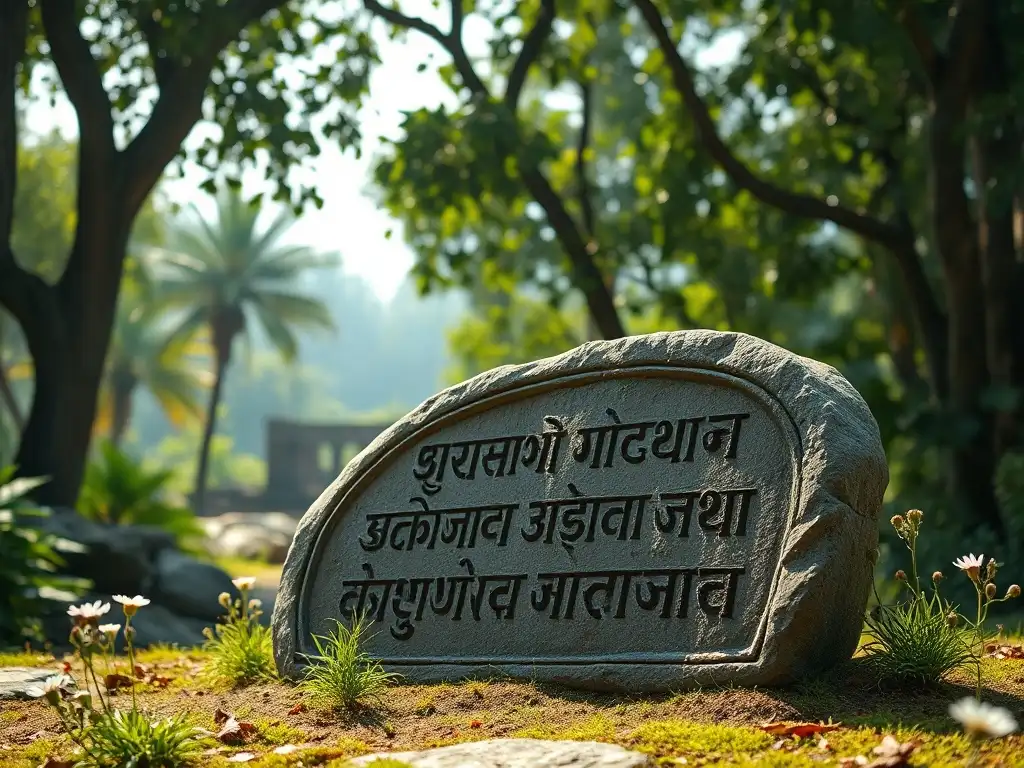
The preservation of ancient Indian inscriptions is crucial for understanding the intricate tapestry of India's past. These inscriptions serve as tangible links to the civilizations that thrived thousands of years ago, offering invaluable insights into their social, political, and cultural dynamics. They provide a unique window into the language, art, and technology of the time, allowing historians and archaeologists to piece together narratives that would otherwise remain hidden.
The significance of ancient Indian inscriptions cannot be overstated. They illuminate the evolution of writing systems, the spread of ideas, and the interactions between different cultures and empires. For example, the Brahmi script, found on various inscriptions, is foundational to the development of many modern Indian languages. Additionally, inscriptions from the Maurya and Gupta empires reveal administrative practices, trade networks, and societal norms that shaped ancient Indian life.
As custodians of this rich heritage, we must prioritize their conservation. Environmental factors, urban development, and human activities pose significant threats to the integrity of these inscriptions. By understanding their importance, we can advocate for protective measures that ensure these historical artifacts endure for future generations.
The Future of Research on Ancient Indian Inscriptions
The future of research on ancient Indian inscriptions looks promising, with advancements in technology and interdisciplinary approaches facilitating deeper analysis. Techniques such as digital imaging and 3D scanning are revolutionizing how scholars study inscriptions, enabling the examination of delicate details that may not be visible to the naked eye. These technologies allow for the preservation of data without the need for physical handling, mitigating the risk of damage.
Moreover, collaborative efforts among historians, linguists, and archaeologists are essential for a holistic understanding of these inscriptions. By integrating knowledge from various fields, researchers can contextualize the inscriptions within broader historical narratives, contributing to a richer understanding of ancient Indian civilization. For instance, analyzing inscriptions in conjunction with archaeological findings can reveal the socio-political climate of the time, shedding light on the motivations behind certain inscriptions or their intended audiences.
Future research also has the potential to uncover previously overlooked inscriptions, especially in remote or underexplored regions of India. As scholars continue to map and catalog these inscriptions, new discoveries may reshape our understanding of ancient Indian history, offering fresh perspectives and challenging established narratives.
Call to Action: Importance of Conservation Efforts
Recognizing the significance of ancient Indian inscriptions is the first step; however, action must follow to ensure their preservation. Here are some critical aspects to consider for conservation efforts:
- Public Awareness: Increasing awareness about the importance of inscriptions among the general public can foster a culture of respect and care. Educational campaigns can highlight the historical value of these artifacts and encourage local communities to protect them.
- Government Initiatives: It is imperative for governmental bodies to implement policies that prioritize the conservation of ancient sites and inscriptions. This includes allocating funding for restoration projects and establishing protective legislation.
- Community Involvement: Engaging local communities in conservation efforts can be incredibly effective. By involving those who live near these historical sites, we can foster a sense of ownership and responsibility towards these inscriptions.
- Research Funding: Continued support for research initiatives focused on ancient inscriptions is essential. Funding for interdisciplinary studies can lead to significant advancements in our understanding of historical contexts and the preservation techniques required.
- Technological Integration: Embracing modern technology in conservation practices can enhance the effectiveness of preservation efforts. Innovations in materials science and conservation methods can help protect inscriptions from environmental damage.
The significance of ancient Indian inscriptions extends far beyond their physical presence; they are vital to understanding the history and culture of ancient India. By prioritizing their preservation and fostering a collaborative research environment, we can ensure that these invaluable records of our past remain accessible to future generations. 🗿
References and Further Reading
Suggested Books and Articles on Ancient Indian Inscriptions
When delving into the significance of ancient Indian inscriptions, numerous scholarly works provide valuable insights into their historical context, linguistic aspects, and cultural implications. Below is a curated list of essential readings:
-
"Indian Epigraphy" by D.C. Sircar
This comprehensive book covers the evolution of inscriptions in India, providing detailed discussions on various scripts, materials, and regional variations. Sircar's work is a cornerstone for understanding the nuances of ancient Indian inscriptions.
-
"The Inscriptions of Ashoka" by J. F. Fleet
Fleet's analysis of the inscriptions of Emperor Ashoka offers a profound glimpse into the Mauryan Empire's policies and the spread of Buddhism. This work is particularly notable for its examination of the ethical themes present in Ashoka's edicts.
-
"Ancient Indian History and Civilization" by Sailendra Nath Sen
Sen's book provides a broader historical context that includes discussions on inscriptions, situating them within the larger narrative of ancient Indian civilization. It is particularly useful for those looking to understand how inscriptions reflect social and political dynamics.
-
"The Archaeology of Ancient Indian Inscriptions: A Study of Writing and Culture" by K. A. N. Sastri
This work offers an interdisciplinary approach by integrating archaeological findings with epigraphical studies, making it indispensable for those interested in the material culture surrounding inscriptions.
-
"Indian Epigraphy: A Guide to the Study of Inscriptions" by R. C. Majumdar
Majumdar’s guide is an excellent starting point for anyone interested in the methodology of studying inscriptions, including how to decipher various scripts and understand their historical context.
Online Resources for Further Exploration
The digital age has made it easier than ever to access a wealth of knowledge on ancient Indian inscriptions. Below are some recommended online resources:
-
Digital Epigraphy Project
A collaborative project that aims to digitize and make accessible ancient inscriptions from India. The site features high-resolution images and translations, allowing researchers and enthusiasts to explore inscriptions interactively.
-
The Archaeological Survey of India (ASI) Website
ASI’s official website offers extensive resources, including reports on archaeological excavations, details about significant inscriptions, and ongoing research projects. It serves as a valuable portal for understanding the governmental efforts in preserving India's epigraphic heritage.
-
India’s Cultural Heritage: Inscriptions
This online archive provides a collection of inscriptions from different regions of India, complete with translations and historical context. It's an excellent resource for students and researchers looking to study specific inscriptions in detail.
-
The Indus Valley Civilization and Scripts
This resource focuses on the early inscriptions from the Indus Valley Civilization, providing insights into one of the world's oldest writing systems. It includes academic articles and discussions on the significance of these early forms of writing.
-
Academia.edu and ResearchGate
These platforms host a myriad of academic papers and articles on ancient Indian inscriptions. Users can search for specific topics, such as "ancient Indian inscriptions significance," and find research conducted by scholars worldwide.
By exploring these resources, readers can deepen their understanding of the significance of ancient Indian inscriptions and appreciate their role in unraveling the complexities of India's past.
Frequently Asked Questions
What are ancient Indian inscriptions?
Ancient Indian inscriptions are written records found on various materials like stone, metal, and clay, which provide valuable insights into the cultural, political, and social aspects of ancient Indian civilizations.
Why are ancient Indian inscriptions significant?
The significance of ancient Indian inscriptions lies in their ability to offer direct evidence of historical events, societal norms, and the evolution of languages, helping historians construct a more accurate narrative of India’s past.
How do inscriptions contribute to our understanding of ancient Indian culture?
Inscriptions reveal various aspects of ancient Indian culture, including religious practices, artistic expressions, and administrative systems, thus allowing us to appreciate the diversity and richness of Indian heritage.
What time periods do ancient Indian inscriptions cover?
Ancient Indian inscriptions span a wide range of time periods, from the Indus Valley Civilization (around 2500 BCE) to the Gupta Empire (around 320 CE), highlighting the continuity and change in Indian history.
Where can I find examples of ancient Indian inscriptions?
Examples of ancient Indian inscriptions can be found in archaeological sites, museums, and historical texts. Notable sites include the Ashoka Edicts and inscriptions from temples across India.
Final Reflection: The Enduring Significance of Ancient Indian Inscriptions
The exploration of ancient Indian inscriptions reveals not only the rich tapestry of India’s past but also underscores their significance in understanding contemporary society. These inscriptions serve as a bridge connecting us to our ancestors, offering invaluable insights into their lives, beliefs, and governance. In a world increasingly driven by technology and rapid change, the lessons embedded in these ancient texts remind us of the enduring power of history and culture.
The impact of ancient inscriptions on our cultural and social landscape is profound and ongoing. They shape our understanding of identity, heritage, and continuity in a nation as diverse as India. By studying these inscriptions, we gain a deeper appreciation for the complexities of our past and how they inform our present. As noted by historian Romila Thapar, History is not just a record of the past; it is a narrative that shapes our present and future.
This perspective emphasizes the importance of engaging with our historical texts, as they hold the keys to understanding our collective journey.
As we reflect on the significance of ancient Indian inscriptions, I invite you to consider how these historical artifacts resonate in your own life. What stories do they tell you about your heritage? How can the lessons learned from our past inspire your actions today? Embrace the opportunity to delve into history, not just as a passive observer but as an active participant in the ongoing narrative of humanity. By doing so, we honor our ancestors and ensure that their voices continue to echo through time, guiding us toward a more informed and connected future.
Unveil the Secrets of India's Past!
Thank you for diving into the fascinating world of ancient inscriptions! Your passion for exploring India’s history is truly commendable. As you reflect on the invaluable insights gained from this article, it's time to take action and uncover even more about our rich heritage.
Here are some exciting ways you can continue your journey:
- Visit a local museum or historical site to see ancient inscriptions firsthand. Immerse yourself in the stories they hold and deepen your understanding of the past.
- Join a discussion group or online community focused on Indian history. Share your thoughts and learn from fellow history enthusiasts about new interpretations and discoveries.
- Document your findings in a blog or social media post to inspire others to join you in exploring India’s past. Every shared story contributes to the collective appreciation of our heritage!
What inscription or symbol from India’s history resonates most with you, and why? **We invite you to share your thoughts and experiences below! **