
The Gupta Empire's Impact on Ayurvedic Medicine and Art

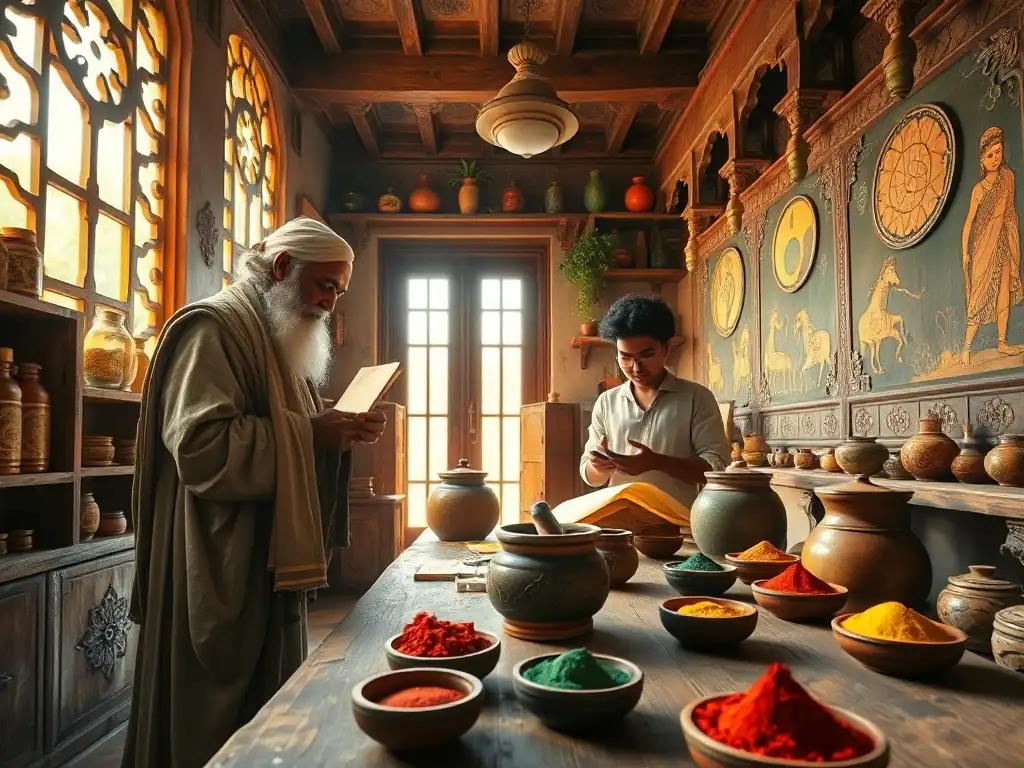
Welcome to Ancient India History, where we embark on a captivating journey through the rich tapestry of ancient Indian civilizations. Here, we delve into the profound cultural innovations and contributions that have shaped our world today. In our featured article, we explore the remarkable impact of the Gupta Empire on Ayurvedic medicine and art, revealing how this golden age not only advanced medical practices but also enriched artistic expression. Prepare to uncover the secrets of this transformative era and the legacy it left behind—your exploration begins now!
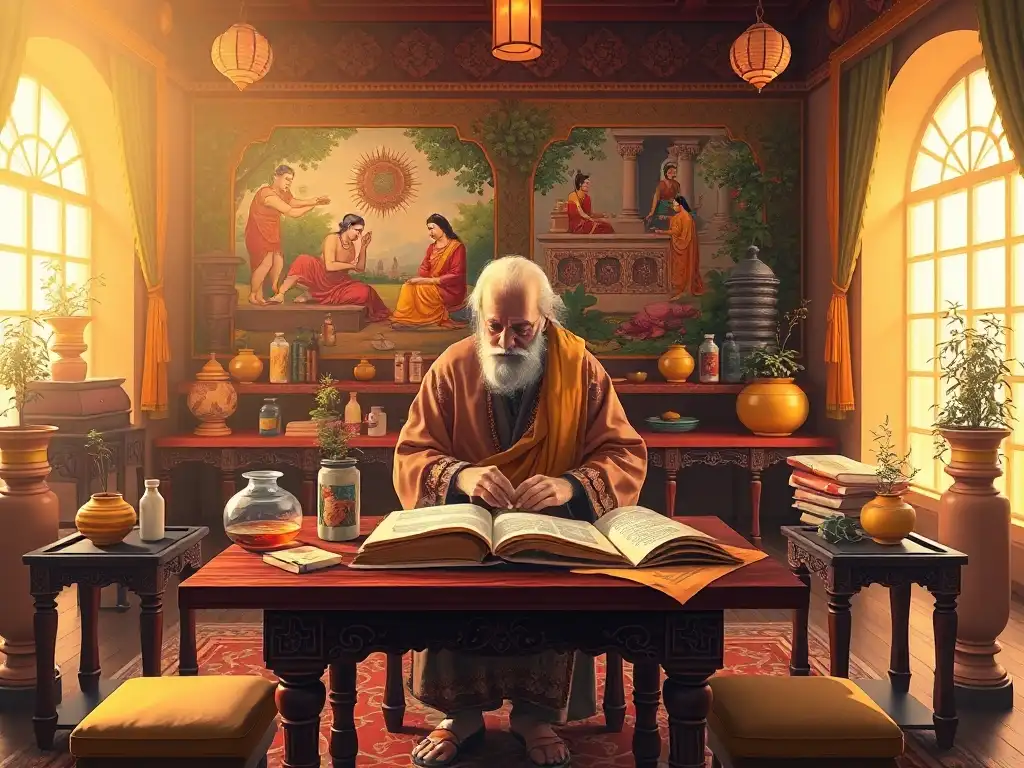
The Gupta Empire, often referred to as the Golden Age of India, thrived from approximately 320 to 550 CE and left an indelible mark on various facets of Indian civilization, including art, literature, and science. One of the most notable contributions during this period was the flourishing of Ayurvedic medicine, which saw significant advancements in both theory and practice.
This article aims to explore how the Gupta Empire influenced Ayurvedic medicine and its artistic representations, highlighting the interconnection between health, culture, and art that characterized this remarkable era. As we delve into the intricate web of knowledge and creativity that emerged, we will uncover the lasting legacy of the Gupta Empire in shaping the foundations of Ayurvedic practices that continue to resonate in contemporary times.
Introduction to the Gupta Empire
Overview of the Gupta Empire
The Gupta Empire was established by Sri Gupta and reached its zenith under the reign of Chandragupta II. It was characterized by a strong centralized administration, extensive trade networks, and a cultural renaissance that fostered advancements in various fields. The empire's capital, Pataliputra, became a hub of intellectual activity, attracting scholars and artists from far and wide. The period is marked by notable achievements in mathematics, astronomy, and medicine, with Ayurveda—an ancient system of medicine—gaining prominence.
Significance of the Gupta Empire in Ancient Indian History
The Gupta Empire is often regarded as a pivotal phase in ancient Indian history due to its contributions to cultural and intellectual development. The flourishing of trade and the patronage of arts and sciences created an environment conducive to innovation and creativity. This era laid the groundwork for future advancements, particularly in the fields of medicine and art, influencing not only Indian society but also leaving a lasting impact on neighboring regions.
The Evolution of Ayurvedic Medicine During the Gupta Period
Historical Context of Ayurveda Before the Gupta Empire
Ayurveda, which translates to "the science of life," has its roots in ancient Indian texts such as the Vedas. Prior to the Gupta period, Ayurveda was primarily a compilation of oral traditions and early texts that emphasized herbal remedies and holistic approaches to health. The pre-Gupta phase saw the emergence of foundational texts, such as the "Charaka Samhita" and "Sushruta Samhita," which established the principles of diagnosis, treatment, and the importance of preventive care. However, the full potential of Ayurveda was yet to be realized.
Key Texts on Ayurveda During the Gupta Era
The Gupta Empire witnessed the compilation and refinement of Ayurvedic texts, which significantly advanced the field of medicine. Key contributions include commentaries on earlier works and the creation of new texts that integrated philosophical concepts with practical applications. Notable scholars such as Charaka and Sushruta continued to influence Ayurvedic practices, while new texts provided insights into surgical techniques and herbal pharmacology. This period marked a transformation in Ayurveda, bridging ancient wisdom with systematic methodologies that would shape the practice for centuries to come.
The Gupta Empire's Influence on Ayurvedic Practices
The Gupta Empire, often referred to as the Golden Age of India, significantly influenced the development and proliferation of Ayurvedic medicine. During this period, Ayurveda transitioned from a largely oral tradition to a more systematic and documented science. The Guptas emphasized the importance of health and well-being, leading to an increased recognition of Ayurvedic practices as essential components of societal health.
Scholars like Charaka and Sushruta, who lived during this time, made substantial contributions to the texts that became foundational in the field of Ayurveda. Their works not only codified medical knowledge but also established a framework for both diagnosis and treatment, which was pivotal for future generations.
Development of Medical Institutions and Education
With the patronage of the Gupta rulers, several medical institutions were established, fostering a culture of learning and research in Ayurveda. Universities like Nalanda became key centers for Ayurveda education, where students from various regions came to learn from esteemed physicians and scholars. The curriculum included comprehensive studies on herbal medicines, surgical techniques, and holistic health approaches. This institutional framework allowed for the formalization of medical knowledge, leading to advancements in both the theoretical and practical aspects of Ayurvedic medicine.
Integration of Ayurveda in Daily Life and Society
Ayurvedic practices became deeply integrated into everyday life during the Gupta period. The emphasis on balance and wellness resonated with the societal values of the time. Ayurveda was not merely seen as a medical system but as a holistic approach to life that encompassed diet, lifestyle, and spiritual well-being. Rituals and traditions surrounding health and medicine were common, and Ayurvedic practitioners were respected members of society. This integration fostered a culture in which health was prioritized, influencing dietary practices, herbal remedies, and preventive health measures that are still relevant today.
Innovations in Ayurvedic Treatments and Herbal Medicine
The Gupta Empire was marked by significant innovations in Ayurvedic treatments and herbal medicine. Scholars conducted extensive research into medicinal plants, identifying their properties and potential applications. The compilation of texts during this time, such as the Charaka Samhita and Sushruta Samhita, detailed various treatments for diseases, surgical procedures, and the preparation of herbal formulations. These texts not only preserved knowledge but also encouraged experimentation and adaptation of treatments, paving the way for future advancements in Ayurvedic practices.
Art and Culture in the Gupta Empire
The Gupta Empire was renowned for its artistic achievements, which flourished in various forms, including sculpture, painting, and architecture. This artistic renaissance was not merely decorative; it played a crucial role in the cultural and spiritual life of the time. Art during the Gupta period often depicted themes related to health, healing, and spirituality, which were intrinsically linked to Ayurvedic principles. The portrayal of deities associated with medicine and healing in sculptures and paintings served to reinforce the importance of health and wellness in society.
Artistic Flourishing: Sculpture, Painting, and Architecture
The Gupta period witnessed a remarkable flourishing of the arts, characterized by intricate sculptures, stunning frescoes, and impressive architectural feats. Temples and monasteries were adorned with detailed carvings that depicted scenes from daily life, mythology, and, notably, medical practices. The art of the time was distinguished by its emphasis on realism and expression, showcasing the skills of artisans and their deep understanding of human anatomy. This artistic expression not only served aesthetic purposes but also acted as a medium for disseminating Ayurvedic knowledge and practices.
The Role of Art in Promoting Ayurvedic Medicine
Art played a significant role in promoting Ayurvedic medicine during the Gupta Empire. Artistic representations within temples and medical texts often illustrated the principles of Ayurveda, making complex medical concepts more accessible to the general population. Murals and carvings depicting physicians at work, the preparation of medicinal herbs, and the holistic practices of Ayurveda helped to educate and inform.
Furthermore, these artworks served to reinforce the cultural significance of Ayurveda, embedding it within the spiritual and social fabric of Gupta society. The interplay between art and medicine during this period exemplifies how cultural expressions can enhance the appreciation and understanding of medical traditions.
The Interconnection Between Ayurvedic Medicine and Gupta Art
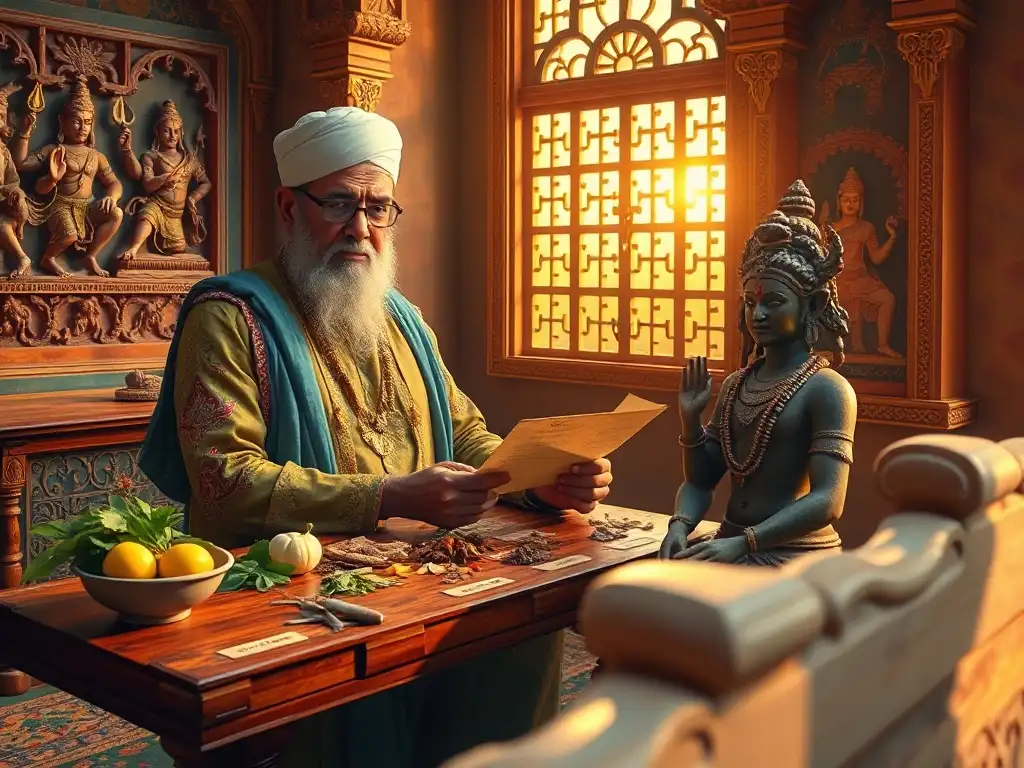
The Gupta Empire, often heralded as a golden age of Indian culture, is renowned for its remarkable advancements in art, literature, and science, including the field of medicine. Ayurvedic medicine, which emphasizes balance in bodily systems through diet, herbal treatment, and yogic practices, flourished during this period, deeply intertwining with the artistic expressions of the time. The synergy between Ayurveda and Gupta art is evident in numerous ways, as both disciplines reflect the societal values and philosophical underpinnings of the era.
Artworks from the Gupta period often depict themes related to health, wellness, and the natural world, which are central to Ayurvedic philosophy. For example, sculptures and murals illustrate medicinal plants and healing practices, showcasing the significance of nature in Ayurvedic healing. This interconnectedness not only highlights the importance of Ayurveda in daily life but also serves to elevate its status through artistic representation, reinforcing its principles in the collective consciousness of society.
How Art Reflected Ayurvedic Principles
Art during the Gupta Empire was characterized by intricate sculptures, detailed murals, and beautifully crafted artifacts that celebrated the human body, nature, and spiritual beliefs. These artistic expressions often embodied Ayurvedic principles, emphasizing balance and harmony. For instance, the depiction of deities in various postures and gestures (mudras) symbolized different health aspects and states of being, resonating with Ayurvedic concepts of energy flow and balance.
Many artworks included representations of medicinal plants and herbs, frequently highlighted in sculptures or frescoes found in temples and monasteries. This artistic focus on flora not only served an aesthetic purpose but also acted as a visual guide to the medicinal resources valued in Ayurveda. The meticulous detail in these artworks reflects an understanding and reverence for the healing properties of nature, bridging the gap between art and medicine in a culturally rich tapestry.
The Influence of Art on the Perception of Ayurveda in Society
The artistic representations of Ayurveda during the Gupta Empire played a crucial role in shaping societal perceptions of health and wellness. By presenting Ayurveda as an integral part of daily life and spiritual practice, Gupta art elevated the status of Ayurvedic practitioners and treatments within the community. The visuals often depicted physicians performing treatments, thus reinforcing the legitimacy and importance of Ayurvedic medicine.
Moreover, art served as a medium for education, allowing the populace to visually learn about herbal remedies and health practices. The presence of Ayurvedic themes in public art spaces, such as temples, made these concepts accessible to a broader audience, promoting a collective understanding and acceptance of Ayurvedic principles. This societal endorsement helped solidify Ayurveda's legacy as not just a medical system but a vital component of cultural identity.
Legacy of the Gupta Empire on Modern Ayurvedic Medicine and Art
The contributions of the Gupta Empire to Ayurvedic medicine and art have had a lasting impact, shaping both fields well into modern times. The principles established during this period continue to influence contemporary practices, and the artistic expressions of the time remain relevant in the cultural landscape of India today.
Modern Ayurvedic practitioners often reference ancient texts and traditions that were compiled and refined during the Gupta era, ensuring that these foundational practices endure. Furthermore, the integration of art into Ayurvedic practices, such as the use of mandalas and symbolic imagery in healing spaces, underscores the enduring legacy of this connection.
Continued Relevance of Ayurvedic Practices Today
Ayurvedic practices have seen a resurgence in recent years, with many people turning to these ancient methods for holistic health and wellness solutions. The Gupta Empire's emphasis on a balanced lifestyle, dietary considerations, and the use of medicinal plants resonate strongly with modern health trends focused on natural and preventive care.
Furthermore, the global interest in alternative medicine has led to a greater appreciation for Ayurvedic principles, which encourage individualized treatment plans based on one's constitution (dosha) and environmental factors. This revival of interest demonstrates how the foundations laid during the Gupta Empire continue to inform and enhance health practices today, ensuring that Ayurvedic medicine remains a vital component of Indian culture and beyond.
Influence of Gupta Art on Contemporary Indian Culture
The artistic styles and themes that emerged during the Gupta Empire have significantly influenced contemporary Indian art and culture. Modern artists often draw inspiration from Gupta sculptures, paintings, and motifs, integrating traditional elements into their works. This revival of ancient styles fosters a sense of cultural pride and continuity, connecting current generations with their rich heritage.
Additionally, the representation of health and wellness in contemporary art often echoes the Ayurvedic principles depicted in Gupta-era works. Themes of balance, nature, and the human form continue to be explored in modern artistic expressions, bridging the ancient and contemporary worlds. This ongoing dialogue between past and present not only celebrates the Gupta Empire’s contributions but also reinforces the importance of Ayurveda and its artistic representations in shaping Indian cultural identity.
Conclusion: The Lasting Impact of the Gupta Empire on Ayurveda and Art
The Gupta Empire, often referred to as the Golden Age of India, played a pivotal role in shaping various fields, including Ayurvedic medicine and artistic expression. The sophisticated practices and innovations in medicine during this period laid a strong foundation for future developments in healthcare, while the artistic contributions left an indelible mark on Indian culture.
The interrelation between Ayurveda and art during the Gupta era highlights the holistic approach to health, beauty, and spirituality that defined ancient Indian civilization. As we reflect on the Gupta Empire's legacy, it is clear that its influence continues to resonate in contemporary practices of Ayurveda and the appreciation of Indian art.
Summary of Key Contributions
- Advancements in Ayurvedic Medicine: The Gupta Empire saw the compilation of significant texts such as the Ashtanga Hridayam, which synthesized earlier Ayurvedic knowledge and emphasized a holistic approach to health. The period also marked advancements in surgical techniques and the use of herbal remedies.
- Integration of Art and Medicine: Art during the Gupta period not only served aesthetic purposes but also played a role in promoting health and well-being. Depictions of medical practices in sculptures and paintings reflect the society’s respect for healthcare professionals and the importance of Ayurveda.
- Cultural Syncretism: The Gupta Empire facilitated the blending of various cultural influences, leading to a rich tapestry of artistic expressions that incorporated themes from nature, spirituality, and philosophy, thereby enhancing the practice of Ayurveda through artistic representation.
The Gupta Empire's Enduring Influence on Ancient Indian Civilization
The impact of the Gupta Empire extends far beyond its temporal bounds. The principles established during this era in Ayurveda continue to influence modern practices, with many contemporary Ayurvedic practitioners drawing upon the foundational texts and concepts from this period. The emphasis on natural remedies, personalized treatments, and holistic health is a direct reflection of Gupta-era philosophies.
Similarly, the artistic innovations of the Gupta period have influenced various forms of Indian art, including sculpture, painting, and architecture. The techniques developed during this time laid the groundwork for subsequent artistic movements and styles, ensuring that the aesthetic values and cultural narratives of the Gupta Empire remain integral to India's artistic heritage. This interconnectedness of Ayurveda and art not only illustrates the sophistication of ancient Indian civilization but also underscores its lasting legacy in shaping contemporary cultural and medical practices.
References and Further Reading
Suggested Books and Articles on Gupta Empire and Ayurveda
-
"The History of Ayurveda: Ancient Indian Medicine" by Dr. R. K. Sharma
This book offers a comprehensive overview of Ayurvedic practices and their evolution, with a focus on the Gupta Empire's contributions.
-
"Gupta Empire: The Golden Age of India" by Dr. M. S. Sharma
A detailed exploration of the political, cultural, and scientific advancements during the Gupta period, highlighting the significance of Ayurveda.
-
"Ayurveda: The Science of Self-Healing" by Dr. Vasant Lad
This resource discusses the principles of Ayurveda and includes historical contexts that trace back to the Gupta era.
Important Resources for Exploring Ancient Indian Art and Culture
-
The National Museum, New Delhi
A treasure trove of Gupta-era artifacts, including sculptures and paintings that reflect the artistic prowess of the time.
-
The Archaeological Survey of India (ASI)
Provides extensive research and publications on archaeological findings relating to the Gupta Empire, including art and medical practices.
-
"Indian Art and Culture" by N. A. M. Mandal
This book presents an overview of Indian art history, with dedicated sections on Gupta art and its cultural significance.
By exploring these resources, readers can gain a deeper understanding of the Gupta Empire's profound contributions to both Ayurvedic medicine and the artistic heritage of ancient India.
- Introduction to the Gupta Empire
- The Evolution of Ayurvedic Medicine During the Gupta Period
- The Gupta Empire's Influence on Ayurvedic Practices
- Art and Culture in the Gupta Empire
- The Interconnection Between Ayurvedic Medicine and Gupta Art
- Legacy of the Gupta Empire on Modern Ayurvedic Medicine and Art
- Conclusion: The Lasting Impact of the Gupta Empire on Ayurveda and Art
- References and Further Reading
- What was the Gupta Empire's contribution to Ayurvedic medicine?
- How did art evolve during the Gupta Empire?
- What are some key texts on Ayurvedic medicine from the Gupta period?
- How did the Gupta Empire's culture influence modern Ayurvedic practices?
- What role did religion play in the development of Ayurvedic medicine during the Gupta Empire?
Frequently Asked Questions
What was the Gupta Empire's contribution to Ayurvedic medicine?
The Gupta Empire significantly advanced Ayurvedic medicine by promoting scholarly work and the compilation of texts, enhancing the understanding and practice of this ancient healing system.
How did art evolve during the Gupta Empire?
During the Gupta Empire, art flourished with the creation of intricate sculptures and murals, reflecting religious themes and the aesthetic values of the time, which often intertwined with Ayurvedic practices.
What are some key texts on Ayurvedic medicine from the Gupta period?
Key texts include the Sushruta Samhita and Charaka Samhita, which were revised and expanded during the Gupta Empire, laying foundational principles for Ayurvedic practices.
How did the Gupta Empire's culture influence modern Ayurvedic practices?
The Gupta Empire's emphasis on education and scholarship helped standardize Ayurvedic practices, many of which are still utilized in modern holistic healing.
What role did religion play in the development of Ayurvedic medicine during the Gupta Empire?
Religion played a pivotal role, as many Ayurvedic texts were influenced by spiritual beliefs, integrating holistic approaches to health that considered both the body and soul.
Final Reflection: The Enduring Legacy of the Gupta Empire on Ayurvedic Medicine and Art
The Gupta Empire's profound contributions to Ayurvedic medicine and art resonate powerfully in today's world, highlighting the timeless relevance of ancient wisdom in modern health practices. As we navigate an era increasingly focused on holistic well-being, the principles established during this golden age of Indian civilization remind us that the integration of mind, body, and spirit is not merely a contemporary trend but a foundational aspect of human existence. The Gupta Empire's innovations serve as a beacon, illuminating the path toward a more balanced and health-conscious society.
The influence of the Gupta Empire on the cultural and social landscape is undeniable, with Ayurvedic medicine continuing to thrive as a respected healing system globally. This ancient practice not only emphasizes the importance of natural remedies but also fosters a deeper understanding of the interconnectedness of life. As we reflect on this legacy, we can appreciate the words of the renowned Ayurvedic scholar, Charaka: When diet is wrong, medicine is of no use. When diet is correct, medicine is of no need.
This insight encapsulates the essence of Ayurveda, urging us to prioritize our health through mindful living and informed choices.
As we close this exploration of the Gupta Empire's impact, I invite you to reflect on how these ancient teachings can enrich your life today. Consider integrating Ayurvedic principles into your daily routine, whether through mindful eating, meditation, or appreciating the beauty of art that inspires you. Embrace the wisdom of the past to cultivate a healthier, more harmonious future, and let the legacy of the Gupta Empire guide you on your journey toward well-being and creativity.
Explore the Timeless Legacy of the Gupta Empire!
Thank you for taking the time to delve into the remarkable influence of the Gupta Empire on Ayurvedic medicine and art. You've uncovered insights that link ancient wisdom to modern applications, enriching your understanding of this vibrant period in history! Now, let's keep that momentum going.
Here are some actionable steps to deepen your exploration:
- Dive deeper into Ayurvedic practices by starting a daily journal to track your health and wellness using time-honored techniques.
- Join a local workshop or online course focused on Ayurvedic medicine or traditional Indian art forms to enhance your skills and knowledge.
- Share your newfound knowledge with friends and family—consider hosting a small gathering to discuss the Gupta Empire’s contributions and their relevance today.
What aspect of Ayurvedic medicine or Gupta art intrigues you the most? How do you plan to incorporate it into your life? Share your thoughts in the comments below!